Noah Walker: designing, building, and letting the site speak

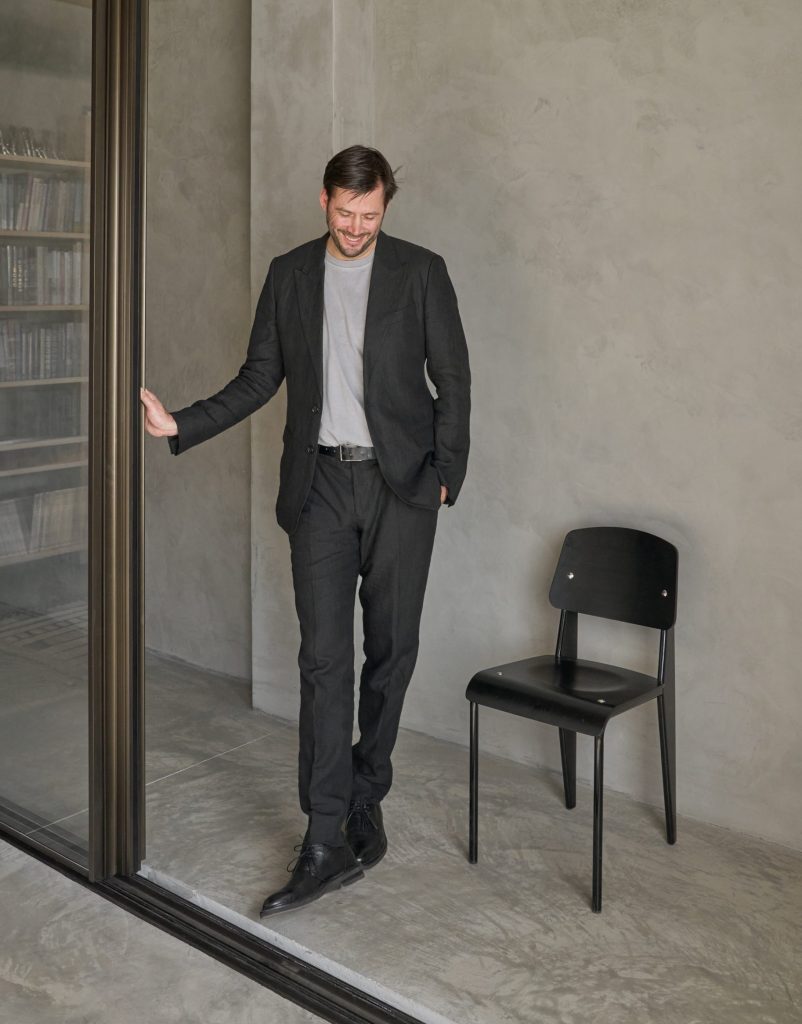
Based in Los Angeles, Noah Walker designs homes that his studio then builds. Since 2010, Walker Workshop has created residences that appear to emerge directly from their surroundings, blending light, materials and silence. A Harvard-trained architect and licensed builder with a passion for music and skiing, he is driven by one quiet obsession: to keep the gesture, precision and emotion of a craft that is being reshaped by technology alive. This is a portrait of a maker who oversees every stage of his projects.

Los Angeles, a land of freedom

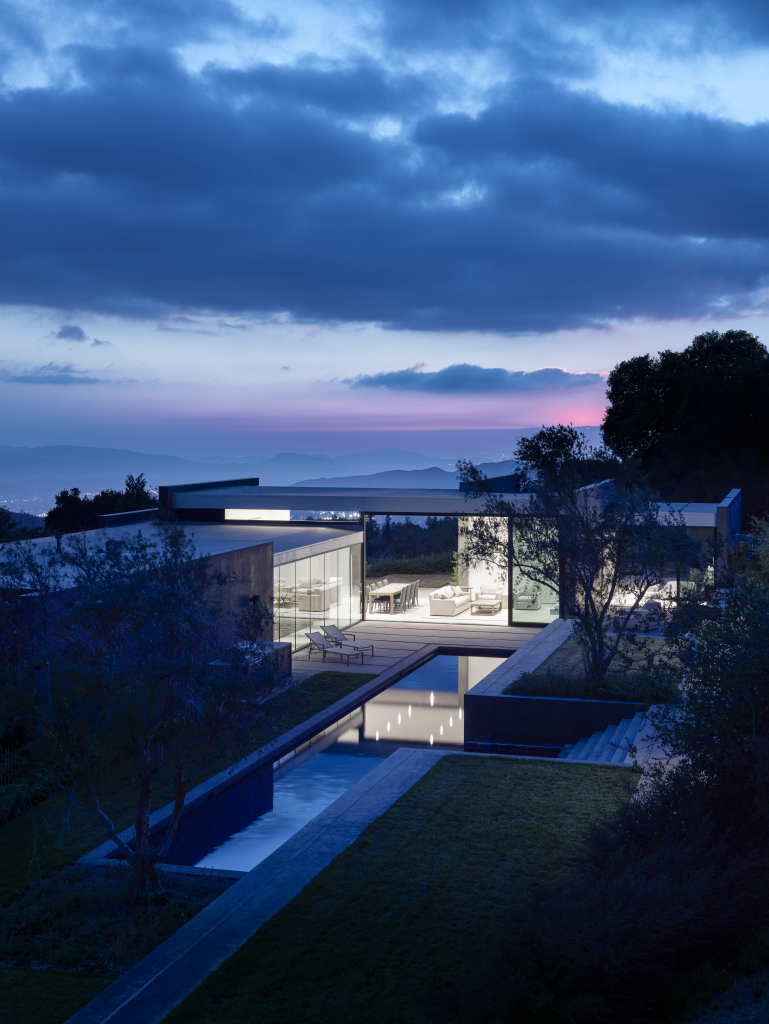
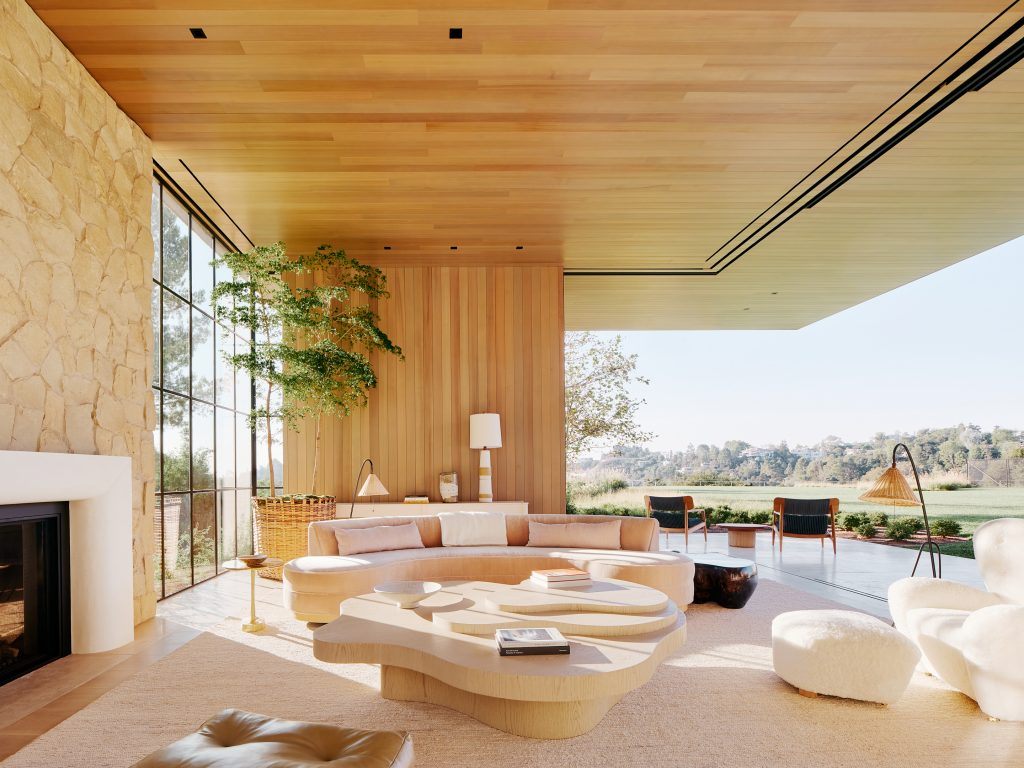
Waker Workshop, Desert House

Noah Walker could have settled anywhere. After spending years in New York, he chose Los Angeles around 2008. The city was still growing and changing, and it welcomed modern architecture with a generosity that more established cities on the East Coast had denied him. Here, a young architect can create their own world. In 2010, he founded Walker Workshop. Today, around twenty people work alongside him, delivering roughly a dozen projects a year, almost all of which are residential. The firm’s approach can be summed up in two words: design-build. The studio both designs and builds, acting as its own general contractor, with teams that carry a project from the initial sketch to the final detail. If no subcontractor wants to take on a challenging task, the studio does it itself. While many architects stop at the drawing stage, the studio is a constant presence on the ground.

Oak Pass, a house born of a campsite

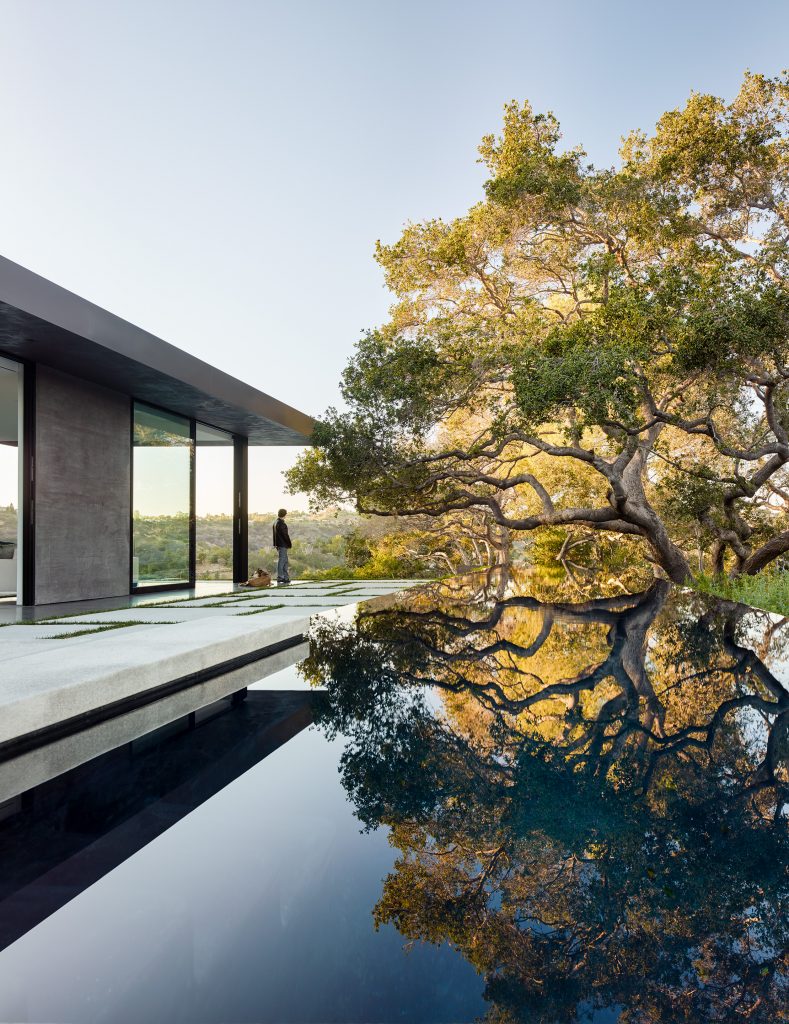
Walker Workshop ; Oak Pass

In 2015, one project changed everything: Oak Pass in Beverly Hills. Noah Walker was thirty-five when he met a client at a party who entrusted him with a commission on a scale he had never attempted before. The three-acre plot was dotted with over a hundred and thirty oaks and the ruins of a house lost to fire. Before designing anything, the architect pitched a tent and slept on the land to understand its essence. From this experience came a clear conviction: to embrace the site rather than overpower it. The house is spread out amongst the trees, blending into the topography and the landscape. The largest oak leans over a black, twenty-three-metre pool that mirrors the stars and golden leaves of dusk. The project went on to earn international acclaim.

Sequences of views and feeling

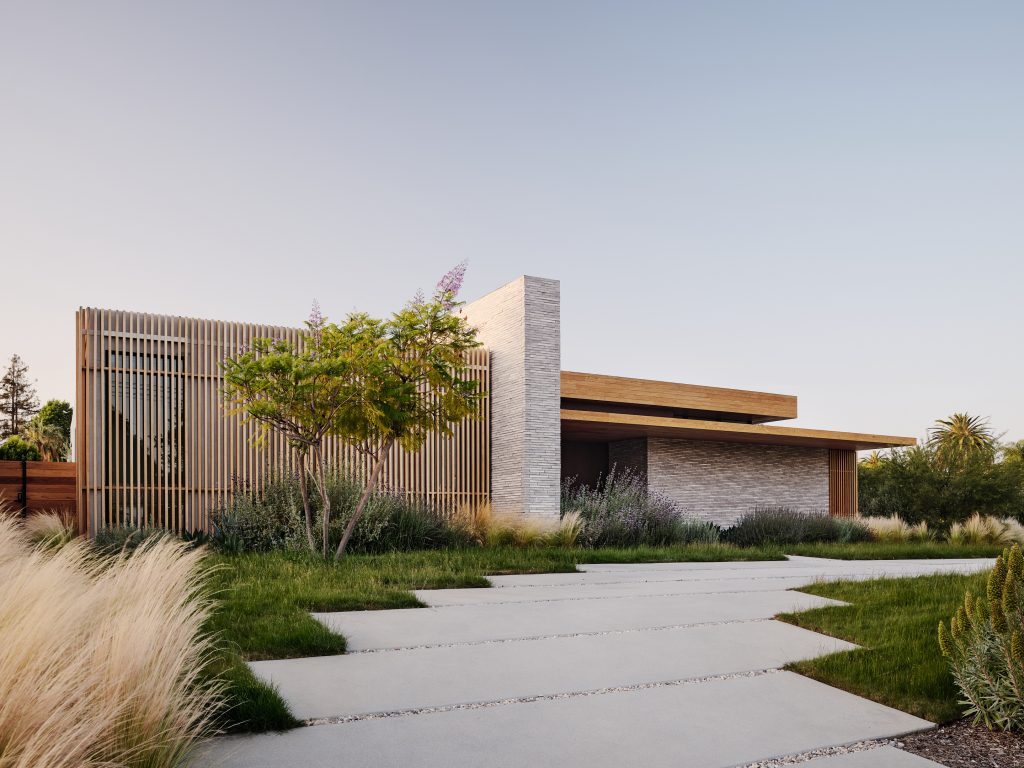
Walker Workshop ; Walnut

Noah Walker designs his houses like a filmmaker or photographer would. He composes sequences before thinking in terms of volumes: what the eye discovers when crossing the threshold, what is revealed when turning left or climbing the stairs. The studio creates three-dimensional models of each home and walks through them long before the first shovel hits the ground. Clients can wander from room to room, knowing exactly what their house will feel like before it even exists. Nothing is left to chance. Behind that precision lies a posture of humility. The architect would rather allow a project to evolve from the client’s wishes and the character of the land than impose a signature design feature. This patient dialogue gives rise to each house, and each one ends up resembling its place more than its author.

Keeping the gesture and the material alive

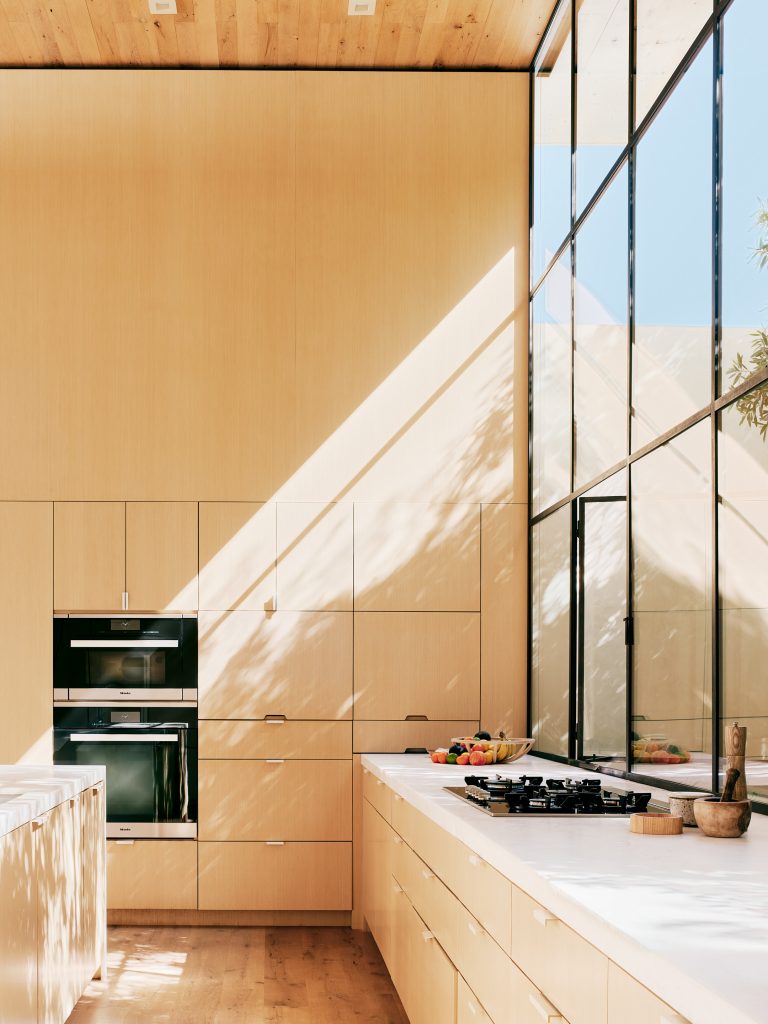
Walker Workshop ; Rustic Canyon

In an age of artificial intelligence and automation, Noah Walker adheres to a simple belief: to stay close to reality. Follow the site closely, familiarise yourself with the material and keep the craft of building alive. He senses that we will soon lose faith in images and films that are now impossible to distinguish from reality. His solution is based on his intuition that people will return to experiences that can only be had in person: travel, meetings and places that can only be fully appreciated by the body. A line on his website encapsulates this idea: in an era of seductive visuals, the finished work speaks for itself. Building homes that will be passed down through generations is what drives him and gives his craft a quiet weight.

The man behind the studio

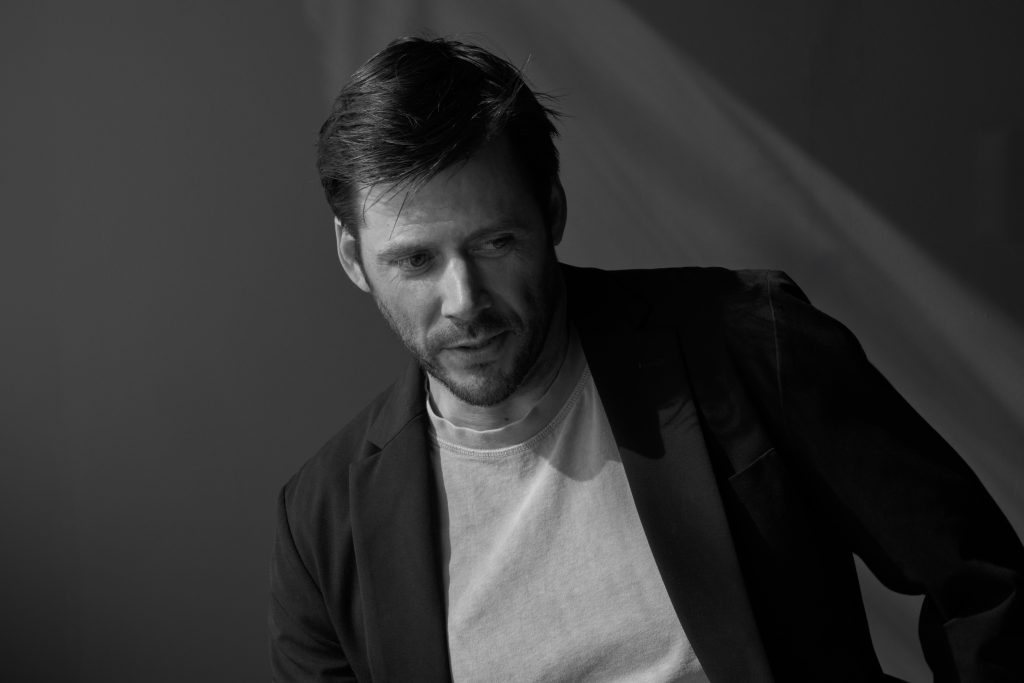
Noah Walker

Away from building sites, Noah Walker lives to the rhythm of music. He has been a DJ since the late 1990s, when vinyl was still popular, and he has set up a DJ booth in his office. This feels like a form of meditation for him: he loses himself in the moment, focusing on one thing alone. His other escape is the open air. A skier since childhood, he loves the mountains, hiking, and camping. Los Angeles suits him perfectly, with the ocean, mountain peaks and deserts all within easy reach. When it comes to inspiration, one name keeps cropping up: Louis Kahn. As a student, he would spend hours inside a Kahn building on his campus, captivated by its beauty and uniqueness. It was this encounter that led him towards architecture. From Kahn, he has retained a sense of timeless work that transcends fashion — every piece a masterpiece.

The dream of a place for everyone

Walker Workshop ; Mandeville Canyon

There is one aspect of his work that still eludes him. His houses remain private, hidden behind walls and hedges. His dream is to design a place open to all: a museum, a gallery or a public space where people could experience architecture. The architect recalls the feeling he experienced inside a Norman Foster building and the energy the space gave off. He would love to offer that experience in turn, providing passers-by with a setting that both awakens and soothes. The American profession has become highly specialised, and he knows how difficult it is to move away from a particular type of building once that path has been chosen. In the meantime, however, the world is opening up to him: he has completed a house in Cape Town, South Africa, and he has another under construction in Dubai. His clients from afar found him through social media — proof that a body of work can now travel without borders.

Continue exploring

Tomislav Topic: mastering the language of colour
Pierre Lilamand: a passion for fruit, a love of passing on the craft
BOON_EDITIONS: the art of creating tomorrow’s archetypes
Pascale Rolland-Durand : rekindling the spirit of places
Gabriele Ravasio: from Lombardy to Versailles, a portrait of a chef without borders
Arnold d’Alger: portrait of a radiant artist

Février, 2026

Édition 3 : Patrimoine et création

Créer avec l’existant, penser avec l’histoire

De l’architecture au design, cette édition explore comment lieux, savoir-faire et matières héritées deviennent terrains de création actuelle.

Janvier, 2026

Édition 2 : Quiet luxury

Le luxe se réinvente.

Finis les logos clignotants, place à une sobriété raffinée, à l’immersion personnelle, à l’excellence artisanale, à la durabilité sensible.

Décembre, 2025

Édition 1 : Le sens de la fête

Héritages, gestes contemporains et plaisirs essentiels

Parce que la fête n’est jamais qu’apparence : elle reflète notre manière d’habiter le monde, de transmettre, de fabriquer des souvenirs durables.

ÉDITION #3

Révéler la beauté

Upcycling et kintsugi transforment l’objet contemporain, faisant de la trace, de la réparation et de la matière un langage esthétique.

ÉDITION #3

Les nouveaux artisans du patrimoine

Artisans et designers donnent une seconde vie aux matériaux anciens, entre création contemporaine, patrimoine et réemploi.

ÉDITION #3

L'art à la rescousse des friches et lieux oubliés

Bunkers, wagons et kiosques renaissent grâce à la création, révélant comment l’art redonne sens aux lieux délaissés.

ÉDITION #2

Le murmure du beau

Un regard transversal sur le quiet luxury à travers des lieux, des objets et des figures qui expriment l’élégance.
ÉDITION #1

Lieux, maisons et matières en éclats

Une sélection de marques, architectures, objets et escapades qui donnent corps au sens de la fête.
ÉDITION #3

La création au secours des bâtiments promis à l’oubli

Usines et gares délaissées deviennent lieux culturels ouverts, où mémoire industrielle et usages contemporains redessinent la ville.
ÉDITION #3

Hôtel Normandy Le Chantier

L’audacieuse métamorphose d’un palace parisien

ÉDITION #3

Dans les coulisses du Centre d'Études Picasso à Paris

Au cœur du Marais, un lieu discret révèle comment archives, architecture et recherche font dialoguer l’œuvre de Picasso.

ÉDITION #2

Shopping iconique dans un décor Tudor

Une expérience shopping unique dans un magasin emblématique.

ÉDITION #2

Gastronomie et architecture

Voyage culinaire et architectural au cœur de la Seine

ÉDITION #2

L'art de l'hospitalité parisienne

Dans le 9e arrondissement, un établissement qui invite au quiet luxury

ÉDITION #1

Chante!

Chante! vient d’ouvrir ses portes. Une invitation à vibrer !

ÉDITION #3

La boîte aux lettres française devenue objet de design

Icône du paysage français, la boîte jaune change de statut et s’invite dans l’univers du design.

ÉDITION #3

Retour sur Maison&Objet 2026 : retour aux sources et à l’essentiel

L’édition 2026 affirme une vision où artisanat, design et mémoire façonnent l’habitat contemporain, international actuel.

ÉDITION #3

Art Deco: un mouvement centenaire, plus actuel que jamais

Cent ans après 1925, l’Art déco revient dans nos villes et intérieurs avec géométrie, audace, optimisme.

ÉDITION #3

Royal Limoges, deux siècles d’histoire au présent

Depuis plus de deux cents ans, Royal Limoges conjugue porcelaine, savoir-faire industriel et création contemporaine.

ÉDITION #3

Du terrain à la rue et au catwalk : les sneakers à travers les époques

Des terrains de sport aux podiums, la sneaker raconte un siècle de mutations culturelles, techniques et stylistiques.

ÉDITION #2

La formidable aventure du papier peint de luxe

Design, mode, artisanat : des créations où la forme et la matière se répondent avec justesse, loin de tout effet de mode.

ÉDITION #1

Icônes, détails, rituels

Décorations artisanales, calendriers ultra-luxe et pièces de collection pour s’enivrer de joie avant l’heure.

ÉDITION #3

Anton Laborde

Entre marqueterie monumentale et jungle symbolique, Anton Laborde transforme le bois en récit contemporain poétique engagé.

ÉDITION #3

Thierry Laudren

À Maison & Objet, Thierry Laudren présente des meubles sculptés où fonction, matière et lenteur façonnent une présence.

ÉDITION #3

Jean Nouvel

Jean Nouvel conçoit une architecture attentive aux contextes, où lumière, histoire et usages façonnent chaque projet.

ÉDITION #3

Sophie Morel

À Lyon, Sophie Morel rénove des lieux historiques en alliant respect du bâti et écriture contemporaine.

ÉDITION #3

Pascal Grasso

Au Centre d’Études Picasso, l’architecte compose une architecture où lumière, géométrie et héritage dialoguent avec précision.

ÉDITION #2

Alexandre Danan

Entretien avec le fondateur d’EDO (European Design Office)

ÉDITION #2

Aziz Temimi

Portrait d’un visionnaire qui transforme l’art de recevoir en expérience totale.

ÉDITION #1

Visages, gestes, inspirations

Personnalités, artisans et créateurs qui donnent à la fête sa profondeur humaine.

ÉDITION #3

Chemins de traverse : parenthèse d’exception en Bordelais

De Bordeaux au Bassin, art, vignobles et bien-être composent une échappée élégante au cœur de la Gironde.

ÉDITION #2

Voyage en Toscane

Vers une région de l’Italie habitée par le temps, où paysages, culture et usages s’accordent dans une continuité rare.

ÉDITION #1

Horizons, saisons, traditions

Destinations et rituels qui réinventent la fête, du soleil tropical aux marchés d’hiver.

Dates, adresses, invitations

Expositions, événements et repères culturels pour vivre pleinement la saison des fêtes.