Waldorf Astoria Versailles - Trianon Palace : un siècle d'histoire derrière les murs du plus mythique hôtel de luxe de la ville royale

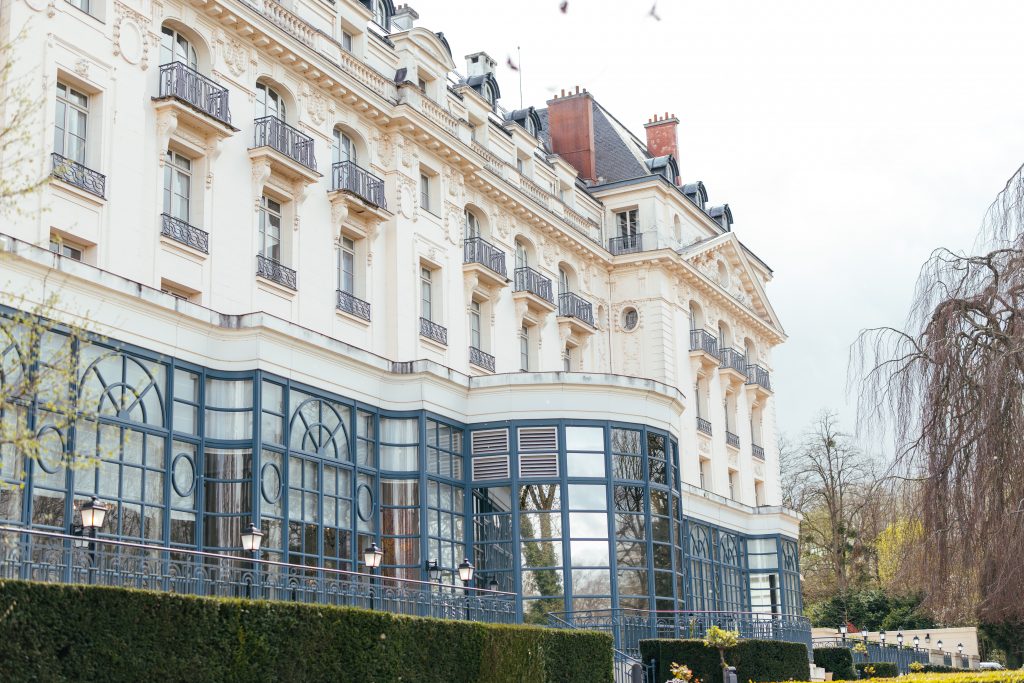
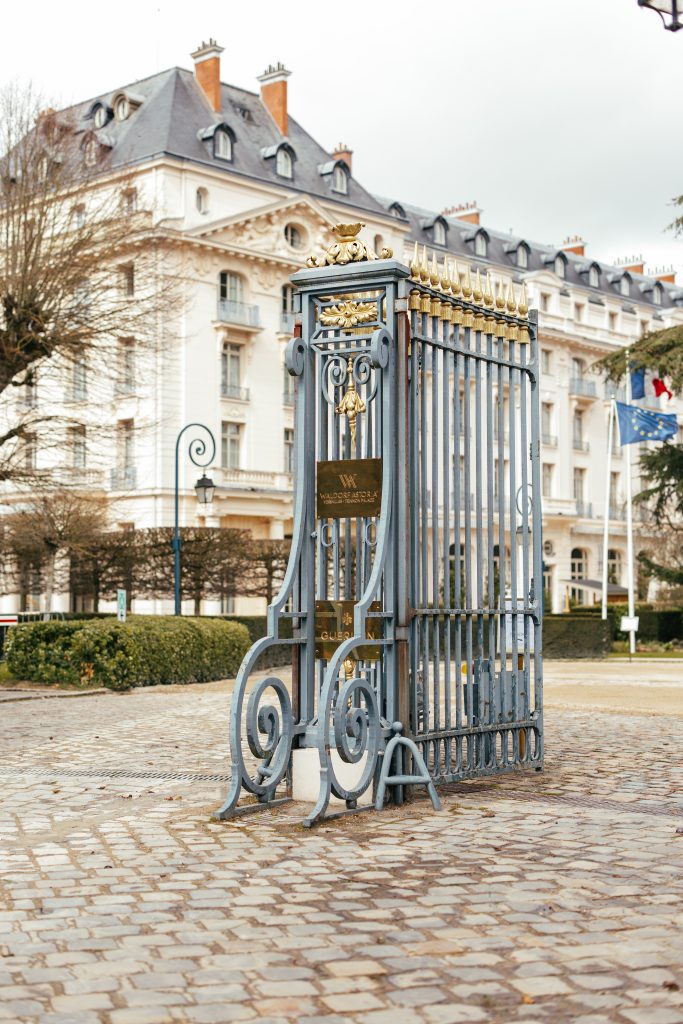
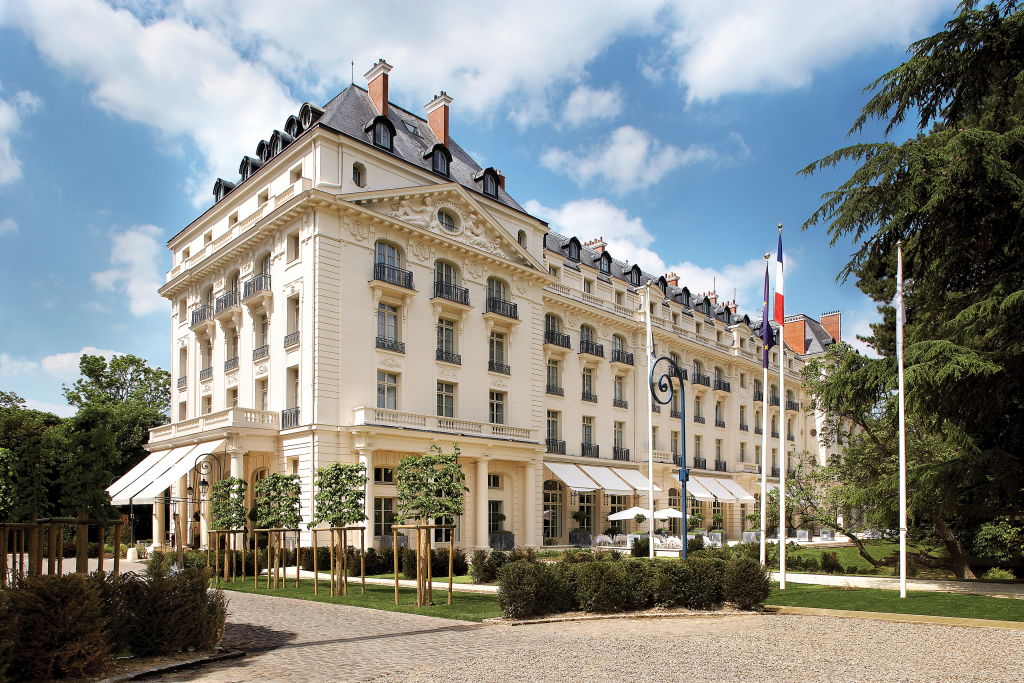
The Waldorf Astoria Versailles – Trianon Palace is located just a stone’s throw from the royal estate where French history was made over the course of four centuries. Behind its 65-metre-long neoclassical façade and 300 windows lies a five-star hotel that holds the secrets to a perfect stay. It harbours the living memory of a building that has seen presidents, artists, generals and royalty come and go since its inauguration on 1 May 1910. It is the story of a palace where every lounge and corridor still echoes with the conversations that have shaped the modern world.

Versailles before the palace : four centuries of power

Waldorf Astoria Versailles – Trianon Palace

To understand the Trianon Palace, it is necessary to go back to the origins of Versailles itself. In the 17th century, the hamlet was little more than a hunting lodge, but in 1624, Louis XIII had a modest residence built there. His son, Louis XIV, transformed the site into an enormous project. He sold plots of land at low prices to attract the nobility, imposed strict town planning rules, and funded the paving of the streets. In 1664, the ‘Fête des Plaisirs de l’Île enchantée’ (Festival of the Enchanted Island) launched the legend of Versailles with a week-long celebration. Eighteen years later, Versailles became the seat of the French government.

The royal city continued to attract the world’s elite long after the death of the Sun King. In 1778, Benjamin Franklin was received there by Louis XVI, and it was here that the French military support that led to the independence of the United States in 1783 was negotiated. That same year, the first hot-air balloon flight took place in Versailles. On 20 June 1789, the Jeu de Paume witnessed the birth of French democracy. Later, in 1855, Napoleon III received Queen Victoria there with great pomp, before Bismarck proclaimed the German Empire in the Hall of Mirrors in 1871. Today, Versailles attracts nearly 8 million visitors each year.

1910 : the birth of an iconic hotel blending grandeur and avant-garde style

Waldorf Astoria Versailles – Trianon Palace

Against this historic backdrop, businessman Gabriel Weill-Martignan set out to build the grand luxury hotel that the city lacked. He purchased the site of the former Capuchin convent and entrusted the project to René Sergent, an architect who was highly regarded in the most prestigious circles of the time. Sergent had already designed the Grand Hotel in Rome and the Grand Hotel Stephanie-Les-Bains in Baden-Baden. He was also working on the Savoy and Claridge’s in London and counted the Rothschilds, the Vanderbilts, and J. P. Morgan among his clients. The Trianon Palace would be his only hotel in France.

The building, inaugurated on 1 May 1910, made an immediate impression. It comprised six neoclassical storeys, a vast veranda opening onto the château’s grounds and a gallery inspired by the vestibule of the Royal Château of Compiègne. This was all crowned by a colonnade and ten domes adorned with marble, mouldings and gilding. Distinguished guests at the opening included Marcel Proust, the aviator Alberto Santos-Dumont and Sarah Bernhardt. Located just twenty minutes from Paris, this address was immediately embraced by Parisian high society.

At the heart of the two World Wars

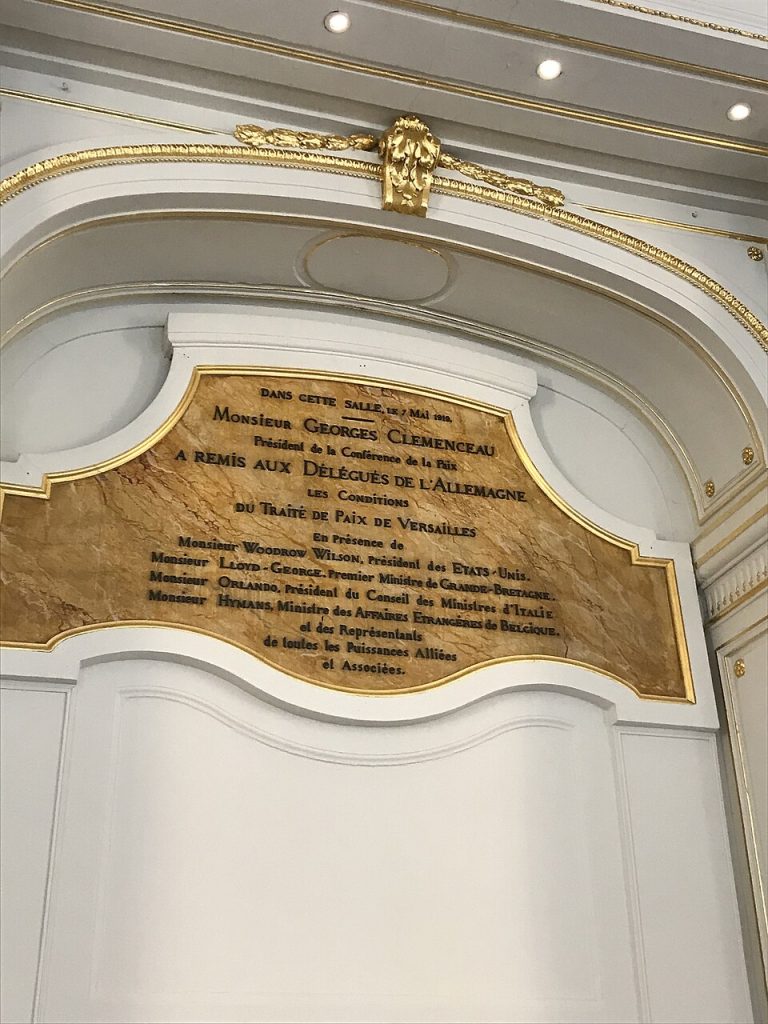
Plaque Trianon Palace – Salon Clemenceau – Traité de Paix ; Marinedupont941 

Just four years after opening, the First World War broke out. The hotel was converted into a hospital for British soldiers. Then, from 1 December 1917, the Inter-Allied Supreme War Council met there. The terms of the Treaty of Versailles were drawn up in the grand salon on the garden level. On 7 May 1919, Georges Clemenceau presented the terms of peace to the German delegates in the presence of Woodrow Wilson, Lloyd George and Orlando. A marble plaque commemorating this event is still visible in what is now known as the Clemenceau Salon.

Between the wars, life in the company of high society resumed with a flourish. Guests included the Duke and Duchess of Windsor, Marlene Dietrich, André Citroën, J. Paul Getty, the Rockefellers, René Lacoste and Jean Cocteau. During the Second World War, the hotel initially housed the Paris offices of the Royal Air Force before being requisitioned by the German army on 14 June 1940. On 29 August 1944, General Leclerc’s 2nd Armoured Division entered Versailles. The Allies set up their headquarters there. Charles de Gaulle, George Patton, and the future President Dwight D. Eisenhower took up residence.

A film set and a haven for the elite

Renovated and reopened in 1946, the Trianon Palace once again became a haven for celebrities from around the world. Its guest list reads like a who’s who of the 20th century: the King of Morocco, Queen Elizabeth II, the Aga Khan, Jacques Brel, Jean Gabin, Tino Rossi and Jeanne Moreau, to name a few. Paparazzi lie in wait outside the gates for a glimpse of the stars.

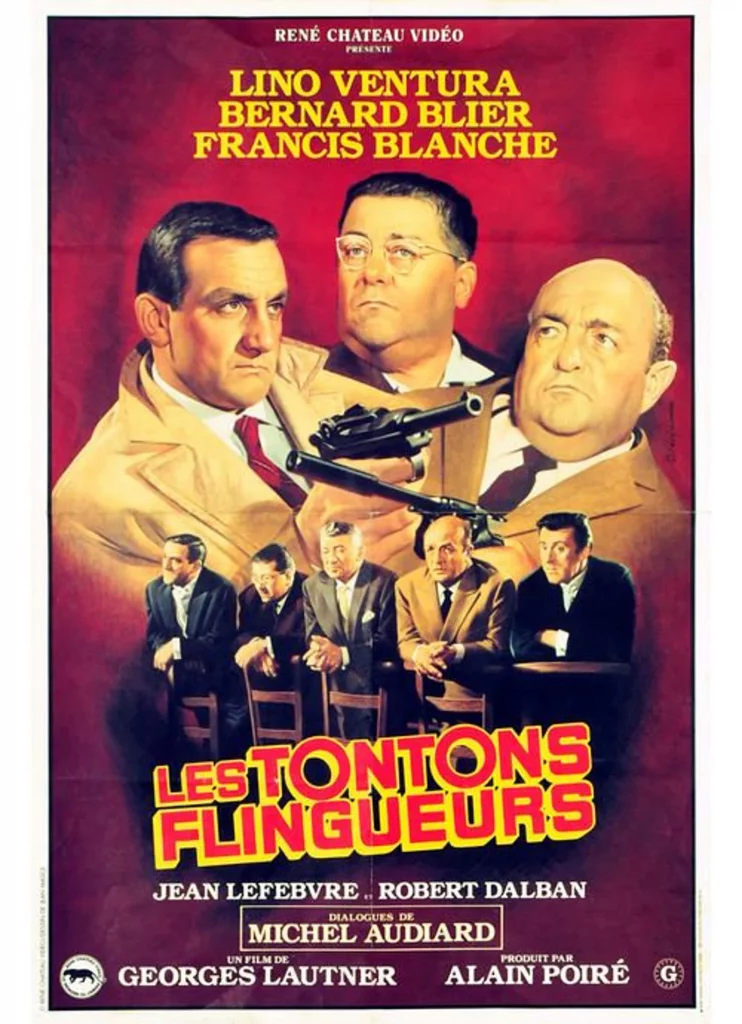
The hotel also became a creative hub for the film industry. Sacha Guitry stayed there while filming ‘Si Versailles m’était conté’ in 1954. Nine years later, Georges Lautner, Albert Simonin and Michel Audiard wrote the screenplay for Les Tontons Flingueurs there. Woody Allen also filmed What’s New Pussycat? there, starring Peter Sellers, Ursula Andress and Romy Schneider. In 1992, Claude Chabrol chose the palace for Betty, starring Marie Trintignant.

A new chapter in gastronomy and wellness

WeAreKollectors Magazine

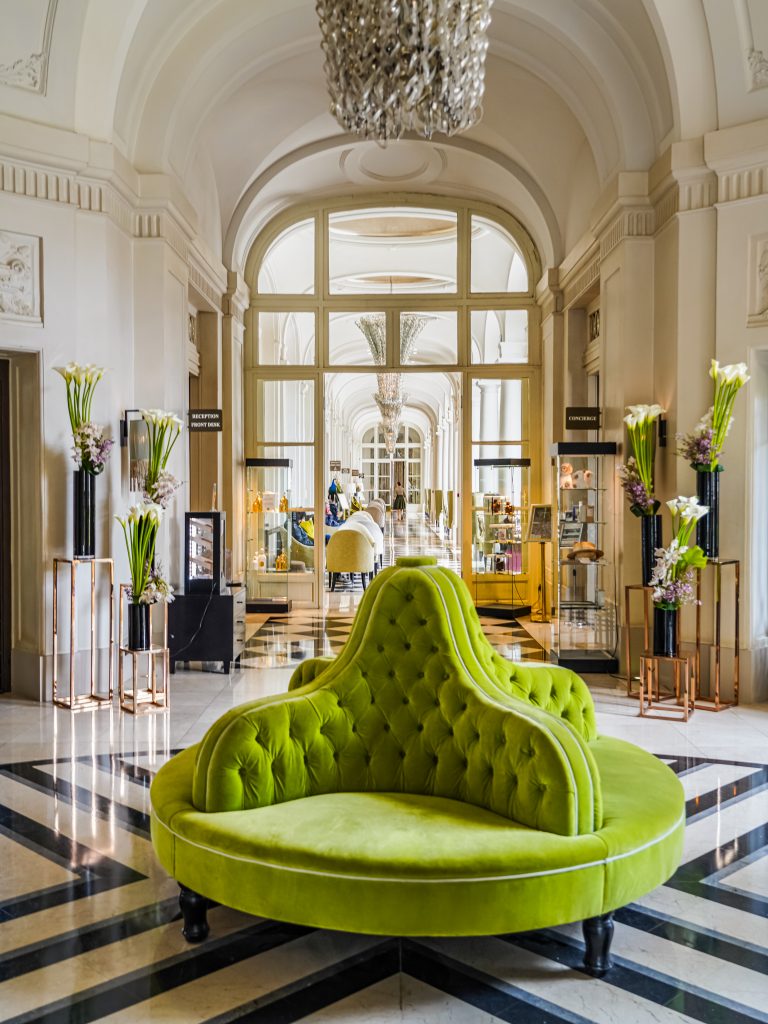
The hotel was acquired in 1990 and completely renovated, with the addition of the Pavillon du Trianon and a spa designed by Hubert de Givenchy. It joined the Waldorf Astoria group in 2007. British interior designer Fiona Thompson created the new interior design scheme. Today, the Waldorf Astoria Versailles Trianon Palace boasts 199 rooms and suites, all of which overlook the royal estate’s park or gardens.

Fine dining takes centre stage. The Michelin-starred Gordon Ramsay restaurant at the Trianon is headed up by 37-year-old chef Gabriele Ravasio, who has trained in Italy, at Nobu in London, and in South America. His cuisine focuses on balance and lightness, blending his Italian roots with Asian technical expertise and French savoir-faire. Signature dishes include Breton lobster with Mediterranean flavours of tomato and basil, and the playful ‘Frog & Chips’ amuse-bouche — a Franco-British dish comprising a marinated frog’s leg served with beer-flavoured tempura. Pastry chef Eddie Benghanem, who joined the team in 2008, completes the experience with creations that combine technical precision and unapologetic creativity.
The La Véranda restaurant is open seven days a week and serves classic French dishes with a view of the park. Peacock Alley Versailles, an iconic concept of the Waldorf Astoria brand, is the bar’s debut in France. Thomas Roy, the barman in charge of the cocktail menu, blends New York influences with nods to Versailles. The 2,800 m² Guerlain Spa is spread over three levels and offers 14 treatment rooms, an indoor, year-round heated swimming pool with a mosaic depiction of the Versailles coat of arms on the floor, a hammam, a fitness room, and a tennis court in the gardens.

Experience the Waldorf Astoria Versailles – Trianon Palace today

WeAreKollectors Magazine

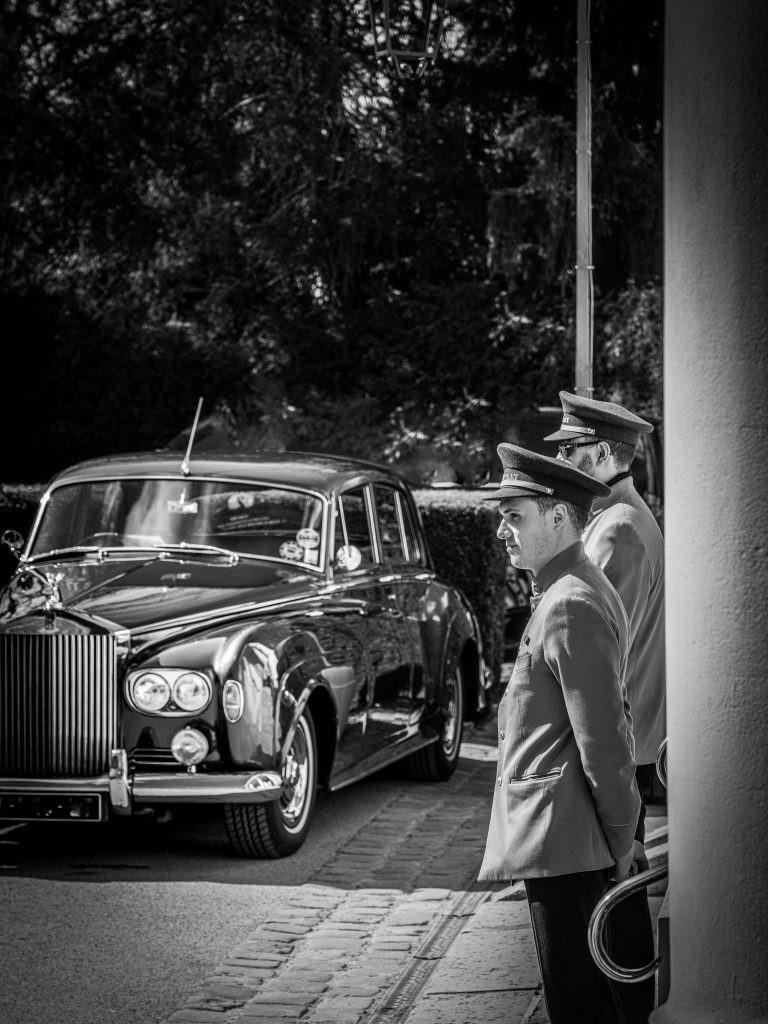
Wake up to a view of the 800-hectare royal estate, stroll to the UNESCO World Heritage-listed château, then return to the hotel for a Guerlain treatment and a Michelin-starred dinner. That’s what a stay here entails. Guests can enjoy skip-the-line access to the château, as well as horse-drawn carriage rides through the royal city and classic car outings with Cartis Classic Car. They can also visit the Osmothèque (the international perfume conservatory) or enjoy wine tastings at the Bouche du Roi vineyard.
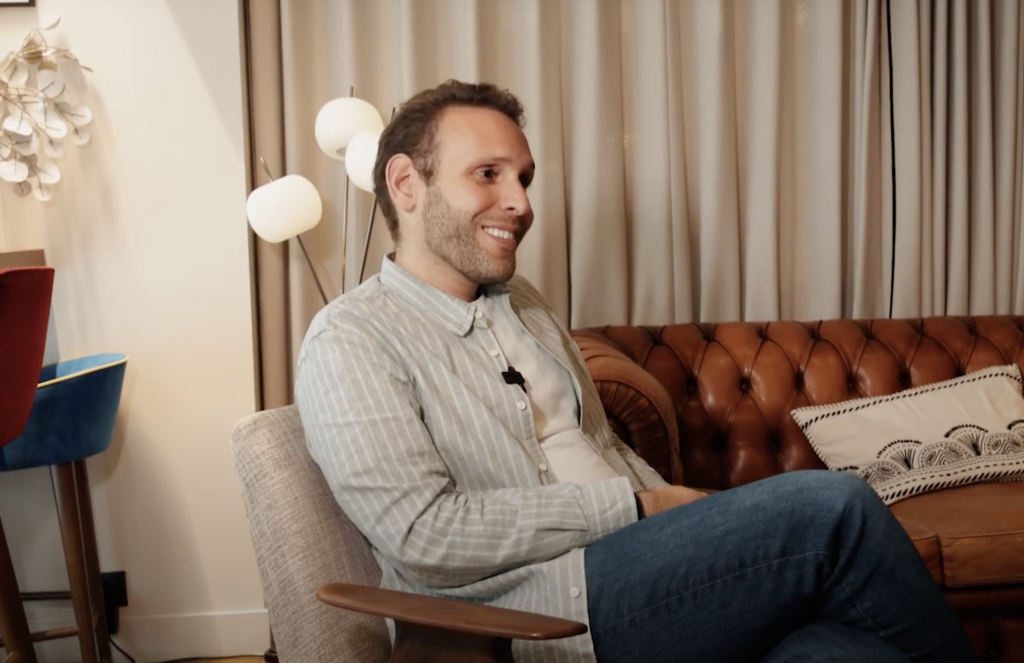
General Manager Yan Vacher sums up the venue’s ambition simply: “I want to breathe new life into the Trianon Palace, whilst respecting its heritage. Hospitality must be sincere, seamless and generous.” More than a century after its opening, the palace continues to write its story. The décor is changing, the chefs are revamping their menus and the cocktails are taking on Versailles-inspired names, but the soul of the place remains intact. For those seeking a luxurious stay steeped in history, there are few places in France that can rival this.

Continue exploring

Taste of Paris: the Grand Palais as a temple of haute cuisine
La Mamounia : a brief history of a grand palace
Behind the scenes at our favourite places, with Where is Brian, interior design agency based in Nantes
Cordon Bleu, Hôtel de la Marine: culinary excellence open to the public
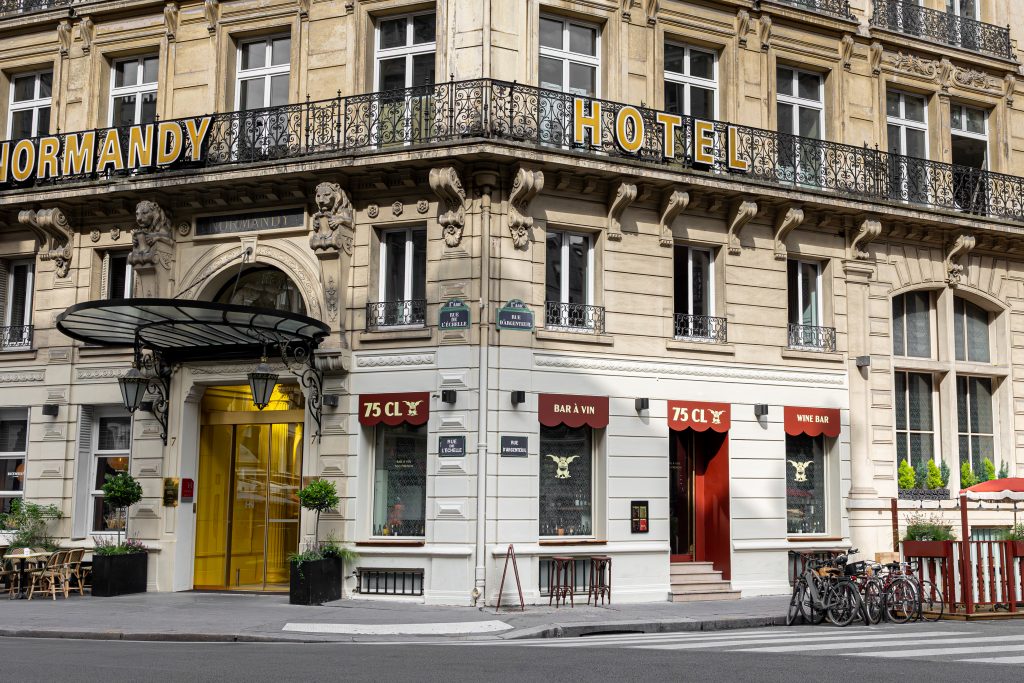
Hotel Normandy Le Chantier, the daring transformation of a Parisian palace
Creativity breathing new lifeinto buildings destined for oblivion

Février, 2026

Édition 3 : Patrimoine et création

Créer avec l’existant, penser avec l’histoire

De l’architecture au design, cette édition explore comment lieux, savoir-faire et matières héritées deviennent terrains de création actuelle.

Janvier, 2026

Édition 2 : Quiet luxury

Le luxe se réinvente.

Finis les logos clignotants, place à une sobriété raffinée, à l’immersion personnelle, à l’excellence artisanale, à la durabilité sensible.

Décembre, 2025

Édition 1 : Le sens de la fête

Héritages, gestes contemporains et plaisirs essentiels

Parce que la fête n’est jamais qu’apparence : elle reflète notre manière d’habiter le monde, de transmettre, de fabriquer des souvenirs durables.

ÉDITION #3

Révéler la beauté

Upcycling et kintsugi transforment l’objet contemporain, faisant de la trace, de la réparation et de la matière un langage esthétique.

ÉDITION #3

Les nouveaux artisans du patrimoine

Artisans et designers donnent une seconde vie aux matériaux anciens, entre création contemporaine, patrimoine et réemploi.

ÉDITION #3

L'art à la rescousse des friches et lieux oubliés

Bunkers, wagons et kiosques renaissent grâce à la création, révélant comment l’art redonne sens aux lieux délaissés.

ÉDITION #2

Le murmure du beau

Un regard transversal sur le quiet luxury à travers des lieux, des objets et des figures qui expriment l’élégance.

ÉDITION #1

Lieux, maisons et matières en éclats

Une sélection de marques, architectures, objets et escapades qui donnent corps au sens de la fête.

ÉDITION #3

La création au secours des bâtiments promis à l’oubli

Usines et gares délaissées deviennent lieux culturels ouverts, où mémoire industrielle et usages contemporains redessinent la ville.

ÉDITION #3

Hôtel Normandy Le Chantier

L’audacieuse métamorphose d’un palace parisien

ÉDITION #3

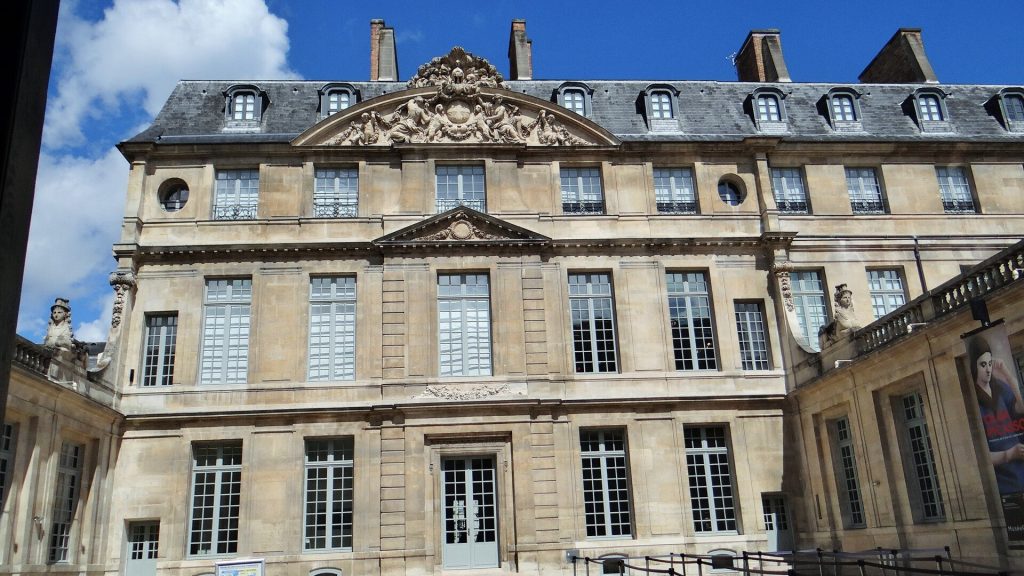
Dans les coulisses du Centre d'Études Picasso à Paris

Au cœur du Marais, un lieu discret révèle comment archives, architecture et recherche font dialoguer l’œuvre de Picasso.

ÉDITION #2

Shopping iconique dans un décor Tudor

Une expérience shopping unique dans un magasin emblématique.

ÉDITION #2

Gastronomie et architecture

Voyage culinaire et architectural au cœur de la Seine

ÉDITION #2

L'art de l'hospitalité parisienne

Dans le 9e arrondissement, un établissement qui invite au quiet luxury

ÉDITION #1

Chante!

Chante! vient d’ouvrir ses portes. Une invitation à vibrer !

ÉDITION #3

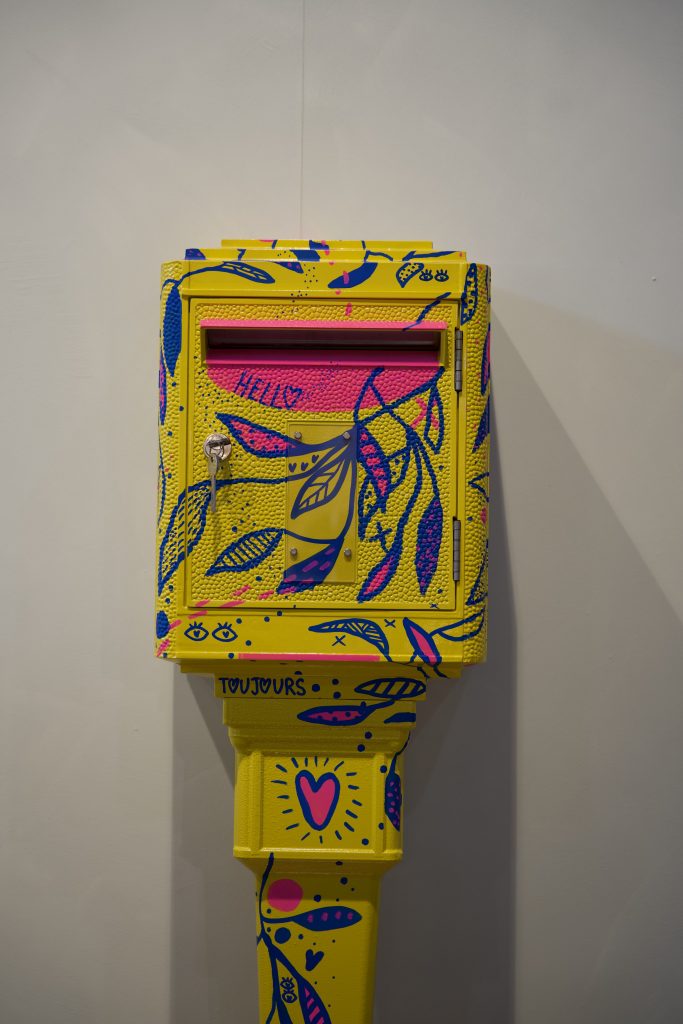
La boîte aux lettres française devenue objet de design

Icône du paysage français, la boîte jaune change de statut et s’invite dans l’univers du design.

ÉDITION #3

Retour sur Maison&Objet 2026 : retour aux sources et à l’essentiel

L’édition 2026 affirme une vision où artisanat, design et mémoire façonnent l’habitat contemporain, international actuel.

ÉDITION #3

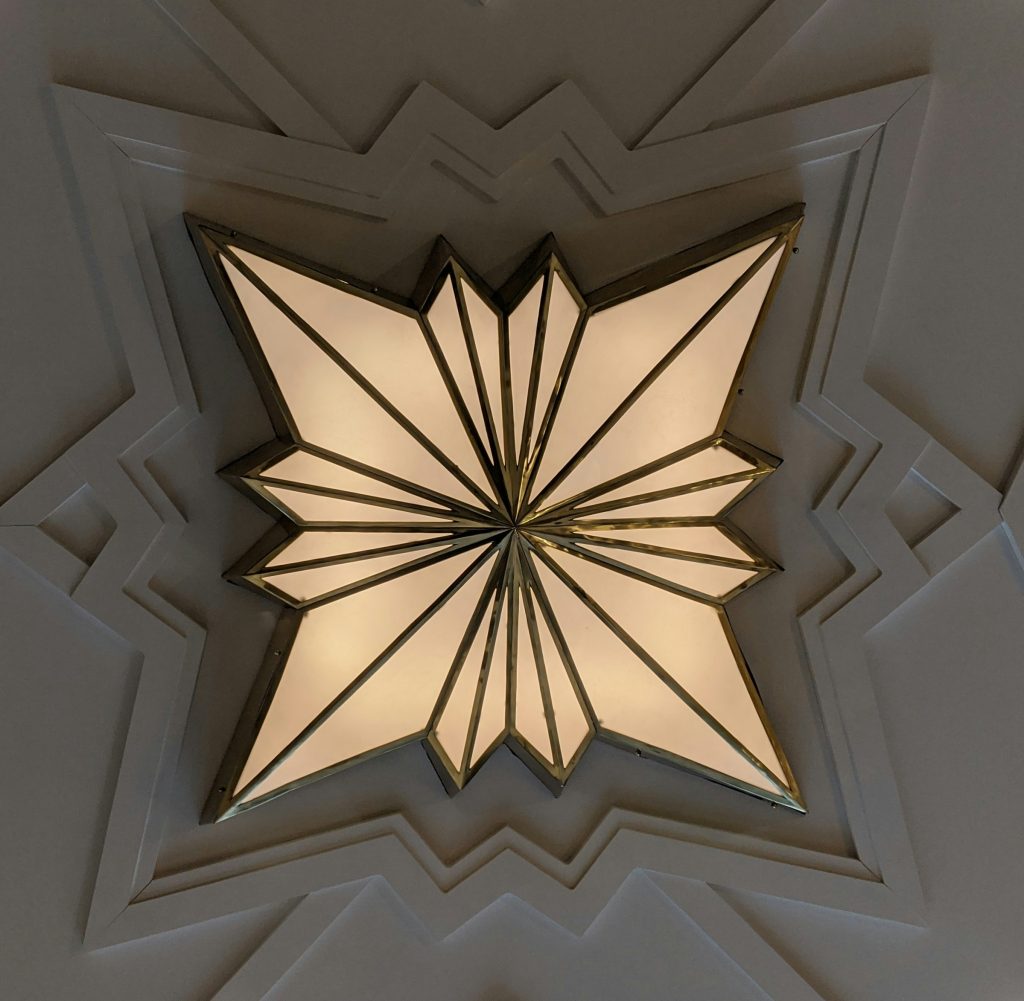
Art Deco: un mouvement centenaire, plus actuel que jamais

Cent ans après 1925, l’Art déco revient dans nos villes et intérieurs avec géométrie, audace, optimisme.

ÉDITION #3

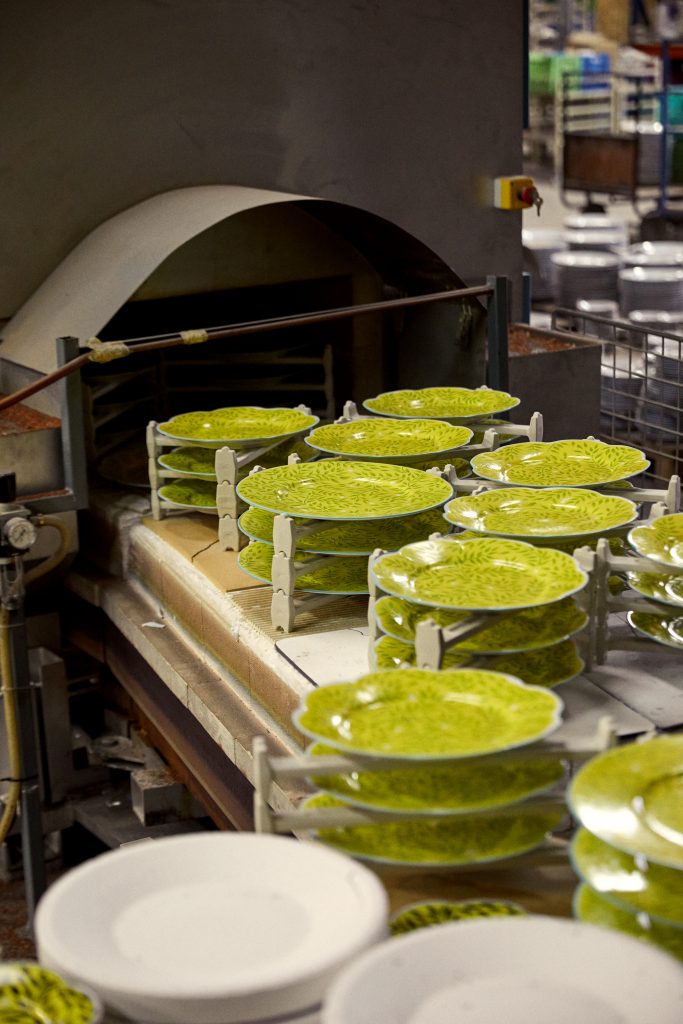
Royal Limoges, deux siècles d’histoire au présent

Depuis plus de deux cents ans, Royal Limoges conjugue porcelaine, savoir-faire industriel et création contemporaine.

ÉDITION #3

Du terrain à la rue et au catwalk : les sneakers à travers les époques

Des terrains de sport aux podiums, la sneaker raconte un siècle de mutations culturelles, techniques et stylistiques.

ÉDITION #2

La formidable aventure du papier peint de luxe

Design, mode, artisanat : des créations où la forme et la matière se répondent avec justesse, loin de tout effet de mode.

ÉDITION #1

Icônes, détails, rituels

Décorations artisanales, calendriers ultra-luxe et pièces de collection pour s’enivrer de joie avant l’heure.

ÉDITION #3

Anton Laborde

Entre marqueterie monumentale et jungle symbolique, Anton Laborde transforme le bois en récit contemporain poétique engagé.

ÉDITION #3

Thierry Laudren

À Maison & Objet, Thierry Laudren présente des meubles sculptés où fonction, matière et lenteur façonnent une présence.

ÉDITION #3

Jean Nouvel

Jean Nouvel conçoit une architecture attentive aux contextes, où lumière, histoire et usages façonnent chaque projet.

ÉDITION #3

Sophie Morel

À Lyon, Sophie Morel rénove des lieux historiques en alliant respect du bâti et écriture contemporaine.

ÉDITION #3

Pascal Grasso

Au Centre d’Études Picasso, l’architecte compose une architecture où lumière, géométrie et héritage dialoguent avec précision.

ÉDITION #2

Alexandre Danan

Entretien avec le fondateur d’EDO (European Design Office)

ÉDITION #2

Aziz Temimi

Portrait d’un visionnaire qui transforme l’art de recevoir en expérience totale.

ÉDITION #1

Visages, gestes, inspirations

Personnalités, artisans et créateurs qui donnent à la fête sa profondeur humaine.

ÉDITION #3

Chemins de traverse : parenthèse d’exception en Bordelais

De Bordeaux au Bassin, art, vignobles et bien-être composent une échappée élégante au cœur de la Gironde.

ÉDITION #2

Voyage en Toscane

Vers une région de l’Italie habitée par le temps, où paysages, culture et usages s’accordent dans une continuité rare.

ÉDITION #1

Horizons, saisons, traditions

Destinations et rituels qui réinventent la fête, du soleil tropical aux marchés d’hiver.

Dates, adresses, invitations

Expositions, événements et repères culturels pour vivre pleinement la saison des fêtes.