In this issue, the portraits explore those for whom celebration is a language, a space to be constructed, an emotion to be orchestrated. Visionary architects and masters of illusion, they reveal how a gesture, a form or a staging can transform a place into a moment, and a moment into a celebration.
© Kollectors – 2025 – All rights reserved
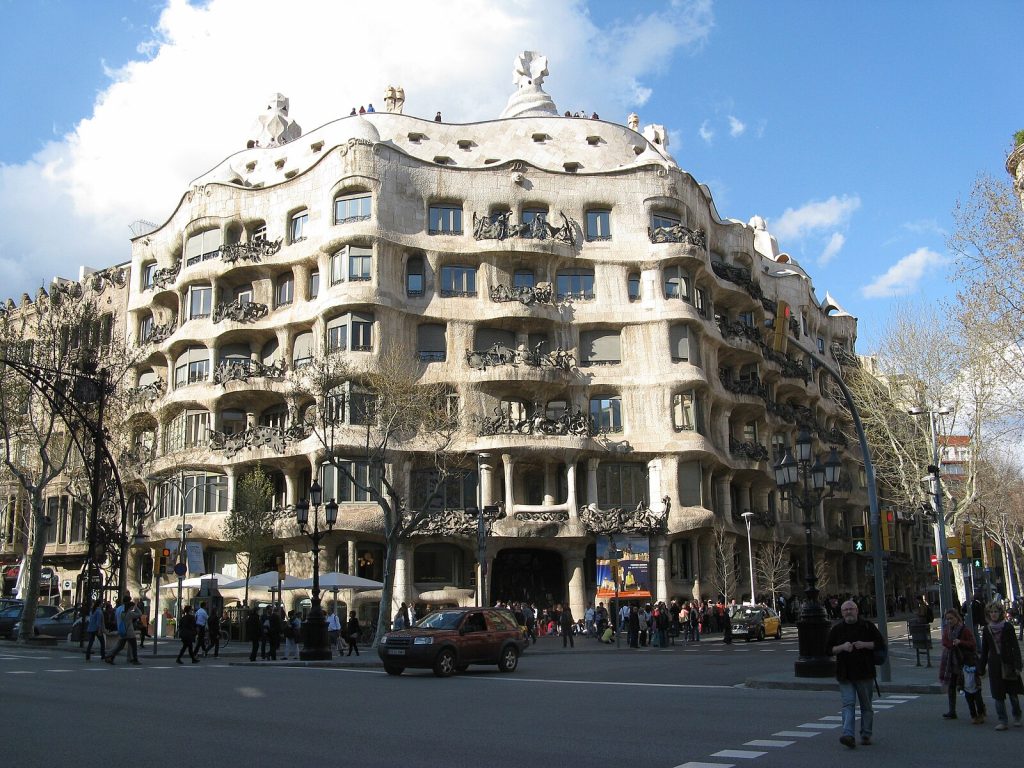
Born in Catalonia in 1852, Antoni Gaudí developed an early sensitivity to organic forms, natural curves and earth-inspired textures. His style, at the crossroads of Gothic and Art Nouveau, was born out of a rejection of linearity and a taste for formal freedom. For him, architecture is never static: it must vibrate, breathe and surprise. His work, deeply rooted in Barcelona, celebrates life through undulating lines, vibrant mosaics and almost plant-like volumes.
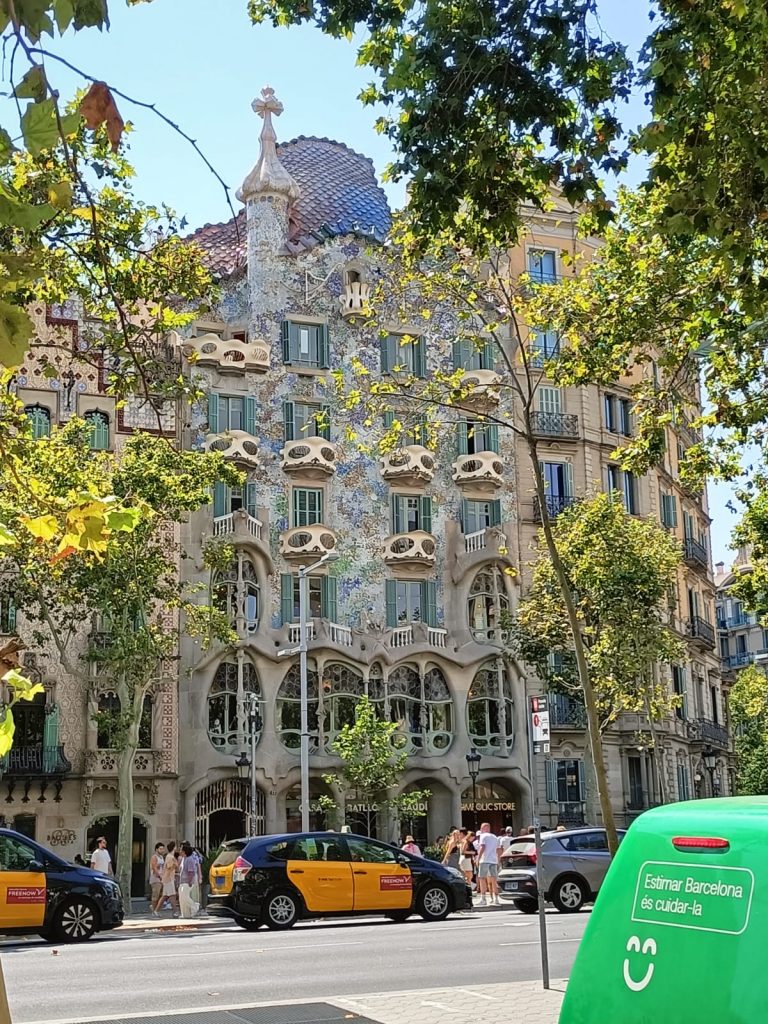
William Rudolph – Unsplash
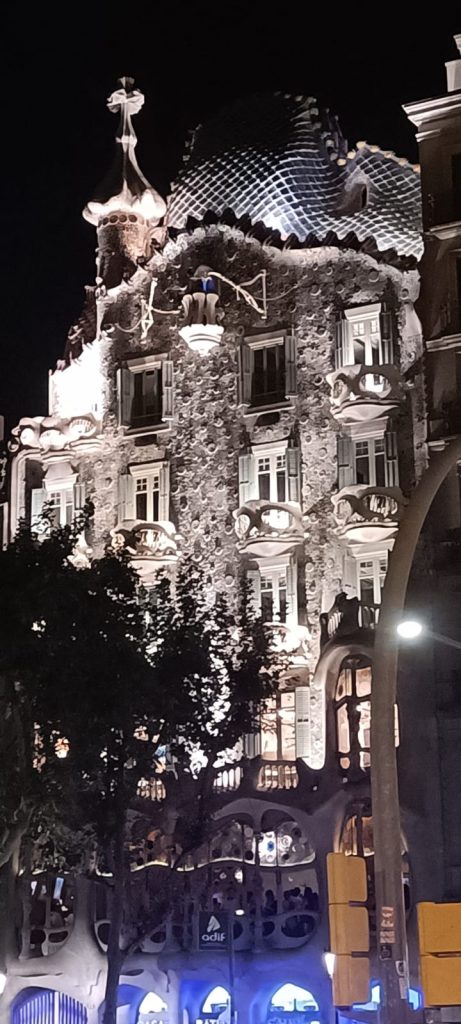
Gaudí designed buildings that seem to be in motion, as if in the midst of a celebration. Casa Batlló, with its undulating façades and multicoloured mosaics, evokes a mineral carnival, a mask smiling at the city. Parc Güell, designed as an ideal garden, displays fantastic, almost playful forms, where a stroll becomes a sensory experience. In each of these places, colour, light and patterns combine to create a festive atmosphere, accessible to all, where imagination takes precedence over decor.

Michel Baie – Unsplash
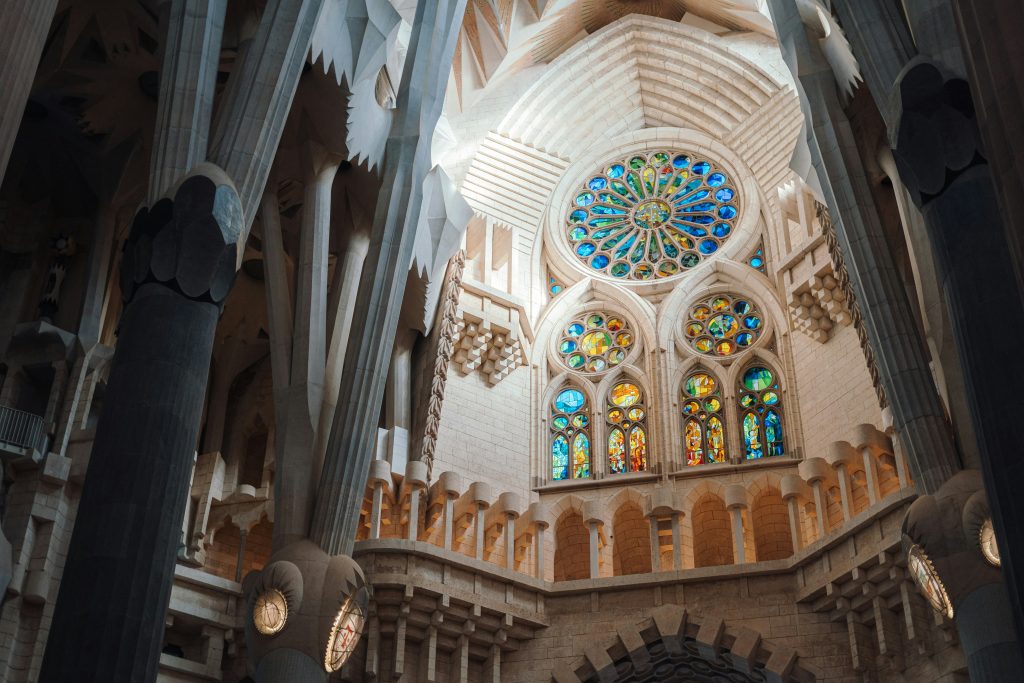
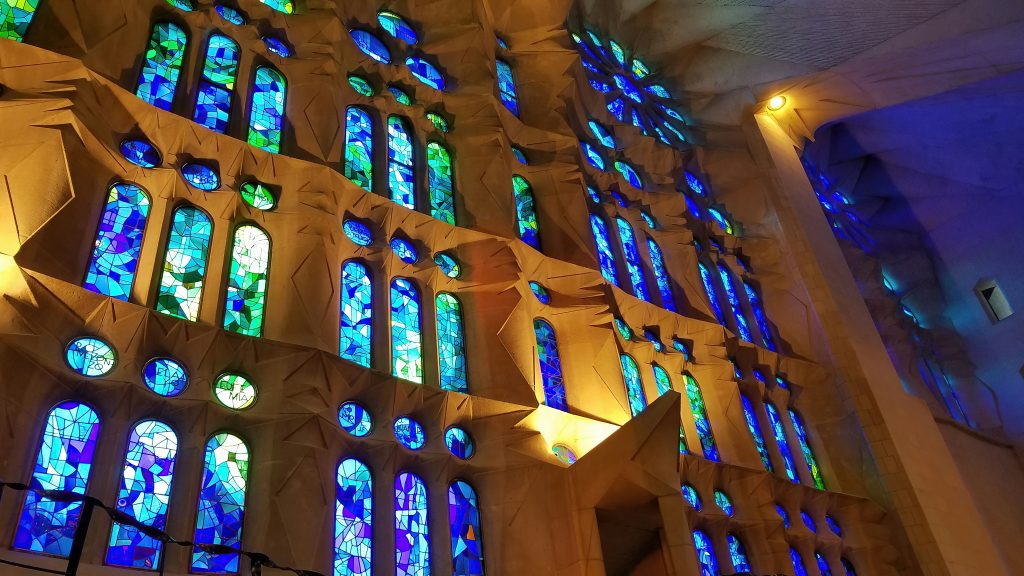
Dedicated at the end of his life, the Sagrada Família embodies everything that Gaudí considered essential: spiritual verticality, naturalistic symbolism, light as matter. The façades seem to recount a sacred celebration: an explosion of sculptures, vertical rhythms, stained glass windows in jubilant colours. Inside, the tree-like columns form a silent but vibrant forest. Even unfinished, the work stands out as one of the most festive monuments in world architecture, a place where spiritual elevation meets the celebration of nature.
© Kollectors – 2025 – All rights reserved
Gaudí did not only design buildings: he also designed furniture, lighting, ironwork and stained glass windows. This holistic vision, shared with exceptional craftsmen, gave his projects a rare, almost scenographic coherence. His signature technique, trencadís — mosaics made from ceramic shards — adorned the spaces like festive decorations. Through this approach, Gaudí composed a joyful, immersive visual language, where every detail is a celebration. His legacy continues to inspire those who think of space as a sensory experience.
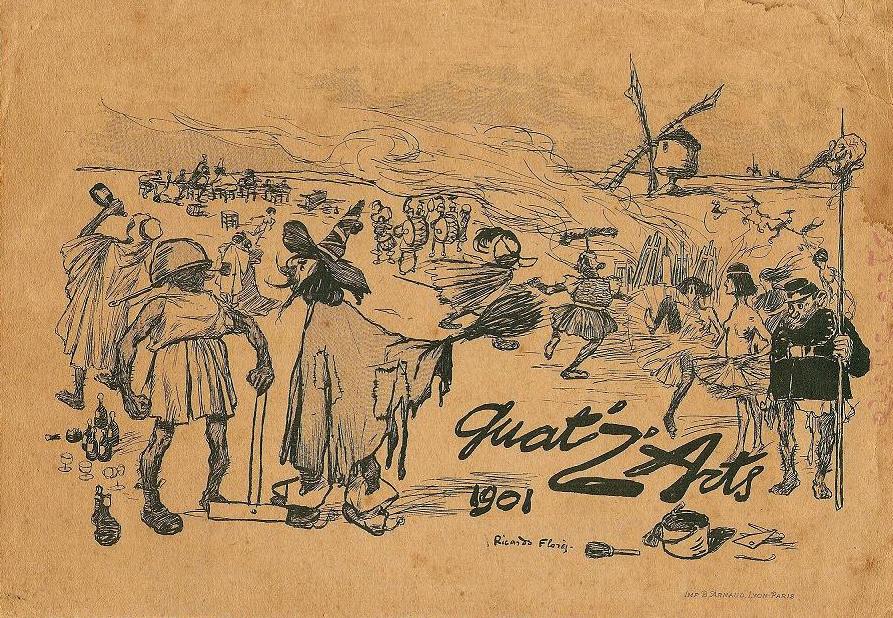
Doc103, Wikimedia, 1901
Trained at the Beaux-Arts, Paul Tissier seemed destined for a classic career as an architect. But very early on, he strayed from the academic path to join a freer territory: scenography.
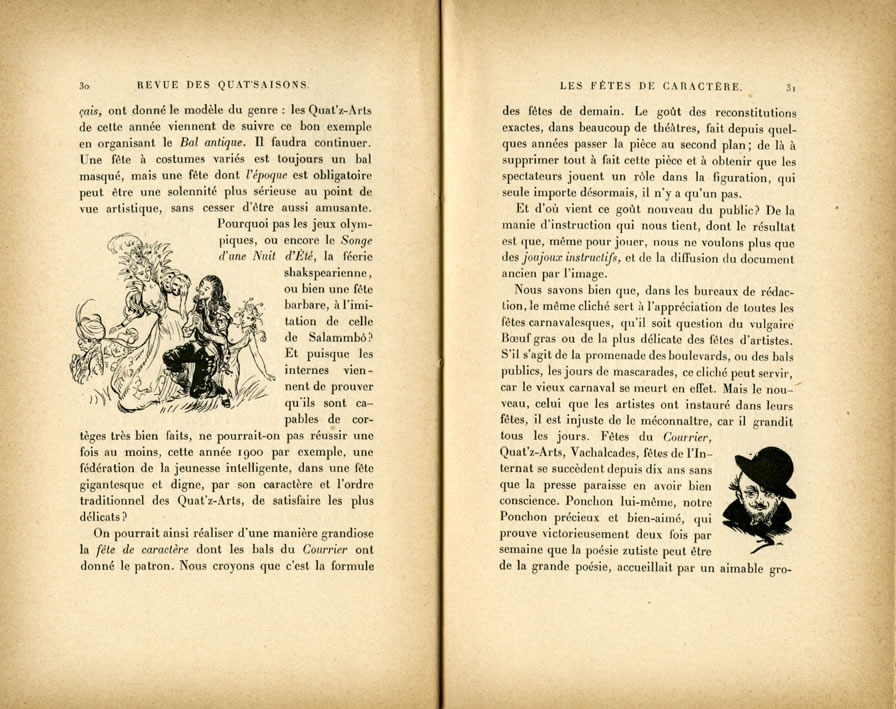
In the Paris of the Années Folles, he became president of the Quat’z’Arts ball, a festive laboratory where students and artists reinvented a historical era each year. Monumental sets, costumes, frescoes and machinery: Paul Tissier learned that celebration could be an architectural gesture, a space constructed for the present moment, an immersive theatre where the audience became actors.
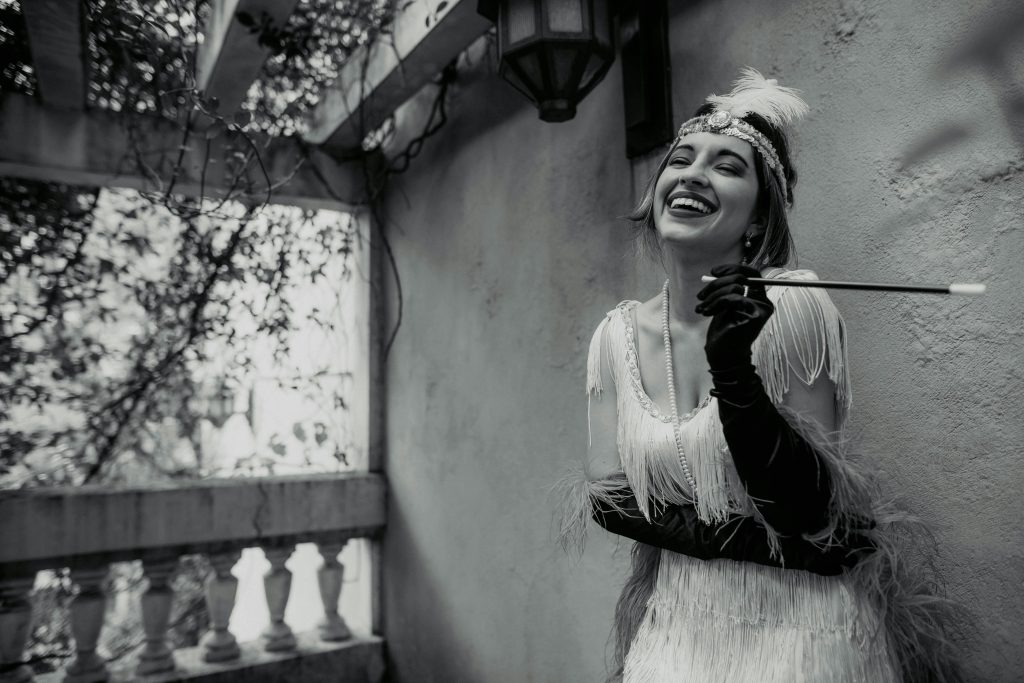
Gera Cejas, pexels, 23/04/2024
After the First World War, Tissier abandoned traditional architecture for good. Nice became his open-air studio. Under the patronage of Alfred Donadei and alongside his wife Gisèle, he designed nearly a hundred themed celebrations in two years – a dizzying pace that testifies to his creative energy. Ancient Rome, Imperial Russia, underwater worlds, cubist imaginations: each celebration was a total work of art, where painted canvases, installations, music, costumes and rituals composed entire worlds. Where others decorated, Paul Tissier designed, directed and choreographed. He created parties as one might create an opera.
Wikimedia
For Paul Tissier, a festival only exists if it engages. There are no passive spectators: everyone must enter the story, become involved in it, become a part of it. His approach is based on a rare authenticity: Russian artists invited for the Russian festival, a Japanese composer for a Sino-Japanese immersion. The architect rejected pastiche, preferring dialogue between cultures, the creation of the right atmosphere, and the use of light, colour and movement to provoke emotion. His ephemeral scenographies thus became sensory spaces: an architecture of the moment where everything, from sound to textiles, structured the experience.
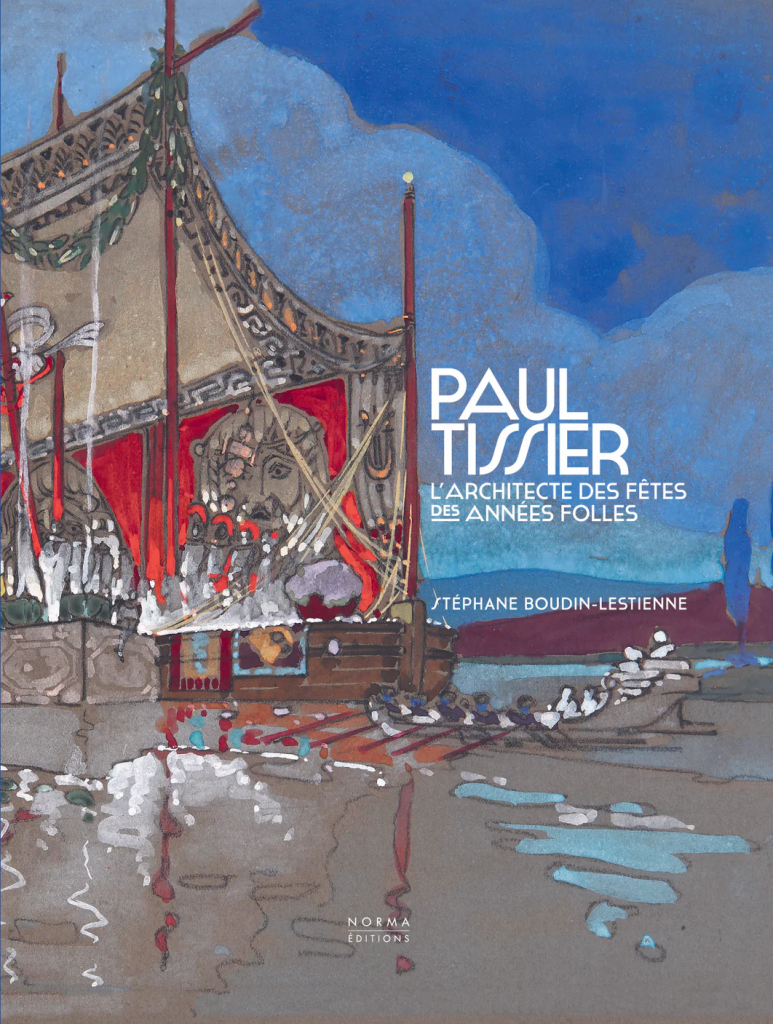
« Paul Tissier – L’architecte des fêtes des Années Folles » ; a book published by Éditions Norma
Paul Tissier died at the age of forty, leaving behind a body of work that was as brief as it was intense. Thanks to the archives compiled by his wife and the research published in 2022, his name is now regaining its place in the cultural history of the 1920s. His vision goes beyond decorative celebration: it makes celebration a total construction, a staging of the world, a collective space where architecture, visual arts and live performance come together. Tissier shows that celebration can be an art form – a moment when light, materials, gestures and bodies are combined to create an ephemeral universe that will nevertheless remain in the memory.
Février, 2026
Créer avec l’existant, penser avec l’histoire
De l’architecture au design, cette édition explore comment lieux, savoir-faire et matières héritées deviennent terrains de création actuelle.
Janvier, 2026
Le luxe se réinvente.
Finis les logos clignotants, place à une sobriété raffinée, à l’immersion personnelle, à l’excellence artisanale, à la durabilité sensible.
Décembre, 2025
Héritages, gestes contemporains et plaisirs essentiels
Parce que la fête n’est jamais qu’apparence : elle reflète notre manière d’habiter le monde, de transmettre, de fabriquer des souvenirs durables.
ÉDITION #3
Upcycling et kintsugi transforment l’objet contemporain, faisant de la trace, de la réparation et de la matière un langage esthétique.
ÉDITION #3
Artisans et designers donnent une seconde vie aux matériaux anciens, entre création contemporaine, patrimoine et réemploi.
ÉDITION #3
Bunkers, wagons et kiosques renaissent grâce à la création, révélant comment l’art redonne sens aux lieux délaissés.
ÉDITION #2
Un regard transversal sur le quiet luxury à travers des lieux, des objets et des figures qui expriment l’élégance.
ÉDITION #1
Une sélection de marques, architectures, objets et escapades qui donnent corps au sens de la fête.
ÉDITION #3
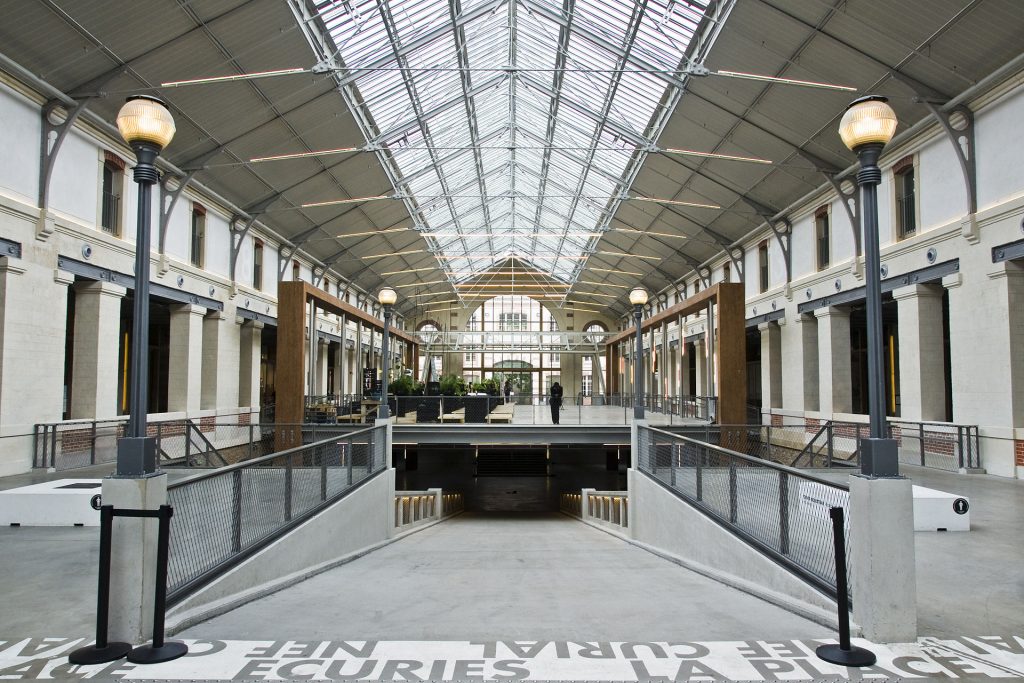
Usines et gares délaissées deviennent lieux culturels ouverts, où mémoire industrielle et usages contemporains redessinent la ville.
ÉDITION #3
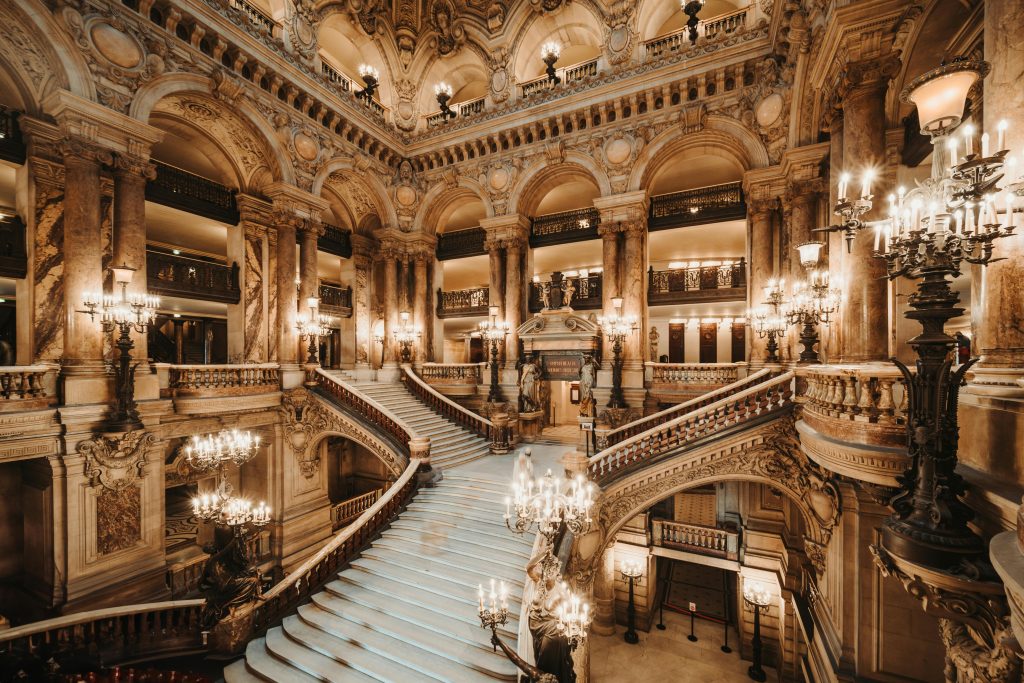
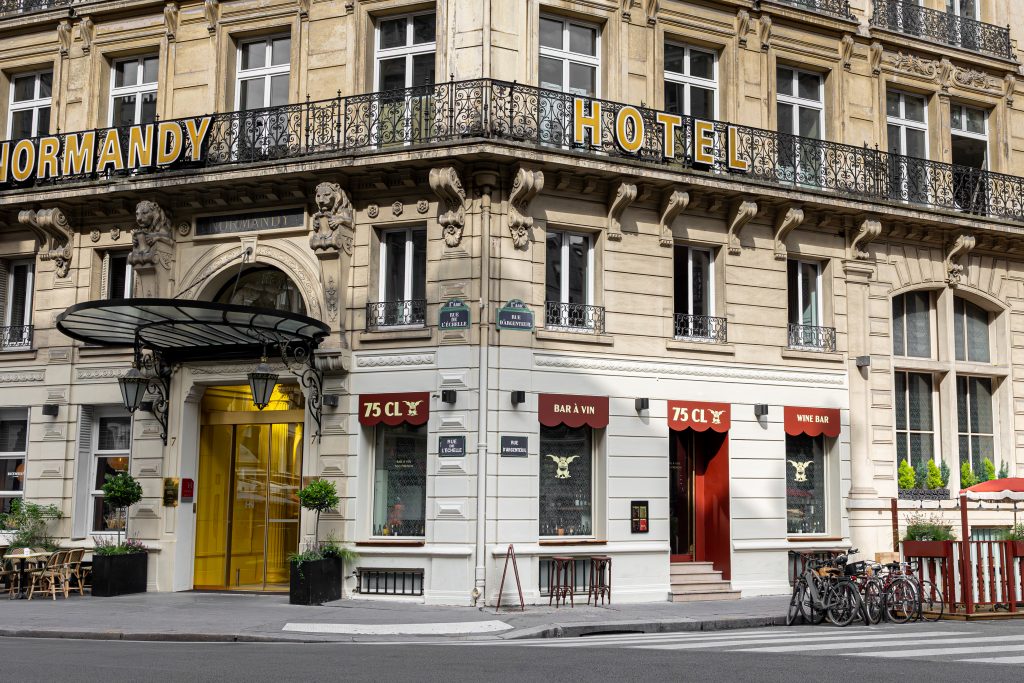
L’audacieuse métamorphose d’un palace parisien
ÉDITION #3
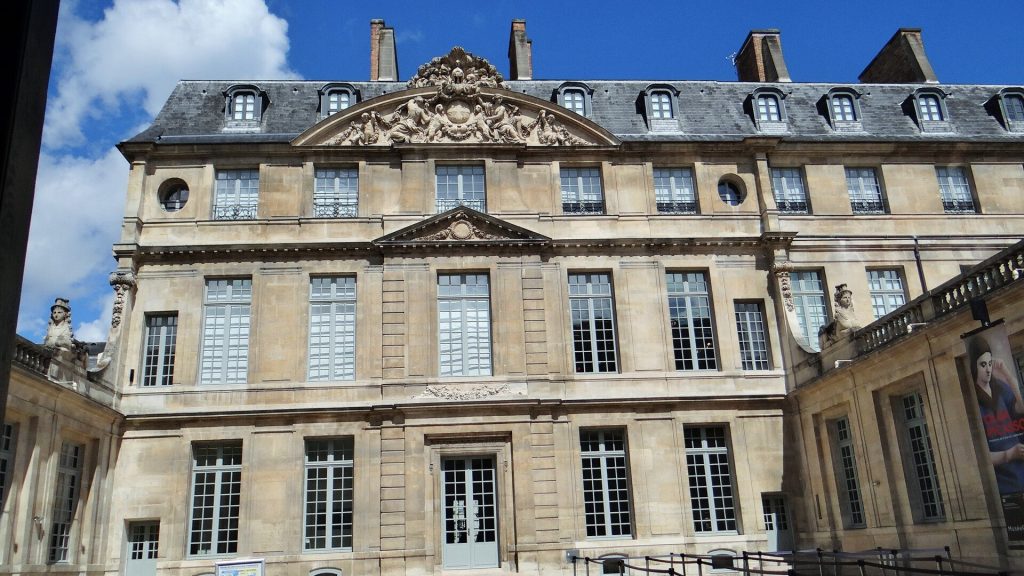
Au cœur du Marais, un lieu discret révèle comment archives, architecture et recherche font dialoguer l’œuvre de Picasso.
ÉDITION #2
Une expérience shopping unique dans un magasin emblématique.
ÉDITION #2
Voyage culinaire et architectural au cœur de la Seine
ÉDITION #2
Dans le 9e arrondissement, un établissement qui invite au quiet luxury
ÉDITION #1
Chante! vient d’ouvrir ses portes. Une invitation à vibrer !
ÉDITION #3
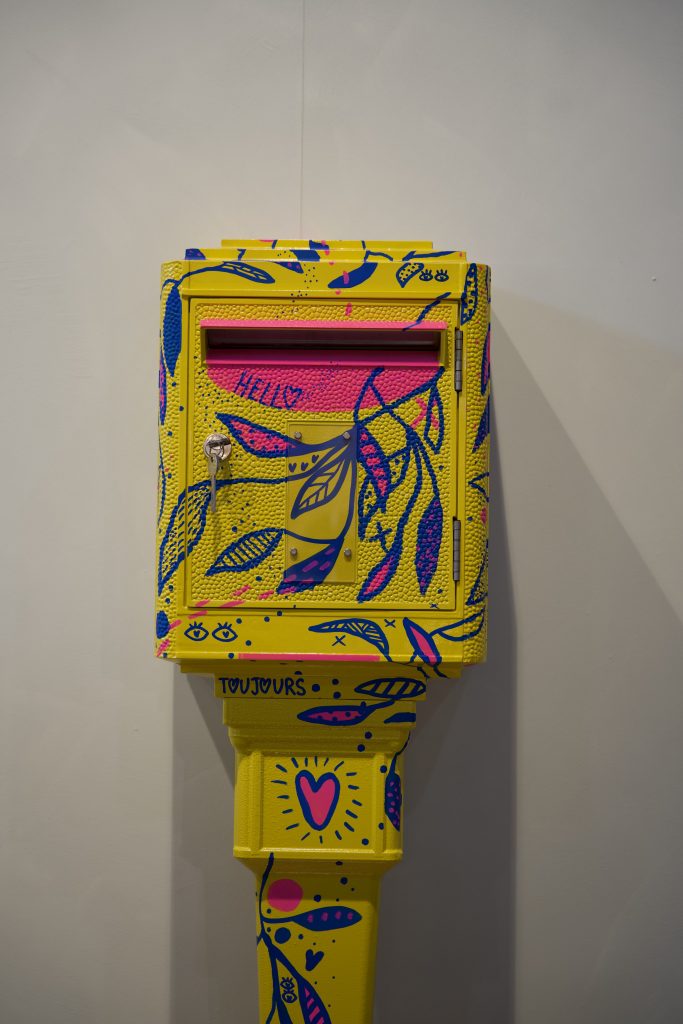
Icône du paysage français, la boîte jaune change de statut et s’invite dans l’univers du design.
ÉDITION #3
L’édition 2026 affirme une vision où artisanat, design et mémoire façonnent l’habitat contemporain, international actuel.
ÉDITION #3
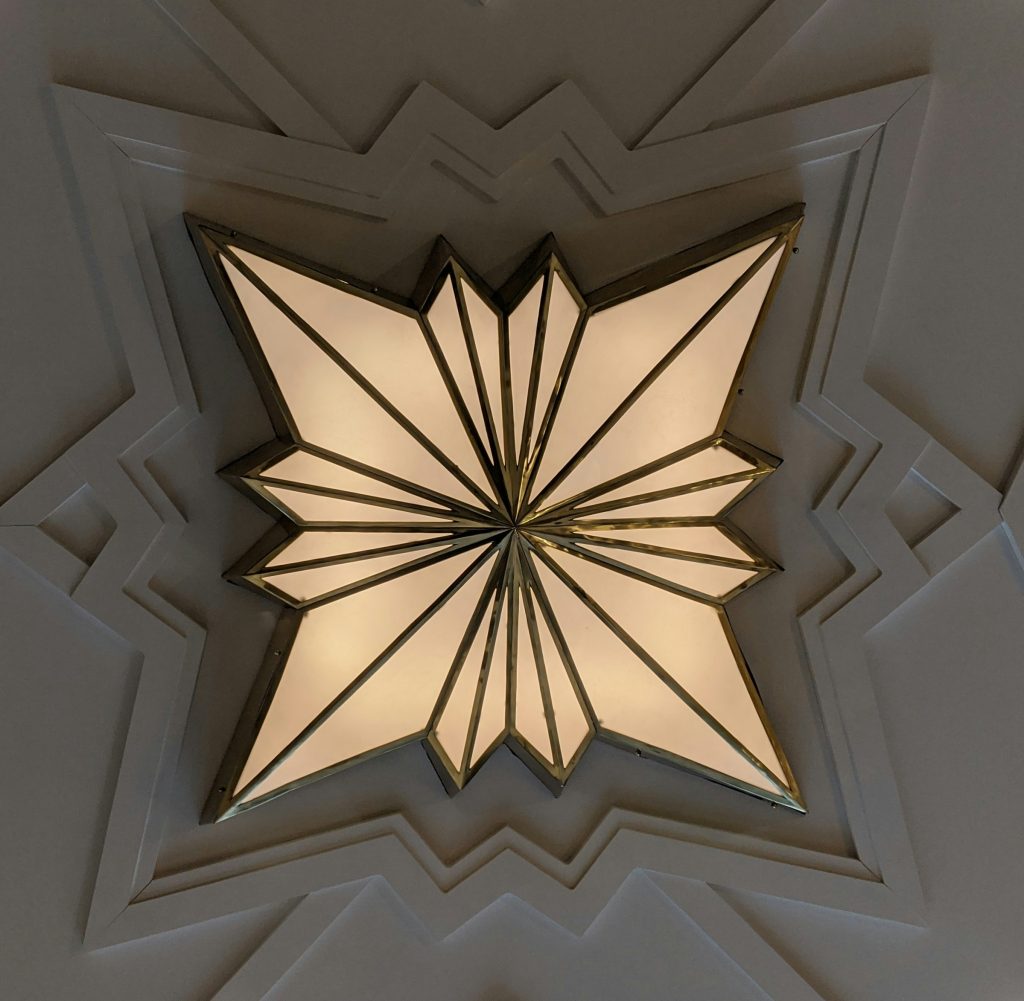
Cent ans après 1925, l’Art déco revient dans nos villes et intérieurs avec géométrie, audace, optimisme.
ÉDITION #3
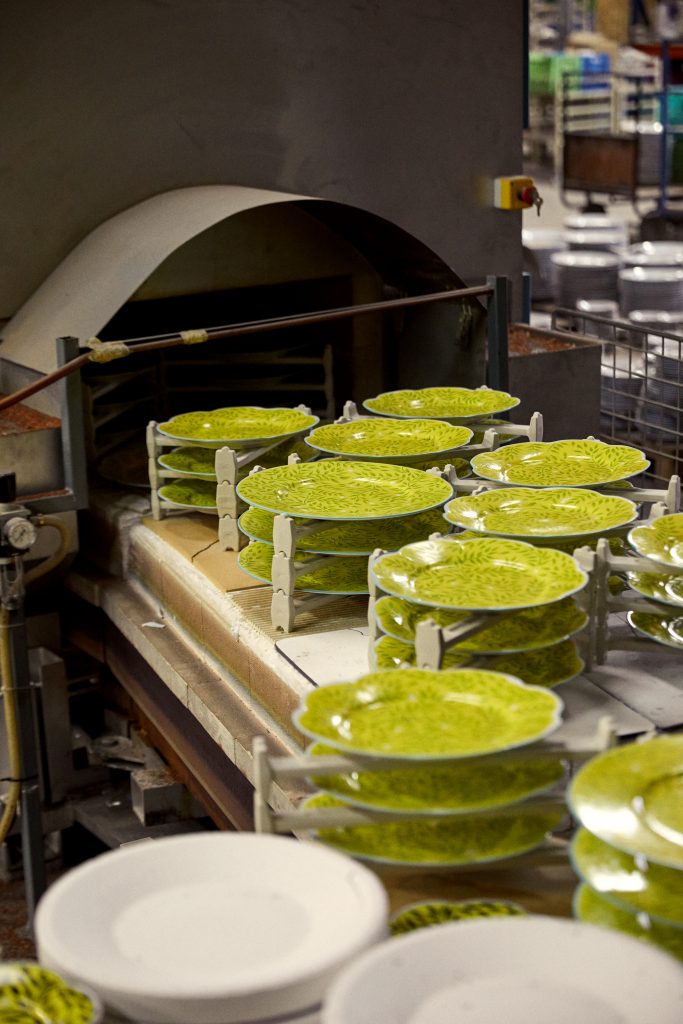
Depuis plus de deux cents ans, Royal Limoges conjugue porcelaine, savoir-faire industriel et création contemporaine.
ÉDITION #3
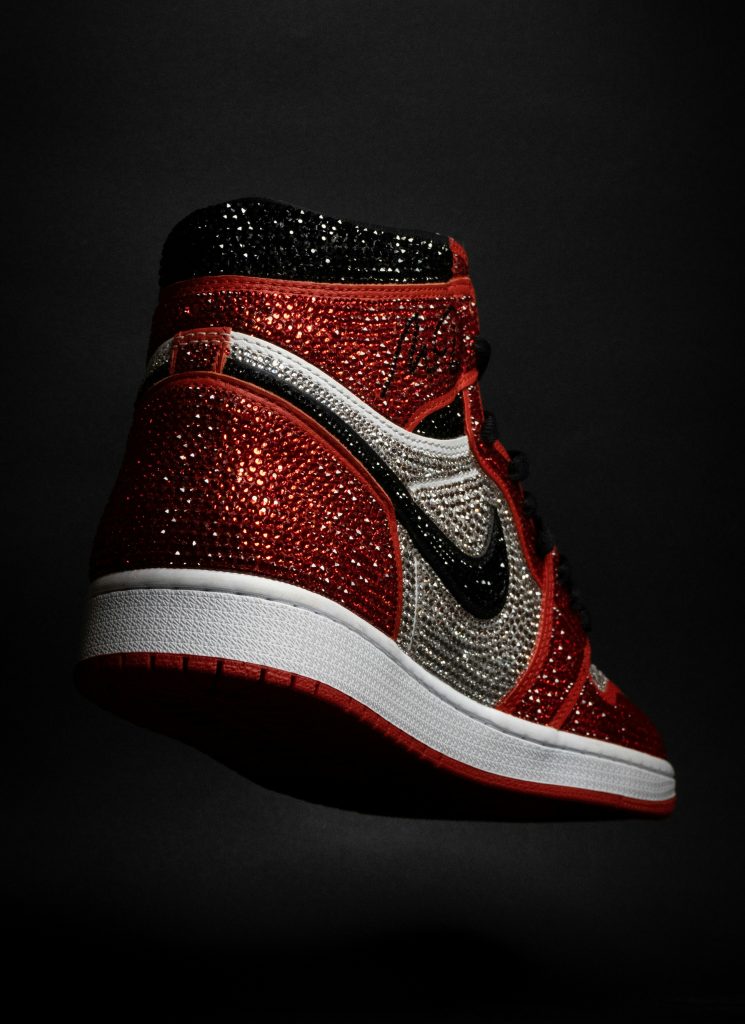
Des terrains de sport aux podiums, la sneaker raconte un siècle de mutations culturelles, techniques et stylistiques.
ÉDITION #2
Design, mode, artisanat : des créations où la forme et la matière se répondent avec justesse, loin de tout effet de mode.
ÉDITION #1
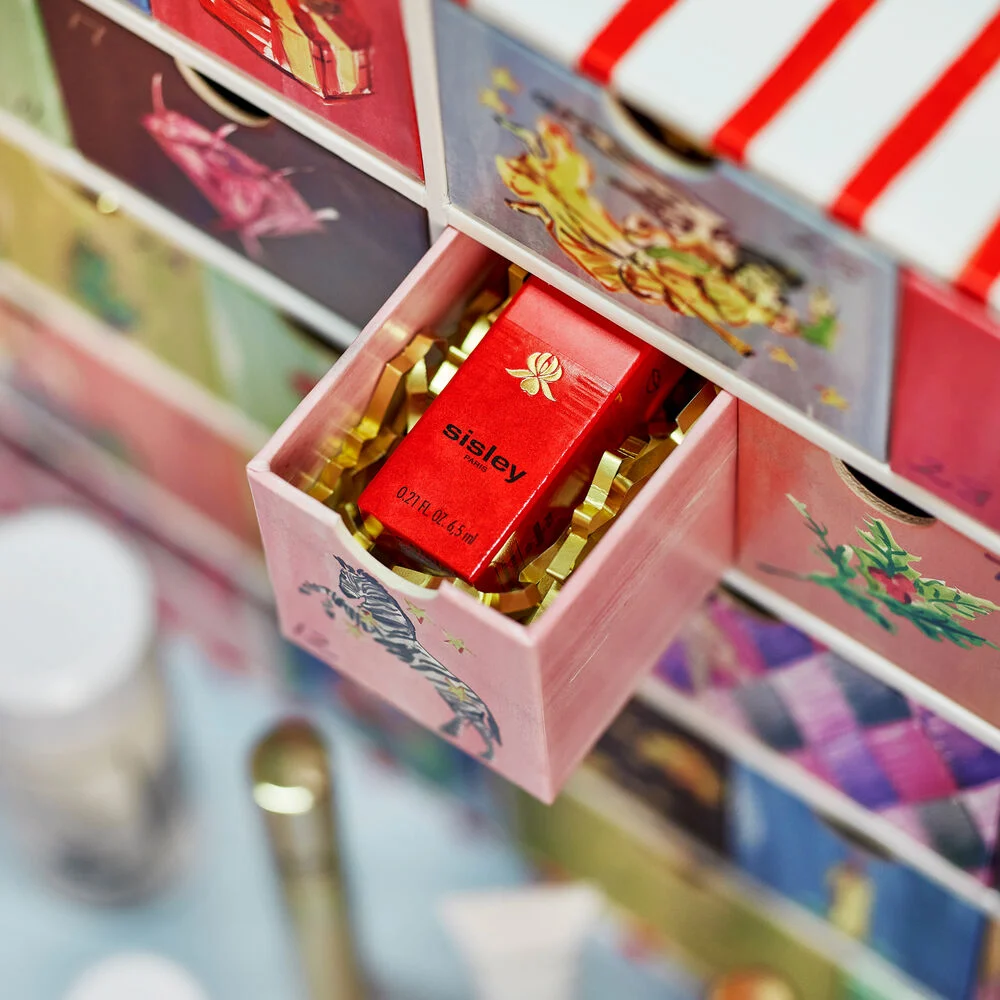
Décorations artisanales, calendriers ultra-luxe et pièces de collection pour s’enivrer de joie avant l’heure.
ÉDITION #3
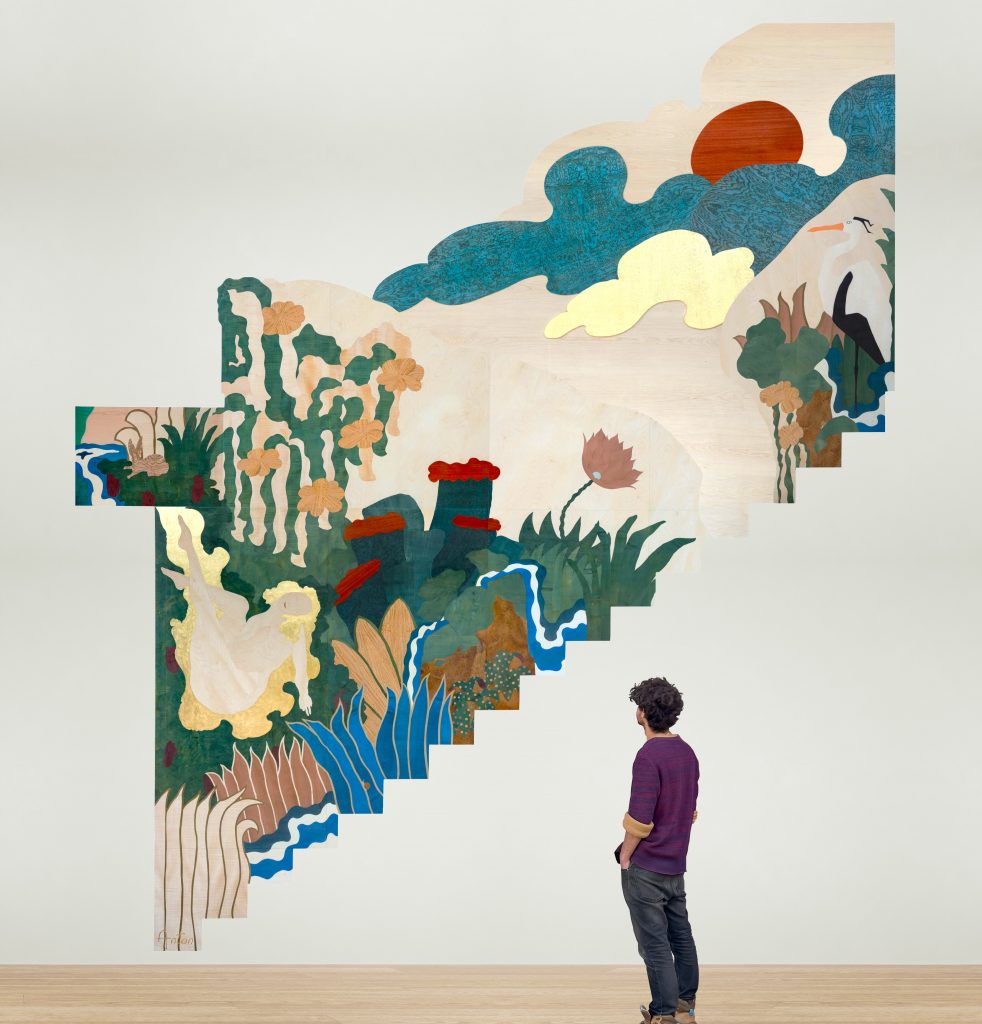
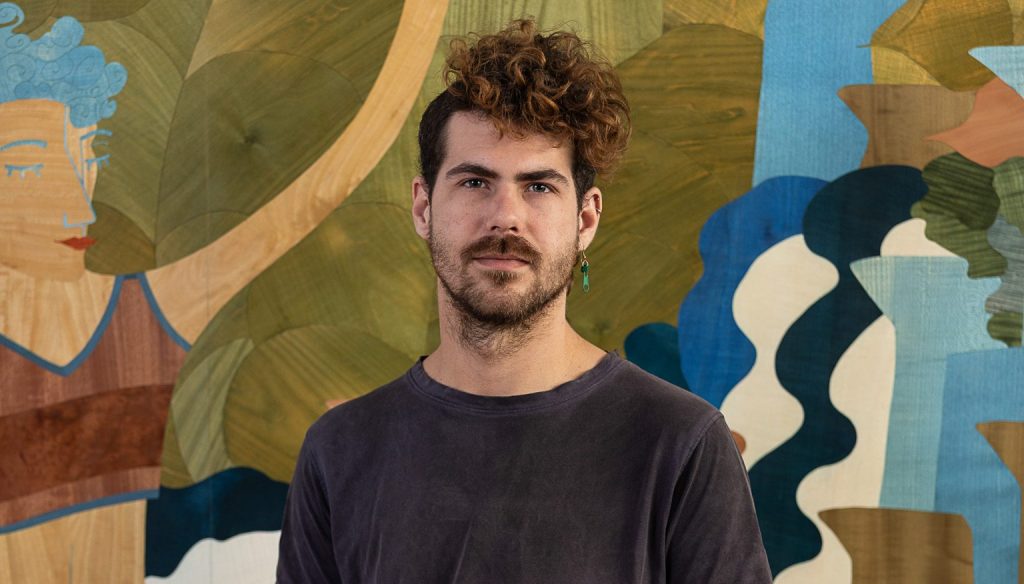
Entre marqueterie monumentale et jungle symbolique, Anton Laborde transforme le bois en récit contemporain poétique engagé.
ÉDITION #3
À Maison & Objet, Thierry Laudren présente des meubles sculptés où fonction, matière et lenteur façonnent une présence.
ÉDITION #3
Jean Nouvel conçoit une architecture attentive aux contextes, où lumière, histoire et usages façonnent chaque projet.
ÉDITION #3
À Lyon, Sophie Morel rénove des lieux historiques en alliant respect du bâti et écriture contemporaine.
ÉDITION #3
Au Centre d’Études Picasso, l’architecte compose une architecture où lumière, géométrie et héritage dialoguent avec précision.
ÉDITION #2
Entretien avec le fondateur d’EDO (European Design Office)
ÉDITION #2
Portrait d’un visionnaire qui transforme l’art de recevoir en expérience totale.
ÉDITION #1
Personnalités, artisans et créateurs qui donnent à la fête sa profondeur humaine.
ÉDITION #3
De Bordeaux au Bassin, art, vignobles et bien-être composent une échappée élégante au cœur de la Gironde.
ÉDITION #2
Vers une région de l’Italie habitée par le temps, où paysages, culture et usages s’accordent dans une continuité rare.
ÉDITION #1
Destinations et rituels qui réinventent la fête, du soleil tropical aux marchés d’hiver.