Lunch at Cheval Blanc Paris:
A culinary and architectural journey
at the heart of the Seine

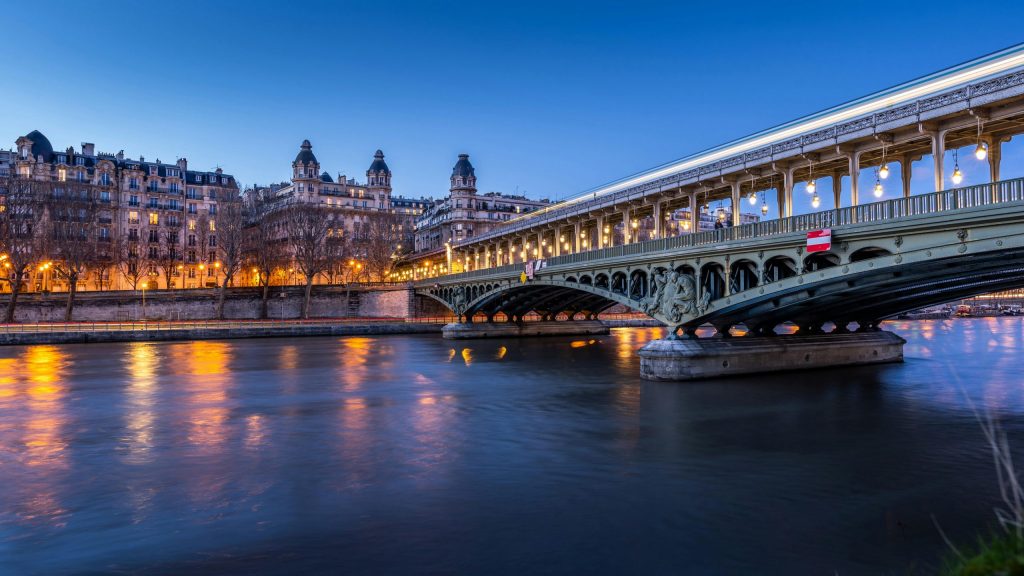
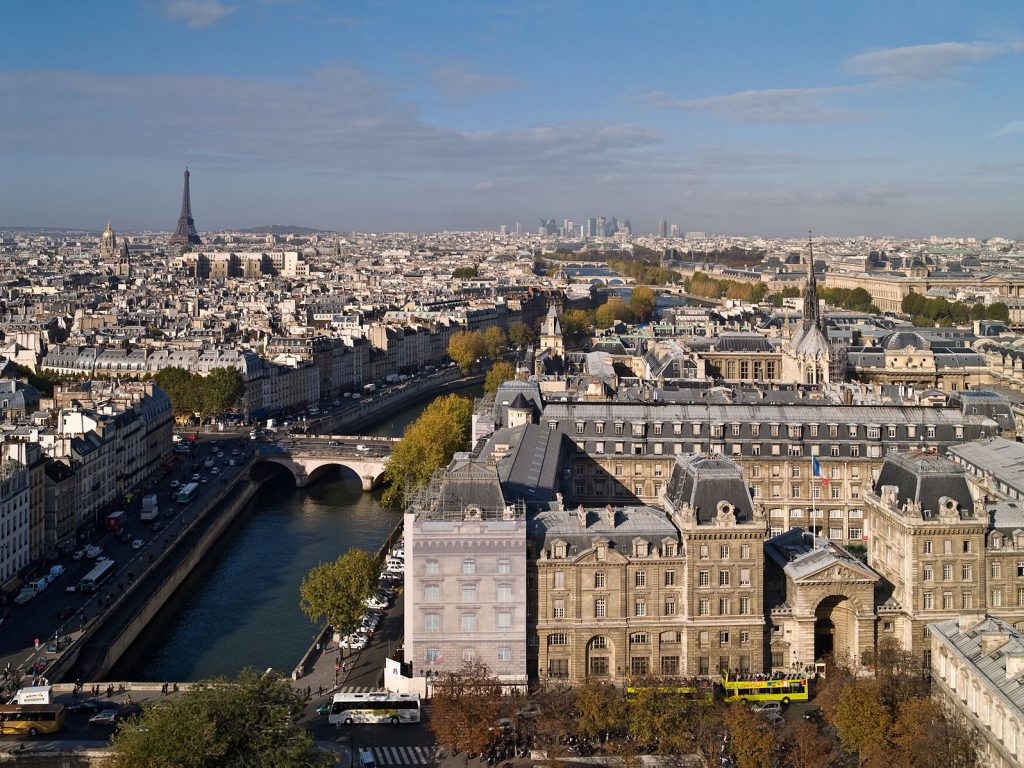
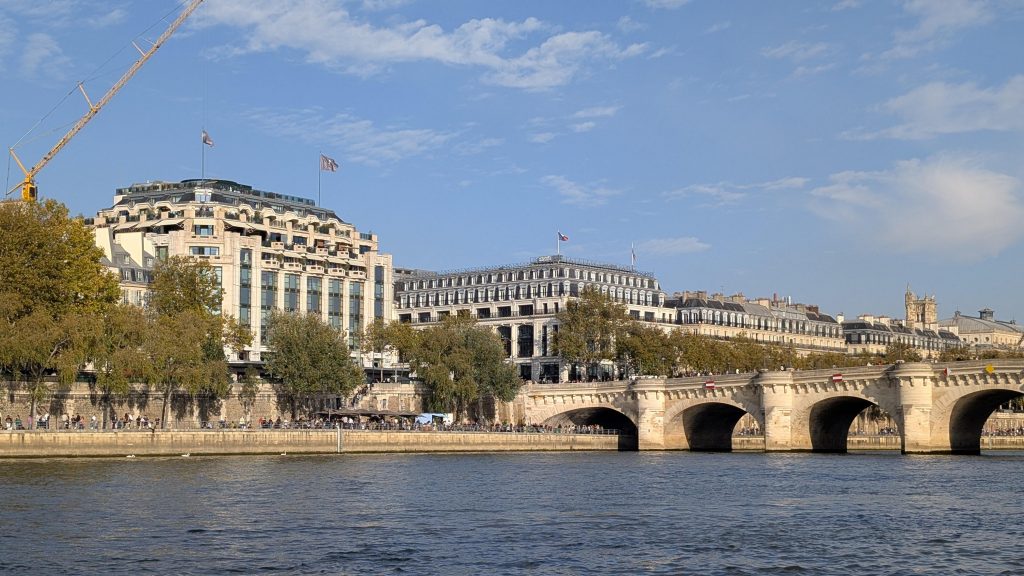
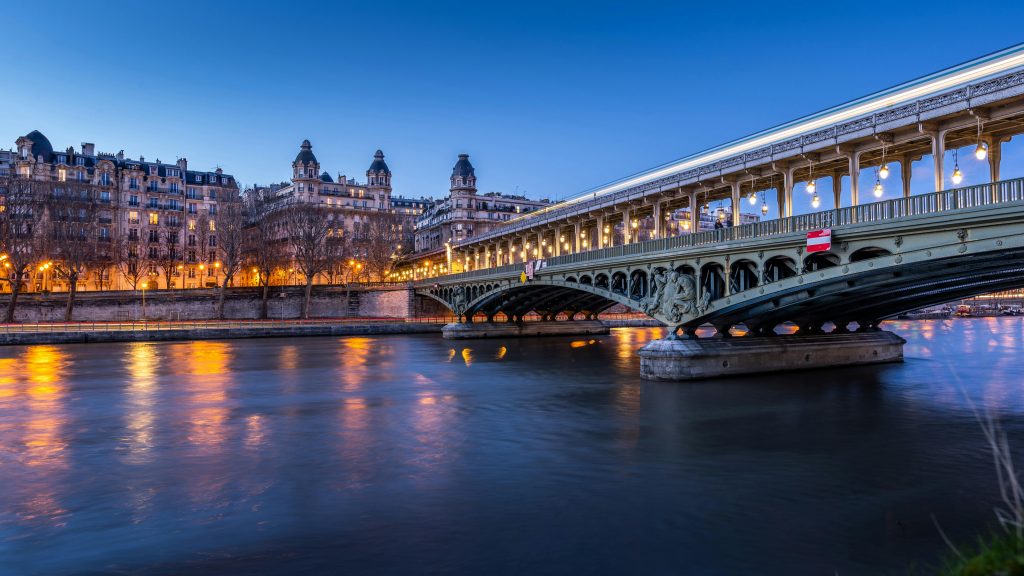
At 8 quai du Louvre, the Seine flows quietly past. The Pont Neuf, spanning its banks in a centuries-old architectural gesture, anchors the scene, and Paris reveals itself with the quiet authority of the self-evident. At this precise point, the city feels tangible — intense, alive.

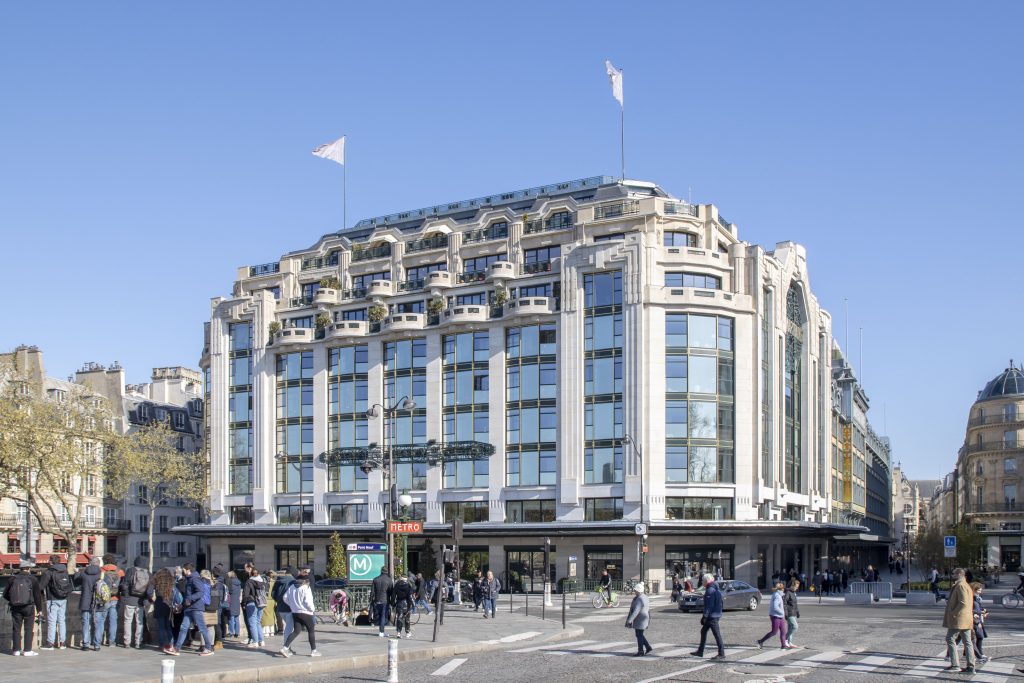
This is where Cheval Blanc Paris stands, housed within the former Samaritaine building, known as La Sauvage. An Art Deco landmark, the structure has borne witness to Paris’s transformations over the decades. Lunch or dinner here is more than a mealit is an initiation into a place deeply anchored in its history and its intimate relationship with the city.

Crossing the threshold feels like a carefully orchestrated transition — a passage from the bustle of the riverbanks into an urban residence devoted to restraint. Cheval Blanc Paris welcomes its guests with the quiet confidence of a place fully aware of its identity.

La Samaritaine: heritage and rebirth

Arthur Weidmann – wikipedia – 3/03/2022

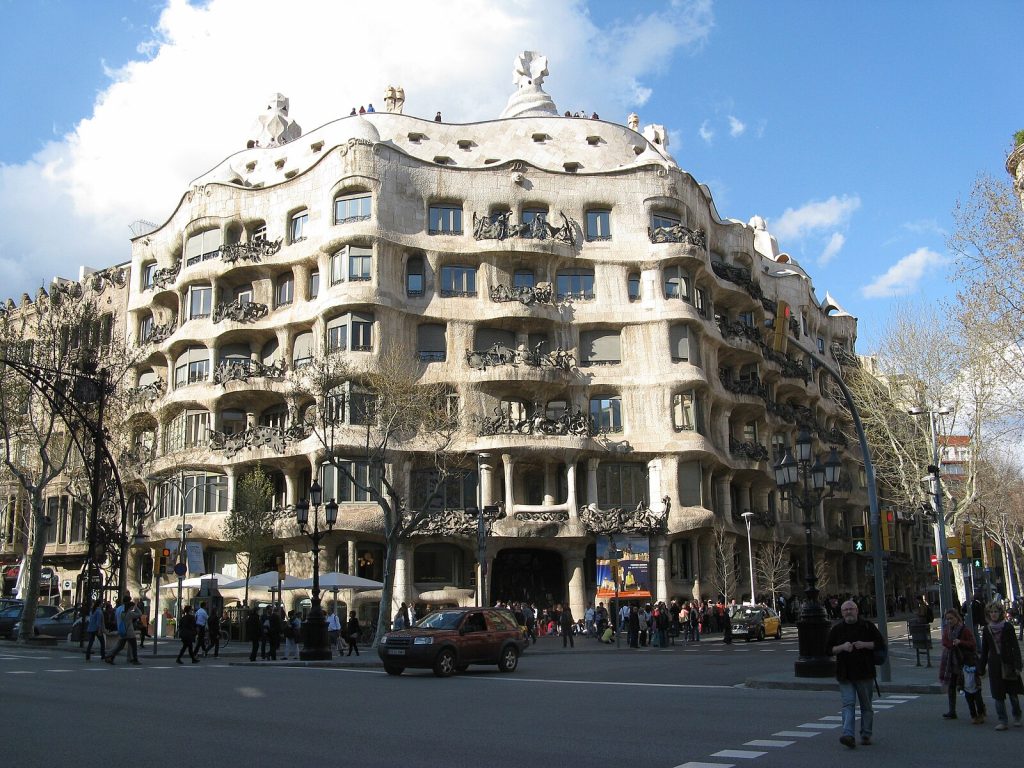
The story of Cheval Blanc Paris is inseparable from that of La Samaritaine, the iconic Parisian department store etched into collective memory. Acquired by LVMH in 2001, the Art Deco building underwent sixteen years of renovation, reopening in September 2021 after a restoration estimated at €750 million.

The ambition was clear: not to erase the past, but to reactivate it.

Architect Édouard François oversaw the transformation of the structure, while Peter Marino shaped the interiors. Together, they created a contemporary interpretation of Art Deco, punctuated by curated artworks, generous volumes and a constant dialogue with the Seine.

Views are framed like paintings, light circulates freely, and Paris enters the space naturally. The balance between inside and outside, heritage and modernity defines the singular character of the place.

An extraordinary urban residence

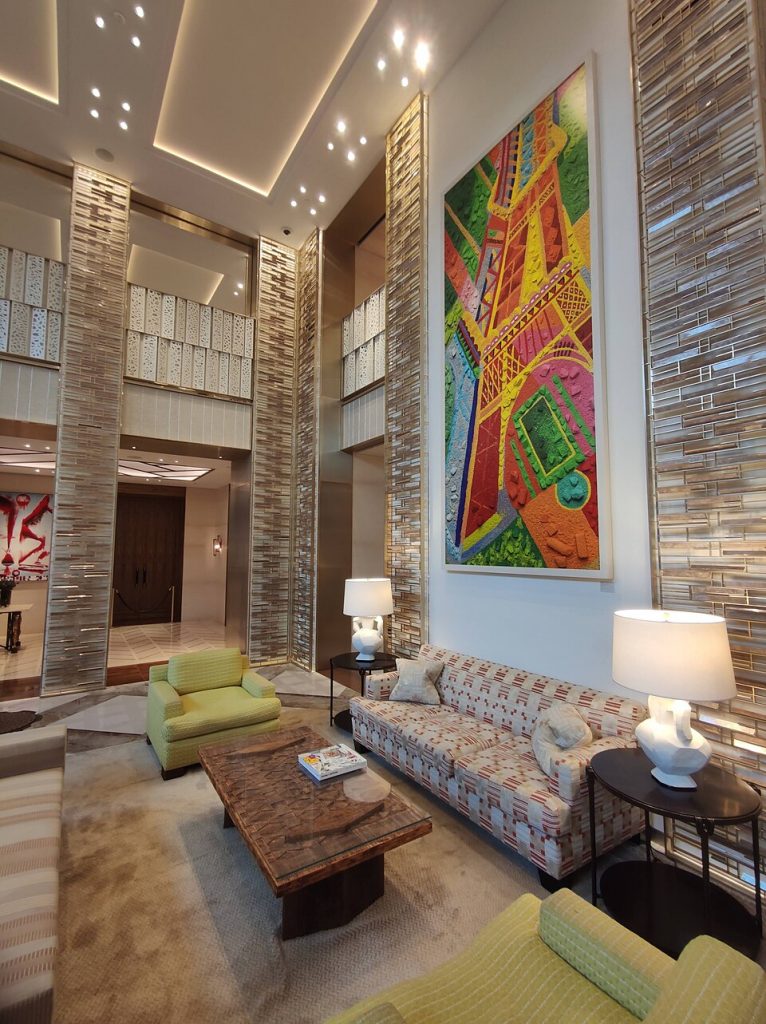
Partial view of the lobby of the Cheval Blanc hotel, Paris; CVB; Wikimedia

Cheval Blanc Paris comprises just seventy-two rooms and suites — a deliberate choice in a location where density would easily allow more. Every room faces the Seine, like a series of private balconies overlooking one of Paris’s most compelling spectacles.

Even the smallest rooms measure 45 square metres, while the pinnacle is a 1,000-square-metre suite with a 12.5-metre private swimming pool — a rare architectural feat in Paris.

Here, luxury is expressed through rarity and calm — two of the capital’s most precious commodities. A thirty-metre indoor pool, a Dior Spa, wide corridors and service designed for long stays cultivate a sense of immersion rather than passage.

This spatial generosity naturally extends to dining: gastronomy becomes part of a continuum, not a pause.

Cheval Blanc Paris: a gastronomic destination

Lukas, Pexels

Cheval Blanc Paris has made a decisive choice: gastronomy is the backbone of its identity.

Four restaurants. Four expressions. One uncompromising standard.
At the centre stands Arnaud Donckele, joined by Maxime Frédéric. Together, they have shaped a coherent culinary constellation, where each table has its own universe, bound by a shared philosophy.

The Seine is omnipresent — in the views, in the reflections of light, and in the rhythm of the meal itself, echoing the flow of the river.

Plénitude: haute cuisine and suspended time

Change CC ; Pexels

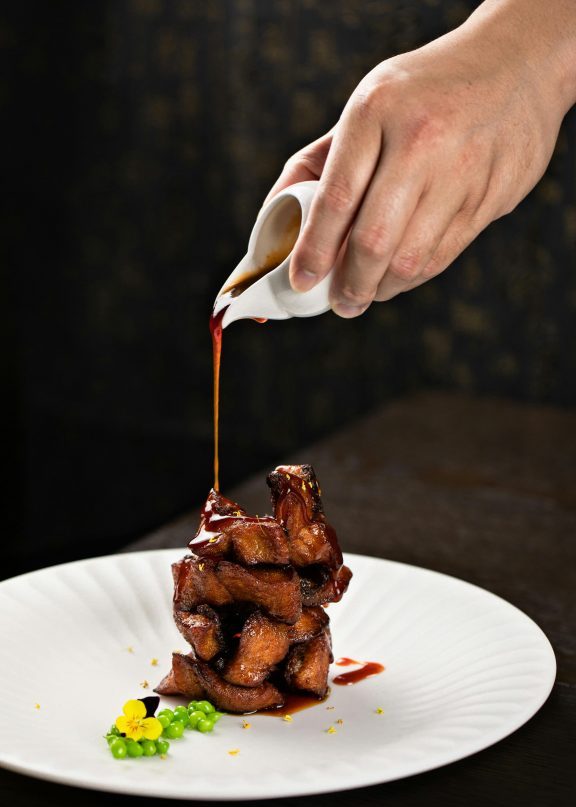
Located on the first floor, Plénitude lives up to its name. Awarded three Michelin stars, it welcomes a deliberately limited number of guests. The atmosphere is hushed; silence becomes part of the experience.
Here, sauce takes centre stage. Arnaud Donckele approaches it like a perfumer, composing layered absolutes structured around top, heart and base notes.
Dishes unfold as a sequence:
Préludes, Fresh and Salt Waters, Prairies, and desserts that speak a language both fluid and exacting.

Service, conducted with finesse by Alexandre Larvoir, stretches time itself. Leaving Plénitude feels like stepping outside the ordinary flow of hours.

Hakuba: ritualised Japan in the heart of Paris

Vitaliy Haiduk ; Pexels

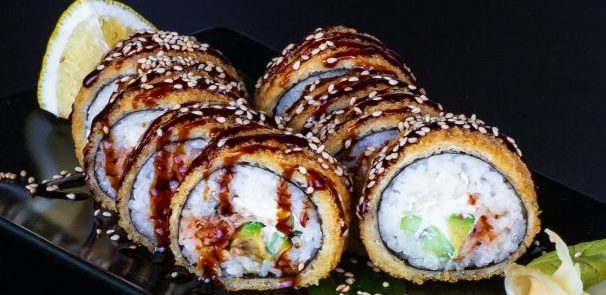
Hakuba offers a deliberate contrast. Awarded one Michelin star, it brings together Arnaud Donckele, Takuya Watanabe and Maxime Frédéric around a vision of kaiseki-inspired sushi.

Seasonality, ritual and precision guide every gesture. The décor plays with shadow and focused light, turning each plate into a small theatrical stage.

Punctuality is essential — a rule aligned with an experience built on attention and mutual respect.

Langosteria: Mediterranean exuberance on the seventh floor

Brenan Greene ; Unsplash

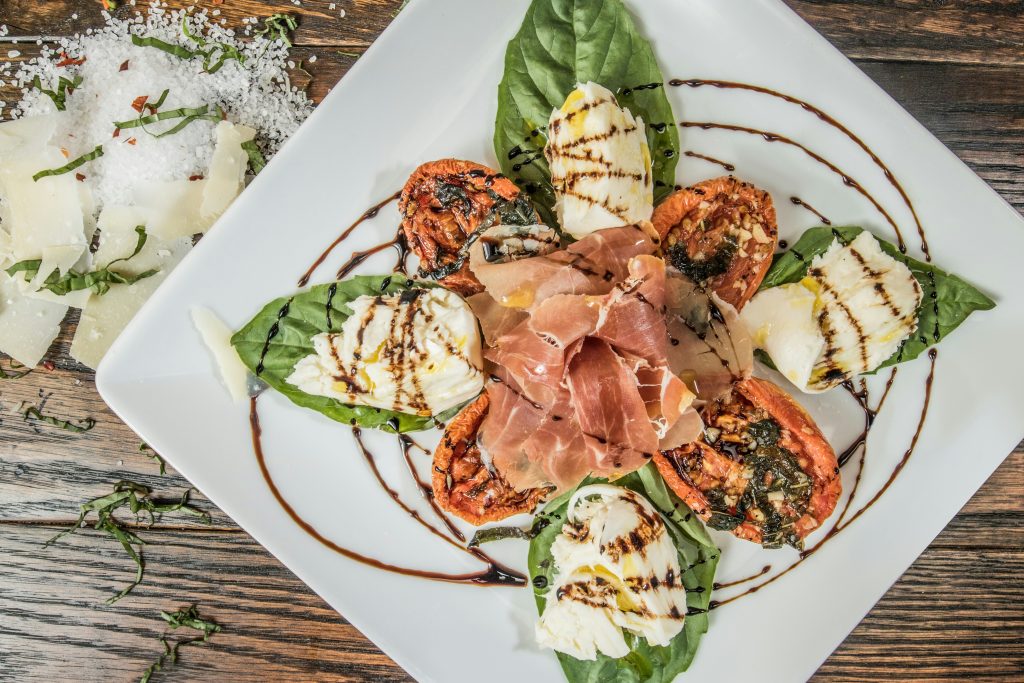
On the seventh floor, Langosteria changes the tempo. Colour, generosity and conviviality take centre stage.
The menu celebrates Mediterranean produce and the sea, supported by a wine cellar of nearly 900 references.

The terrace, framed by greenery, forms an unexpected urban oasis. Langosteria champions a certain art de vivre — long lunches, shared plates, and time reclaimed.

Le Tout-Paris: the brasserie reimagined

YorVen, iStockPhoto

Also on the seventh floor, Le Tout-Paris quite literally embraces the city. Awarded a Michelin star, it offers panoramic views from Notre-Dame to the Eiffel Tower, with the Seine tracing the horizon.

Under William Béquin, with Arnaud Donckele overseeing the vision, classic brasserie dishes are revisited with precision and respect.

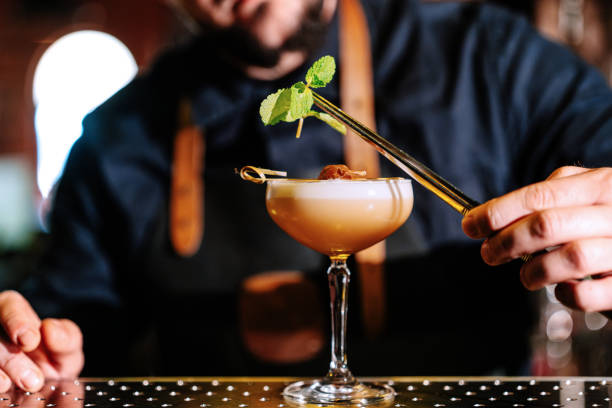
Breakfast feels almost domestic. Sundays echo family lunches. Evenings transform the terrace into a place of gathering and celebration.

Beyond the plate: time as the true luxury

Myrabella ; Wikimedia

Whether lunch or dinner, the Cheval Blanc Paris experience is built around a singular relationship with time.

Service is fluid, attentive, quietly anticipatory. Guests gather at what feels like both the geographic and symbolic heart of Paris.

What remains is not only the memory of taste, but a deeper perception of the city itself — Paris experienced through rhythm, light and pause.

A contemporary vision of luxury

r/paris ; reddit

Cheval Blanc Paris embodies a discreet, urban luxury, rooted in history and craftsmanship rather than display.

Here, gastronomy becomes a cultural language, a way of tasting Paris.

To dine at Cheval Blanc Paris is to choose slowness — to accept that true luxury lies in time reclaimed, where excellence feels effortless and Paris invites you, once again, to take your time.

Continue exploring

La Mamounia : a brief history of a grand palace
Behind the scenes at our favourite places, with Where is Brian, interior design agency based in Nantes
Cordon Bleu, Hôtel de la Marine: culinary excellence open to the public
Hotel Normandy Le Chantier, the daring transformation of a Parisian palace
Creativity breathing new lifeinto buildings destined for oblivion
Behind the scenes at the Centre d’Études Picasso in Paris

Février, 2026

Édition 3 : Patrimoine et création

Créer avec l’existant, penser avec l’histoire

De l’architecture au design, cette édition explore comment lieux, savoir-faire et matières héritées deviennent terrains de création actuelle.

Janvier, 2026

Édition 2 : Quiet luxury

Le luxe se réinvente.

Finis les logos clignotants, place à une sobriété raffinée, à l’immersion personnelle, à l’excellence artisanale, à la durabilité sensible.

Décembre, 2025

Édition 1 : Le sens de la fête

Héritages, gestes contemporains et plaisirs essentiels

Parce que la fête n’est jamais qu’apparence : elle reflète notre manière d’habiter le monde, de transmettre, de fabriquer des souvenirs durables.

ÉDITION #3

Révéler la beauté

Upcycling et kintsugi transforment l’objet contemporain, faisant de la trace, de la réparation et de la matière un langage esthétique.

ÉDITION #3

Les nouveaux artisans du patrimoine

Artisans et designers donnent une seconde vie aux matériaux anciens, entre création contemporaine, patrimoine et réemploi.

ÉDITION #3

L'art à la rescousse des friches et lieux oubliés

Bunkers, wagons et kiosques renaissent grâce à la création, révélant comment l’art redonne sens aux lieux délaissés.

ÉDITION #2

Le murmure du beau

Un regard transversal sur le quiet luxury à travers des lieux, des objets et des figures qui expriment l’élégance.

ÉDITION #1

Lieux, maisons et matières en éclats

Une sélection de marques, architectures, objets et escapades qui donnent corps au sens de la fête.

ÉDITION #3

La création au secours des bâtiments promis à l’oubli

Usines et gares délaissées deviennent lieux culturels ouverts, où mémoire industrielle et usages contemporains redessinent la ville.

ÉDITION #3

Hôtel Normandy Le Chantier

L’audacieuse métamorphose d’un palace parisien

ÉDITION #3

Dans les coulisses du Centre d'Études Picasso à Paris

Au cœur du Marais, un lieu discret révèle comment archives, architecture et recherche font dialoguer l’œuvre de Picasso.

ÉDITION #2

Shopping iconique dans un décor Tudor

Une expérience shopping unique dans un magasin emblématique.

ÉDITION #2

Gastronomie et architecture

Voyage culinaire et architectural au cœur de la Seine

ÉDITION #2

L'art de l'hospitalité parisienne

Dans le 9e arrondissement, un établissement qui invite au quiet luxury

ÉDITION #1

Chante!

Chante! vient d’ouvrir ses portes. Une invitation à vibrer !

ÉDITION #3

La boîte aux lettres française devenue objet de design

Icône du paysage français, la boîte jaune change de statut et s’invite dans l’univers du design.

ÉDITION #3

Retour sur Maison&Objet 2026 : retour aux sources et à l’essentiel

L’édition 2026 affirme une vision où artisanat, design et mémoire façonnent l’habitat contemporain, international actuel.

ÉDITION #3

Art Deco: un mouvement centenaire, plus actuel que jamais

Cent ans après 1925, l’Art déco revient dans nos villes et intérieurs avec géométrie, audace, optimisme.

ÉDITION #3

Royal Limoges, deux siècles d’histoire au présent

Depuis plus de deux cents ans, Royal Limoges conjugue porcelaine, savoir-faire industriel et création contemporaine.

ÉDITION #3

Du terrain à la rue et au catwalk : les sneakers à travers les époques

Des terrains de sport aux podiums, la sneaker raconte un siècle de mutations culturelles, techniques et stylistiques.

ÉDITION #2

La formidable aventure du papier peint de luxe

Design, mode, artisanat : des créations où la forme et la matière se répondent avec justesse, loin de tout effet de mode.

ÉDITION #1

Icônes, détails, rituels

Décorations artisanales, calendriers ultra-luxe et pièces de collection pour s’enivrer de joie avant l’heure.

ÉDITION #3

Anton Laborde

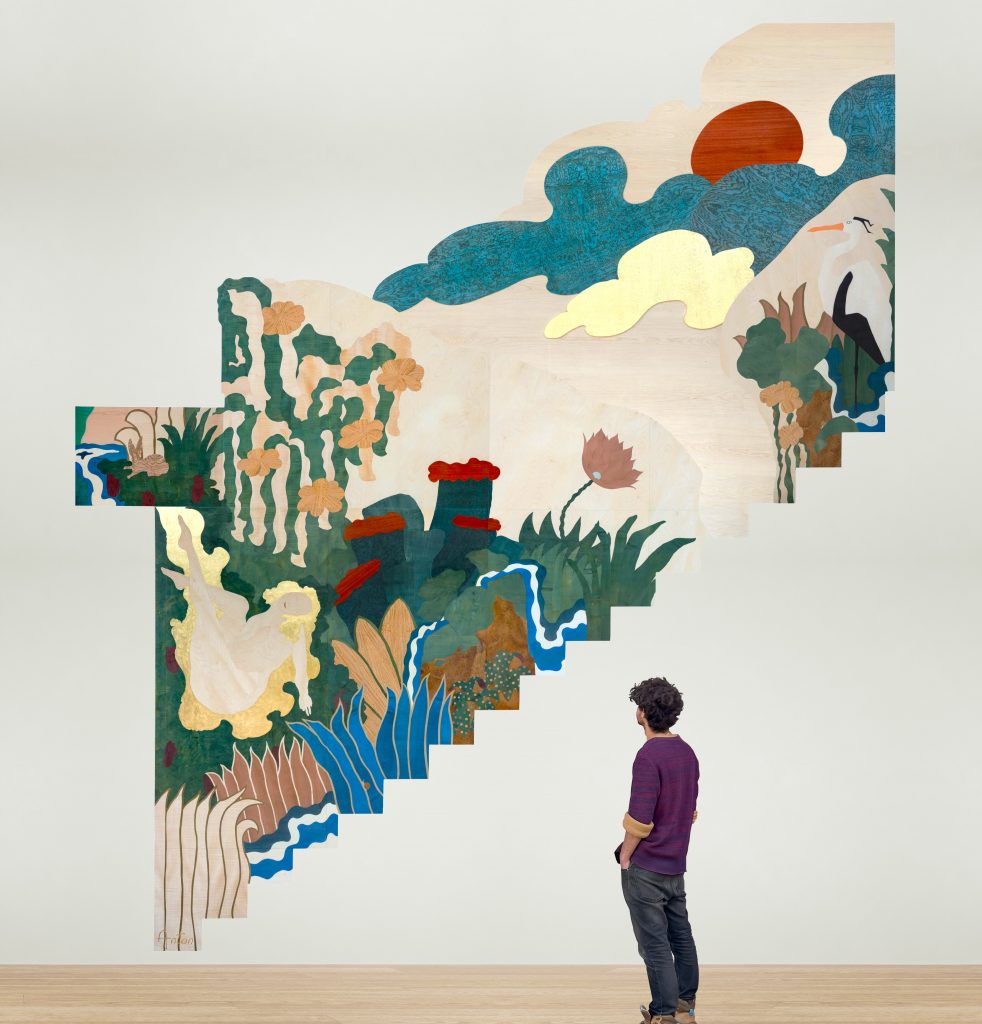
Entre marqueterie monumentale et jungle symbolique, Anton Laborde transforme le bois en récit contemporain poétique engagé.

ÉDITION #3

Thierry Laudren

À Maison & Objet, Thierry Laudren présente des meubles sculptés où fonction, matière et lenteur façonnent une présence.

ÉDITION #3

Jean Nouvel

Jean Nouvel conçoit une architecture attentive aux contextes, où lumière, histoire et usages façonnent chaque projet.

ÉDITION #3

Sophie Morel

À Lyon, Sophie Morel rénove des lieux historiques en alliant respect du bâti et écriture contemporaine.

ÉDITION #3

Pascal Grasso

Au Centre d’Études Picasso, l’architecte compose une architecture où lumière, géométrie et héritage dialoguent avec précision.

ÉDITION #2

Alexandre Danan

Entretien avec le fondateur d’EDO (European Design Office)

ÉDITION #2

Aziz Temimi

Portrait d’un visionnaire qui transforme l’art de recevoir en expérience totale.

ÉDITION #1

Visages, gestes, inspirations

Personnalités, artisans et créateurs qui donnent à la fête sa profondeur humaine.

ÉDITION #3

Chemins de traverse : parenthèse d’exception en Bordelais

De Bordeaux au Bassin, art, vignobles et bien-être composent une échappée élégante au cœur de la Gironde.

ÉDITION #2

Voyage en Toscane

Vers une région de l’Italie habitée par le temps, où paysages, culture et usages s’accordent dans une continuité rare.

ÉDITION #1

Horizons, saisons, traditions

Destinations et rituels qui réinventent la fête, du soleil tropical aux marchés d’hiver.

Dates, adresses, invitations

Expositions, événements et repères culturels pour vivre pleinement la saison des fêtes.