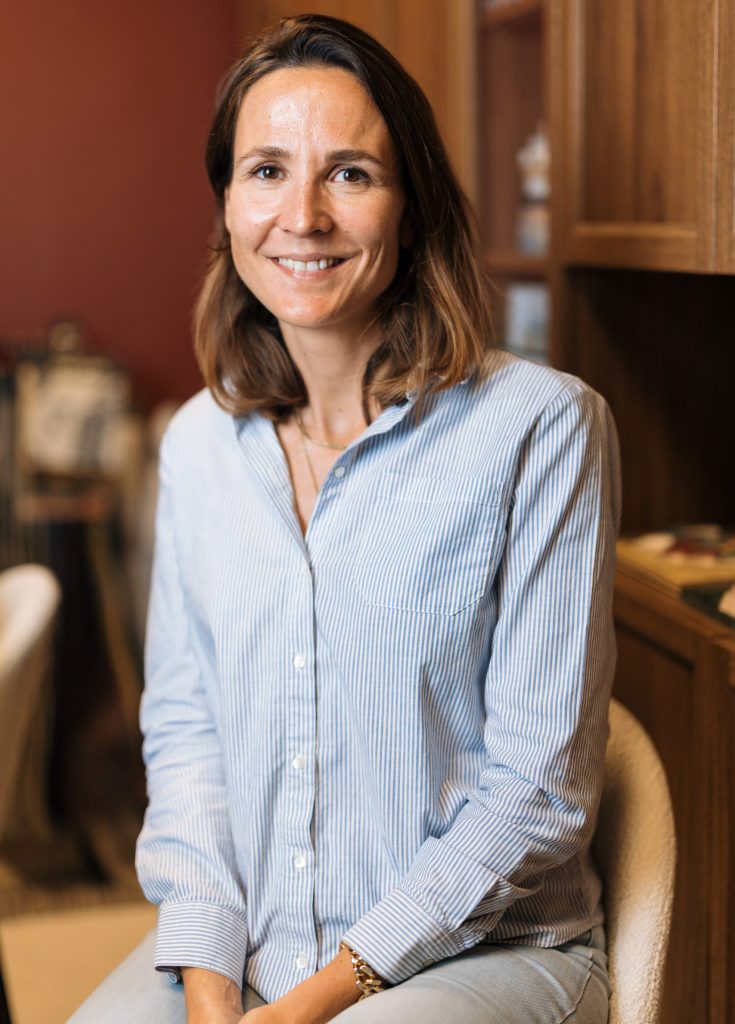
Since its foundation in 2012, GCG Architectes has established itself as a leading multidisciplinary architectural firm in Paris. This collective of four partners explores designs of all scales, placing light at the heart of their approach as a true architectural material.
GCG Architectes – WeAreKollectors
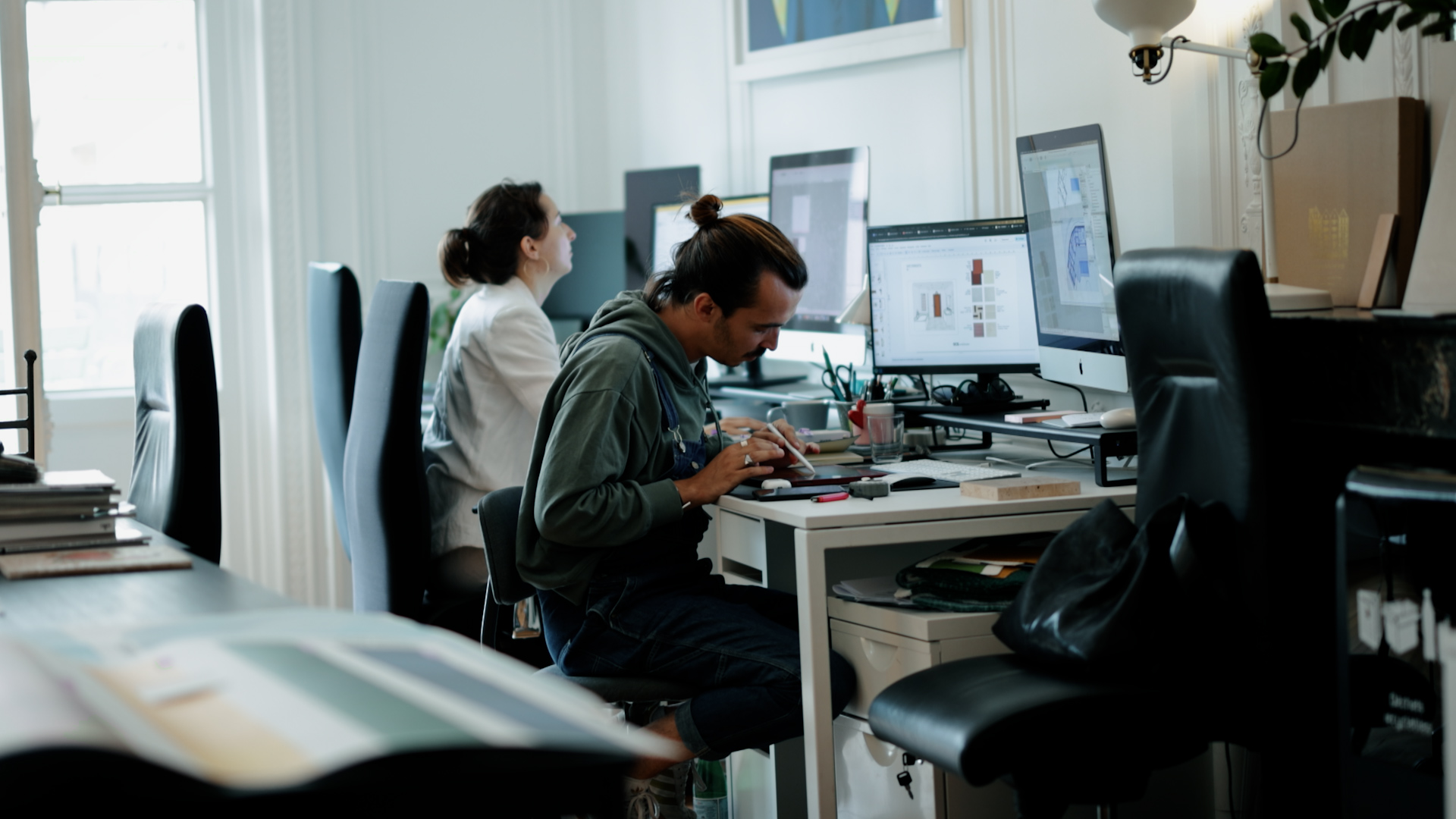
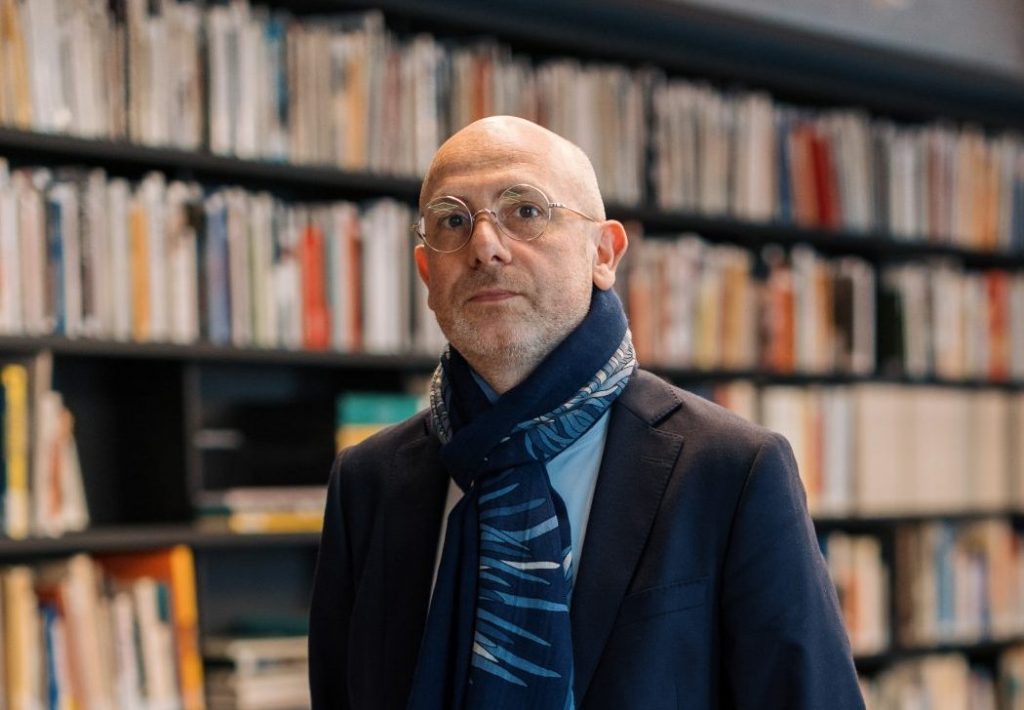
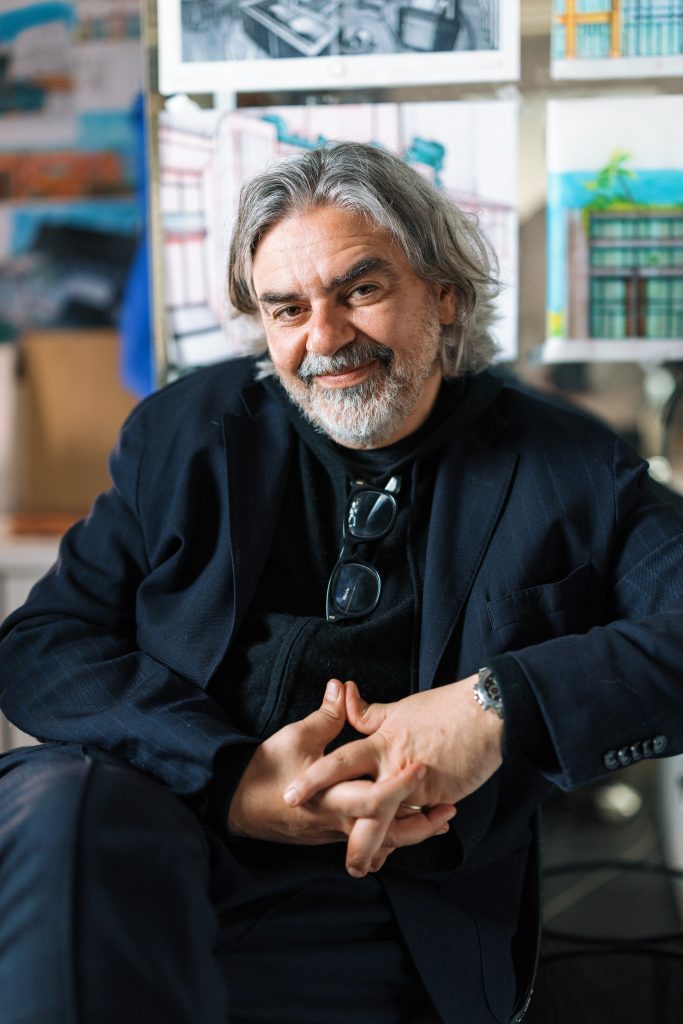
Behind the initials GCG are Alexandre Goulet, Olivia Charpentier and Dev Gupta: three architects who graduated from the École Nationale Supérieure d’Architecture de Versailles. It was during a study trip to China in 2006 that their creative affinities came to the fore, centred on an ambitious competition to design the new city centre of Chongqing. “We got on really well, and the idea of setting up a practice took root very quickly,” says Olivia Charpentier. After honing their skills by working with renowned architects such as Valode and Pistre and Rudy Ricciotti, they founded GCG Architectes in Paris in 2012.
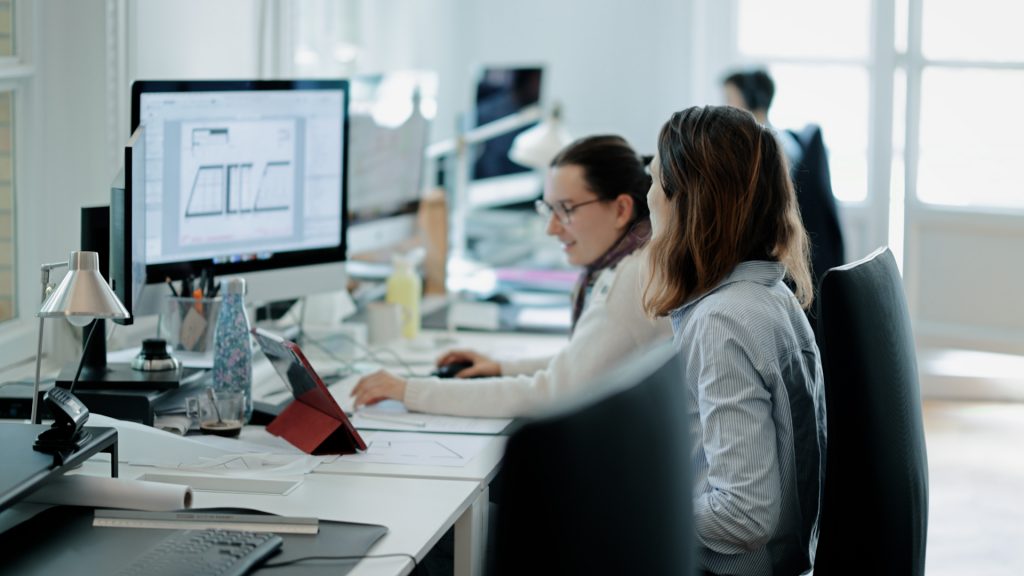
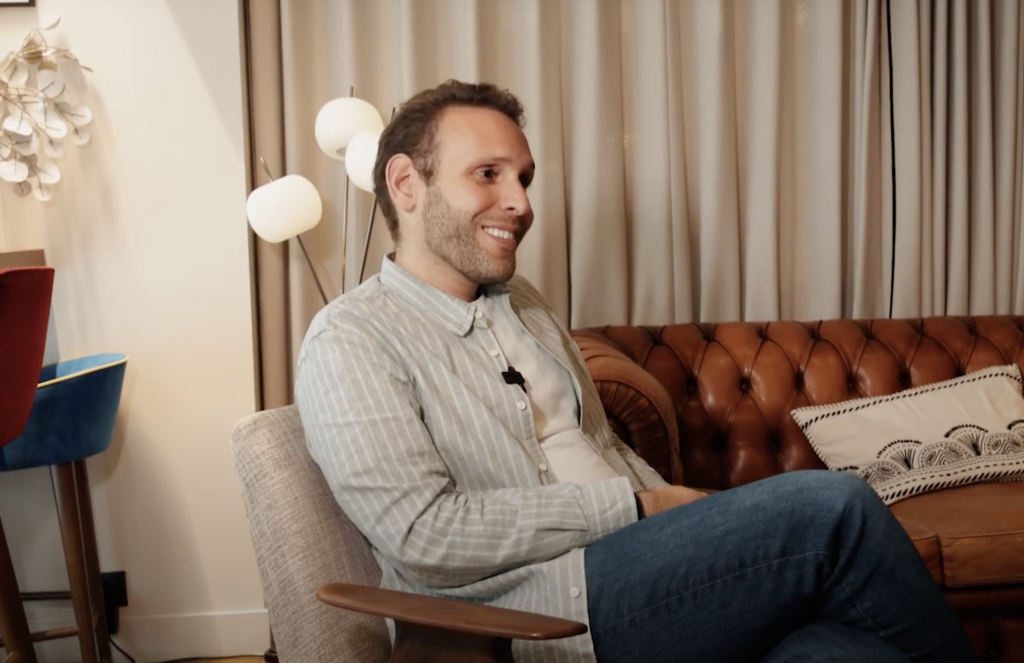
The practice, which now has around fifteen staff members, is based in the 9^(th) arrondissement. They continued to expand with the opening of GCG India in Delhi in 2019. Benjamin Doré joined the team as the fourth partner in 2024, further strengthening the firm’s creative potential. Over the years, the firm’s portfolio has diversified, striking a balance between residential, hospitality, and property projects. This versatility perfectly reflects their multidisciplinary approach. “In interior architecture and design, our signature style is characterised by projects imbued with craftsmanship and a sense of joy. In architecture, we strive to be as context-sensitive as possible, creating projects that blend into their surroundings and prioritise the reuse of materials,” explains Olivia Charpentier.

GCG Architectes – WeAreKollectors
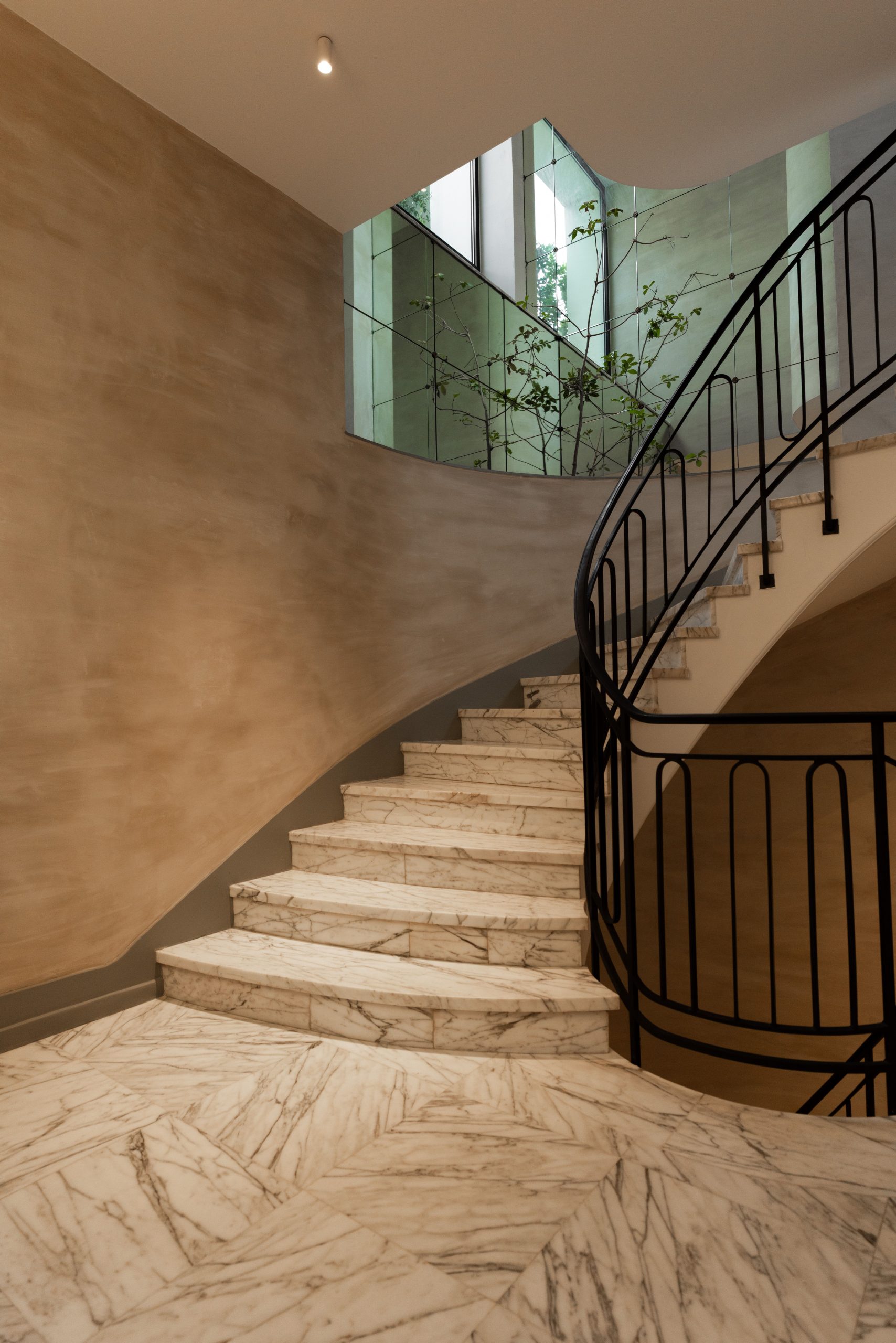
GCG Architectes has a strong track record, with iconic projects that demonstrate the diversity of their approach. One such project is a residence in a private Parisian mansion, where the firm created an indoor spa while making the most of the existing spaces. Another notable project was the conversion of a second home in Saint-Léger, Yvelines – a former hunting lodge surrounded by two and a half hectares of gardens. This project allowed the firm to fully express its creativity, incorporating a “very colourful touch inspired by craftsmanship and travel” to create a “fresh and cheerful atmosphere”. Incidentally, this project was featured on the cover of Elle magazine.
The firm also excels at bold conversions, such as transforming a three-storey garage into offices or completing a development in Bagnolet comprising nearly one hundred homes that incorporates former Belin factories. Recently, GCG completed two Parisian projects in collaboration with Kollectors: the Kraft Hotel in the 15^(th) arrondissement, which opened in 2024 under the management of the Machefert Group, and a triplex on Rue Ampère, which was completed in the same year.
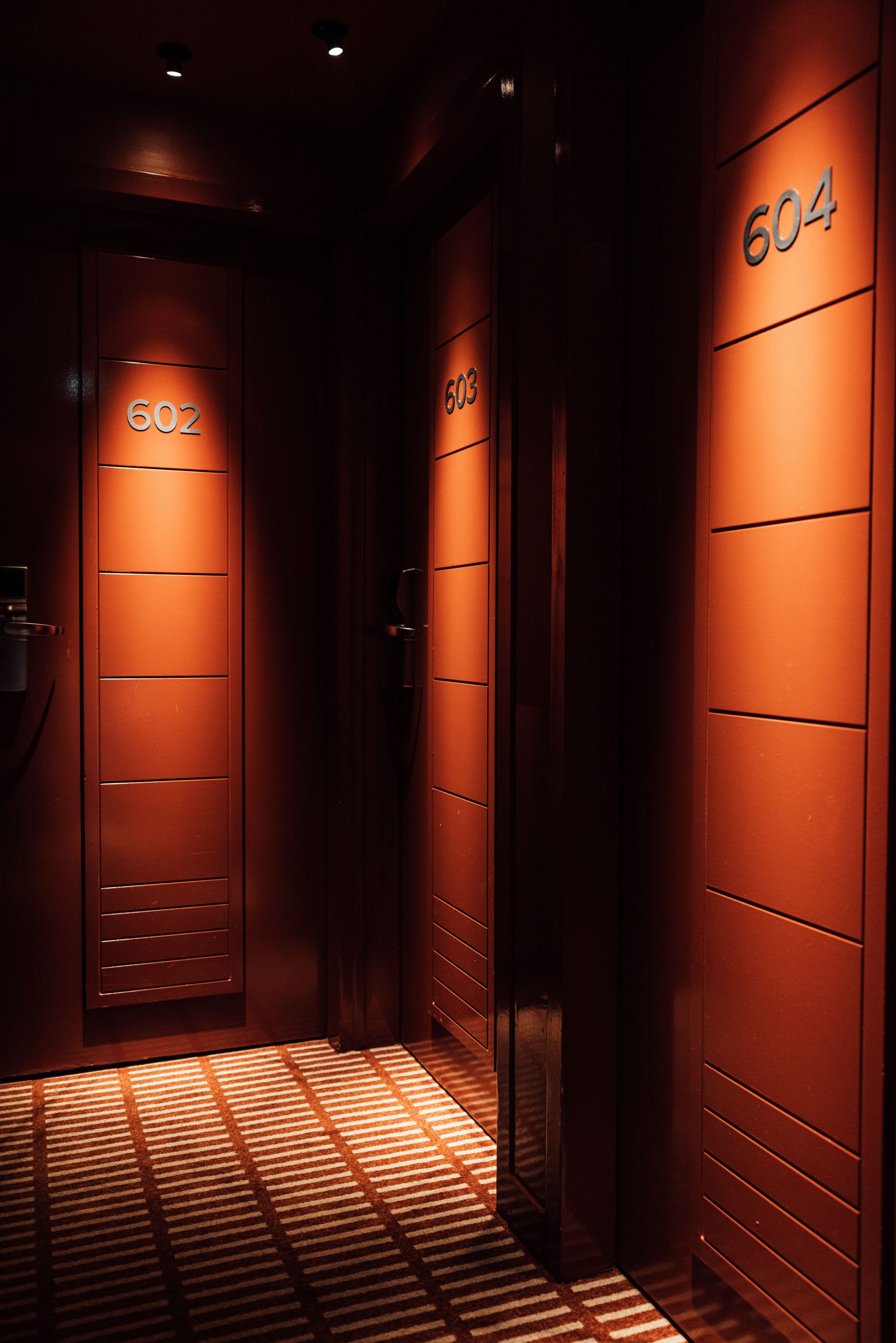
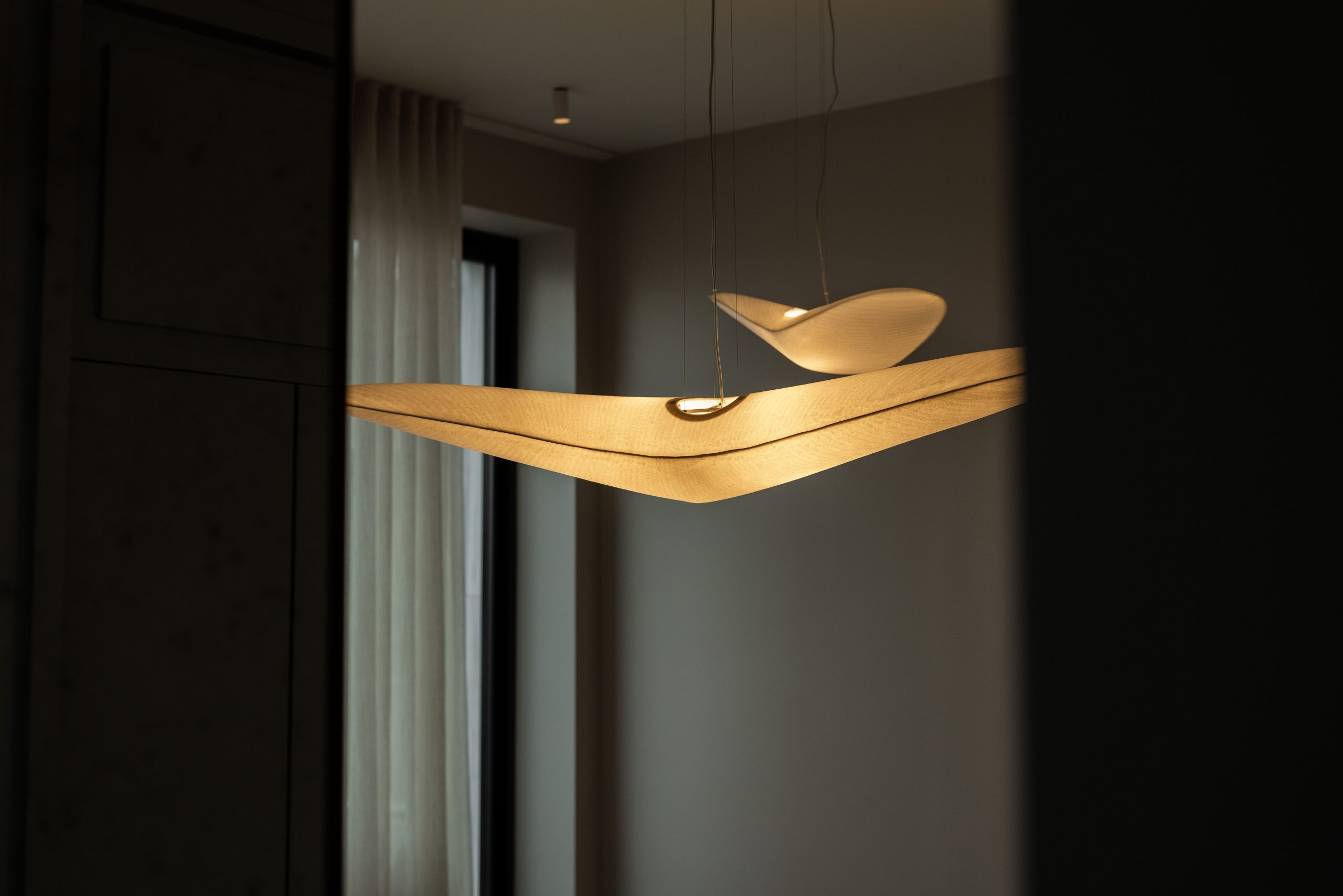
Lighting design plays a central role in the approach of GCG Architectes, as demonstrated by their collaboration with Kollectors on two recent projects. At the Kraft Hotel, for example, GCG Architectes were responsible for the architecture, interior design and decoration. Despite a tight budget, lighting played a vital role in creating a strong identity. ‘For the Kraft Hotel, we designed the communal areas as a true lighting installation. We wanted to create an experience that bridges the gap between the hustle and bustle of the city and the privacy of the guest rooms. The circulation spaces thus become a transition zone where light transforms visitors’ perception of space,’ explains Olivia Charpentier. This concept of lighting as a narrative element was made possible thanks to Kollectors’ expertise. ‘We had specific ideas for designing the circulation areas and for highlighting the thresholds of the guest rooms. Kollectors turned our vision into reality thanks to their technical expertise and detailed understanding of our approach.” For the triplex on Rue Ampère, the architect describes a different but equally well-considered approach. ‘Our vision for the triplex was to create dynamic lighting that plays with volumes and heights. We incorporated multiple light sources at different scales to humanise the space, particularly using adjustable lighting solutions that lend a personalised touch to each area. This collaboration with Kollectors was a real turning point for us, as we were accustomed to managing everything in-house. Their team understood our intentions and was able to translate them into technical solutions, which was a real relief.” This collaboration perfectly illustrates GCG Architectes’ vision of regarding light as an architectural material in its own right, capable of transforming the experience of spaces.
We met whilst studying architecture […] and we thought that perhaps one day, if a project brought us together, we could get in touch and do something.
The ideal project allows us to approach architecture and interior design as a single, cohesive whole.
It really is a project where every detail counts, right down to the teaspoon
When you arrive at this hotel, you should feel as though you’ve entered a slightly different world, and the transition between the city and the hotel’s interior must be carefully crafted.
For us, light is a very important element in the project. […]
It enhances, it adds depth, it dramatises spaces. It’s truly essential in interior design.
We’ve been lucky enough to travel extensively and to experience Indian craftsmanship at first hand.
Observation is paramount. That’s how we begin a project: by observing at length, gathering information and doing our research.
Février, 2026
Créer avec l’existant, penser avec l’histoire
De l’architecture au design, cette édition explore comment lieux, savoir-faire et matières héritées deviennent terrains de création actuelle.
Janvier, 2026
Le luxe se réinvente.
Finis les logos clignotants, place à une sobriété raffinée, à l’immersion personnelle, à l’excellence artisanale, à la durabilité sensible.
Décembre, 2025
Héritages, gestes contemporains et plaisirs essentiels
Parce que la fête n’est jamais qu’apparence : elle reflète notre manière d’habiter le monde, de transmettre, de fabriquer des souvenirs durables.
ÉDITION #3
Upcycling et kintsugi transforment l’objet contemporain, faisant de la trace, de la réparation et de la matière un langage esthétique.
ÉDITION #3
Artisans et designers donnent une seconde vie aux matériaux anciens, entre création contemporaine, patrimoine et réemploi.
ÉDITION #3
Bunkers, wagons et kiosques renaissent grâce à la création, révélant comment l’art redonne sens aux lieux délaissés.
ÉDITION #2
Un regard transversal sur le quiet luxury à travers des lieux, des objets et des figures qui expriment l’élégance.
ÉDITION #1
Une sélection de marques, architectures, objets et escapades qui donnent corps au sens de la fête.
ÉDITION #3
Usines et gares délaissées deviennent lieux culturels ouverts, où mémoire industrielle et usages contemporains redessinent la ville.
ÉDITION #3
L’audacieuse métamorphose d’un palace parisien
ÉDITION #3
Au cœur du Marais, un lieu discret révèle comment archives, architecture et recherche font dialoguer l’œuvre de Picasso.
ÉDITION #2
Une expérience shopping unique dans un magasin emblématique.
ÉDITION #2
Voyage culinaire et architectural au cœur de la Seine
ÉDITION #2
Dans le 9e arrondissement, un établissement qui invite au quiet luxury
ÉDITION #1
Chante! vient d’ouvrir ses portes. Une invitation à vibrer !
ÉDITION #3
Icône du paysage français, la boîte jaune change de statut et s’invite dans l’univers du design.
ÉDITION #3
L’édition 2026 affirme une vision où artisanat, design et mémoire façonnent l’habitat contemporain, international actuel.
ÉDITION #3
Cent ans après 1925, l’Art déco revient dans nos villes et intérieurs avec géométrie, audace, optimisme.
ÉDITION #3
Depuis plus de deux cents ans, Royal Limoges conjugue porcelaine, savoir-faire industriel et création contemporaine.
ÉDITION #3
Des terrains de sport aux podiums, la sneaker raconte un siècle de mutations culturelles, techniques et stylistiques.
ÉDITION #2
Design, mode, artisanat : des créations où la forme et la matière se répondent avec justesse, loin de tout effet de mode.
ÉDITION #1
Décorations artisanales, calendriers ultra-luxe et pièces de collection pour s’enivrer de joie avant l’heure.
ÉDITION #3
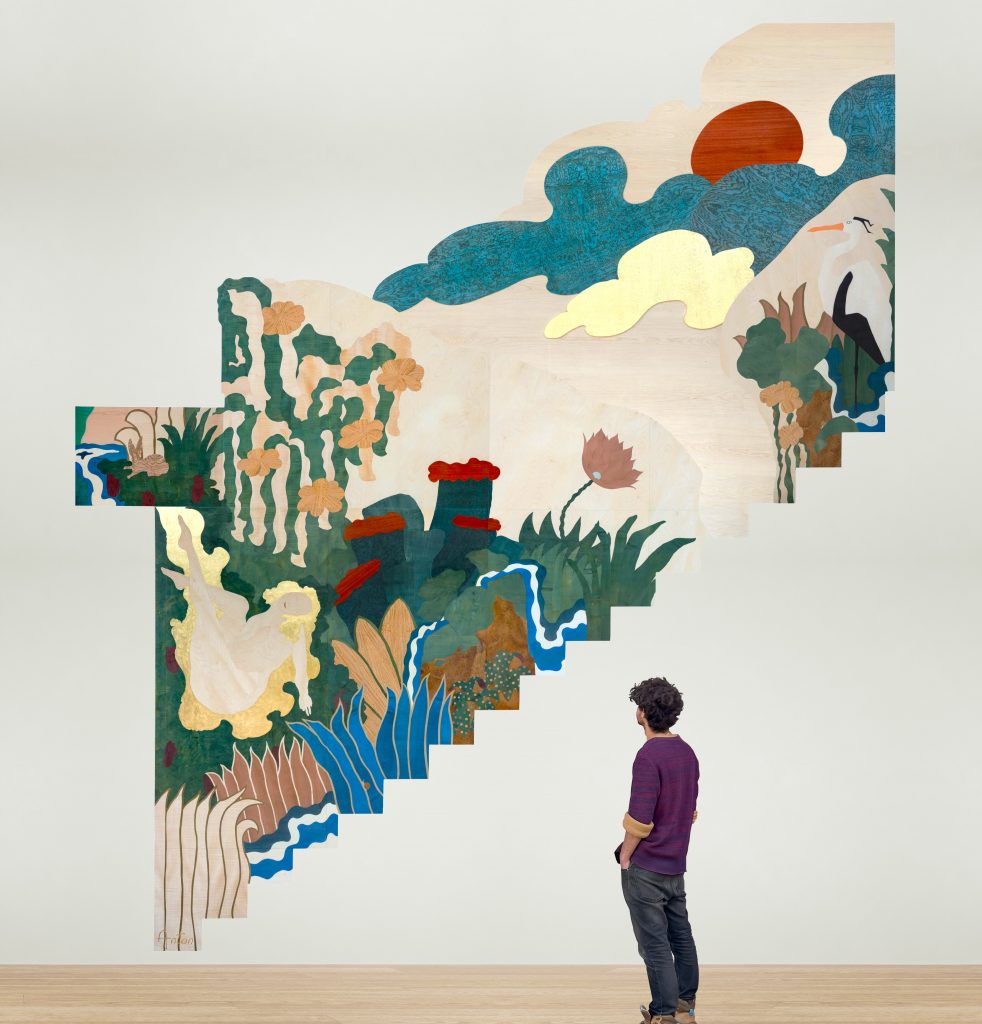
Entre marqueterie monumentale et jungle symbolique, Anton Laborde transforme le bois en récit contemporain poétique engagé.
ÉDITION #3
À Maison & Objet, Thierry Laudren présente des meubles sculptés où fonction, matière et lenteur façonnent une présence.
ÉDITION #3
Jean Nouvel conçoit une architecture attentive aux contextes, où lumière, histoire et usages façonnent chaque projet.
ÉDITION #3
À Lyon, Sophie Morel rénove des lieux historiques en alliant respect du bâti et écriture contemporaine.
ÉDITION #3
Au Centre d’Études Picasso, l’architecte compose une architecture où lumière, géométrie et héritage dialoguent avec précision.
ÉDITION #2
Entretien avec le fondateur d’EDO (European Design Office)
ÉDITION #2
Portrait d’un visionnaire qui transforme l’art de recevoir en expérience totale.
ÉDITION #1
Personnalités, artisans et créateurs qui donnent à la fête sa profondeur humaine.
ÉDITION #3
De Bordeaux au Bassin, art, vignobles et bien-être composent une échappée élégante au cœur de la Gironde.
ÉDITION #2
Vers une région de l’Italie habitée par le temps, où paysages, culture et usages s’accordent dans une continuité rare.
ÉDITION #1
Destinations et rituels qui réinventent la fête, du soleil tropical aux marchés d’hiver.