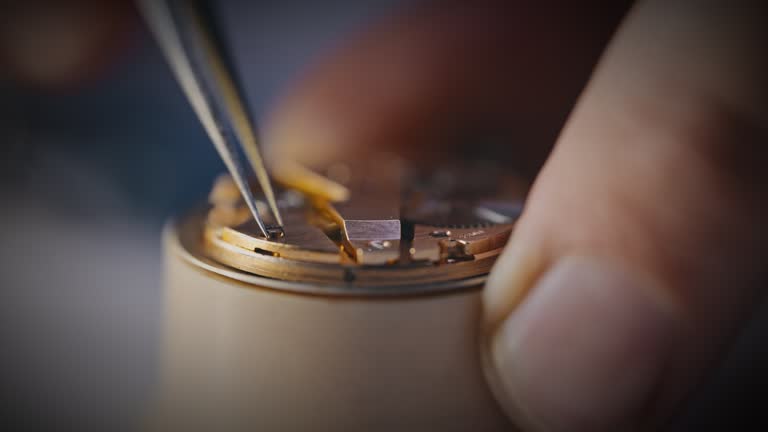
For nearly three centuries, Switzerland has been home to the world’s most concentrated watchmaking community. From Geneva to the Vallée de Joux and from Schaffhausen to La Chaux-de-Fonds, each region has its own unique approach to measuring time. There are major family-run manufacturers, houses dedicated to the fine arts and independent designers who craft almost every piece by hand. WeAreKollectors takes you on a grand tour of the craftsmanship that keeps the heart of Swiss watchmaking beating, blending centuries-old heritage with emerging talent.
Hammad Zaheer ; Unsplash
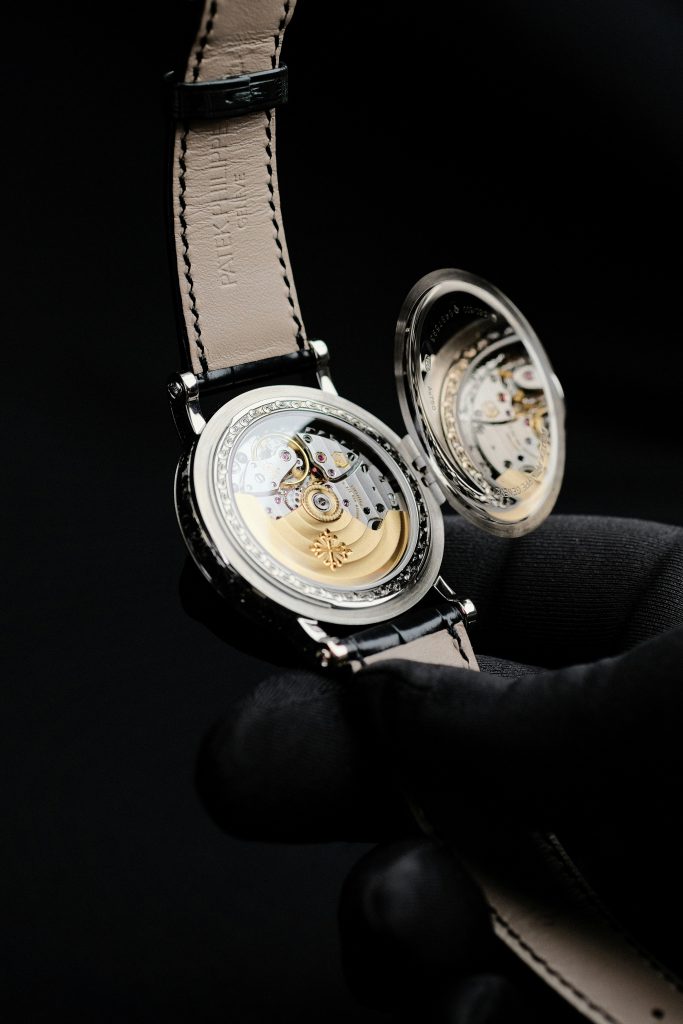
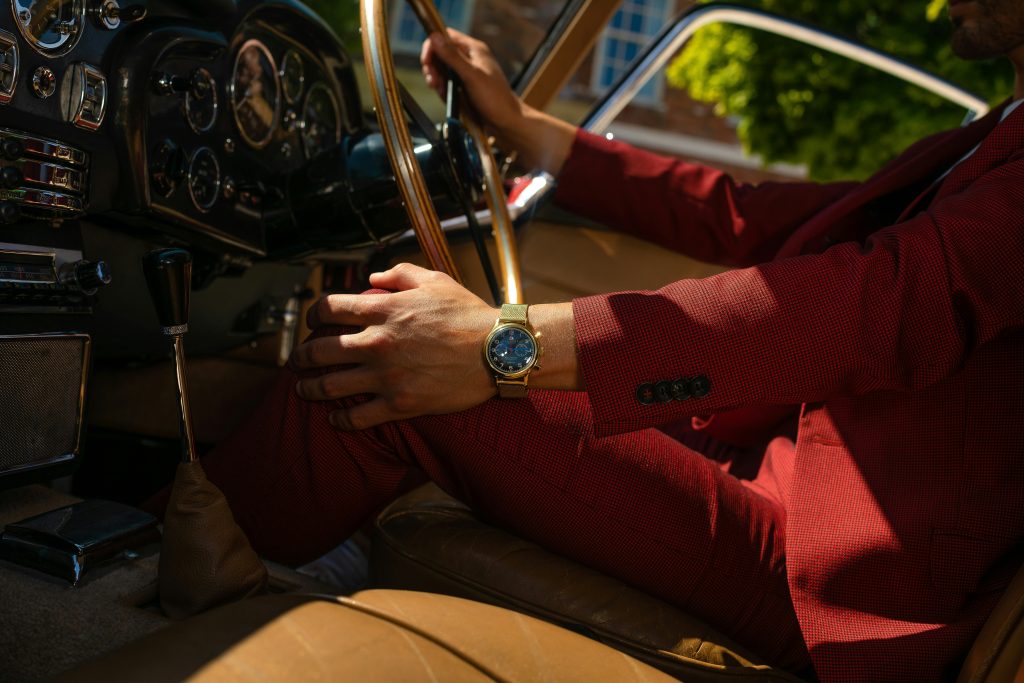
Geneva remains the global capital of watchmaking. The oldest Swiss watchmaker still in operation, Vacheron Constantin, was founded there in 1755. Its Patrimony, Overseas and Métiers d’Art collections carry on the enamelling, engraving and guilloché traditions passed down through the generations. Patek Philippe was founded in 1839 under the name Patek, Czapek & Cie by Antoine Norbert de Patek and the watchmaker François Czapek. The engineer Adrien Philippe joined the company in 1845 and gave it its definitive name in 1851. As the last major independent, family-owned watchmaker, Patek Philippe is renowned for its sophisticated complications and finishes. Meanwhile, Rolex was founded in London in 1905 by Hans Wilsdorf, before establishing its headquarters in Geneva in 1919. The company’s reputation is built on precision, robustness and a rare level of industrial expertise.
Ahsan Khan ; Unsplash
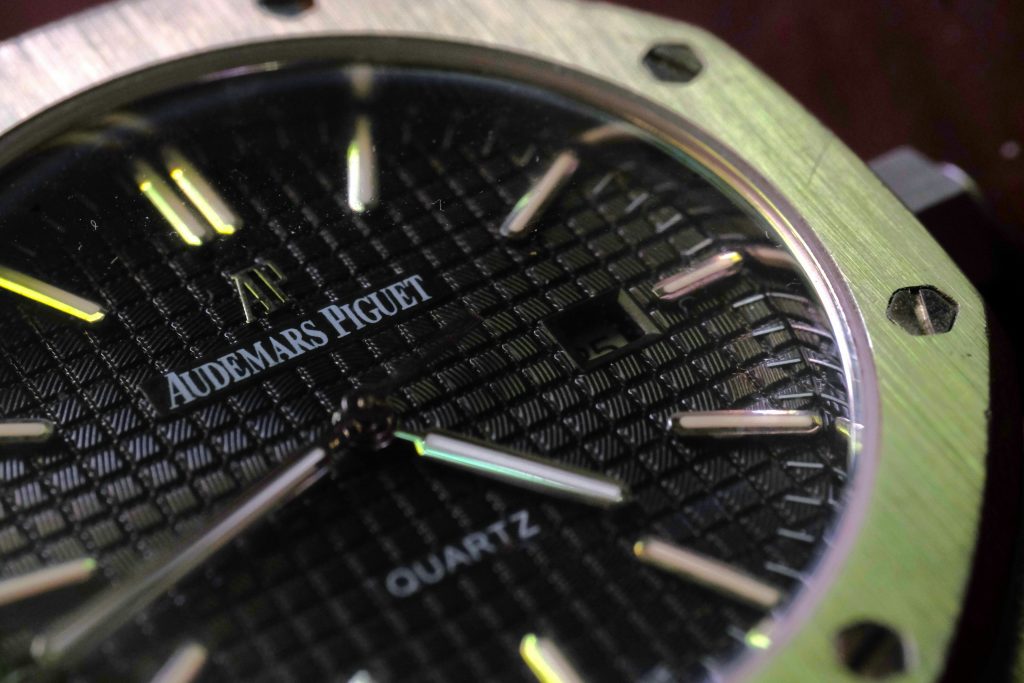
Located an hour’s drive from Geneva, this region lives up to its nickname of ‘Watch Valley’. This high plateau in the Jura region is home to the most complex movements in fine watchmaking. Jaeger-LeCoultre has been operating in Le Sentier since 1833. Nicknamed the ‘manufacture of manufactures’, the company has supplied its calibres to numerous major brands and masters a wide range of crafts, including enamelling, engraving, guilloché, gem-setting and the design and manufacture of its own movements. In Le Brassus, Audemars Piguet has been carrying on the tradition of hand-assembly and finishing since 1875. The brand made history in 1972 with the Royal Oak: the first steel sports watch to be elevated to the status of a luxury item. These two neighbours have two distinct characters, yet they share the same exacting standards, born of the long winters in these valleys where watchmaking once filled the snowy months.
Leeroy Johnstone ; Unsplash
Head north towards Schaffhausen. On the banks of the famous Rhine Falls in Neuhausen am Rheinfall, H. Moser & Cie continues a history that began in 1828 with Heinrich Moser. After a long period of dormancy, the brand was revived in 2005 under the leadership of the Meylan family. Today, the brand is renowned for its smoked dials, enamels, and elegant complications, while consistently prioritising traditional techniques. This presence serves as a reminder that Swiss watchmaking expertise extends far beyond the French-speaking Jura region. German-speaking Switzerland also has its own distinctive watchmaking houses, heirs to a tradition dating back to the 19th century. H. Moser also cultivates a rebellious spirit, producing creations that challenge industry conventions with a touch of humour. The brand even offers a dial devoid of logos and hour markers.
SimonSkafar ; iStock
Geneva has once again become fertile ground for independent haute horlogerie. François-Paul Journe set up his workshop there in 1999. Having trained at the Geneva Watchmaking School, among other places, he produces watches in very small batches, manufacturing almost all of his components himself with an obsession for precision and finish. Laurent Ferrier has followed a similar path. A former Patek Philippe employee, he founded his own brand in 2009 and unveiled his first watch the following year – a classic design of great understated elegance. He produces just a few hundred pieces a year. These two names serve as a reminder that, alongside the industry giants, Geneva is home to small-scale workshops where the creator’s name appears on the back of every timepiece. This is a world of rare watchmaking, where the time taken to craft a piece is just as important as the end result.
Huguenot Horlogery ; Unsplash
Beyond the well-known brands, a new generation of designers and watchmakers are keeping Swiss watchmaking alive in small workshops, which are often located near La Chaux-de-Fonds and Biel. These designers create one-off pieces or limited editions, entirely crafted by hand. Among these emerging figures, Shona Taine occupies a special place. Having trained in France, she is now based in Switzerland. In 2025, she became the first woman to be admitted to the Académie Horlogère des Créateurs Indépendants (AHCI) since its foundation in 1985. Her brand, Khemea, has unveiled its first timepiece: the Arkhea, which features a tourbillon and a poetic aesthetic. Other talented individuals, including engravers, skeletonisers and master watchmakers, are drawn to her, and platforms such as Watchmakers United are helping to raise their profile. This demonstrates that Swiss craftsmanship continues to evolve and be passed down.

Février, 2026
Créer avec l’existant, penser avec l’histoire
De l’architecture au design, cette édition explore comment lieux, savoir-faire et matières héritées deviennent terrains de création actuelle.
Janvier, 2026
Le luxe se réinvente.
Finis les logos clignotants, place à une sobriété raffinée, à l’immersion personnelle, à l’excellence artisanale, à la durabilité sensible.
Décembre, 2025
Héritages, gestes contemporains et plaisirs essentiels
Parce que la fête n’est jamais qu’apparence : elle reflète notre manière d’habiter le monde, de transmettre, de fabriquer des souvenirs durables.
ÉDITION #3
Upcycling et kintsugi transforment l’objet contemporain, faisant de la trace, de la réparation et de la matière un langage esthétique.
ÉDITION #3
Artisans et designers donnent une seconde vie aux matériaux anciens, entre création contemporaine, patrimoine et réemploi.
ÉDITION #3
Bunkers, wagons et kiosques renaissent grâce à la création, révélant comment l’art redonne sens aux lieux délaissés.
ÉDITION #2
Un regard transversal sur le quiet luxury à travers des lieux, des objets et des figures qui expriment l’élégance.
ÉDITION #1
Une sélection de marques, architectures, objets et escapades qui donnent corps au sens de la fête.
ÉDITION #3
Usines et gares délaissées deviennent lieux culturels ouverts, où mémoire industrielle et usages contemporains redessinent la ville.
ÉDITION #3
L’audacieuse métamorphose d’un palace parisien
ÉDITION #3
Au cœur du Marais, un lieu discret révèle comment archives, architecture et recherche font dialoguer l’œuvre de Picasso.
ÉDITION #2
Une expérience shopping unique dans un magasin emblématique.
ÉDITION #2
Voyage culinaire et architectural au cœur de la Seine
ÉDITION #2
Dans le 9e arrondissement, un établissement qui invite au quiet luxury
ÉDITION #1
Chante! vient d’ouvrir ses portes. Une invitation à vibrer !
ÉDITION #3
Icône du paysage français, la boîte jaune change de statut et s’invite dans l’univers du design.
ÉDITION #3
L’édition 2026 affirme une vision où artisanat, design et mémoire façonnent l’habitat contemporain, international actuel.
ÉDITION #3
Cent ans après 1925, l’Art déco revient dans nos villes et intérieurs avec géométrie, audace, optimisme.
ÉDITION #3
Depuis plus de deux cents ans, Royal Limoges conjugue porcelaine, savoir-faire industriel et création contemporaine.
ÉDITION #3
Des terrains de sport aux podiums, la sneaker raconte un siècle de mutations culturelles, techniques et stylistiques.
ÉDITION #2
Design, mode, artisanat : des créations où la forme et la matière se répondent avec justesse, loin de tout effet de mode.
ÉDITION #1
Décorations artisanales, calendriers ultra-luxe et pièces de collection pour s’enivrer de joie avant l’heure.
ÉDITION #3
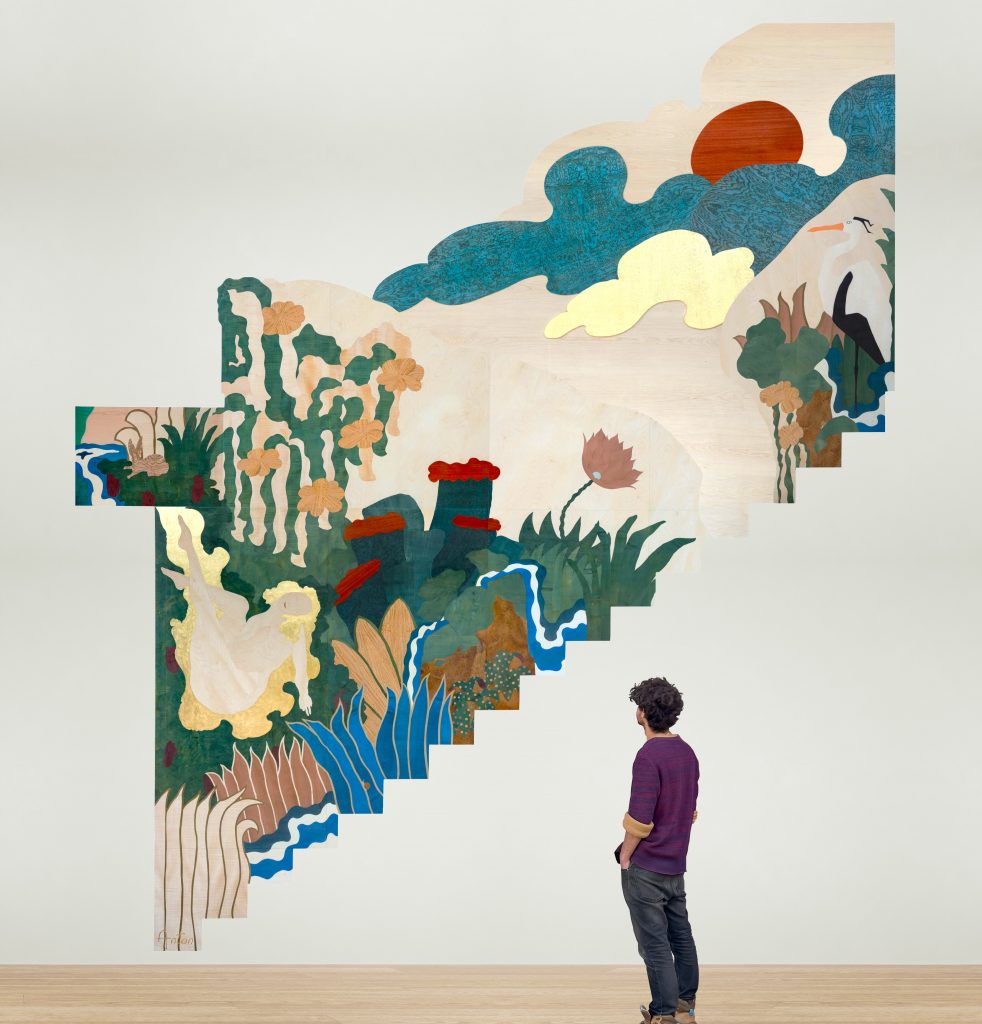
Entre marqueterie monumentale et jungle symbolique, Anton Laborde transforme le bois en récit contemporain poétique engagé.
ÉDITION #3
À Maison & Objet, Thierry Laudren présente des meubles sculptés où fonction, matière et lenteur façonnent une présence.
ÉDITION #3
Jean Nouvel conçoit une architecture attentive aux contextes, où lumière, histoire et usages façonnent chaque projet.
ÉDITION #3
À Lyon, Sophie Morel rénove des lieux historiques en alliant respect du bâti et écriture contemporaine.
ÉDITION #3
Au Centre d’Études Picasso, l’architecte compose une architecture où lumière, géométrie et héritage dialoguent avec précision.
ÉDITION #2
Entretien avec le fondateur d’EDO (European Design Office)
ÉDITION #2
Portrait d’un visionnaire qui transforme l’art de recevoir en expérience totale.
ÉDITION #1
Personnalités, artisans et créateurs qui donnent à la fête sa profondeur humaine.
ÉDITION #3
De Bordeaux au Bassin, art, vignobles et bien-être composent une échappée élégante au cœur de la Gironde.
ÉDITION #2
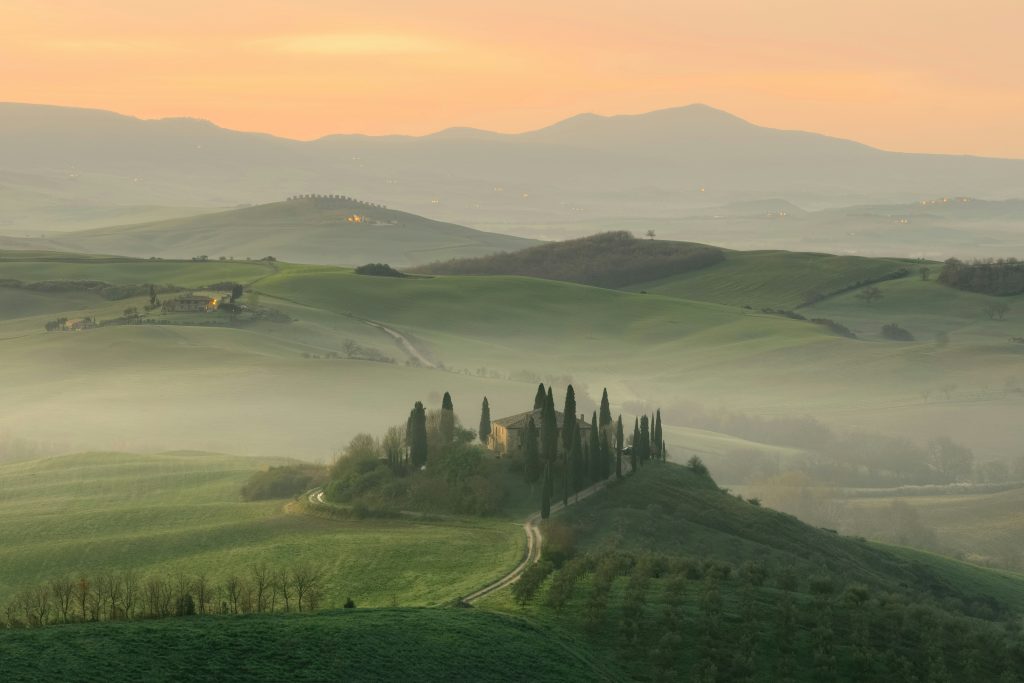
Vers une région de l’Italie habitée par le temps, où paysages, culture et usages s’accordent dans une continuité rare.
ÉDITION #1
Destinations et rituels qui réinventent la fête, du soleil tropical aux marchés d’hiver.