Lasting forever: nine objects that have become legends

What makes an object iconic? Is it its silhouette, recognisable at a glance? Is it its ability to reinvent itself without losing its essence? Is it its familiar presence across generations? From a chair that we recognise even without seeing the logo, to a bag that has been a wardrobe staple for four decades, these pieces share the same DNA. They have transformed function into form, form into symbol and symbol into shared memory. Here is an overview of nine such objects.

The design that shaped our interiors

Thousands of designer furniture pieces are produced every year. However, certain pieces designed half a century or more ago have never left the workshops where they were first created. Here are three of them.

A silhouette born from a single piece

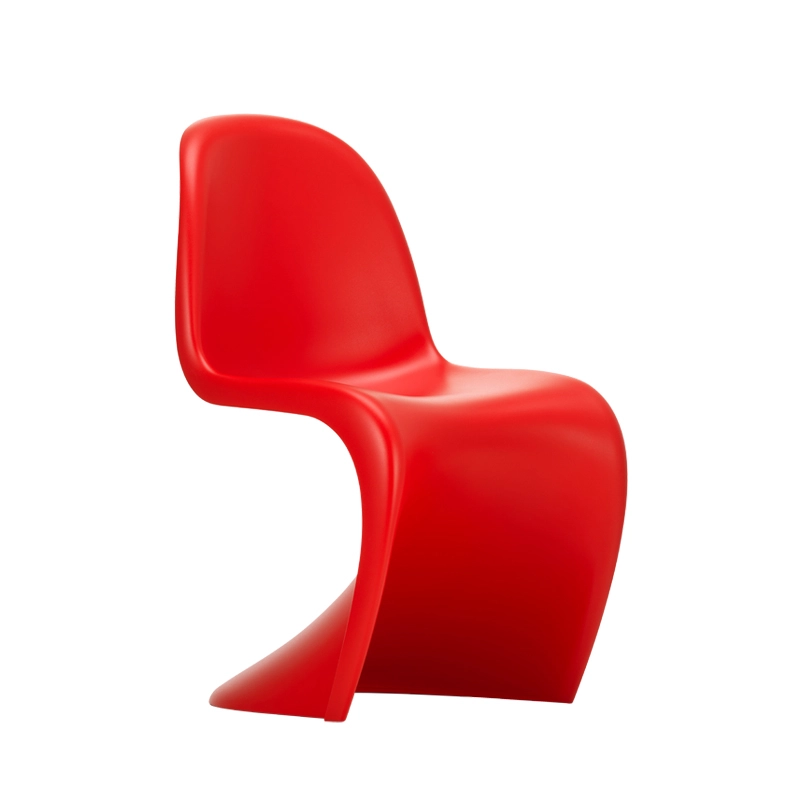
In the early 1960s, Verner Panton conceived the first cantilever chair to be produced from a single piece of plastic. It was a technical feat as much as an aesthetic statement: the letter S transformed into a seat that was fluid and had no visible legs. Vitra began mass production in 1967. Sixty years on, this iconic design can be found in a variety of settings, from minimalist interiors to pop-art spaces, and in locations ranging from museums to photography studios. Its curved, monolithic form and cheerful bright colours sum up the boldness of Scandinavian design and the optimism of the 1960s. It is featured in the collections of both the MoMA in New York and the Vitra Design Museum in Weil am Rhein. Few chairs have become such a cultural icon in their own right.

The chair that filled Parisian terraces

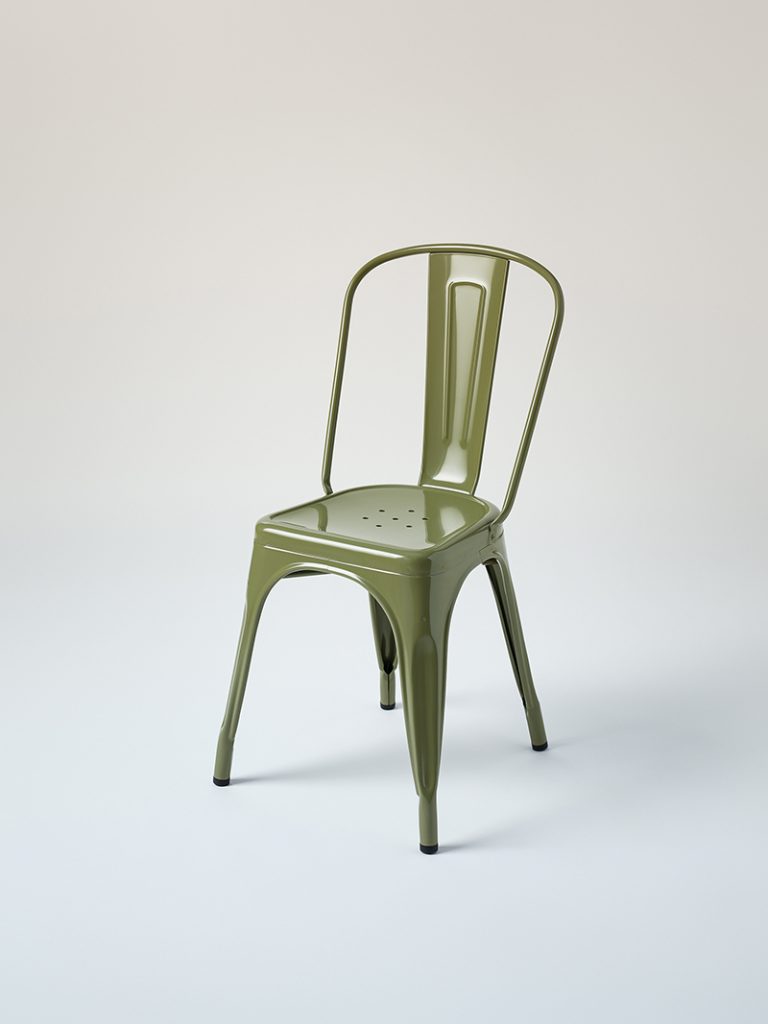
Chaise A ; Tolix

In the 1930s, Xavier Pauchard developed a galvanised steel chair to furnish Parisian terraces with a lightweight, stackable, weather-resistant seat. Model A, created in 1934, became so popular so quickly that it could be found on the liner Normandie, in PMU cafés, and in craftsmen’s workshops. The secret of its success lies in its simplicity: a single sheet of metal folded, perforated and welded to create a design that is both indestructible and graceful. In the 2000s, designers and restaurateurs rediscovered the chair, which found its way into New York lofts and Berlin rooftop bars without any alteration to its design. The Burgundy-based factory in Autun still produces the chair today using the same techniques handed down from the founder.

Modularity, ahead of its time

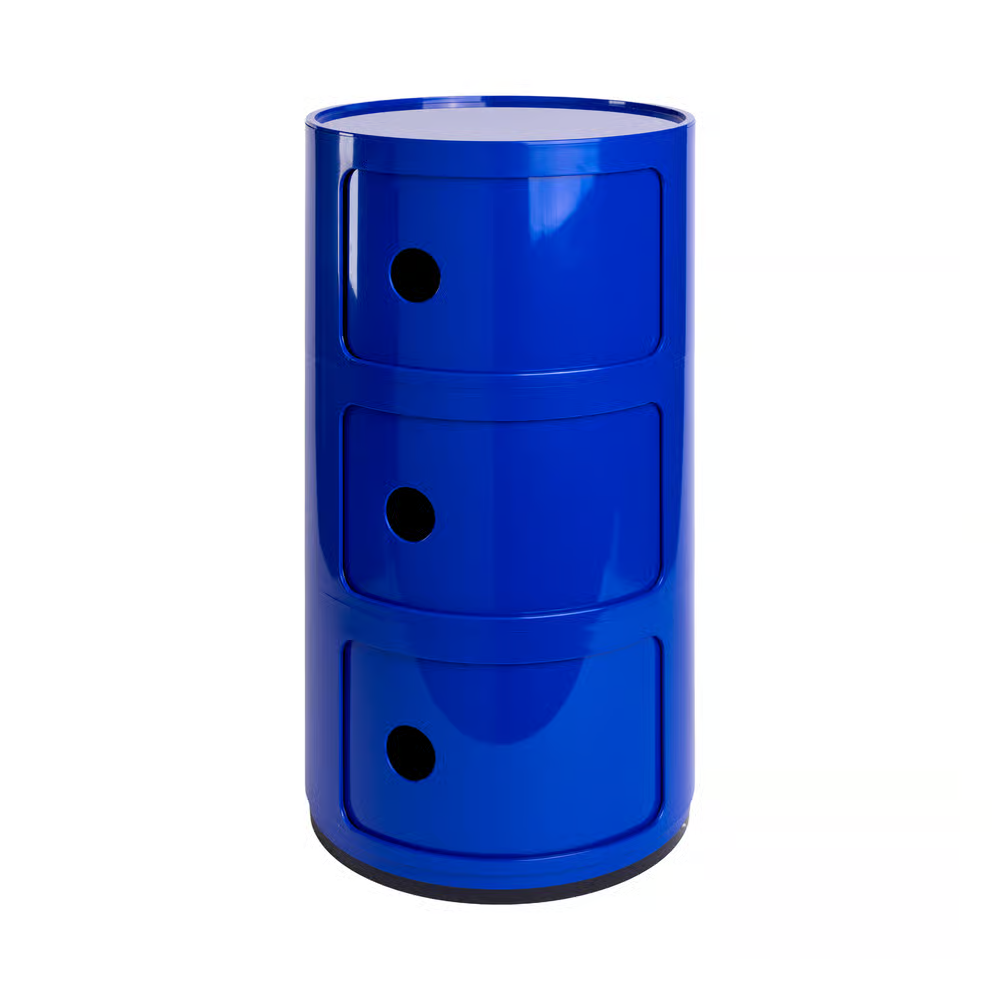
Kartell, Componibili

In 1967, Anna Castelli Ferrieri designed a storage unit for Kartell that broke all the conventions of domestic furniture design. Gone were the hinged doors, wood and hardware; in their place were stackable cylinders in coloured ABS with sliding openings that showcased the modernity of industrial plastic. The piece is called Componibili (‘composable’ in Italian), and its name says it all. Choose two, three or five elements, stack them as you wish and adjust the height to suit your needs. This visionary modularity foreshadowed a whole new era in contemporary design. Still produced by Kartell unchanged, the unit is featured in the collections of the Centre Pompidou and MoMA. The Componibili has single-handedly elevated plastic to the status of a noble, sustainable design material.

Faithful companions in everyday life

Other objects do more than just furnish rooms; they also find their way into pockets, school bags and toy boxes. It is this everyday intimacy that gives them their strength.

The knife that fits in a uniform pocket

Victorinox

The story begins in 1884, when cutler Karl Elsener opened a workshop in the canton of Schwyz. Seven years later, he supplied the Swiss army with his first soldier’s knife, featuring a blade, awl, can opener and screwdriver, with a wooden handle, designed to fit into a uniform pocket. In 1897, the more refined ‘officer’s knife’ was born, and it was this version that subsequently spread across the globe. The name Victorinox came later, combining ‘Victoria’, the first name of the founder’s mother, and ‘inox’, in homage to the stainless steel adopted in 1921. Taken on board by NASA for its missions and tucked into hikers’ rucksacks and office drawers alike, the knife has been on display at MoMA since the late 1970s. It is an icon of miniature engineering.

The shape that taught children around the world to play

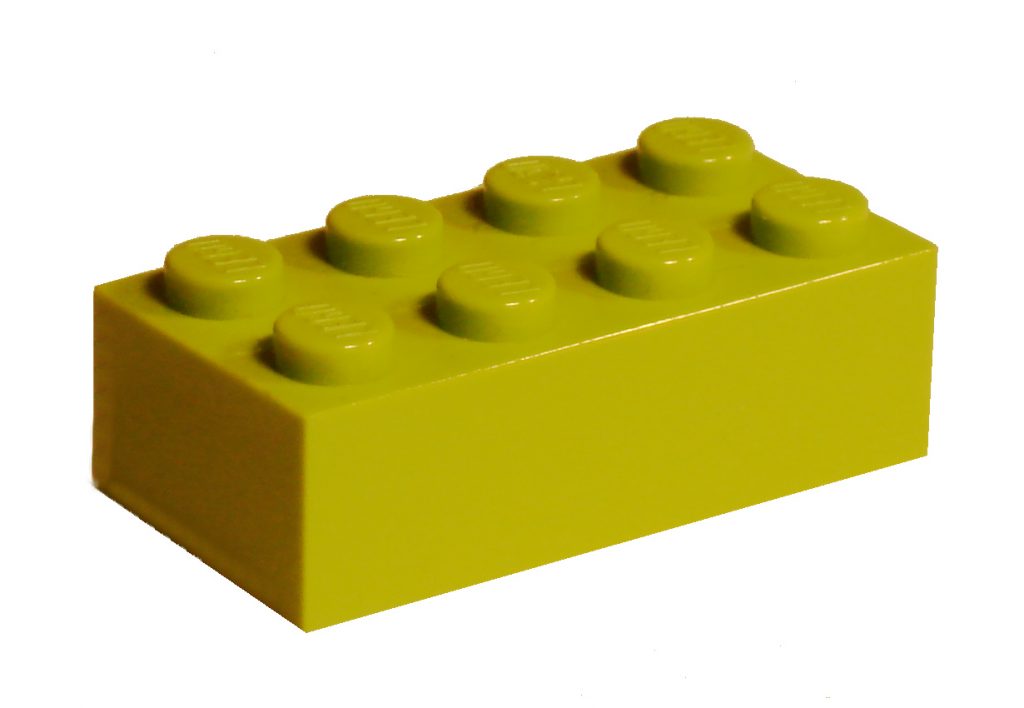
Stilfehler ; Wikimedia

The familiar shape — a cylindrical tube on the inside and studs on the outside — was patented by Godtfred Kirk Christiansen on 28 January 1958. This design made something new possible: a universal interlocking system where bricks produced today fit perfectly with those made in 1958. The name comes from the Danish phrase ‘leg godt’, meaning ‘play well’. Since then, hundreds of billions of bricks have rolled off the production lines in Billund. The brand has evolved to include Star Wars, Harry Potter and architectural sets, as well as ranges for adults, but has never betrayed the original principle. Designers, architects, and contemporary artists such as Ai Weiwei have turned it into a raw material in its own right. The Lego brick has transcended its role as a toy to become a building language shared by all generations.

The schoolbag that took to the streets

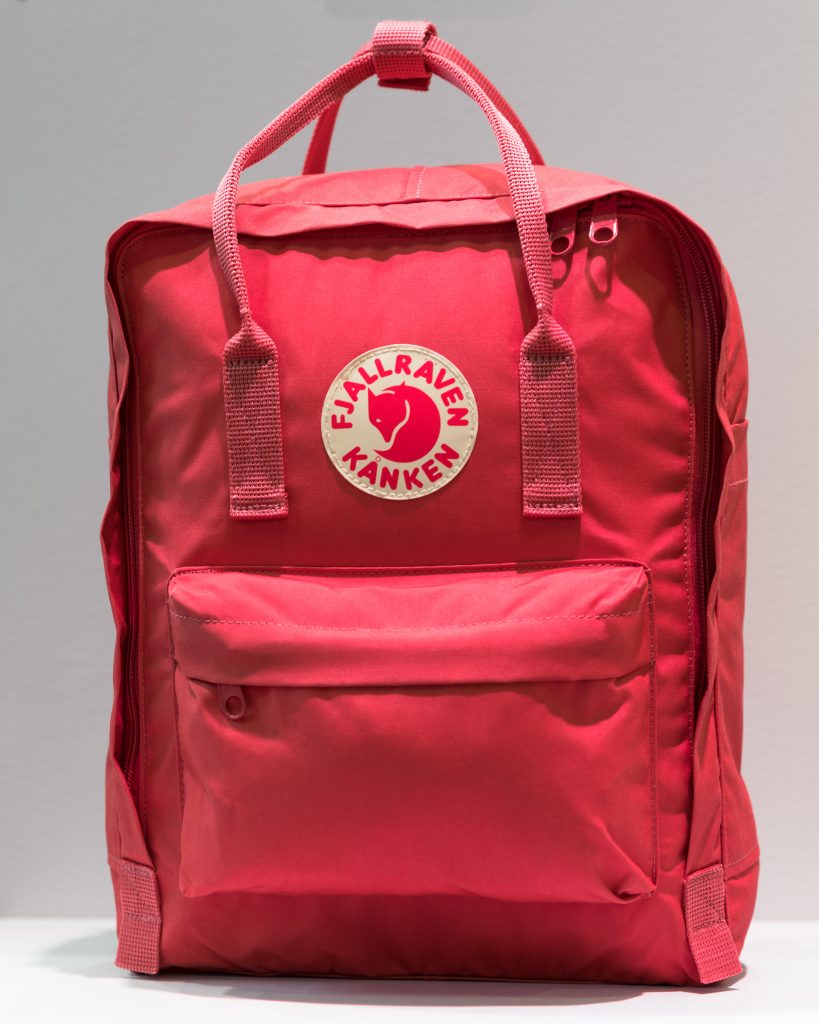
Matti Blume ; Wikimedia

In the late 1970s, Swedish schoolchildren were suffering from back pain. Founded in 1960 by Åke Nordin to manufacture hiking gear, the Fjällräven brand then designed a new kind of schoolbag: square, with wide, flat straps and made from water-resistant Vinylon F. It also featured a handle that allowed it to be carried by hand. The Kånken bag (‘to carry’ in Swedish) was launched in 1978. Four decades later, it has left school playgrounds behind to become a generational accessory, spotted on the streets of Tokyo, Brooklyn and Paris. With a range of around a hundred colours, it is as much a statement piece as a practical item. The logo, which features an arctic fox — the brand’s totem animal — has become one of the symbols of Scandinavian casual style.

Symbols of excellence and style

Then there are objects that have never hidden their ambition to become icons, benchmarks and heirlooms. Those that we associate with the wrist, the foot or the arm.

The watch that pioneered modern diving

Oyster Perpetual Submariner Date ; Rolex / Florian Joye

Unveiled in Basel in 1953, the Submariner was the first wristwatch to be guaranteed water-resistant to a depth of 100 metres. Its innovative rotating bezel allowed divers to easily measure their dive time. Rolex has gradually refined the design, which has remained virtually unchanged: luminous hour markers, Mercedes hands and an Oyster bracelet. When Sean Connery wore it in Dr. No in 1962, it cemented its iconic status far beyond the underwater world. Today, the Submariner is one of the most recognisable and sought-after watches on the planet. It is prized as much for the precision of its proportions as for the depth of its history. Each generation of divers, film buffs, and watch enthusiasts projects their own fascination onto it and finds something to cherish.

The trainer that has seen it all

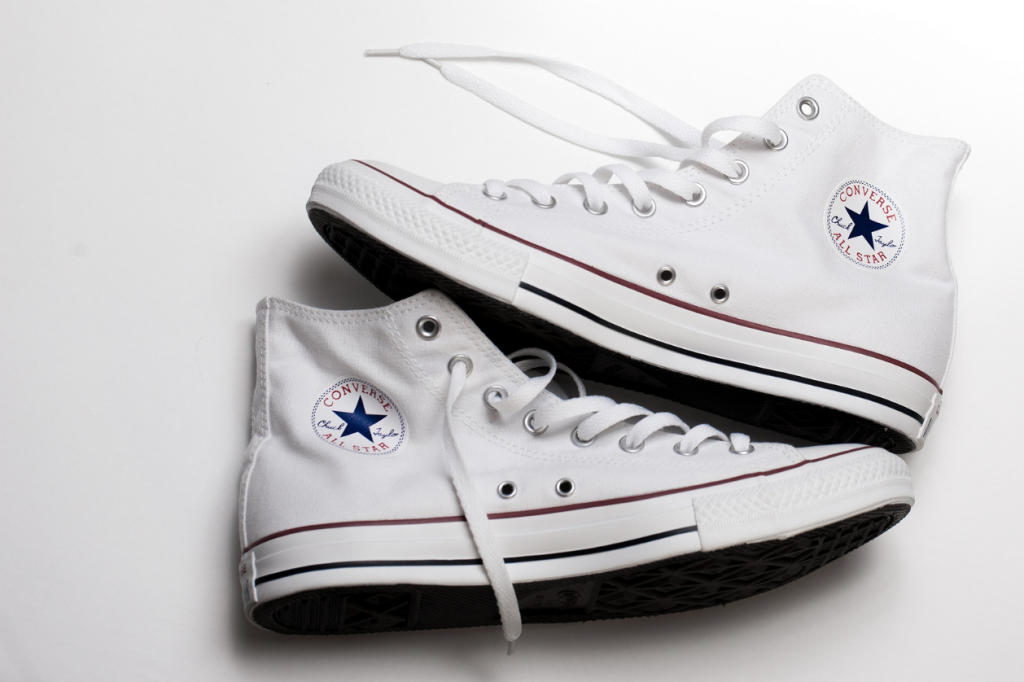
Tlc3707 ; Wikimedia

Marquis Mills Converse founded his shoe factory in Malden, Massachusetts, in 1908. Nine years later, in 1917, he launched the All Star basketball trainer, which featured a high-top canvas upper, a moulded rubber sole and a star-shaped stitch on the ankle. This model was called the All Star. In 1932, the player Chuck Taylor, who had become the brand’s ambassador, had his name added to the ankle patch, where it has remained ever since. After leaving the sports field in the 1950s, Converse could be found everywhere: on the feet of American soldiers during the war; 1960s rockers; Californian skaters; Seattle grunge musicians; hip-hop stars; and TV presenters. Over a billion pairs have been sold worldwide. Few manufactured items can claim such visual longevity without undergoing any major redesign.

The handbag born of a plane journey

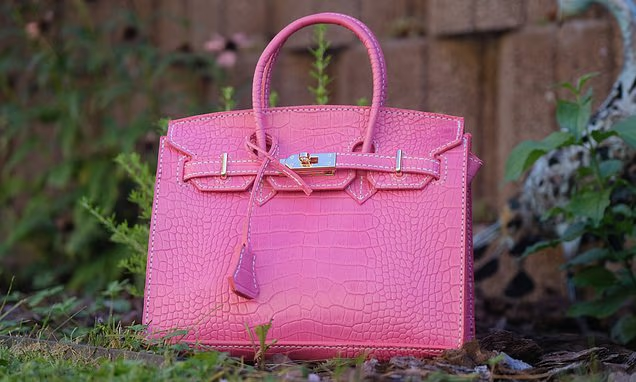
Tatanka005 ; Shutterstock

The story is well known. In 1981, Jane Birkin was travelling from Paris to London when she accidentally spilled the contents of her wicker basket onto the aeroplane aisle. Sitting next to her was Jean-Louis Dumas, who was the head of Hermès at the time. He offered to design a more practical bag for her. Three years later, the Birkin bag was born, featuring fine leather, a padlock clasp and clean lines inspired by the house’s Haut à Courroies bag. Each bag is crafted by a single artisan in one of the brand’s French workshops, who may spend dozens of hours on it. Having become an object of desire and speculation, the Birkin is passed down and listed, sometimes increasing in value on the resale market. Its deliberate rarity has made it the most enduring symbol of contemporary artisanal luxury over the past forty years.


Nine pieces, nine stories, one clear truth: these objects have never become relics. They continue to endure because, with every generation, someone recognises that form alone can tell the story of an era.

Continue exploring

Ten hidden gems showcasing an intimate, artisanal and deeply elegant Scotland
Plant-based cuisine to awaken the senses: a host of chefs to follow
Temples of gastronomy where the senses are awakened!
Revealing beauty through upcycling and the kintsugi of objects
New heritage craftsmen transform salvaged materials into creations
Art to the rescue of abandoned sites and forgotten places

Février, 2026

Édition 3 : Patrimoine et création

Créer avec l’existant, penser avec l’histoire

De l’architecture au design, cette édition explore comment lieux, savoir-faire et matières héritées deviennent terrains de création actuelle.

Janvier, 2026

Édition 2 : Quiet luxury

Le luxe se réinvente.

Finis les logos clignotants, place à une sobriété raffinée, à l’immersion personnelle, à l’excellence artisanale, à la durabilité sensible.

Décembre, 2025

Édition 1 : Le sens de la fête

Héritages, gestes contemporains et plaisirs essentiels

Parce que la fête n’est jamais qu’apparence : elle reflète notre manière d’habiter le monde, de transmettre, de fabriquer des souvenirs durables.

ÉDITION #3

Révéler la beauté

Upcycling et kintsugi transforment l’objet contemporain, faisant de la trace, de la réparation et de la matière un langage esthétique.

ÉDITION #3

Les nouveaux artisans du patrimoine

Artisans et designers donnent une seconde vie aux matériaux anciens, entre création contemporaine, patrimoine et réemploi.

ÉDITION #3

L'art à la rescousse des friches et lieux oubliés

Bunkers, wagons et kiosques renaissent grâce à la création, révélant comment l’art redonne sens aux lieux délaissés.

ÉDITION #2

Le murmure du beau

Un regard transversal sur le quiet luxury à travers des lieux, des objets et des figures qui expriment l’élégance.

ÉDITION #1

Lieux, maisons et matières en éclats

Une sélection de marques, architectures, objets et escapades qui donnent corps au sens de la fête.

ÉDITION #3

La création au secours des bâtiments promis à l’oubli

Usines et gares délaissées deviennent lieux culturels ouverts, où mémoire industrielle et usages contemporains redessinent la ville.

ÉDITION #3

Hôtel Normandy Le Chantier

L’audacieuse métamorphose d’un palace parisien

ÉDITION #3

Dans les coulisses du Centre d'Études Picasso à Paris

Au cœur du Marais, un lieu discret révèle comment archives, architecture et recherche font dialoguer l’œuvre de Picasso.

ÉDITION #2

Shopping iconique dans un décor Tudor

Une expérience shopping unique dans un magasin emblématique.

ÉDITION #2

Gastronomie et architecture

Voyage culinaire et architectural au cœur de la Seine

ÉDITION #2

L'art de l'hospitalité parisienne

Dans le 9e arrondissement, un établissement qui invite au quiet luxury

ÉDITION #1

Chante!

Chante! vient d’ouvrir ses portes. Une invitation à vibrer !

ÉDITION #3

La boîte aux lettres française devenue objet de design

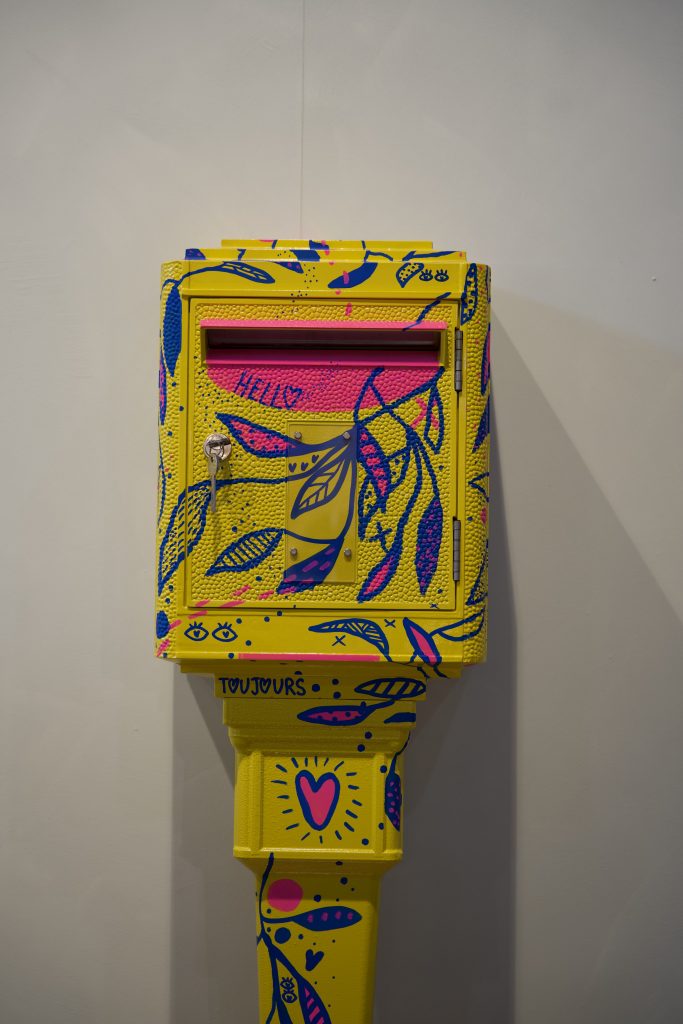
Icône du paysage français, la boîte jaune change de statut et s’invite dans l’univers du design.

ÉDITION #3

Retour sur Maison&Objet 2026 : retour aux sources et à l’essentiel

L’édition 2026 affirme une vision où artisanat, design et mémoire façonnent l’habitat contemporain, international actuel.

ÉDITION #3

Art Deco: un mouvement centenaire, plus actuel que jamais

Cent ans après 1925, l’Art déco revient dans nos villes et intérieurs avec géométrie, audace, optimisme.

ÉDITION #3

Royal Limoges, deux siècles d’histoire au présent

Depuis plus de deux cents ans, Royal Limoges conjugue porcelaine, savoir-faire industriel et création contemporaine.

ÉDITION #3

Du terrain à la rue et au catwalk : les sneakers à travers les époques

Des terrains de sport aux podiums, la sneaker raconte un siècle de mutations culturelles, techniques et stylistiques.

ÉDITION #2

La formidable aventure du papier peint de luxe

Design, mode, artisanat : des créations où la forme et la matière se répondent avec justesse, loin de tout effet de mode.

ÉDITION #1

Icônes, détails, rituels

Décorations artisanales, calendriers ultra-luxe et pièces de collection pour s’enivrer de joie avant l’heure.

ÉDITION #3

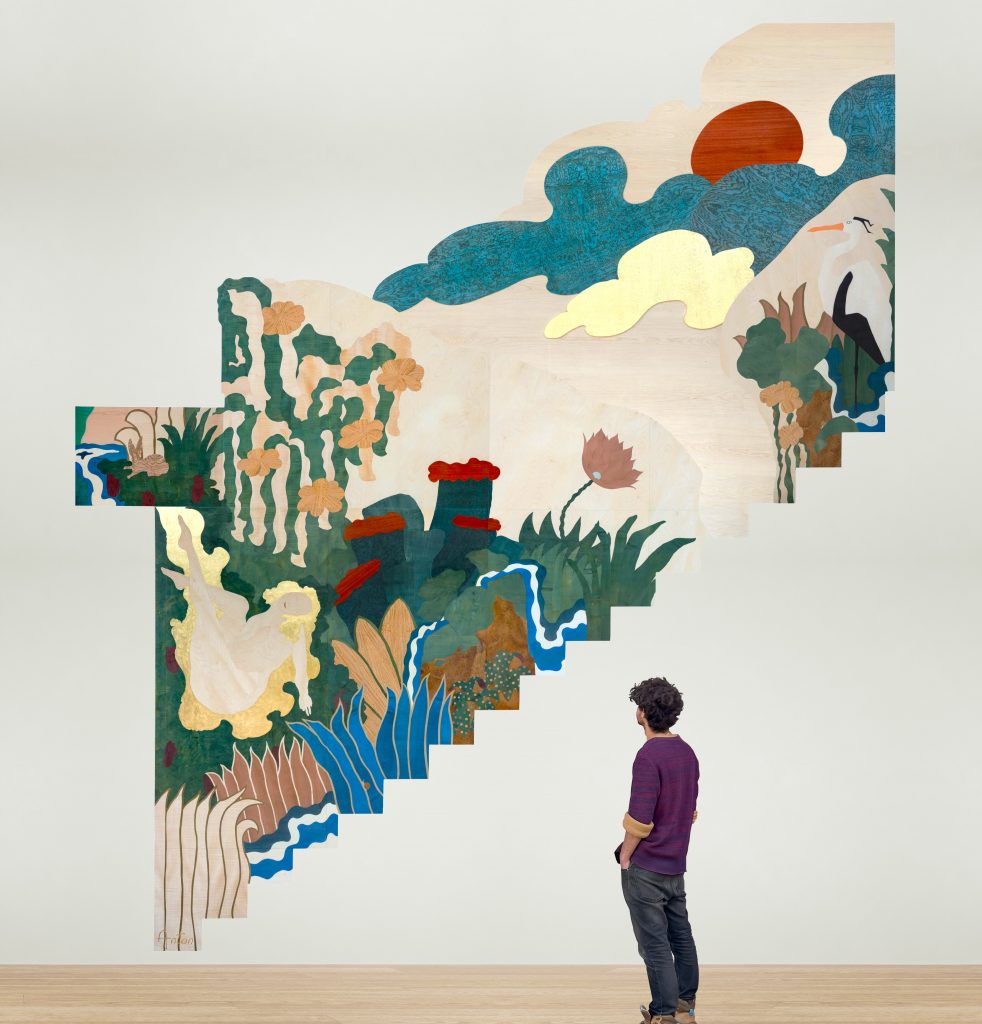
Anton Laborde

Entre marqueterie monumentale et jungle symbolique, Anton Laborde transforme le bois en récit contemporain poétique engagé.

ÉDITION #3

Thierry Laudren

À Maison & Objet, Thierry Laudren présente des meubles sculptés où fonction, matière et lenteur façonnent une présence.

ÉDITION #3

Jean Nouvel

Jean Nouvel conçoit une architecture attentive aux contextes, où lumière, histoire et usages façonnent chaque projet.

ÉDITION #3

Sophie Morel

À Lyon, Sophie Morel rénove des lieux historiques en alliant respect du bâti et écriture contemporaine.

ÉDITION #3

Pascal Grasso

Au Centre d’Études Picasso, l’architecte compose une architecture où lumière, géométrie et héritage dialoguent avec précision.

ÉDITION #2

Alexandre Danan

Entretien avec le fondateur d’EDO (European Design Office)

ÉDITION #2

Aziz Temimi

Portrait d’un visionnaire qui transforme l’art de recevoir en expérience totale.

ÉDITION #1

Visages, gestes, inspirations

Personnalités, artisans et créateurs qui donnent à la fête sa profondeur humaine.

ÉDITION #3

Chemins de traverse : parenthèse d’exception en Bordelais

De Bordeaux au Bassin, art, vignobles et bien-être composent une échappée élégante au cœur de la Gironde.

ÉDITION #2

Voyage en Toscane

Vers une région de l’Italie habitée par le temps, où paysages, culture et usages s’accordent dans une continuité rare.

ÉDITION #1

Horizons, saisons, traditions

Destinations et rituels qui réinventent la fête, du soleil tropical aux marchés d’hiver.

Dates, adresses, invitations

Expositions, événements et repères culturels pour vivre pleinement la saison des fêtes.