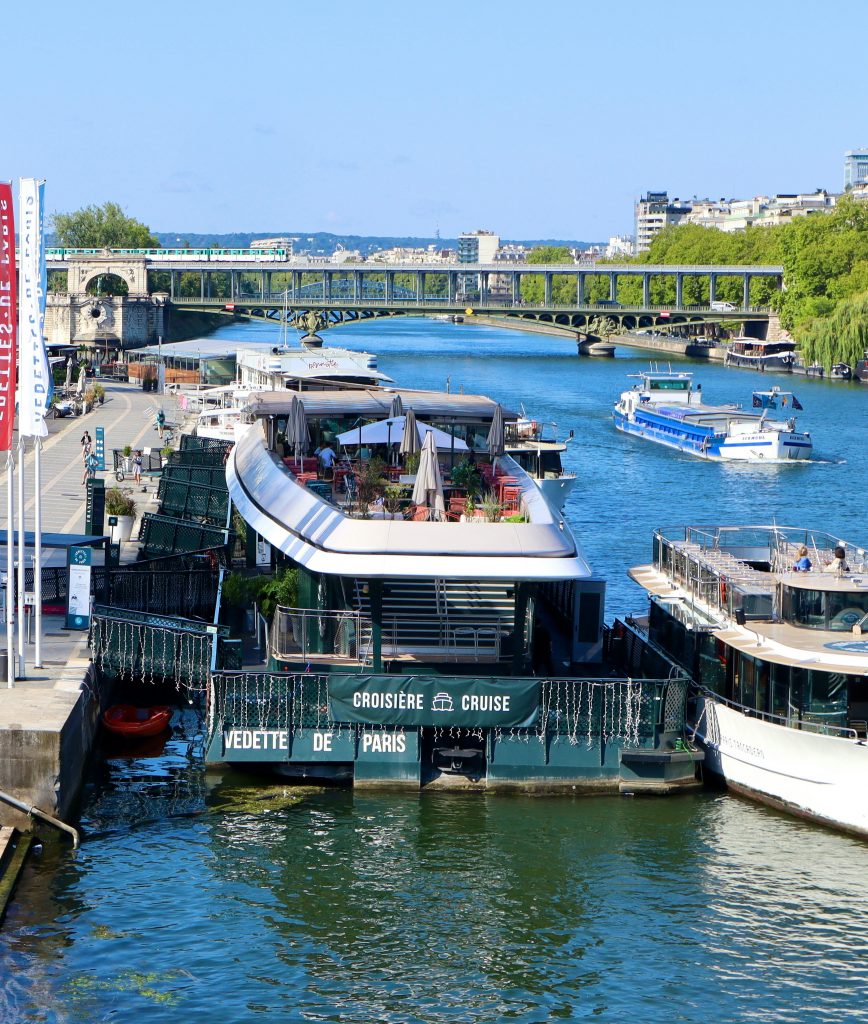
There was a time when Europe’s rivers were its motorways. The Rhine transported wine and ideas, the Danube connected empires, and the Seine delivered wheat to Paris. Cities sprang up wherever the waterway allowed. Then came the train and the aeroplane, and the rivers fell silent. Today, river cruising is reviving them as a different way of travelling. Not the kind involving large liners with buffets, but small boats that take you into a country through its waterways. Here, the landscapes pass by at a walker’s pace, and every lock is a gateway to another world.
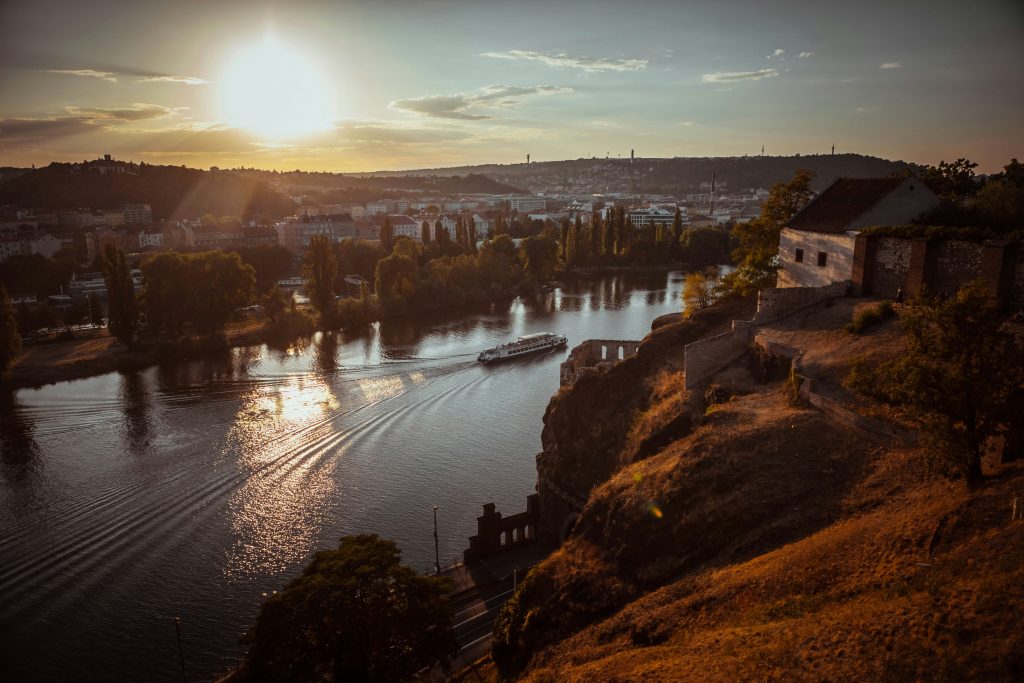
Aleksandra ; Unsplash
A plane erases distance. A train compresses it. However, a river restores it. The true privilege of a river cruise is that it reintroduces the journey itself to the experience of travel. Rather than teleporting from Vienna to Budapest, you glide along for hours, watching the hills change shape, the riverbanks shift from Austria to Slovakia and then to Hungary, and church spires give way to Ottoman minarets. The landscape isn’t just a backdrop; it’s the main focus.
River vessels are small by necessity. There are rarely more than one hundred and fifty passengers, and often fewer. This technical constraint has become a virtue: on board, we get to know one another; we dine together; and we share a sun deck that resembles a private mansion’s terrace more than an ocean liner’s lido. The ships dock in the heart of cities, not in industrial port areas, so you disembark directly onto the quay and into the life of the city.
This is perhaps the fundamental difference from a sea cruise: you do not skirt around countries; you traverse them. The river was there before the borders. It still ignores them.
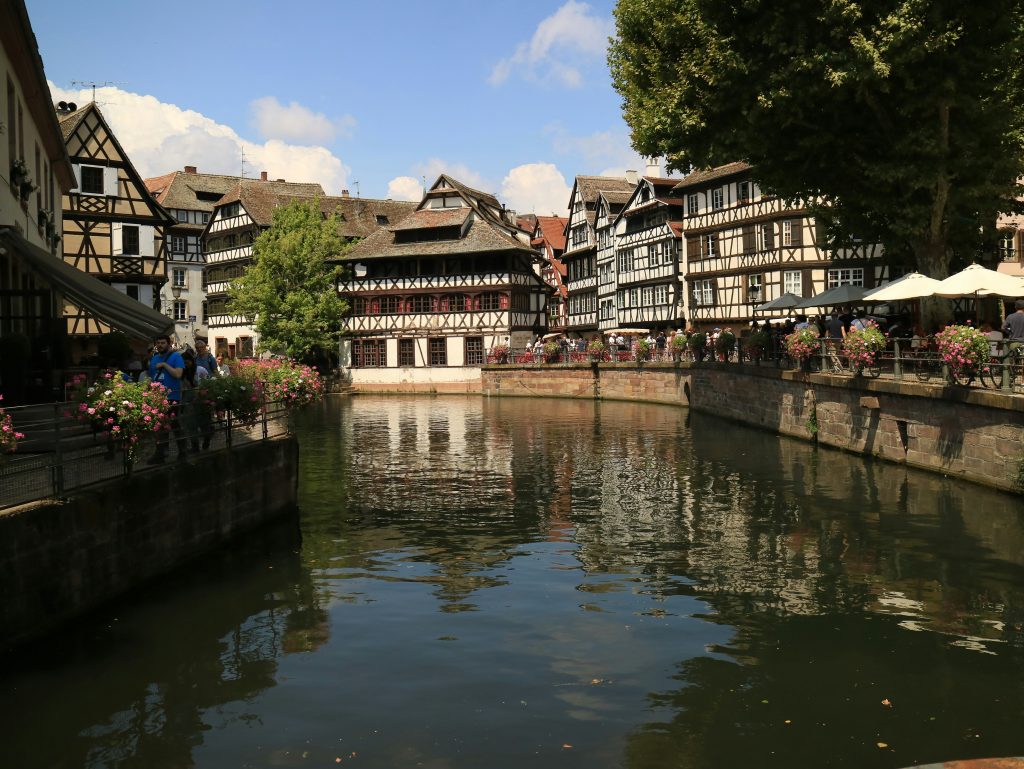
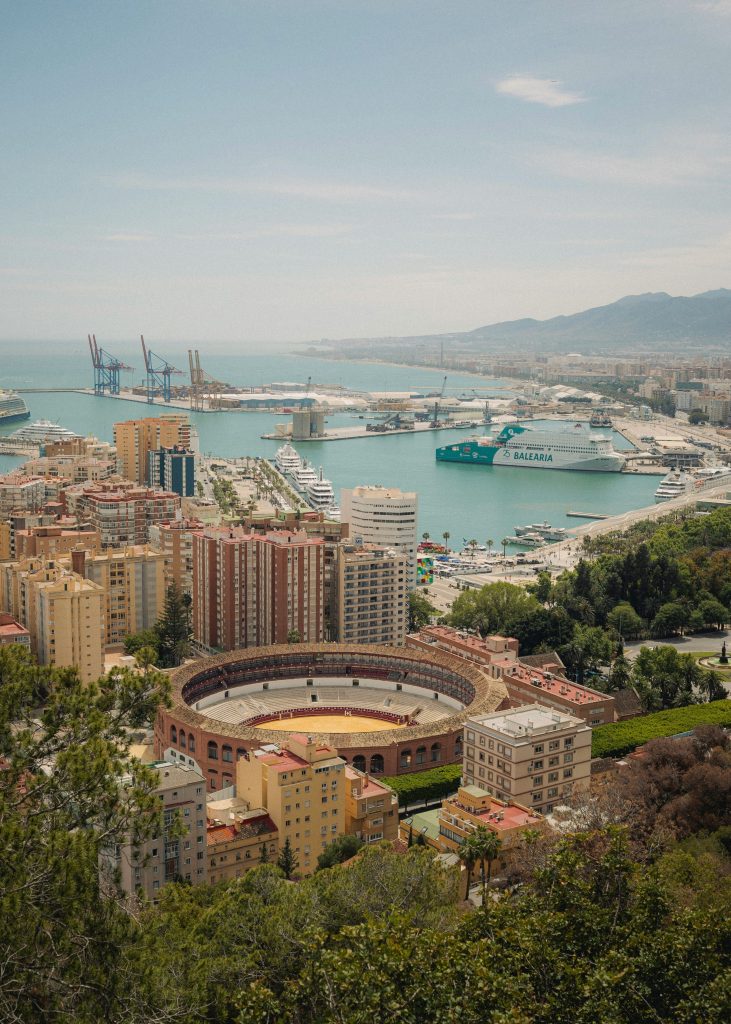
Mihaly Köles ; Unsplash
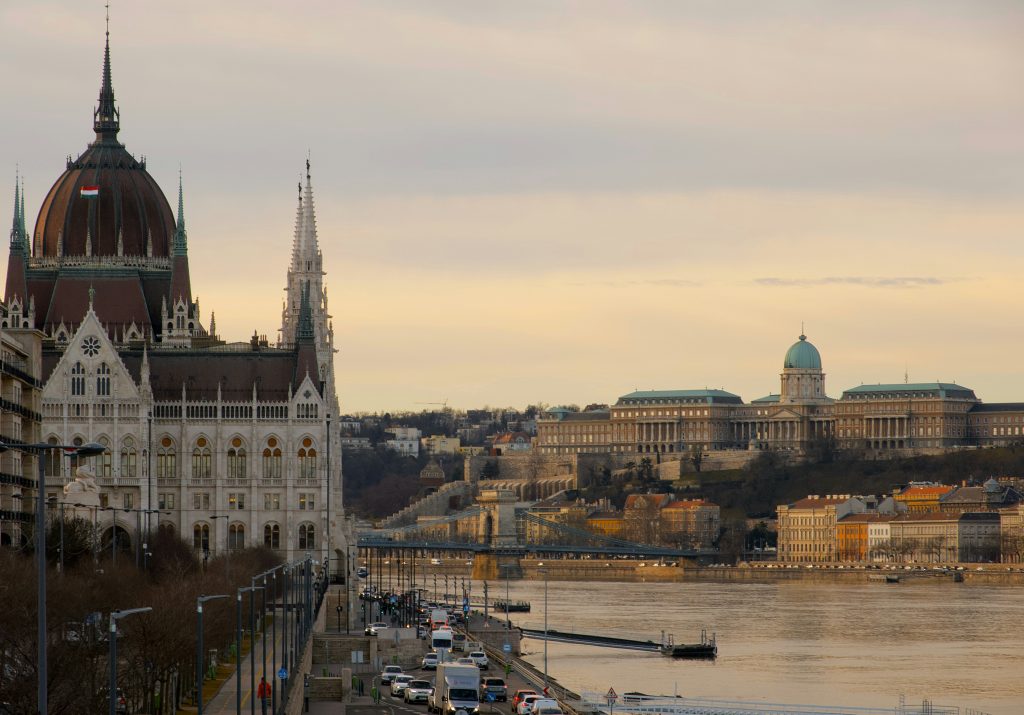
It is three thousand kilometres long and flows through ten countries and four capital cities. The Danube is the quintessential river-continent. A classic cruise takes you from Passau — a small Bavarian town at the confluence of three rivers — to Budapest, via Melk Abbey, the vineyards of the Wachau region, and the cities of Vienna and Bratislava. Over the course of seven to ten days, you will journey through five centuries of architecture, from Austrian Baroque abbeys and imperial palaces to the Ottoman baths of Buda and the Gothic alleyways of the Slovakian old town.
The most ambitious itineraries continue on to the Black Sea, passing through the spectacular Iron Gates – eighty-three kilometres of gorges carved by the river between the Carpathian and Balkan mountains – before reaching Belgrade, Bucharest, and the delta. This is a different Danube — wilder — where grey herons replace church spires, and Europe is reminded that it is also a landscape.
Maksym Kaharlytskyi ; Unsplash
Every river has its own unique personality. The dramatic Rhine is home to castles perched on cliffs, terraced vineyards and the legendary Lorelei rock. Rising up like a vision, Cologne Cathedral is a sight to behold. Flowing through six countries from Amsterdam to Basel, it offers a crash course in cultural geography, showcasing the Netherlands’ canals, Alsace’s half-timbered houses and the Black Forest’s mists.
The Seine, on the other hand, is horizontal, or rather narrative: from Paris to the cliffs of Normandy, it tells the story of France through its meandering course. There are Les Andelys and Château-Gaillard, Rouen and its bell towers which Monet painted a hundred times, and Honfleur with its estuary light. This short cruise, lasting five to seven days, is remarkably rich in experience and is ideal for those seeking their first river journey within easy reach by train.
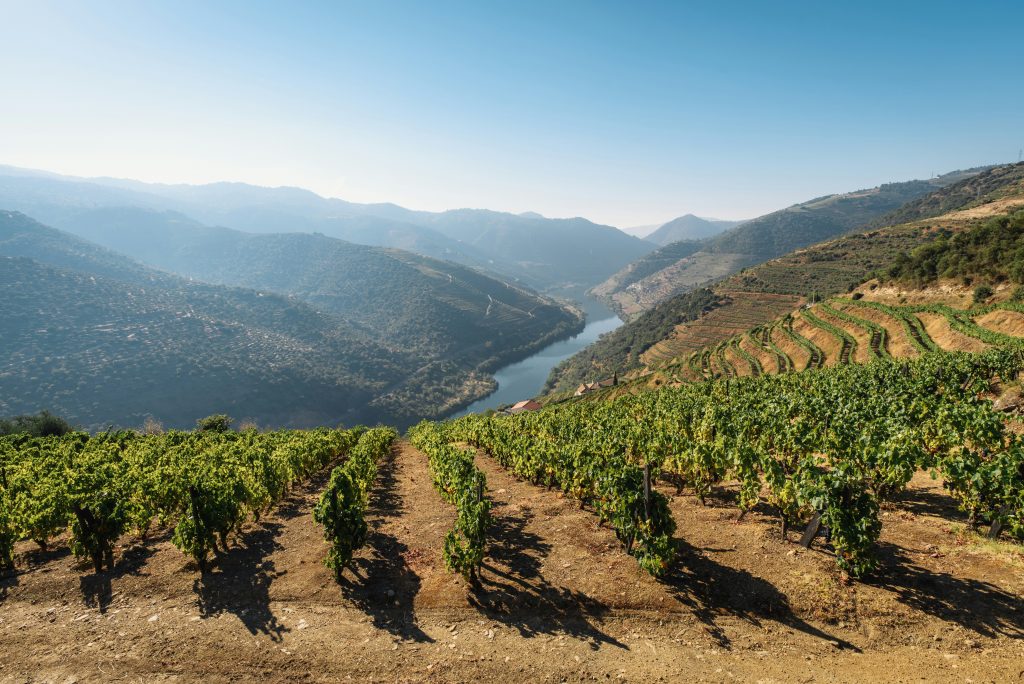
Finally, the Douro is the most sensory. Nestled between the terraced hillsides of northern Portugal and lined with centuries-old wine-growing quintas, it winds its way from Porto to the Spanish border, bathed in a golden light that changes by the hour. Here, the river smells of port, almond trees, and warm stone. The ships are smaller here, the itineraries more intimate and the stops punctuated by tastings at family-run estates. This is river cruising at its most contemplative.

Dilip Poddar ; Unsplash
The journey often takes place at night. The ship sets sail after dinner, gliding silently between the sleeping banks, and docks in the early hours of the morning in a new city. You wake up in a different place without having packed a suitcase. It is a rare luxury: that of mobile stillness, of a journey where the journey itself never interrupts your rest.
High-end companies have turned this slow pace into an aesthetic concept. At Uniworld, every ship is designed as a floating boutique hotel, featuring antiques, original works of art and a crew-to-passenger ratio of nearly one to one. At Scenic, the design is resolutely contemporary: suites with glass-fronted balconies, a spa with a salt room, and cookery classes led by local chefs. At Tauck, the focus is on exclusive access ashore: private museum tours after closing time, tastings in cellars not open to the public, and meetings with artisans.
The cuisine follows the geography. On the Rhine, one discovers Alsatian Rieslings and Black Forest brandies. On the Danube, Viennese strudels give way to Hungarian goulash. On the Douro, the chef works with local producers from the valley. Dining here is not an afterthought: it is a highlight in its own right.
Yulliya Matuzava ; Unsplash
There’s something about a river journey that reconciles two conflicting desires: seeing a lot and taking your time. In a week on the Danube, you visit more capital cities than on a month-long road trip — without ever having to drive, find your way or unpack your suitcase. The ship does all the work. You simply watch.
But the real gift of the river lies elsewhere. It lies in the simple experience of watching the landscape move towards you rather than chasing after it. On a river, you don’t go towards things — they come to you. A castle appears around a bend. A village reveals itself as the ship draws near. Time, which elsewhere seems to shrink, expands here. And with this expansion comes the return of something precious: attention.
The Romans had a word for this: ‘otium’ — fruitful leisure, creative idleness, free time devoted to thinking, reading and observing. In its most accomplished form, a river cruise is nothing other than otium in motion: a luxury from another century brought back to life.
Uniworld Boutique River Cruises
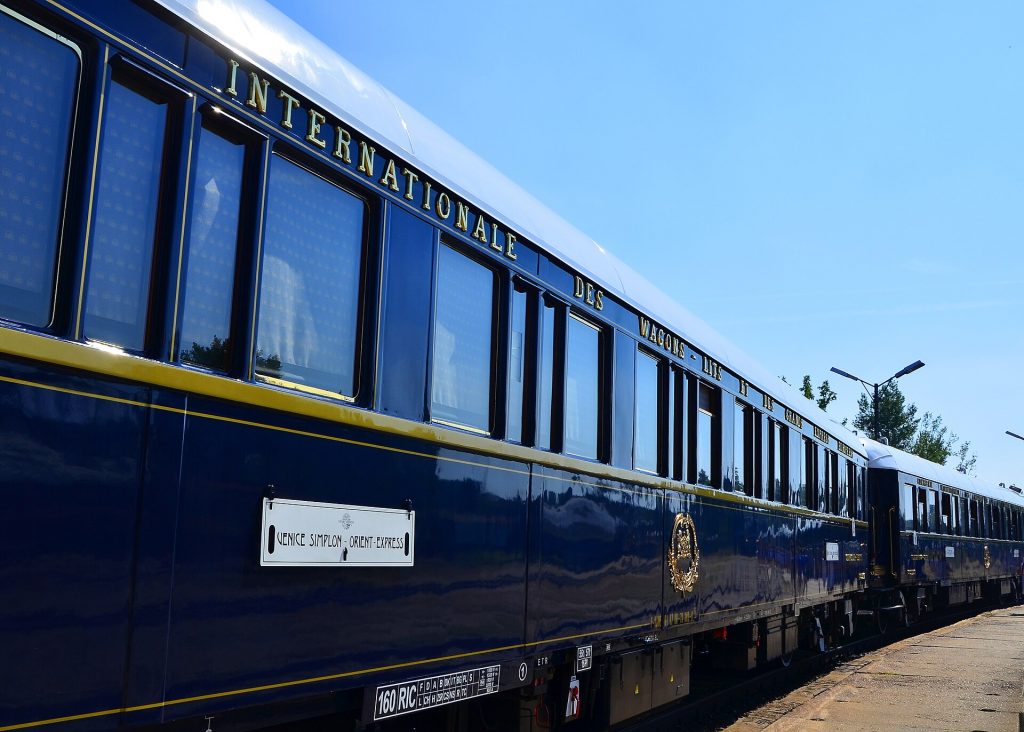
The benchmark for luxury river cruising. Our ships are decorated like private mansions, complete with antiques and works of art. Our all-inclusive package includes private excursions. The S.S. La Venezia, which operates on routes between Budapest and Venice, and the new S.S. Emilie, which operates in Belgium and the Netherlands, are among the most beautiful river ships in the world. We offer itineraries on the Danube, the Rhine, the Seine, the Douro and the Rhône.
Scenic Luxury Cruises & Tours
Contemporary design, suites with panoramic glass balconies, a spa with a salt room and an on-board swimming pool. Butler service is included in all categories. Scenic’s ‘Space-Ships’ combine luxury and well-being with cookery classes, tastings and electric bikes available for use during stopovers. Itineraries in France, Germany, Austria, Portugal and the Netherlands.
Tauck River Cruising
Discreet excellence. Rather than ostentation, Tauck focuses on experiences ashore: private access to museums, expert-led tours and tastings at estates closed to the public. Everything is included, including tips and excursions. Ships in partnership with the Swiss company Scylla. Ideal for travellers seeking cultural depth.
AmaWaterways
Founded by wine and gastronomy enthusiasts, AmaWaterways stands out for its cuisine. The on-board fine-dining restaurant, the Chef’s Table, offers food and wine pairing menus created in partnership with local estates. The AmaMagna, the fleet’s flagship, has cabins that are twice the size of the industry standard. Cruise the Danube, Rhine, Douro, Rhône and Saône.
CroisiEurope
Founded in Strasbourg in 1976, CroisiEurope is a French specialist. The widest range of river itineraries in Europe: Rhine, Danube, Seine, Loire, Garonne, Guadalquivir and Po. The boats are intimate in size, and the atmosphere and cuisine are both traditionally French. An excellent starting point for discovering river cruising, offering excellent value for money.
Rivages du Monde
Rivages du Monde: the cultural approach. Rivages du Monde invites lecturers, historians and writers to join its cruises. Each cruise is designed as a journey of discovery, offering themed lectures, expert-guided tours and a literary programme. Ships carry fewer than 200 passengers and have French-speaking guides. Danube, Rhine, Douro and Volga.
Février, 2026
Créer avec l’existant, penser avec l’histoire
De l’architecture au design, cette édition explore comment lieux, savoir-faire et matières héritées deviennent terrains de création actuelle.
Janvier, 2026
Le luxe se réinvente.
Finis les logos clignotants, place à une sobriété raffinée, à l’immersion personnelle, à l’excellence artisanale, à la durabilité sensible.
Décembre, 2025
Héritages, gestes contemporains et plaisirs essentiels
Parce que la fête n’est jamais qu’apparence : elle reflète notre manière d’habiter le monde, de transmettre, de fabriquer des souvenirs durables.
ÉDITION #3
Upcycling et kintsugi transforment l’objet contemporain, faisant de la trace, de la réparation et de la matière un langage esthétique.
ÉDITION #3
Artisans et designers donnent une seconde vie aux matériaux anciens, entre création contemporaine, patrimoine et réemploi.
ÉDITION #3
Bunkers, wagons et kiosques renaissent grâce à la création, révélant comment l’art redonne sens aux lieux délaissés.
ÉDITION #2
Un regard transversal sur le quiet luxury à travers des lieux, des objets et des figures qui expriment l’élégance.
ÉDITION #1
Une sélection de marques, architectures, objets et escapades qui donnent corps au sens de la fête.
ÉDITION #3
Usines et gares délaissées deviennent lieux culturels ouverts, où mémoire industrielle et usages contemporains redessinent la ville.
ÉDITION #3
L’audacieuse métamorphose d’un palace parisien
ÉDITION #3
Au cœur du Marais, un lieu discret révèle comment archives, architecture et recherche font dialoguer l’œuvre de Picasso.
ÉDITION #2
Une expérience shopping unique dans un magasin emblématique.
ÉDITION #2
Voyage culinaire et architectural au cœur de la Seine
ÉDITION #2
Dans le 9e arrondissement, un établissement qui invite au quiet luxury
ÉDITION #1
Chante! vient d’ouvrir ses portes. Une invitation à vibrer !
ÉDITION #3
Icône du paysage français, la boîte jaune change de statut et s’invite dans l’univers du design.
ÉDITION #3
L’édition 2026 affirme une vision où artisanat, design et mémoire façonnent l’habitat contemporain, international actuel.
ÉDITION #3
Cent ans après 1925, l’Art déco revient dans nos villes et intérieurs avec géométrie, audace, optimisme.
ÉDITION #3
Depuis plus de deux cents ans, Royal Limoges conjugue porcelaine, savoir-faire industriel et création contemporaine.
ÉDITION #3
Des terrains de sport aux podiums, la sneaker raconte un siècle de mutations culturelles, techniques et stylistiques.
ÉDITION #2
Design, mode, artisanat : des créations où la forme et la matière se répondent avec justesse, loin de tout effet de mode.
ÉDITION #1
Décorations artisanales, calendriers ultra-luxe et pièces de collection pour s’enivrer de joie avant l’heure.
ÉDITION #3
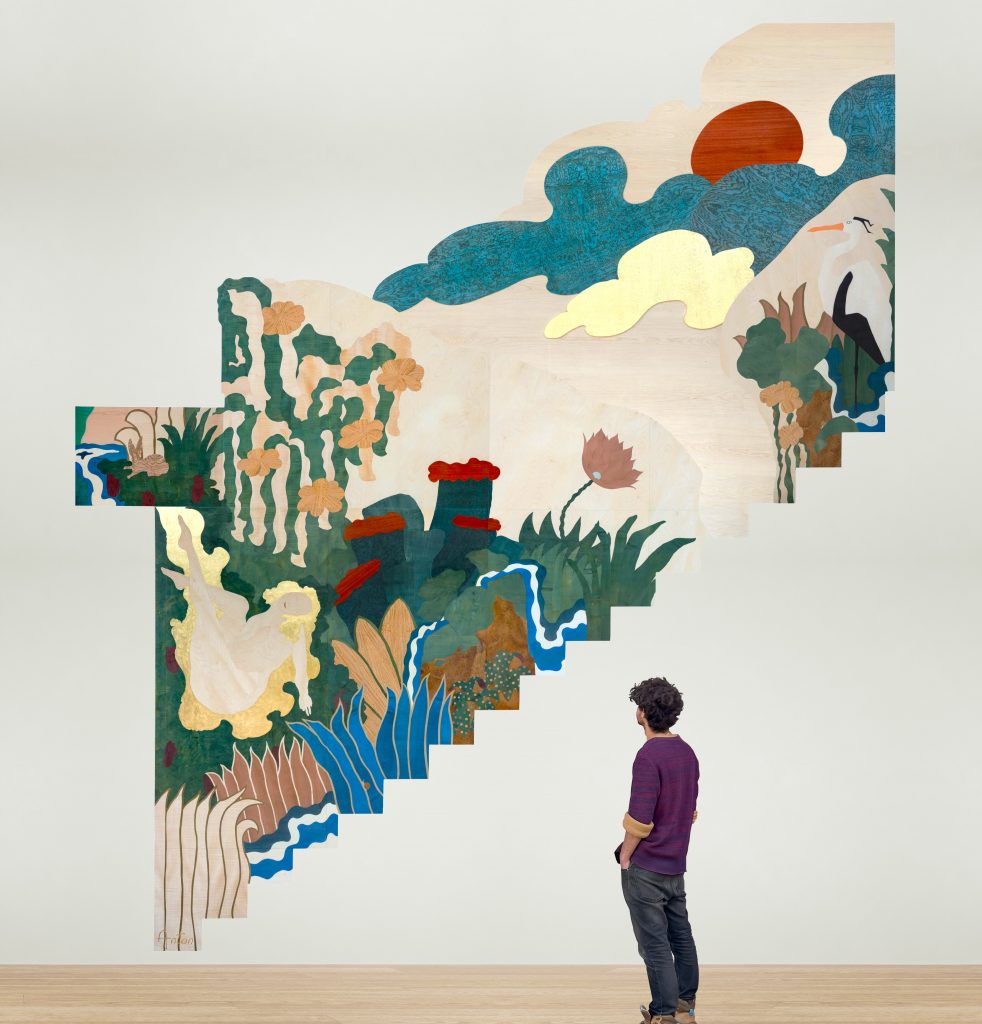
Entre marqueterie monumentale et jungle symbolique, Anton Laborde transforme le bois en récit contemporain poétique engagé.
ÉDITION #3
À Maison & Objet, Thierry Laudren présente des meubles sculptés où fonction, matière et lenteur façonnent une présence.
ÉDITION #3
Jean Nouvel conçoit une architecture attentive aux contextes, où lumière, histoire et usages façonnent chaque projet.
ÉDITION #3
À Lyon, Sophie Morel rénove des lieux historiques en alliant respect du bâti et écriture contemporaine.
ÉDITION #3
Au Centre d’Études Picasso, l’architecte compose une architecture où lumière, géométrie et héritage dialoguent avec précision.
ÉDITION #2
Entretien avec le fondateur d’EDO (European Design Office)
ÉDITION #2
Portrait d’un visionnaire qui transforme l’art de recevoir en expérience totale.
ÉDITION #1
Personnalités, artisans et créateurs qui donnent à la fête sa profondeur humaine.
ÉDITION #3
De Bordeaux au Bassin, art, vignobles et bien-être composent une échappée élégante au cœur de la Gironde.
ÉDITION #2
Vers une région de l’Italie habitée par le temps, où paysages, culture et usages s’accordent dans une continuité rare.
ÉDITION #1
Destinations et rituels qui réinventent la fête, du soleil tropical aux marchés d’hiver.