Chapels turned into homes: living amongst stained-glass windows and vaulted ceilings

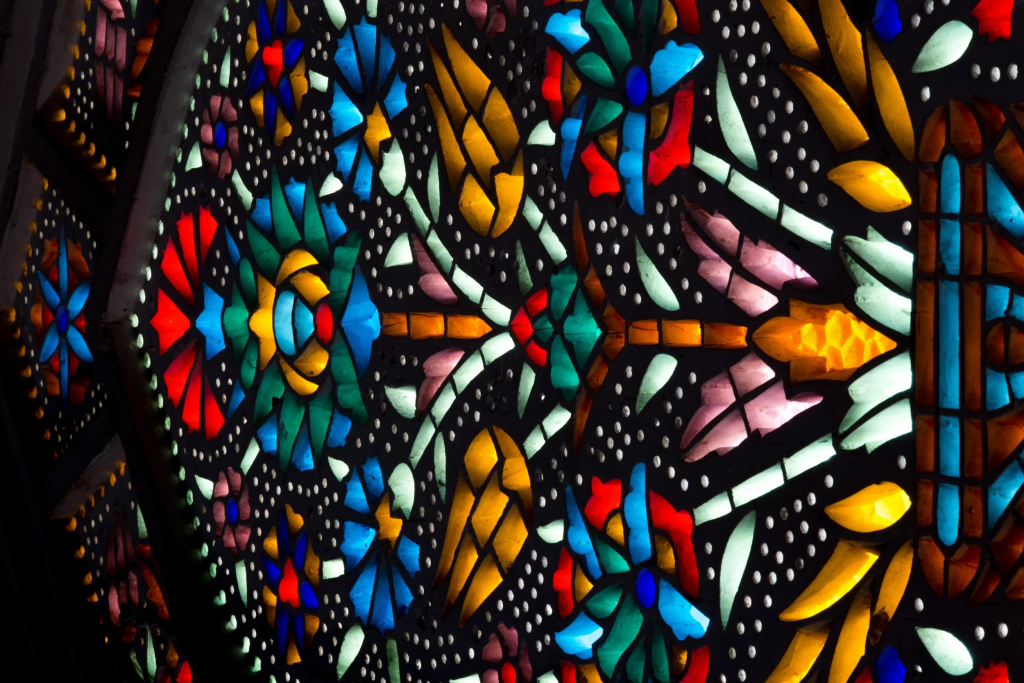
Morning light streams through a century-old stained-glass window. Blue, gold and purple diamond shapes are cast onto the floor. But there are no prayer benches or flickering candles here anymore. Instead, there is a linen sofa and a walnut coffee table with a cup of coffee on it. This place, once consecrated, is now a family home. This light, which has remained unchanged for centuries, now illuminates a very different kind of contemplation.

Across Europe, deconsecrated chapels, churches and temples are enjoying a new lease of life. In France, 274 churches have been deconsecrated in less than ten years, with between ten and fifteen being put up for sale each year. The trend has been gaining momentum in the Netherlands, England and Sweden for several decades. Individuals, architects and families are converting these buildings into extraordinary homes. The sacred has left the walls, but the beauty remains.

The dizzying scale of the space raises the question: how do you live with such verticality?

Richard Law; Wikimedia

The first thing that strikes you when you enter a chapel that has been converted into a home is the height of the ceilings. Naves with seven-, eight-, or even ten-metre-high ceilings offer a sense of space that contemporary homes rarely provide. The arches trace majestic curves above the family’s daily life. Every step echoes, and every gaze is drawn upwards.

In Chicago, architects Linc Thelen and Scrafano transformed a former church into a 510-square-metre loft with seven bedrooms, six bathrooms, and a seven-and-a-half-metre-high ceiling in the main room. The immaculate walls amplify this sensation of infinite space. In Utrecht, the Netherlands, studio Zecc Architecten has converted St. Jakobus Church, which has been closed to worshippers since 1991, into a private residence. In order to embrace the verticality of the building without compromising its integrity, the architects have inserted modular floors into the nave, creating additional levels while preserving the original sightlines. A contemporary staircase rises towards the filtered light of the stained-glass windows — a silent conversation between two eras.

A dialogue across the centuries to preserve the memory of the walls

Rogeriomachado; Flickr

The real challenge of these conversions extends beyond the technical. They touch on emotion and memory. How can a place of worship be transformed into a family home while preserving its past? The most successful projects strike a balance between the existing heritage and the demands of modern life.

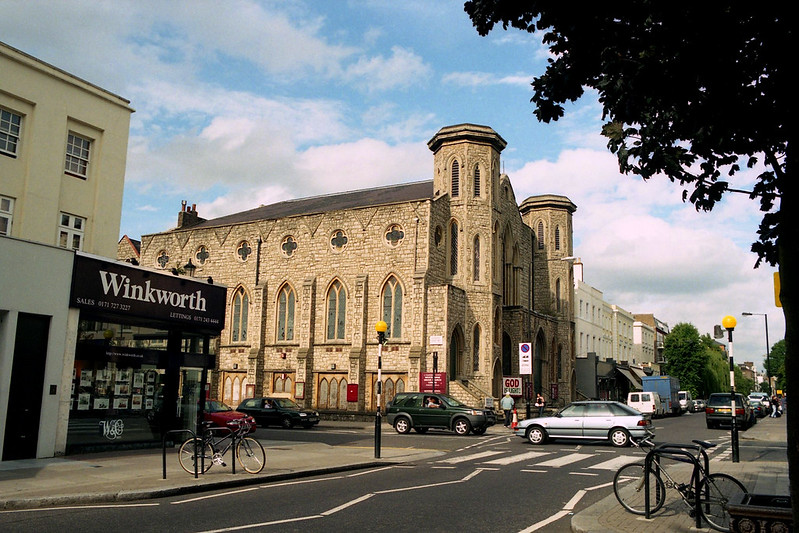
In London’s Notting Hill neighbourhood, for example, the top two floors of Westbourne Grove Church — a Baptist chapel dating from 1853 — have been converted into a contemporary apartment. The original pillars remain in the spacious living room, while the vibrant stained-glass windows overlook a spiral staircase that leads to the mezzanine. The red brick exterior remains intact.

Near Amsterdam, in Muiden, a 1920s church has also undergone a striking conversion. The vaulted ceilings and original stained-glass windows have been preserved. Whitewashed walls and light oak flooring fill the 290 square metres of living space with light. A notable detail is that the bedroom doors have been left as they were: heavy timber doors with period metal knockers.

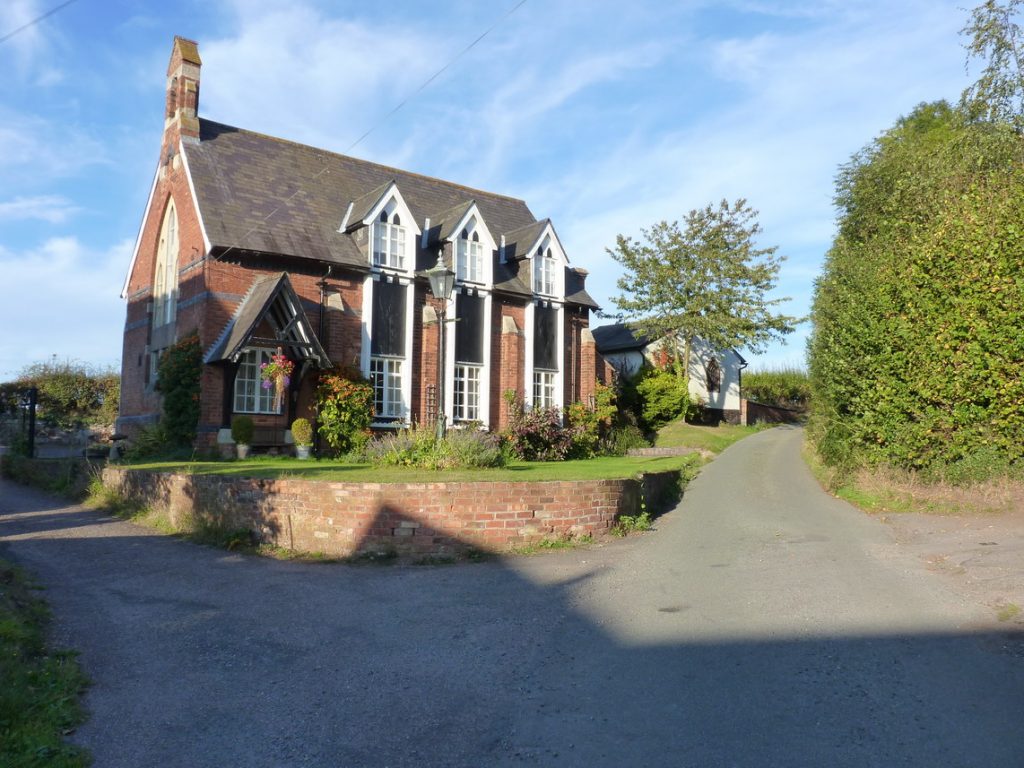
In the small village of Tavey in Franche-Comté, architect Guillaume Aubel has transformed a church found on a classifieds website into a family home. The former porch has been converted into an office with an outdoor seating area. The carefully remodelled openings feature wooden and aluminium joinery.

The new sacred

Himmelska glädjens kapell ; Ulkl; Wikimedia

Beyond the architectural feat, living in a chapel fulfils a deep-seated desire: to live in a place steeped in history and bathed in light that cannot be designed for commercial purposes. Contemporary architecture tends to feature thin walls and low ceilings. These old chapels offer the opposite, providing generous spaces, fine materials, and enveloping acoustics.

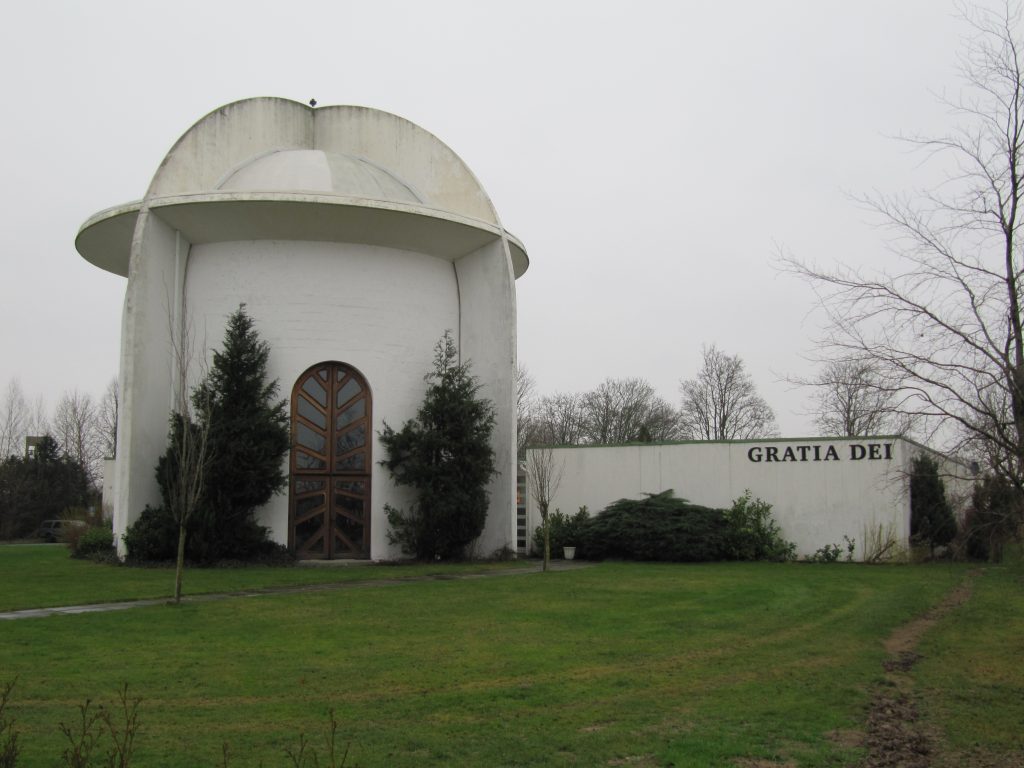
In Sweden, for example, a former Baptist church dating from 1896 has been converted into Glädjens Kapell, or the “Chapel of Joy”. Converted into a guesthouse, it is entirely clad in white. This total whiteness alters the perception of space, amplifies the natural light, and creates a suspended, almost unreal, atmosphere. In northern France, Gwen and Alex are renovating a modest chapel nestled amongst old workers’ houses with their own hands. Their project, documented on social media, shows a patient and loving transformation. “Our chapel is shy and discreet,” they write. It is precisely this intimacy that gives it its charm.

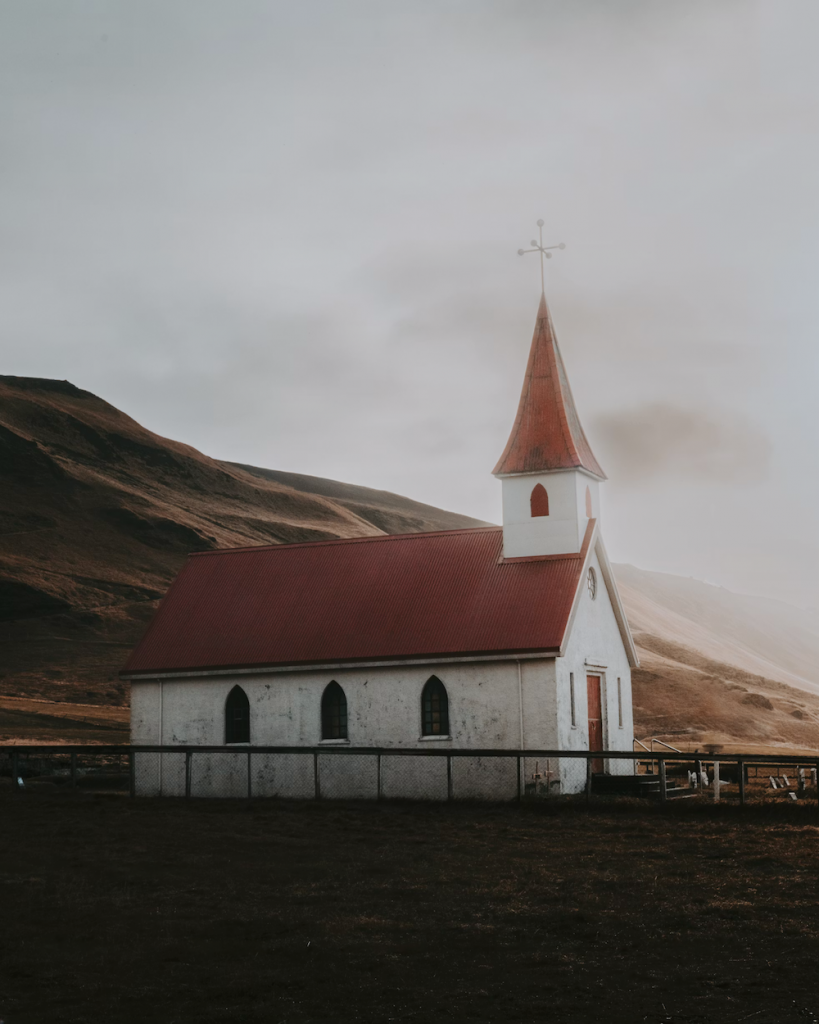
These converted chapels serve as a reminder of a certain truth. Heritage only survives if it is occupied, cherished and lived in. Preserving a building in its original state after the congregation has disappeared is akin to condemning it to oblivion. Inhabiting a building, however, prolongs its life.
Cihat Hidir; Unsplash

Continue exploring

Maison Souquet: behind the scenes of Montmartre’s best-kept secret
Waldorf Astoria Versailles – Trianon Palace: a century of history within the walls of the royal city’s most legendary luxury hotel
Taste of Paris: the Grand Palais as a temple of haute cuisine
La Mamounia : a brief history of a grand palace
Behind the scenes at our favourite places, with Where is Brian, interior design agency based in Nantes
Cordon Bleu, Hôtel de la Marine: culinary excellence open to the public

Février, 2026

Édition 3 : Patrimoine et création

Créer avec l’existant, penser avec l’histoire

De l’architecture au design, cette édition explore comment lieux, savoir-faire et matières héritées deviennent terrains de création actuelle.

Janvier, 2026

Édition 2 : Quiet luxury

Le luxe se réinvente.

Finis les logos clignotants, place à une sobriété raffinée, à l’immersion personnelle, à l’excellence artisanale, à la durabilité sensible.

Décembre, 2025

Édition 1 : Le sens de la fête

Héritages, gestes contemporains et plaisirs essentiels

Parce que la fête n’est jamais qu’apparence : elle reflète notre manière d’habiter le monde, de transmettre, de fabriquer des souvenirs durables.

ÉDITION #3

Révéler la beauté

Upcycling et kintsugi transforment l’objet contemporain, faisant de la trace, de la réparation et de la matière un langage esthétique.

ÉDITION #3

Les nouveaux artisans du patrimoine

Artisans et designers donnent une seconde vie aux matériaux anciens, entre création contemporaine, patrimoine et réemploi.

ÉDITION #3

L'art à la rescousse des friches et lieux oubliés

Bunkers, wagons et kiosques renaissent grâce à la création, révélant comment l’art redonne sens aux lieux délaissés.

ÉDITION #2

Le murmure du beau

Un regard transversal sur le quiet luxury à travers des lieux, des objets et des figures qui expriment l’élégance.

ÉDITION #1

Lieux, maisons et matières en éclats

Une sélection de marques, architectures, objets et escapades qui donnent corps au sens de la fête.

ÉDITION #3

La création au secours des bâtiments promis à l’oubli

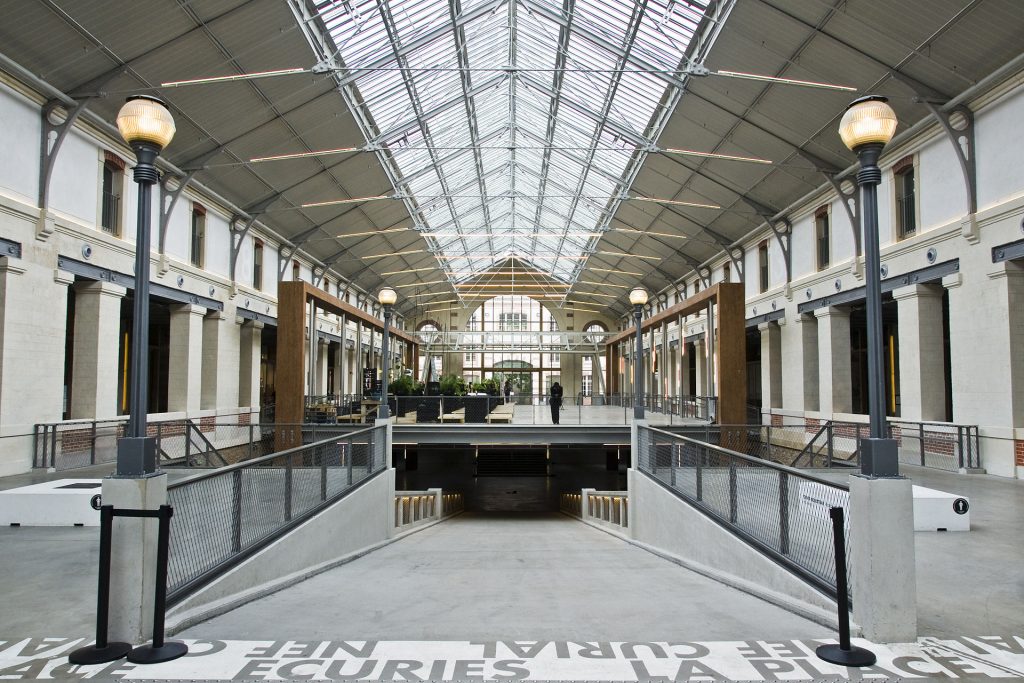
Usines et gares délaissées deviennent lieux culturels ouverts, où mémoire industrielle et usages contemporains redessinent la ville.

ÉDITION #3

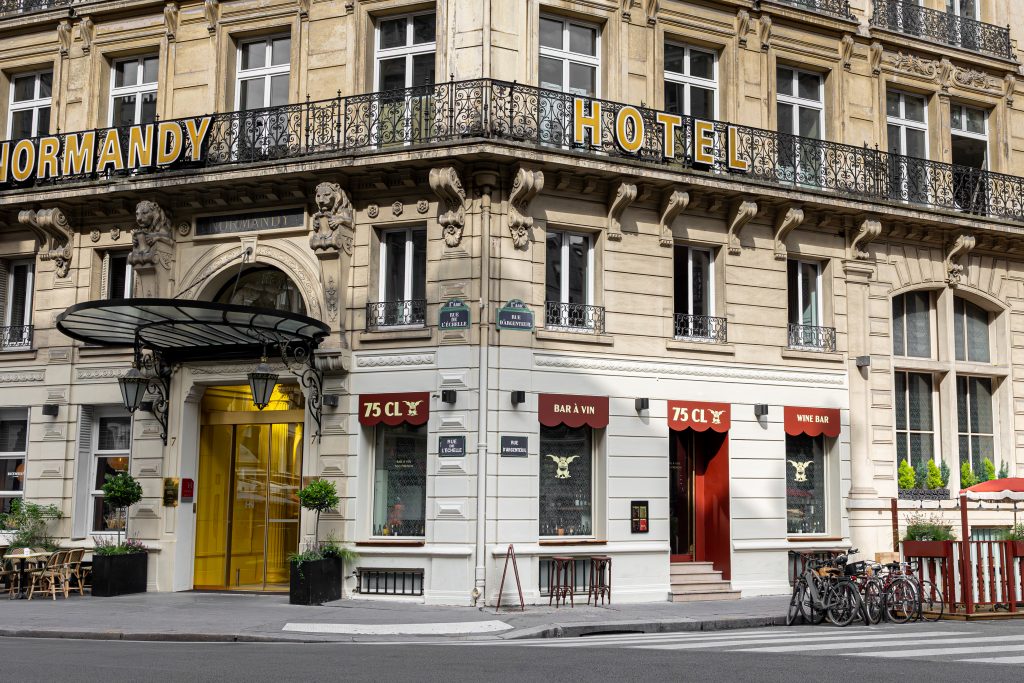
Hôtel Normandy Le Chantier

L’audacieuse métamorphose d’un palace parisien

ÉDITION #3

Dans les coulisses du Centre d'Études Picasso à Paris

Au cœur du Marais, un lieu discret révèle comment archives, architecture et recherche font dialoguer l’œuvre de Picasso.

ÉDITION #2

Shopping iconique dans un décor Tudor

Une expérience shopping unique dans un magasin emblématique.

ÉDITION #2

Gastronomie et architecture

Voyage culinaire et architectural au cœur de la Seine

ÉDITION #2

L'art de l'hospitalité parisienne

Dans le 9e arrondissement, un établissement qui invite au quiet luxury

ÉDITION #1

Chante!

Chante! vient d’ouvrir ses portes. Une invitation à vibrer !

ÉDITION #3

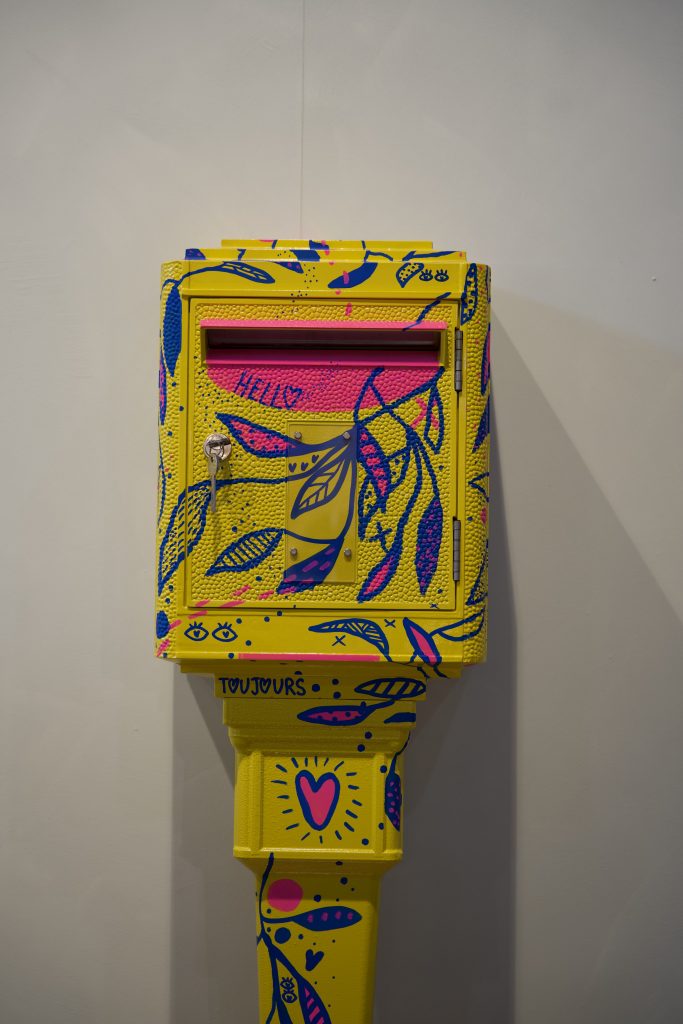
La boîte aux lettres française devenue objet de design

Icône du paysage français, la boîte jaune change de statut et s’invite dans l’univers du design.

ÉDITION #3

Retour sur Maison&Objet 2026 : retour aux sources et à l’essentiel

L’édition 2026 affirme une vision où artisanat, design et mémoire façonnent l’habitat contemporain, international actuel.

ÉDITION #3

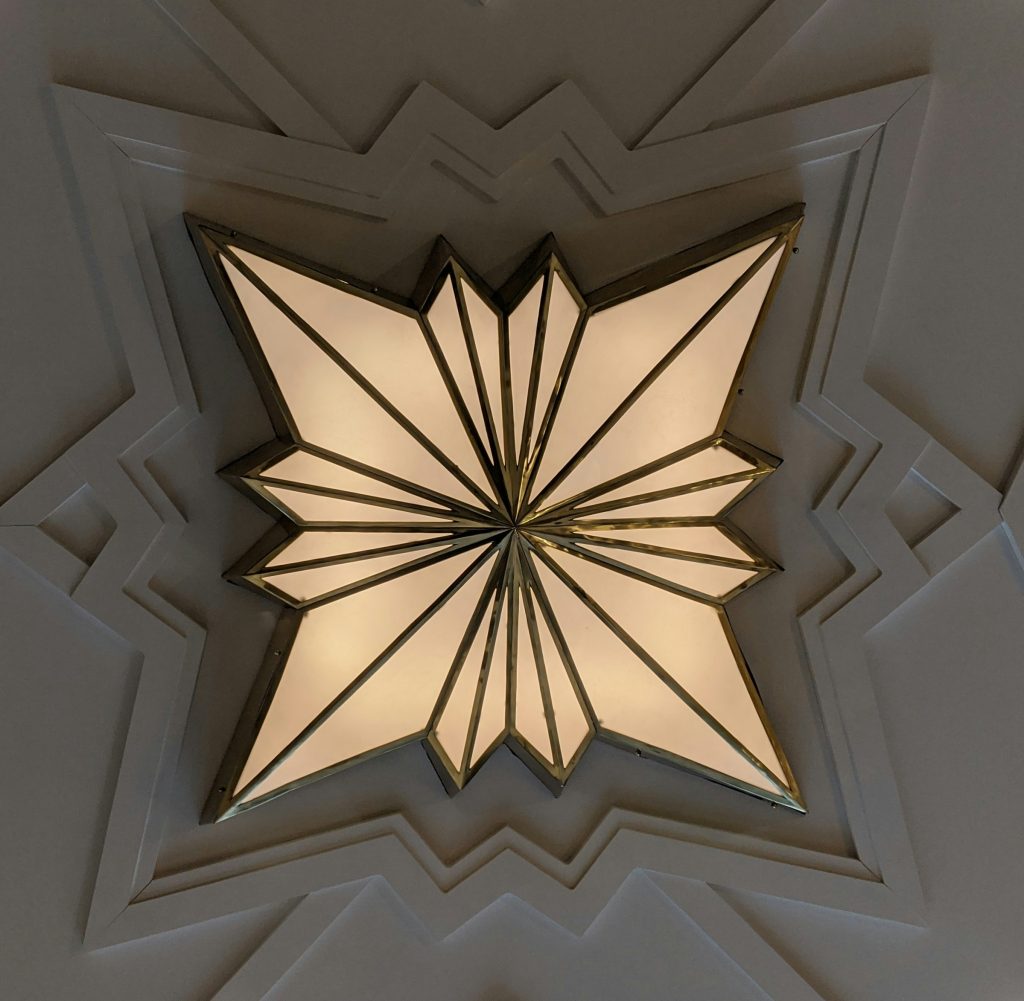
Art Deco: un mouvement centenaire, plus actuel que jamais

Cent ans après 1925, l’Art déco revient dans nos villes et intérieurs avec géométrie, audace, optimisme.

ÉDITION #3

Royal Limoges, deux siècles d’histoire au présent

Depuis plus de deux cents ans, Royal Limoges conjugue porcelaine, savoir-faire industriel et création contemporaine.

ÉDITION #3

Du terrain à la rue et au catwalk : les sneakers à travers les époques

Des terrains de sport aux podiums, la sneaker raconte un siècle de mutations culturelles, techniques et stylistiques.

ÉDITION #2

La formidable aventure du papier peint de luxe

Design, mode, artisanat : des créations où la forme et la matière se répondent avec justesse, loin de tout effet de mode.

ÉDITION #1

Icônes, détails, rituels

Décorations artisanales, calendriers ultra-luxe et pièces de collection pour s’enivrer de joie avant l’heure.

ÉDITION #3

Anton Laborde

Entre marqueterie monumentale et jungle symbolique, Anton Laborde transforme le bois en récit contemporain poétique engagé.

ÉDITION #3

Thierry Laudren

À Maison & Objet, Thierry Laudren présente des meubles sculptés où fonction, matière et lenteur façonnent une présence.

ÉDITION #3

Jean Nouvel

Jean Nouvel conçoit une architecture attentive aux contextes, où lumière, histoire et usages façonnent chaque projet.

ÉDITION #3

Sophie Morel

À Lyon, Sophie Morel rénove des lieux historiques en alliant respect du bâti et écriture contemporaine.

ÉDITION #3

Pascal Grasso

Au Centre d’Études Picasso, l’architecte compose une architecture où lumière, géométrie et héritage dialoguent avec précision.

ÉDITION #2

Alexandre Danan

Entretien avec le fondateur d’EDO (European Design Office)

ÉDITION #2

Aziz Temimi

Portrait d’un visionnaire qui transforme l’art de recevoir en expérience totale.

ÉDITION #1

Visages, gestes, inspirations

Personnalités, artisans et créateurs qui donnent à la fête sa profondeur humaine.

ÉDITION #3

Chemins de traverse : parenthèse d’exception en Bordelais

De Bordeaux au Bassin, art, vignobles et bien-être composent une échappée élégante au cœur de la Gironde.

ÉDITION #2

Voyage en Toscane

Vers une région de l’Italie habitée par le temps, où paysages, culture et usages s’accordent dans une continuité rare.

ÉDITION #1

Horizons, saisons, traditions

Destinations et rituels qui réinventent la fête, du soleil tropical aux marchés d’hiver.

Dates, adresses, invitations

Expositions, événements et repères culturels pour vivre pleinement la saison des fêtes.