The Japandi style: the elegance of minimalism

Born from the fusion of Japanese and Scandinavian influences, Japandi cultivates an aesthetic of warm simplicity. Light woods, imperfect ceramics, clean lines and natural materials come together to create interiors in which every object serves a purpose. This philosophy blends the Japanese concept of wabi-sabi, which celebrates the beauty of imperfection, with the Scandinavian idea of hygge, which promotes well-being through simplicity. It is a way of living in the present moment, appreciating craftsmanship and the lasting beauty of quality items.

Two cultures, one shared quest: simplicity

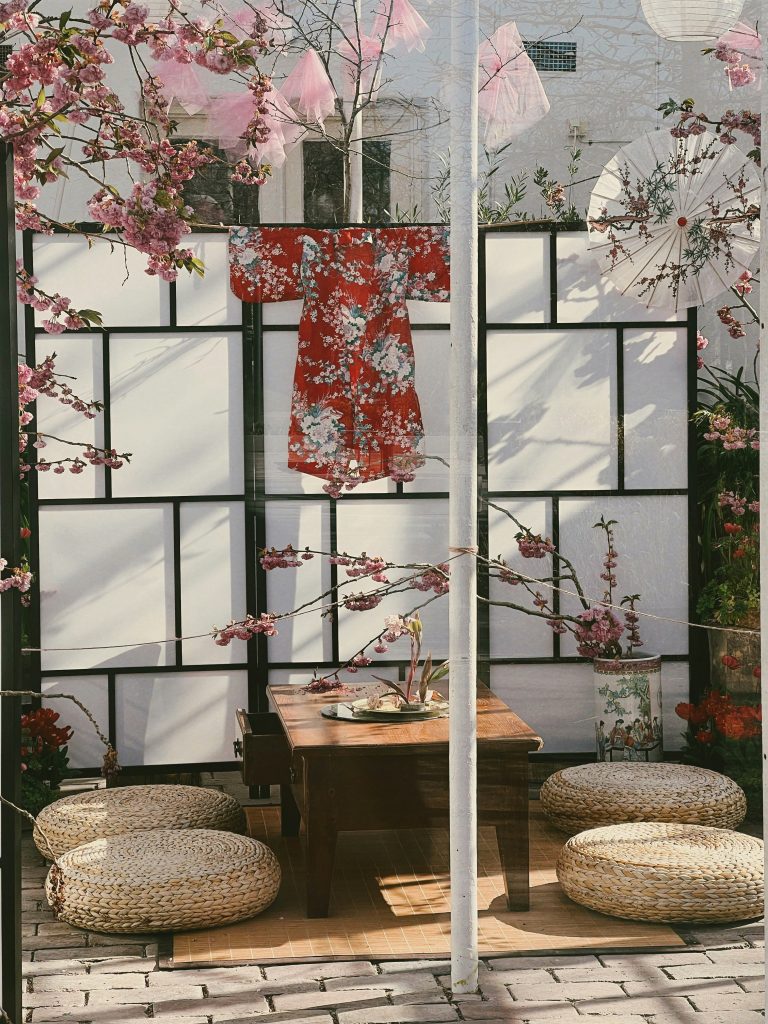
Peter Wendt; Unsplash

The word ‘Japandi’ is a portmanteau of ‘Japanese’ and ‘Scandinavian’. Two geographically distant worlds united by a shared admiration for minimalism, functionality, and a connection with nature. Drawing on wabi-sabi, an ancient Japanese sensibility that finds beauty in imperfection and the patina of time, this style is a fusion of Japanese and Scandinavian design. From Scandinavia, it embraces hygge, the Danish concept of comfort and conviviality. This fusion creates a subtle balance: wabi-sabi can seem austere, but hygge brings warmth and softness. Similarly, hygge can tend towards cosy clutter, but wabi-sabi brings things back to the essentials. This aesthetic kinship dates back to the 19th century when Nordic artists discovered Japan and returned home with ceramics, prints and furniture to incorporate into their interiors.

Natural materials and a soothing colour palette

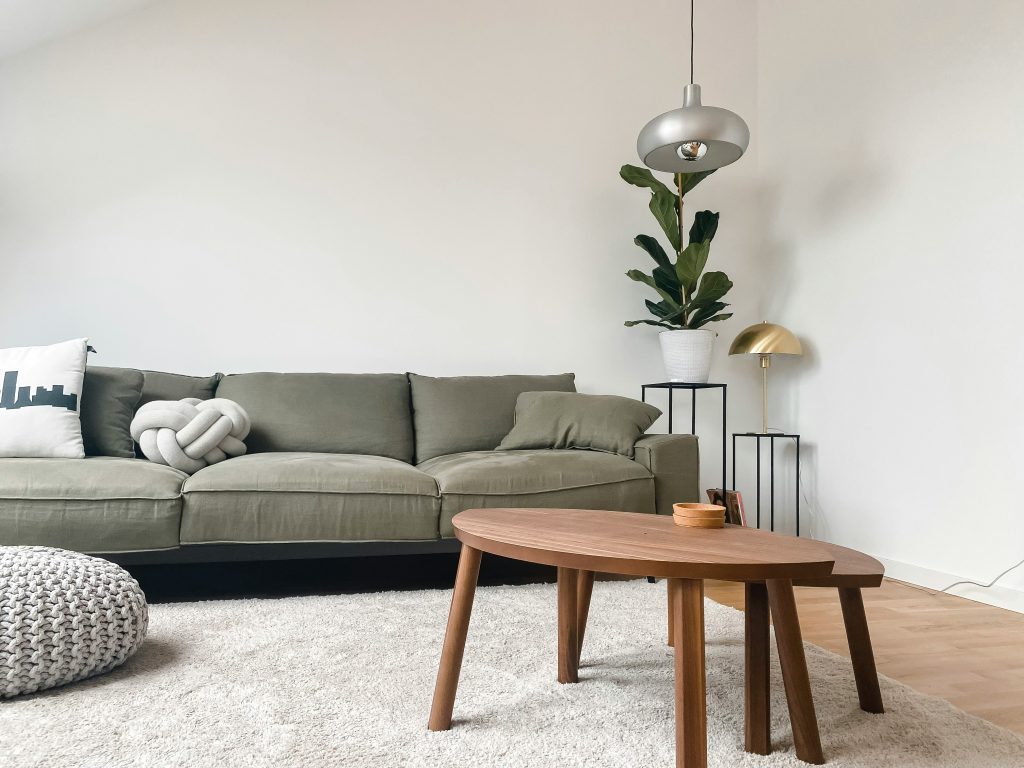
Katja Rooke; Unsplash

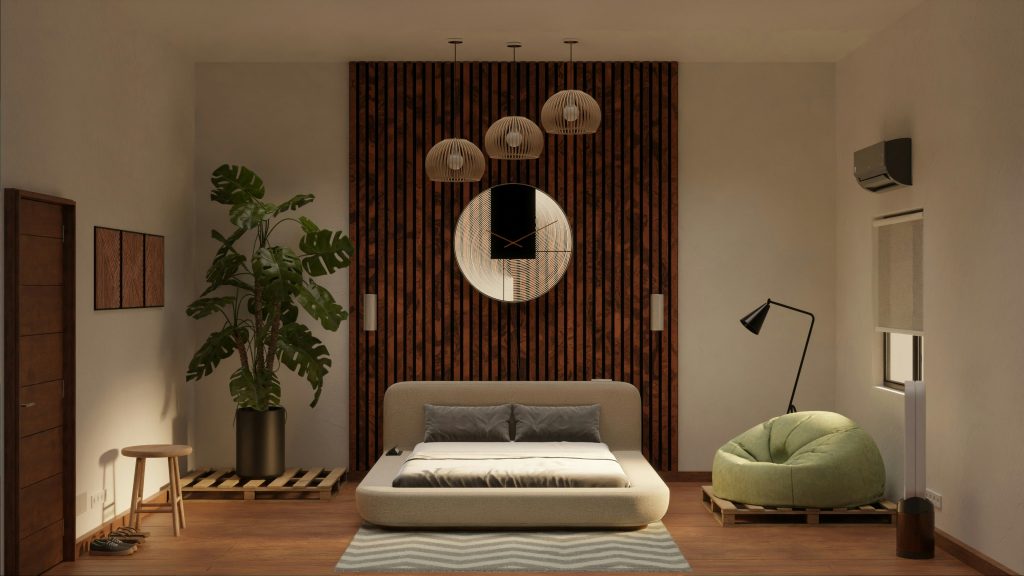
The Japandi style is, above all, recognisable by touch. Wood is the dominant material, with light tones in the Scandinavian tradition and darker, richer tones in the Japanese tradition. It is accompanied by bamboo, linen, cotton, stone, washi paper and hand-crafted ceramics. True to the spirit of wabi-sabi, which celebrates the traces of life, these materials retain their raw appearance, knots and irregularities. The colour palette remains soft, incorporating off-whites, beiges, sand, taupe and deep grey, occasionally enhanced with warm browns or anthracite. The lines are clean and low; the furniture is airy and the space flows freely. Each piece gains in presence what it loses in quantity. This deliberate simplicity invites us to slow down, truly look at the objects around us and choose durability over disposability.

Craftsmanship: the beating heart of Japandi

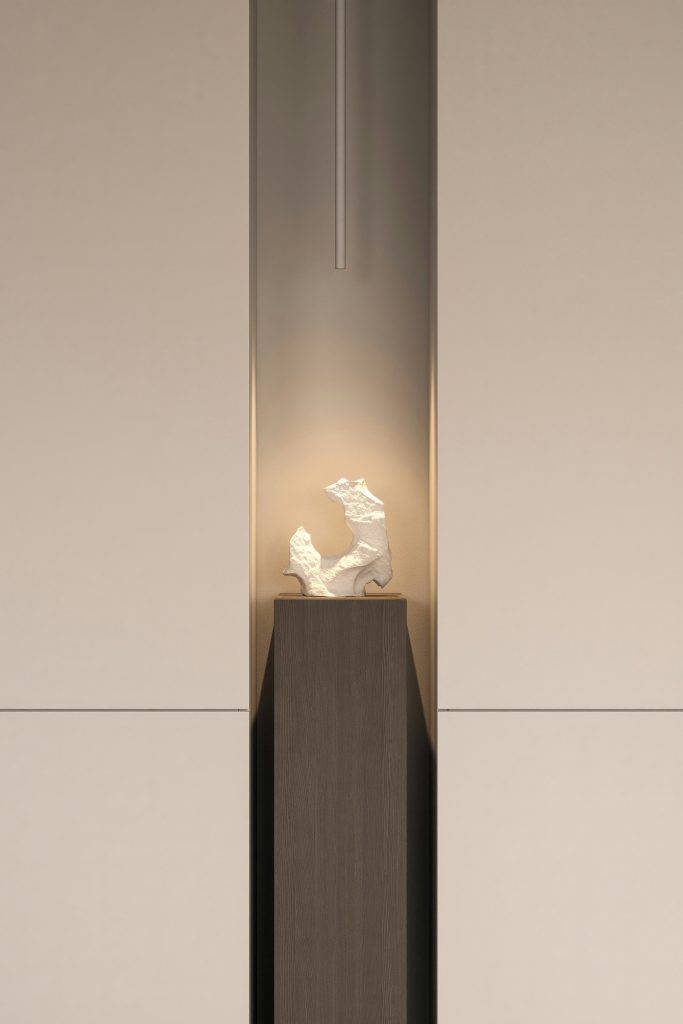
Alona Gross; Unsplash

Beyond the decorative trend, Japandi places great importance on craftsmanship. Both traditions share a respect for craftsmanship and a commitment to quality, appreciating objects designed to last. The Karimoku Case Study collaboration is the finest demonstration of this. Launched in 2019, it unites Japan’s largest wooden furniture manufacturer with the Danish studio Norm Architects and Tokyo-based architect Keiji Ashizawa. Together, they design collections inspired by real-life interior projects, ranging from Tokyo apartments to houses in the Swedish archipelago. Each piece combines Nordic rigour with Japanese delicacy, with precision-crafted wood, washi paper lampshades and gently curved seating. It is proof that beauty and functionality can emerge from a patient dialogue between two cultures.

A different way of living, standing the test of time

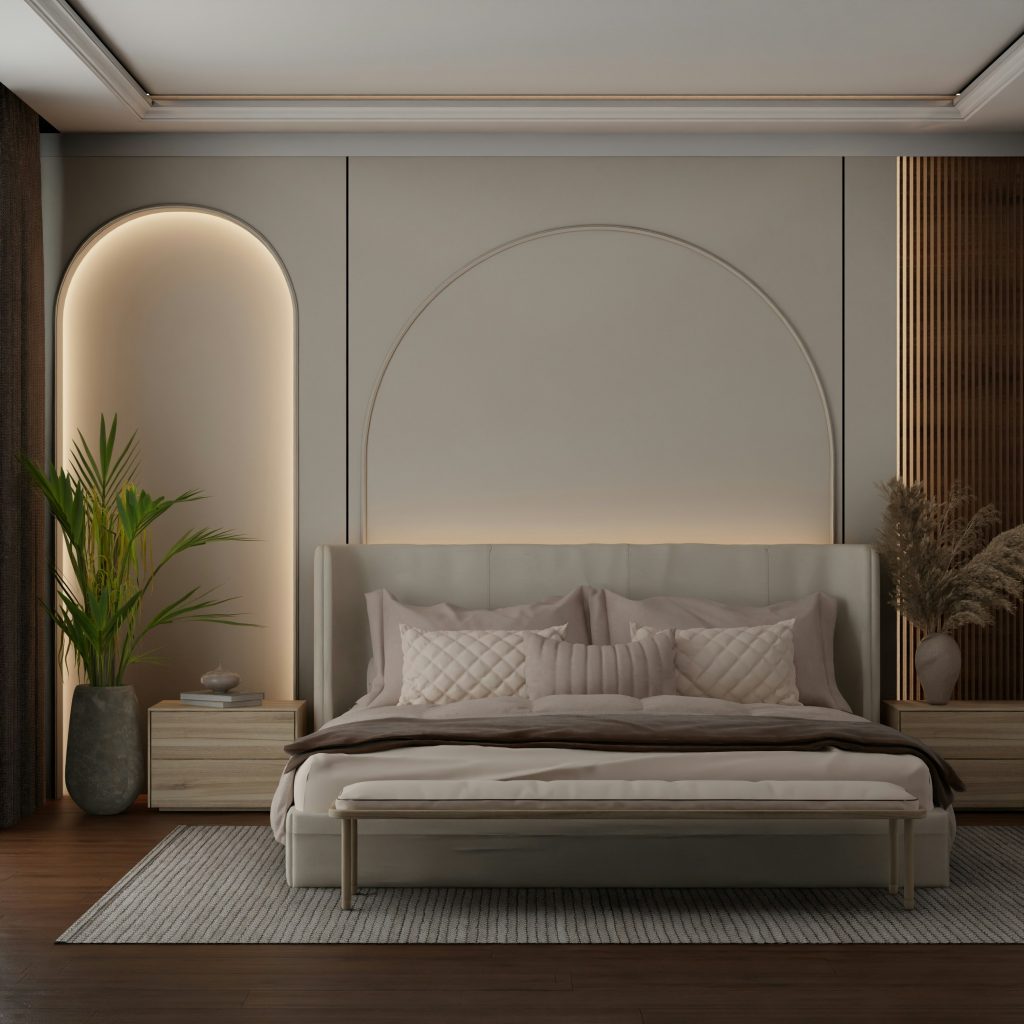
Puscas Adryan; Unsplash

Adopting the Japandi style is more about embracing a way of life than it is about interior design. It encourages you to declutter, choose fewer but better pieces and let in light and silence. The essentials are enough: a solid wood table, a few handcrafted ceramics, a linen textile and a plant. This approach echoes the ‘slow décor’ movement, which prioritises authenticity, local produce, and handmade items over consumerist frenzy. The concept of wabi-sabi was introduced to the West by Belgian antique dealer and gallery owner Axel Vervoordt, who is a fervent advocate of understated beauty and weathered materials. Japandi carries this spirit forward into our contemporary homes. It is a subtle elegance that pays homage to the craftsmanship of artisans and the memories held within objects, fully embodying a sense of timelessness.
Continue exploring

Chapels turned into homes: living amongst stained-glass windows and vaulted ceilings
Maison Souquet: behind the scenes of Montmartre’s best-kept secret
Waldorf Astoria Versailles – Trianon Palace: a century of history within the walls of the royal city’s most legendary luxury hotel
Taste of Paris: the Grand Palais as a temple of haute cuisine
La Mamounia : a brief history of a grand palace
Behind the scenes at our favourite places, with Where is Brian, interior design agency based in Nantes

Février, 2026

Édition 3 : Patrimoine et création

Créer avec l’existant, penser avec l’histoire

De l’architecture au design, cette édition explore comment lieux, savoir-faire et matières héritées deviennent terrains de création actuelle.

Janvier, 2026

Édition 2 : Quiet luxury

Le luxe se réinvente.

Finis les logos clignotants, place à une sobriété raffinée, à l’immersion personnelle, à l’excellence artisanale, à la durabilité sensible.

Décembre, 2025

Édition 1 : Le sens de la fête

Héritages, gestes contemporains et plaisirs essentiels

Parce que la fête n’est jamais qu’apparence : elle reflète notre manière d’habiter le monde, de transmettre, de fabriquer des souvenirs durables.

ÉDITION #3

Révéler la beauté

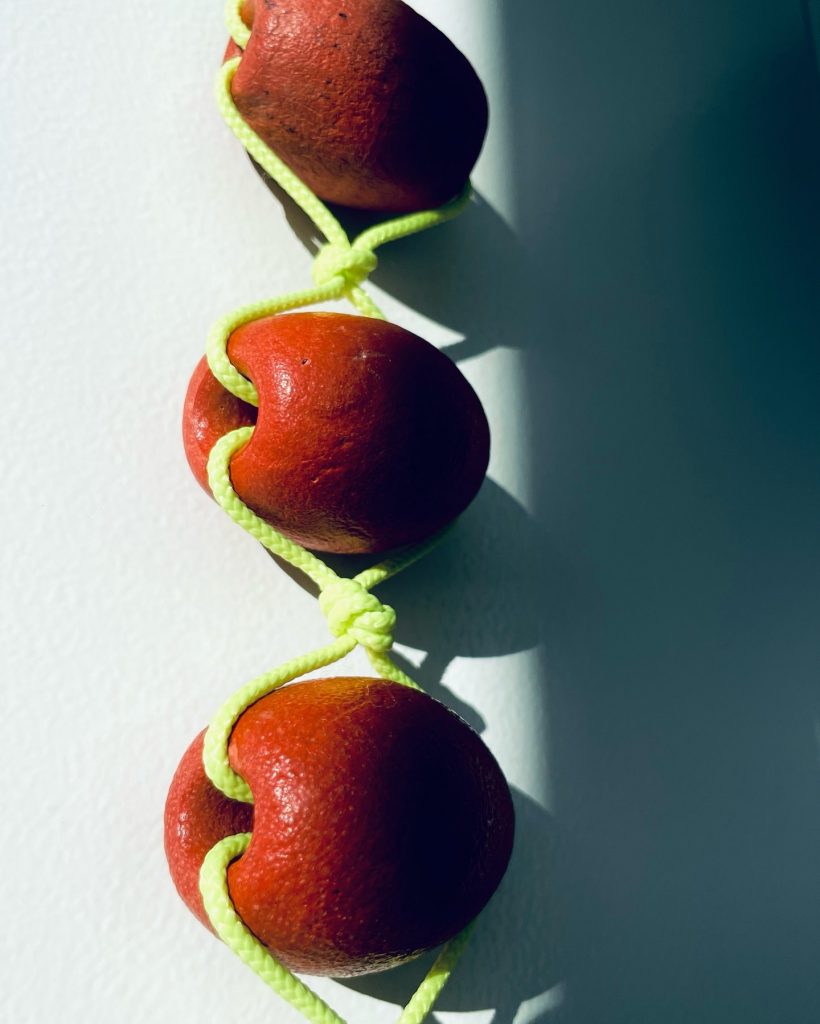
Upcycling et kintsugi transforment l’objet contemporain, faisant de la trace, de la réparation et de la matière un langage esthétique.

ÉDITION #3

Les nouveaux artisans du patrimoine

Artisans et designers donnent une seconde vie aux matériaux anciens, entre création contemporaine, patrimoine et réemploi.

ÉDITION #3

L'art à la rescousse des friches et lieux oubliés

Bunkers, wagons et kiosques renaissent grâce à la création, révélant comment l’art redonne sens aux lieux délaissés.

ÉDITION #2

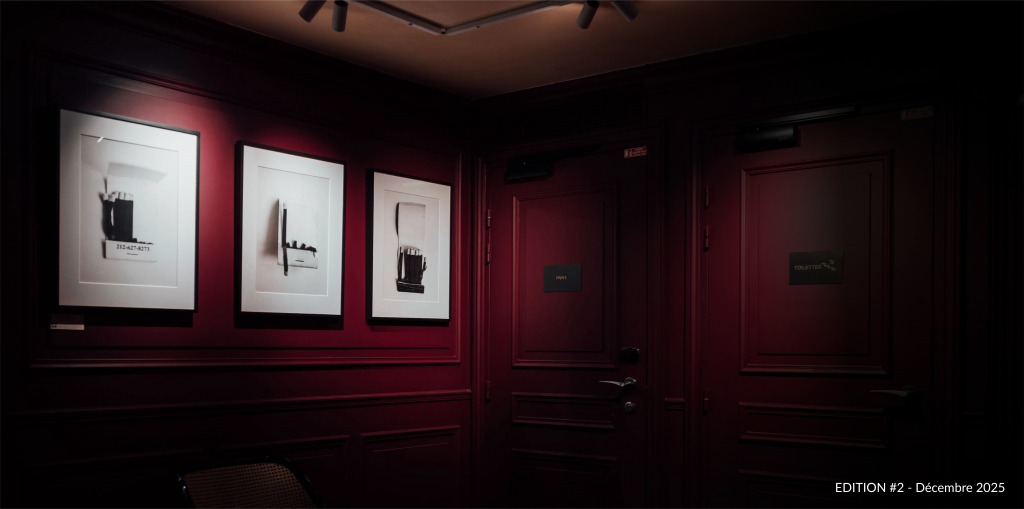
Le murmure du beau

Un regard transversal sur le quiet luxury à travers des lieux, des objets et des figures qui expriment l’élégance.

ÉDITION #1

Lieux, maisons et matières en éclats

Une sélection de marques, architectures, objets et escapades qui donnent corps au sens de la fête.

ÉDITION #3

La création au secours des bâtiments promis à l’oubli

Usines et gares délaissées deviennent lieux culturels ouverts, où mémoire industrielle et usages contemporains redessinent la ville.

ÉDITION #3

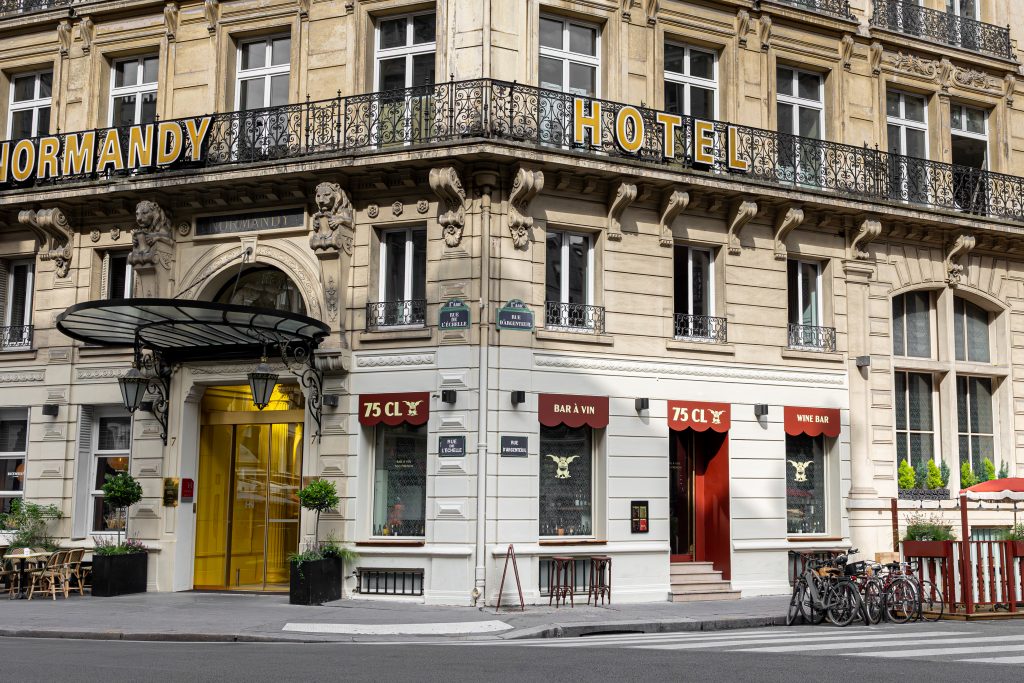
Hôtel Normandy Le Chantier

L’audacieuse métamorphose d’un palace parisien

ÉDITION #3

Dans les coulisses du Centre d'Études Picasso à Paris

Au cœur du Marais, un lieu discret révèle comment archives, architecture et recherche font dialoguer l’œuvre de Picasso.

ÉDITION #2

Shopping iconique dans un décor Tudor

Une expérience shopping unique dans un magasin emblématique.

ÉDITION #2

Gastronomie et architecture

Voyage culinaire et architectural au cœur de la Seine

ÉDITION #2

L'art de l'hospitalité parisienne

Dans le 9e arrondissement, un établissement qui invite au quiet luxury

ÉDITION #1

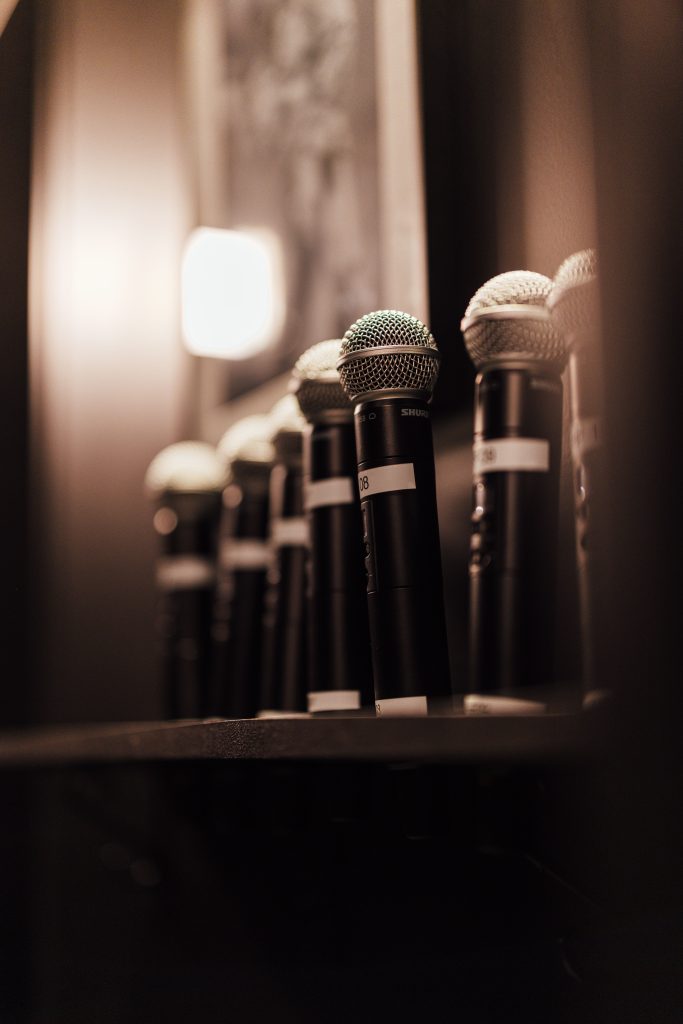
Chante!

Chante! vient d’ouvrir ses portes. Une invitation à vibrer !

ÉDITION #3

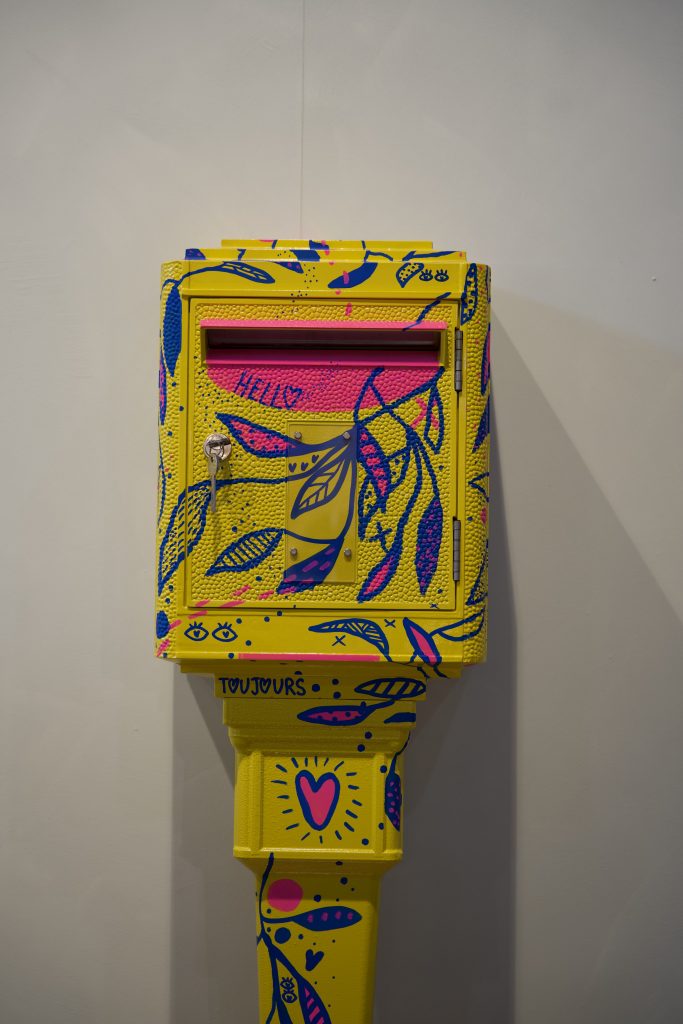
La boîte aux lettres française devenue objet de design

Icône du paysage français, la boîte jaune change de statut et s’invite dans l’univers du design.

ÉDITION #3

Retour sur Maison&Objet 2026 : retour aux sources et à l’essentiel

L’édition 2026 affirme une vision où artisanat, design et mémoire façonnent l’habitat contemporain, international actuel.

ÉDITION #3

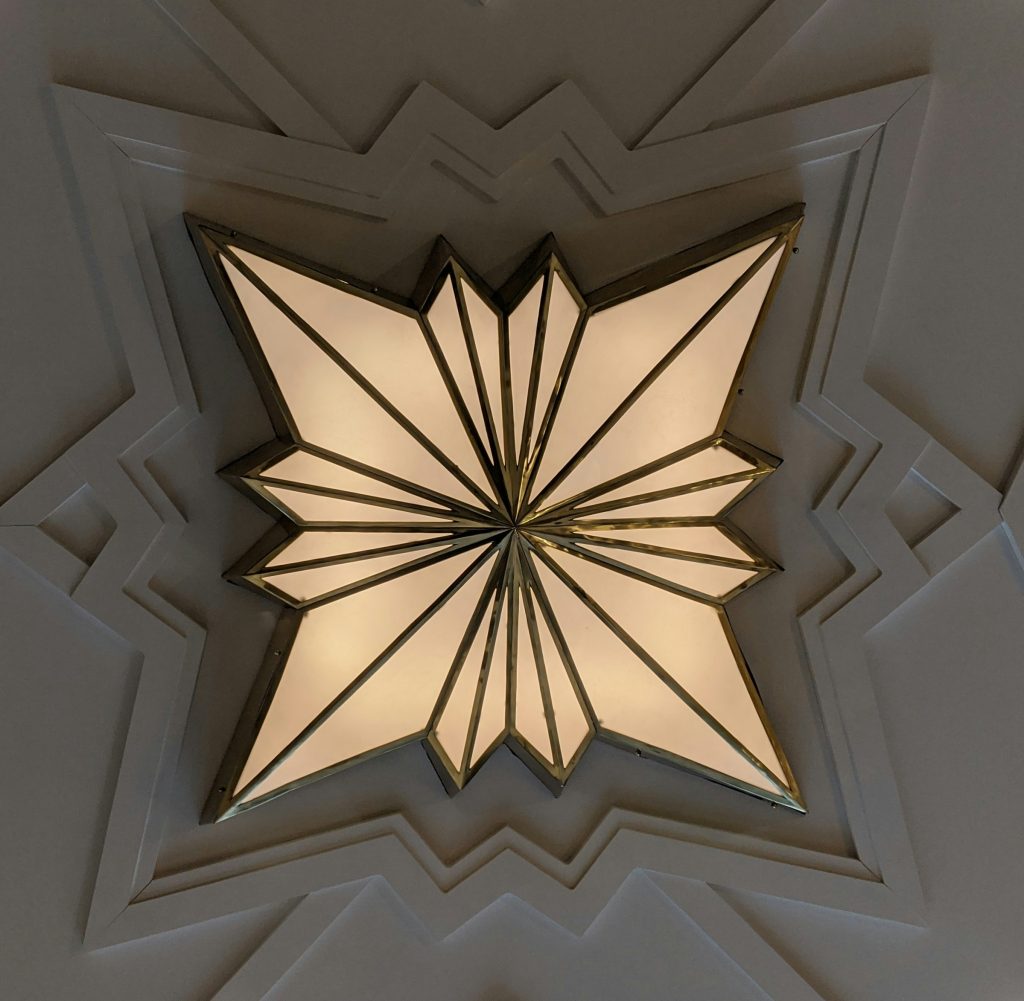
Art Deco: un mouvement centenaire, plus actuel que jamais

Cent ans après 1925, l’Art déco revient dans nos villes et intérieurs avec géométrie, audace, optimisme.

ÉDITION #3

Royal Limoges, deux siècles d’histoire au présent

Depuis plus de deux cents ans, Royal Limoges conjugue porcelaine, savoir-faire industriel et création contemporaine.

ÉDITION #3

Du terrain à la rue et au catwalk : les sneakers à travers les époques

Des terrains de sport aux podiums, la sneaker raconte un siècle de mutations culturelles, techniques et stylistiques.

ÉDITION #2

La formidable aventure du papier peint de luxe

Design, mode, artisanat : des créations où la forme et la matière se répondent avec justesse, loin de tout effet de mode.

ÉDITION #1

Icônes, détails, rituels

Décorations artisanales, calendriers ultra-luxe et pièces de collection pour s’enivrer de joie avant l’heure.

ÉDITION #3

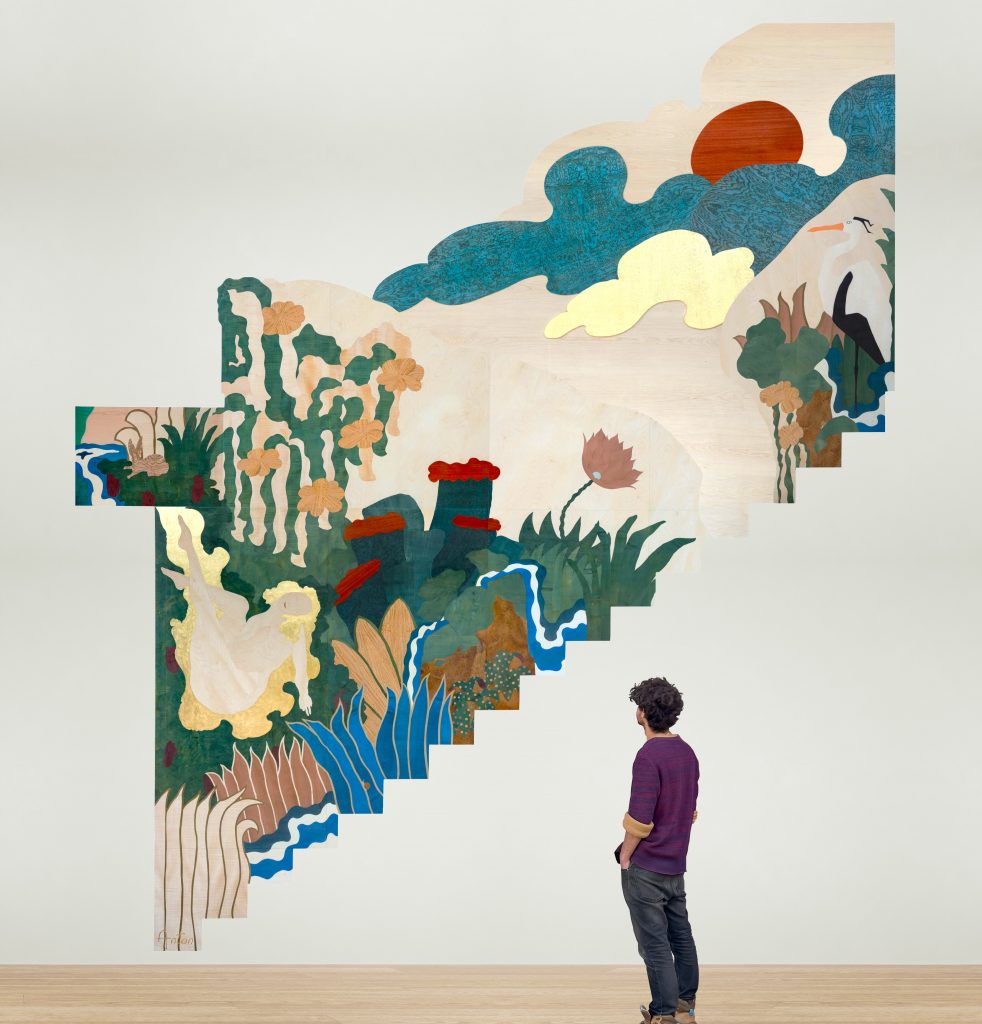
Anton Laborde

Entre marqueterie monumentale et jungle symbolique, Anton Laborde transforme le bois en récit contemporain poétique engagé.

ÉDITION #3

Thierry Laudren

À Maison & Objet, Thierry Laudren présente des meubles sculptés où fonction, matière et lenteur façonnent une présence.

ÉDITION #3

Jean Nouvel

Jean Nouvel conçoit une architecture attentive aux contextes, où lumière, histoire et usages façonnent chaque projet.

ÉDITION #3

Sophie Morel

À Lyon, Sophie Morel rénove des lieux historiques en alliant respect du bâti et écriture contemporaine.

ÉDITION #3

Pascal Grasso

Au Centre d’Études Picasso, l’architecte compose une architecture où lumière, géométrie et héritage dialoguent avec précision.

ÉDITION #2

Alexandre Danan

Entretien avec le fondateur d’EDO (European Design Office)

ÉDITION #2

Aziz Temimi

Portrait d’un visionnaire qui transforme l’art de recevoir en expérience totale.

ÉDITION #1

Visages, gestes, inspirations

Personnalités, artisans et créateurs qui donnent à la fête sa profondeur humaine.

ÉDITION #3

Chemins de traverse : parenthèse d’exception en Bordelais

De Bordeaux au Bassin, art, vignobles et bien-être composent une échappée élégante au cœur de la Gironde.

ÉDITION #2

Voyage en Toscane

Vers une région de l’Italie habitée par le temps, où paysages, culture et usages s’accordent dans une continuité rare.

ÉDITION #1

Horizons, saisons, traditions

Destinations et rituels qui réinventent la fête, du soleil tropical aux marchés d’hiver.

Dates, adresses, invitations

Expositions, événements et repères culturels pour vivre pleinement la saison des fêtes.