1. Visit an independent master distiller on Islay
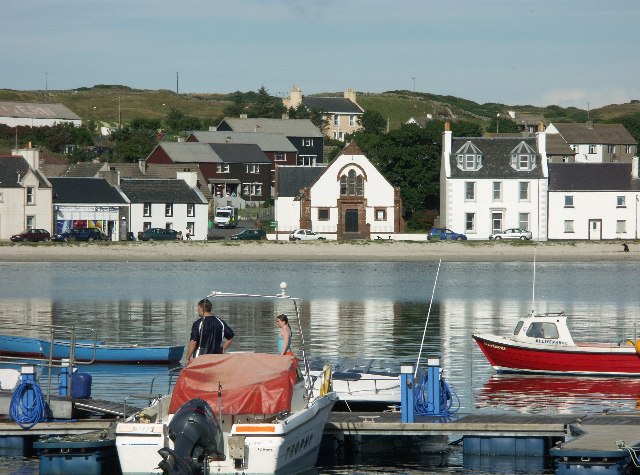
Port Ellen ; J M Briscoe ; Wikimedia
To travel to Scotland without setting foot on Islay is to miss the very soul of the country. On this island in the Inner Hebrides, a handful of independent distillers still work in micro-batches, far removed from industrial production. Here, the peat is cut by hand, the water comes from local springs and the maturation period is non-negotiable. Each cask tells the story of a vintage shaped by wind, rain and patience. Whisky is not just a product; it’s a whole landscape bottled up. Meeting these artisans is enough to understand why Scotland produces the world’s finest single malts.
2. Harris Tweed weaver on the Isle of Lewis
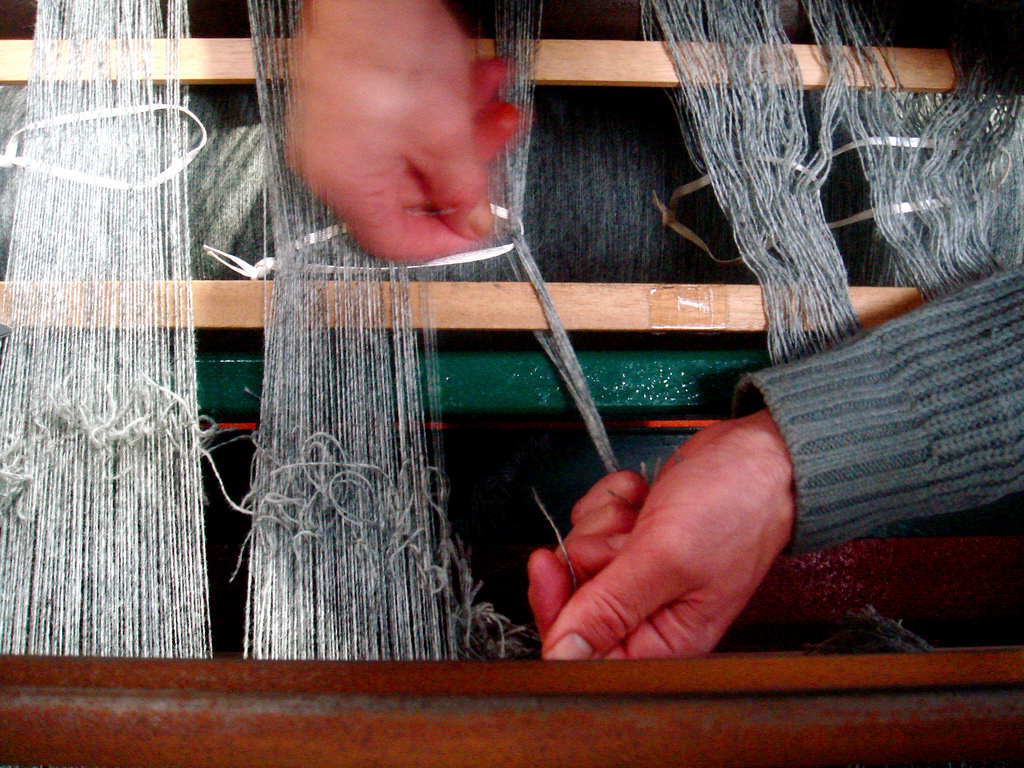
Harris Tweed is the only fabric in the world to be protected by an Act of the British Parliament. Harris Tweed is still woven exclusively at home on treadle looms by artisans in the Outer Hebrides. Visiting the Isle of Lewis in Scotland is like stepping into a world where the clatter of looms sets the rhythm of daily life. Every metre of tweed bears the colours of the landscape: heather, moss, peat and grey sky. The movements are slow, precise and irreplaceable. In a world saturated with fast fashion, these weavers embody a luxury that has become radical: the luxury of time.
3. A traditional salmon smoker from the Highlands
In the northern Highlands, a few family-run smokehouses are keeping alive an art form that the industry has almost wiped out. Here, the salmon is cold-smoked for several days while suspended above oak chips, sometimes from whisky casks. Travelling through Scotland via the palate means savouring the difference: the pearly flesh and delicate smoke that masks nothing. These artisans work within short supply chains, supplying a select few outstanding restaurants and refusing to produce more than their craft allows. The result is a product of rare finesse that is impossible to standardise.
4. The sgian-dubh, the ceremonial kilt knife
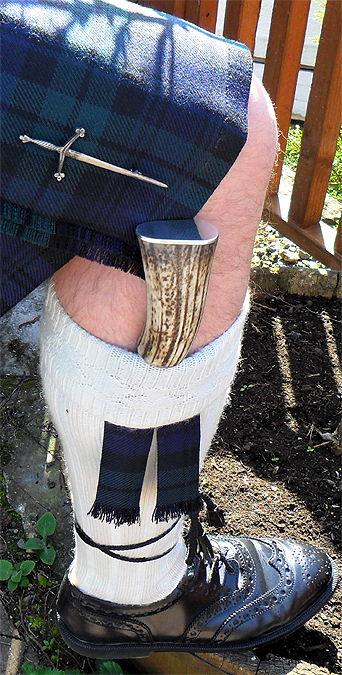
Stubborn Stag ; Wikimedia
When worn with a kilt, the sgian dubh is tucked into the right sock. Much more than a folkloric accessory, it is an important piece of Scottish culture. It is a fine piece of cutlery that combines elements of jewellery with a symbol of identity. If you are interested in this object and are travelling through Scotland, you will discover craftsmen who forge damascened blades set in handles made from Cairngorms deer antler or ebony. Each piece is unique. The sgian-dubh embodies discreet, masculine elegance when worn next to the skin — a jewel revealed only to those who know to look for it.
5. The quaich, the cup of friendship
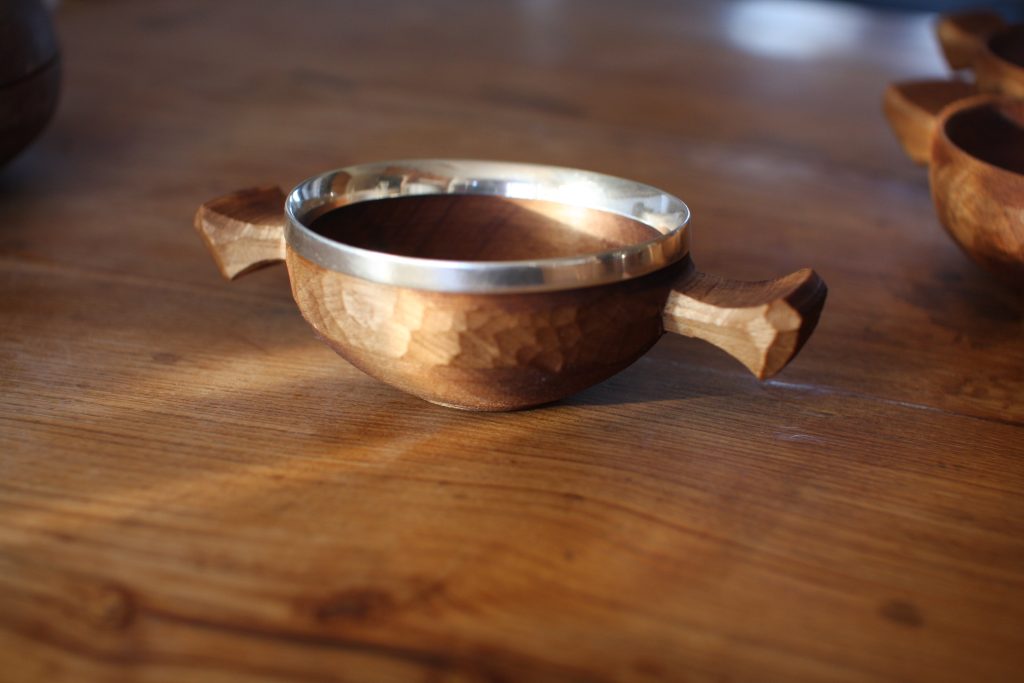
With its two handles and hollow base, the quaich is a traditional Scottish cup for sharing. It is offered to a guest upon their arrival to seal a bond. Made of wood, pewter or chased silver, this object has stood the test of time. Travelling through Scotland and visiting the silversmiths of Edinburgh allows you to witness the revival of this tradition in workshops where silver is still hammered by hand. The quaich is not for drinking; it is for welcoming. It is a rare object in a world that has forgotten the rituals of slowness.
6. Pottery from the Isle of Skye
A handful of potters on Skye work in self-imposed isolation, surrounded by the landscapes that inspire their colour palettes. Basalt grey, moss green and the blue of the inner sea: each glaze reflects the outdoors. Travelling through Scotland’s islands means stumbling upon workshops exposed to the elements, where the potter’s wheel turns slowly and every piece bears the imprint of its surroundings. These ceramics cannot be found anywhere else; they are Skye condensed into a bowl or a cup.
7. Tartan as a contemporary design element
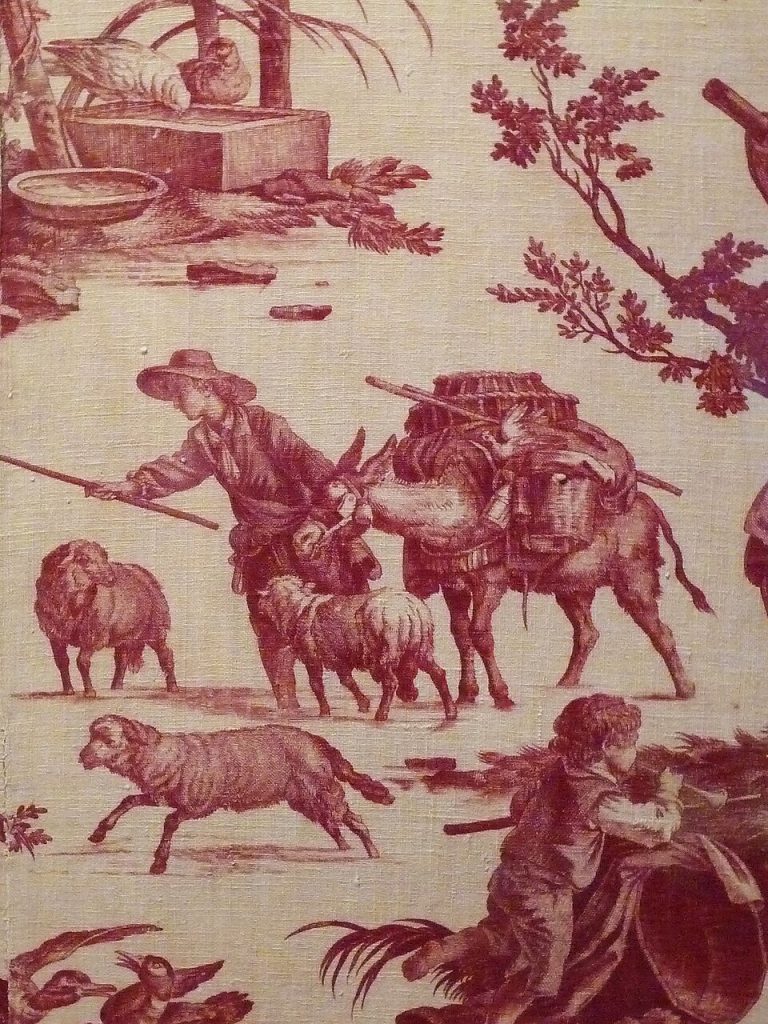
Beyond the kilt and the bagpipes, tartan is a fascinatingly complex textile coding system — each pattern tells the story of a clan, a territory or a sense of belonging. Travelling through Scotland with a designer’s eye reveals that this fabric is enjoying a revival: it is being reinterpreted in furniture, leather goods, and interior design by a new generation of Scottish designers. Tartan is no longer a relic of the past; it is a material for new projects. It is a graphic heritage that the design world is rediscovering with great enthusiasm.
8. Edinburgh’s secret libraries
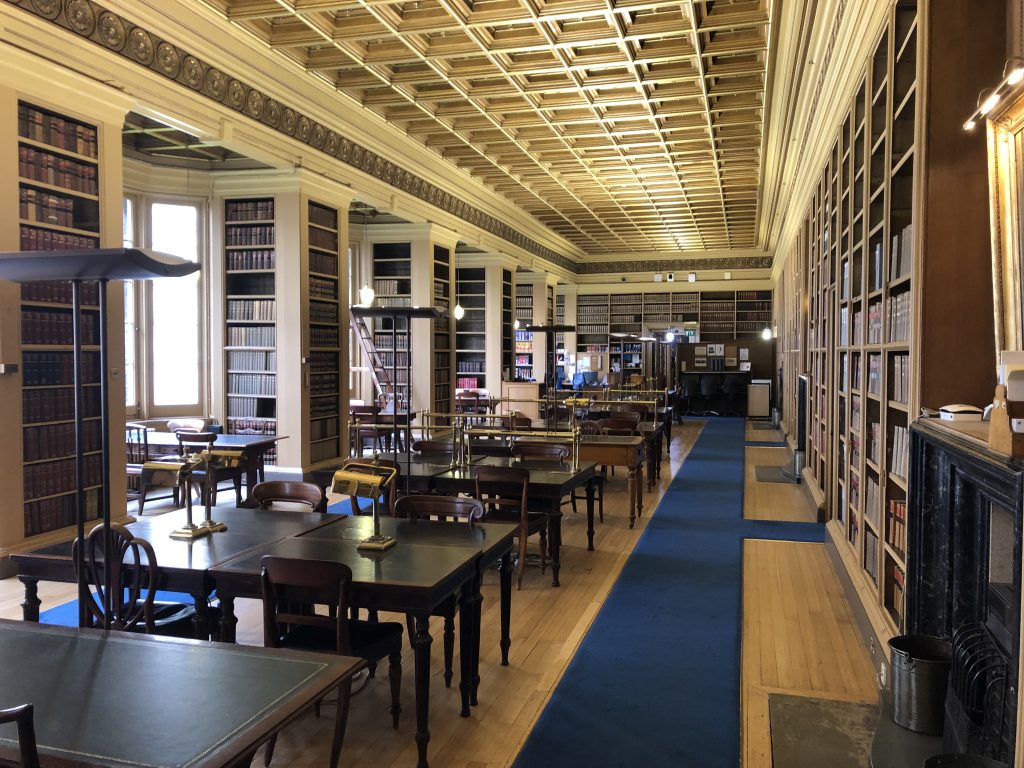
As the world’s first City of Literature, designated by UNESCO, Edinburgh conceals libraries of breathtaking beauty behind its Georgian façades. The Signet Library and the Advocates Library are places where wood, leather and silence come together to create an architecture of thought. Travelling through Scotland via its books means pushing open these rarely seen doors to discover rare collections, carved woodwork and painted ceilings. It is an intellectual and aesthetic heritage that the city protects with typically Scottish discretion.
9. The Isle of Iona, the cradle of Celtic Christianity
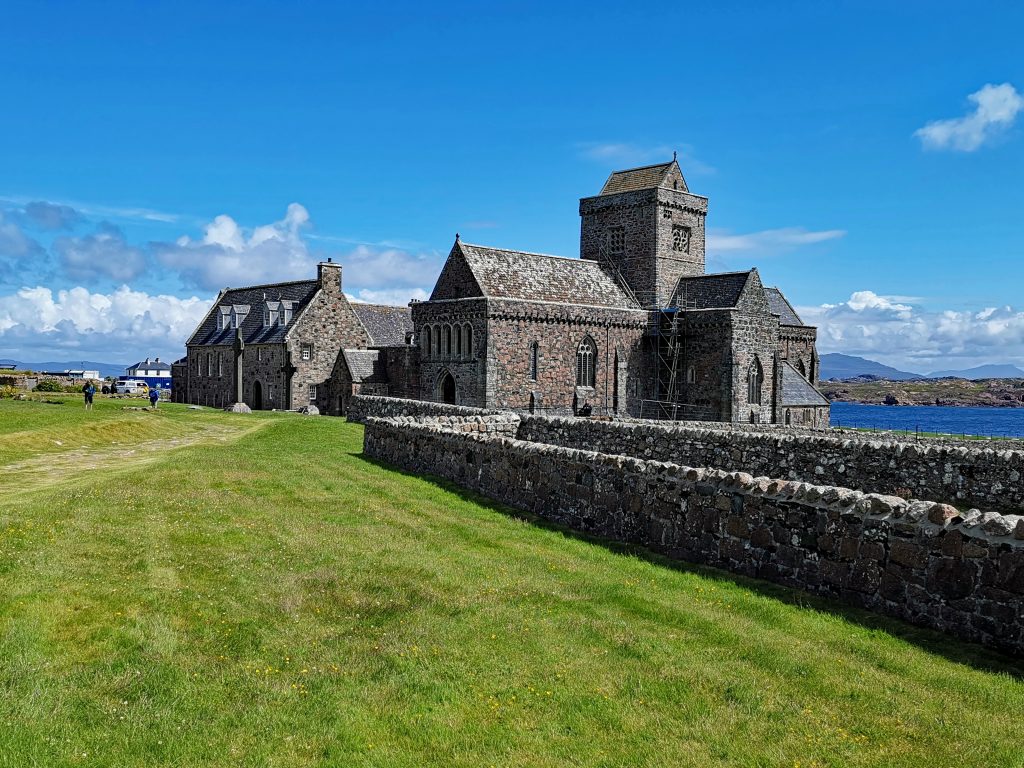
PaulT (Gunther Tschuch) ; Wikimedia
This tiny island in the Inner Hebrides is a place of profound tranquillity. In the 6th century, the monk Columba founded a monastery here, from which Christianity spread throughout Scotland. Travelling to Iona is like reaching the edge of the world. Now home to artisans — including jewellers, calligraphers and silversmiths — the island is bathed in light of rare purity, and the craftsmen work with silver and local stone. The island has no cars or noise. Just the wind, the sea, and the sound of hands at work.
10. A castle estate transformed into a creative retreat
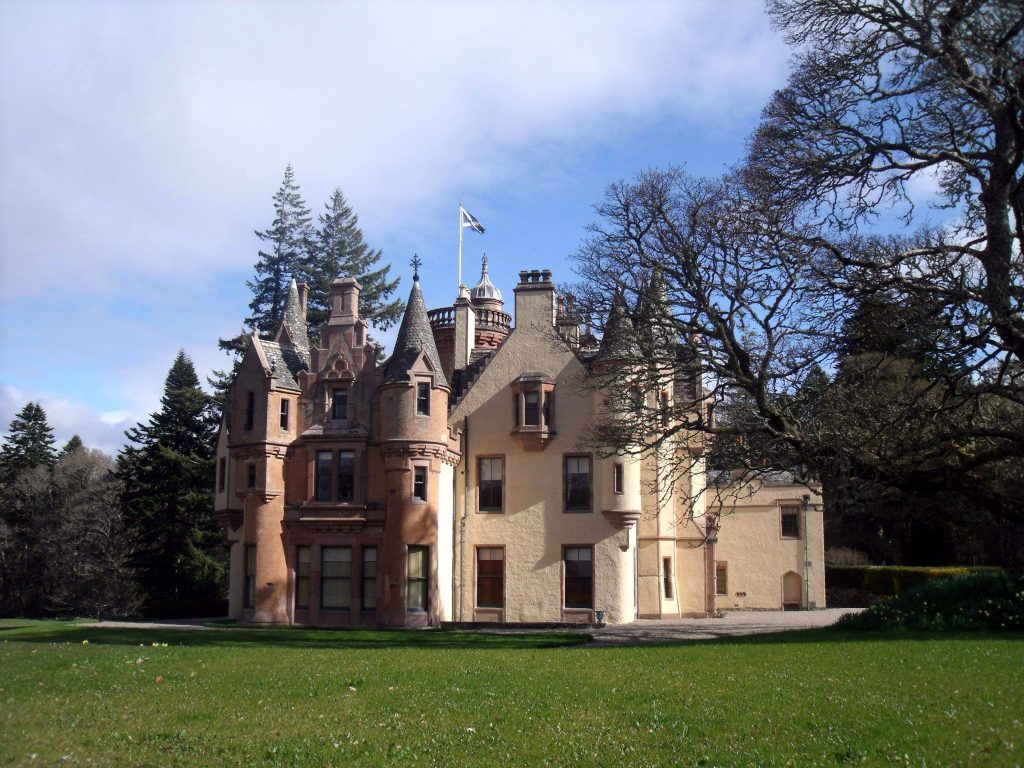
Scotland is home to hundreds of historic estates, some of which have been converted into creative retreats. Converted into retreats for artisans, designers, and chefs, these castle estates strike a balance between architectural heritage and contemporary creativity. Travelling through Scotland and visiting places like The Fife Arms in Braemar, where every room is a work of art, makes you realise that Scottish luxury is not measured in stars, but in stories. Centuries-old stonework and vast grounds are home to creators reinventing hospitality.