Endangered skills: a world tour of ten rare crafts worth preserving

In December 2025, UNESCO added a new list of practices deemed to be at risk in New Delhi. These range from the shaping of Philippine salt over a wood fire to the construction of Panama’s earthen houses. Behind each of these practices stand a few families, or sometimes just a handful of individuals, who are the custodians of a craft that is under threat from time. This global tour brings together ten crafts of quiet beauty and the people who keep them alive, from Normandy lace to Portugal’s painted boats.

France: Alençon lace

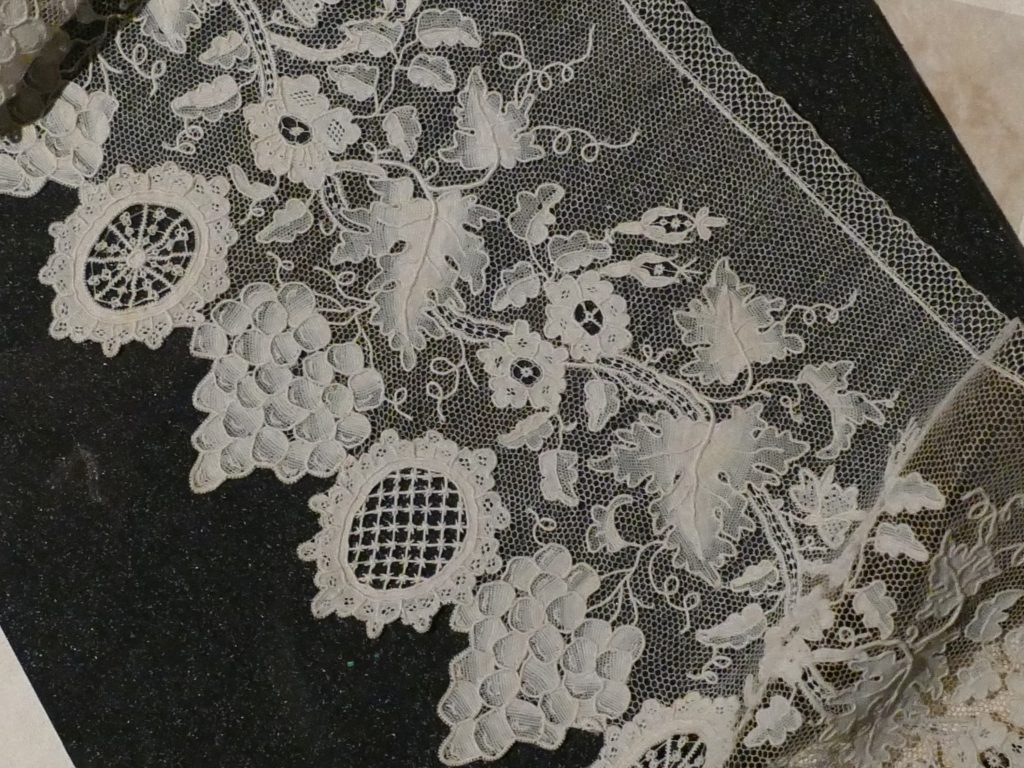
In the Orne department, a handful of lacemakers continue to practise an extremely delicate craft. Alençon lace, which dates back to the 17th century, is created by hand, stitch by stitch, on parchment on which the pattern has been traced in advance. Around ten stages follow one another, from tracing the pattern to embroidering the raised sections, with each stage being carried out by a different specialist. A few square centimetres can take hours to complete, and a whole piece can take several years. This slowness gives the lace its value and accounts for its fragility. The survival of the craft today depends on the National Workshop, where a handful of apprentices are training to master a skill that takes years. Listed as part of humanity’s intangible cultural heritage, Alençon lace endures thanks to these expert hands, who are guardians of a French virtuosity that few other countries can boast.

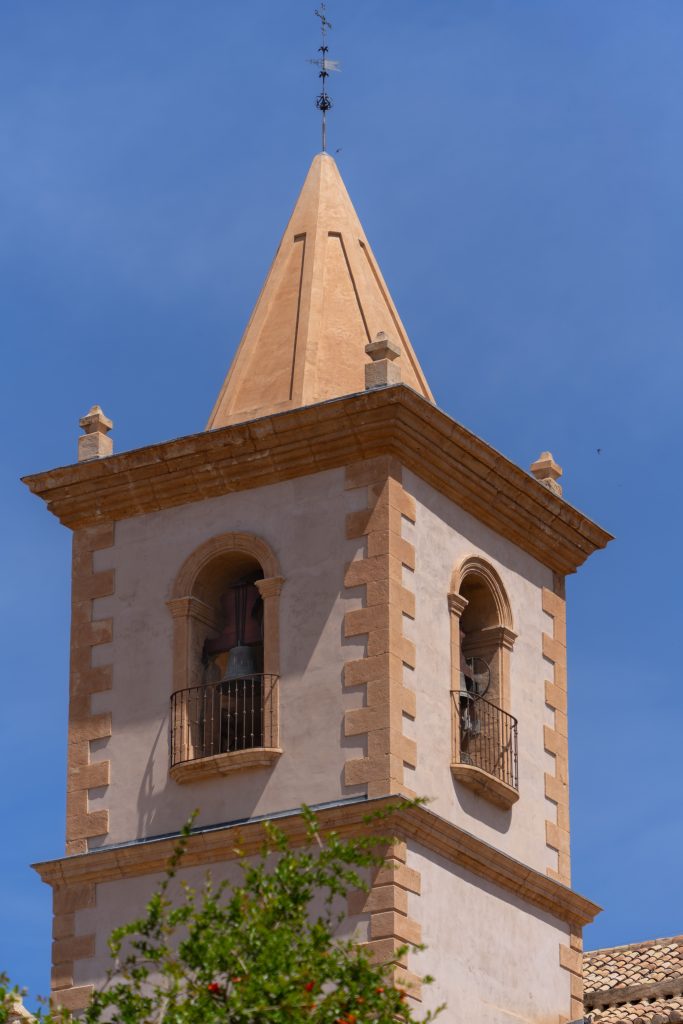
Spain: manual bell ringing

Emilio Sánchez Hernández ; Pexels

Before the advent of electric motors, every bell tower had its own unique sound, and every bell ringer had their own distinct vocabulary. In Spain, the manual ringing of bells is still considered a language in its own right. Bell-ringers rotate, swing or strike the bells according to precise codes that announce services, festivals, storms or periods of mourning. The rhythm, order and peals of the bells compose messages that entire villages once knew how to decipher. This practice, which was passed down through oral tradition and gestures, nearly disappeared with the automation of bell towers in the 20^(th) century. However, associations of bell-ringers are reviving the tradition by training new volunteers and reinstalling manual mechanisms. Manual bell-ringing is listed as part of humanity’s intangible cultural heritage and serves as a reminder that sound is also passed on. Perched high in the towers, these bell-ringers are preserving a sonic memory that electricity almost silenced.

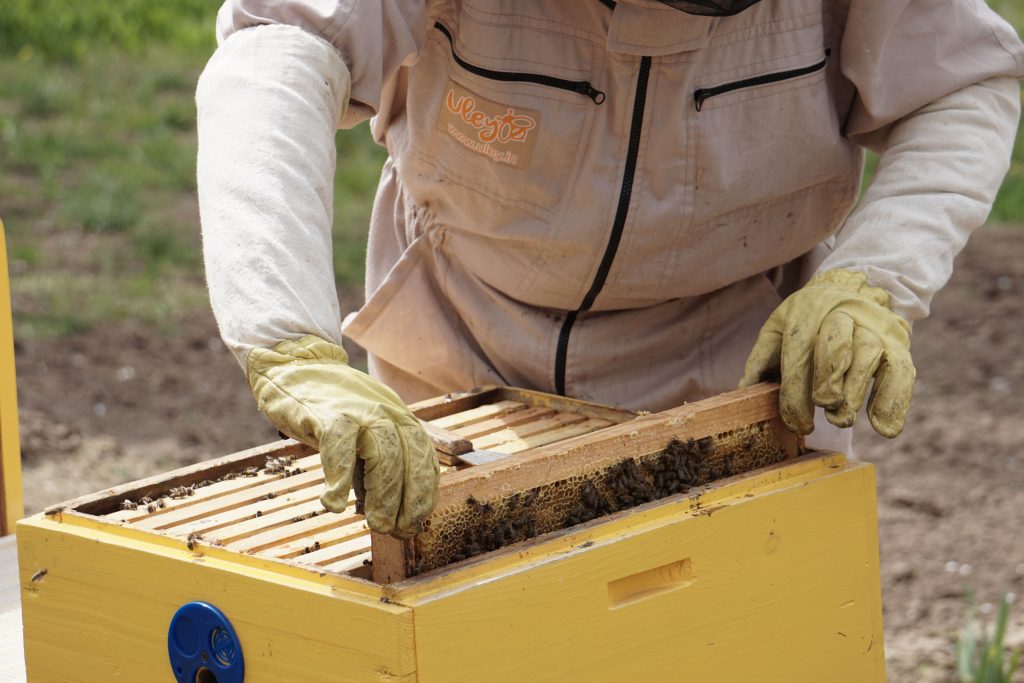
Slovenia: a nation of beekeepers

Dmytro Glazunov ; Pexels

Slovenia is one of the countries with the highest density of beekeepers in the world, and bees occupy a special place there. Slovenian beekeeping is characterised by its covered apiaries, which are like little wooden houses, and the painted panels that seal each hive. Adorned with religious, folk or humorous scenes, these panels transform every apiary into an open-air gallery. The gentle Carniolan bee, endemic to the region, has been reared here for generations using practices passed down from family to family. This beekeeping tradition shapes the landscape, cuisine, and even the rural calendar. Recognised as part of the Intangible Cultural Heritage of Humanity, beekeeping in Slovenia is not just about producing honey; it is a way of living in harmony with the land. In Slovenia, caring for bees is a source of national pride and a heritage that is carefully preserved.

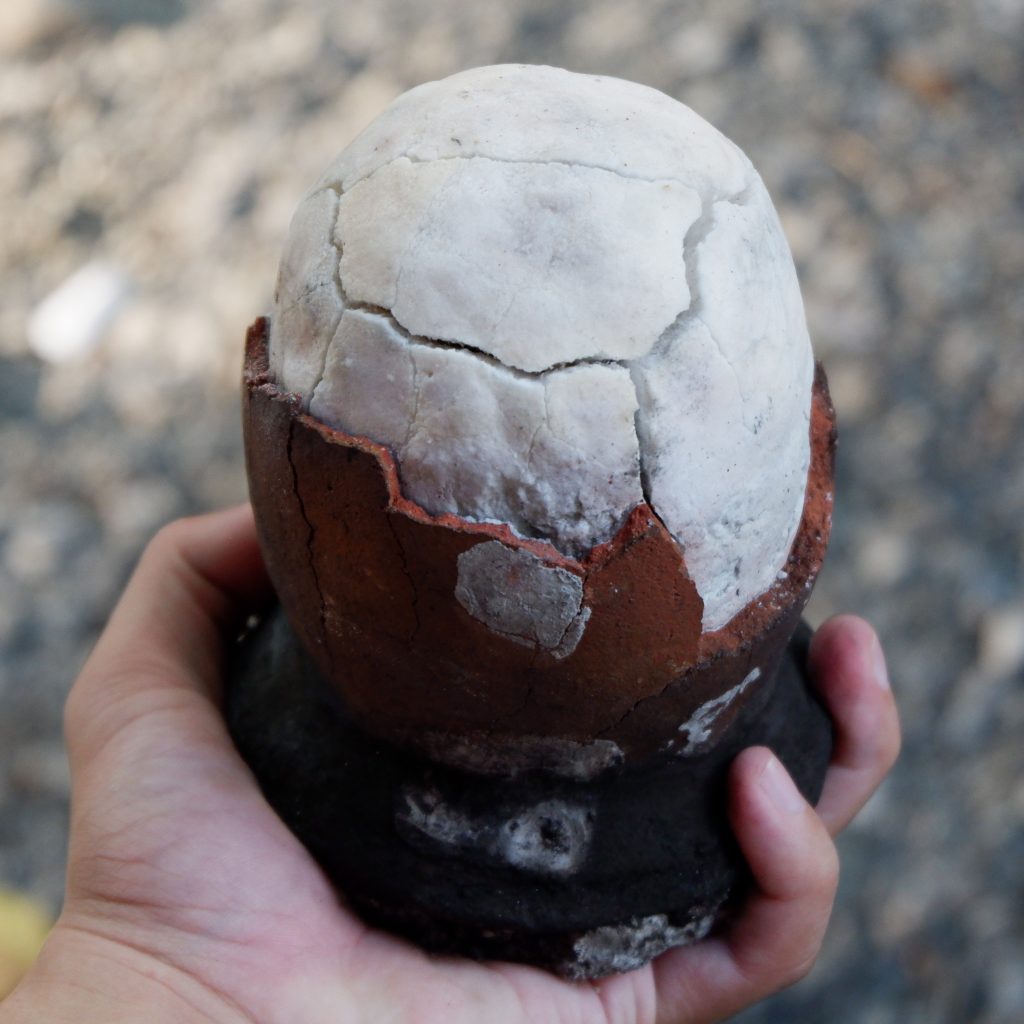
The Philippines: Asin Tibuok, the rare salt

Lokalpedia ; Wikimedia

On the island of Bohol, a few families from Alburquerque continue the tradition of producing one of the world’s rarest salts. Asin Tibuok, or ‘whole salt’, is the result of a lengthy and arduous process. First, coconut fibres are soaked in seawater for months, then burnt and reduced to ash. This salt-rich ash is rinsed with seawater to extract a brine, which is then boiled in handmade clay pots. As the mixture cools, the pot cracks open to reveal a pale egg-shaped mass of salt nestled within its brown shell. Its smoky, slightly fruity flavour fascinates chefs. In December 2025, it became the first Filipino food-making process to be listed by UNESCO on the Urgent Safeguarding List. However, this salt now depends on just a handful of master salt-makers, the mang-asinay.

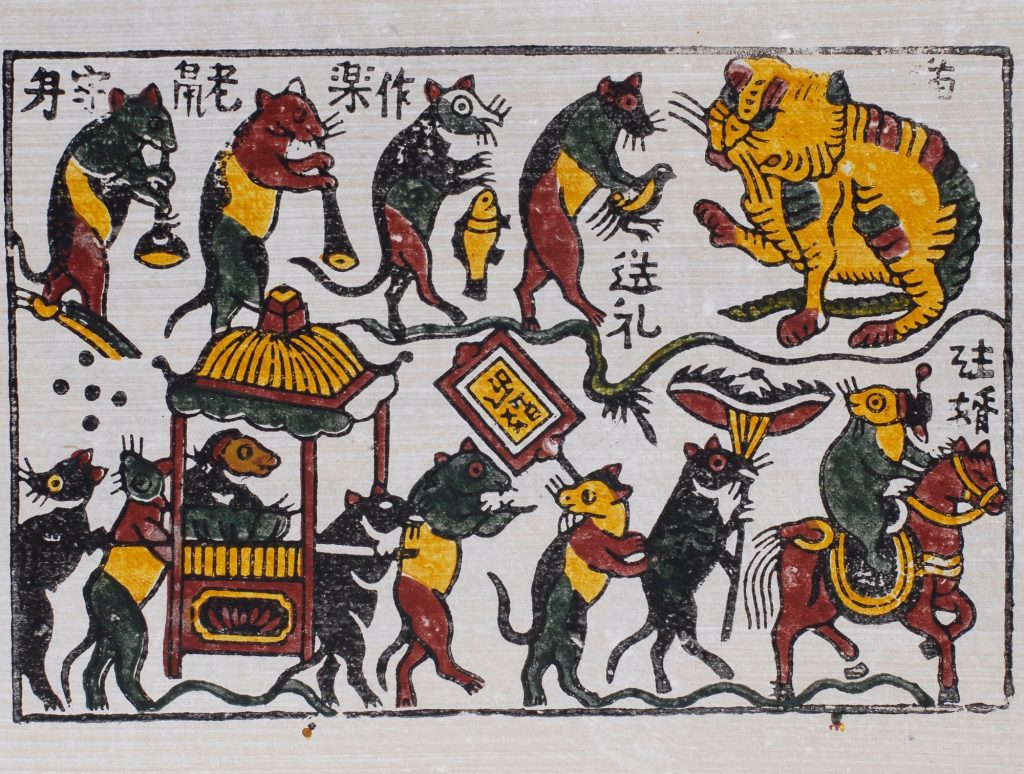
Vietnam: the folk prints of Đông Hồ

Wikimedia

In the northern village of Đông Hồ, families have been printing colourful images for five centuries. These are traditionally hung on walls during the Lunar New Year celebrations. The entire process is done by hand. First, the artisan draws the design, then carves it onto wooden blocks. Next, they prepare pigments derived from nature, such as indigo leaves, shell powder and bamboo ash. Finally, they print each colour one after the other, applying the black outline last. The paper itself, made from dó coated with mother-of-pearl, shimmers slightly in the light. Subjects depicted include everyday life, festivals, wishes for prosperity, and social satire. Today, however, only two or three households remain to carry on this craft. UNESCO’s inclusion of the craft on the List of Intangible Cultural Heritage in Need of Urgent Safeguarding in December 2025 confirms the urgency: without new engravers, five hundred years of colour risk fading.

Panama: quincha houses

Jopcu3251 ; Wikimedia

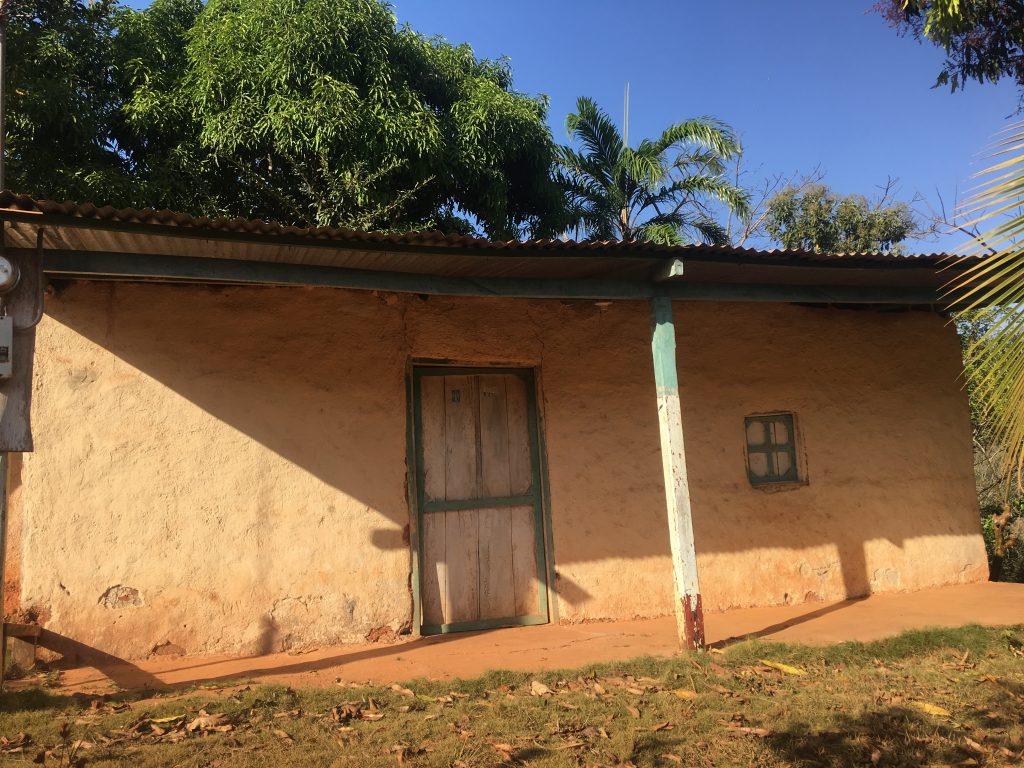
In the Panamanian countryside around Guararé, Pedasí and El Valle de Antón, some houses appear to spring from the earth. The quincha style of architecture combines wood, reeds, vines, clay and straw to create structures that remain cool in the tropical heat. Construction relies on a communal event called the junta de embarre, where neighbours and families gather to knead the clay, apply it to the walls and build them, often accompanied by music and a shared meal. This knowledge is passed down from builder to builder through the craft itself and the communal celebration. Many of these houses are over a century old. However, the master builders are ageing and materials from the forest are becoming scarce. In December 2025, the quincha was listed by UNESCO on the Urgent Safeguarding List, serving as a reminder that a roof can also be an act of community.

Paraguay: 'Ñai'u'po' black pottery

Pixinio

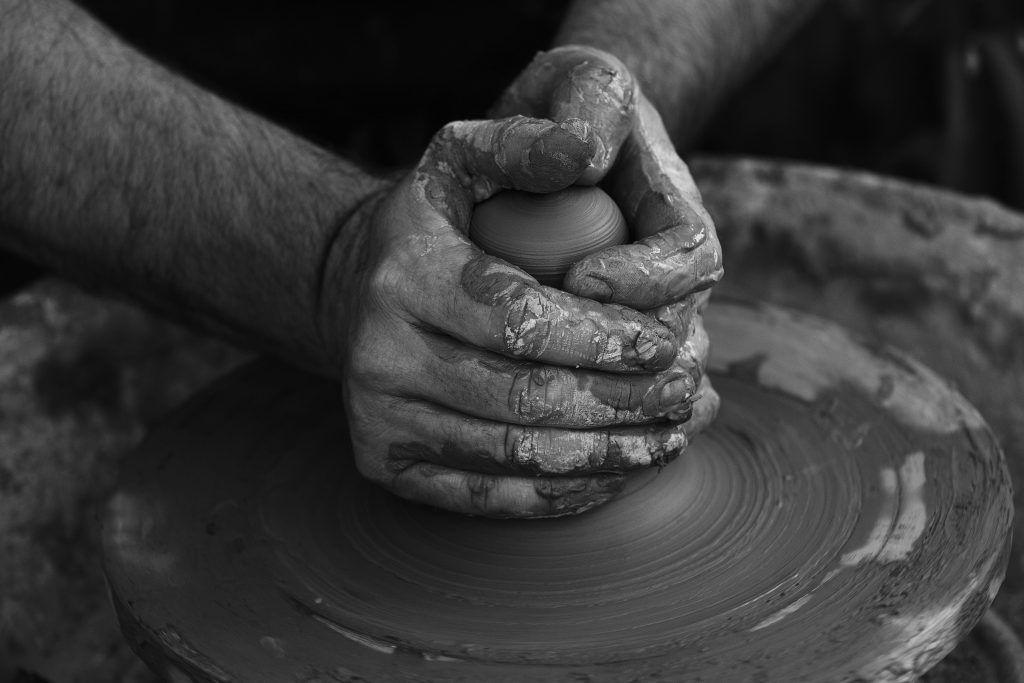
In the towns of Itá, Tobatí and Yaguarón, potters’ associations are producing deep black tableware known as ‘Ñai’ũpo’. Pots, saucepans and other utensils are shaped entirely by hand using local clays and techniques that have been passed down through generations of women. The dark colour is achieved through a careful firing process, which gives the pottery its distinctive matt finish. Beyond the objects themselves, this craft forges bonds: the workshops bring women together, give structure to village life, and embody the Guaraní identity. Inscribed by UNESCO in December 2025 on the List of Intangible Cultural Heritage in Need of Urgent Safeguarding, the craft of making Ñai’ũpo pottery is one of the first international accolades for Paraguayan craftsmanship. In the hands of these potters, humble clay becomes a collective memory, shaped and fired until it becomes almost eternal.

Portugal: the moliceiro boats of the Ria de Aveiro

Mario Modesto Mata ; Wikimedia

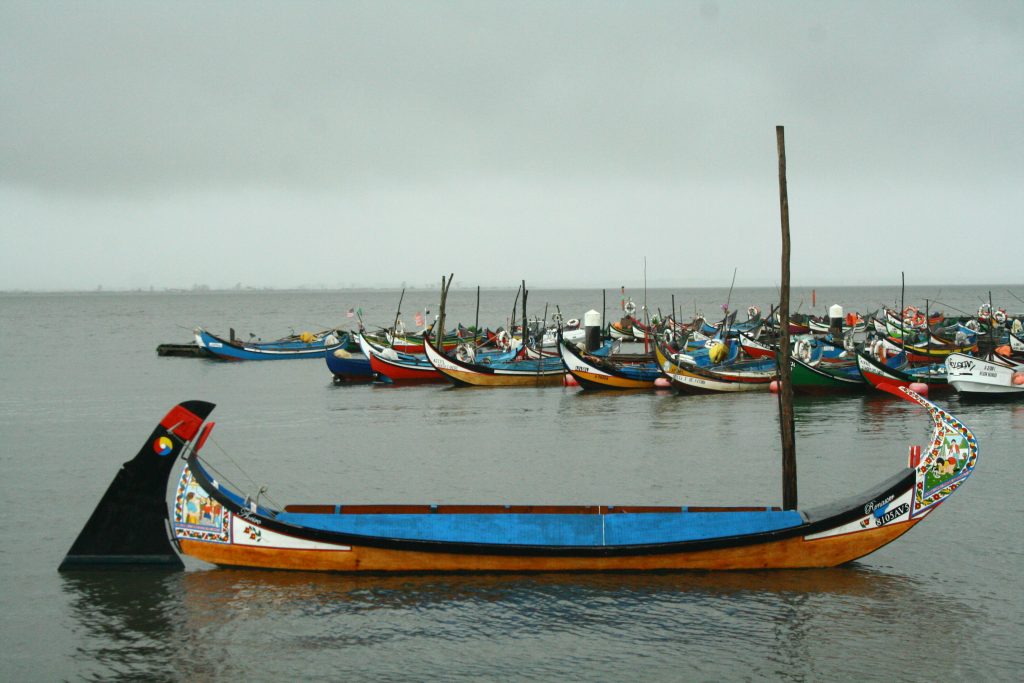
On the Ria de Aveiro lagoon in central Portugal, slender moliceiro boats with raised, painted bows glide along the water. Originally designed for harvesting moliço, a type of seaweed spread across fields, they are adorned with colourful panels depicting scenes ranging from devout to folk-inspired and mischievous. Building them requires the precise skills of a shipwright, from choosing the right timber to curving the hull and balancing a vessel designed for shallow waters. The painters, for their part, carry on a tradition of images and mottos that transform each boat into a floating billboard. However, seaweed harvesting has all but disappeared, along with the moliceiros’ original purpose. In December 2025, UNESCO listed these boats on the Urgent Safeguarding List, and today they survive thanks to tourism and the pride of a handful of shipwrights and painters.

Cuba: the masters of light rum

Aleaimage ; iStock

In Cuba, the expertise of the light rum masters centres on one key figure: the maestro ronero. This expert oversees every stage of the production process, from selecting the spirits to blending the casks, and remembers the characteristics of hundreds of barrels. Cuban light rum, which is finer and drier than its counterparts, emerged in the 19th century as a result of a desire for elegance. Its production involves fermentation, distillation, ageing in oak casks and blending – techniques that have been passed down through the guild system from master to apprentice. Each maestro trains their successor for as long as fifteen years, passing on their expertise. This expertise is listed as part of the Intangible Cultural Heritage of Humanity and exemplifies a tradition deeply rooted in the island’s identity. Behind every glass is an irreplaceable human chain forged through time and patience.

Japan: silkworm rearing and silk fabrics

Emlach ; Wikimedia

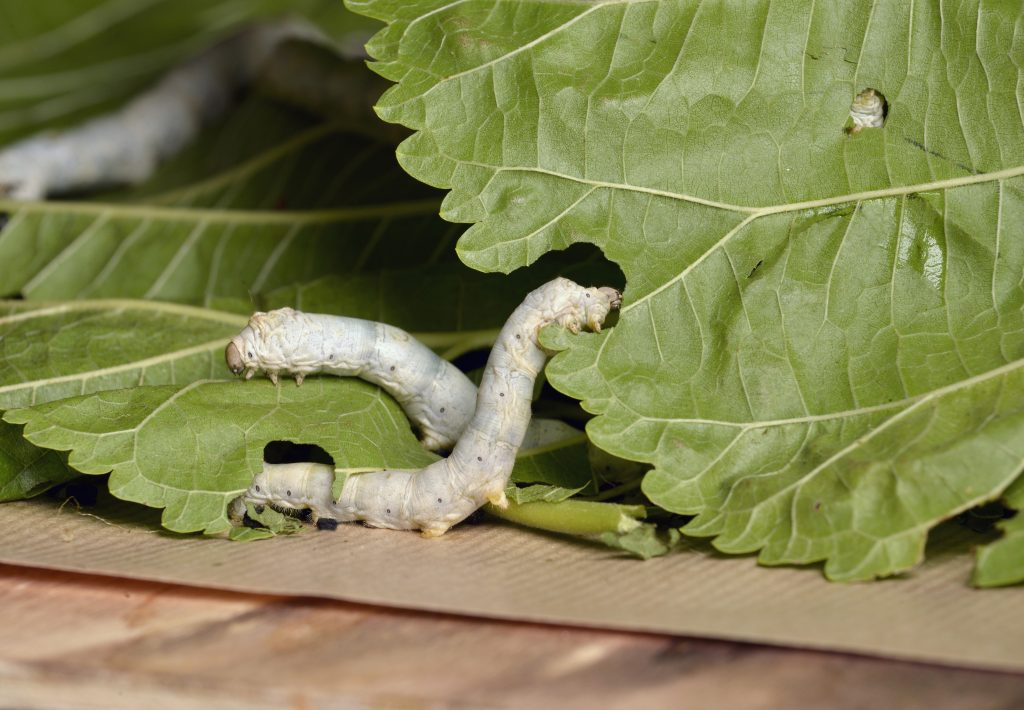
Japanese silk production relies on a long chain of highly specialised skills, from silkworm rearing to the final weaving. It all begins with the mulberry tree, whose leaves feed the silkworms. Next comes the process of reeling the cocoons into extremely fine threads. Next come dyeing and weaving, which are sometimes carried out thread by thread, to produce fabrics that are in demand all over the world. In Japan, certain productions, such as Yūki tsumugi silk, preserve traditional manual techniques carried out at a deliberate, unhurried pace, from hand-spinning to weaving on a traditional loom. This tradition, which is found throughout Asia, is becoming increasingly fragile as silkworm farmers grow older and the industry becomes more mechanised. Several of these traditions are featured on the UNESCO List of Intangible Cultural Heritage of Humanity. Behind every piece of fabric is a process involving many hands, from the mulberry garden to the final stroke of the shuttle.

Transmission: the common thread running through all these practices

A single truth links these ten crafts, from one continent to another: none can survive without being passed on. They all rely on a small number of practitioners, who are often elderly and patiently train a new generation that is sometimes small in number. UNESCO listings, particularly the New Delhi session in December 2025, raise the profile of these trades and mobilise resources. However, true preservation takes place elsewhere, in workshops, bell towers and apiaries, where an elder still guides a young apprentice. Rediscovering these techniques, supporting them and sharing their stories is a way of keeping them alive. After all, a craft lives on as long as a new generation is willing to learn. Its future is decided there, far more than in any awards.

Continue exploring

Lasting forever: nine objects that have become legends
Ten hidden gems showcasing an intimate, artisanal and deeply elegant Scotland
Plant-based cuisine to awaken the senses: a host of chefs to follow
Temples of gastronomy where the senses are awakened!
Revealing beauty through upcycling and the kintsugi of objects
New heritage craftsmen transform salvaged materials into creations

Février, 2026

Édition 3 : Patrimoine et création

Créer avec l’existant, penser avec l’histoire

De l’architecture au design, cette édition explore comment lieux, savoir-faire et matières héritées deviennent terrains de création actuelle.

Janvier, 2026

Édition 2 : Quiet luxury

Le luxe se réinvente.

Finis les logos clignotants, place à une sobriété raffinée, à l’immersion personnelle, à l’excellence artisanale, à la durabilité sensible.

Décembre, 2025

Édition 1 : Le sens de la fête

Héritages, gestes contemporains et plaisirs essentiels

Parce que la fête n’est jamais qu’apparence : elle reflète notre manière d’habiter le monde, de transmettre, de fabriquer des souvenirs durables.

ÉDITION #3

Révéler la beauté

Upcycling et kintsugi transforment l’objet contemporain, faisant de la trace, de la réparation et de la matière un langage esthétique.

ÉDITION #3

Les nouveaux artisans du patrimoine

Artisans et designers donnent une seconde vie aux matériaux anciens, entre création contemporaine, patrimoine et réemploi.

ÉDITION #3

L'art à la rescousse des friches et lieux oubliés

Bunkers, wagons et kiosques renaissent grâce à la création, révélant comment l’art redonne sens aux lieux délaissés.

ÉDITION #2

Le murmure du beau

Un regard transversal sur le quiet luxury à travers des lieux, des objets et des figures qui expriment l’élégance.

ÉDITION #1

Lieux, maisons et matières en éclats

Une sélection de marques, architectures, objets et escapades qui donnent corps au sens de la fête.

ÉDITION #3

La création au secours des bâtiments promis à l’oubli

Usines et gares délaissées deviennent lieux culturels ouverts, où mémoire industrielle et usages contemporains redessinent la ville.

ÉDITION #3

Hôtel Normandy Le Chantier

L’audacieuse métamorphose d’un palace parisien

ÉDITION #3

Dans les coulisses du Centre d'Études Picasso à Paris

Au cœur du Marais, un lieu discret révèle comment archives, architecture et recherche font dialoguer l’œuvre de Picasso.

ÉDITION #2

Shopping iconique dans un décor Tudor

Une expérience shopping unique dans un magasin emblématique.

ÉDITION #2

Gastronomie et architecture

Voyage culinaire et architectural au cœur de la Seine

ÉDITION #2

L'art de l'hospitalité parisienne

Dans le 9e arrondissement, un établissement qui invite au quiet luxury

ÉDITION #1

Chante!

Chante! vient d’ouvrir ses portes. Une invitation à vibrer !

ÉDITION #3

La boîte aux lettres française devenue objet de design

Icône du paysage français, la boîte jaune change de statut et s’invite dans l’univers du design.

ÉDITION #3

Retour sur Maison&Objet 2026 : retour aux sources et à l’essentiel

L’édition 2026 affirme une vision où artisanat, design et mémoire façonnent l’habitat contemporain, international actuel.

ÉDITION #3

Art Deco: un mouvement centenaire, plus actuel que jamais

Cent ans après 1925, l’Art déco revient dans nos villes et intérieurs avec géométrie, audace, optimisme.

ÉDITION #3

Royal Limoges, deux siècles d’histoire au présent

Depuis plus de deux cents ans, Royal Limoges conjugue porcelaine, savoir-faire industriel et création contemporaine.

ÉDITION #3

Du terrain à la rue et au catwalk : les sneakers à travers les époques

Des terrains de sport aux podiums, la sneaker raconte un siècle de mutations culturelles, techniques et stylistiques.

ÉDITION #2

La formidable aventure du papier peint de luxe

Design, mode, artisanat : des créations où la forme et la matière se répondent avec justesse, loin de tout effet de mode.

ÉDITION #1

Icônes, détails, rituels

Décorations artisanales, calendriers ultra-luxe et pièces de collection pour s’enivrer de joie avant l’heure.

ÉDITION #3

Anton Laborde

Entre marqueterie monumentale et jungle symbolique, Anton Laborde transforme le bois en récit contemporain poétique engagé.

ÉDITION #3

Thierry Laudren

À Maison & Objet, Thierry Laudren présente des meubles sculptés où fonction, matière et lenteur façonnent une présence.

ÉDITION #3

Jean Nouvel

Jean Nouvel conçoit une architecture attentive aux contextes, où lumière, histoire et usages façonnent chaque projet.

ÉDITION #3

Sophie Morel

À Lyon, Sophie Morel rénove des lieux historiques en alliant respect du bâti et écriture contemporaine.

ÉDITION #3

Pascal Grasso

Au Centre d’Études Picasso, l’architecte compose une architecture où lumière, géométrie et héritage dialoguent avec précision.

ÉDITION #2

Alexandre Danan

Entretien avec le fondateur d’EDO (European Design Office)

ÉDITION #2

Aziz Temimi

Portrait d’un visionnaire qui transforme l’art de recevoir en expérience totale.

ÉDITION #1

Visages, gestes, inspirations

Personnalités, artisans et créateurs qui donnent à la fête sa profondeur humaine.

ÉDITION #3

Chemins de traverse : parenthèse d’exception en Bordelais

De Bordeaux au Bassin, art, vignobles et bien-être composent une échappée élégante au cœur de la Gironde.

ÉDITION #2

Voyage en Toscane

Vers une région de l’Italie habitée par le temps, où paysages, culture et usages s’accordent dans une continuité rare.

ÉDITION #1

Horizons, saisons, traditions

Destinations et rituels qui réinventent la fête, du soleil tropical aux marchés d’hiver.

Dates, adresses, invitations

Expositions, événements et repères culturels pour vivre pleinement la saison des fêtes.