In northern India, there is a high-altitude landscape where time seems to stretch out. In the valleys of Ladakh, the foothills of Kumaon and on the banks of the Ganges in Rishikesh, travelling becomes a matter of slowness, ancient rituals and profound silence. Far from the hustle and bustle of popular tourist destinations, a handful of guesthouses and retreats welcome those seeking more than just a backdrop. An escape to the heights from which one returns transformed.
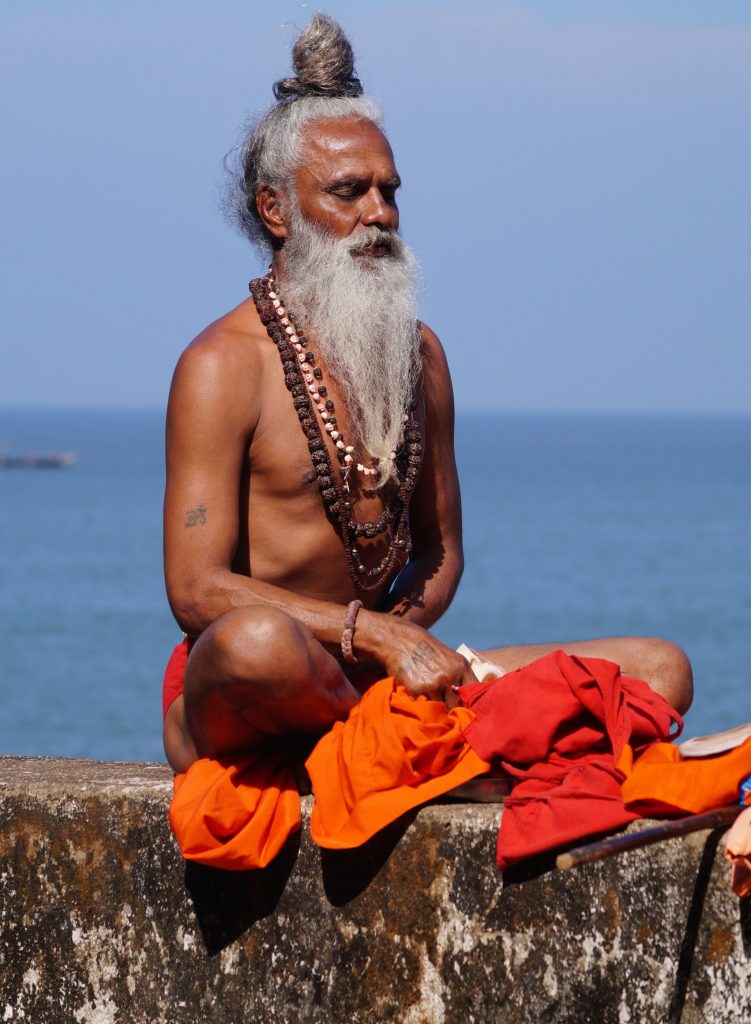
Husain Aziz, Unsplash
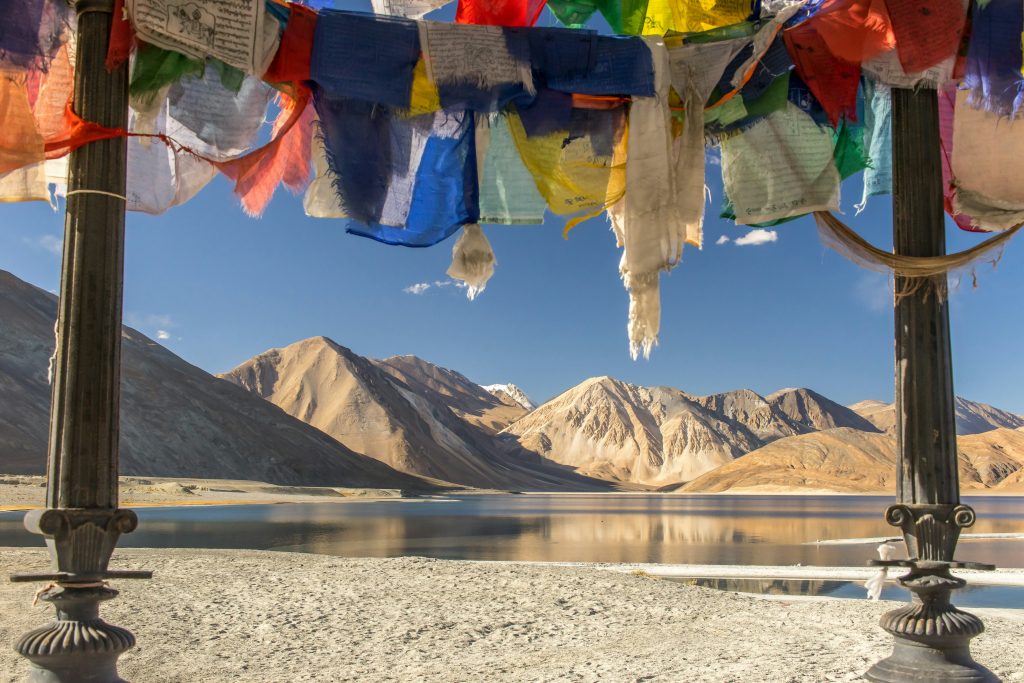
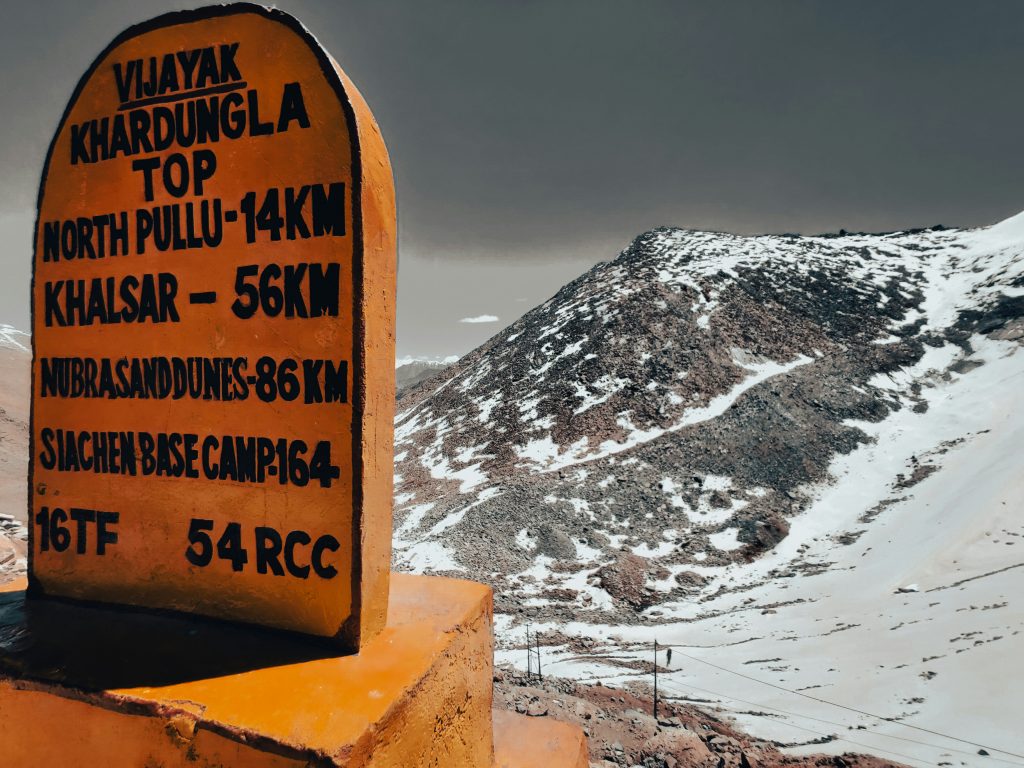
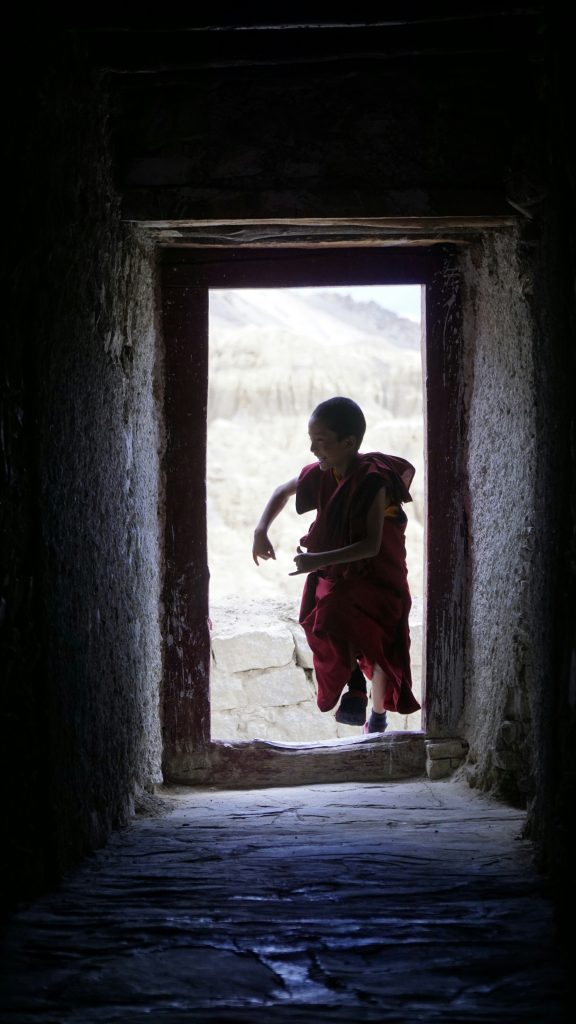
The journey begins with an ascent. From Delhi, a flight takes you to Leh, which is over three thousand five hundred metres above sea level. The air grows thin, your breath becomes short and your body demands two days’ rest before you can exert yourself again. This enforced slowness is your first lesson: in Ladakh, also known as ‘Little Tibet’, you learn to let your body take the lead. Around Leh, the Indus Valley boasts perched monasteries. Thiksey’s white terraces climb the hillside, and Hemis preserves frescoes dating back several centuries in its half-light. The surrounding villages follow the rhythm of the barley harvest and prayer. In the morning, before daybreak, the monks’ drums and long horns ring out. You listen, even if you don’t always understand. Yet something sinks in. The mountain sets the tempo, and you go along with it.
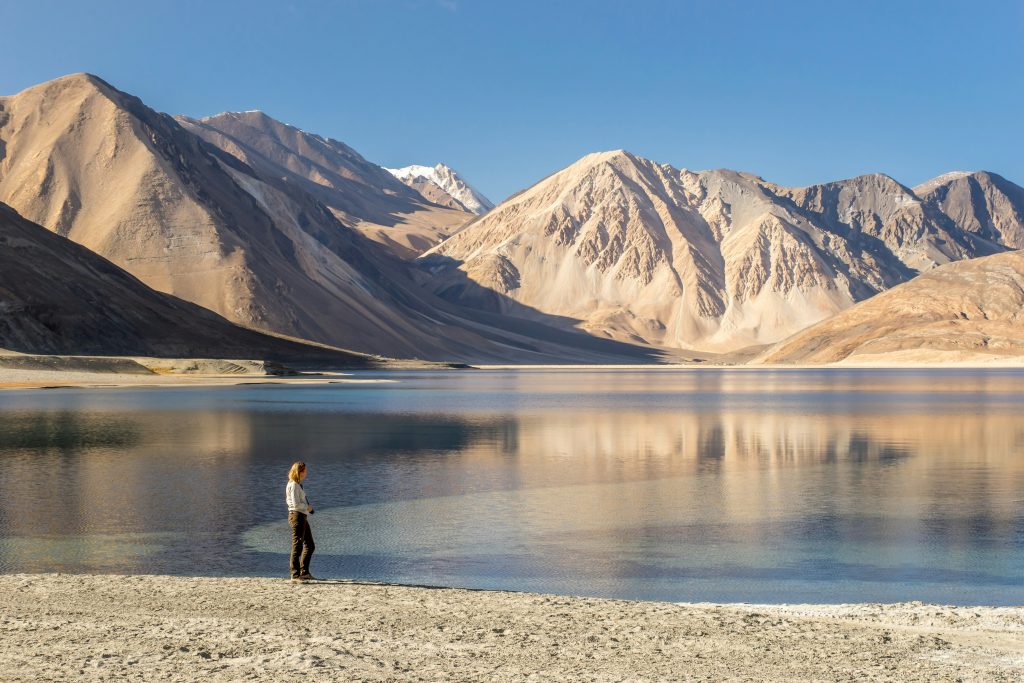
Joshi Milestoner ; Unsplash
To truly experience life at these altitudes, it’s best to settle in. Shakti Himalaya, a tour operator, has restored old stone and timber houses with mud-brick walls in several villages across Ladakh and Kumaon. You have exclusive use of your own space, complete with poplar beams, brightly coloured fabrics, and a few Buddhist artefacts. The days unfold at the pace of the village trails. This concept originated in Kumaon in 2004 and involves setting off on foot from one hamlet to the next, accompanied by porters and local guides. You’ll wander through apricot orchards, greet farmwives in their fields and share a cup of salty butter tea. A private chef will prepare dishes using the valley’s produce. As evening falls, a profound silence descends and the sky is studded with strikingly clear stars. Here, luxury lies in this sense of complete presence.
Hans Jurgen Mager ; Unsplash
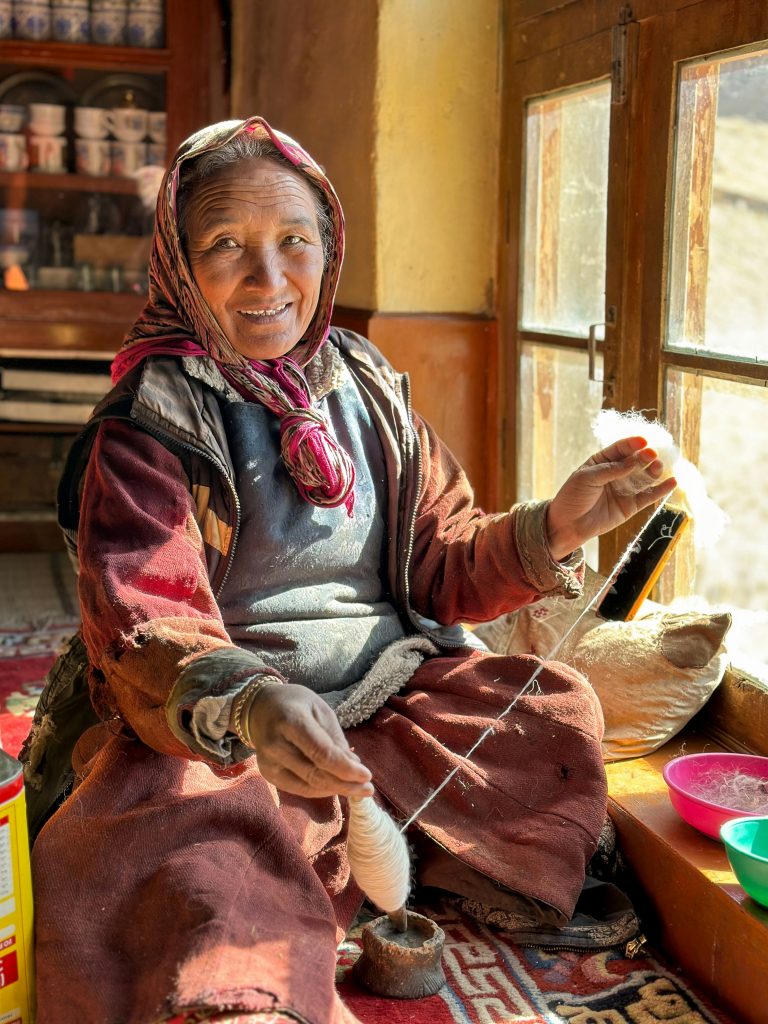
This mountain is also in the hands of those who shape it. In Chilling, a village of artisans nestled on the banks of the Zanskar River, families have been working with copper and silver for generations, continuing the legacy of the silversmiths who came from Nepal in the past. Higher up, spinners card the wool of pashmina goats – the most precious material of all – while weavers set up their looms right on the ground. This devotion to craftsmanship is reflected in the architecture. In Kasar Devi, above Almora, the Kumaon Hotel was built using locally quarried stone, bamboo, pine, and copper by inhabitants of neighbouring villages. Everything, from the blankets to the light fittings and furniture, comes from local workshops. Overlooking Nanda Devi, India’s second-highest peak, the hotel proves that contemporary beauty can emerge from craftsmanship deeply rooted in local heritage.

Kiran Anklekar ; Unsplash
Further south, where the Himalayas give way to wooded hills, the Ganges flows towards Rishikesh, the cradle of yoga. Perched on the heights of Narendra Nagar, in the former palace of the Maharaja of Tehri Garhwal, the Ananda in the Himalayas retreat has been welcoming guests seeking to slow down for over twenty-five years. Your stay begins with a consultation, during which an Ayurvedic doctor will assess your constitution and design a bespoke programme for you. Massages with warm oils, yoga sessions at dawn, talks on Vedanta philosophy and vegetarian cuisine sourced from the vegetable garden all help to create a gentle rhythm of discipline each day. Meanwhile, down below, the bells of Rishikesh call for the evening ceremony, when hundreds of floating lamps drift down the sacred river. You leave feeling lighter, with the sense of having rested something deeper than just the body.
Hans Jurgen Mager ; Unsplash
The true gift of these heights is felt on the return journey. After days governed by breath, walking and the prayers of others, your relationship with time has shifted. The hours, which elsewhere seem so hurried, have regained their depth. You have relearned how to watch a valley slowly reveal itself, how to listen to profound silence and how to savour a frugal meal for what it truly offers. This escape to the Indian Himalayas leaves a lasting impression. It reminds us that true luxury lies in the simple things: a mud-brick roof, hand-spun wool, a shared cup of tea and a mountain that takes its time. As you make your way back down to the plains, you carry this light yet precious baggage with you, along with the quiet certainty that beauty is cultivated in slowness, far from the hustle and bustle.
Février, 2026
Créer avec l’existant, penser avec l’histoire
De l’architecture au design, cette édition explore comment lieux, savoir-faire et matières héritées deviennent terrains de création actuelle.
Janvier, 2026
Le luxe se réinvente.
Finis les logos clignotants, place à une sobriété raffinée, à l’immersion personnelle, à l’excellence artisanale, à la durabilité sensible.
Décembre, 2025
Héritages, gestes contemporains et plaisirs essentiels
Parce que la fête n’est jamais qu’apparence : elle reflète notre manière d’habiter le monde, de transmettre, de fabriquer des souvenirs durables.
ÉDITION #3
Upcycling et kintsugi transforment l’objet contemporain, faisant de la trace, de la réparation et de la matière un langage esthétique.
ÉDITION #3
Artisans et designers donnent une seconde vie aux matériaux anciens, entre création contemporaine, patrimoine et réemploi.
ÉDITION #3
Bunkers, wagons et kiosques renaissent grâce à la création, révélant comment l’art redonne sens aux lieux délaissés.
ÉDITION #2
Un regard transversal sur le quiet luxury à travers des lieux, des objets et des figures qui expriment l’élégance.
ÉDITION #1
Une sélection de marques, architectures, objets et escapades qui donnent corps au sens de la fête.
ÉDITION #3
Usines et gares délaissées deviennent lieux culturels ouverts, où mémoire industrielle et usages contemporains redessinent la ville.
ÉDITION #3
L’audacieuse métamorphose d’un palace parisien
ÉDITION #3
Au cœur du Marais, un lieu discret révèle comment archives, architecture et recherche font dialoguer l’œuvre de Picasso.
ÉDITION #2
Une expérience shopping unique dans un magasin emblématique.
ÉDITION #2
Voyage culinaire et architectural au cœur de la Seine
ÉDITION #2
Dans le 9e arrondissement, un établissement qui invite au quiet luxury
ÉDITION #1
Chante! vient d’ouvrir ses portes. Une invitation à vibrer !
ÉDITION #3
Icône du paysage français, la boîte jaune change de statut et s’invite dans l’univers du design.
ÉDITION #3
L’édition 2026 affirme une vision où artisanat, design et mémoire façonnent l’habitat contemporain, international actuel.
ÉDITION #3
Cent ans après 1925, l’Art déco revient dans nos villes et intérieurs avec géométrie, audace, optimisme.
ÉDITION #3
Depuis plus de deux cents ans, Royal Limoges conjugue porcelaine, savoir-faire industriel et création contemporaine.
ÉDITION #3
Des terrains de sport aux podiums, la sneaker raconte un siècle de mutations culturelles, techniques et stylistiques.
ÉDITION #2
Design, mode, artisanat : des créations où la forme et la matière se répondent avec justesse, loin de tout effet de mode.
ÉDITION #1
Décorations artisanales, calendriers ultra-luxe et pièces de collection pour s’enivrer de joie avant l’heure.
ÉDITION #3
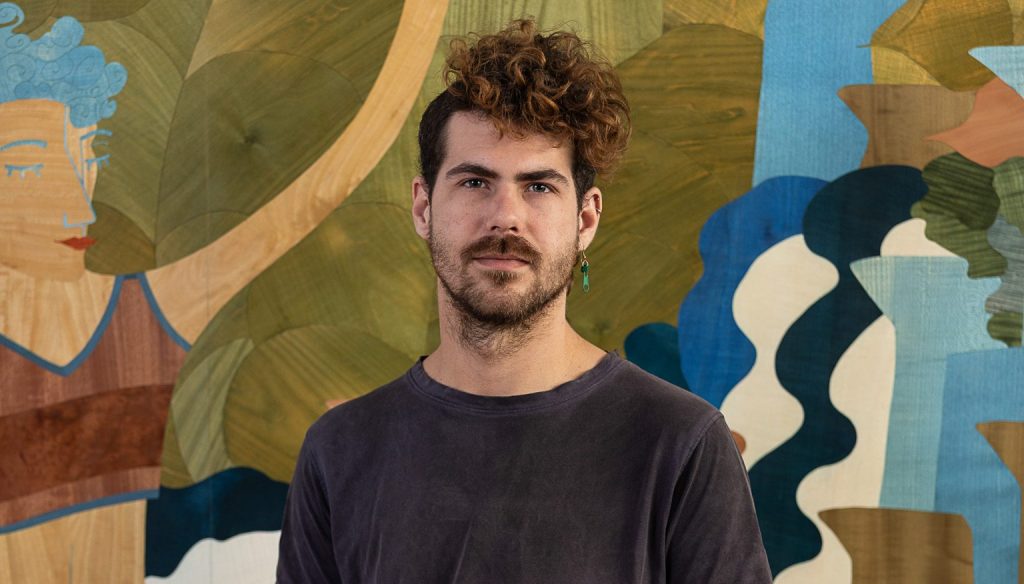
Entre marqueterie monumentale et jungle symbolique, Anton Laborde transforme le bois en récit contemporain poétique engagé.
ÉDITION #3
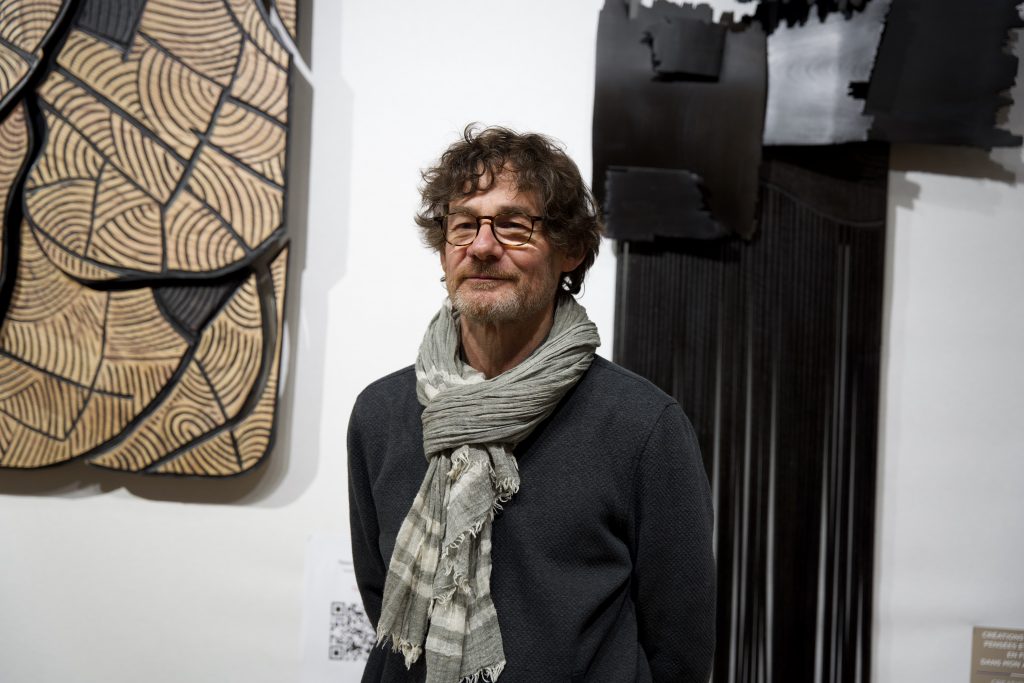
À Maison & Objet, Thierry Laudren présente des meubles sculptés où fonction, matière et lenteur façonnent une présence.
ÉDITION #3
Jean Nouvel conçoit une architecture attentive aux contextes, où lumière, histoire et usages façonnent chaque projet.
ÉDITION #3
À Lyon, Sophie Morel rénove des lieux historiques en alliant respect du bâti et écriture contemporaine.
ÉDITION #3
Au Centre d’Études Picasso, l’architecte compose une architecture où lumière, géométrie et héritage dialoguent avec précision.
ÉDITION #2
Entretien avec le fondateur d’EDO (European Design Office)
ÉDITION #2
Portrait d’un visionnaire qui transforme l’art de recevoir en expérience totale.
ÉDITION #1
Personnalités, artisans et créateurs qui donnent à la fête sa profondeur humaine.
ÉDITION #3
De Bordeaux au Bassin, art, vignobles et bien-être composent une échappée élégante au cœur de la Gironde.
ÉDITION #2
Vers une région de l’Italie habitée par le temps, où paysages, culture et usages s’accordent dans une continuité rare.
ÉDITION #1
Destinations et rituels qui réinventent la fête, du soleil tropical aux marchés d’hiver.