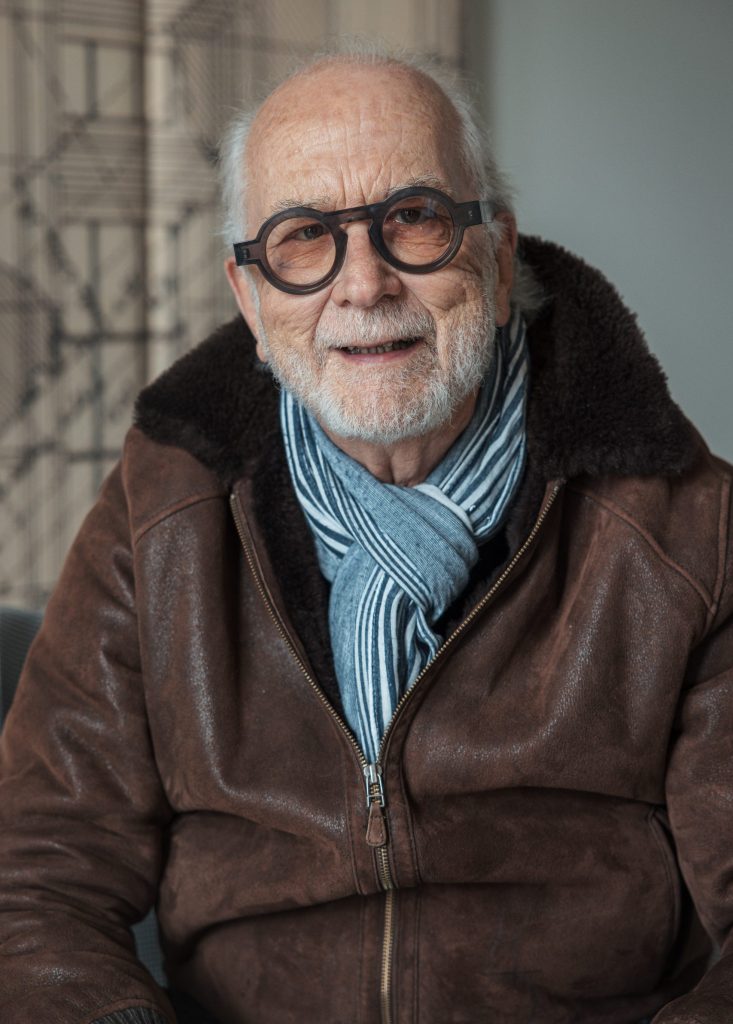
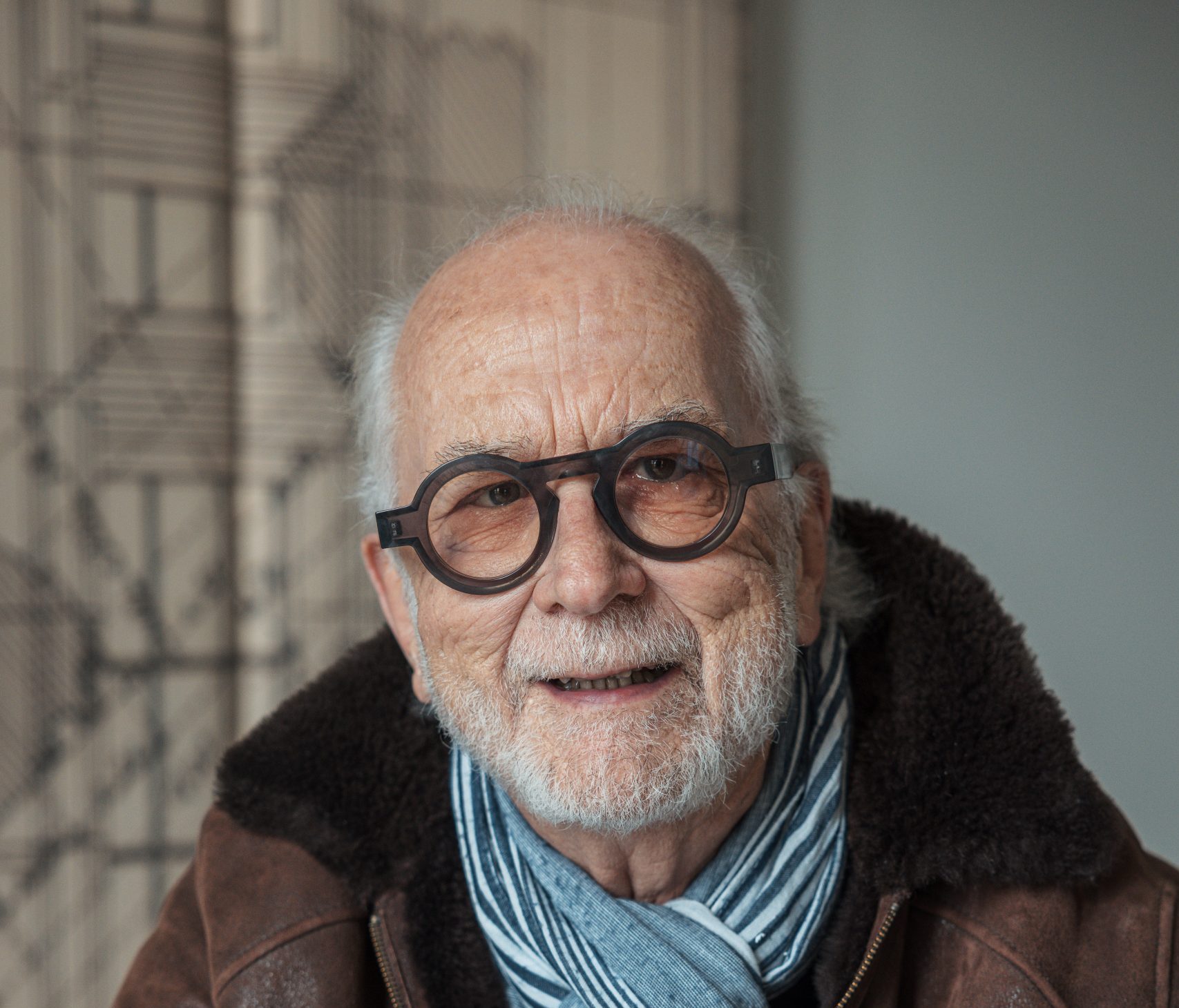
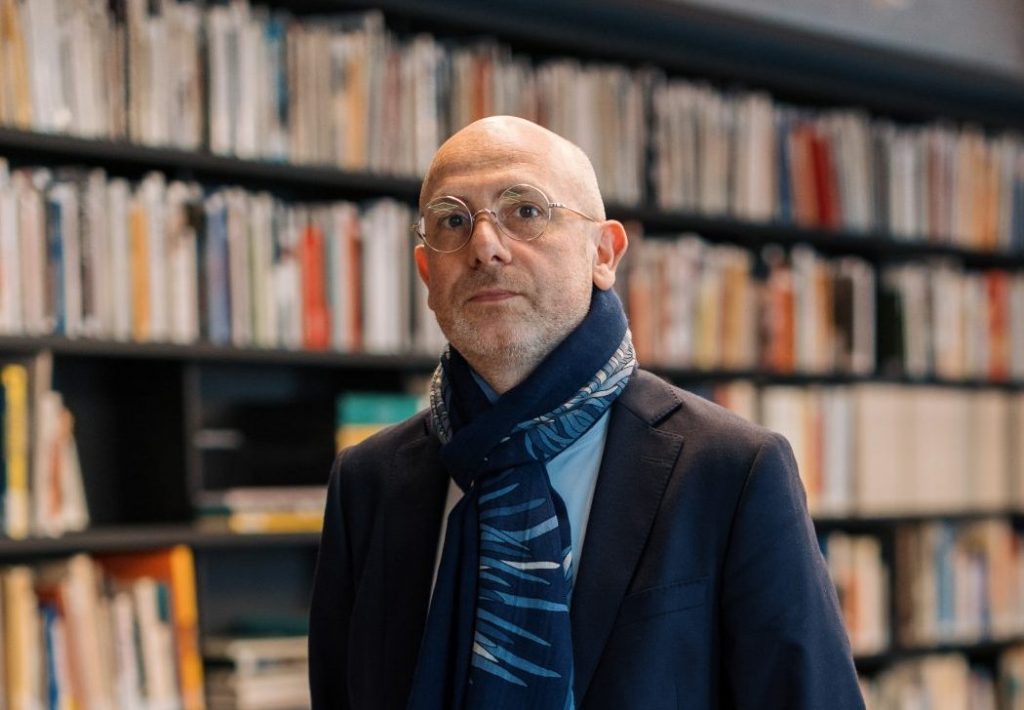
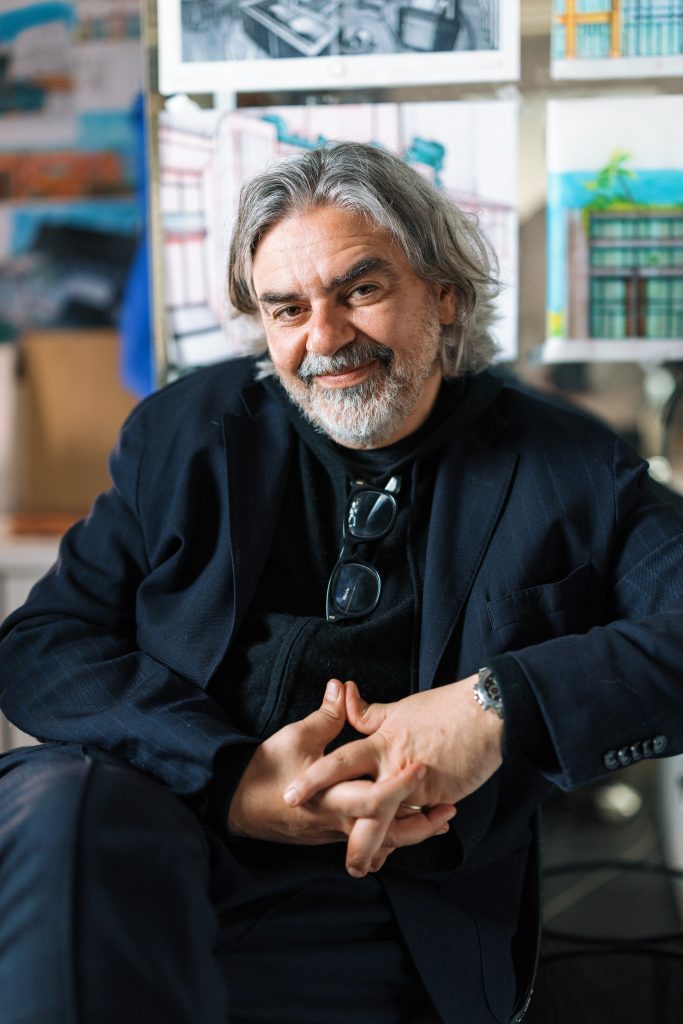
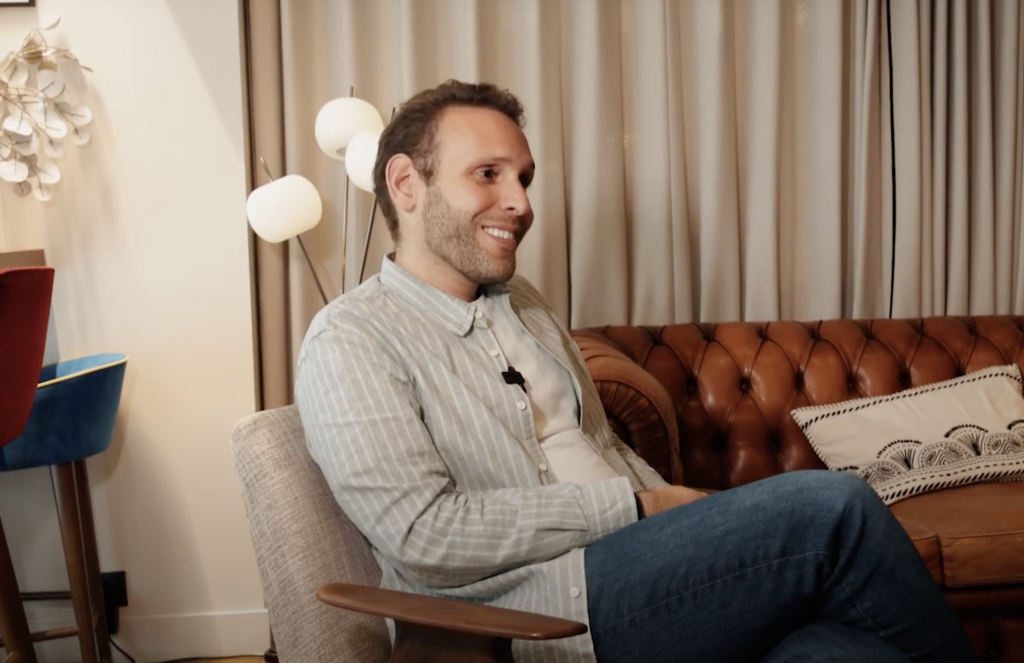
In the heart of a Parisian luxury hotel, Raymond Morel surveys his rooms with a calm gaze. He has come a long way, from the workbench of a furniture factory in the Ain region to the luxury hotels of Marrakech and Paris. A designer and interior architect, he remains faithful to the pencil and hand-drawn lines. An encounter with a creator who prefers action to appearances.
WeAreKollectors Magazine
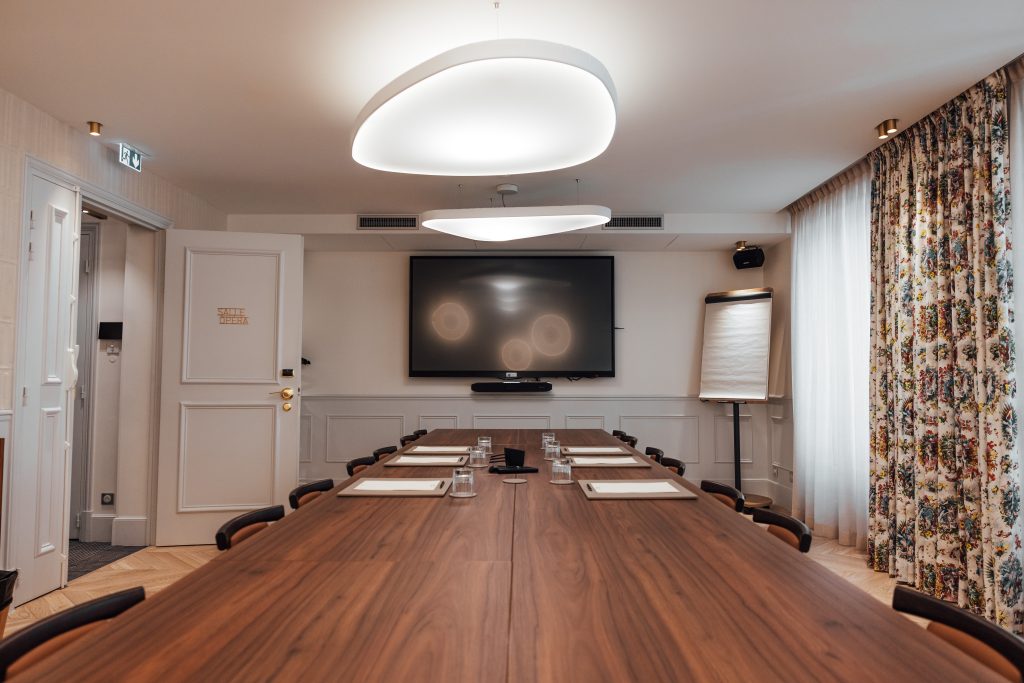
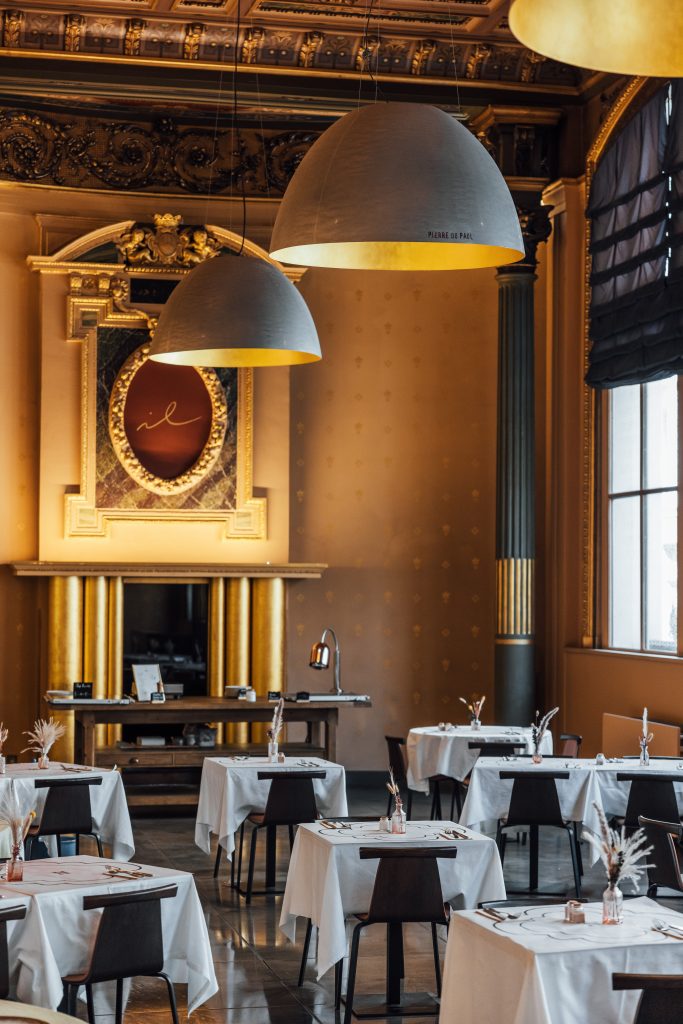
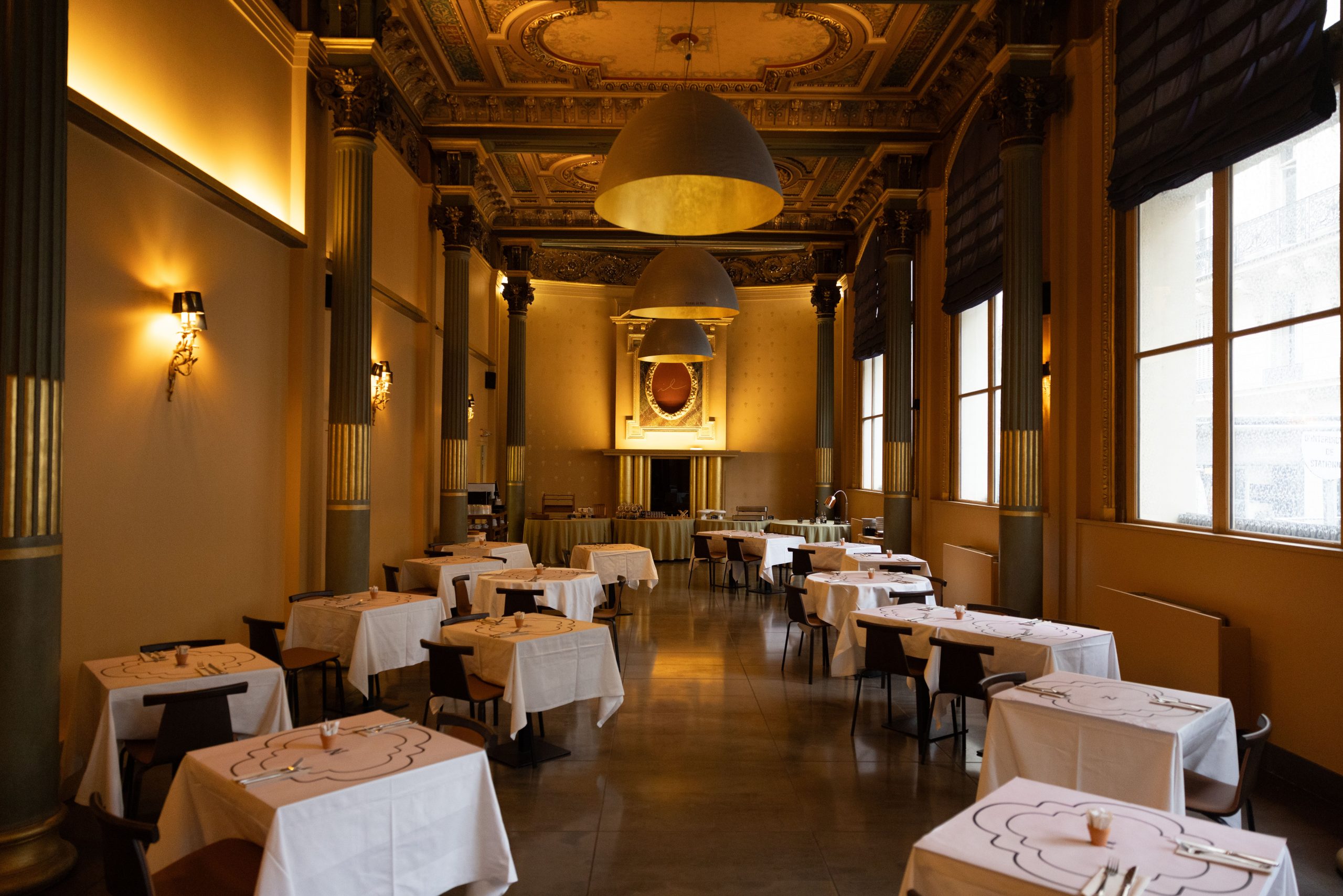
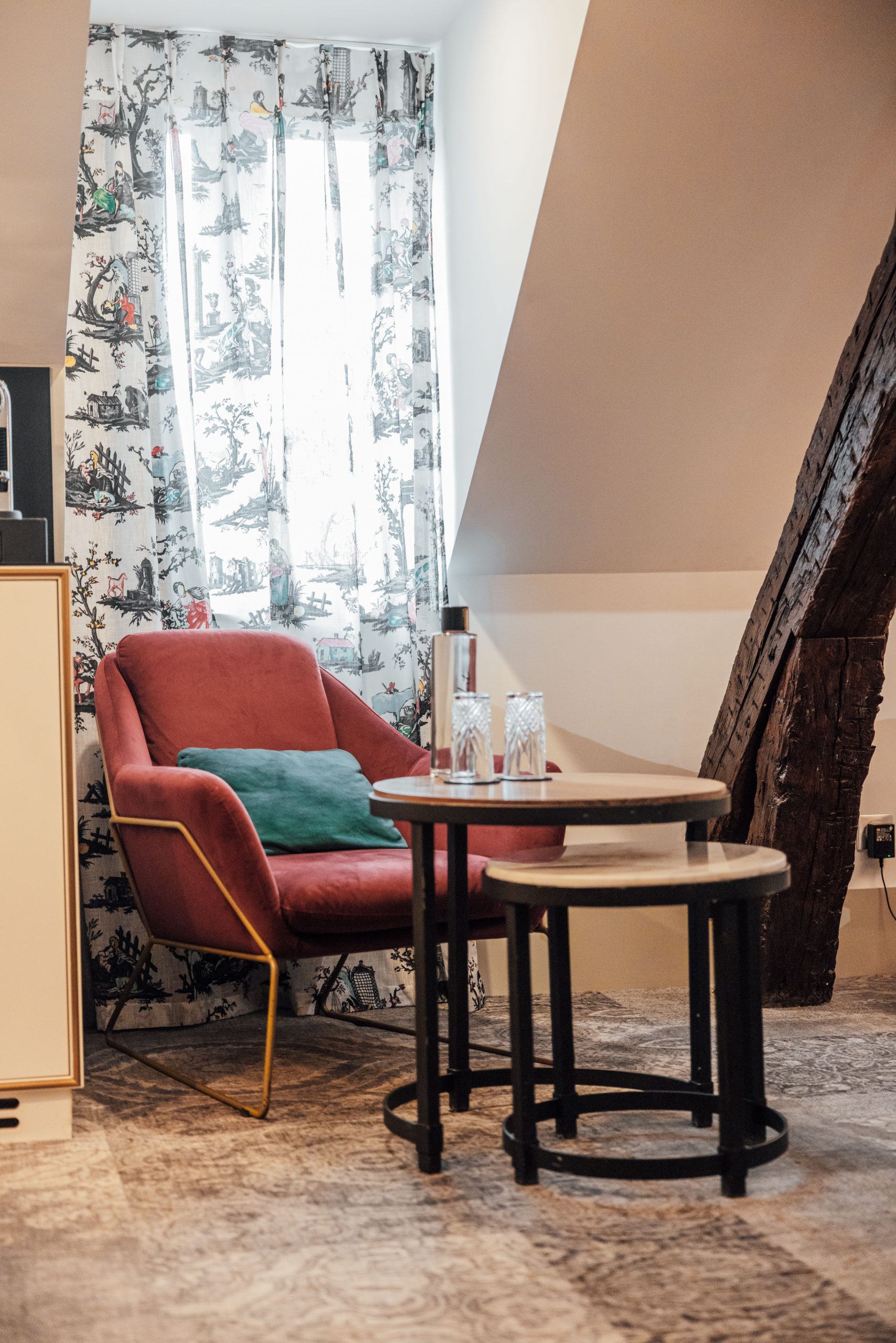
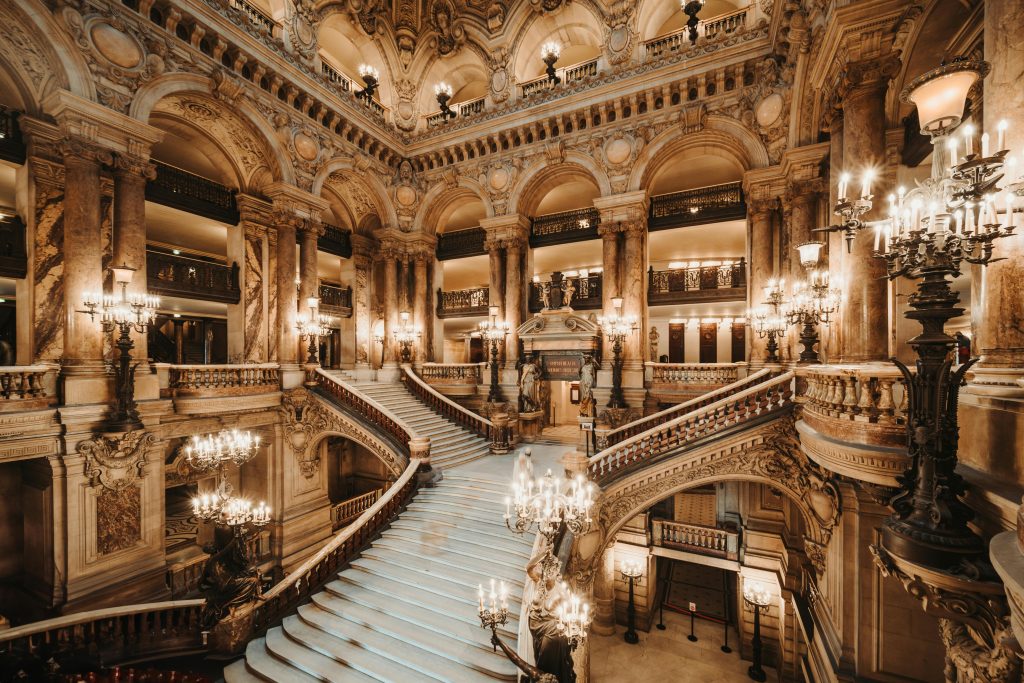
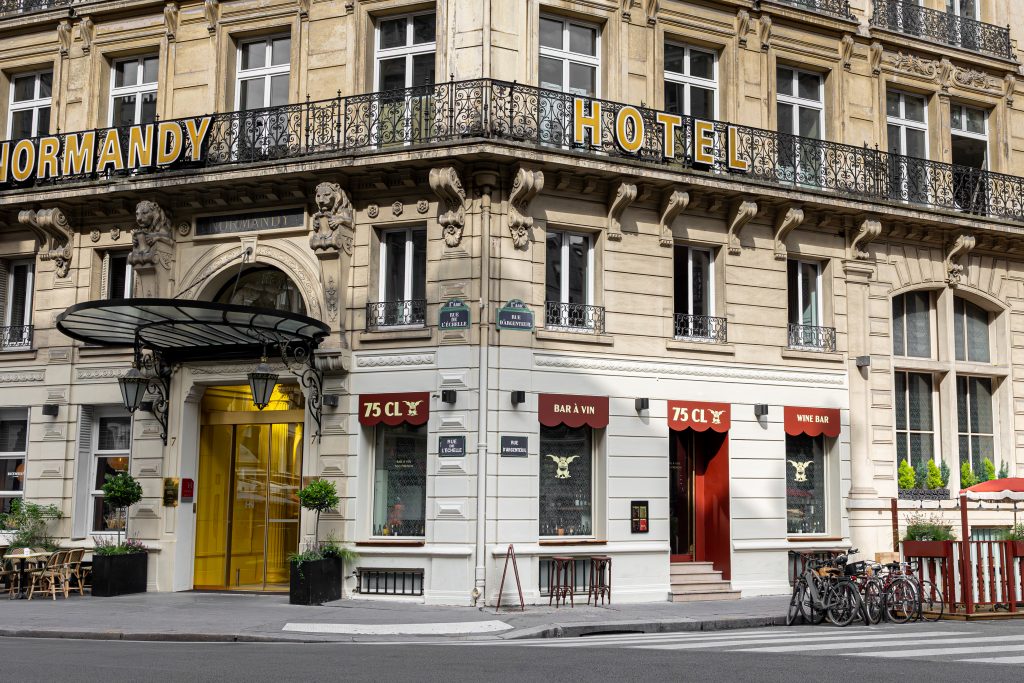
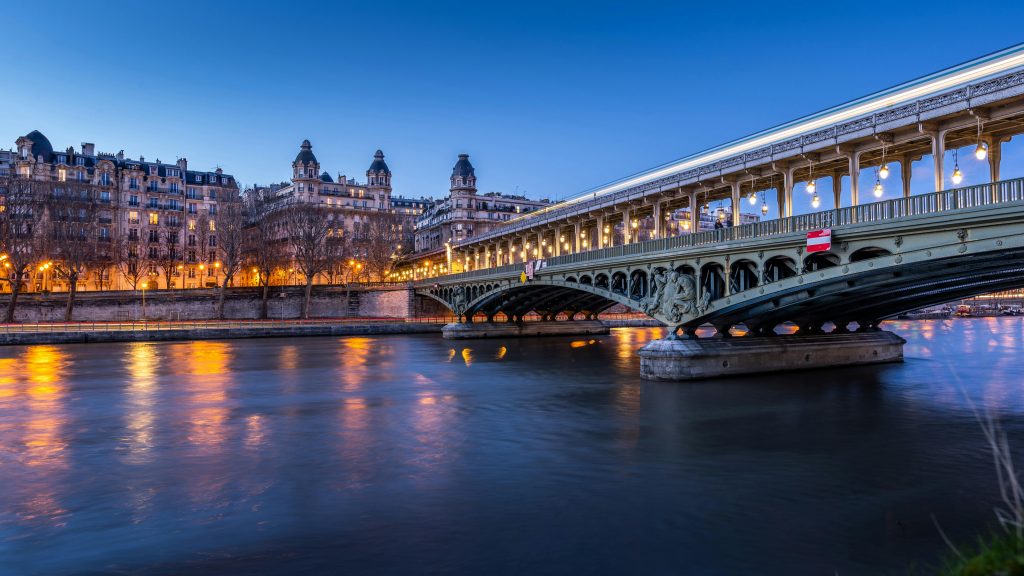
The guest rooms are ready, but the ground floor remains a building site. For months, guests at the Hôtel Normandy Le Chantier have had to put up with the constant presence of drills and hammers, one block of rooms after another being worked on whilst the floor slabs were relaid and all the plumbing, electrical and drainage systems were completely overhauled. Raymond Morel has designed understated, light-filled spaces there, true to a certain vision of Paris — spaces that are conceived to endure without ever becoming excessive. He speaks of it without fanfare, satisfied that the job is well done. Once the hotel is finished, it has become a habit for his team to sit in the lobby, look around and silently concede that it’s rather good. The pride here lies entirely in that shared glance.
A.V pour Unsplash
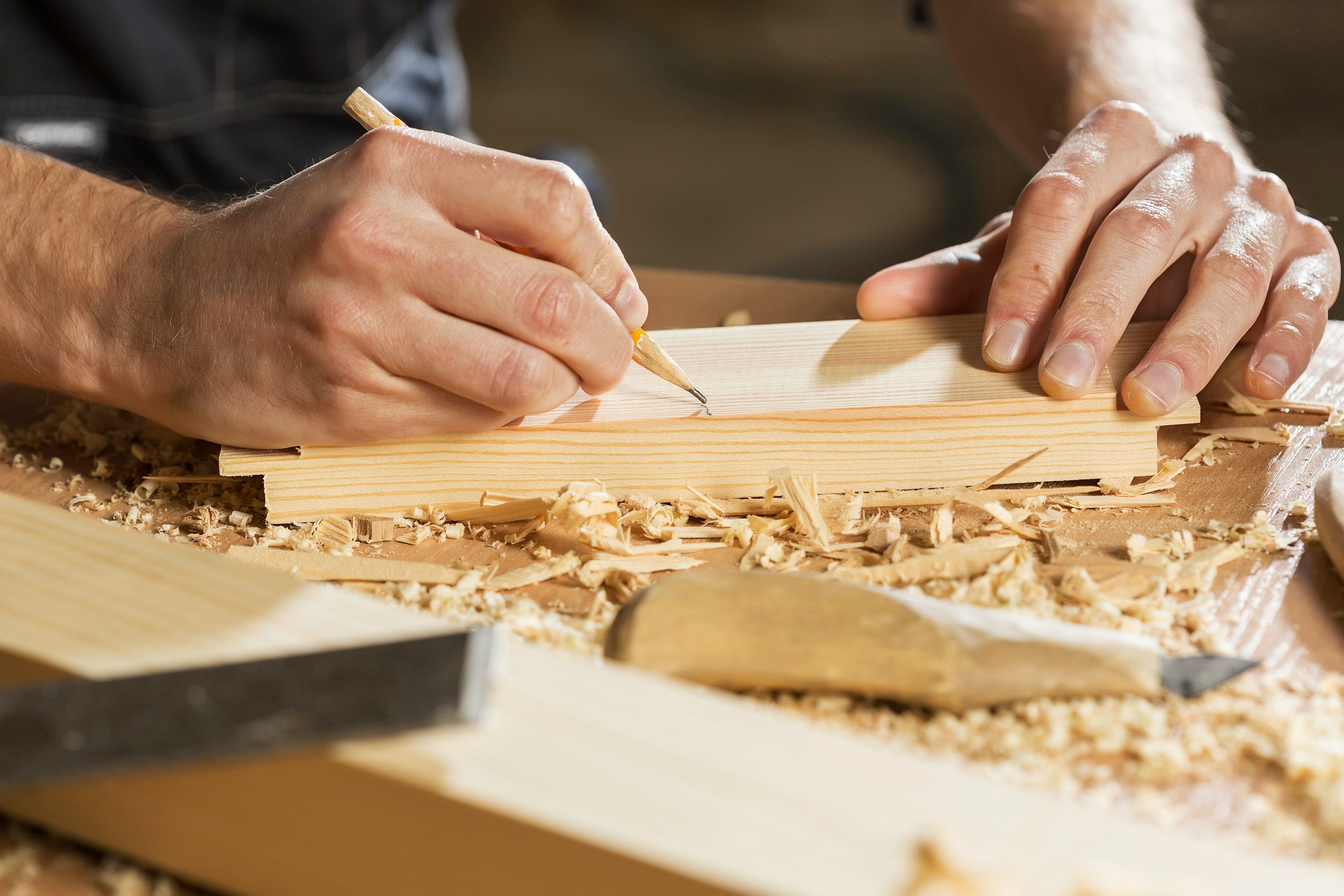
Before there were luxury hotels, there was a factory. In Bourg-en-Bresse, in the Ain department, the Morel family produced high-end furniture. One hundred and twenty people, including twenty-five carvers and an equal number of cabinetmakers, bent over their workbenches. Raymond Morel joined the family business after completing an apprenticeship and gaining a CAP in cabinetmaking, followed by attending the woodworking school in Mouchard and earning a degree in wood engineering. He started out as a technician before becoming an interior designer. For years, he sketched designs over and over again until the pencil became an extension of his hand. However, the oil crisis of the 1980s brought the company to its knees, sweeping it aside in the face of competition from Italy. He bounced back by fitting out mountain studios near Lyon and then moved upmarket from three-star hotels to the luxury sector. LRD became RMD (Raymond Morel Design).
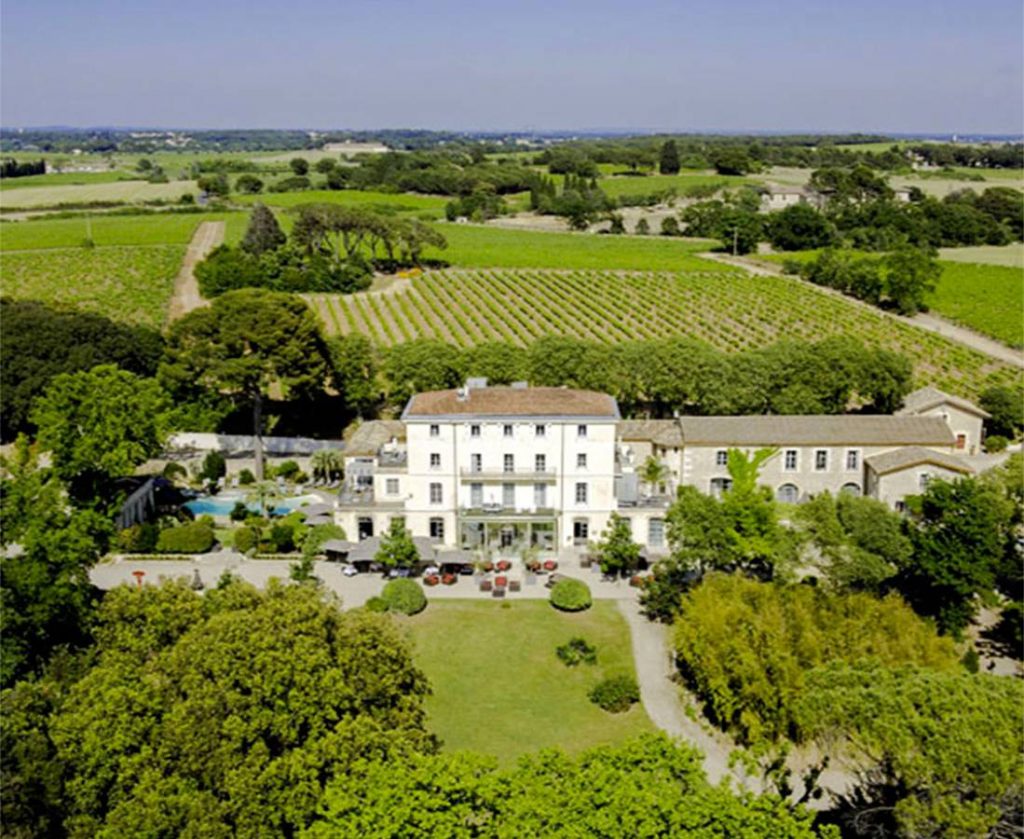
Hôtel Domaine de Verchant ; Wikimédia
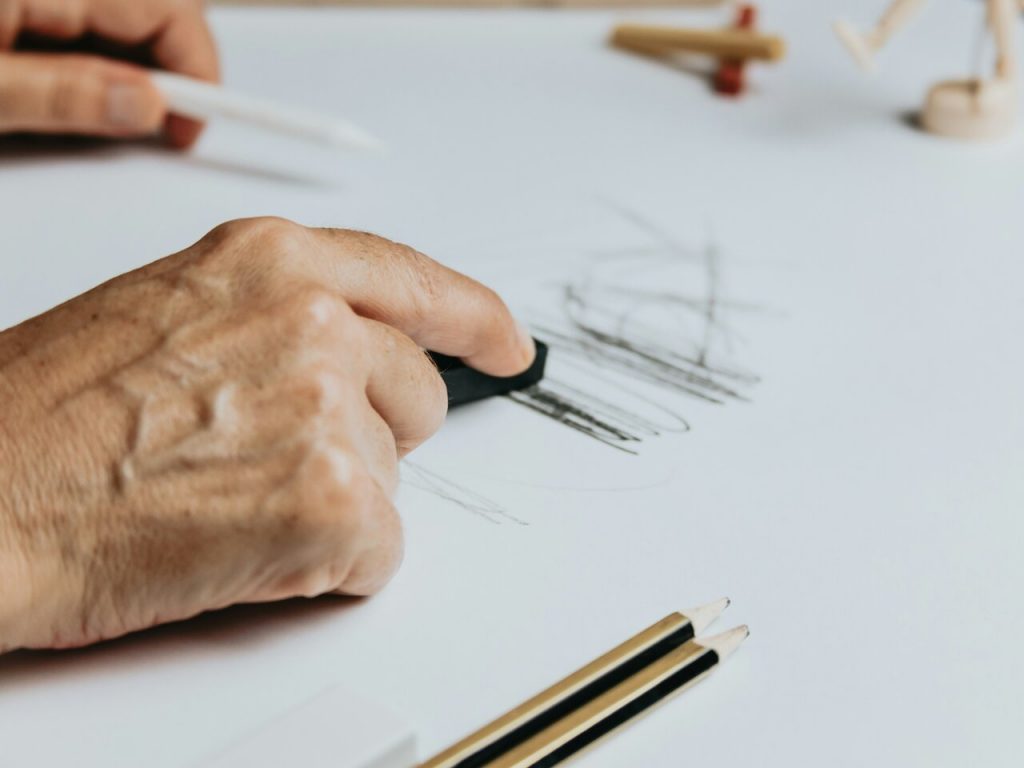
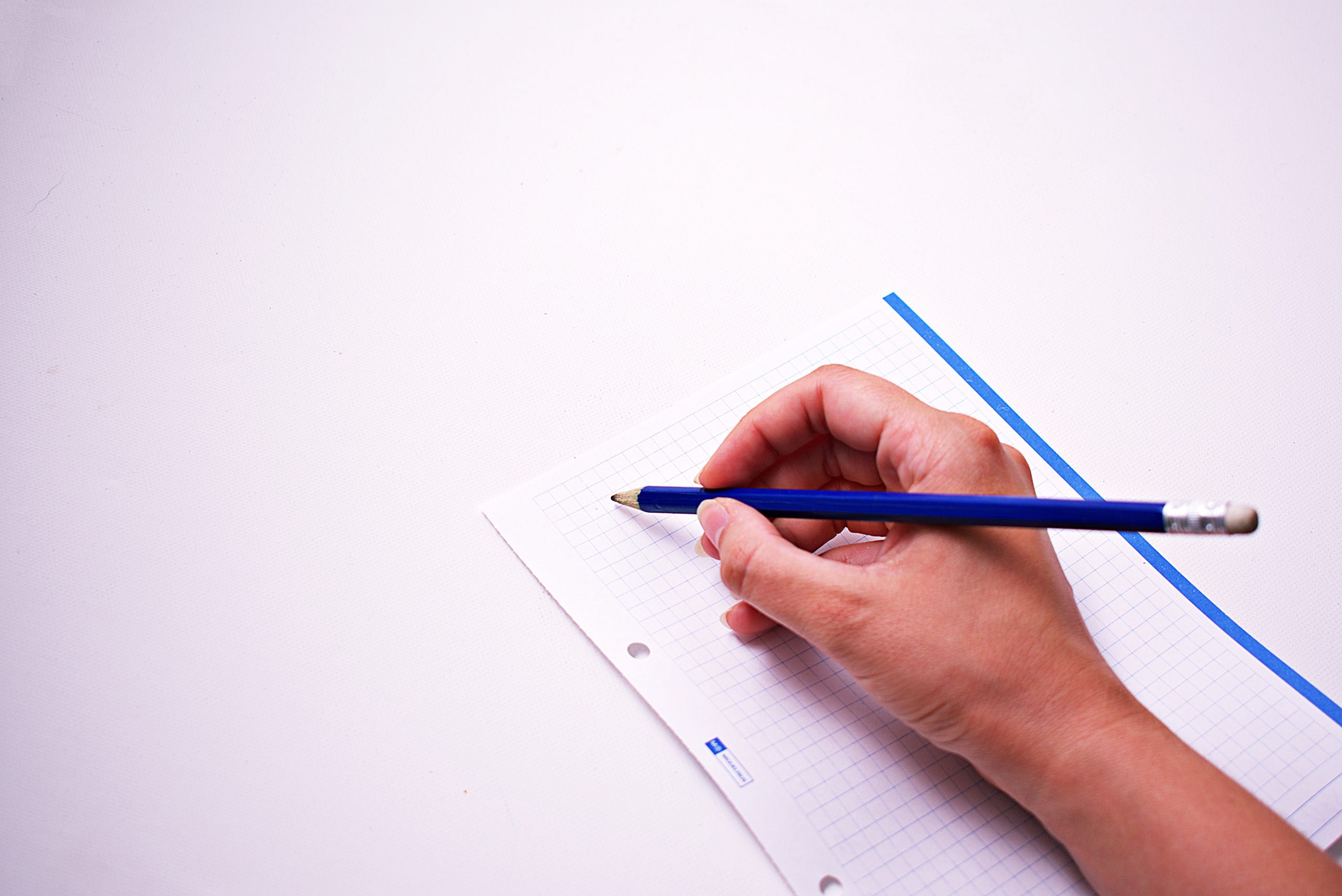
His loyalty lies with the line. ‘Sketching,’ he says, ‘means drawing quickly and freehand, capturing a perspective that springs to mind.’ He constantly repeats this advice to Sophie, his daughter, who now works alongside him, and to anyone starting out in the profession: capture the volume with a pencil before opening a design programme and feel the material before modelling it. A sketch gets straight to the point, whereas an email exchange would drag on for days. He recalls a spa at the Domaine de Verchant near Montpellier where the designers were struggling with the placement of the dressing tables. He picked up a pencil and sketched the furniture directly onto the wall. The client turned around and said, ‘There you go, that’s a concept.’ That said it all. “All I need is a pencil, paper, and creativity,” he murmurs, and you realise that management has always fulfilled him less than creativity has.
WeAreKollectors Magazine
“Lighting is a science,” he states with the enthusiasm of someone who has spent a long time seeking answers. It all began twenty-five years ago at the Murano hotel in Paris: each room could change colour, from pink to blue, via a rotating disc slid in front of a projector — long before LEDs came along. An events trade fair did the rest, and he still observes the way television shapes its sets in the evenings. His approach is one of restraint. There are no rows of spotlights lined up along the ceiling, flooding a room without saying anything. Light caresses the walls, illuminates an entrance, runs along a curtain and reveals only the essentials, leaving the rest in shadow. For Raymond Morel, light is a material to be worked with, on a par with wood or stone.
Joe Eitzen ; Unsplash
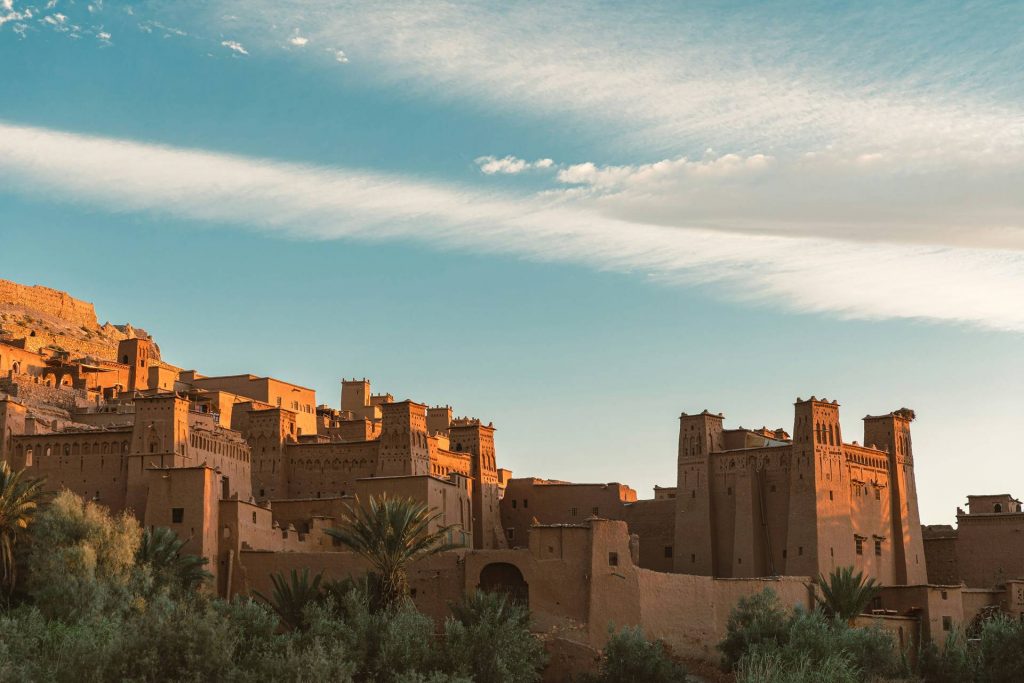
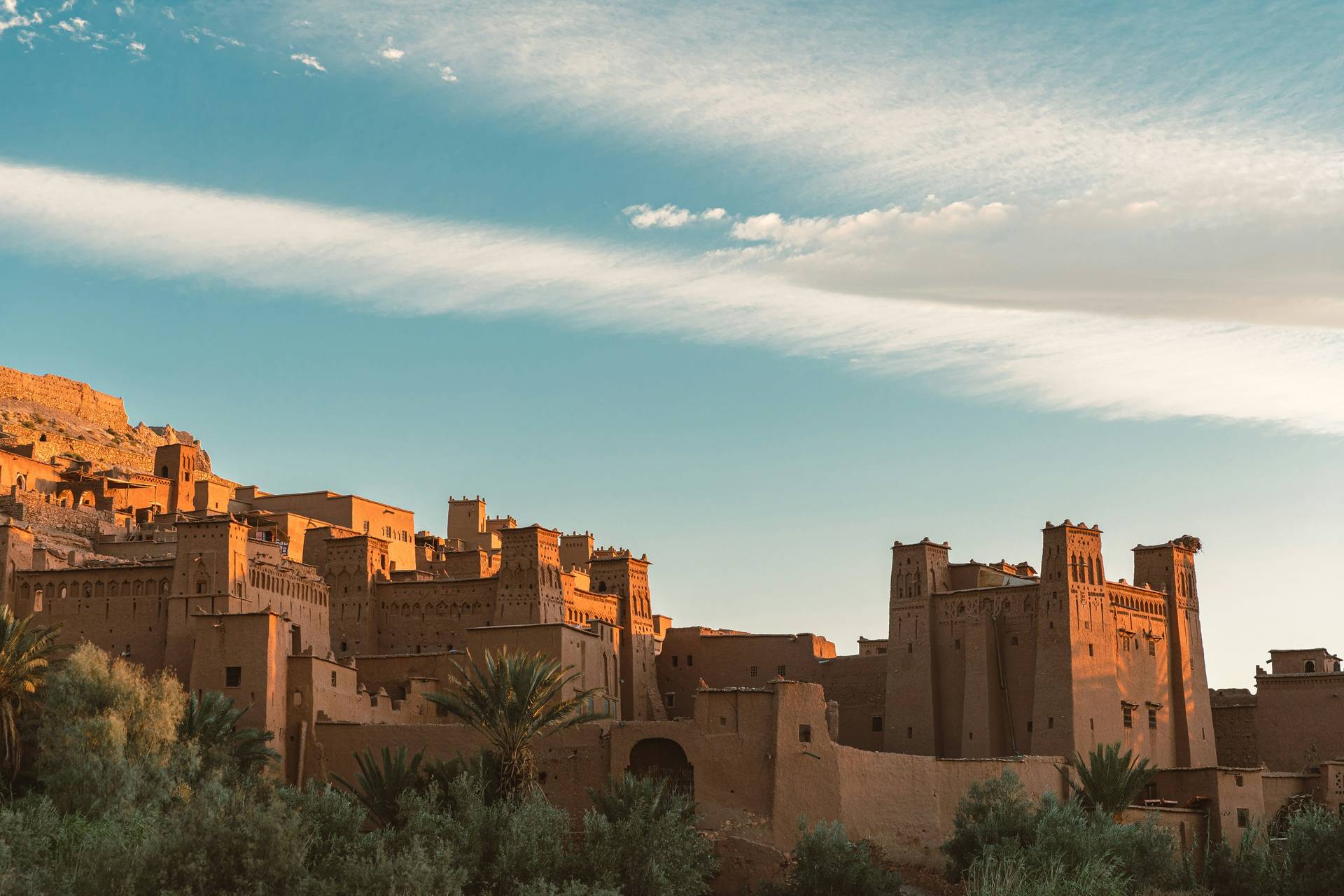
In 2006, the architect set up practice in Guéliz, the historic heart of Marrakech. His reason for moving was almost personal: at the head of a dozen staff, he was no longer designing, but managing, and he missed the creative process. The city gave it back to him. There, he discovered highly skilled craftsmen, and he offered them the creative flair they sometimes lacked. The result is highly contemporary furniture, crafted almost entirely by hand and without the aid of machines. He transformed a former hotel into an Amazigh-inspired house built entirely from raw, natural materials. His palette is uncompromising: wood, stone, glass, metal and brass – noble materials that he adapts to suit each space’s theme. Since then, his life has consisted of regular trips, roughly once a month, between his Moroccan workshops and international construction sites.
Tony French ; Alamy
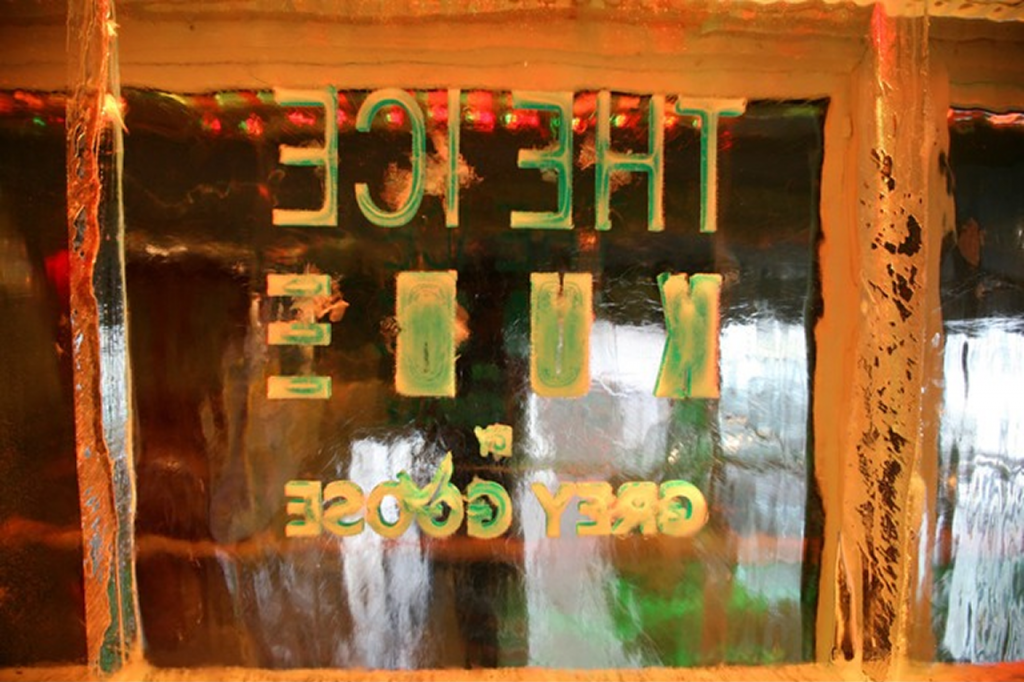
No two projects are alike. The location, intended clientele and owner’s vision determine a theme, which then dictates everything else. At the Ice Kube Bar in Paris, which is kept at around -20 °C, he clad the walls in faux fur and erected partitions made of glass blocks to evoke ice cubes. His portfolio spans seemingly unrelated worlds: the César Hotel in Marrakech, luxury boutiques, and gourmet restaurants. The common thread lies in his method, not an imposed style. He insists that no venue has ever truly resisted him because, once a theme is found, it immediately provides the impetus. However, one guiding principle never wavers: to appeal to the majority of people who will experience the space rather than a single client. Inspiration gleaned from a screen will never replace true creativity.
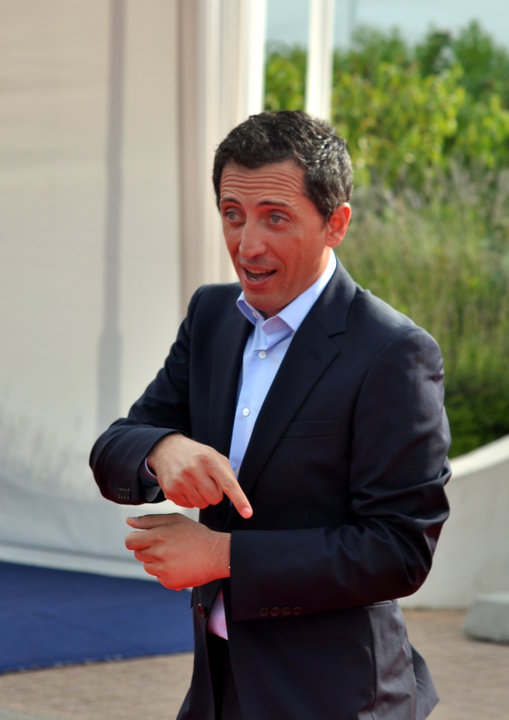
A conviction keeps him at arm’s length from the times. Too many large firms, he says, owe their reputation to PR rather than expertise. He has chosen the opposite path and stands by it: “We don’t do PR; we just do our job.” There are just three of them: hard workers who plan every detail, including the positioning of sockets and light fittings, and design bespoke furniture. The pleasure surfaces in his memories, such as designing the villa for Gad Elmaleh amidst fits of laughter. When asked about his dream project, he smiles. He would like a client who would tell him, ‘Unlimited budget’, and give him free rein. For Raymond Morel, that would be the ultimate luxury: creating without constraints and being accountable only to beauty.
At the end of the meeting, one thing remains clear. With Raymond Morel, everything begins and ends with the hand. A pencil, a sheet of paper, a plasterboard wall – and the space begins to take shape.

‘Eggs en meurette or calf’s head in vinaigrette.’
“Love. Love for my craft, for life, for nature – love in general.”
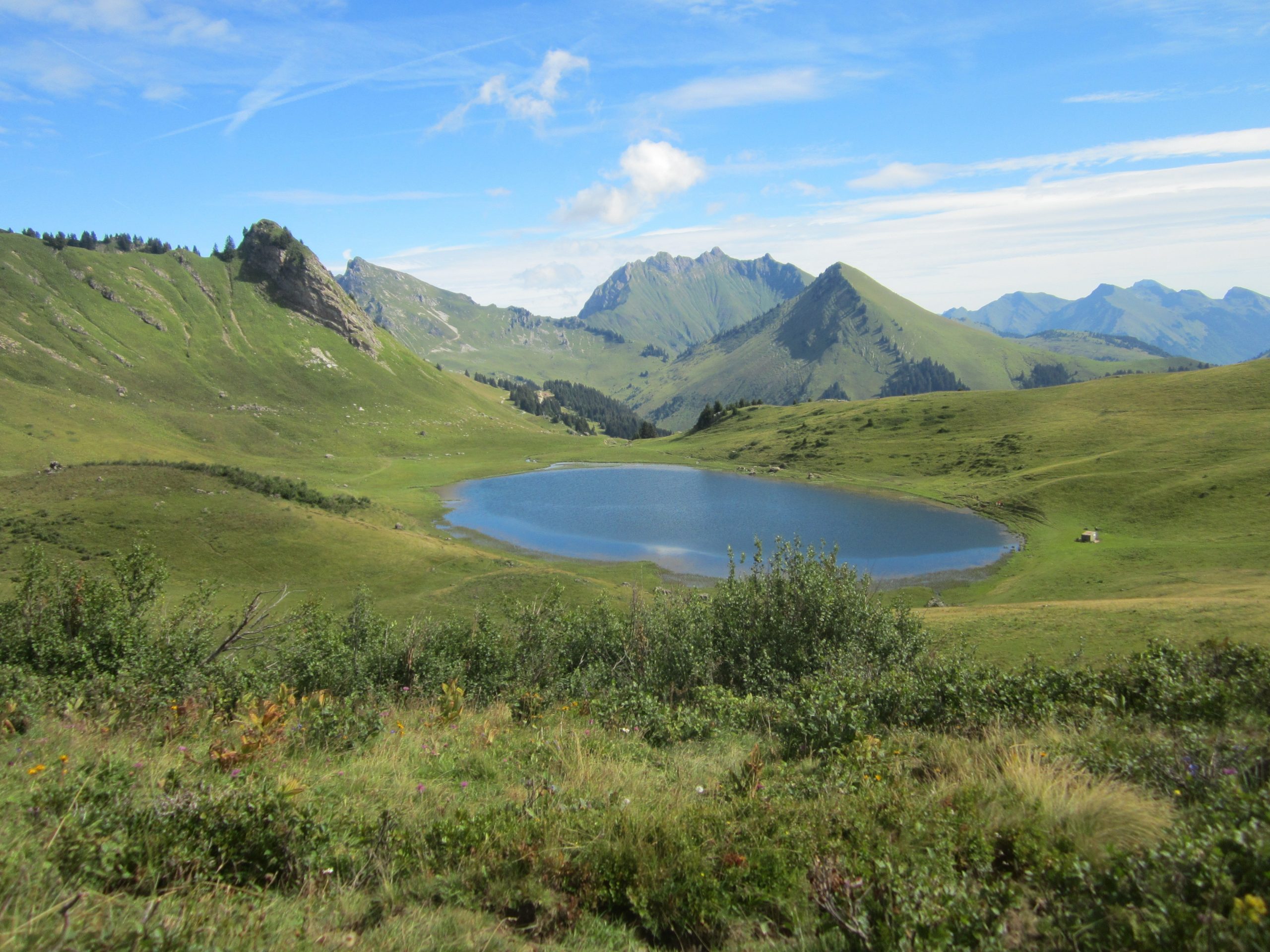
‘My log-built chalet in Haute-Savoie, made entirely of wood and very rustic.’
This Parisian hotel has been renovated with great care and attention to detail, the result of a 25-year bond of trust between client and architect.
From a CAP qualification in cabinet making to Raymond Morel Design: a career forged in the family workshop in Bourg-en-Bresse.
A tiny agency with ultra-precise plans, and a technical rigour inherited from twenty years of craftsmanship.
In 2006, Raymond Morel swapped the hustle and bustle of management for the tranquillity of Marrakech, rediscovering his creativity in the process.
A theme, fine materials and a fresh start: Raymond Morel’s unchanging method.
Unforgettable clients, including Gad Elmaleh, and a sceptical attitude towards Pinterest and artificial intelligence.
Running a pencil along the walls and avoiding central spotlights are just two of the ways in which Raymond Morel turns light into a material in its own right.
Working with his daughter, paying tribute to hand-drawing and exploring the profound meaning of a craft passed down through the generations.
Eggs in meurette sauce, a love of all things, and a chalet in Haute-Savoie: a few honest words about Raymond Morel.
Février, 2026
Créer avec l’existant, penser avec l’histoire
De l’architecture au design, cette édition explore comment lieux, savoir-faire et matières héritées deviennent terrains de création actuelle.
Janvier, 2026
Le luxe se réinvente.
Finis les logos clignotants, place à une sobriété raffinée, à l’immersion personnelle, à l’excellence artisanale, à la durabilité sensible.
Décembre, 2025
Héritages, gestes contemporains et plaisirs essentiels
Parce que la fête n’est jamais qu’apparence : elle reflète notre manière d’habiter le monde, de transmettre, de fabriquer des souvenirs durables.
ÉDITION #3
Upcycling et kintsugi transforment l’objet contemporain, faisant de la trace, de la réparation et de la matière un langage esthétique.
ÉDITION #3
Artisans et designers donnent une seconde vie aux matériaux anciens, entre création contemporaine, patrimoine et réemploi.
ÉDITION #3
Bunkers, wagons et kiosques renaissent grâce à la création, révélant comment l’art redonne sens aux lieux délaissés.
ÉDITION #2
Un regard transversal sur le quiet luxury à travers des lieux, des objets et des figures qui expriment l’élégance.
ÉDITION #1
Une sélection de marques, architectures, objets et escapades qui donnent corps au sens de la fête.
ÉDITION #3
Usines et gares délaissées deviennent lieux culturels ouverts, où mémoire industrielle et usages contemporains redessinent la ville.
ÉDITION #3
L’audacieuse métamorphose d’un palace parisien
ÉDITION #3
Au cœur du Marais, un lieu discret révèle comment archives, architecture et recherche font dialoguer l’œuvre de Picasso.
ÉDITION #2
Une expérience shopping unique dans un magasin emblématique.
ÉDITION #2
Voyage culinaire et architectural au cœur de la Seine
ÉDITION #2
Dans le 9e arrondissement, un établissement qui invite au quiet luxury
ÉDITION #1
Chante! vient d’ouvrir ses portes. Une invitation à vibrer !
ÉDITION #3
Icône du paysage français, la boîte jaune change de statut et s’invite dans l’univers du design.
ÉDITION #3
L’édition 2026 affirme une vision où artisanat, design et mémoire façonnent l’habitat contemporain, international actuel.
ÉDITION #3
Cent ans après 1925, l’Art déco revient dans nos villes et intérieurs avec géométrie, audace, optimisme.
ÉDITION #3
Depuis plus de deux cents ans, Royal Limoges conjugue porcelaine, savoir-faire industriel et création contemporaine.
ÉDITION #3
Des terrains de sport aux podiums, la sneaker raconte un siècle de mutations culturelles, techniques et stylistiques.
ÉDITION #2
Design, mode, artisanat : des créations où la forme et la matière se répondent avec justesse, loin de tout effet de mode.
ÉDITION #1
Décorations artisanales, calendriers ultra-luxe et pièces de collection pour s’enivrer de joie avant l’heure.
ÉDITION #3
Entre marqueterie monumentale et jungle symbolique, Anton Laborde transforme le bois en récit contemporain poétique engagé.
ÉDITION #3
À Maison & Objet, Thierry Laudren présente des meubles sculptés où fonction, matière et lenteur façonnent une présence.
ÉDITION #3
Jean Nouvel conçoit une architecture attentive aux contextes, où lumière, histoire et usages façonnent chaque projet.
ÉDITION #3
À Lyon, Sophie Morel rénove des lieux historiques en alliant respect du bâti et écriture contemporaine.
ÉDITION #3
Au Centre d’Études Picasso, l’architecte compose une architecture où lumière, géométrie et héritage dialoguent avec précision.
ÉDITION #2
Entretien avec le fondateur d’EDO (European Design Office)
ÉDITION #2
Portrait d’un visionnaire qui transforme l’art de recevoir en expérience totale.
ÉDITION #1
Personnalités, artisans et créateurs qui donnent à la fête sa profondeur humaine.
ÉDITION #3
De Bordeaux au Bassin, art, vignobles et bien-être composent une échappée élégante au cœur de la Gironde.
ÉDITION #2
Vers une région de l’Italie habitée par le temps, où paysages, culture et usages s’accordent dans une continuité rare.
ÉDITION #1
Destinations et rituels qui réinventent la fête, du soleil tropical aux marchés d’hiver.