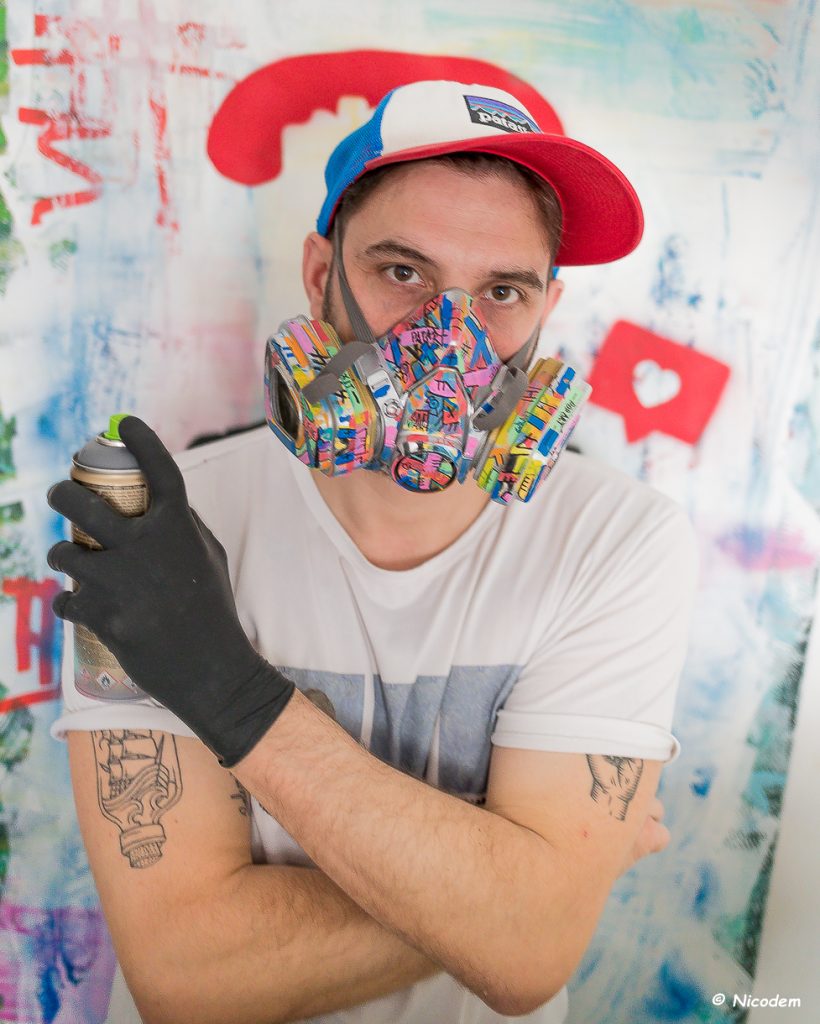
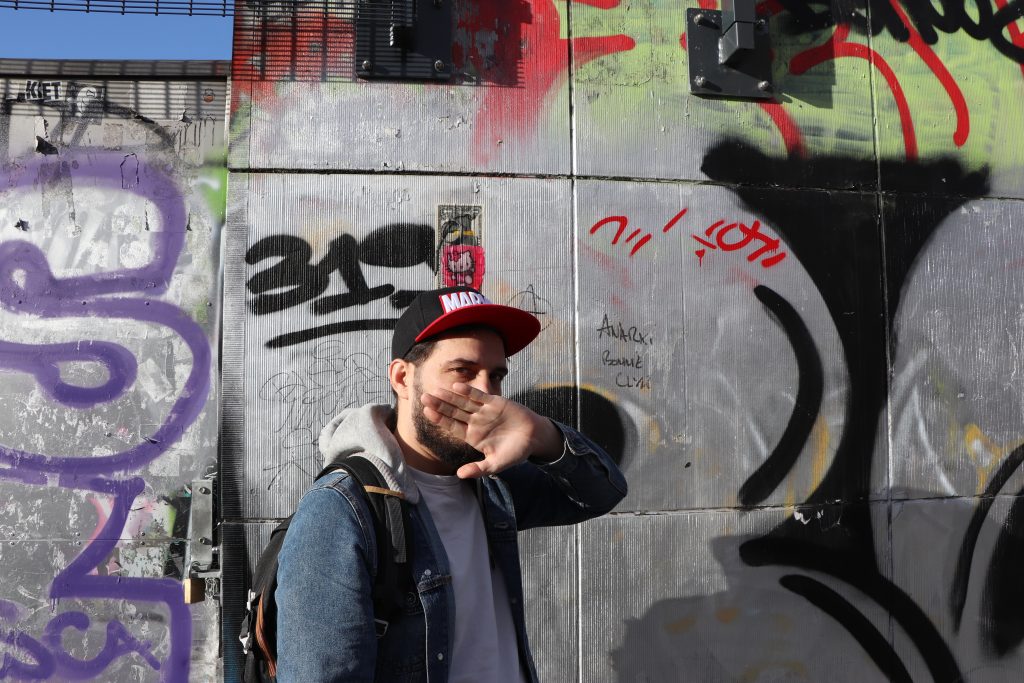
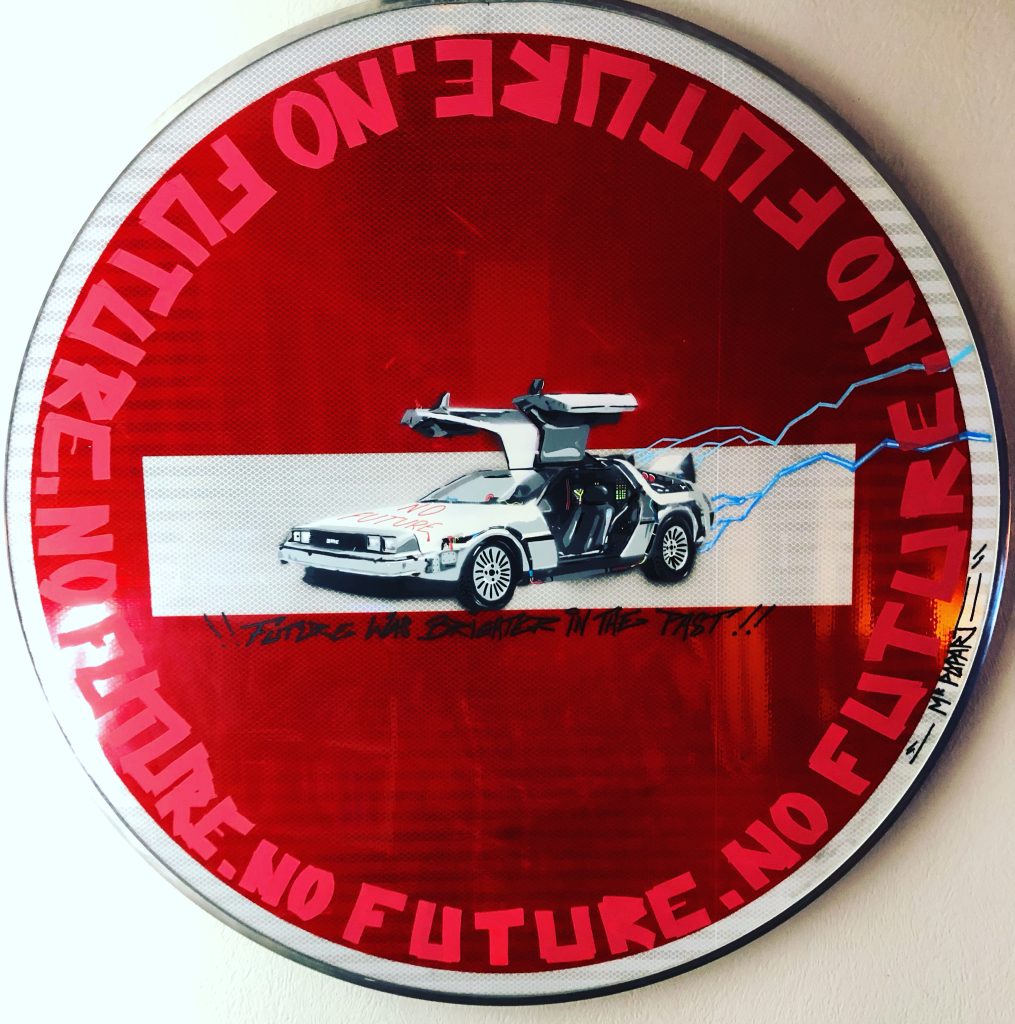
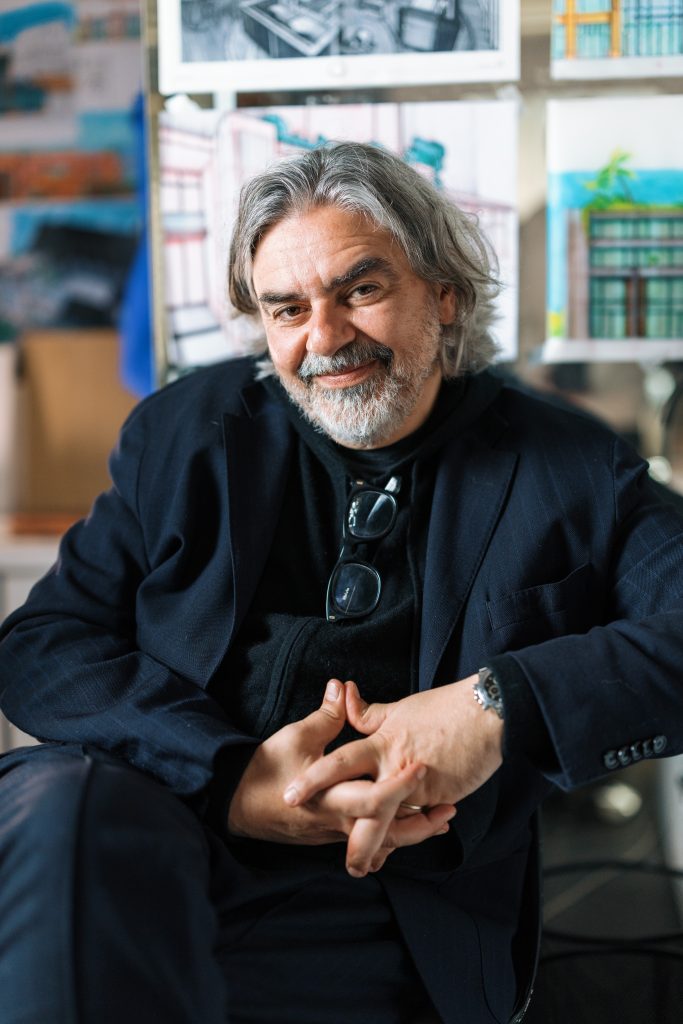
Goldorak, Mickey Mouse, Scrooge McDuck and a punk chairing a board of directors. Mr Popart places the icons of a generation where no one expects to find them. Self-taught and born in Bordeaux in 1982, he devoted himself entirely to his art in 2018. A single perspective – both amused and biting – links all his works, from a one-dollar bill to tiles stuck on the city’s walls. “I share my view of inequalities, whatever form they take, and the follies of our world.”
Mr Popart
Drawing has always been part of his life, in the background and without any ambition to create paintings. Mr Popart has had no formal artistic training. He doodles, observes and takes a keen interest in everything on display, from near or far. The turning point came when he stood before a canvas by another artist and was suddenly seized by the urge to create something in his own style. In 2018, he changed the course of his life and devoted himself to this calling.
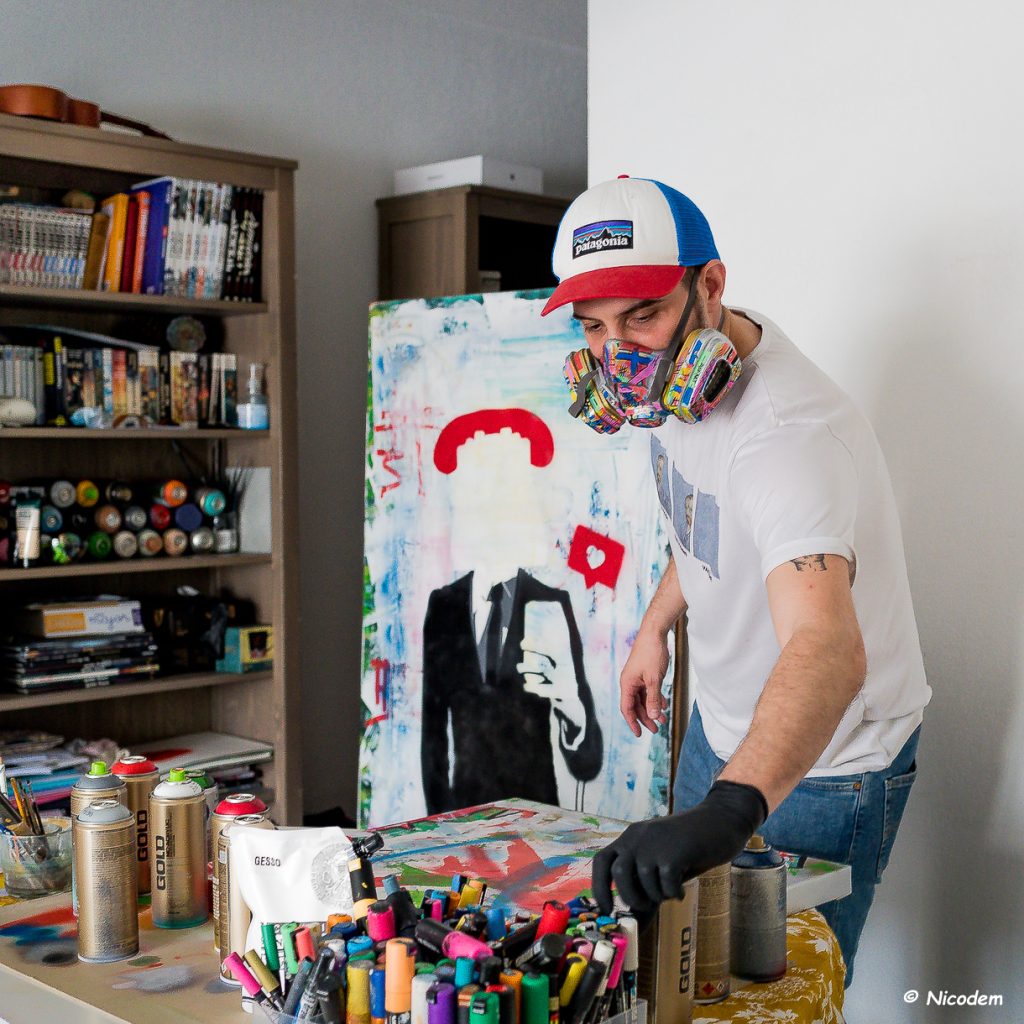
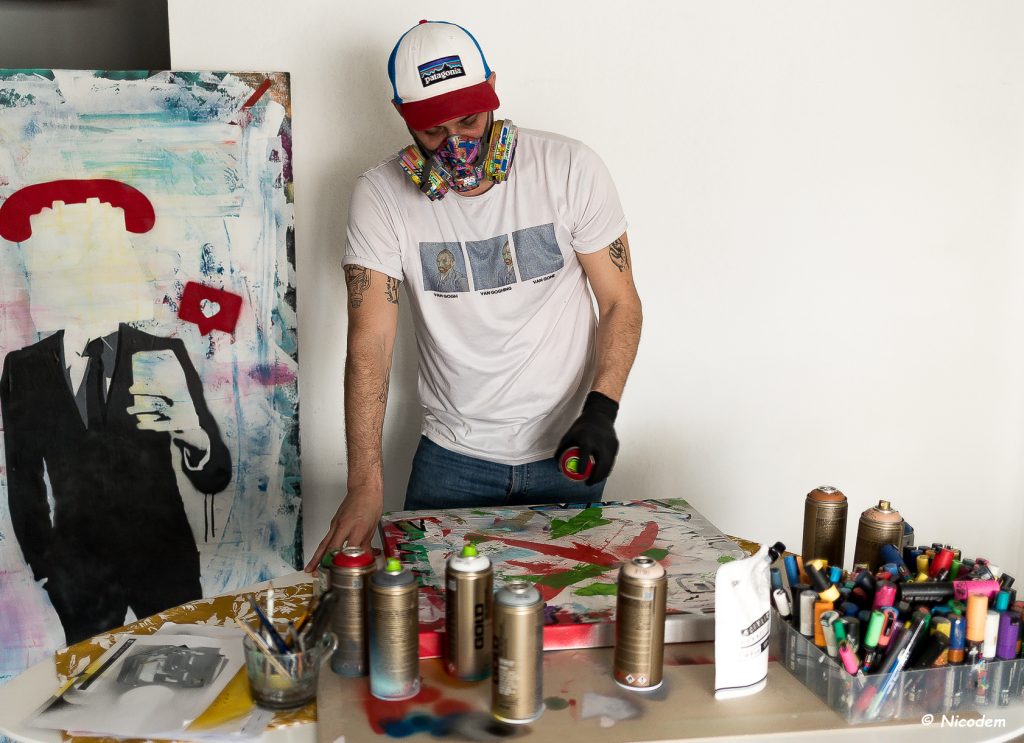
Very quickly, a method took shape that he still applies to every piece. First, he finds an idea and an angle of approach, and then he considers how to draw it so that it reflects his own style. He learns the technique as he experiments with different mediums, incorporating acrylics, watercolours, spray paint and markers into his work. However, the starting point remains the same: an image from his childhood and the idea of how to transform it.
Mr Popart
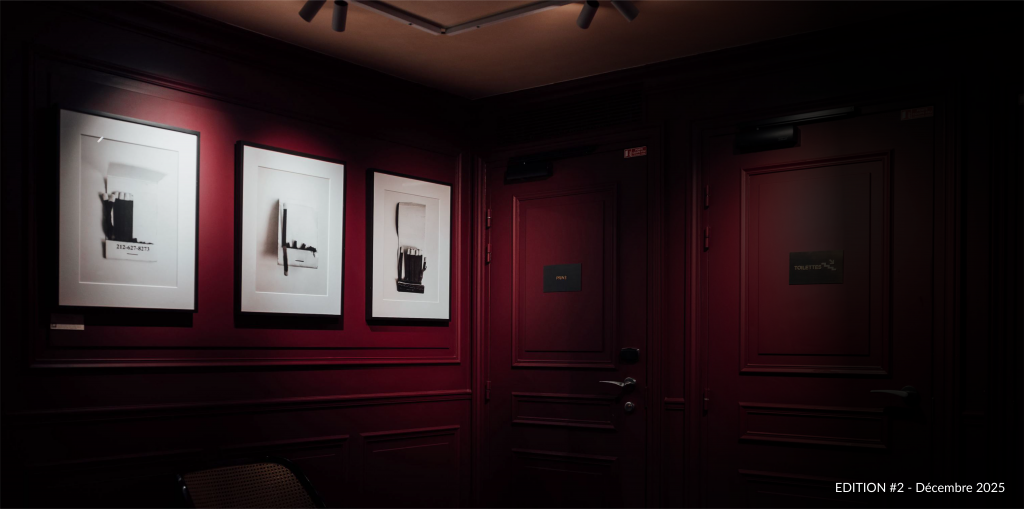
His first exhibition took place in an unexpected venue: a night bar in Bordeaux — hardly the sort of place one would expect to see paintings on display. However, the public responded enthusiastically, and the first sales followed. He remains critical of these early works, as an artist always is of their latest creation.
Across the street was EKKO Galerie on Rue Buhan, a space dedicated to pop art and street art. The gallery owner crossed the street, discovered his work, and immediately offered him an exhibition. He was particularly struck by the painted one-dollar notes and was convinced that a wide audience was waiting for this sort of work. Thus began a partnership lasting several years, characterised by frequent visits to showcase new pieces – a period that Mr Popart readily describes as a distinct chapter in his career. EKKO hosted his solo exhibitions in Bordeaux before his work made its way to Brussels in 2022, where it was exhibited at Galerie Hôte.
Mr Popart
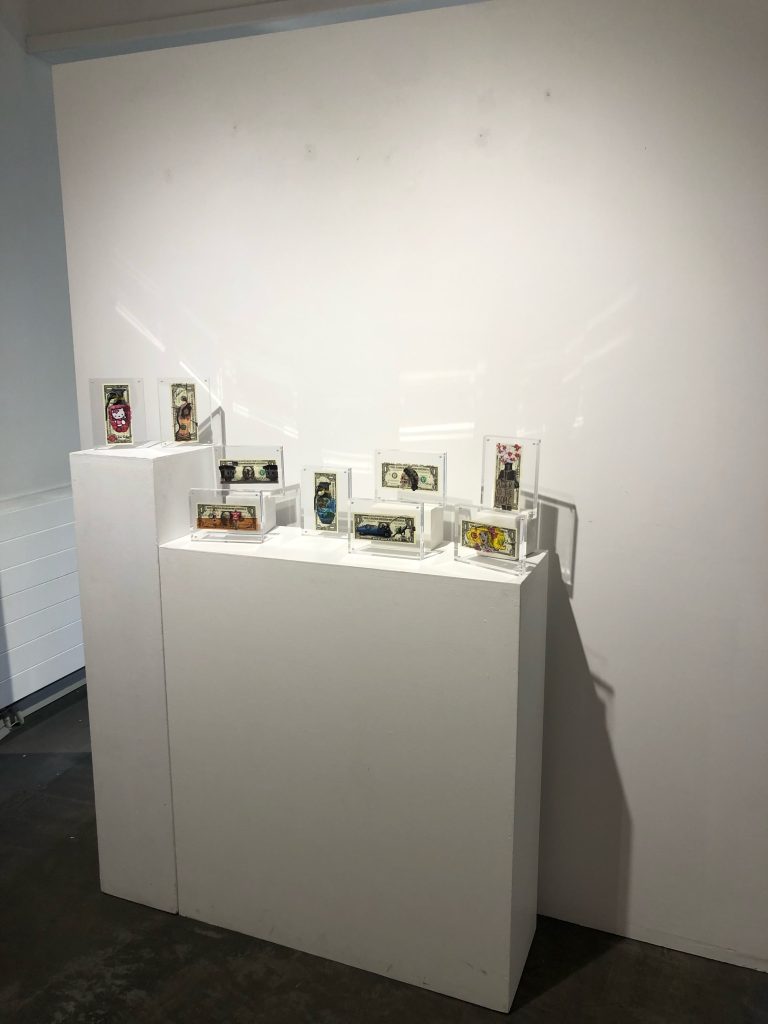
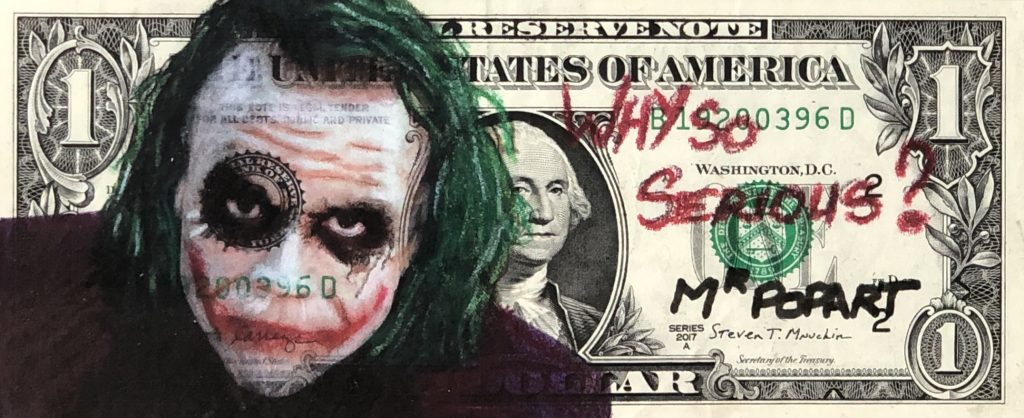
For eight years, the one-dollar bill was his preferred medium. Almost everything was done on it, with a few exceptions: yen and other currencies were done on request. This choice initially stemmed from practical necessity, then from symbolic significance. “The one-dollar bill costs next to nothing and is a global symbol that speaks volumes about the countries that issue it.”
Amidst the American currency’s decorative motifs, Mickey, Grogu and Mr Bean make their presence felt on this green rectangle measuring barely fifteen centimetres. The banknote becomes the backdrop for a commentary on money, consumerism, and war. In 2023, the ‘Wall Street Art’ exhibition at EKKO took this concept further. Mr Popart invited other artists to draw on one-dollar bills too. The banknote remains his signature. He always returns to it between projects.
Mr Popart
The characters that populate his works, such as Goldorak, Mickey Mouse and Scrooge McDuck, stem from his childhood years – the era of cartoons, toys and films that shaped Generation Y. Mr Popart draws inspiration whenever the mood takes him. An idea strikes him, a touch of humour presents itself, and he immediately knows whether the image will come to life on a canvas or a banknote. It all starts with instinct.
However, the process remains constant: taking an icon out of its context to offer a second interpretation. The familiar character catches the eye, and the shift raises questions. Beneath the apparent light-heartedness, the subject matter touches on social inequalities, disparities between countries, and war. Mr Popart has a modest ambition: to offer a perspective with the dark humour of someone who finds amusement in what he is denouncing. Even in the titles, such as Goldo Pong and Basquiosaurus Rex, the wordplay opens the door to criticism.

Mr Popart
Mr Popart also takes his work to the streets. The Bordeaux-based artist paints on ordinary ceramic tiles using spray paint and stencils. The design is created in Photoshop or by hand, then printed to the exact size of the tile to maintain the proportions. Next, the design is cut out with a craft knife, the stencil is applied, and the piece is sprayed. Finally, details are added with a paint marker, such as Posca or Molotow. Other pieces are painted on canvas, cut to the shape of the design and fixed in place with wallpaper paste.
These works then find their way onto the walls of Bordeaux, alongside pieces by other street artists. Each artist sticks up their own piece in turn so that passers-by can discover the whole work of art. In Mr Popart’s view, street art differs from graffiti in that the latter focuses on the size of the tag, whereas street art is aimed at everyone. Mr Popart readily cites Jef Aerosol and JonOne as examples of artists who are not as well known as Banksy.
Mr Popart
The large canvas remains his most demanding medium. Ideas that spring to life vividly and instantly on a fifteen-centimetre sticker require a completely different approach when transposed onto a 1.2-metre canvas. A series is currently in progress, staying true to the same spirit of quirkiness and subversive ideas.
On the first canvas, a 1980s punk presides over a board meeting. Behind him, the flipchart displays figures in freefall, and he sticks his tongue out at the assembly in delight. The next canvas is already planned: a suited businessman with a martini in hand in the middle of a rave. Mr Popart aims to highlight society’s incongruities in a humorous way. He recognises the importance of his work: pieces of this scale take their place in homes, under the daily gaze of their owners. The idea must stand the test of time, long after the initial smile has faded.
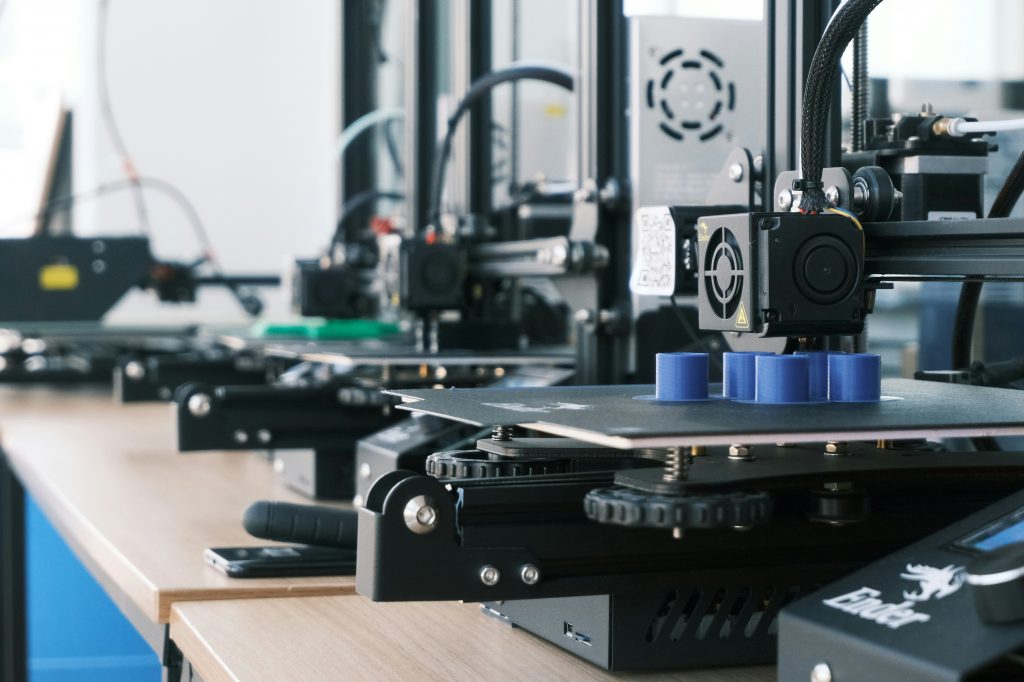
His past experiences are pointing him in other directions. He had Lego bricks 3D-printed, which he then tagged. This series found its audience before the success of the banknotes took over. He really enjoyed reworking these childhood toys, and the idea remains within reach.
Acrylics, watercolours, spray paint, ceramics, 3D printing: Mr Popart moves effortlessly from one technique and style to another, to the extent that particular artistic movements are recognisable in his works. He sums up his wish in a single sentence: he wants the viewer to recognise him before seeing the signature. “I know how to navigate between styles. What I’d like is for people to recognise my hand from one work to the next, even without the signature.”
Février, 2026
Créer avec l’existant, penser avec l’histoire
De l’architecture au design, cette édition explore comment lieux, savoir-faire et matières héritées deviennent terrains de création actuelle.
Janvier, 2026
Le luxe se réinvente.
Finis les logos clignotants, place à une sobriété raffinée, à l’immersion personnelle, à l’excellence artisanale, à la durabilité sensible.
Décembre, 2025
Héritages, gestes contemporains et plaisirs essentiels
Parce que la fête n’est jamais qu’apparence : elle reflète notre manière d’habiter le monde, de transmettre, de fabriquer des souvenirs durables.
ÉDITION #3
Upcycling et kintsugi transforment l’objet contemporain, faisant de la trace, de la réparation et de la matière un langage esthétique.
ÉDITION #3
Artisans et designers donnent une seconde vie aux matériaux anciens, entre création contemporaine, patrimoine et réemploi.
ÉDITION #3
Bunkers, wagons et kiosques renaissent grâce à la création, révélant comment l’art redonne sens aux lieux délaissés.
ÉDITION #2
Un regard transversal sur le quiet luxury à travers des lieux, des objets et des figures qui expriment l’élégance.
ÉDITION #1
Une sélection de marques, architectures, objets et escapades qui donnent corps au sens de la fête.
ÉDITION #3
Usines et gares délaissées deviennent lieux culturels ouverts, où mémoire industrielle et usages contemporains redessinent la ville.
ÉDITION #3
L’audacieuse métamorphose d’un palace parisien
ÉDITION #3
Au cœur du Marais, un lieu discret révèle comment archives, architecture et recherche font dialoguer l’œuvre de Picasso.
ÉDITION #2
Une expérience shopping unique dans un magasin emblématique.
ÉDITION #2
Voyage culinaire et architectural au cœur de la Seine
ÉDITION #2
Dans le 9e arrondissement, un établissement qui invite au quiet luxury
ÉDITION #1
Chante! vient d’ouvrir ses portes. Une invitation à vibrer !
ÉDITION #3
Icône du paysage français, la boîte jaune change de statut et s’invite dans l’univers du design.
ÉDITION #3
L’édition 2026 affirme une vision où artisanat, design et mémoire façonnent l’habitat contemporain, international actuel.
ÉDITION #3
Cent ans après 1925, l’Art déco revient dans nos villes et intérieurs avec géométrie, audace, optimisme.
ÉDITION #3
Depuis plus de deux cents ans, Royal Limoges conjugue porcelaine, savoir-faire industriel et création contemporaine.
ÉDITION #3
Des terrains de sport aux podiums, la sneaker raconte un siècle de mutations culturelles, techniques et stylistiques.
ÉDITION #2
Design, mode, artisanat : des créations où la forme et la matière se répondent avec justesse, loin de tout effet de mode.
ÉDITION #1
Décorations artisanales, calendriers ultra-luxe et pièces de collection pour s’enivrer de joie avant l’heure.
ÉDITION #3
Entre marqueterie monumentale et jungle symbolique, Anton Laborde transforme le bois en récit contemporain poétique engagé.
ÉDITION #3
À Maison & Objet, Thierry Laudren présente des meubles sculptés où fonction, matière et lenteur façonnent une présence.
ÉDITION #3
Jean Nouvel conçoit une architecture attentive aux contextes, où lumière, histoire et usages façonnent chaque projet.
ÉDITION #3
À Lyon, Sophie Morel rénove des lieux historiques en alliant respect du bâti et écriture contemporaine.
ÉDITION #3
Au Centre d’Études Picasso, l’architecte compose une architecture où lumière, géométrie et héritage dialoguent avec précision.
ÉDITION #2
Entretien avec le fondateur d’EDO (European Design Office)
ÉDITION #2
Portrait d’un visionnaire qui transforme l’art de recevoir en expérience totale.
ÉDITION #1
Personnalités, artisans et créateurs qui donnent à la fête sa profondeur humaine.
ÉDITION #3
De Bordeaux au Bassin, art, vignobles et bien-être composent une échappée élégante au cœur de la Gironde.
ÉDITION #2
Vers une région de l’Italie habitée par le temps, où paysages, culture et usages s’accordent dans une continuité rare.
ÉDITION #1
Destinations et rituels qui réinventent la fête, du soleil tropical aux marchés d’hiver.