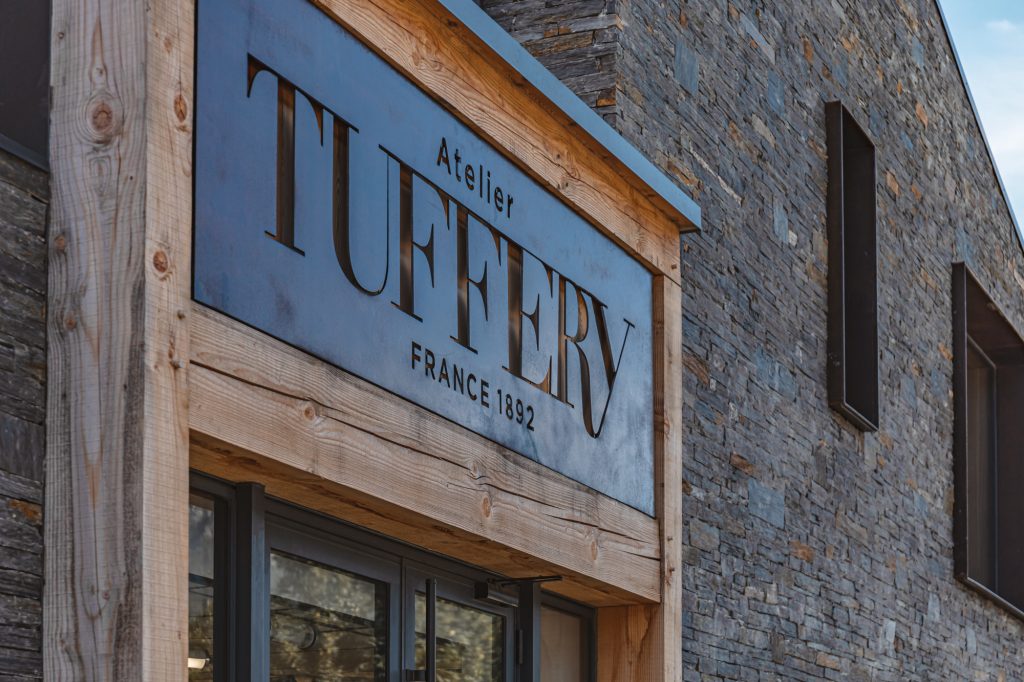
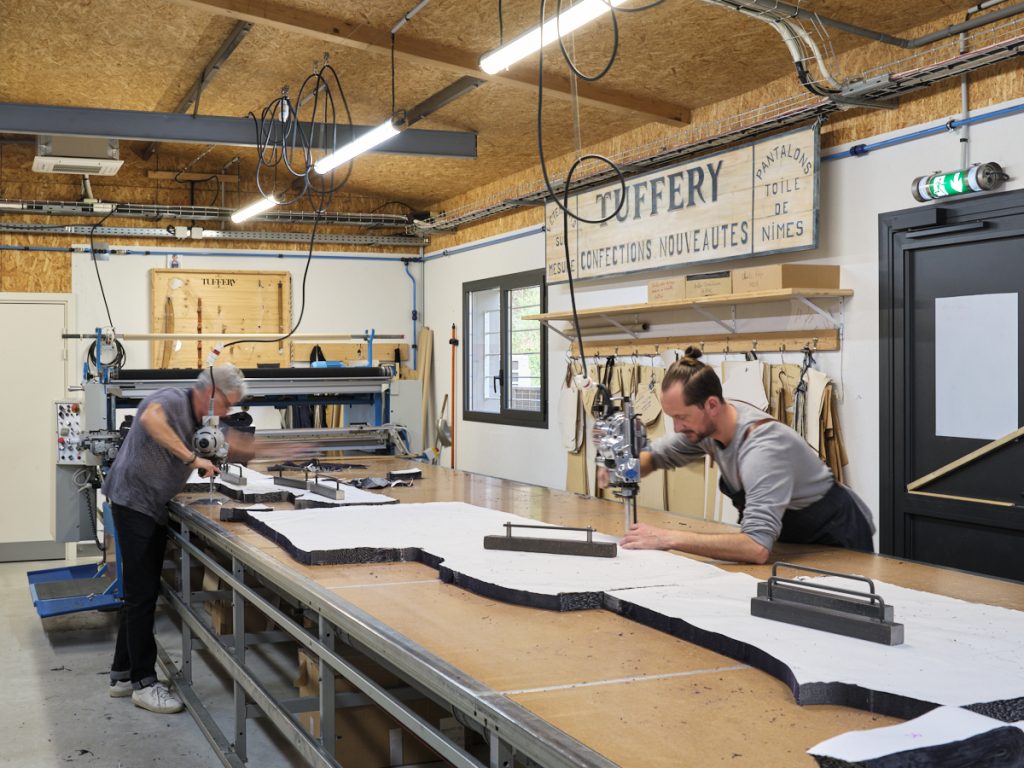
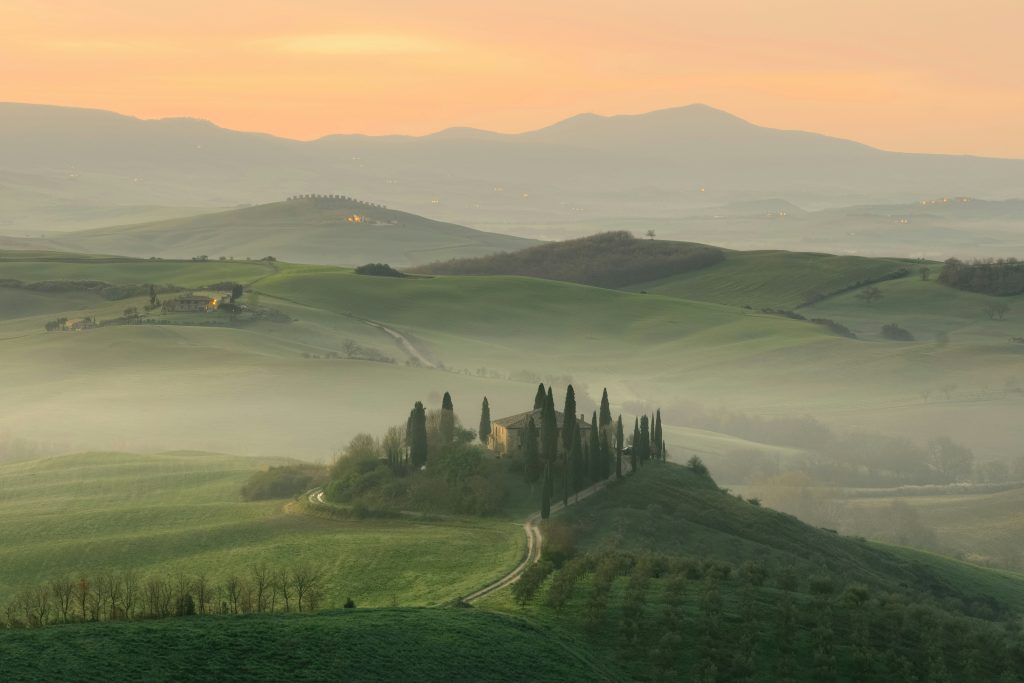
Florac, Lozère, at the foot of the Causse Méjean. Behind the schist façade, machines assemble the denim. From Julien Tuffery’s office, there is a view of the peaceful countryside and grazing sheep. Founded in 1892 and awarded the ‘Entreprise du Patrimoine Vivant’ label, the company manufactures France’s oldest jeans here. This craft has been passed down through four generations of master tailors. Julien Tuffery, who runs the business with his wife Myriam, reflects on his place in this lineage: “We are the fourth generation. There were three before us, and I hope there will be many more after us.”
Atelier Tuffery
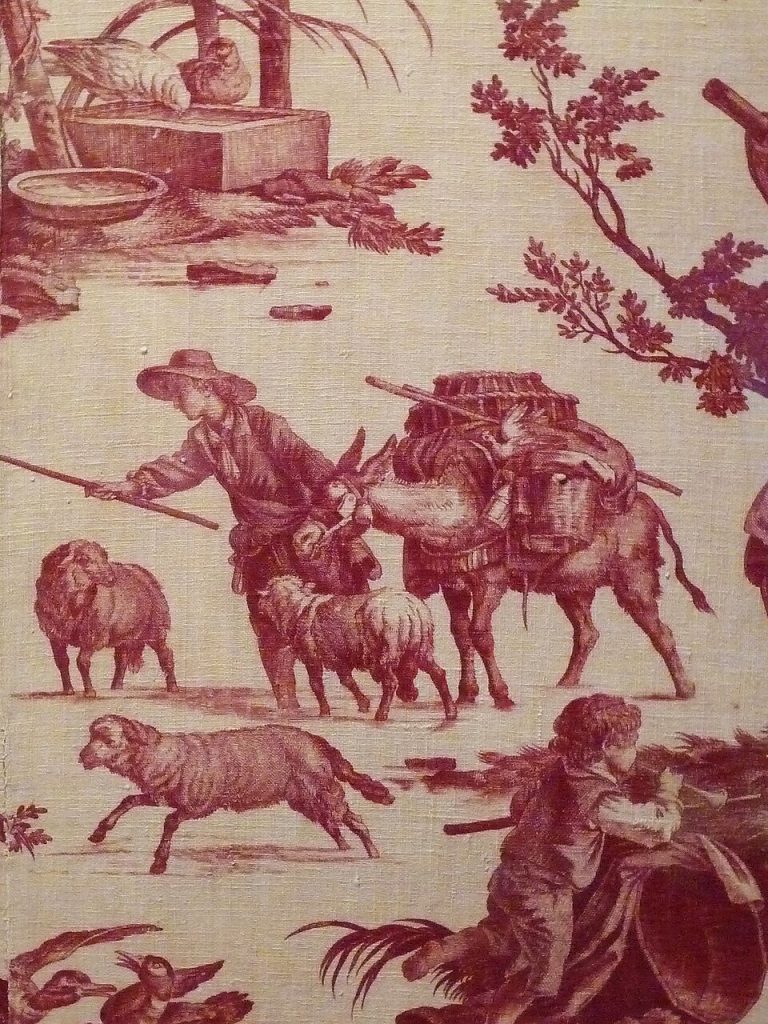
By the end of the 19th century, the railway had begun to cross the Cévennes. Thousands of workers flocked to the construction sites, and they needed clothing. Célestin Tuffery, a master tailor from the village of Florac, joined forces with other local craftsmen to find a hard-wearing, easy-to-maintain fabric in a dark colour. He found it just a stone’s throw away in Nîmes: Nîmes serge, woven on mechanised shuttle looms. The oldest surviving examples, which are on display at the Musée du Vieux Nîmes, are made from a combination of silk from the Cévennes and wool from the Grands Causses. Cotton, an inexpensive fibre that is easy to spin, was subsequently incorporated into the fabric. Next came indigo, which was imported via the port of Genoa and gave the colour its name. With a back patch pocket and a front gusset for a watch, the work trousers took shape. The workshop’s oldest records date back to 1892, the year the company was officially founded.
Tuffery Paris shop ; Fiona Torre
Célestin’s son, Jean-Alphonse — known as Alphonse — learnt the trade in Nîmes, recognising the value of this fabric very early on. It would go on to become denim. He took over the running of the factory. After the war, American soldiers arrived wearing blue jeans, and the workshop garment took on a new status. They became the uniform of the emerging rock scene and a symbol of rebellion, and then women embraced them, turning them into an emblem. Demand skyrocketed. In Florac, a village of around two thousand people, the factory employed as many as sixty seamstresses and tailors. In the 1960s, Tuff’s was launched – a more graphic and colourful brand designed to compete with American giants, which was still being produced in the Cévennes. In 1975, the third generation took over. Jean-Jacques, Julien’s father, and his brothers Jean-Pierre and Norbert – all master tailors – inherited the business at a young age and ran it with passion.
Atelier Tuffery ; Philippe Piron
At the turn of the 1980s, the global textile landscape was changing. The major French fashion houses that had entrusted their trousers to the Tuffery brothers began producing in the Maghreb, the Middle East, and Asia at a fraction of the cost.
Within fifteen years, the bulk of the French textile industry had collapsed. In Florac, the workshop’s workforce shrank from around sixty people to just three in a matter of months.
The three brothers held their ground. The workshop continued to operate, bucking the trend of the times and remaining far from the fashion capitals. Its strength lay in the loyalty of local families who had been coming to buy their trousers from the Tufferys for generations. The brothers opened a shop, maintained small-scale production, and kept the craft alive. For two decades, they were among the last custodians of a craft that France had allowed to slip away.
Myriam et Julien Tuffery
Julien Tuffery grew up surrounded by spools of thread. He sewed and made his own trousers. However, in the 2000s, high-achieving students were encouraged to pursue other careers. While studying at Polytech Montpellier, he met Myriam, who was also set to become an engineer. He then joined Veolia and gained experience in the water sector. At the time, it seemed that the workshop’s history was destined to end with his father’s generation.
However, the couple began to question the meaning of their work, reflect on environmental issues and feel a desire to take action. They looked at the family home with fresh eyes and found the answer to tomorrow’s challenges there. In 2016, Julien and Myriam officially took over the business, restoring it to its original name: Atelier Tuffery. A long-term project began: preserving the craft, passing it on, refining it, and modernising and digitising the business. The senior members of staff passed on their skills to a new team of tailors and dressmakers. Julien and Myriam see themselves as rebuilders, tasked with laying solid foundations for future generations.
Atelier Tuffery ; Philippe Piron
This rebirth calls for a fitting space. Julien Tuffery crossed paths with designer Matali Crasset, whom he met at the Hermès Académie des Savoir-Faire, among other places. Together with Matali Crasset and architect Jimmy Roelofs, Tuffery is renovating old buildings, constructing new ones, and linking them to create a 2,000-square-metre complex: the Tuffery Village, which was inaugurated on 13 September 2023. The workshop, boutique, logistics facilities, communal spaces and social areas complement one another.
The design is simple yet effective, prioritising the well-being of the teams and the transparency of the processes. Visitors can observe the machinery in operation, the sequences of movements and the pieces being crafted. Materials and craftspeople are sourced locally: the façade is made of schist and the timber framework is from Lozère. In the summer, concerts and large dinner parties are held on the factory rooftops, offering views of the Cévennes. Julien Tuffery smiles confidently as he says it: in his eyes, the company has the most beautiful workshop in the world.

Justine Hern
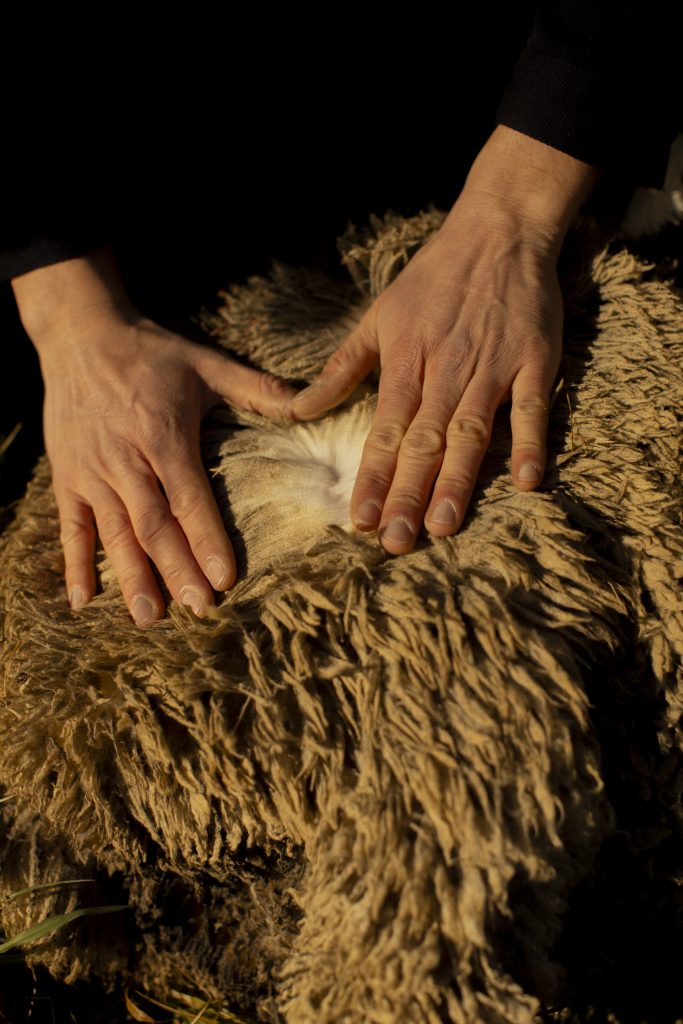
Two shepherds joined the team at the end of 2024. The brand is establishing its own herd of Arles merino sheep, which graze on the Causse Méjean at the family farm in La Cavalette. The herd comprises around three hundred animals. Julien Tuffery sees this as a return to his roots: ‘The oldest traces of denim in our workshop are my great-grandfather’s Nîmes fabrics.
There was already wool in them, quite simply because we’re in sheep country.”
The flock is also a question of sovereignty. The brand works with French fibres – wool, hemp and flax – and patiently traces the supply chain back through the spinners, weavers and dyers, right to the farm. Among its bestsellers are jeans in which locally sourced wool yarns replace some of the cotton. To the naked eye, the difference is subtle. However, when worn, the difference becomes apparent: a comfortable, beautiful fabric with a reduced environmental footprint that restores wool’s modern appeal.
Just forty-five people keep the brand going. Manufacturing in France incurs production costs several times higher than those of large factories in Asia. To finance this approach, Atelier Tuffery has opted for exclusive direct sales through its website, its workshop in Florac, its shops in Paris and Montpellier, and pop-up shops that bring the brand to customers across France.
The collections evolve slowly. The bulk of the business is based on key basics, available all year round. A pair of jeans bought today will be worn for ten years and develop a unique character; the in-house repair service maintains them, while the second-hand market extends their lifespan. The business remains entirely family-owned, which guarantees its independence. Julien and Myriam are building a sustainable brand that can be passed on to their children, who are free to choose their own paths. The factory doors also remain wide open to visitors. Julien Tuffery sums up the ambition in a single sentence: “Behind every pair of jeans, there are two hours of labour and a resource that comes from the earth.”
Février, 2026
Créer avec l’existant, penser avec l’histoire
De l’architecture au design, cette édition explore comment lieux, savoir-faire et matières héritées deviennent terrains de création actuelle.
Janvier, 2026
Le luxe se réinvente.
Finis les logos clignotants, place à une sobriété raffinée, à l’immersion personnelle, à l’excellence artisanale, à la durabilité sensible.
Décembre, 2025
Héritages, gestes contemporains et plaisirs essentiels
Parce que la fête n’est jamais qu’apparence : elle reflète notre manière d’habiter le monde, de transmettre, de fabriquer des souvenirs durables.
ÉDITION #3
Upcycling et kintsugi transforment l’objet contemporain, faisant de la trace, de la réparation et de la matière un langage esthétique.
ÉDITION #3
Artisans et designers donnent une seconde vie aux matériaux anciens, entre création contemporaine, patrimoine et réemploi.
ÉDITION #3
Bunkers, wagons et kiosques renaissent grâce à la création, révélant comment l’art redonne sens aux lieux délaissés.
ÉDITION #2
Un regard transversal sur le quiet luxury à travers des lieux, des objets et des figures qui expriment l’élégance.
ÉDITION #1
Une sélection de marques, architectures, objets et escapades qui donnent corps au sens de la fête.
ÉDITION #3
Usines et gares délaissées deviennent lieux culturels ouverts, où mémoire industrielle et usages contemporains redessinent la ville.
ÉDITION #3
L’audacieuse métamorphose d’un palace parisien
ÉDITION #3
Au cœur du Marais, un lieu discret révèle comment archives, architecture et recherche font dialoguer l’œuvre de Picasso.
ÉDITION #2
Une expérience shopping unique dans un magasin emblématique.
ÉDITION #2
Voyage culinaire et architectural au cœur de la Seine
ÉDITION #2
Dans le 9e arrondissement, un établissement qui invite au quiet luxury
ÉDITION #1
Chante! vient d’ouvrir ses portes. Une invitation à vibrer !
ÉDITION #3
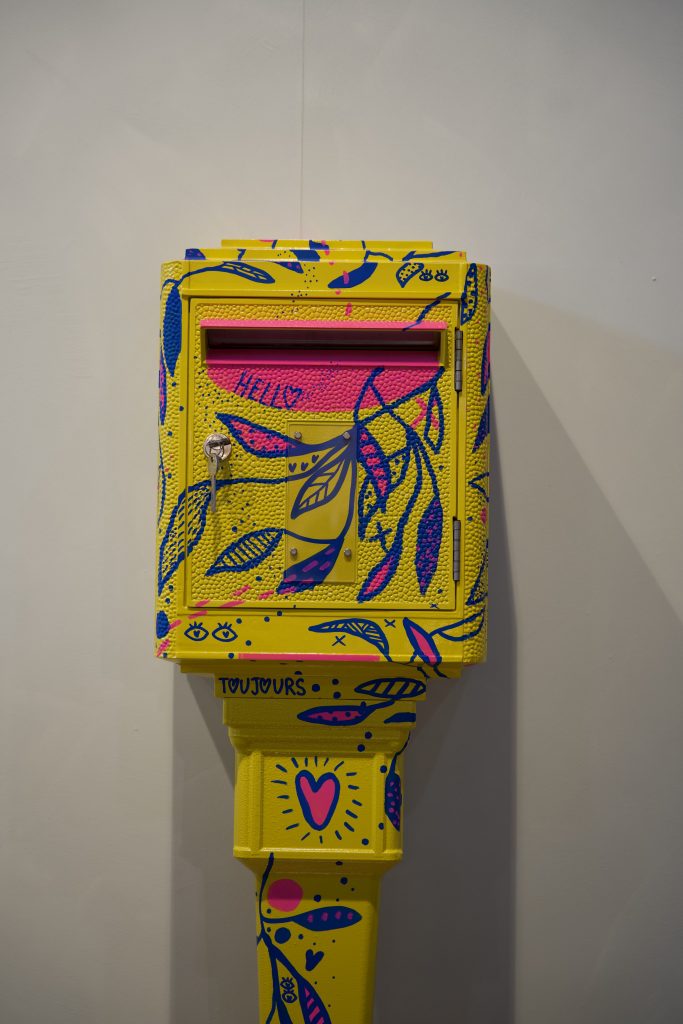
Icône du paysage français, la boîte jaune change de statut et s’invite dans l’univers du design.
ÉDITION #3
L’édition 2026 affirme une vision où artisanat, design et mémoire façonnent l’habitat contemporain, international actuel.
ÉDITION #3
Cent ans après 1925, l’Art déco revient dans nos villes et intérieurs avec géométrie, audace, optimisme.
ÉDITION #3
Depuis plus de deux cents ans, Royal Limoges conjugue porcelaine, savoir-faire industriel et création contemporaine.
ÉDITION #3
Des terrains de sport aux podiums, la sneaker raconte un siècle de mutations culturelles, techniques et stylistiques.
ÉDITION #2
Design, mode, artisanat : des créations où la forme et la matière se répondent avec justesse, loin de tout effet de mode.
ÉDITION #1
Décorations artisanales, calendriers ultra-luxe et pièces de collection pour s’enivrer de joie avant l’heure.
ÉDITION #3
Entre marqueterie monumentale et jungle symbolique, Anton Laborde transforme le bois en récit contemporain poétique engagé.
ÉDITION #3
À Maison & Objet, Thierry Laudren présente des meubles sculptés où fonction, matière et lenteur façonnent une présence.
ÉDITION #3
Jean Nouvel conçoit une architecture attentive aux contextes, où lumière, histoire et usages façonnent chaque projet.
ÉDITION #3
À Lyon, Sophie Morel rénove des lieux historiques en alliant respect du bâti et écriture contemporaine.
ÉDITION #3
Au Centre d’Études Picasso, l’architecte compose une architecture où lumière, géométrie et héritage dialoguent avec précision.
ÉDITION #2
Entretien avec le fondateur d’EDO (European Design Office)
ÉDITION #2
Portrait d’un visionnaire qui transforme l’art de recevoir en expérience totale.
ÉDITION #1
Personnalités, artisans et créateurs qui donnent à la fête sa profondeur humaine.
ÉDITION #3
De Bordeaux au Bassin, art, vignobles et bien-être composent une échappée élégante au cœur de la Gironde.
ÉDITION #2
Vers une région de l’Italie habitée par le temps, où paysages, culture et usages s’accordent dans une continuité rare.
ÉDITION #1
Destinations et rituels qui réinventent la fête, du soleil tropical aux marchés d’hiver.