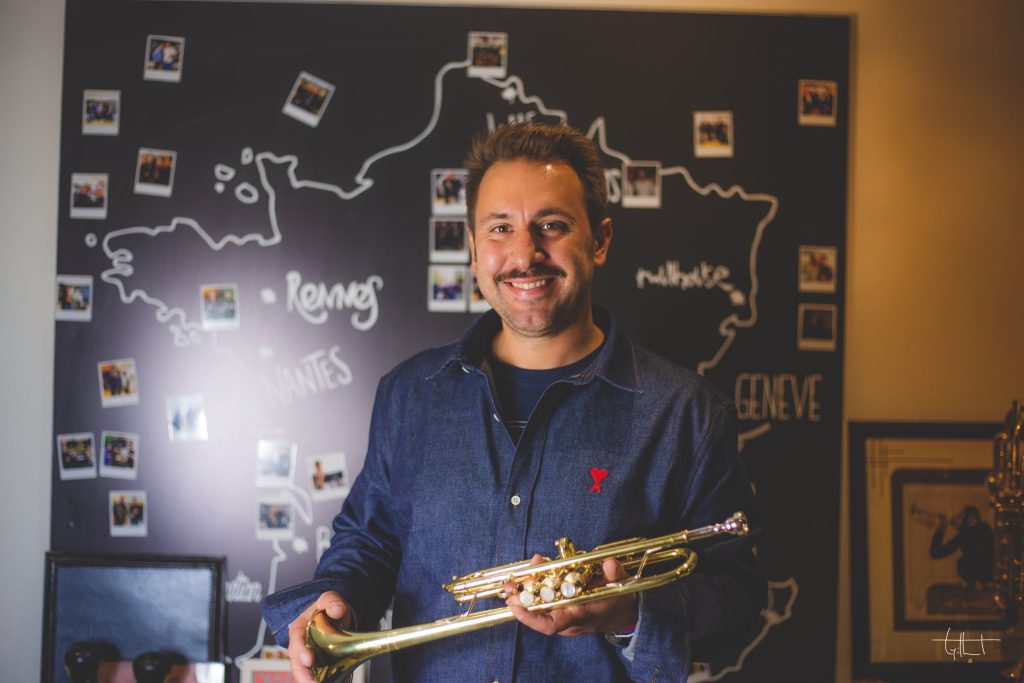
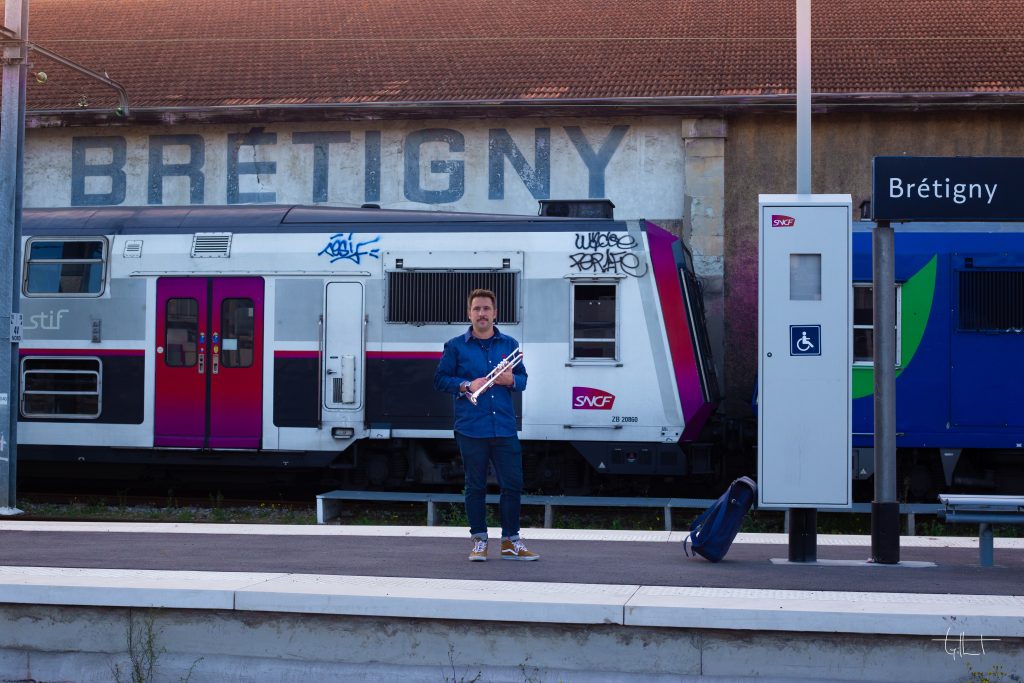
During the height of the pandemic, with the Radio France auditorium closed to the public, one exceptional guest was granted permission to attend a performance. On stage, the brass section of the Philharmonic Orchestra performed Henri Tomasi’s Fanfares liturgiques on trumpets made in Brétigny-sur-Orge. That guest was none other than their maker, Adrien Jaminet. He was witnessing a defining moment: his instruments were bringing an almost-forgotten French sound back to life. A few years earlier, a meeting with a legendary trumpeter had opened his eyes to the richness of this heritage. From that moment on, he would devote himself to bringing it back.
Photo: Adrien Jaminet
After the performance was broadcast, the phone began ringing. On the other end was Roger Delmotte, former principal trumpet of the Paris Opera and a living embodiment of the French trumpet tradition, calling to congratulate the young instrument maker. He had just heard a sound he had not encountered in decades. For an entire generation of musicians, this distinctive timbre was something new. For Adrien Jaminet, it was a rediscovery of his heritage.
Messages flooded in, and orchestras began asking to try the instruments. Bright, richly resonant and full of flair, this sound has a character that Jaminet sums up in a single word: “champagne”. The A. Jaminet trumpets had arrived on the public stage.
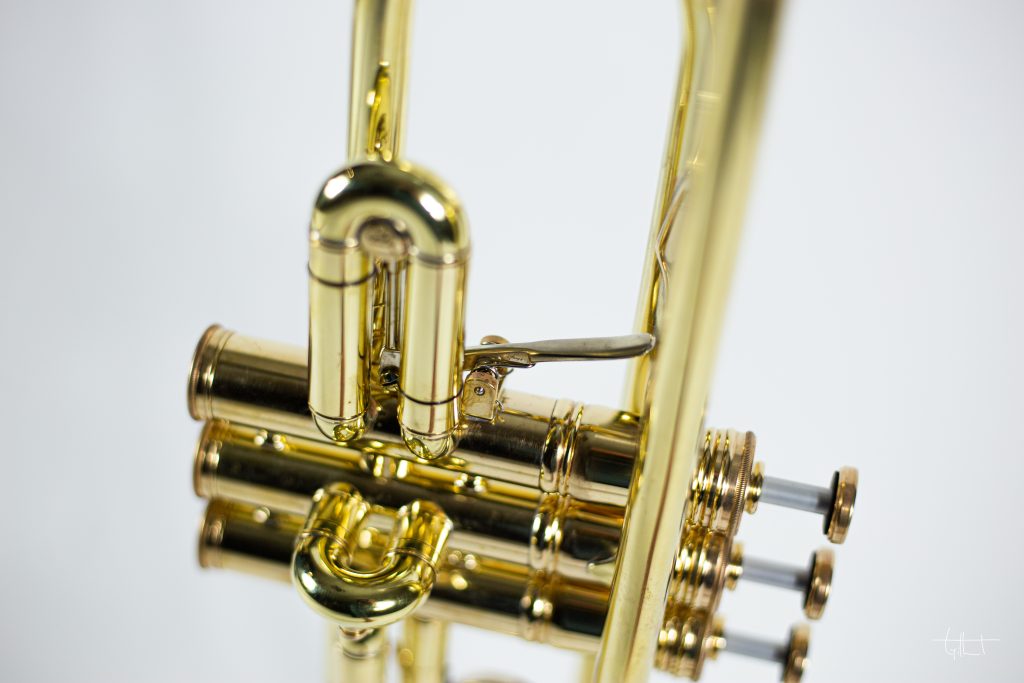
Adrien Jaminet
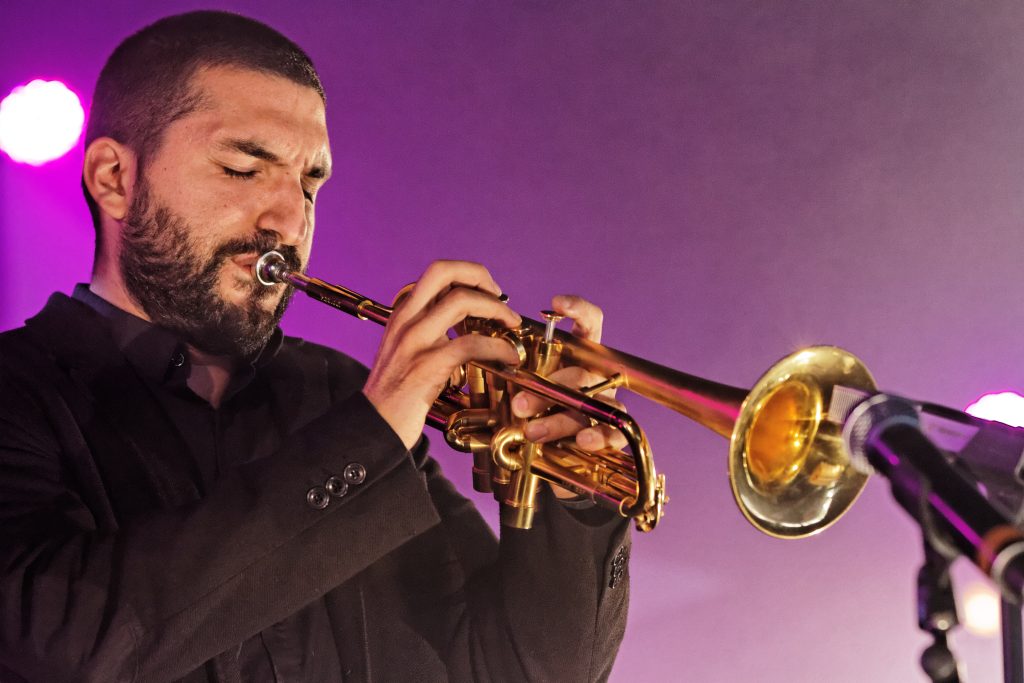
Ibrahim Maalouf performing on the Cabaret stage at the Festival du Bout du Monde in Crozon, Finistère (France); The Supermat; Wikimedia
Music was, above all, a family affair. His father, a talented amateur musician, surrounded himself with musician friends, many of whom played in professional military bands. The young Adrien discovered the trumpet at the music school in Brétigny-sur-Orge, the town where his entire family lived. As a teenager, he was captivated by a television feature on the musicians of the Garde républicaine and became determined to pursue a professional career as a musician. He threw himself into his studies and enrolled at the Boulogne-Billancourt Conservatoire, where he joined Frédéric Presle’s class.
But a work experience placement during his final year of lower secondary school opened up another path. It took him to a brass instrument repair workshop, and he was immediately captivated. The world of instrument making and the business behind it fascinated him just as much as music itself. He began by repairing his own trumpets, then those belonging to his friends. At nineteen, while completing his conservatoire studies, he registered as a self-employed craftsman. His first workshop was set up in the basement of his family home.
His visitors soon included some of the biggest names in the trumpet world: Marc Geujon, newly appointed to the Paris Opera; Clément Saunier, fresh from winning international competitions; and even Guy Touvron. “People whose posters I had on my bedroom wall were suddenly coming down the stairs into my parents’ basement.”
Yet the young man still dreamed of becoming a professional trumpeter. But in that basement, the roles were beginning to reverse: the musicians he admired on stage were now coming to him for his expertise. The usual hierarchy of the musical world gave way to a shared passion for the instrument.
A circle of friends from the conservatoire, then aged between fifteen and eighteen, also began gathering around him. Many of them would go on to become principal trumpet players with the Orchestre National de France, the Paris Opera, and the orchestras of Toulouse and Bordeaux. They were a generation of musicians who had grown up alongside him and would soon become part of his journey.
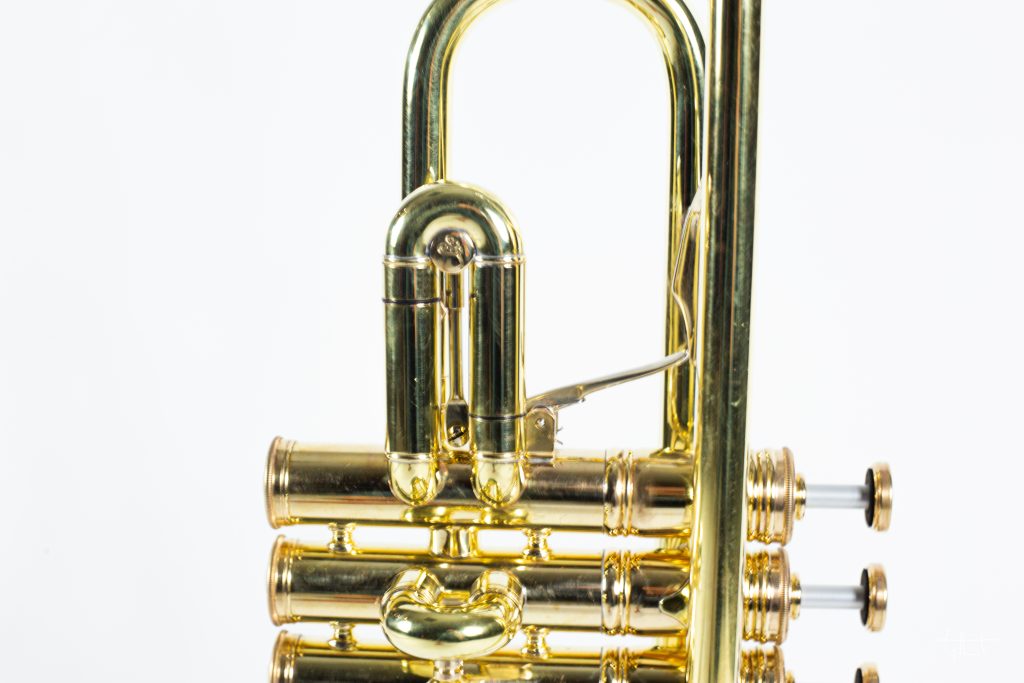
Adrien Jaminet
The workshop gradually expanded, moving beyond the family basement and developing into a business. Then a chance encounter would take things to an entirely new level.
Adrien Jaminet met Roger Delmotte, who was then 92. Principal trumpet at the Paris Opera from 1951 to 1986, Delmotte is a legend of the instrument and is now a centenarian. Through their conversations, Jaminet discovered a largely forgotten chapter of history: France’s importance as a centre of trumpet making and craftsmanship.
He came to realise that France had two distinct legacies in the trumpet world. One was its teaching tradition, embodied above all by Maurice André, whose influence continues to be felt around the world. The other was its instrument-making tradition, which had gradually faded away in the decades following the Second World War. It was this second legacy that Jaminet decided to revive.
The traditional French trumpet has its own distinctive characteristics: a narrower bell, a smaller bore and a bright, brilliant tone. After the war, conductors increasingly moved between countries and began seeking a more uniform orchestral sound. The American trumpet model gradually became the international standard, pushing the distinctive characteristics of the French instrument into the background.
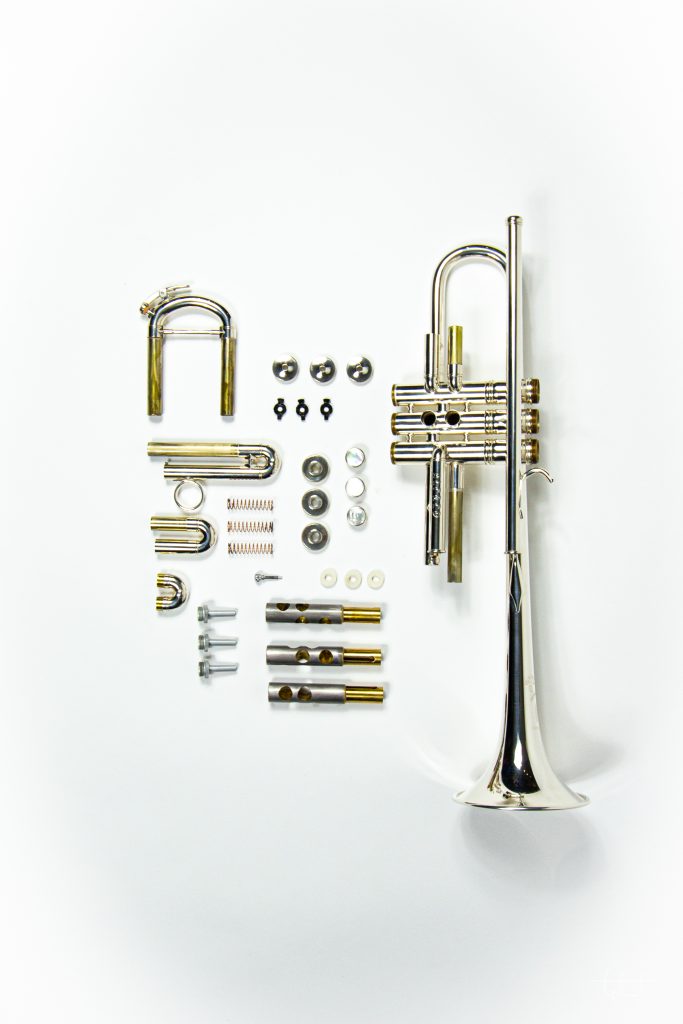
Determined to recapture that sound, Adrien Jaminet bought an Alfred Aubertin trumpet from a collector. Aubertin, an instrument maker based in Aubervilliers, had ceased production in the late 1960s. Jaminet completely dismantled the instrument and meticulously recorded its dimensions. Working alongside Marc Geujon and David Guerrier, he then developed a new model inspired by the original. He named it Alfred, in tribute to two men: Alfred Aubertin himself and Alfred Leblanc, mayor of Brétigny during the First World War, after whom the street where the workshop now stands is named.
The A. Jaminet brand was launched shortly before the pandemic. The first prototypes were completed during the lockdowns. The venture soon took an unexpected turn when the instruments made their debut on the Radio France stage.
Adrien Jaminet
On Rue Alfred-Leblanc, the trumpets are made with the help of a network of local partners. From the outset, Adrien Jaminet set himself a clear rule: every component should come from within an 800-kilometre radius of the workshop.
The machined parts are produced in a workshop just 200 metres away as the crow flies. The bells come from Germany and the valves from Italy, as no French metalworking company currently has the expertise to manufacture them. The remaining components are bent, shaped and assembled by hand by the team. Producing a small batch of four or five trumpets takes around ten days. Even the instrument cases are made in a local sewing workshop.
The prototyping process brought an unexpected discovery. To assemble the first instruments, combining the valve block, bell and mouthpiece components, Jaminet drew on his stock of small parts from an American brand based in Chicago, whose designs he admired. When he traced their origins, he discovered that they were actually manufactured near Troyes, just 250 kilometres from Brétigny. The industry he had assumed was lost was still there, quietly carrying on. It simply needed to be brought back into the spotlight.
The ambition, however, goes far beyond making an instrument. It is also about rebuilding an entire ecosystem of skills, supporting local suppliers and restoring recognition to expertise that many believed had disappeared.
Adrien Jaminet
The choice of brand name reflects this desire to put down roots. Marc Geujon, one of the workshop’s earliest visitors and later a close friend and mentor, has since been appointed professor at the Paris Conservatoire. His historical perspective helped shape Jaminet’s thinking.
His advice was straightforward: look at the instruments that come into the workshop for repair. Many of the great instrument-making houses bear the name of their founder alongside that of their town, as in the case of Schilke in Chicago and Bach in Elkhart.
The brand would therefore be called A. Jaminet, with Brétigny-sur-Orge proudly established as its place of origin. It was not an act of vanity, but a way of following a tradition and affirming a sense of belonging. What initially seemed an obvious choice has, over time, become a defining part of the brand’s identity, expressing a standard of craftsmanship and a local heritage of which the whole team is proud.
Another trumpet developed in-house, Lucien, also pays tribute to Brétigny. It earned the workshop the title of regional winner for Île-de-France in the Heritage category of the Ateliers d’Art de France competition. Following Alfred, unveiled in 2024, Lucien was selected for the Grande Exposition du Fabriqué en France at the Élysée Palace. And another circle was completed: the Garde républicaine, whose musicians had so fascinated Jaminet as a teenager, placed an order with the workshop.
Adrien Jaminet
Tradition does not rule out innovation. The collaboration with Ibrahim Maalouf is a perfect example. The two men share a geographical connection: born in Beirut, the trumpeter grew up in Étampes, in the Essonne department, not far from Brétigny. The teenager who once had Maalouf’s poster on his bedroom wall would eventually welcome the artist himself through the doors of his workshop.
Their first collaboration involved designing a mouthpiece. This initial project led to a much more ambitious idea: developing a quarter-tone trumpet based on the fourth-valve system devised by the musician’s father, Nassim Maalouf, in the 1960s.
Two years of work went into perfecting the T.O.M.A. model, an acronym for Trompette de Michel-Ange. The project soon grew beyond the instrument itself, becoming a brand, an album and a concert tour. Throughout the tour, the five trumpeters accompanying Ibrahim Maalouf all played the same model.
The success opened up new possibilities. How could this innovation be made accessible to a wider audience? To answer that question, the two partners joined forces with Buffet Crampon, a leading French manufacturer best known for its clarinets, which also had the capacity to produce trumpets on a larger scale under the Antoine Courtois brand. Together, they developed a more affordable student model.
The collaboration also took them abroad. The two men travelled to Japan, among other destinations, to present their respective areas of expertise: artistic performance on one side, craftsmanship on the other. Japan has since become an important market for A. Jaminet, with Buffet Crampon handling local distribution.
For Antoine Courtois, Jaminet also designed two trumpets alongside Clément Saunier: Confluence and Bellecour, both named after landmarks in Lyon’s heritage. Bellecour went on to receive an award in Japan. These projects demonstrate the workshop’s ability to bring together traditional craftsmanship and contemporary design.
Slider
Adrien Jaminet
From a family basement to a business employing ten people, the journey has been remarkable. Adrien Jaminet chose to stay in Brétigny-sur-Orge, where he moved into larger premises, before seizing the opportunity to open a second workshop in Lyon. But growth also brings responsibility: passing on knowledge and skills.
Instrument making and repair are trades largely learnt through hands-on experience. The leading specialist school in Le Mans devotes around a fifth of its curriculum to brass instrument making and repair, with the remainder focused on other wind instruments. As a result, the team trains many of its employees in-house, welcoming both apprentices and people looking for a career change.
The latter follow an intensive one-year training programme before undertaking a six-week placement at the workshop. Those who show the greatest motivation can then return on a part-time basis, with the possibility of eventually moving into a full-time position.
Behind the figures are, above all, individual stories. Clément, Adrien Jaminet’s first apprentice, became his first employee and eventually workshop manager. For a young entrepreneur, moving from working alone to employing a second person is a major milestone: the workforce doubles overnight.
Gaël, formerly one of the company’s suppliers, decided to join the business and take charge of the Lyon workshop. Lucas first arrived on a school work experience placement before going on to complete an apprenticeship. His journey has not always been straightforward, but it has helped him find his direction. Today, he is one of the company’s key people and is expected to lead the development of a future workshop in Bordeaux.
Three different journeys, united by a common thread: learning, growing and building something together. Jaminet sees something of his younger self in Lucas, whose story reminds him of his own beginnings. For him, passing on knowledge is not simply an added benefit of running a business; it is fundamental to its development.
Adrien Jaminet
In March 2026, AJ Atelier des Cuivres was awarded the Entreprise du Patrimoine Vivant (EPV) label, a French government distinction recognising companies with outstanding expertise in traditional craftsmanship and industrial production.
The award crowns a journey supported by a number of prizes and organisations, notably the Banque Populaire Foundation, the EY Foundation and the Rémy Cointreau Foundation. The company has also taken part in Bpifrance’s Savoir-faire d’exception accelerator programme, where it has worked alongside numerous businesses already holding the EPV label. Being part of this community inspired the team to seek the same recognition.
For the team, the label is first and foremost a source of collective pride. It recognises the revival of a craft at a time when France had almost entirely lost its trumpet-making industry. It also raises the workshop’s profile and strengthens its position in the world of fine craftsmanship.
Adrien Jaminet is keen, however, to ensure that this story is not told solely through his own achievements. It belongs to the ten people who keep the workshops running, the partners who contribute to the manufacturing process and the musicians who play his instruments. As customers, ambassadors and friends, they all help share the story and champion a distinctive French sound. The community behind the project therefore extends well beyond the company’s walls.
The ambition is now international. But Jaminet’s dreams are also shaped by a longer-term vision of heritage. As a teenager, he was already fascinated by the French instruments he repaired and by the workshops that had made them, many of which had since disappeared. Today, he hopes that his own brand might one day become part of that same history.
“I hope that our brand will have revived something and left a small mark on the history of the instrument.”
An ambition that can be summed up in a few words: to make the French trumpet sound resonate once more, to pass on a craft and to ensure that this revival stands the test of time.

Février, 2026
Créer avec l’existant, penser avec l’histoire
De l’architecture au design, cette édition explore comment lieux, savoir-faire et matières héritées deviennent terrains de création actuelle.
Janvier, 2026
Le luxe se réinvente.
Finis les logos clignotants, place à une sobriété raffinée, à l’immersion personnelle, à l’excellence artisanale, à la durabilité sensible.
Décembre, 2025
Héritages, gestes contemporains et plaisirs essentiels
Parce que la fête n’est jamais qu’apparence : elle reflète notre manière d’habiter le monde, de transmettre, de fabriquer des souvenirs durables.
ÉDITION #3
Upcycling et kintsugi transforment l’objet contemporain, faisant de la trace, de la réparation et de la matière un langage esthétique.
ÉDITION #3
Artisans et designers donnent une seconde vie aux matériaux anciens, entre création contemporaine, patrimoine et réemploi.
ÉDITION #3
Bunkers, wagons et kiosques renaissent grâce à la création, révélant comment l’art redonne sens aux lieux délaissés.
ÉDITION #2
Un regard transversal sur le quiet luxury à travers des lieux, des objets et des figures qui expriment l’élégance.
ÉDITION #1
Une sélection de marques, architectures, objets et escapades qui donnent corps au sens de la fête.
ÉDITION #3
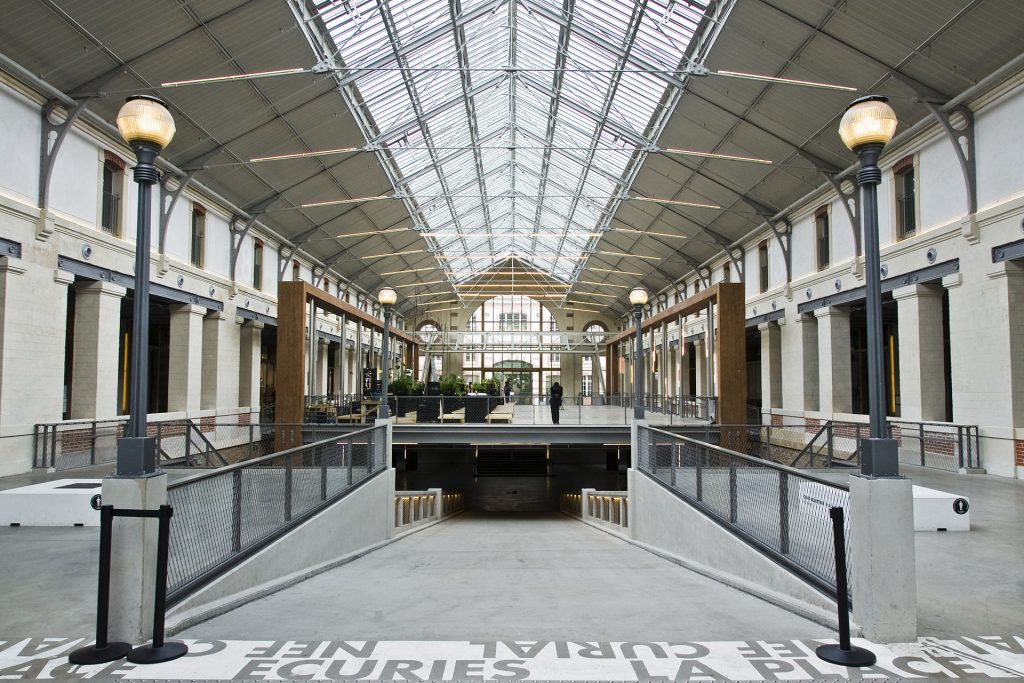
Usines et gares délaissées deviennent lieux culturels ouverts, où mémoire industrielle et usages contemporains redessinent la ville.
ÉDITION #3
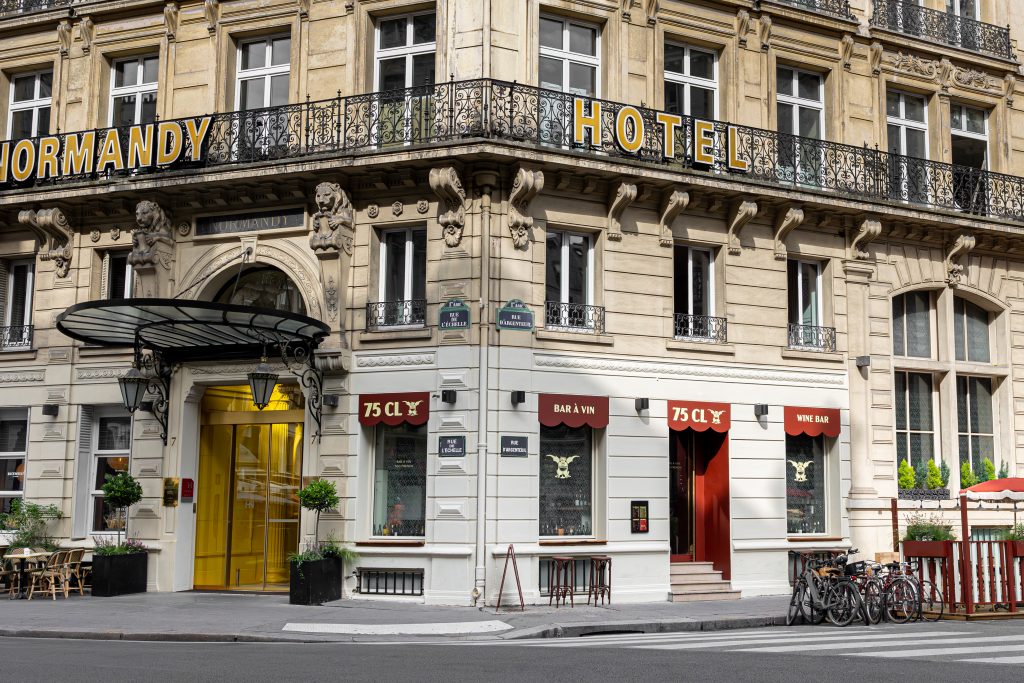
L’audacieuse métamorphose d’un palace parisien
ÉDITION #3
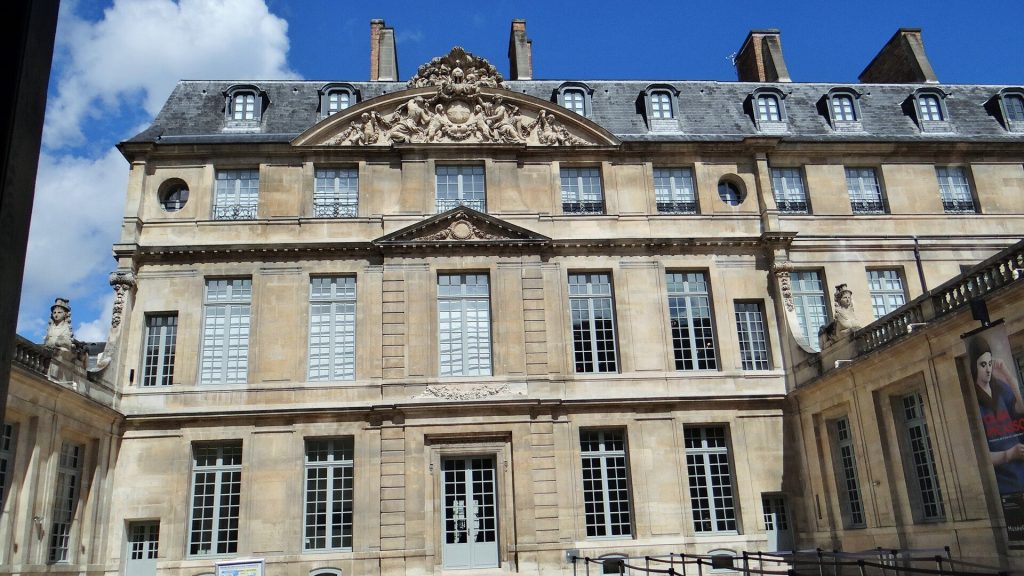
Au cœur du Marais, un lieu discret révèle comment archives, architecture et recherche font dialoguer l’œuvre de Picasso.
ÉDITION #2
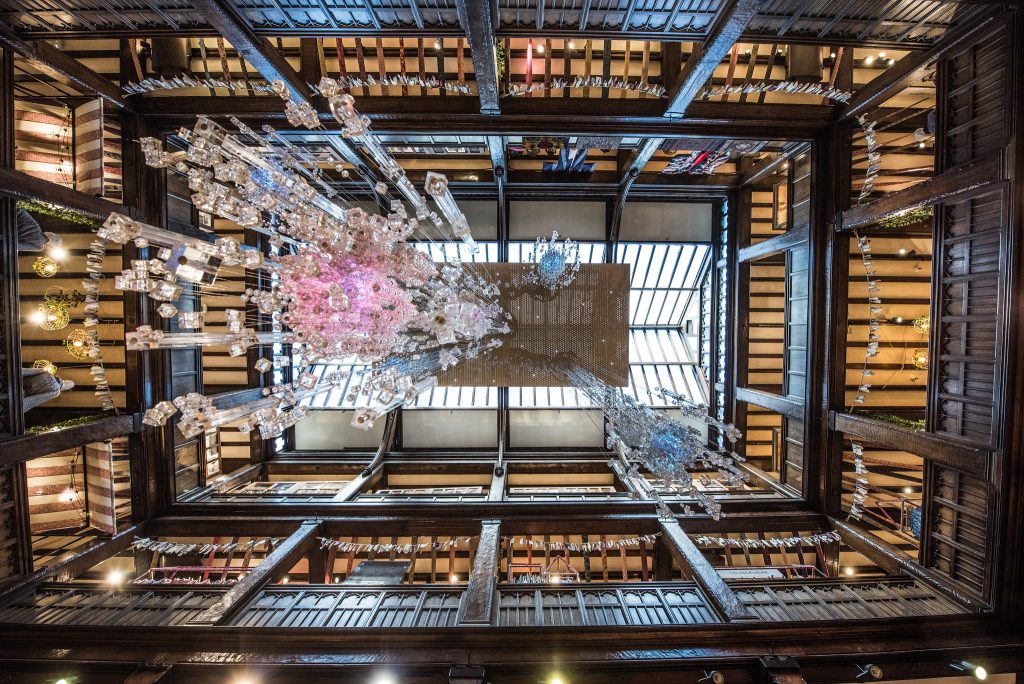
Une expérience shopping unique dans un magasin emblématique.
ÉDITION #2
Voyage culinaire et architectural au cœur de la Seine
ÉDITION #2
Dans le 9e arrondissement, un établissement qui invite au quiet luxury
ÉDITION #1
Chante! vient d’ouvrir ses portes. Une invitation à vibrer !
ÉDITION #3
Icône du paysage français, la boîte jaune change de statut et s’invite dans l’univers du design.
ÉDITION #3
L’édition 2026 affirme une vision où artisanat, design et mémoire façonnent l’habitat contemporain, international actuel.
ÉDITION #3
Cent ans après 1925, l’Art déco revient dans nos villes et intérieurs avec géométrie, audace, optimisme.
ÉDITION #3
Depuis plus de deux cents ans, Royal Limoges conjugue porcelaine, savoir-faire industriel et création contemporaine.
ÉDITION #3
Des terrains de sport aux podiums, la sneaker raconte un siècle de mutations culturelles, techniques et stylistiques.
ÉDITION #2
Design, mode, artisanat : des créations où la forme et la matière se répondent avec justesse, loin de tout effet de mode.
ÉDITION #1
Décorations artisanales, calendriers ultra-luxe et pièces de collection pour s’enivrer de joie avant l’heure.
ÉDITION #3
Entre marqueterie monumentale et jungle symbolique, Anton Laborde transforme le bois en récit contemporain poétique engagé.
ÉDITION #3
À Maison & Objet, Thierry Laudren présente des meubles sculptés où fonction, matière et lenteur façonnent une présence.
ÉDITION #3
Jean Nouvel conçoit une architecture attentive aux contextes, où lumière, histoire et usages façonnent chaque projet.
ÉDITION #3
À Lyon, Sophie Morel rénove des lieux historiques en alliant respect du bâti et écriture contemporaine.
ÉDITION #3
Au Centre d’Études Picasso, l’architecte compose une architecture où lumière, géométrie et héritage dialoguent avec précision.
ÉDITION #2
Entretien avec le fondateur d’EDO (European Design Office)
ÉDITION #2
Portrait d’un visionnaire qui transforme l’art de recevoir en expérience totale.
ÉDITION #1
Personnalités, artisans et créateurs qui donnent à la fête sa profondeur humaine.
ÉDITION #3
De Bordeaux au Bassin, art, vignobles et bien-être composent une échappée élégante au cœur de la Gironde.
ÉDITION #2
Vers une région de l’Italie habitée par le temps, où paysages, culture et usages s’accordent dans une continuité rare.
ÉDITION #1

Destinations et rituels qui réinventent la fête, du soleil tropical aux marchés d’hiver.