Studio Wunderkammera: wet collodion or the allegory of slowness

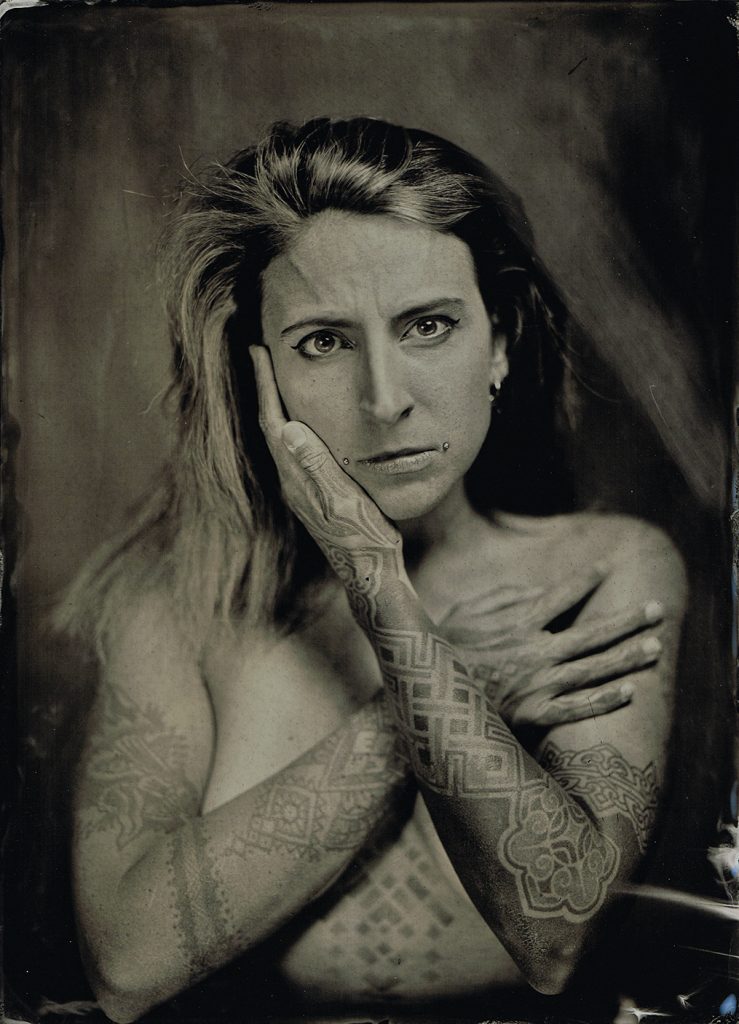
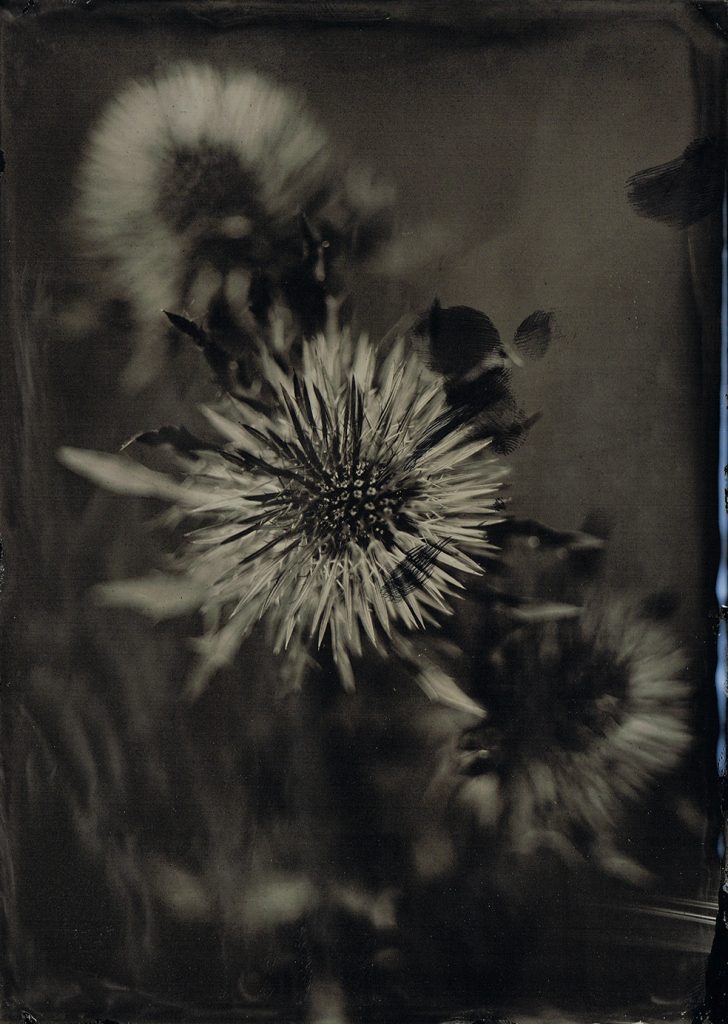
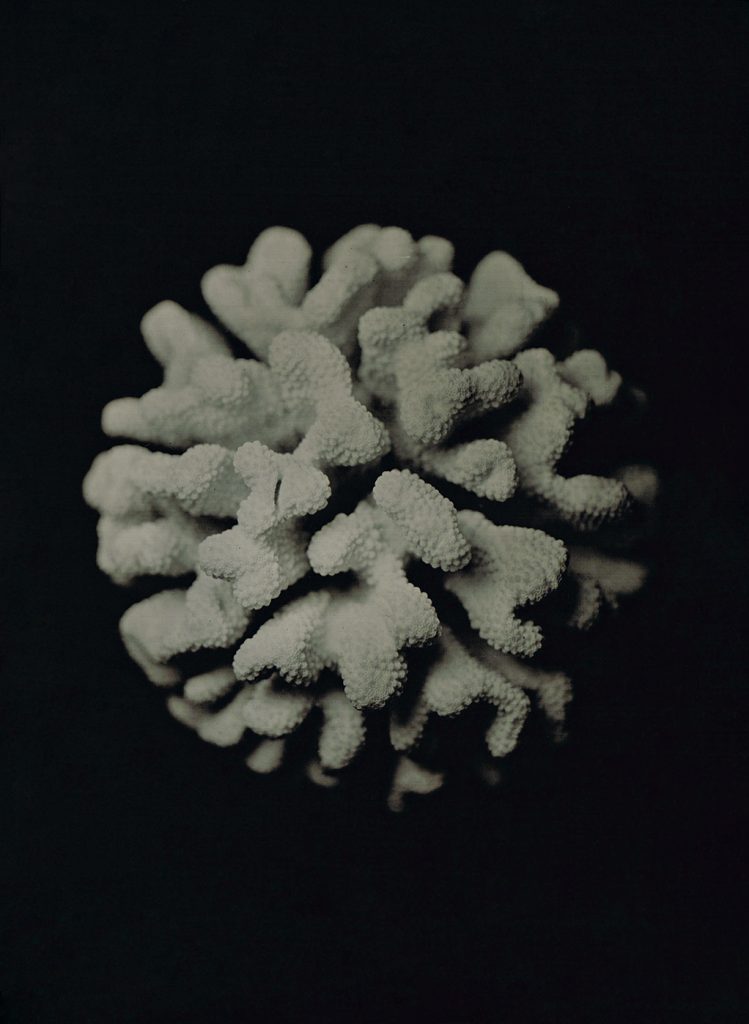
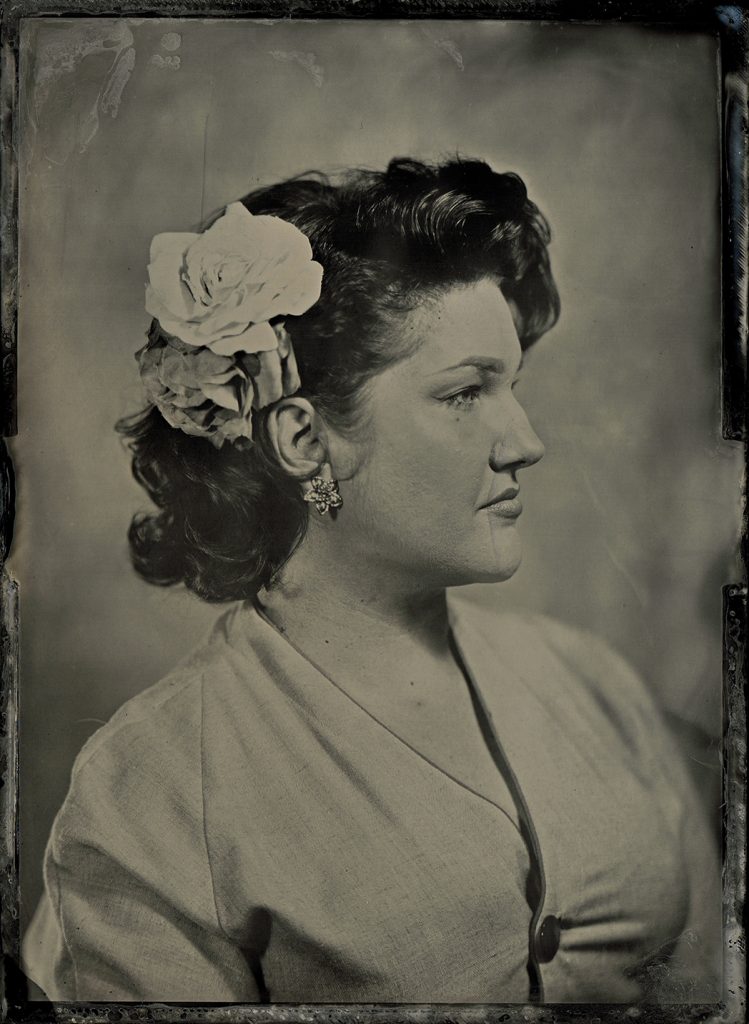
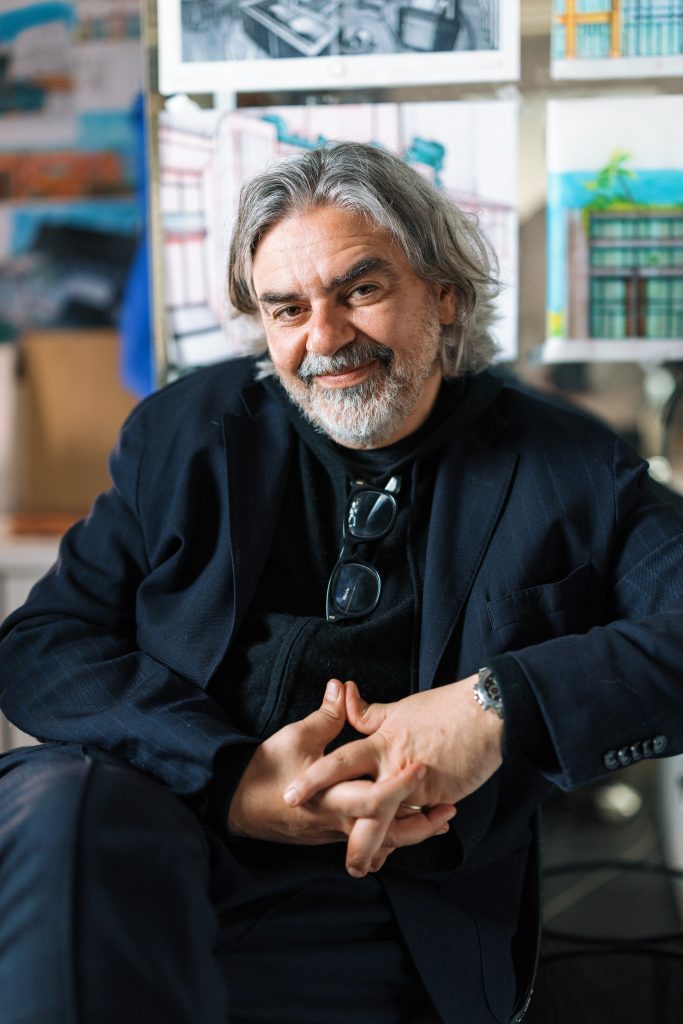
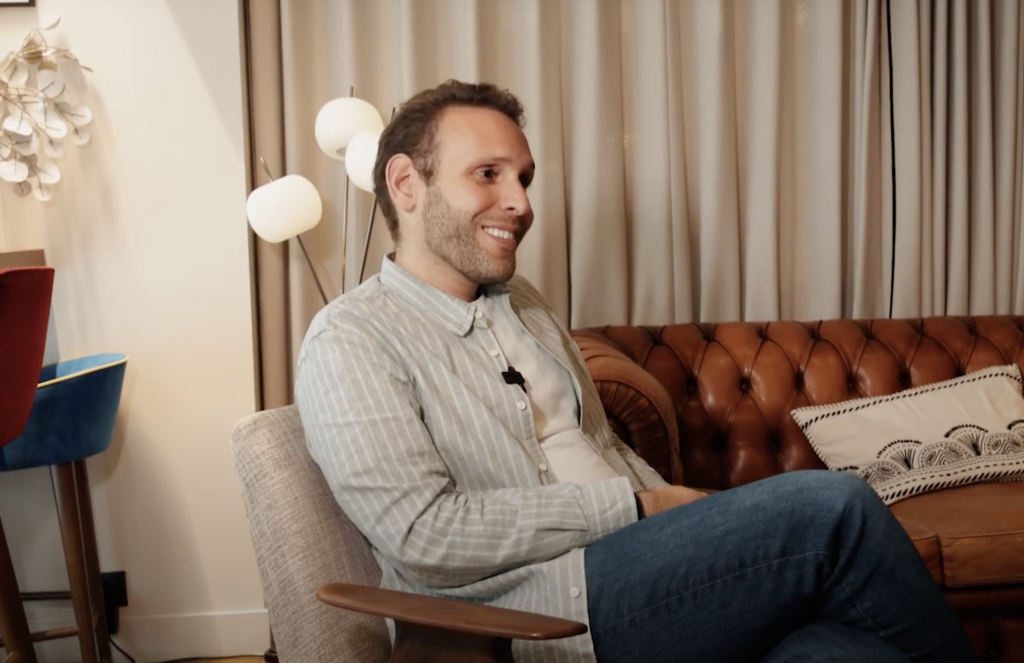
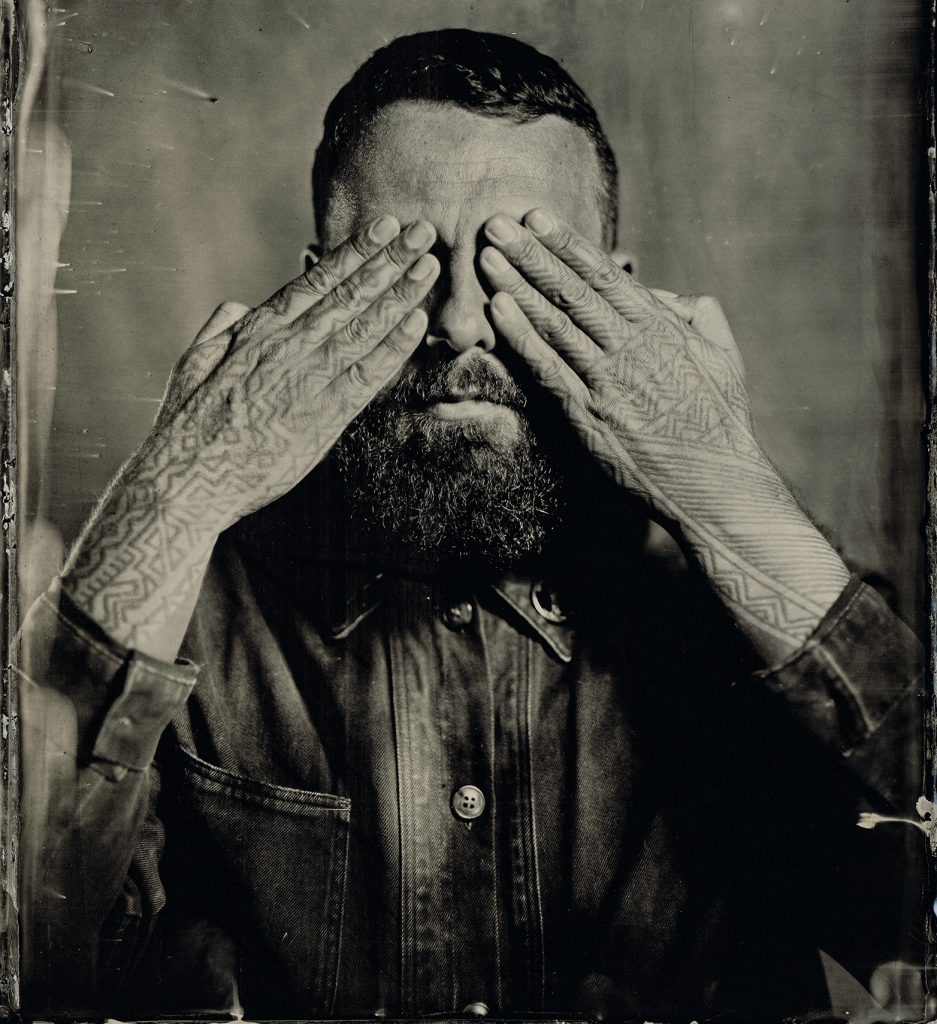
Based in Strasbourg, Vincent Chaudron uses the wet collodion process, a photographic technique dating from 1851, to create portraits. Each image is created on a glass plate and is prepared and developed by hand without the use of retouching or filters. As a graphic designer, teacher and street photographer, he practises this art at the slow pace dictated by chemistry, far removed from the constant flow of images. “Taking a portrait is a bit like a form of dance: there’s the person taking the photo and the person posing,” he says.

Wet collodion: chemistry from another century

Studio Wunderkammera

Wet collodion belongs to the golden age of early photographic portraits. Developed in 1851 by the British photographer Frederick Scott Archer, it produced images of unprecedented precision before being replaced by faster processes. Today, a few enthusiasts are reviving the technique. Its strength lies in the material itself: the silver salt that reacts with the collodion has a physical presence on the plate, creating a metallic depth. “The material used – silver – has a luminous and somewhat noble quality,” explains the photographer.

Another distinctive feature is that the plate’s sensitivity remains very low at around 1–2 ISO, whereas standard film ranges from 200–3,200 ISO. This low sensitivity makes the wet collodion process the sharpest and most defined ever achieved. Each plate is unique, prepared by hand and sensitised in a silver nitrate bath before being exposed and developed on the spot. No two are alike.

From flea markets to silver nitrate

Studio Wunderkammera

Vincent Chaudron’s connection with the visual arts dates back to his studies in Applied Arts in Strasbourg, followed by a BTS in Visual Communication, specialising in Graphic Design and Advertising. Around this time, he started taking photographs using digital cameras. An avid visitor to flea markets, he developed a taste for antiques, and very quickly became interested in photographic equipment and the craft itself. He moved on to film photography, followed by Polaroid and even older processes.

Photography took centre stage again during lockdown, when his day job came to a halt. He turned to street photography, which he still practises today, before stumbling across the wet collodion process while scrolling through a news feed. He says that algorithms sometimes lead you back to things that had always been there. He realised straight away that this was the process for him. Today, Vincent Chaudron divides his time between photography, a bar-restaurant of which he is a co-owner, and graphic design classes.

Slowing down, bucking the trend of his time

Studio Wunderkammera

Vincent Chaudron has made slowness his guiding principle under the banner of Studio Wunderkammera, a name combining the German cabinet of curiosities, the Wunderkammer, and the camera.

“With the development of AI and the overproduction of images, taking the time to create an image is a way of going against the grain,” he explains.

The wet collodion process dictates this pace. The plate must be prepared at the moment the shot is taken because the emulsion must remain wet. The process involves welcoming the model, working with the light and framing the shot with the view camera. This is followed by a trip to and from the darkroom, where the glass plate is cleaned, the collodion is poured onto it and it is immersed in a silver nitrate bath. Then the plate is slid into the frame, the shot is taken and the image is developed using chemicals. The only concession to modernity is the use of powerful flashes to compensate for the lack of ultraviolet light, to which the process remains sensitive.

Seeking the true face

Studio Wunderkammera

He admits to a reluctance towards posed portraits, despite also practising street photography. At every session, he therefore seeks out the most natural expression possible, even if it means guiding the subject towards a touch of restraint or, conversely, a touch of excess. A silent dialogue ensues, in which the photographer gauges what he perceives in the person opposite him.

This unhurried pace echoes that of photography’s early days. Long exposures explain the reserved expressions in old portraits: it is easier to hold a pose for twenty to thirty seconds with a neutral expression than with a broad smile. Through this patience, Vincent Chaudron aims to achieve something even rarer. “I dare to hope that, through a photograph, we can capture a slightly deeper side of a person,” he confides.
An image made to last

This process can be used with two types of media. When placed on a glass plate, the ambrotype appears as a negative but is revealed as a positive as soon as a black background is placed behind it. The plate is then hermetically sealed to provide lasting protection. On a metal plate — nowadays aluminium — the ferrotype is coated with a protective varnish. If properly cared for, these objects can withstand the test of time; some ambrotypes dating back to the 1850s have survived intact.

Studio Wunderkammer champions this physicality, encapsulating its ethos in the motto ‘every portrait is a ritual, every plate a relic’. Sessions take place by appointment at the studio in Strasbourg. Ultimately, what drives Vincent Chaudron boils down to a few simple things: restoring the presence and significance of the portrait, and capturing a little of the person posing, plate by plate.

Continue exploring

A grand tour of Swiss watchmaking expertise: the manufacturers and workshops
Endangered skills: a world tour of ten rare crafts worth preserving
Lasting forever: nine objects that have become legends
Ten hidden gems showcasing an intimate, artisanal and deeply elegant Scotland
Plant-based cuisine to awaken the senses: a host of chefs to follow
Temples of gastronomy where the senses are awakened!

Février, 2026

Édition 3 : Patrimoine et création

Créer avec l’existant, penser avec l’histoire

De l’architecture au design, cette édition explore comment lieux, savoir-faire et matières héritées deviennent terrains de création actuelle.

Janvier, 2026

Édition 2 : Quiet luxury

Le luxe se réinvente.

Finis les logos clignotants, place à une sobriété raffinée, à l’immersion personnelle, à l’excellence artisanale, à la durabilité sensible.

Décembre, 2025

Édition 1 : Le sens de la fête

Héritages, gestes contemporains et plaisirs essentiels

Parce que la fête n’est jamais qu’apparence : elle reflète notre manière d’habiter le monde, de transmettre, de fabriquer des souvenirs durables.

ÉDITION #3

Révéler la beauté

Upcycling et kintsugi transforment l’objet contemporain, faisant de la trace, de la réparation et de la matière un langage esthétique.

ÉDITION #3

Les nouveaux artisans du patrimoine

Artisans et designers donnent une seconde vie aux matériaux anciens, entre création contemporaine, patrimoine et réemploi.

ÉDITION #3

L'art à la rescousse des friches et lieux oubliés

Bunkers, wagons et kiosques renaissent grâce à la création, révélant comment l’art redonne sens aux lieux délaissés.

ÉDITION #2

Le murmure du beau

Un regard transversal sur le quiet luxury à travers des lieux, des objets et des figures qui expriment l’élégance.

ÉDITION #1

Lieux, maisons et matières en éclats

Une sélection de marques, architectures, objets et escapades qui donnent corps au sens de la fête.

ÉDITION #3

La création au secours des bâtiments promis à l’oubli

Usines et gares délaissées deviennent lieux culturels ouverts, où mémoire industrielle et usages contemporains redessinent la ville.

ÉDITION #3

Hôtel Normandy Le Chantier

L’audacieuse métamorphose d’un palace parisien

ÉDITION #3

Dans les coulisses du Centre d'Études Picasso à Paris

Au cœur du Marais, un lieu discret révèle comment archives, architecture et recherche font dialoguer l’œuvre de Picasso.

ÉDITION #2

Shopping iconique dans un décor Tudor

Une expérience shopping unique dans un magasin emblématique.

ÉDITION #2

Gastronomie et architecture

Voyage culinaire et architectural au cœur de la Seine

ÉDITION #2

L'art de l'hospitalité parisienne

Dans le 9e arrondissement, un établissement qui invite au quiet luxury

ÉDITION #1

Chante!

Chante! vient d’ouvrir ses portes. Une invitation à vibrer !

ÉDITION #3

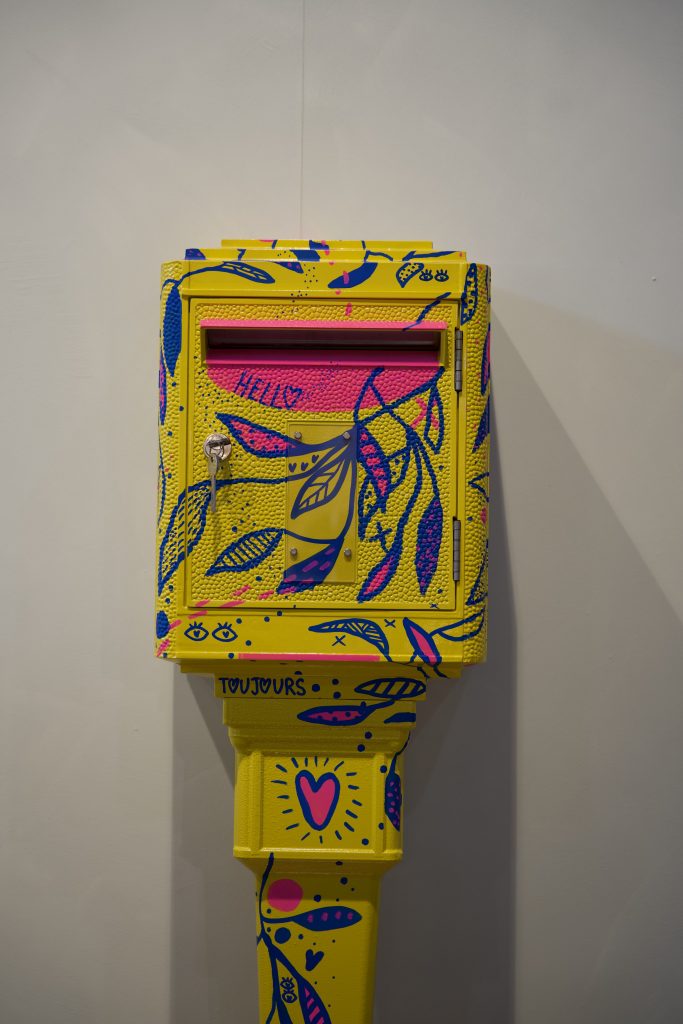
La boîte aux lettres française devenue objet de design

Icône du paysage français, la boîte jaune change de statut et s’invite dans l’univers du design.

ÉDITION #3

Retour sur Maison&Objet 2026 : retour aux sources et à l’essentiel

L’édition 2026 affirme une vision où artisanat, design et mémoire façonnent l’habitat contemporain, international actuel.

ÉDITION #3

Art Deco: un mouvement centenaire, plus actuel que jamais

Cent ans après 1925, l’Art déco revient dans nos villes et intérieurs avec géométrie, audace, optimisme.

ÉDITION #3

Royal Limoges, deux siècles d’histoire au présent

Depuis plus de deux cents ans, Royal Limoges conjugue porcelaine, savoir-faire industriel et création contemporaine.

ÉDITION #3

Du terrain à la rue et au catwalk : les sneakers à travers les époques

Des terrains de sport aux podiums, la sneaker raconte un siècle de mutations culturelles, techniques et stylistiques.

ÉDITION #2

La formidable aventure du papier peint de luxe

Design, mode, artisanat : des créations où la forme et la matière se répondent avec justesse, loin de tout effet de mode.

ÉDITION #1

Icônes, détails, rituels

Décorations artisanales, calendriers ultra-luxe et pièces de collection pour s’enivrer de joie avant l’heure.

ÉDITION #3

Anton Laborde

Entre marqueterie monumentale et jungle symbolique, Anton Laborde transforme le bois en récit contemporain poétique engagé.

ÉDITION #3

Thierry Laudren

À Maison & Objet, Thierry Laudren présente des meubles sculptés où fonction, matière et lenteur façonnent une présence.

ÉDITION #3

Jean Nouvel

Jean Nouvel conçoit une architecture attentive aux contextes, où lumière, histoire et usages façonnent chaque projet.

ÉDITION #3

Sophie Morel

À Lyon, Sophie Morel rénove des lieux historiques en alliant respect du bâti et écriture contemporaine.

ÉDITION #3

Pascal Grasso

Au Centre d’Études Picasso, l’architecte compose une architecture où lumière, géométrie et héritage dialoguent avec précision.

ÉDITION #2

Alexandre Danan

Entretien avec le fondateur d’EDO (European Design Office)

ÉDITION #2

Aziz Temimi

Portrait d’un visionnaire qui transforme l’art de recevoir en expérience totale.

ÉDITION #1

Visages, gestes, inspirations

Personnalités, artisans et créateurs qui donnent à la fête sa profondeur humaine.

ÉDITION #3

Chemins de traverse : parenthèse d’exception en Bordelais

De Bordeaux au Bassin, art, vignobles et bien-être composent une échappée élégante au cœur de la Gironde.

ÉDITION #2

Voyage en Toscane

Vers une région de l’Italie habitée par le temps, où paysages, culture et usages s’accordent dans une continuité rare.

ÉDITION #1

Horizons, saisons, traditions

Destinations et rituels qui réinventent la fête, du soleil tropical aux marchés d’hiver.

Dates, adresses, invitations

Expositions, événements et repères culturels pour vivre pleinement la saison des fêtes.