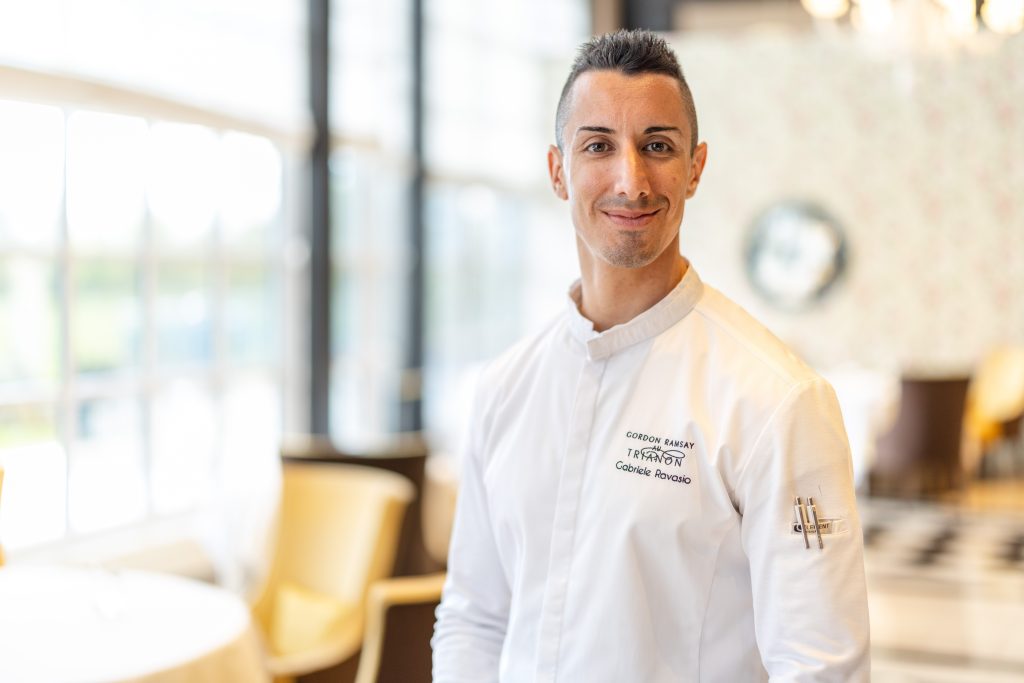
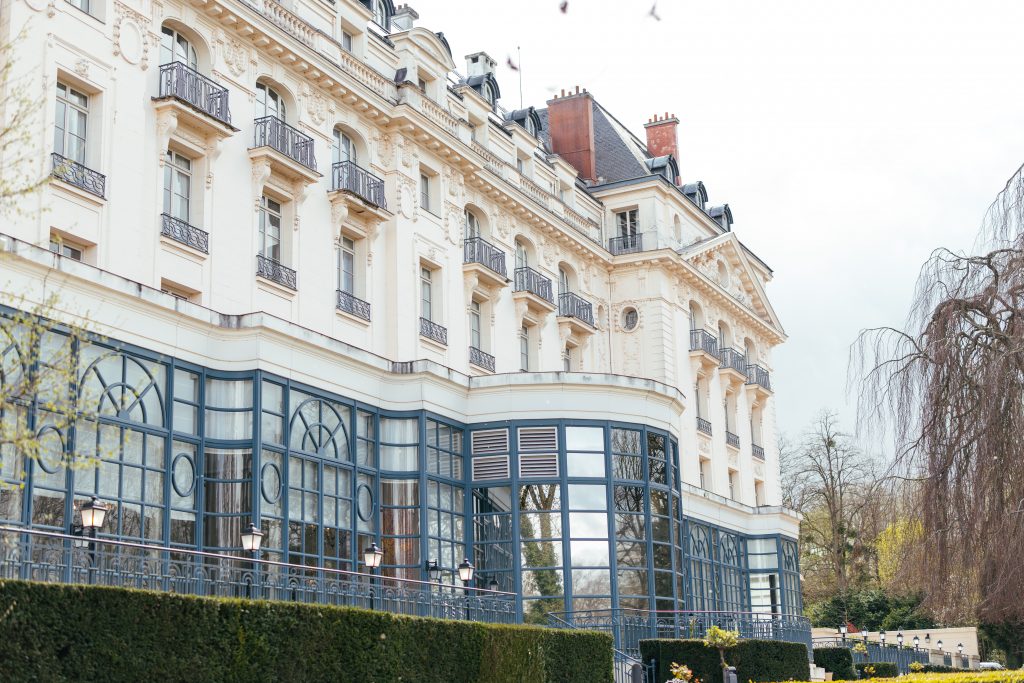
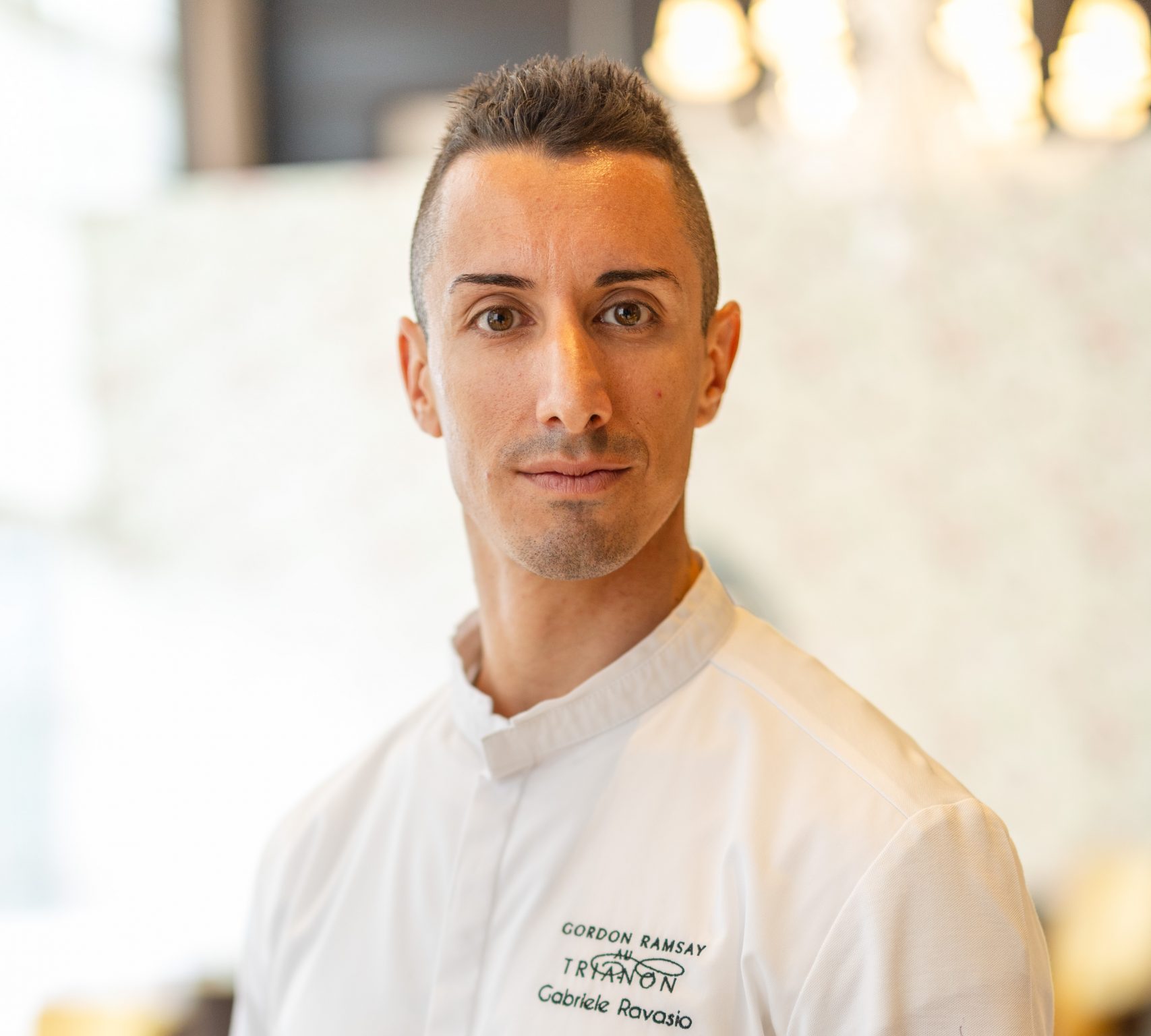
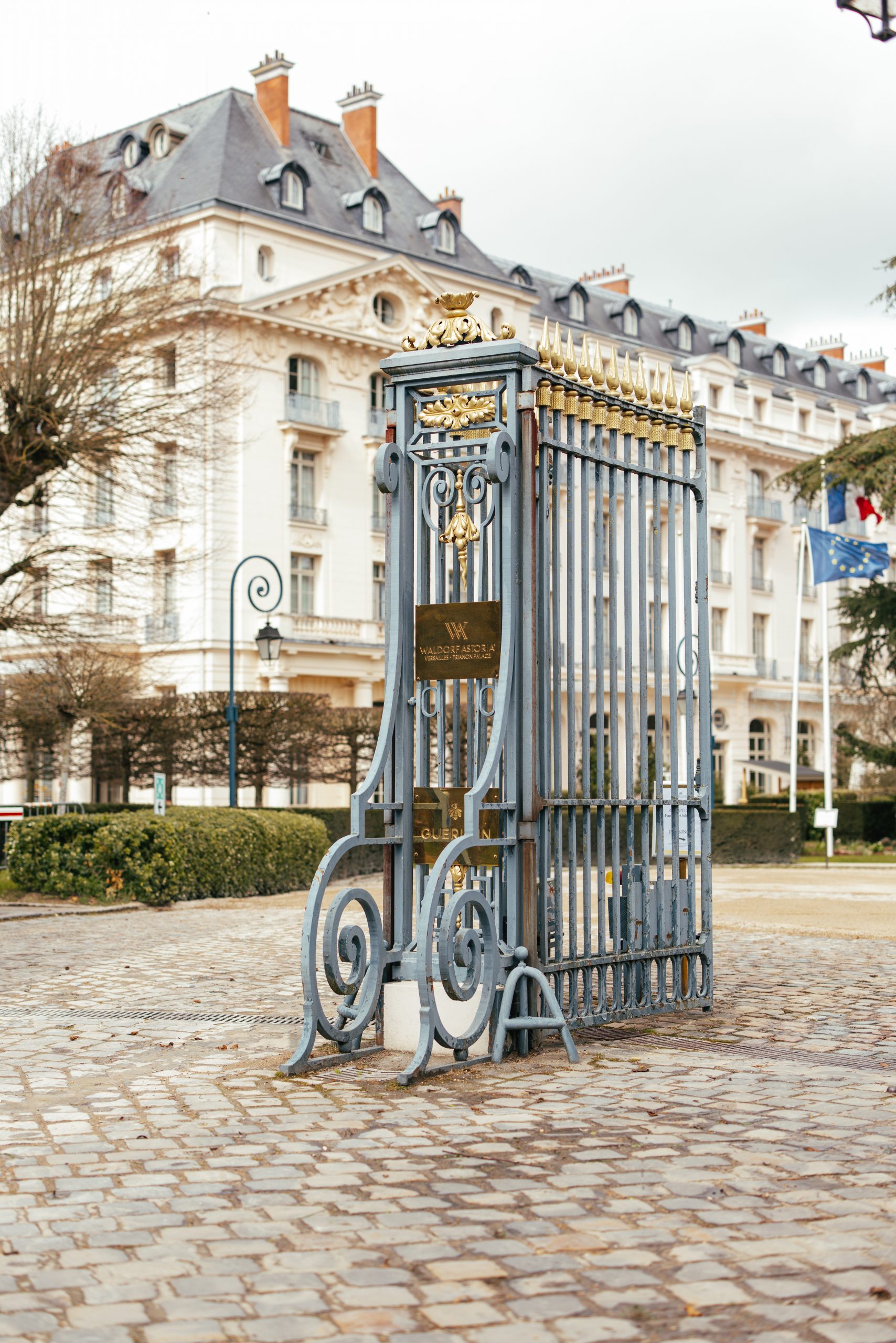
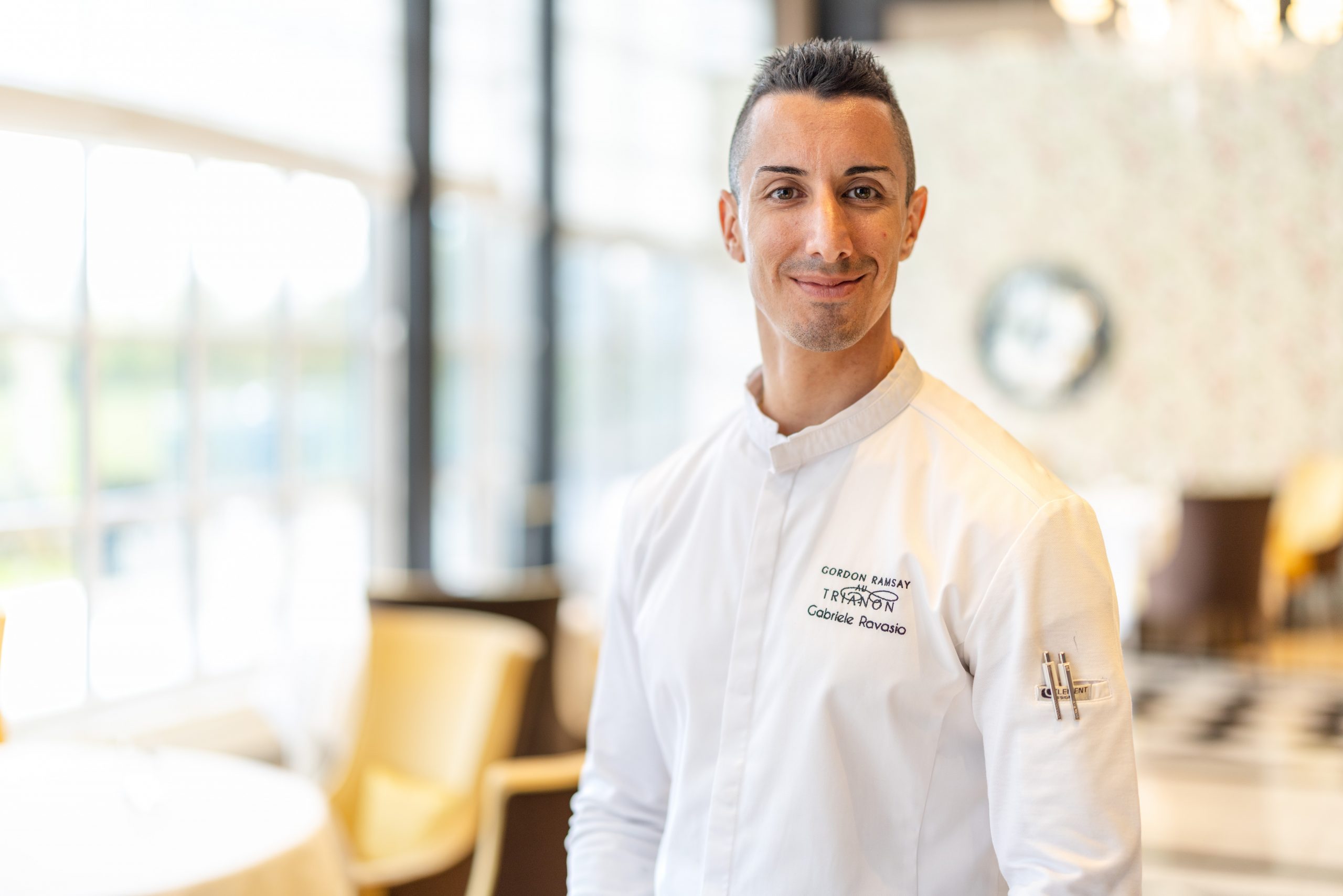
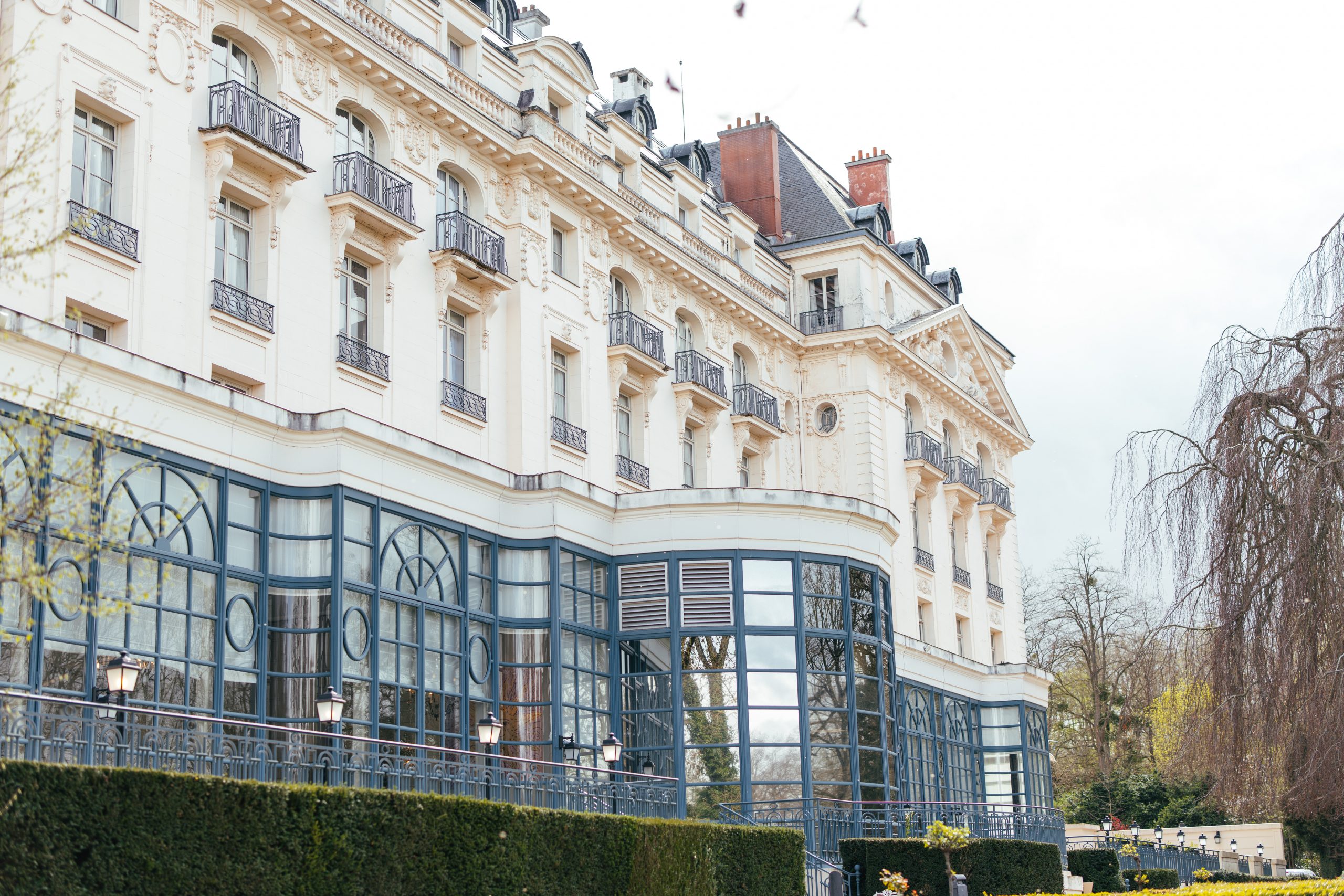
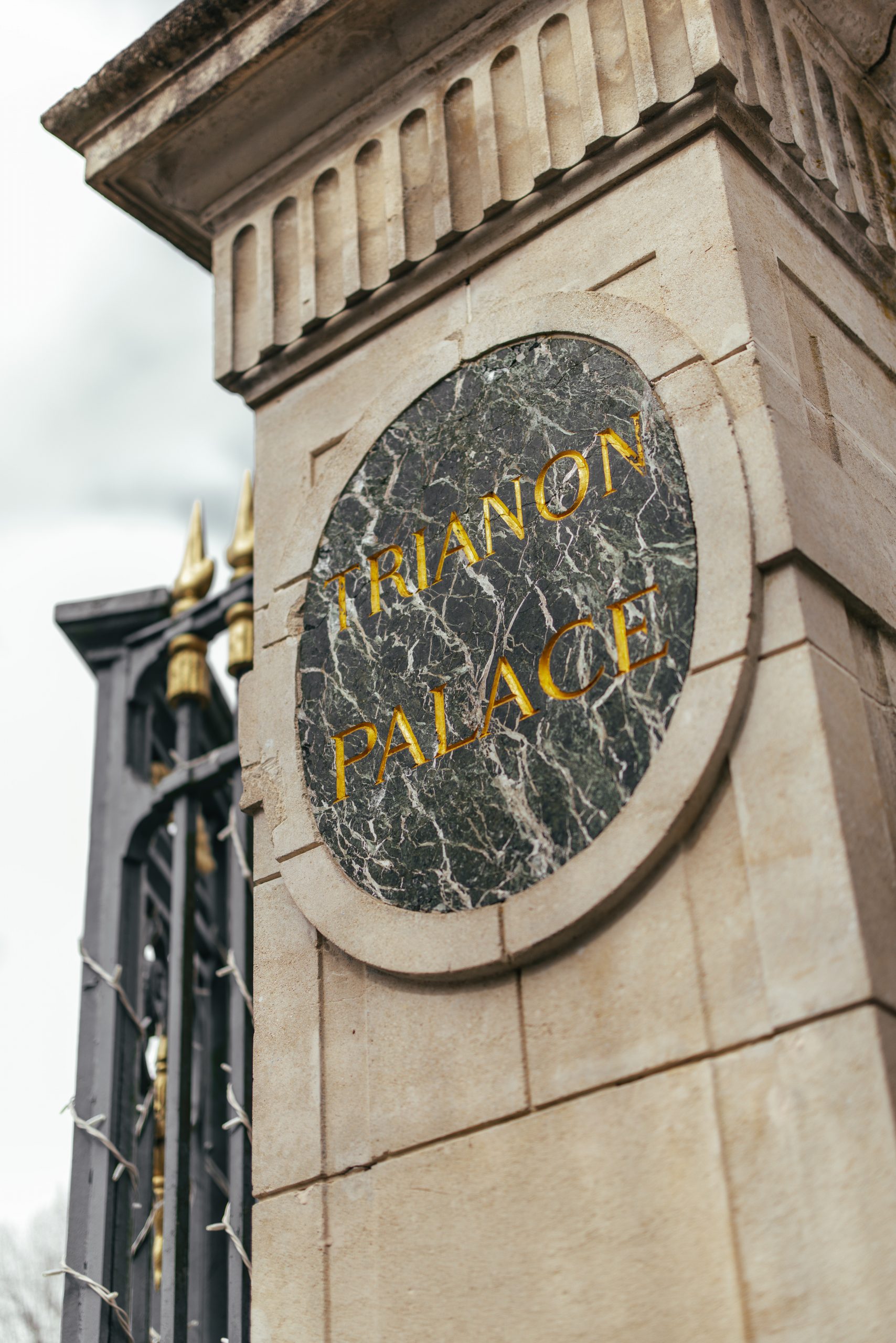
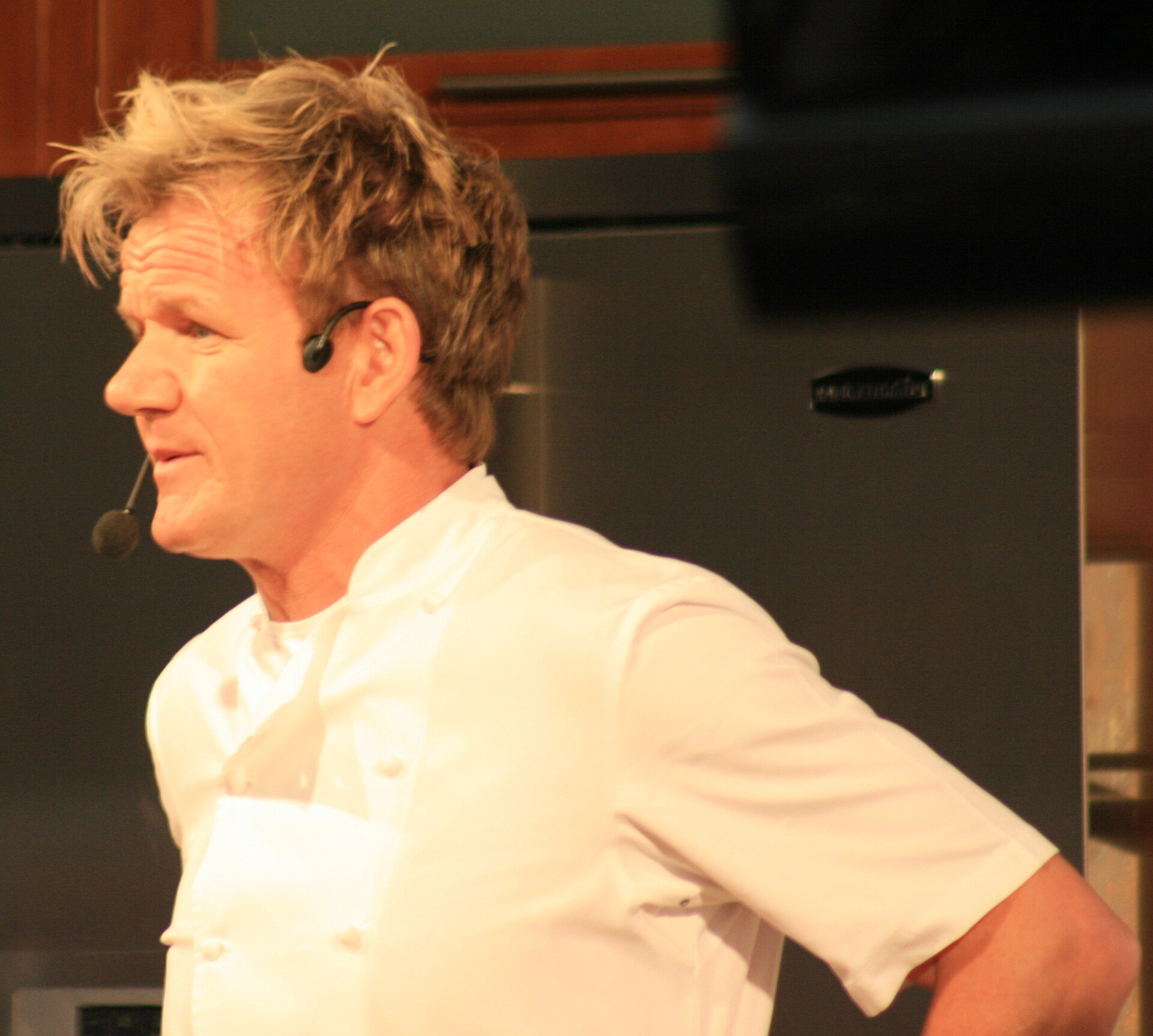
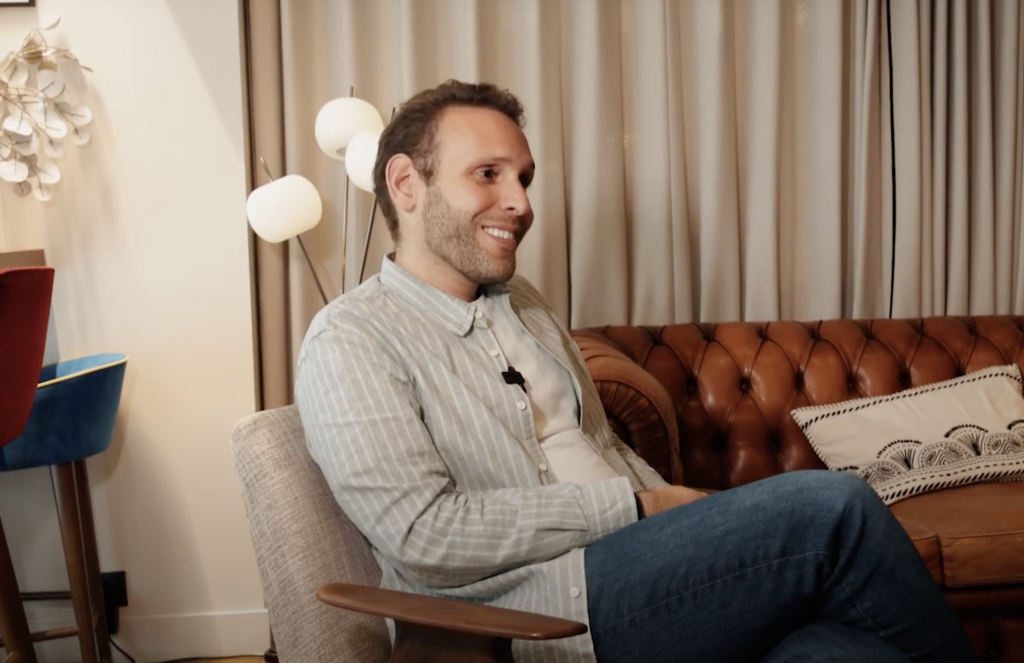
There are places that choose people just as much as people choose them. When Gabriele Ravasio walks through the doors of the Waldorf Astoria Versailles – Trianon Palace every morning, facing the Château’s grounds, he isn’t going to work. He’s coming home. “I simply feel at home. I’ve been working and living here for almost thirteen years. It’s a magical place, a place steeped in history that is truly close to my heart.” At thirty-seven, the Lombard chef is at the helm of the Michelin-starred Gordon Ramsay au Trianon, one of the most unique restaurants in the Île-de-France region. A restaurant where haute French cuisine engages with world cultures, rigour with audacity, and protocol with a refreshing lightness.
WeAreKollectors Magazine
The story begins in a small village of three thousand inhabitants, nestled in the mountains of northern Italy. It was there that Gabriele Ravasio, barely eleven years old, discovered he wanted to become a chef. An early love at first sight that turned into a concrete commitment at the age of fourteen, when he first stepped into a professional kitchen. What might have been nothing more than a passing fancy soon proved to be a true calling.
At the age of twenty-one, the young Italian left his mountain home for London. The culture shock was immense. The cosmopolitan, frenetic British capital was a world away from the peaceful pace of Lombardy. Yet it is amidst this hustle and bustle that his culinary style takes shape. He joins the kitchens of Nobu, a temple of Japanese-Peruvian fusion, and discovers a world of flavours and techniques that completely transforms his perspective. South America completes the picture, adding an extra layer of boldness to his culinary vocabulary.
From those formative years, Gabriele Ravasio retains more than just a recipe book. He has developed a profoundly humanistic vision of the craft. Cuisine as a passport, as a means of connection. “It has given me so much on a human level. I’ve been able to travel, meet people, very interesting colleagues, and discover different cultures. That’s what I love.”
WeAreKollectors Magazine
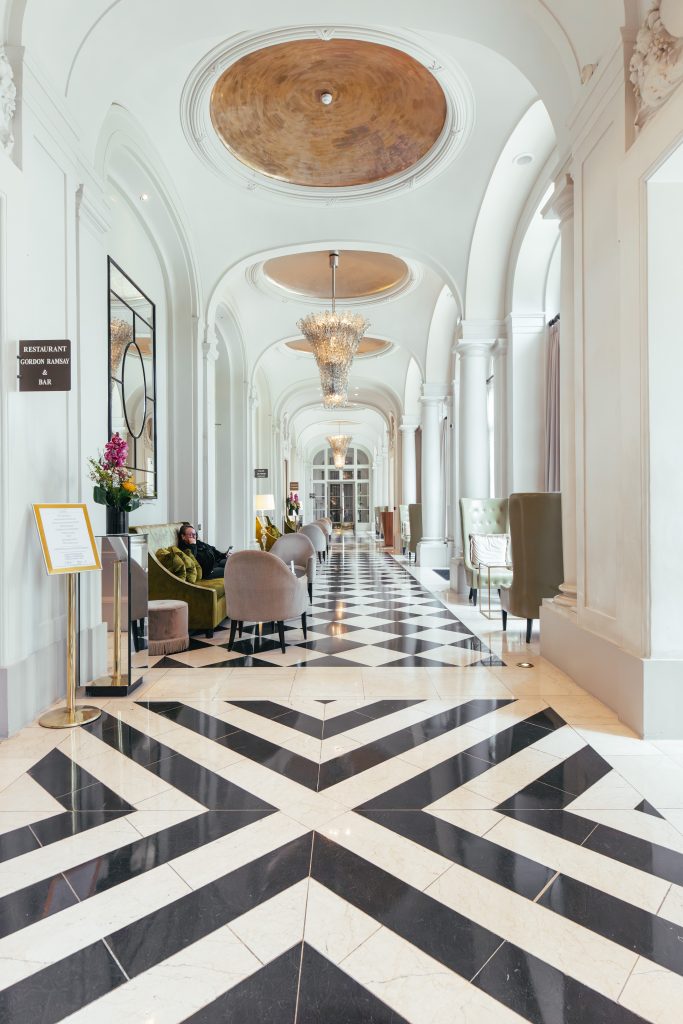
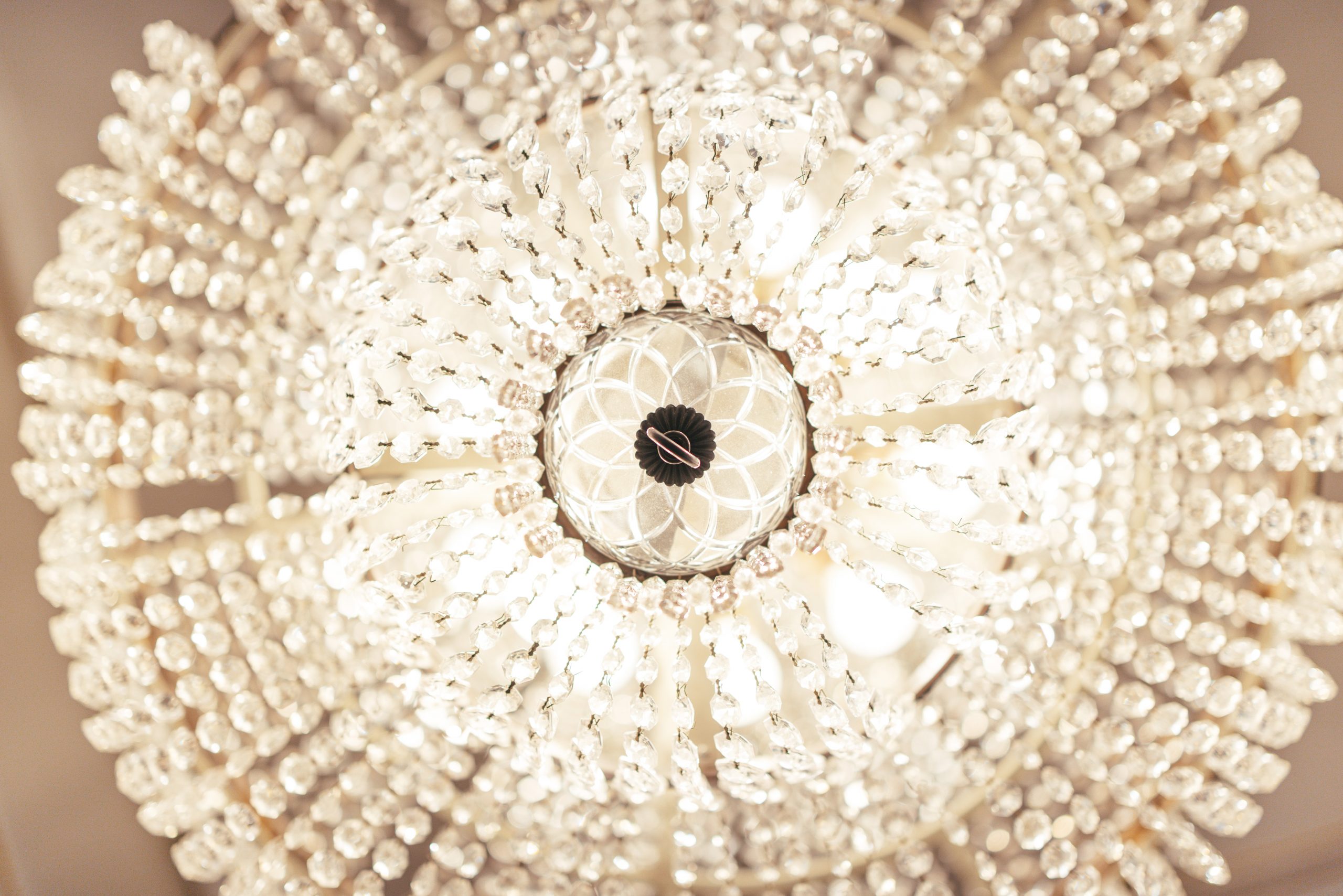
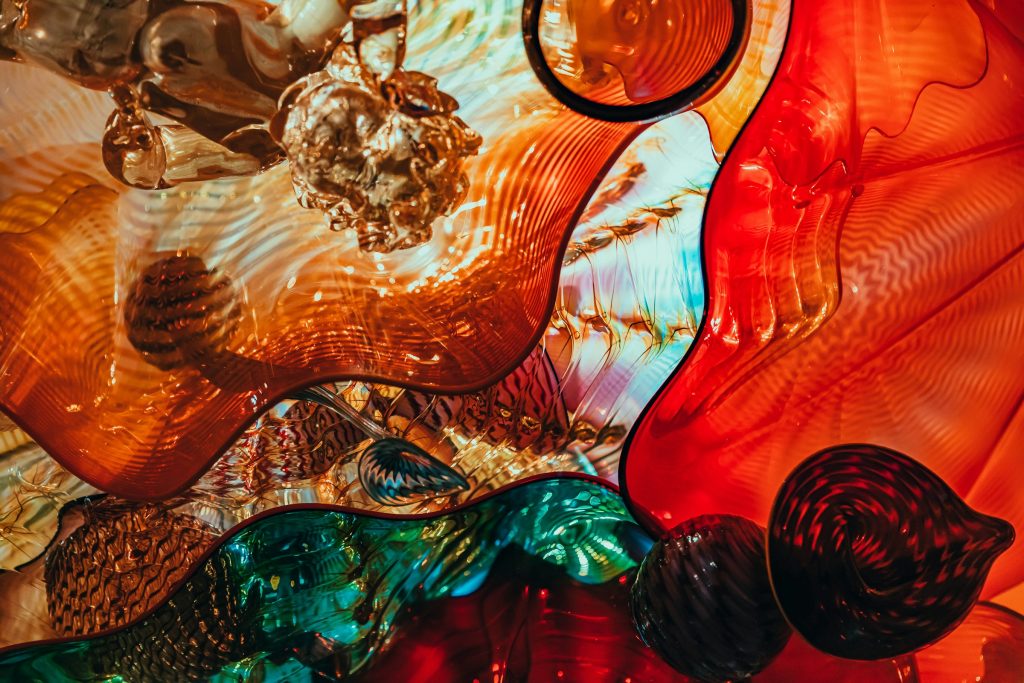
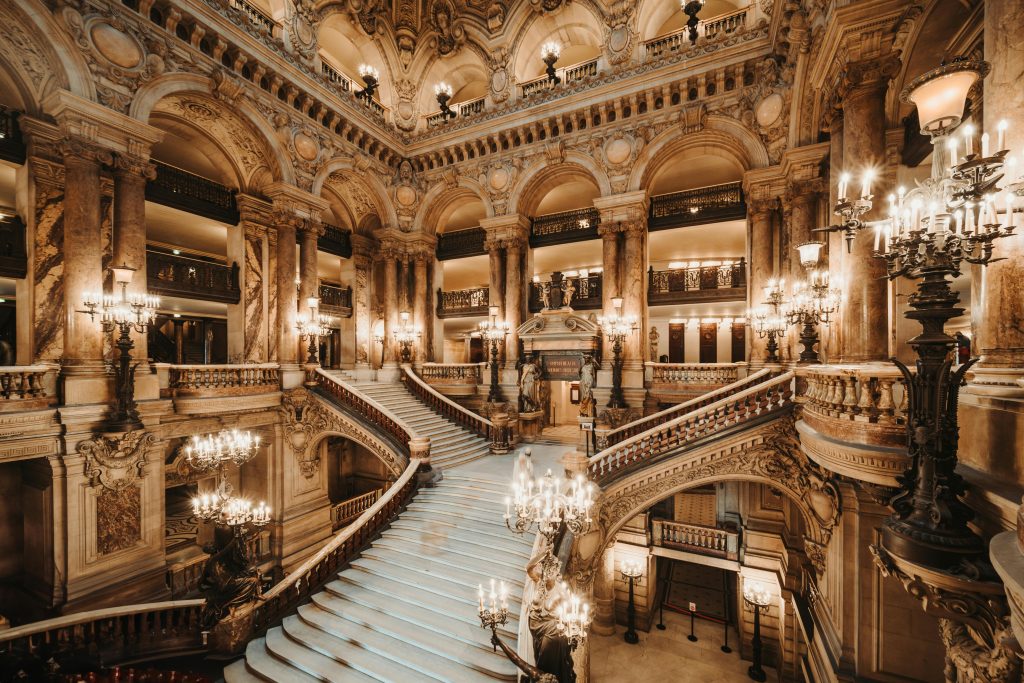
In Versailles, Gabriele Ravasio has found the ideal setting to showcase this fusion cuisine. The Gordon Ramsay restaurant at the Trianon Palace Versailles, awarded a Michelin star, occupies a light-filled space adorned with Murano glass chandeliers and opening out onto the gardens of the royal estate. The venue is as much a dining room as it is a vantage point overlooking the history of France – and the chef relishes this aspect.
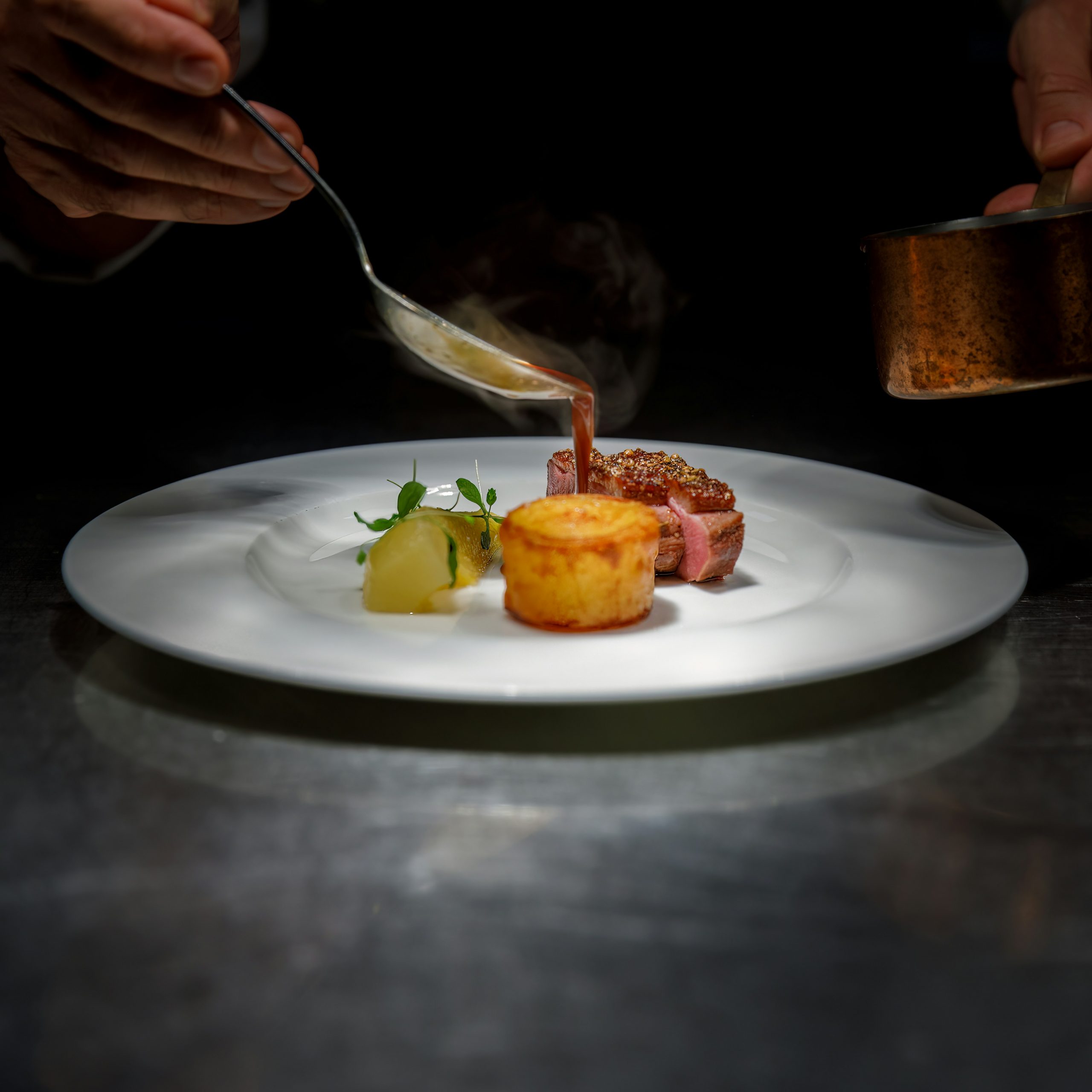
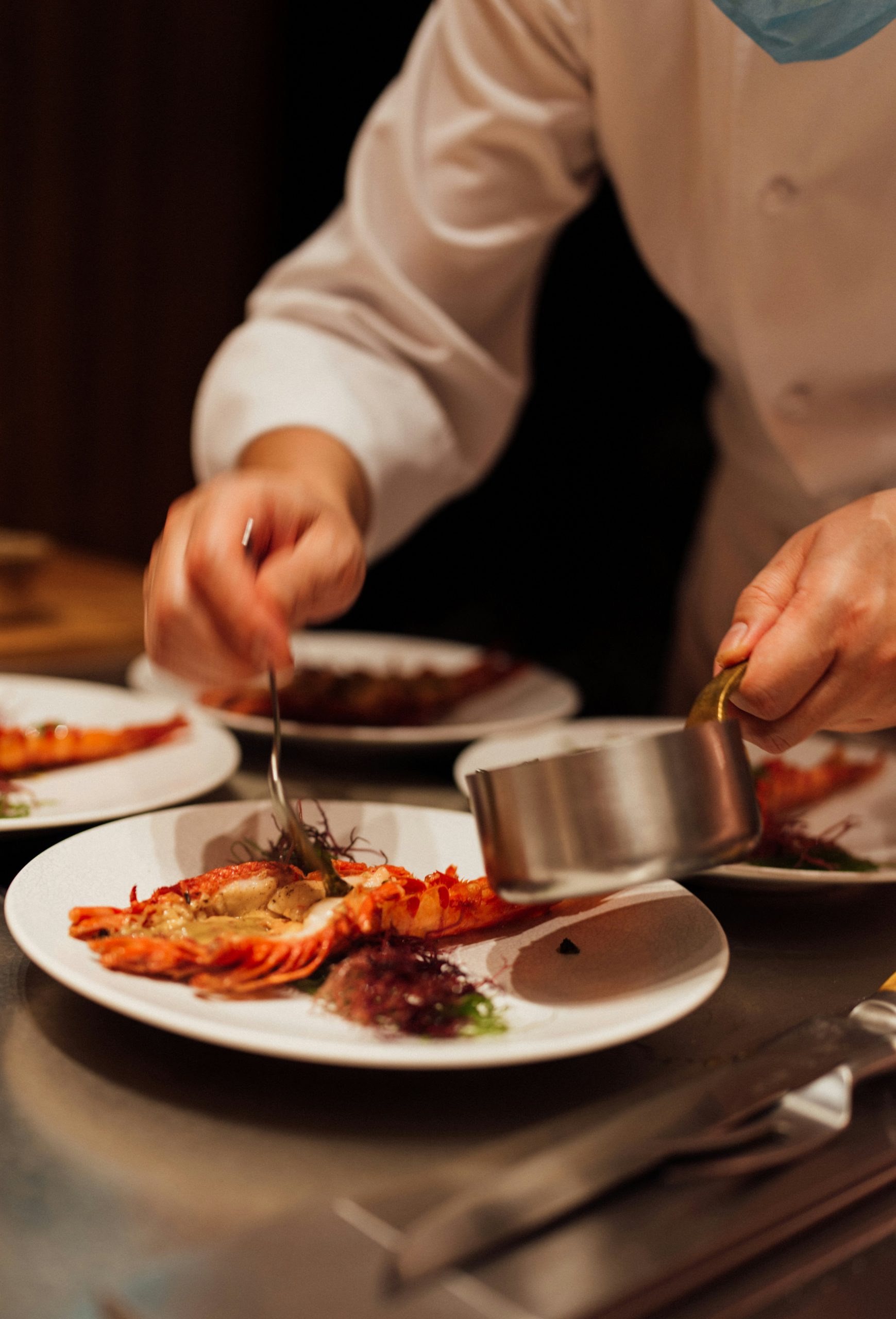
His menu blends Italian roots, Asian technical expertise acquired at Nobu, an international approach and French savoir-faire. The result is a remarkably personal style, where balance, purity of flavour and a sense of aesthetics coexist with a touch of culinary humour. His signature amuse-bouche, the ‘Frog & Chips’, is the most eloquent proof of this: a French take on Fish & Chips, made with marinated frog’s leg and tempura made with beer from the Chevreuse Valley, a mischievous nod to the nickname the English give the French. The Canard Royal with green cabbage, accompanied by a mini cauliflower in homage to the Sun King’s guilty pleasure, is one of those dishes that tells a story whilst delighting the palate.
Working alongside pastry chef Eddie Benghanem and under the supervision of executive chef Frédéric Larquemin, Gabriele Ravasio enjoys a rare creative freedom. He embraces it fully, with a constant aim to demystify the protocol of haute cuisine without ever compromising on standards.
WeAreKollectors Magazine
When asked about his management style, the chef at the Gordon Ramsau restaurant at the Trianon doesn’t mince his words. He describes himself as very rigorous, demanding of his teams as well as of himself. His philosophy is summed up in a phrase he likes to quote: “Details make perfection. But perfection is not a detail”. The temperature of a cut of meat, the aromas of a sauce, the precision of the presentation — every detail is a factor in achieving the final result, namely a happy customer.
But this exacting nature is accompanied by a deep willingness to listen, first and foremost to the customers. “You have to know how to listen in order to understand. It is absolutely essential to listen to customers and what they have to say. Sometimes, you can even learn things on a culinary level.” Gabriele Ravasio recounts the story of a customer who suggested adding more acidity and a touch of sweetness to one of his dishes. He tried out the idea, it worked, and the dish evolved. In a luxury hotel where the customer is king — a parallel the chef readily draws with the crowned heads who once reigned at Versailles — humility is a professional skill.
His message to the younger generation of chefs is much the same. No shortcuts, no rushing. “You have to be patient, you have to make mistakes, you have to pick yourself up. You’re never perfect; you’re always learning. You have to question yourself and, above all, have a desire to grow, both personally and professionally.” The myth of Icarus, which he himself invokes to warn against rising too quickly, says a great deal about his relationship with the long-term nature of the profession.

WeAreKollectors Magazine
There is a moment in the day when Gabriele Ravasio switches off. He steps out of his kitchen, walks a few metres and heads to the Trianon Palace’s herb garden, visible through the floor-to-ceiling windows. Rosemary, sage, basil, thyme, chives, mint — herbs are his lifelong companions. They take him back to his Italian childhood, to those scents that shaped his palate and which, even when not highlighted in a dish, act as invisible catalysts, bringing comfort and memories.
This garden also literally sets the rhythm for his cuisine. The sprouting of a chive flower in spring, the growth of mint in summer — these seasonal events dictate the pace of the menus. And when discussing rhythm with Chef Ravasio, the conversation turns to music. For him, a service is a musical score. He asks his teams to start quickly, to satisfy the guests’ appetites from the very first bites, then to slow down as the pleasure of conversation takes over from that of hunger.
Outside the kitchen, Gabriele Ravasio runs, plays football, tennis and beach volleyball. This athletic side directly feeds into his culinary philosophy. The chef creates balanced dishes, favouring light, easily digestible ingredients — pine nuts, radicchio, endives — chosen as much for their flavour as for their vitamin content. In a gastronomic world moving towards wellness, Gabriele Ravasio is on familiar ground.
The goal is clear, unambiguous and shared by the whole team: to secure a second Michelin star. Gabriele Ravasio speaks of it with the calm assurance of someone who knows that this kind of recognition is built over time, through team spirit and constant self-reflection. The work focuses on both strengths and weaknesses, without haste but with quiet determination.
In the meantime, the chef and his team are gearing up for a major event: the10thedition of Taste of Paris, from 21 to 24 May 2026 at the Grand Palais. For the second year running, Gabriele Ravasio will be setting up a pop-up restaurant there, serving over 30,000 visitors. On the menu for this unmissable event for food lovers: a fresh ratatouille with combawa, a signature lobster dish with tomato and basil served with a century-old balsamic vinegar, and a creamy poultry dish with spring berries and seasonal asparagus. Three creations designed for the festival, three invitations to discover a culinary world that can only be fully appreciated by stepping inside the Trianon Palace.
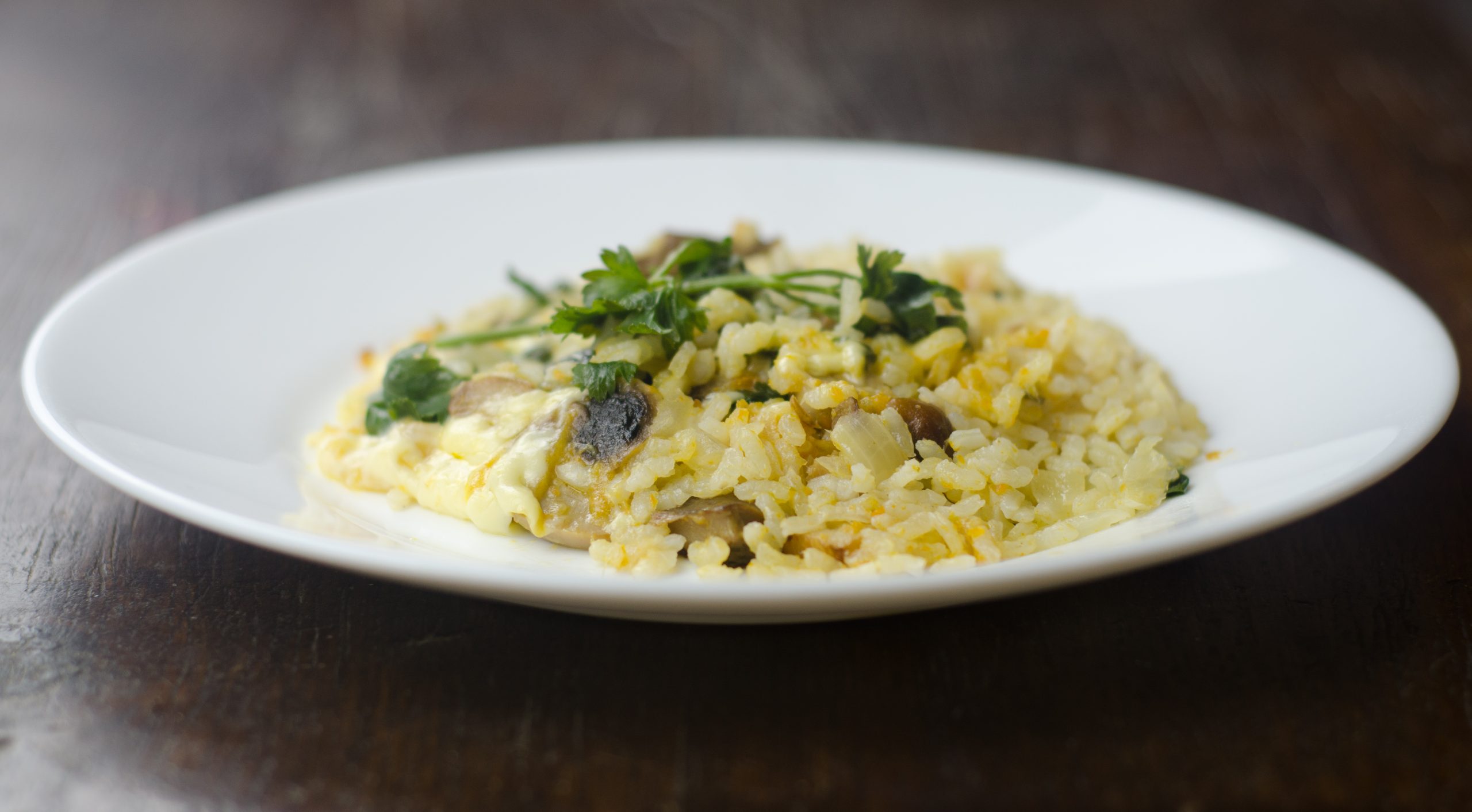
And when asked about his ‘madeleine dish’ – the one that takes him back to basics – the chef doesn’t hesitate: the risotto and rabbit from family Sundays, prepared by his father according to his grandfather’s recipe, passed down through three generations. Great cuisine always begins with a childhood memory.
Gabriele Ravasio talks about the Trianon Palace’s gourmet restaurant: a magical place, a love story.
“A cook at 11, a traveller at 21”
“Don’t burn your wings: know how to be patient”
“The client is king — and sometimes my best teacher”
“Rosemary, sage, basil: flavours that never change”
“Light, easy to digest, flavourful: cooking as we live”
The herb garden: a living calendar and a source of inspiration for menus.
“A well-paced service is like music”
“It’s the little things that make perfection — and family too”
“He gives freedom and knows how to be firm: a fighter”
“The second star: a team’s dream, a labour of love”
“Risotto and rabbit: family Sundays are never forgotten”
Février, 2026
Créer avec l’existant, penser avec l’histoire
De l’architecture au design, cette édition explore comment lieux, savoir-faire et matières héritées deviennent terrains de création actuelle.
Janvier, 2026
Le luxe se réinvente.
Finis les logos clignotants, place à une sobriété raffinée, à l’immersion personnelle, à l’excellence artisanale, à la durabilité sensible.
Décembre, 2025
Héritages, gestes contemporains et plaisirs essentiels
Parce que la fête n’est jamais qu’apparence : elle reflète notre manière d’habiter le monde, de transmettre, de fabriquer des souvenirs durables.
ÉDITION #3
Upcycling et kintsugi transforment l’objet contemporain, faisant de la trace, de la réparation et de la matière un langage esthétique.
ÉDITION #3
Artisans et designers donnent une seconde vie aux matériaux anciens, entre création contemporaine, patrimoine et réemploi.
ÉDITION #3
Bunkers, wagons et kiosques renaissent grâce à la création, révélant comment l’art redonne sens aux lieux délaissés.
ÉDITION #2
Un regard transversal sur le quiet luxury à travers des lieux, des objets et des figures qui expriment l’élégance.
ÉDITION #1
Une sélection de marques, architectures, objets et escapades qui donnent corps au sens de la fête.
ÉDITION #3
Usines et gares délaissées deviennent lieux culturels ouverts, où mémoire industrielle et usages contemporains redessinent la ville.
ÉDITION #3
L’audacieuse métamorphose d’un palace parisien
ÉDITION #3
Au cœur du Marais, un lieu discret révèle comment archives, architecture et recherche font dialoguer l’œuvre de Picasso.
ÉDITION #2
Une expérience shopping unique dans un magasin emblématique.
ÉDITION #2
Voyage culinaire et architectural au cœur de la Seine
ÉDITION #2
Dans le 9e arrondissement, un établissement qui invite au quiet luxury
ÉDITION #1
Chante! vient d’ouvrir ses portes. Une invitation à vibrer !
ÉDITION #3
Icône du paysage français, la boîte jaune change de statut et s’invite dans l’univers du design.
ÉDITION #3
L’édition 2026 affirme une vision où artisanat, design et mémoire façonnent l’habitat contemporain, international actuel.
ÉDITION #3
Cent ans après 1925, l’Art déco revient dans nos villes et intérieurs avec géométrie, audace, optimisme.
ÉDITION #3
Depuis plus de deux cents ans, Royal Limoges conjugue porcelaine, savoir-faire industriel et création contemporaine.
ÉDITION #3
Des terrains de sport aux podiums, la sneaker raconte un siècle de mutations culturelles, techniques et stylistiques.
ÉDITION #2
Design, mode, artisanat : des créations où la forme et la matière se répondent avec justesse, loin de tout effet de mode.
ÉDITION #1
Décorations artisanales, calendriers ultra-luxe et pièces de collection pour s’enivrer de joie avant l’heure.
ÉDITION #3
Entre marqueterie monumentale et jungle symbolique, Anton Laborde transforme le bois en récit contemporain poétique engagé.
ÉDITION #3
À Maison & Objet, Thierry Laudren présente des meubles sculptés où fonction, matière et lenteur façonnent une présence.
ÉDITION #3
Jean Nouvel conçoit une architecture attentive aux contextes, où lumière, histoire et usages façonnent chaque projet.
ÉDITION #3
À Lyon, Sophie Morel rénove des lieux historiques en alliant respect du bâti et écriture contemporaine.
ÉDITION #3
Au Centre d’Études Picasso, l’architecte compose une architecture où lumière, géométrie et héritage dialoguent avec précision.
ÉDITION #2
Entretien avec le fondateur d’EDO (European Design Office)
ÉDITION #2
Portrait d’un visionnaire qui transforme l’art de recevoir en expérience totale.
ÉDITION #1
Personnalités, artisans et créateurs qui donnent à la fête sa profondeur humaine.
ÉDITION #3
De Bordeaux au Bassin, art, vignobles et bien-être composent une échappée élégante au cœur de la Gironde.
ÉDITION #2
Vers une région de l’Italie habitée par le temps, où paysages, culture et usages s’accordent dans une continuité rare.
ÉDITION #1
Destinations et rituels qui réinventent la fête, du soleil tropical aux marchés d’hiver.