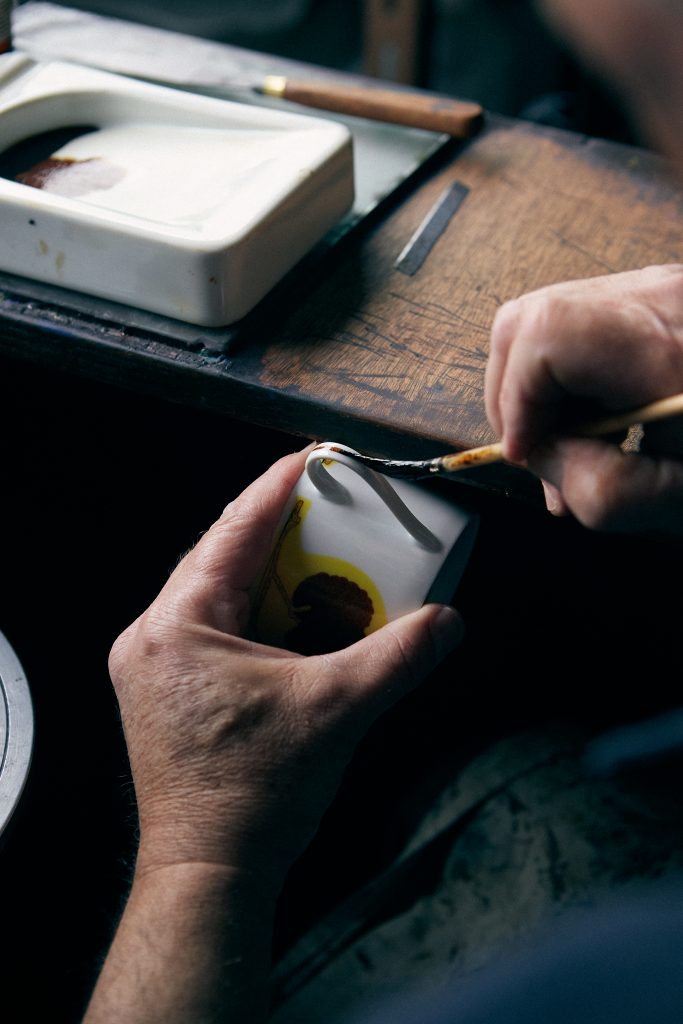
Founded at the close of the eighteenth century, Royal Limoges has been navigating history for more than two hundred years. As the oldest porcelain manufacturer in Limoges still in operation, the house tells a story in which material, gesture and technique hold a central place. Beyond tableware collections, decorative objects and prestigious commissions lies the everyday reality of a company shaped by the very real constraints of porcelain. It is a story built on continuity, adaptation and an ongoing dialogue between industrial heritage and contemporary creation.
Royal Limoges
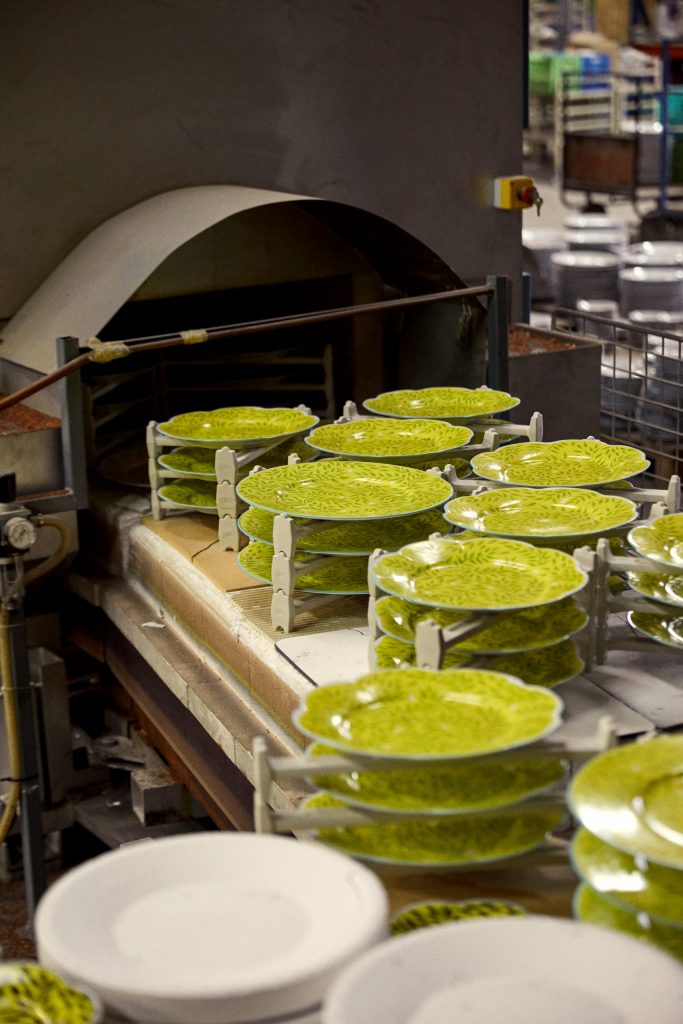
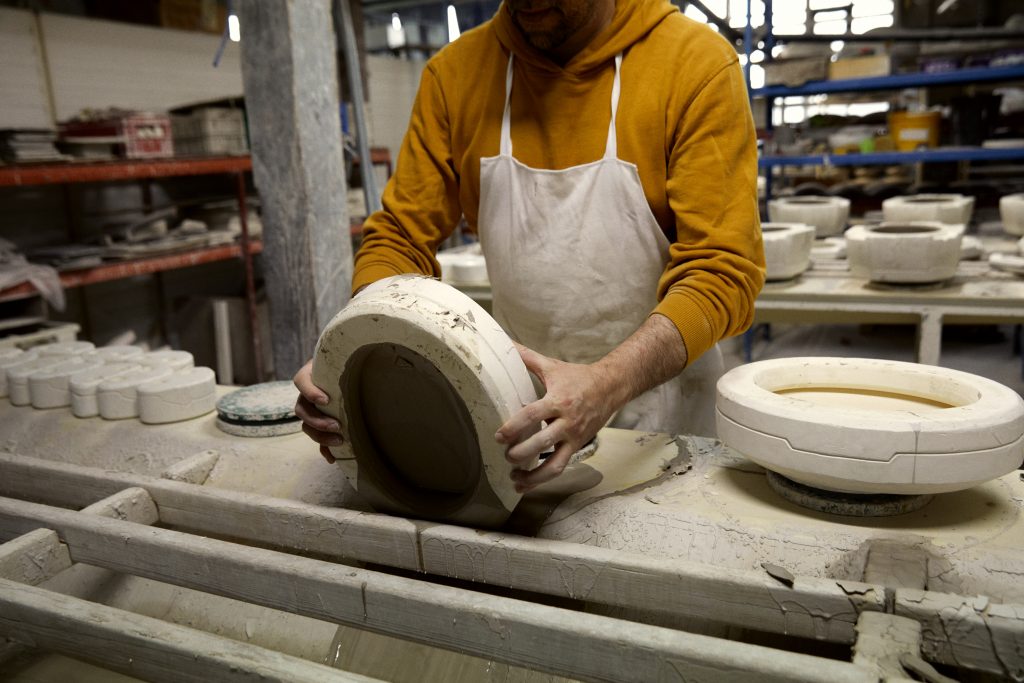
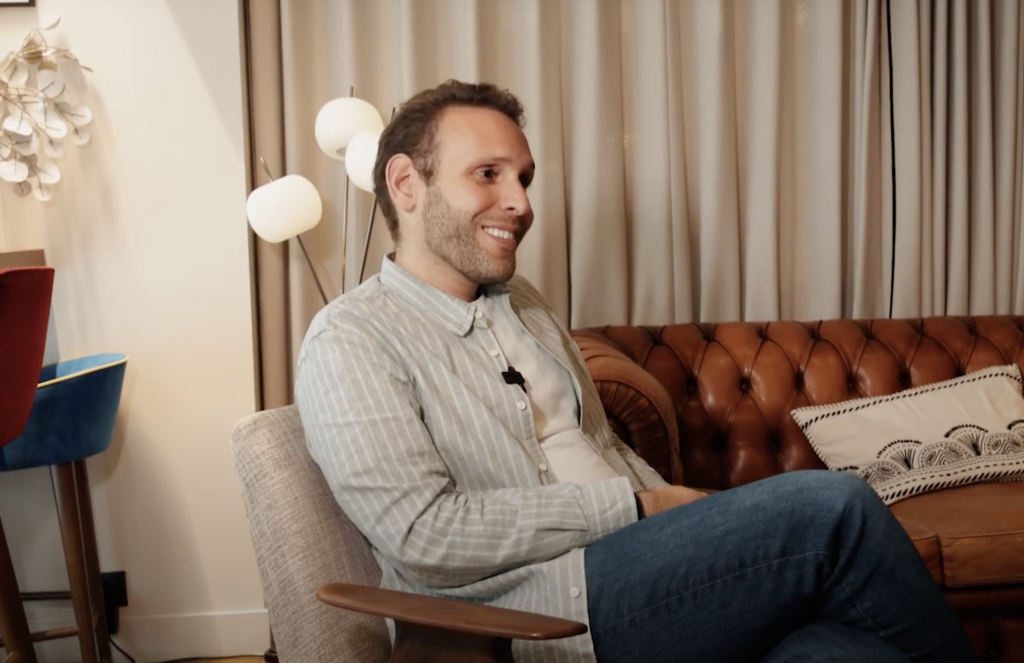
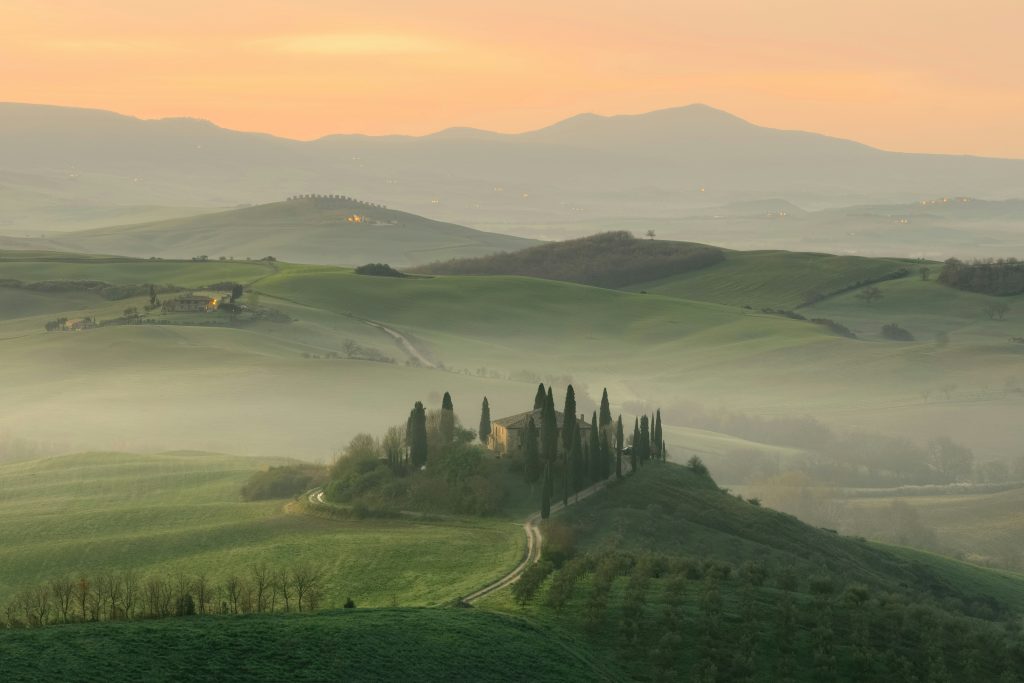
In Limoges, porcelain grew out of its territory. From 1816 onwards, the manufactory settled along the banks of the River Vienne, allowing wood—used to fuel the kilns—to arrive by river transport. Kaolin came from nearby quarries, the paste was prepared on site, and the workshops were organised around this principle of autonomy. The historic site still houses a nineteenth-century brick kiln, now listed as a historic monument, offering a direct link to Limoges’ porcelain-making past. “Porcelain developed here through a very practical organisation, closely connected to natural resources and local expertise,” explains Martin Delaygue, Financial Director at Royal Limoges. This close relationship between raw material, production and decoration shaped the manufactory’s identity long before it became known as Royal Limoges.

Royal Limoges
Royal Limoges
Royal Limoges
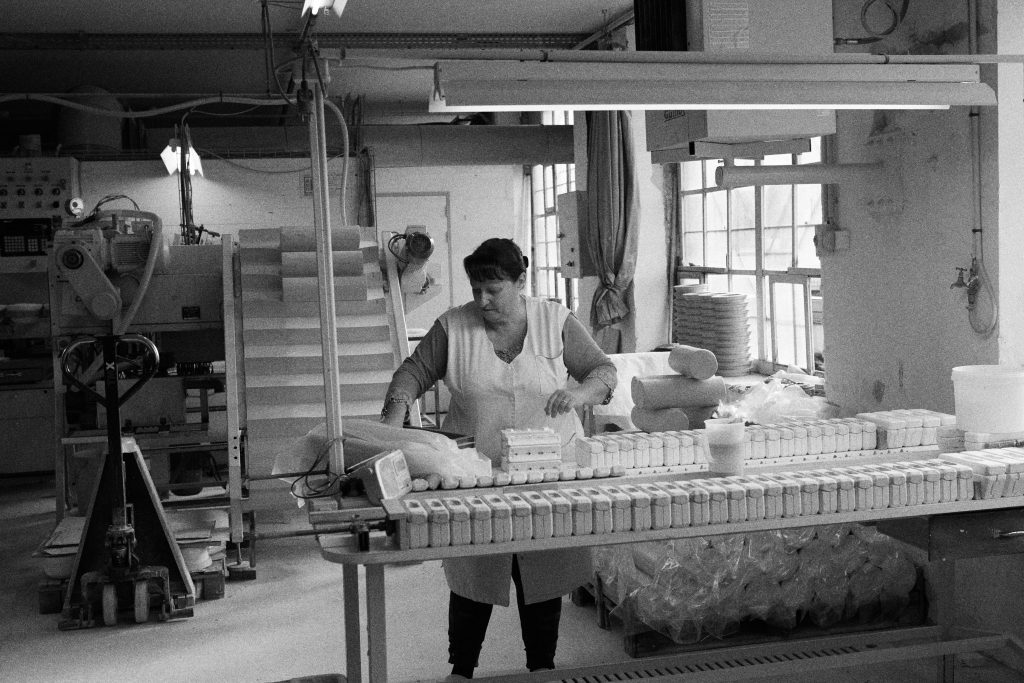
At the end of the nineteenth century, the manufactory entered a new chapter under the name G.D.A., embracing the emerging Art Deco aesthetic. Forms evolved, lines became lighter, and porcelain turned into a medium of expression for decorators and artists. A defining moment came in 1925 at the International Exhibition of Decorative Arts in Paris, where the Apollon form—now known as Nymphéa—was awarded the Grand Prix. This recognition opened the door to international markets. By the 1930s, the manufactory employed more than a thousand people, supplying both French tables and prestigious venues abroad. This period firmly established Royal Limoges within a dynamic exchange between creation, design and global distribution.
Royal Limoges
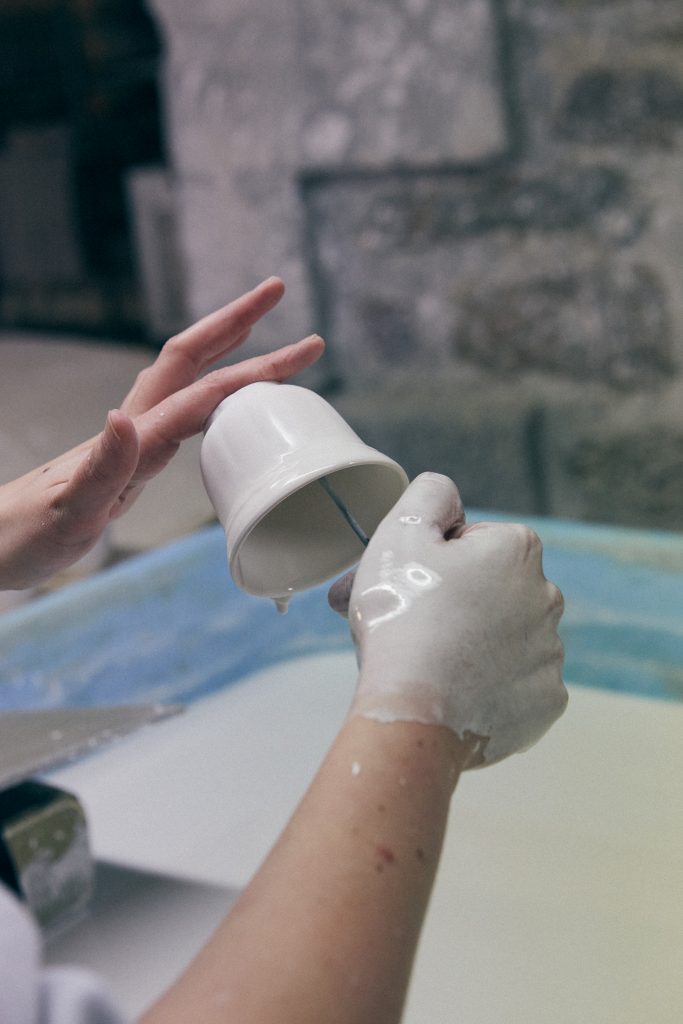
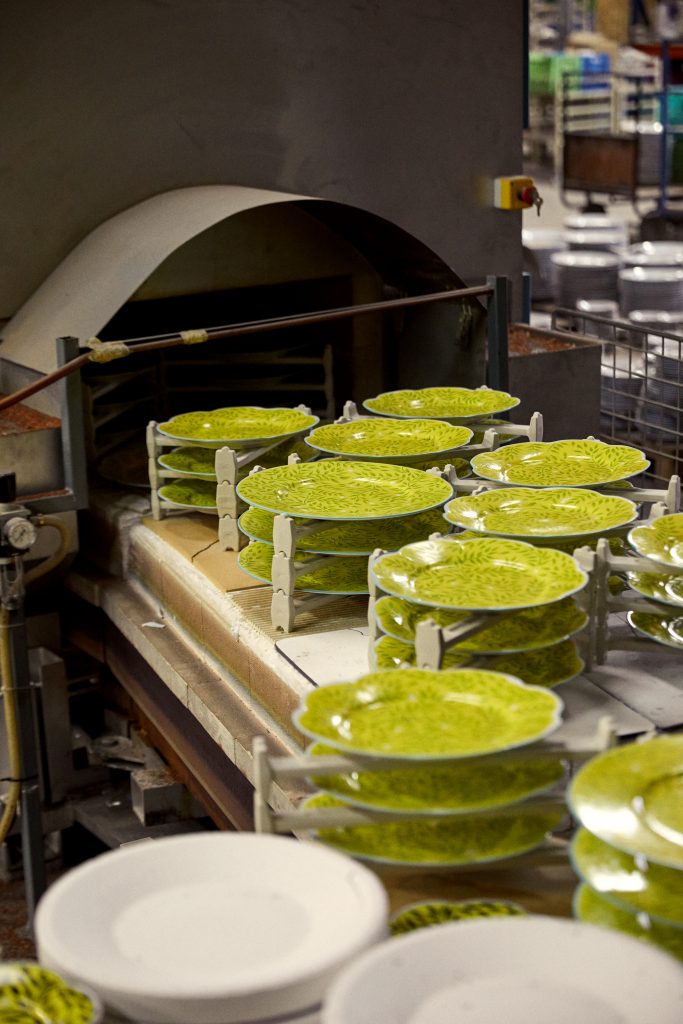
Today, Royal Limoges brings together makers and decorators within a single site. This organisation allows each piece to be followed from initial design through to final finish. Porcelain presents numerous technical challenges, from firing temperatures to the way colours react in the kiln. Each order requires precise adjustments, sometimes through several trials. “Clients often present technical challenges, whether in the shape or the decoration. We move forward by finding solutions,” notes Martin Delaygue. The manufactory supplies prestigious hotels and restaurants, including the Plaza Athénée, Le Meurice and Le Bristol, as well as an exacting international clientele. Bespoke production has become part of everyday practice, shaped by constant dialogue between the workshops and those who commission the pieces.
Royal Limoges
Royal Limoges
Royal Limoges
Royal Limoges’ current collections span a wide range, from table services and decorative objects to lithophane candle holders and tea sets. A significant share of production is exported to the United States, the Middle East and Asia, where Limoges porcelain remains closely associated with French excellence. Alongside this, the manufactory is developing new projects with contemporary artists. “The challenge lies in translating their universe into porcelain, while respecting its constraints,” says Martin Delaygue. More than two centuries after its founding, Royal Limoges continues to write a story defined by continuity, experimentation and an ongoing exchange between technique and creation.
February, 2026
Create with what already exists, think with history
From architecture to design, this edition explores how places, know-how and inherited materials become fields of current creation.
January, 2026
Luxury is reinventing itself.
No more flashing logos, place to a refined sobriety, personal immersion, artisanal excellence, sensitive sustainability.
December, 2025
heritage, contemporary practices and essential pleasures
Because celebration is more than just appearances:
it reflects how we live the world, pass on traditions and create lasting memories.
ISSUE #3
Upcycling and kintsugi transform contemporary objects, turning marks, repairs and materials into an aesthetic language.
ISSUE #3
Craftsmen and designers give old materials a new lease of life, combining contemporary design, heritage and reuse.
ISSUE #3
Bunkers, railway carriages and kiosks are being given a new lease of life through creativity, revealing how art can restore meaning to neglected places.
ISSUE #2
A transversal look at quiet luxury through places, objects and figures that express elegance.
ISSUE #1
A selection of brands, architecture, objects and getaways that embody the spirit of celebration.
ISSUE #3
Abandoned factories and railway stations are being transformed into open cultural venues, where industrial heritage and contemporary uses are reshaping the city.
ISSUE #3
The audacious metamorphosis of a Parisian palace
ISSUE #3
In the heart of the Marais district, a discreet location reveals how archives, architecture and research bring Picasso’s work to life.
ISSUE #2
A unique shopping experience in an emblematic store.
ISSUE #2
A culinary and architectural journey in the heart of the Seine
ISSUE #2
In the 9th arrondissement, an establishment that invites you to enjoy quiet luxury
ISSUE #1
Chante! has just opened its doors. An invitation to vibrate!
ISSUE #3
An icon of the French landscape, the yellow post box is changing status and entering the world of design.
ISSUE #3
The 2026 edition affirms a vision where craftsmanship, design and memory shape contemporary, international living today.
ISSUE #3
A hundred years after 1925, Art Deco is making a comeback in our cities and interiors with geometry, boldness and optimism.
ISSUE #3
For over two hundred years, Royal Limoges has been combining porcelain, industrial expertise and contemporary design.
ISSUE #3
From sports fields to catwalks, trainers tell the story of a century of cultural, technical and stylistic changes.
ISSUE #2
Design, fashion, craftsmanship: creations where form and material respond with precision, far from any fashionable effect.
ISSUE #1
Handcrafted decorations, ultra-luxurious calendars and collectibles to fill you with joy before the season begins.
ISSUE #3
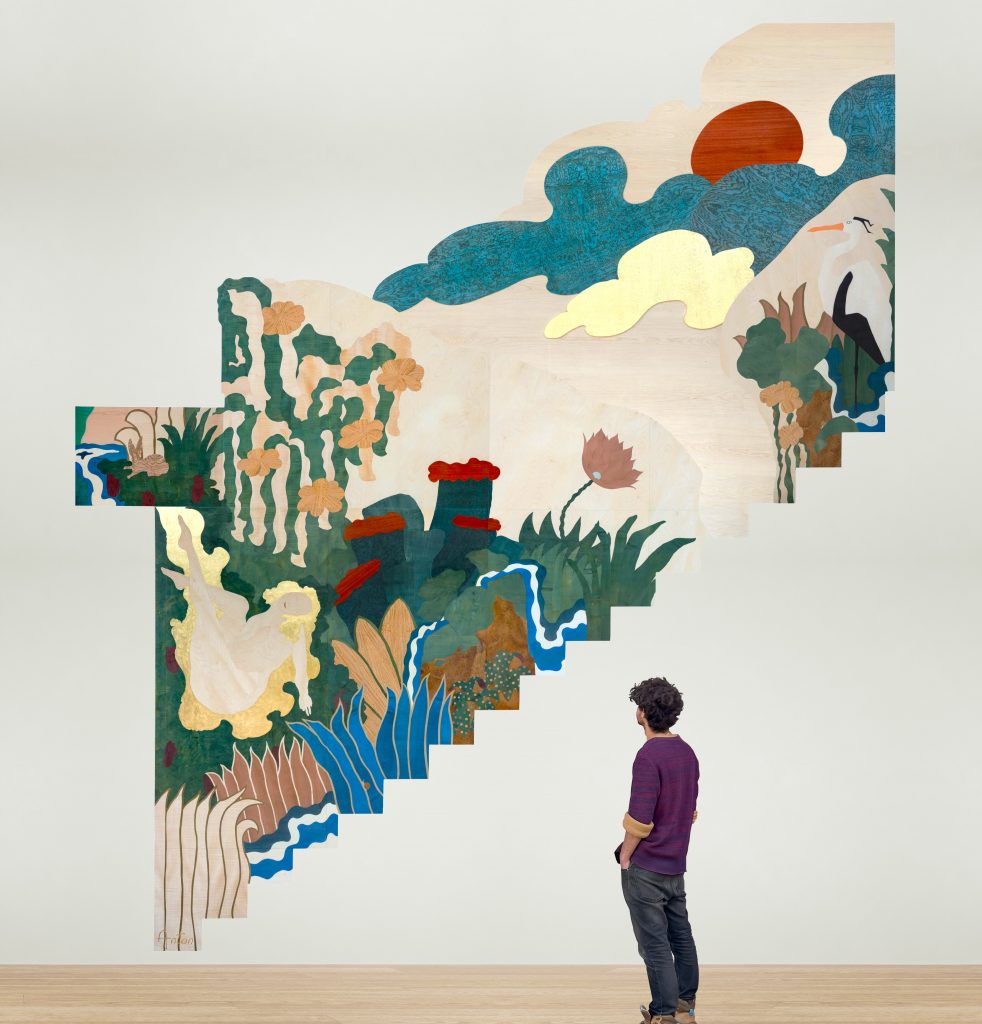
Between monumental marquetry and symbolic jungle, Anton Laborde transforms wood into a contemporary poetic narrative with a message.
ISSUE #3
At Maison & Objet, Thierry Laudren presents sculpted furniture where function, material and slowness shape a presence.
ISSUE #3
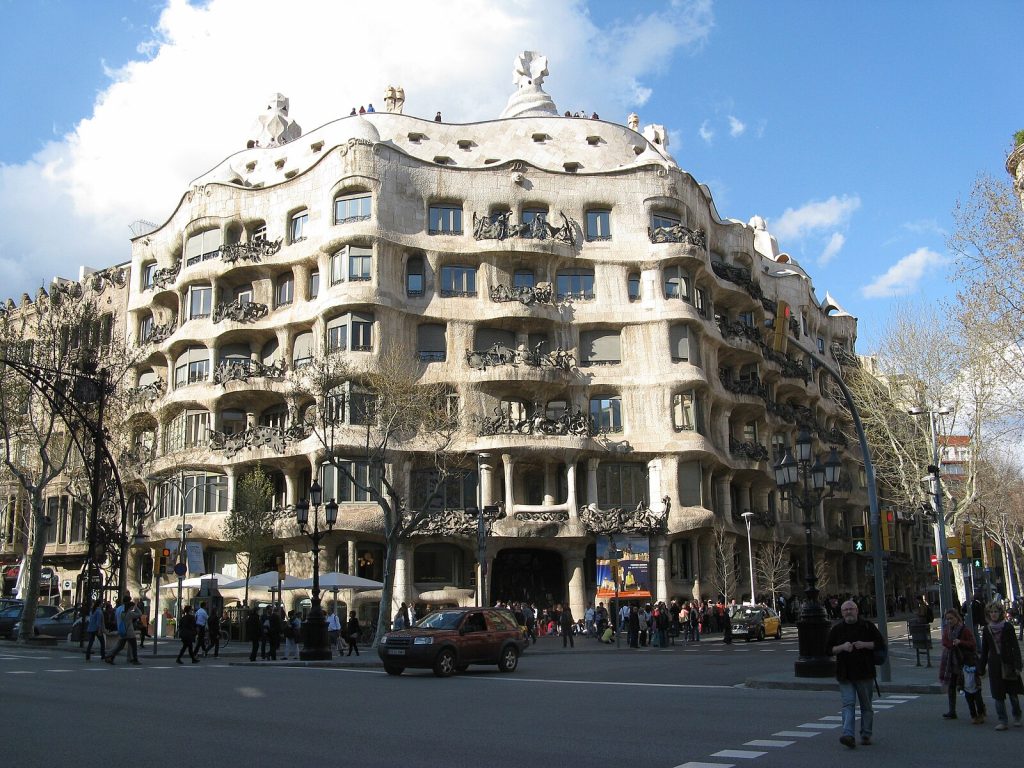
Jean Nouvel designs architecture that is attentive to context, where light, history and usage shape each project.
ISSUE #3
In Lyon, Sophie Morel renovates historic buildings, combining respect for the original structure with a contemporary style.
ISSUE #3
At the Centre d’Études Picasso, the architect has created an architectural design in which light, geometry and heritage interact with precision.
ISSUE #2
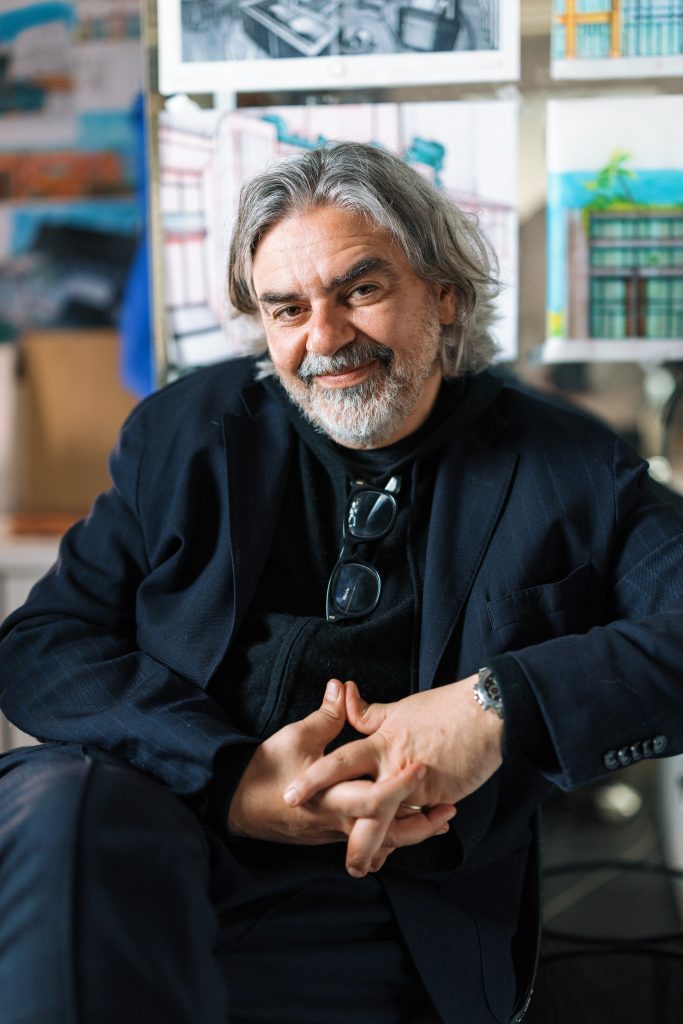
Interview with the founder of EDO (European Design Office)
ISSUE #2
Portrait of a visionary who transforms the art of hospitality into a total experience.
ISSUE #1
Personalities, artisans and creators who give the celebration its human depth.
ISSUE #3
From Bordeaux to the Bassin, art, vineyards and well-being combine to create an elegant getaway in the heart of the Gironde.
ISSUE #2
To a region of Italy steeped in history, where landscapes, culture and customs blend together in rare harmony.
ISSUE #1
Destinations and rituals that reinvent the festive season, from tropical sun to winter markets.
Inscrivez-vous pour avoir accès à l’ensemble du site WeAreKollectors.