What started on basketball courts ended up on fashion runways. Sneakers didn’t just change footwear—they rewrote the rules of how we dress, how we move through cities, and what we value in our closets. Here’s how a rubber-soled athletic shoe became the most influential piece of fashion in modern history.
GRANGER – Historical Picture Archive ; Alamy
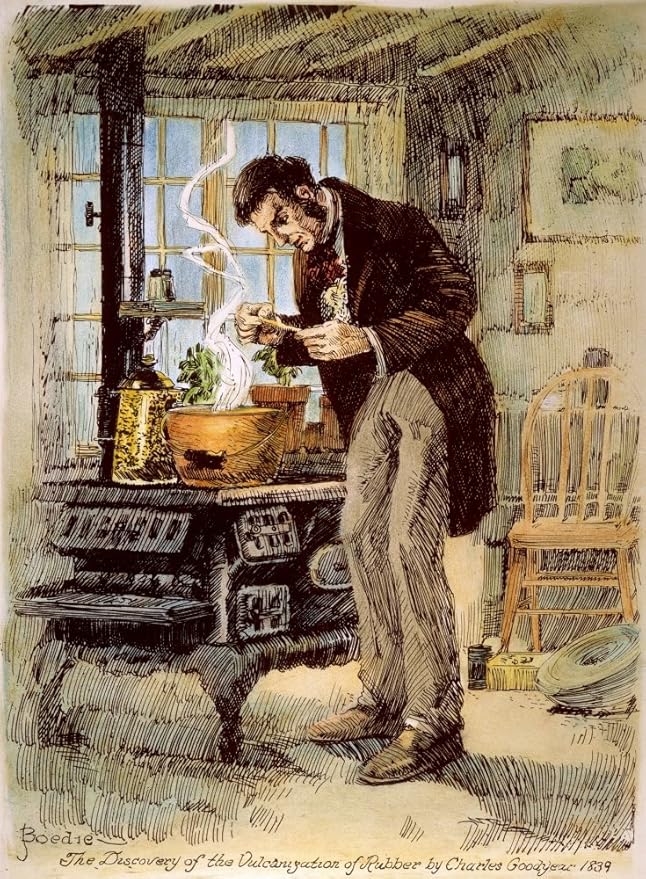
Picture this: the late 1800s, and someone just figured out how to vulcanize rubber. Sounds technical, boring even. But this breakthrough meant shoes could suddenly have soft, quiet soles that actually gripped the ground. No more clunking around in stiff leather shoes. The first customers? Wealthy folks playing tennis and croquet on their manicured lawns.
Nobody called them fashionable back then. These shoes were strictly practical—built for movement, not style. But they introduced something revolutionary: a completely different way to walk. Lighter. Quieter. More natural. The people making them had no idea they’d just planted the seeds for a global phenomenon.
GRANGER – Historical Picture Archive ; Alamy
Zaphod2012 ; Flickr
Zaphod2012 ; Flickr
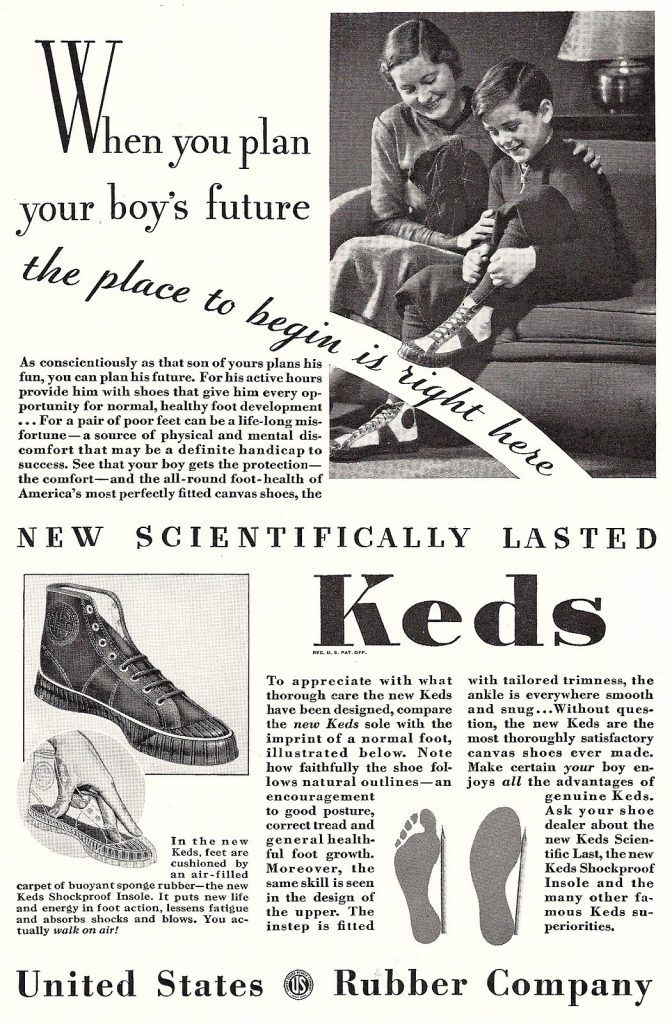
1916 rolls around, and the U.S. Rubber Company drops Keds—basically the first sneaker you could buy off a shelf. The next year, Converse launches the All Star for basketball players. That’s when someone coins the term “sneaker”—because hey, you could actually sneak around in these things.
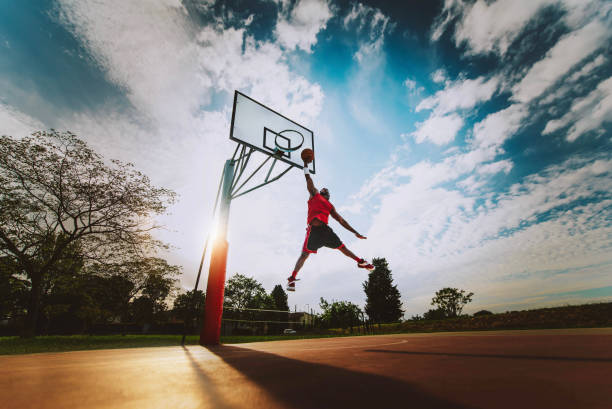
American kids went crazy for them. Cheap, comfortable, no-nonsense—these shoes broke free from the gym and hit the streets. Sneakers became shorthand for modern American life: fast-paced, practical, democratic. They weren’t sports gear anymore. They were part of everyday life.
pixel-shot.com – Freepik
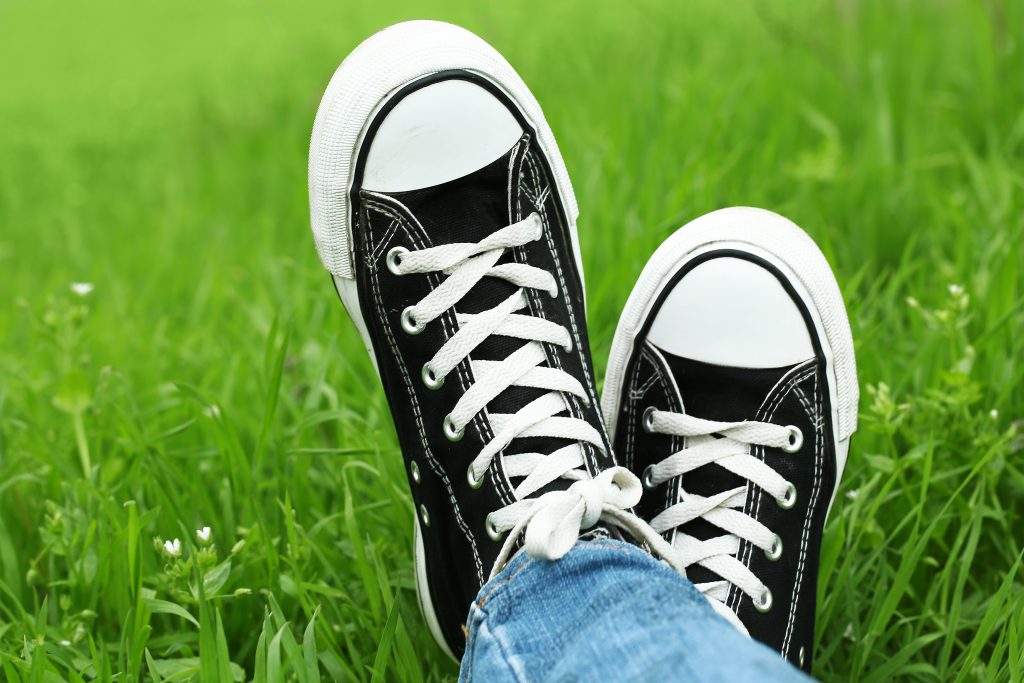
Between the 1920s and 1950s, sneakers went mainstream. Basketball star Chuck Taylor put his name on Converse’s All Star, and suddenly every kid wanted a pair. The Olympics turned athletes into celebrities, and their shoes came along for the ride.
Meanwhile in Germany, the Dassler brothers were engineering specialized athletic shoes. Their bitter falling-out gave us Adidas and Puma—two brands that would dominate for decades. Sneakers stopped being just shoes and started representing youth, energy, athletic performance. They captured a cultural moment when America fell in love with sports and fitness.
pixel-shot.com – Freepik
Kyle Fritz ; Unsplash
The ’50s brought a seismic shift. Sneakers became the shoe of choice for a new kind of lifestyle—relaxed, rebellious, real. Think jeans, white tees, and the slouchy cool of James Dean and Marlon Brando. If your parents wore dress shoes, you wore sneakers.
This wasn’t about comfort anymore. Wearing sneakers meant something. It said you valued independence over conformity, youth over tradition, authenticity over pretense. The symbolic power of sneakers had arrived. They’d officially graduated from athletic equipment to cultural statement, no sports required.
opolis design ; Flickr
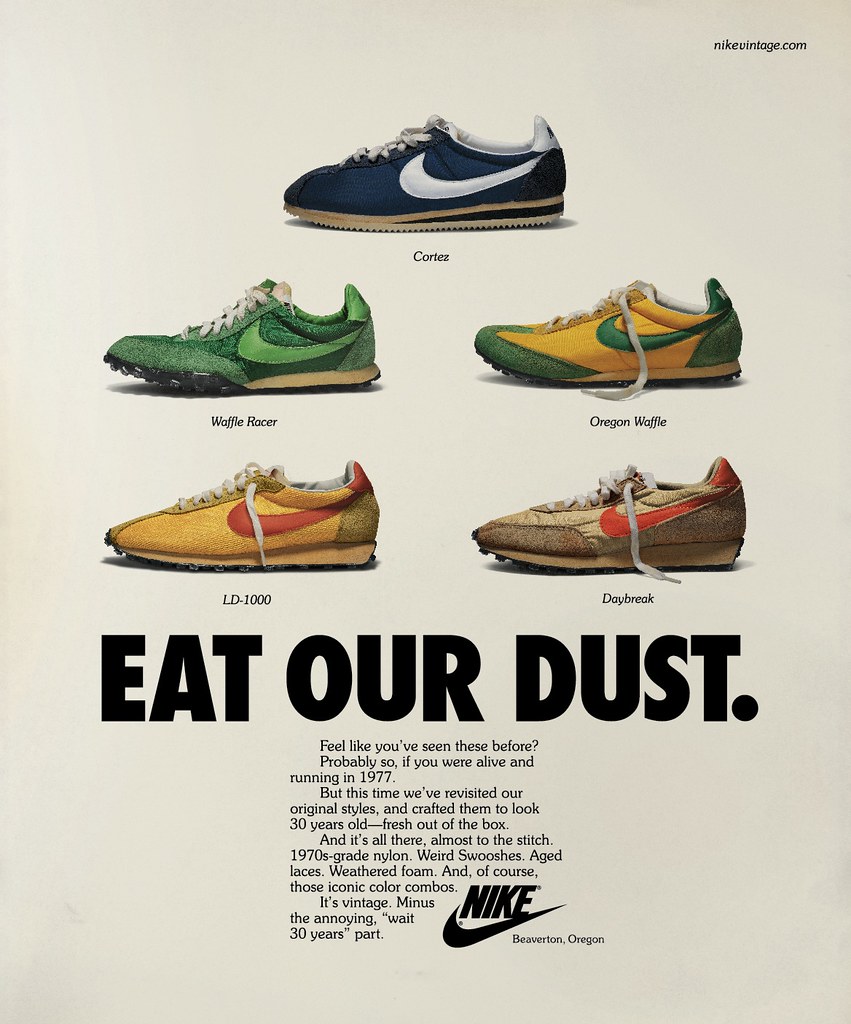
The ’60s and ’70s brought the jogging craze, and suddenly everyone needed running shoes. Nike launched in 1964 with a single-minded focus: technical innovation. They weren’t just making shoes—they were engineering performance machines. Different soles for different sports. New materials. Constant refinement.
Here’s what made sneakers take off: versatility. You could wear them to work, to the store, to dinner, to a run. That adaptability made them essential. Sneakers became the ultimate urban shoe, built for lives that moved fast and never stopped. Comfort wasn’t a luxury—it was a requirement.
opolis design ; Flickr
Kar-Tr ; istockphoto
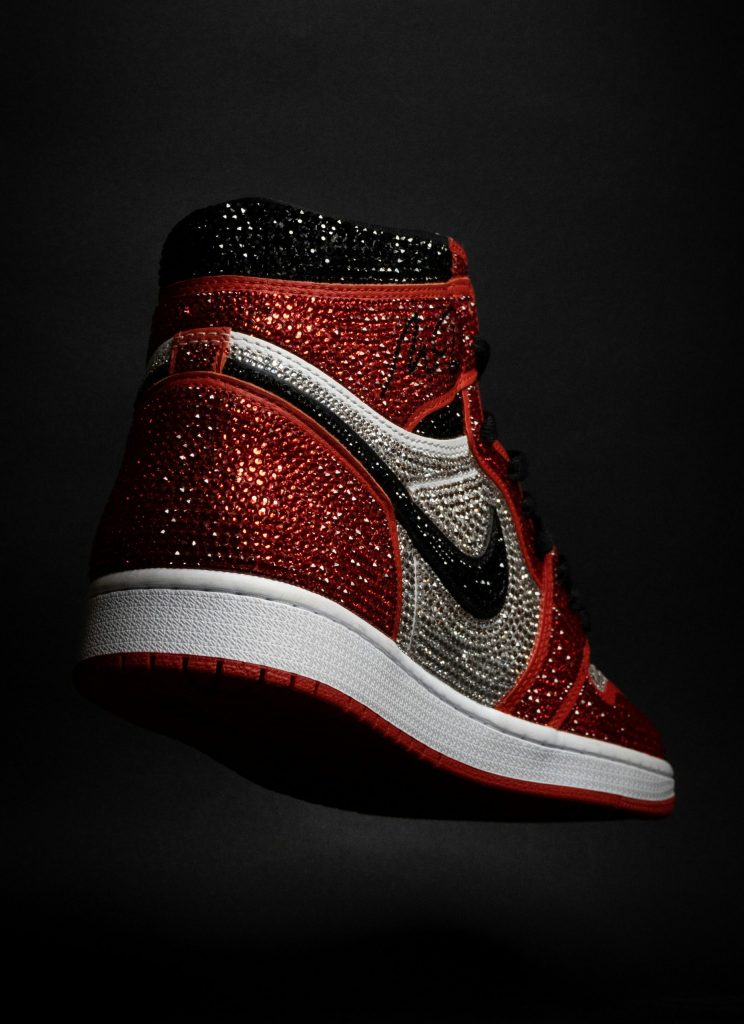
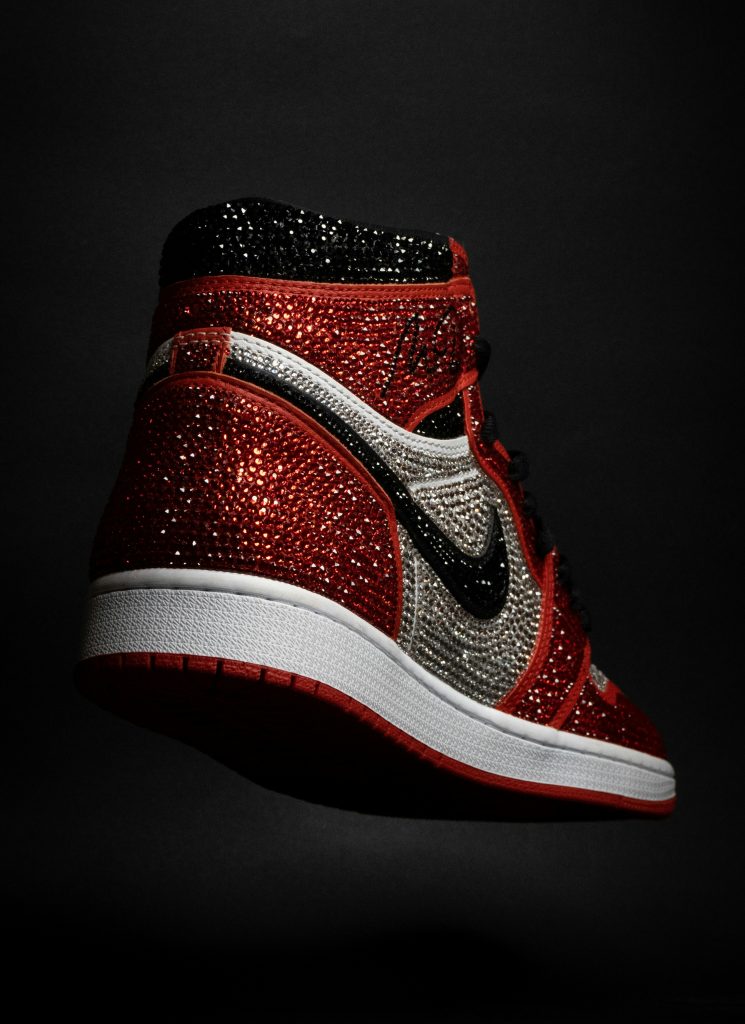
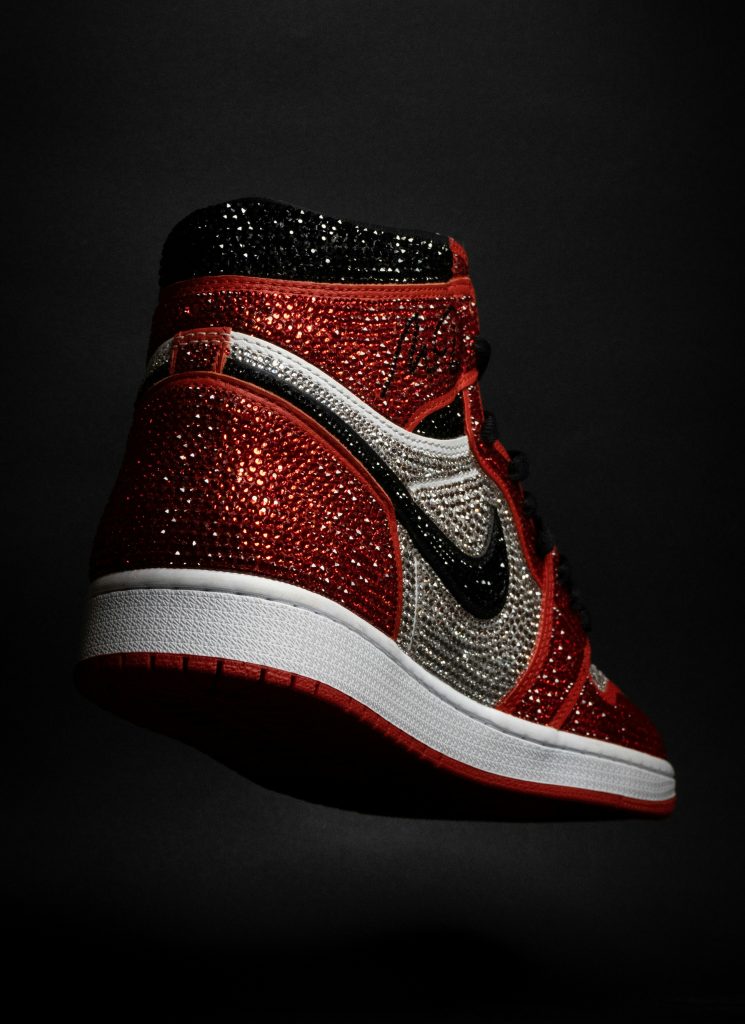
The 1980s didn’t just change sneakers—they exploded them into the stratosphere. In 1985, Nike signed Michael Jordan and released the Air Jordan. For the first time ever, a shoe told a complete story. It had a personality, a narrative, star power. It wasn’t just footwear—it was an obsession.
That same year, Run-DMC dropped “My Adidas,” cementing sneakers in hip-hop culture. Adidas inked a million-dollar endorsement deal with the group—unprecedented for a rap act. Sneakers had transcended function entirely. They were now language, identity, tribal markers. Every pair carried meaning about who you were and where you belonged.
Mike Von ; Unsplash
The 1990s turned technical innovation into visual spectacle. Visible Air bubbles. Pump systems. Neon colorways that screamed from across the street. The Air Max, the Reebok Pump, the countless models that defined a generation—these weren’t subtle. They were designed to be seen.
Sneakers became central to streetwear culture, inseparable from skateboarding, basketball, and rap. They were canvases for aesthetic experimentation, getting wilder by the year. What you wore on your feet became a billboard for your taste, your tribe, your entire vibe. Sneakers had become the most visible part of youth culture.
Mike Von ; Unsplash
Piyush Haswani ; Unsplash
The 2000s brought sneaker collecting and reselling into the mainstream. Limited drops, artist collaborations, exclusive releases—certain pairs became investment pieces, flipping on resale platforms for thousands over retail.
The “sneakerhead” was born. Copping, keeping, trading—it all became ritualized, cultural. Sneakers entered the realm of contemporary art collecting, complete with insider knowledge, manufactured scarcity, and devoted communities. StockX and GOAT turned shoe shopping into speculation. Some people never even wore their pairs—they were too valuable.
Dorian Hurst ; Unsplash
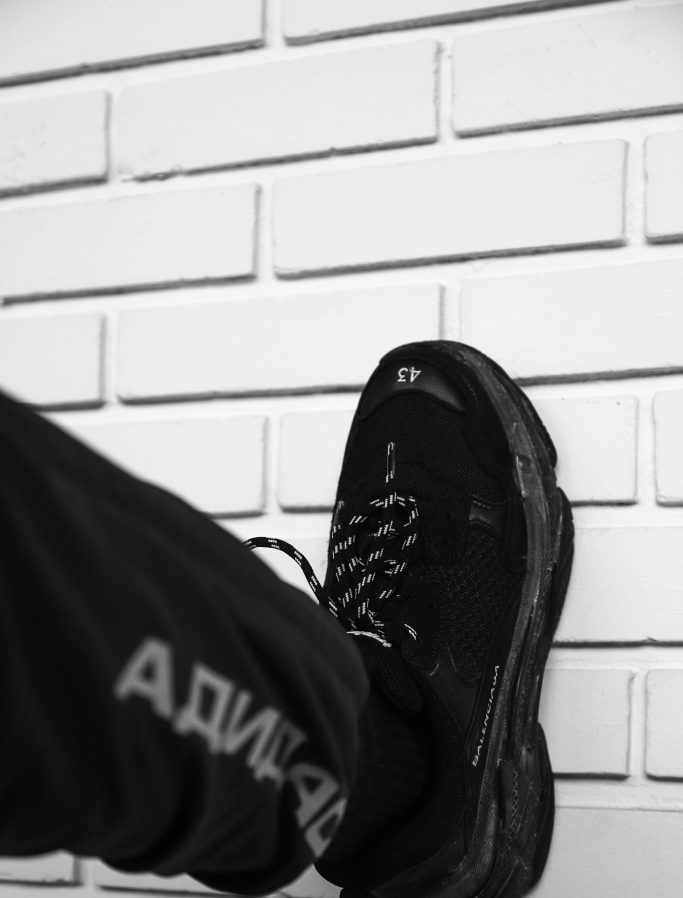
The 2010s saw luxury fashion houses fully embrace sneakers. Balenciaga’s chunky Triple S. Dior’s limited collabs. Louis Vuitton reimagining classic silhouettes in premium materials. High fashion stopped fighting sneakers and started profiting from them.
Prices hit $1,000 and beyond. Materials got expensive. Silhouettes got extreme. And suddenly, sneakers worked with tailored suits and evening wear. The line between casual and formal blurred into nothing. Comfort and luxury weren’t opposites anymore—they were the same thing.
Dorian Hurst ; Unsplash
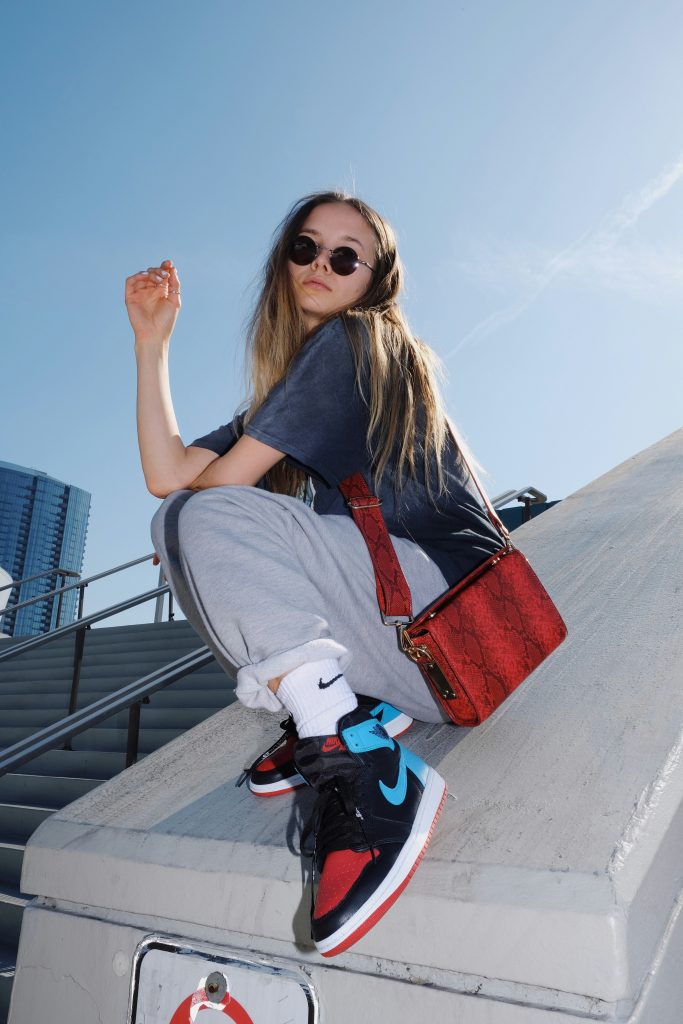
Today, sneakers are everywhere and for everyone. Offices, weddings, airports, concerts—there’s no wrong place for them. They reflect our current reality: a mobile, comfort-obsessed society that cares about the stories behind what we own.
Every pair represents a conversation between technology, culture, and design. Sneakers carry their athletic DNA while constantly evolving to meet contemporary style. They’re more than shoes—they’re mirrors of how we live, what we value, how we present ourselves to the world.
A century after Keds hit the market, sneakers are still writing their story. And we’re all wearing it.

February, 2026
Create with what already exists, think with history
From architecture to design, this edition explores how places, know-how and inherited materials become fields of current creation.
January, 2026
Luxury is reinventing itself.
No more flashing logos, place to a refined sobriety, personal immersion, artisanal excellence, sensitive sustainability.
December, 2025
heritage, contemporary practices and essential pleasures
Because celebration is more than just appearances:
it reflects how we live the world, pass on traditions and create lasting memories.
ISSUE #3
Upcycling and kintsugi transform contemporary objects, turning marks, repairs and materials into an aesthetic language.
ISSUE #3
Craftsmen and designers give old materials a new lease of life, combining contemporary design, heritage and reuse.
ISSUE #3
Bunkers, railway carriages and kiosks are being given a new lease of life through creativity, revealing how art can restore meaning to neglected places.
ISSUE #2
A transversal look at quiet luxury through places, objects and figures that express elegance.
ISSUE #1
A selection of brands, architecture, objects and getaways that embody the spirit of celebration.
ISSUE #3
Abandoned factories and railway stations are being transformed into open cultural venues, where industrial heritage and contemporary uses are reshaping the city.
ISSUE #3
The audacious metamorphosis of a Parisian palace
ISSUE #3
In the heart of the Marais district, a discreet location reveals how archives, architecture and research bring Picasso’s work to life.
ISSUE #2
A unique shopping experience in an emblematic store.
ISSUE #2
A culinary and architectural journey in the heart of the Seine
ISSUE #2
In the 9th arrondissement, an establishment that invites you to enjoy quiet luxury
ISSUE #1
Chante! has just opened its doors. An invitation to vibrate!
ISSUE #3
An icon of the French landscape, the yellow post box is changing status and entering the world of design.
ISSUE #3
The 2026 edition affirms a vision where craftsmanship, design and memory shape contemporary, international living today.
ISSUE #3
A hundred years after 1925, Art Deco is making a comeback in our cities and interiors with geometry, boldness and optimism.
ISSUE #3
For over two hundred years, Royal Limoges has been combining porcelain, industrial expertise and contemporary design.
ISSUE #3
From sports fields to catwalks, trainers tell the story of a century of cultural, technical and stylistic changes.
ISSUE #2
Design, fashion, craftsmanship: creations where form and material respond with precision, far from any fashionable effect.

ISSUE #1
Handcrafted decorations, ultra-luxurious calendars and collectibles to fill you with joy before the season begins.

ISSUE #3
Between monumental marquetry and symbolic jungle, Anton Laborde transforms wood into a contemporary poetic narrative with a message.
ISSUE #3
At Maison & Objet, Thierry Laudren presents sculpted furniture where function, material and slowness shape a presence.
ISSUE #3
Jean Nouvel designs architecture that is attentive to context, where light, history and usage shape each project.
ISSUE #3
In Lyon, Sophie Morel renovates historic buildings, combining respect for the original structure with a contemporary style.
ISSUE #3
At the Centre d’Études Picasso, the architect has created an architectural design in which light, geometry and heritage interact with precision.
ISSUE #2
Interview with the founder of EDO (European Design Office)
ISSUE #2
Portrait of a visionary who transforms the art of hospitality into a total experience.
ISSUE #1
Personalities, artisans and creators who give the celebration its human depth.
ISSUE #3
From Bordeaux to the Bassin, art, vineyards and well-being combine to create an elegant getaway in the heart of the Gironde.
ISSUE #2
To a region of Italy steeped in history, where landscapes, culture and customs blend together in rare harmony.
ISSUE #1
Destinations and rituals that reinvent the festive season, from tropical sun to winter markets.
Inscrivez-vous pour avoir accès à l’ensemble du site WeAreKollectors.