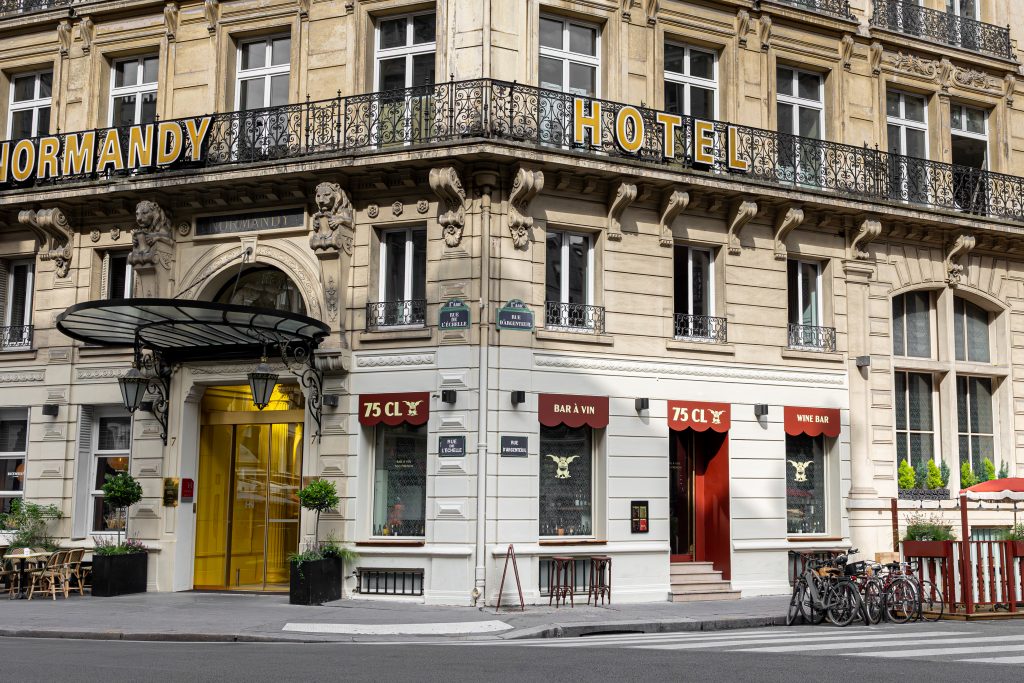
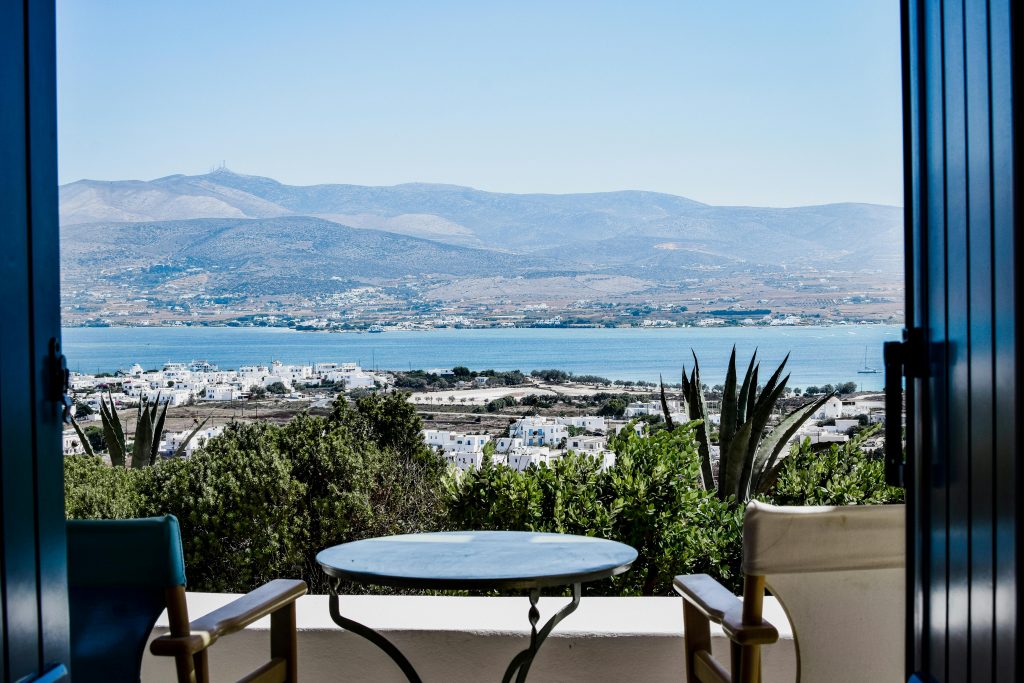
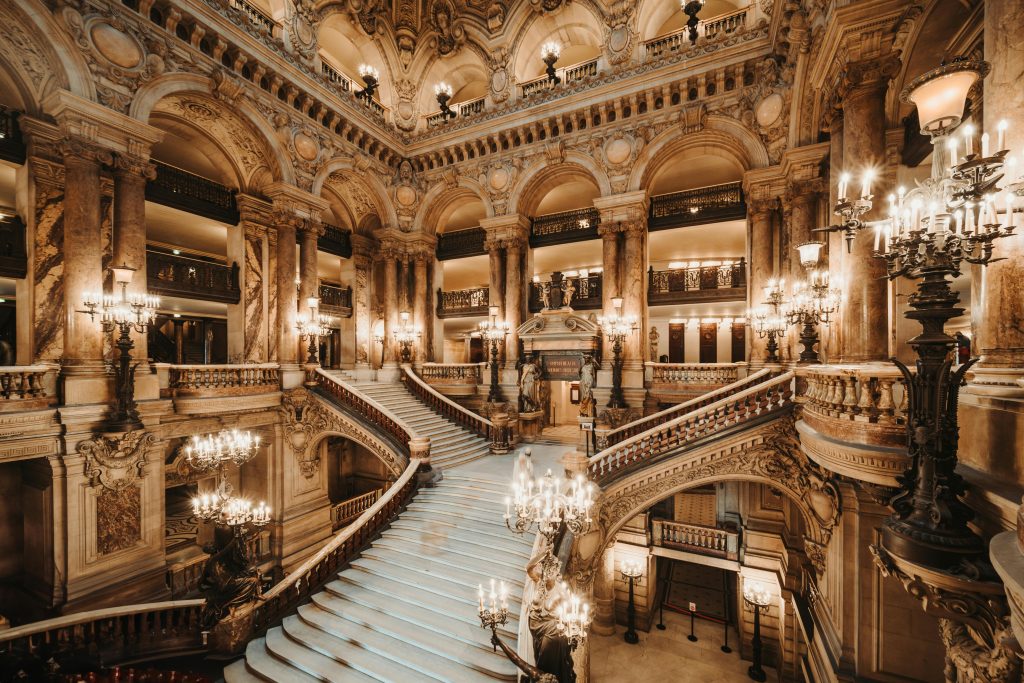
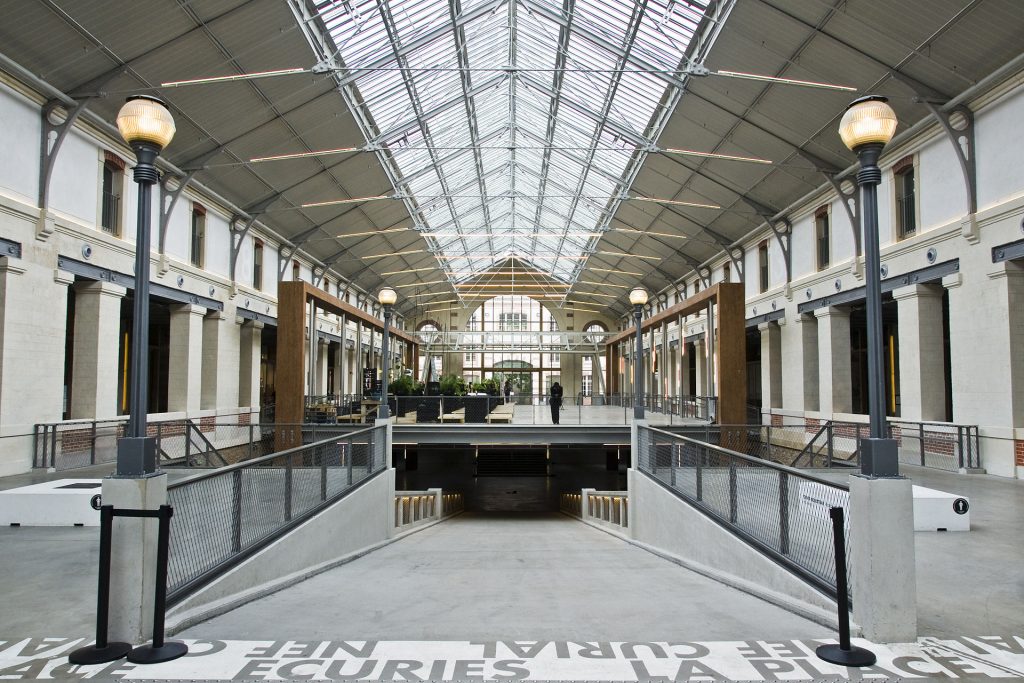
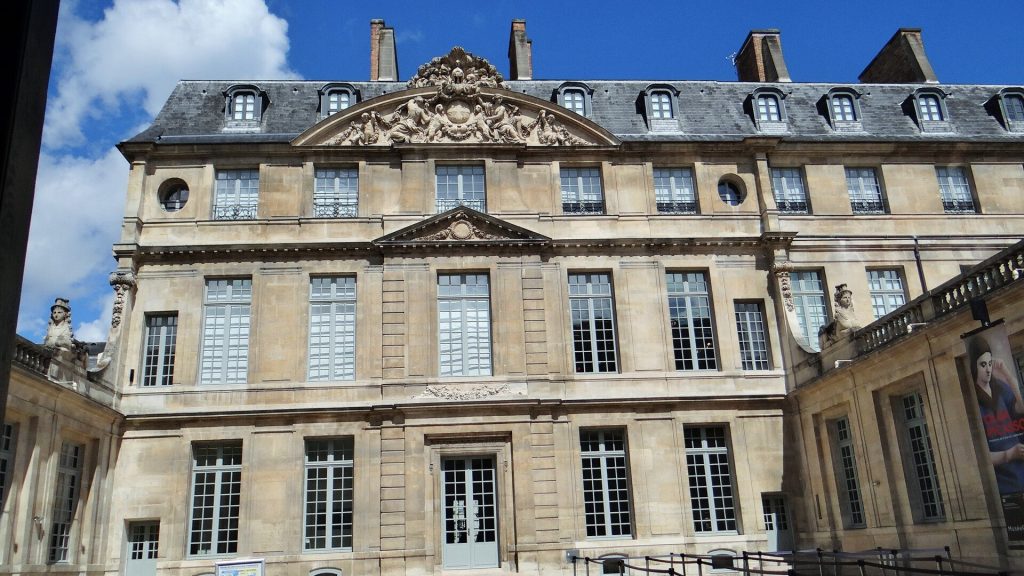
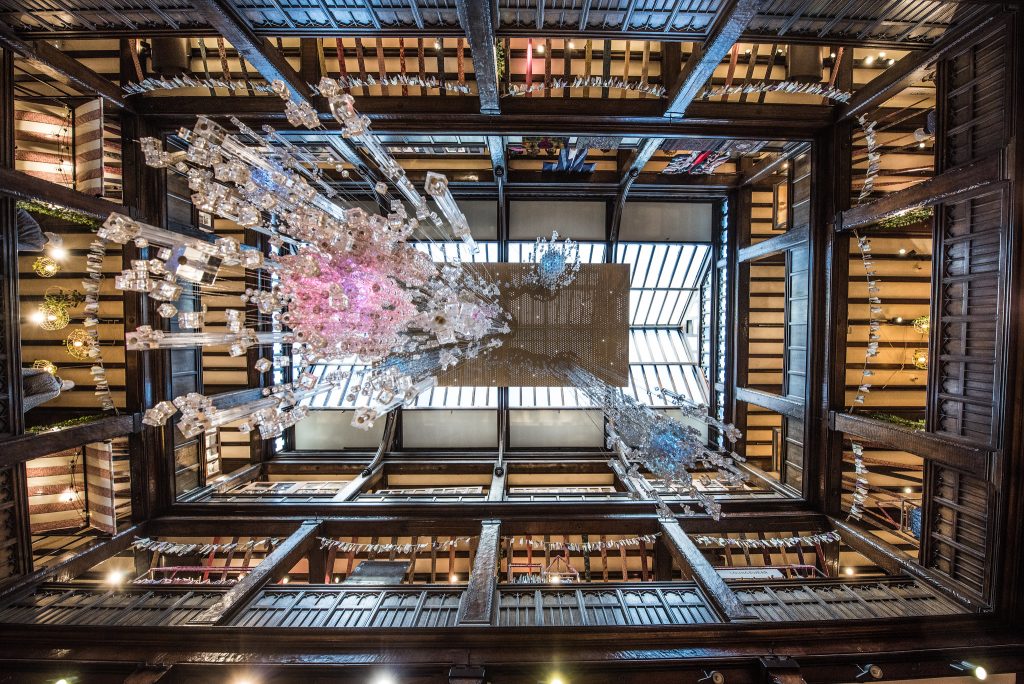
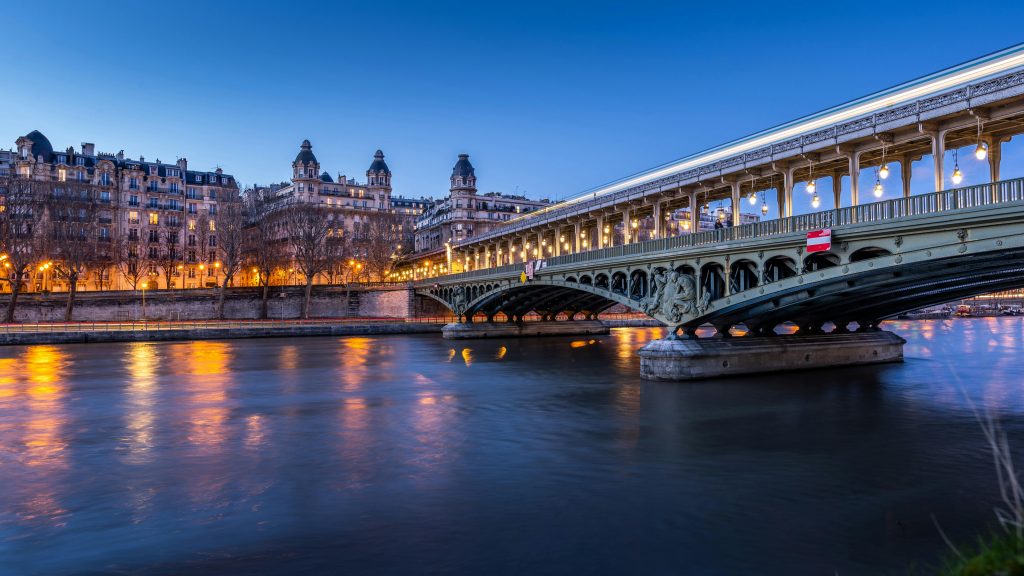
At 7 Rue de l’Échelle, just metres from the Louvre and the Palais-Royal, a grand Parisian hotel has stood the test of time under the gaze of passers-by. Behind the exposed metal sheets and temporary partitions, the Hôtel Normandy Le Chantier is undergoing a spectacular transformation that can be seen every day. Originally a palace at the end of the 19th century and a strategic location during the war, the establishment is now continuing its transformation while remaining open and operational. A stunning setting awaits, comprising restaurants, a wine bar, lounges and renovated rooms, with a full reopening announced for 2027.
Hôtel Normandy Le Chantier ; Groupe Machefert
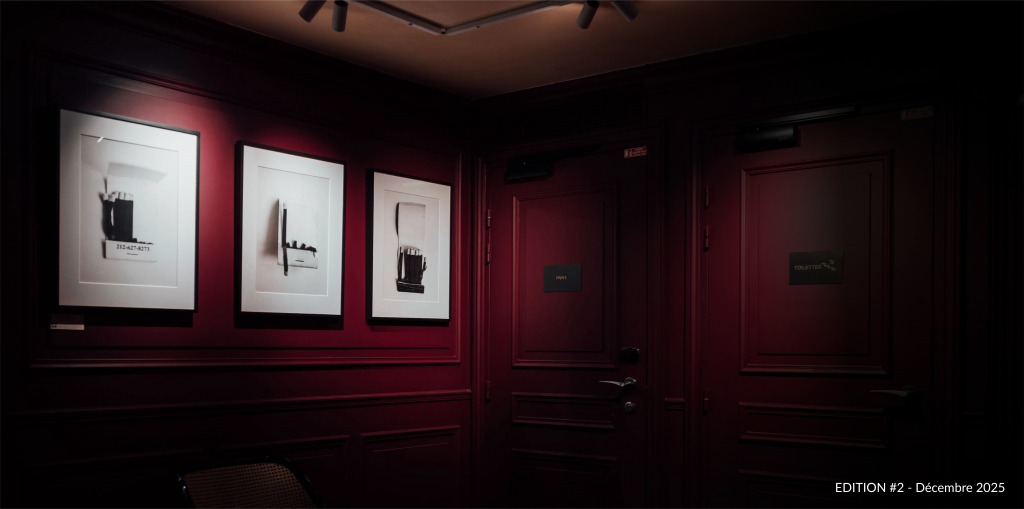
The Normandy opened in 1877 as one of those grand Parisian hotels designed to impress from the moment you walk through the door. Its name recalls a time when British travellers arrived by train and found an establishment that lived up to their expectations. The French palace’s image is made up of majestic volumes, Belle Époque architecture and elaborate décor. The building has stood the test of time, witnessing changing fashions and welcoming generations of visitors. During the Second World War, it became one of the Nazi headquarters. Elements from this period remain hidden beneath the ceilings. Years later, Patrick Machefert discovered a false ceiling and found what had been hidden there. This discovery has left a lasting mark on the palace’s history, which is still visible in certain details today.
Hôtel Normandy Le Chantier ; Groupe Machefert
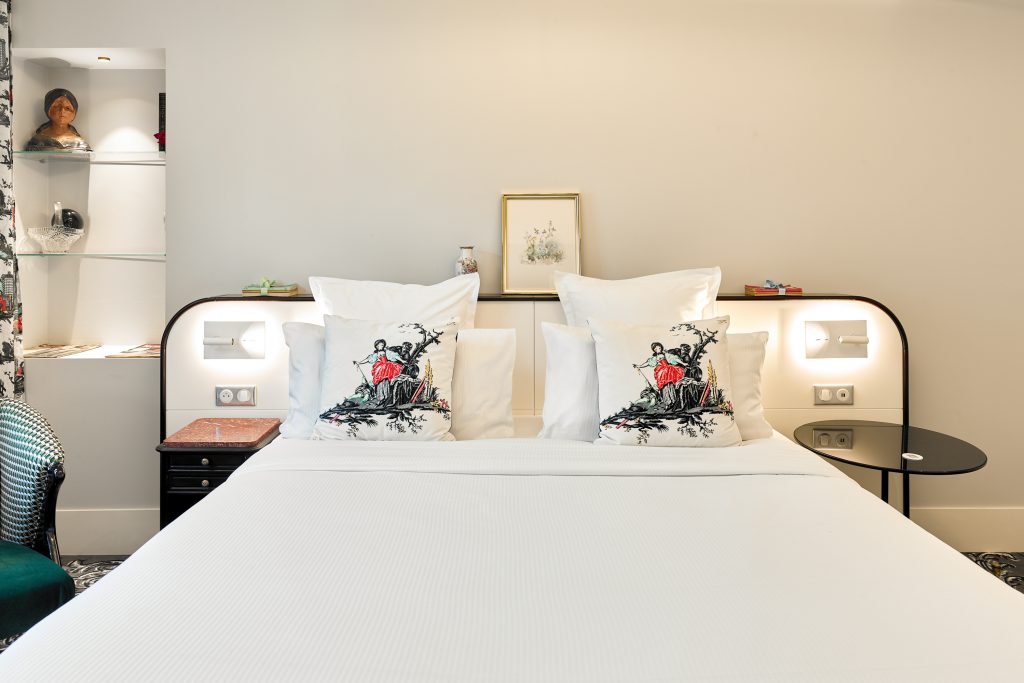
Since 2019, the building has officially been known as Normandy Le Chantier. The ongoing construction work is part of the décor and contributes to the hotel’s current identity. Metal sheets, temporary elements, and areas undergoing transformation have become part of daily life at the hotel. Some rooms have been renovated and are ready to welcome travellers, while others still await their final decoration. The meeting rooms host seminars and events in the heart of a changing building. “We made the decision to keep the hotel open during the renovation work. Guests can see the transformation taking place; they are part of it, and everything is going very well,” explains Audrey Begon, Marketing & Events Director of the Machefert Group. This situation intrigues, surprises and attracts. The hotel offers guests a visible, almost theatrical transformation, enabling them to observe the building’s evolution over the months.

Groupe Machefert
The ground floor is fully open to the public. The Buckwheat crêperie, an obvious nod to the hotel’s name, attracts passers-by and regulars from the neighbourhood. El Vecino spreads the friendly energy of the taqueria that is already well-known in the Marais district. The speakeasy, and the wine bar, 75CL, extend the experience late into the evening. These establishments welcome a diverse clientele, far beyond the hotel’s guests alone. However, they will disappear when the hotel fully reopens to make way for two high-end brasseries. In the meantime, they give the Normandy a daily vitality, occupying a space somewhere between a neighbourhood spot and a destination.
Hôtel Normandy Le Chantier ; Groupe Machefert
The full reopening is planned for 2027. A new entrance on Rue Saint-Honoré, redesigned spaces, a wellness area project awaiting approval and the ongoing decoration of around twenty rooms are all shaping the future of the establishment. “We are the anti-standardisation. Our vision of hospitality is to create unusual places and provide our guests with exciting and immersive experiences,” says Kevin Machefert. Already attracting an international clientele, particularly during Fashion Weeks and other major events in Paris, the hotel is located behind the Louvre. Le Normandy continues its transformation in full view of the public in a neighbourhood where the history of Paris is written every day.
Février, 2026
Créer avec l’existant, penser avec l’histoire
De l’architecture au design, cette édition explore comment lieux, savoir-faire et matières héritées deviennent terrains de création actuelle.
Janvier, 2026
Le luxe se réinvente.
Finis les logos clignotants, place à une sobriété raffinée, à l’immersion personnelle, à l’excellence artisanale, à la durabilité sensible.
Décembre, 2025
Héritages, gestes contemporains et plaisirs essentiels
Parce que la fête n’est jamais qu’apparence : elle reflète notre manière d’habiter le monde, de transmettre, de fabriquer des souvenirs durables.
ÉDITION #3
Upcycling et kintsugi transforment l’objet contemporain, faisant de la trace, de la réparation et de la matière un langage esthétique.
ÉDITION #3
Artisans et designers donnent une seconde vie aux matériaux anciens, entre création contemporaine, patrimoine et réemploi.
ÉDITION #3
Bunkers, wagons et kiosques renaissent grâce à la création, révélant comment l’art redonne sens aux lieux délaissés.
ÉDITION #2
Un regard transversal sur le quiet luxury à travers des lieux, des objets et des figures qui expriment l’élégance.
ÉDITION #1
Une sélection de marques, architectures, objets et escapades qui donnent corps au sens de la fête.
ÉDITION #3
Usines et gares délaissées deviennent lieux culturels ouverts, où mémoire industrielle et usages contemporains redessinent la ville.
ÉDITION #3
L’audacieuse métamorphose d’un palace parisien
ÉDITION #3
Au cœur du Marais, un lieu discret révèle comment archives, architecture et recherche font dialoguer l’œuvre de Picasso.
ÉDITION #2
Une expérience shopping unique dans un magasin emblématique.
ÉDITION #2
Voyage culinaire et architectural au cœur de la Seine
ÉDITION #2
Dans le 9e arrondissement, un établissement qui invite au quiet luxury
ÉDITION #1
Chante! vient d’ouvrir ses portes. Une invitation à vibrer !
ÉDITION #3
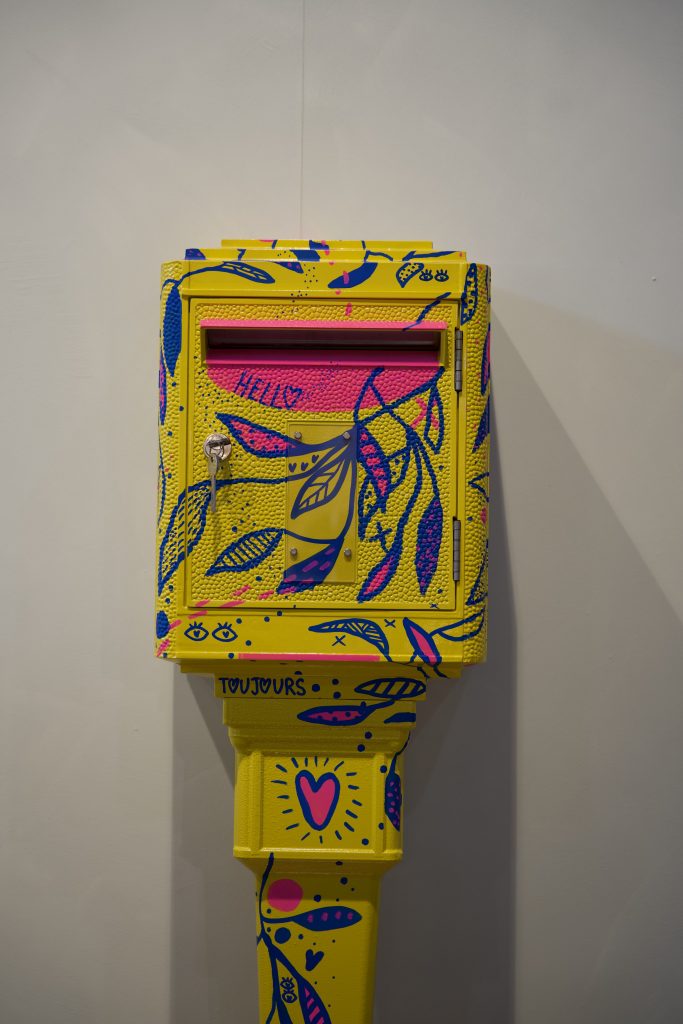
Icône du paysage français, la boîte jaune change de statut et s’invite dans l’univers du design.
ÉDITION #3
L’édition 2026 affirme une vision où artisanat, design et mémoire façonnent l’habitat contemporain, international actuel.
ÉDITION #3
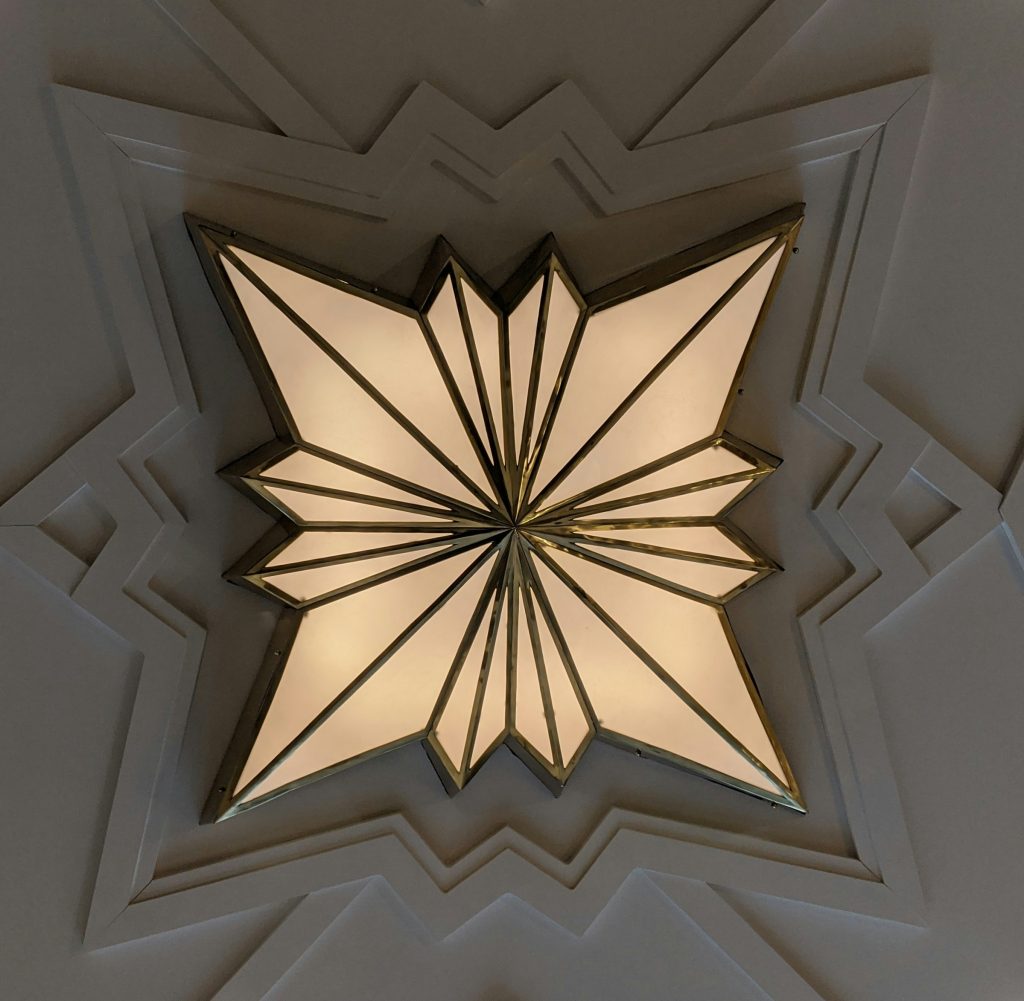
Cent ans après 1925, l’Art déco revient dans nos villes et intérieurs avec géométrie, audace, optimisme.
ÉDITION #3
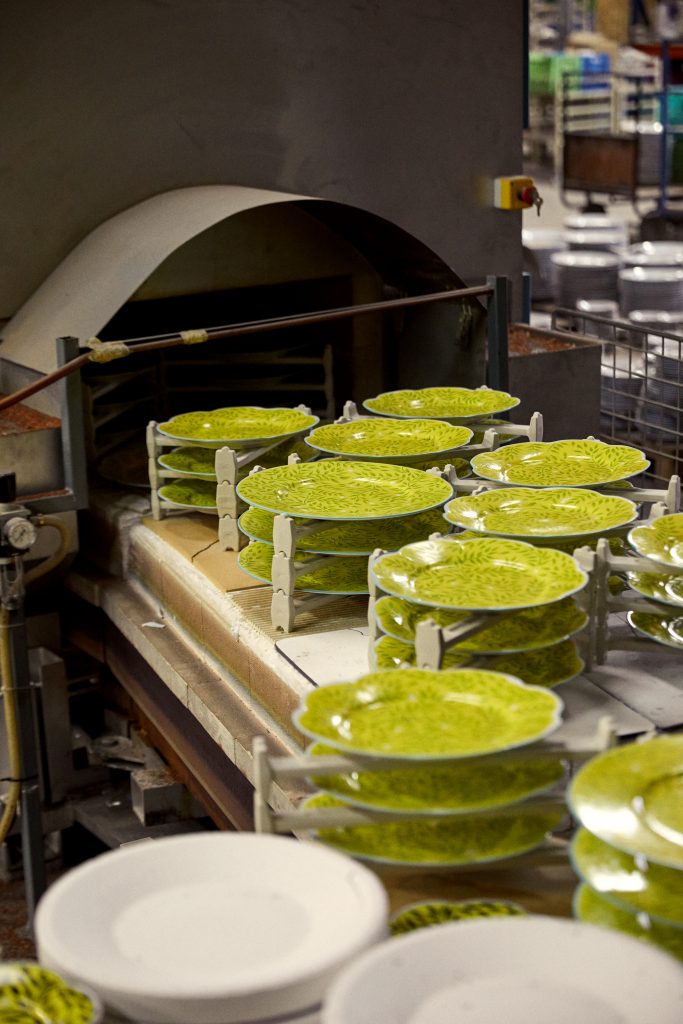
Depuis plus de deux cents ans, Royal Limoges conjugue porcelaine, savoir-faire industriel et création contemporaine.
ÉDITION #3
Des terrains de sport aux podiums, la sneaker raconte un siècle de mutations culturelles, techniques et stylistiques.
ÉDITION #2
Design, mode, artisanat : des créations où la forme et la matière se répondent avec justesse, loin de tout effet de mode.
ÉDITION #1
Décorations artisanales, calendriers ultra-luxe et pièces de collection pour s’enivrer de joie avant l’heure.
ÉDITION #3
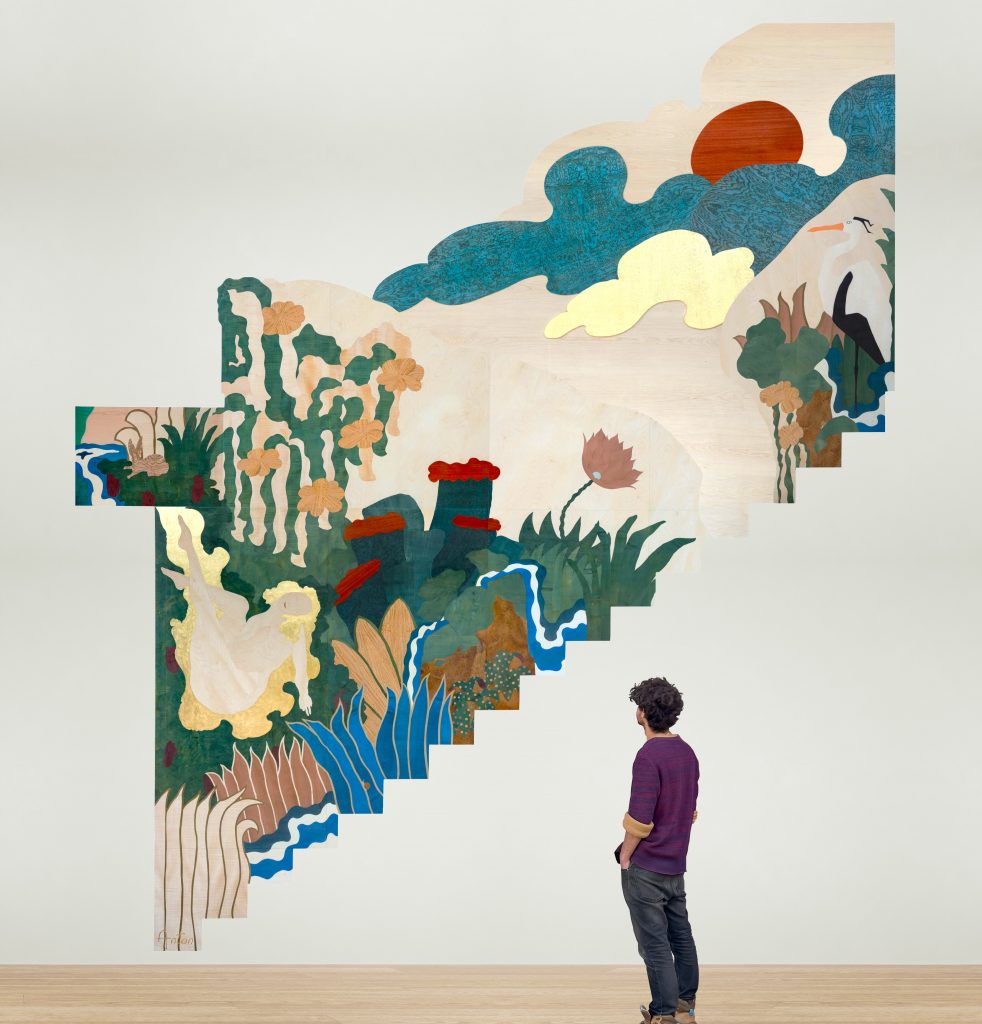
Entre marqueterie monumentale et jungle symbolique, Anton Laborde transforme le bois en récit contemporain poétique engagé.
ÉDITION #3
À Maison & Objet, Thierry Laudren présente des meubles sculptés où fonction, matière et lenteur façonnent une présence.
ÉDITION #3
Jean Nouvel conçoit une architecture attentive aux contextes, où lumière, histoire et usages façonnent chaque projet.
ÉDITION #3
À Lyon, Sophie Morel rénove des lieux historiques en alliant respect du bâti et écriture contemporaine.
ÉDITION #3
Au Centre d’Études Picasso, l’architecte compose une architecture où lumière, géométrie et héritage dialoguent avec précision.
ÉDITION #2
Entretien avec le fondateur d’EDO (European Design Office)
ÉDITION #2
Portrait d’un visionnaire qui transforme l’art de recevoir en expérience totale.
ÉDITION #1
Personnalités, artisans et créateurs qui donnent à la fête sa profondeur humaine.
ÉDITION #3
De Bordeaux au Bassin, art, vignobles et bien-être composent une échappée élégante au cœur de la Gironde.
ÉDITION #2
Vers une région de l’Italie habitée par le temps, où paysages, culture et usages s’accordent dans une continuité rare.
ÉDITION #1
Destinations et rituels qui réinventent la fête, du soleil tropical aux marchés d’hiver.