Research, architecture, archives
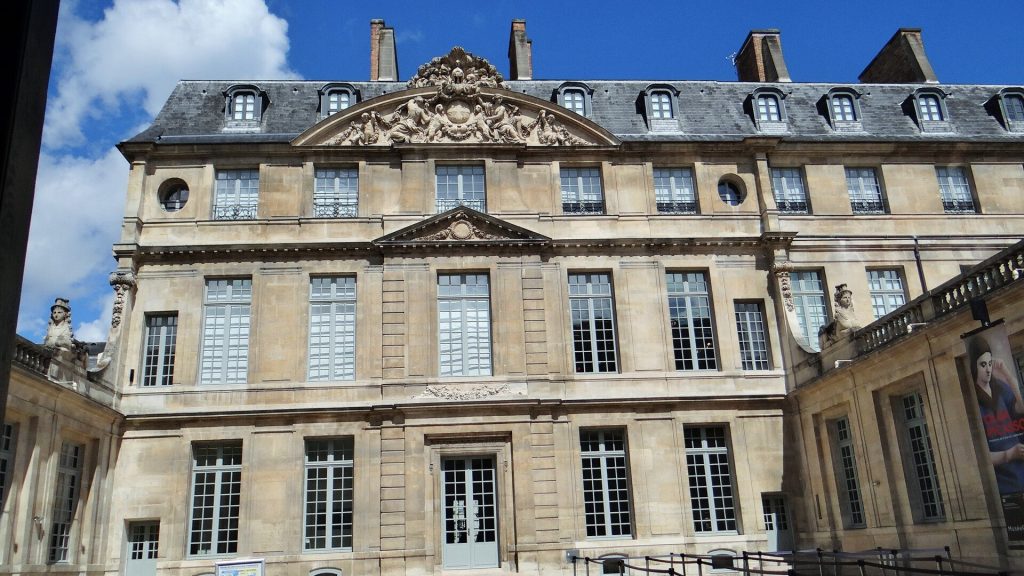
In the heart of the Marais district, a hidden location showcases the ways in which research, architecture and archives are extending Picasso’s legacy.
The daring transformation of a parisian palace
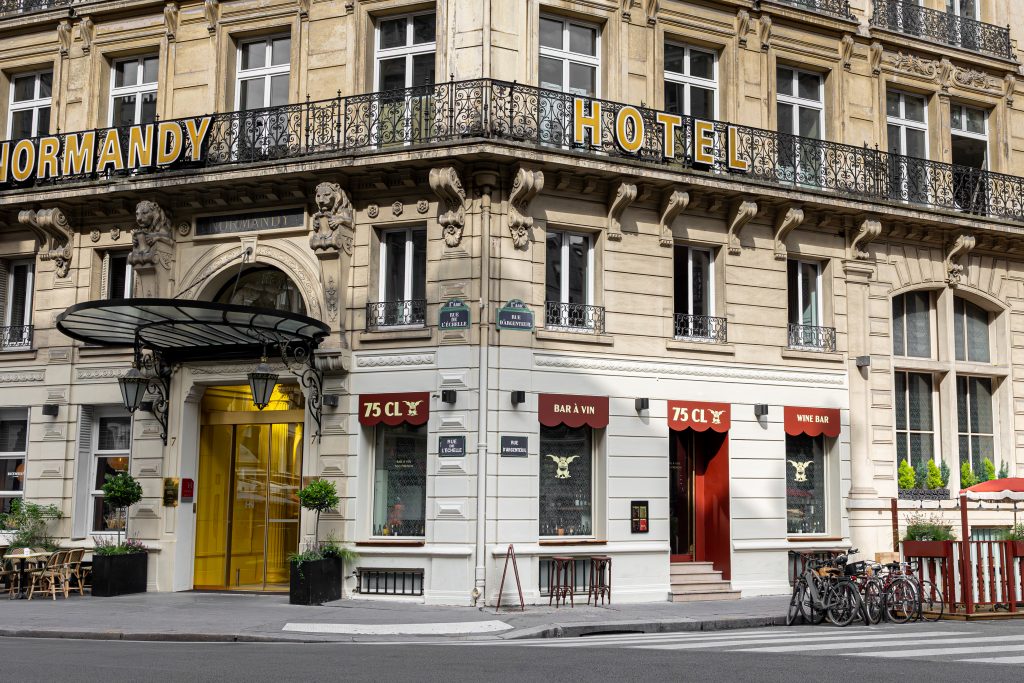
Just metres from the Louvre and the Palais-Royal, a grand Parisian hotel has stood the test of time under the gaze of passers-by.
When culture transforms the city
Abandoned factories and railway stations are being converted into cultural venues, blending industrial heritage with modern uses and transforming the urban landscape.
Factories, stations, power plants and slaughterhouses were once powerful symbols of a city’s industrial might. When they ceased operations, these colossal structures entered a peculiar limbo—too substantial to demolish, too significant to simply abandon.
Over the past two decades, a remarkable transformation has taken place: creativity has reclaimed these spaces and given them fresh purpose. Contemporary art, grassroots cultural activities, innovation, gastronomy and sustainability are turning industrial heritage into vibrant, accessible and genuinely desirable destinations. These buildings are no longer mere relics. They’ve become living narratives, where memory sits in dialogue with present-day uses and tomorrow’s possibilities.
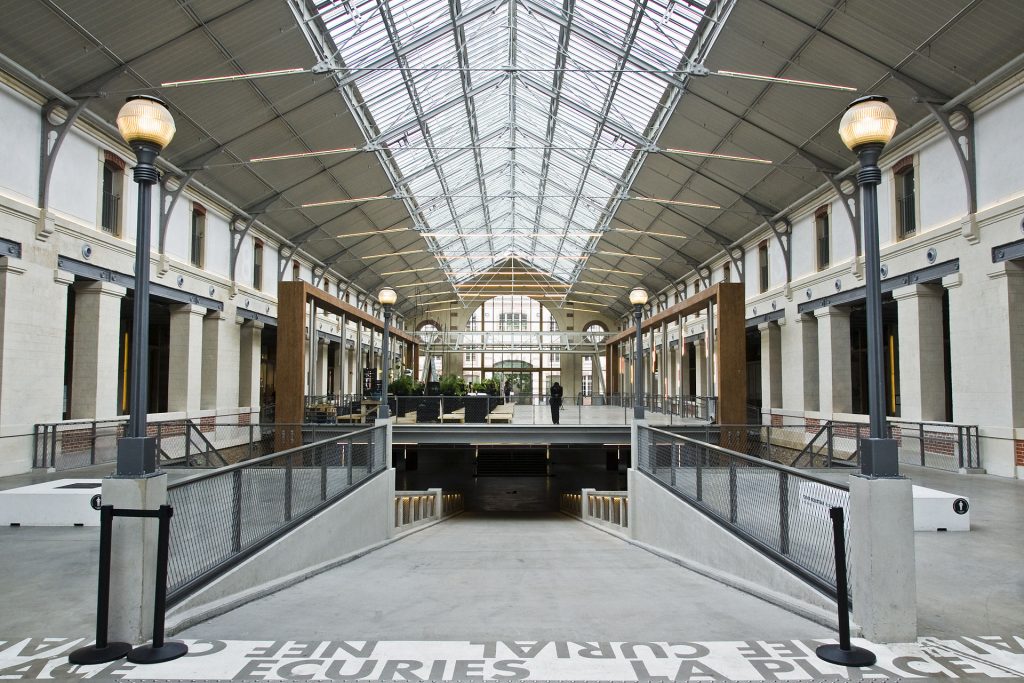
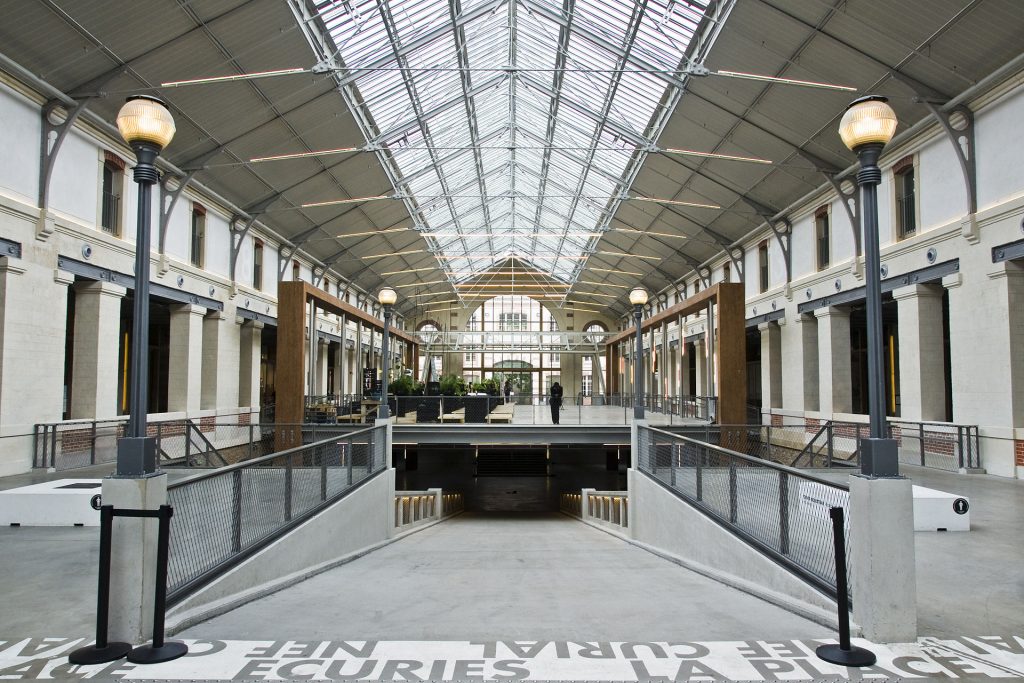
Le CENTQUATRE-Paris ; Jean-Christophe Benoist – Wikimedia
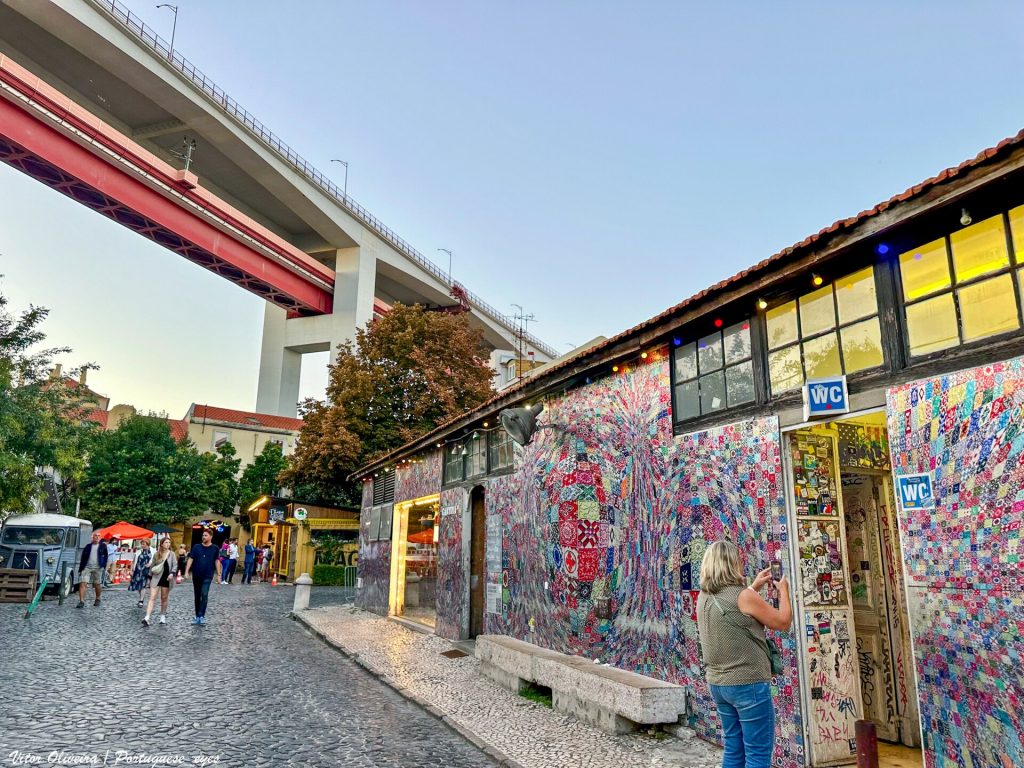
In Paris, CENTQUATRE-Paris, Marseille’s Friche la Belle de Mai and Lisbon’s LX Factory share a common philosophy: preserving the traces of labour. Grand halls, exposed brickwork, glass canopies, machinery and industrial-scale proportions shape the visitor experience. The setting tells the story of collective endeavour, rhythm and craftsmanship. This memory provides the backdrop for contemporary creation—without descending into nostalgia or turning the space into a museum. Artists, entrepreneurs and local residents inhabit spaces that fully embrace their historical weight.
The power of these venues lies in the contrast between volumes designed for production and activities centred on culture, connection or experimentation. Architecture plays an active role, imposing a rhythm, a scale and a gravitas that give depth to current practices and strengthen the public’s emotional connection to these spaces.
Le CENTQUATRE-Paris ; Jean-Christophe Benoist – Wikimedia
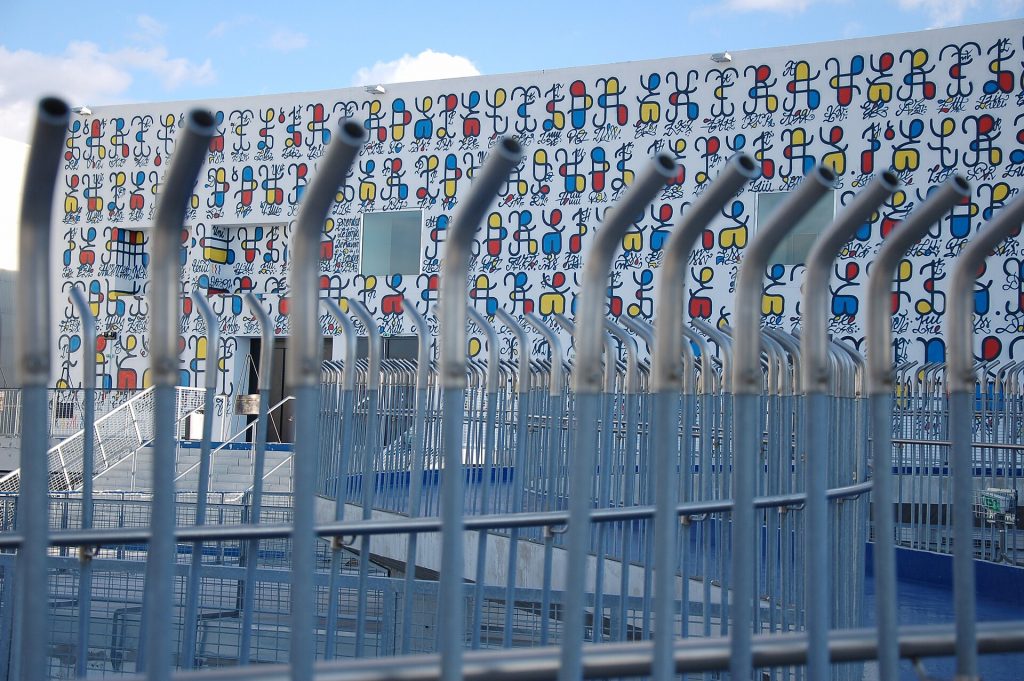
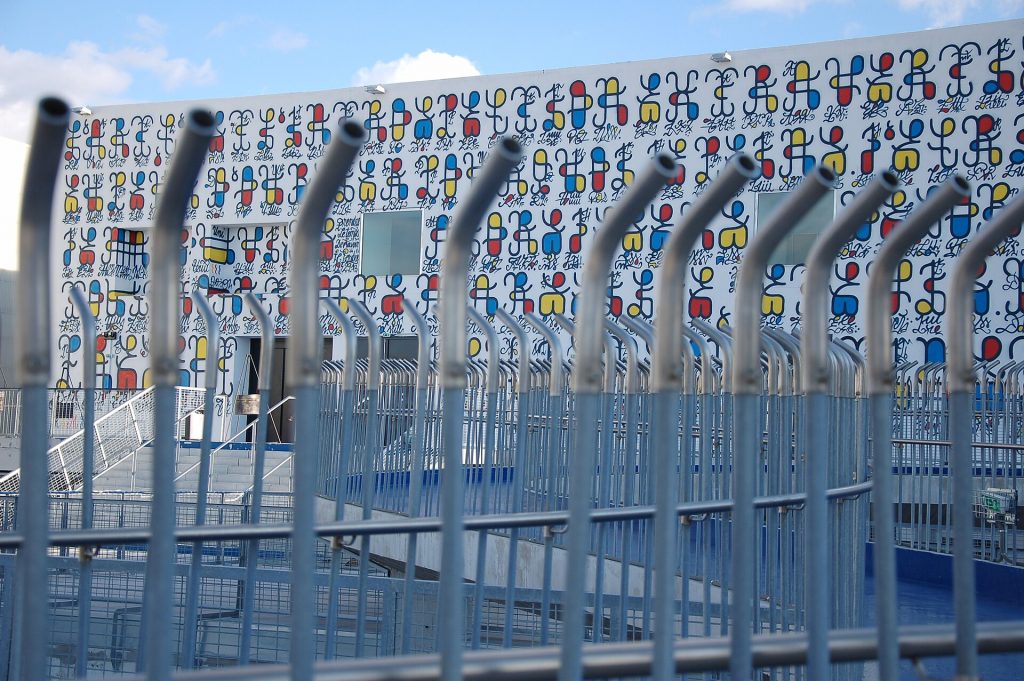
La Friche de la Belle de Mai à Marseille ; Charlotte Noblet ; Wikimedia
These conversions resonate because of their openness. At La Friche la Belle de Mai, you can wander through a skatepark, a nursery, a rooftop terrace, a restaurant and several exhibitions—all in one visit. At CENTQUATRE, amateur dancers, families and established artists share the same halls. This porosity transforms culture into everyday life.
Matadero Madrid and Les Subsistances follow the same principle: cinema, theatre, design, literature and community activities coexist side by side. These sites function as self-contained neighbourhoods, as much places to pass through as destinations to explore. The programming draws visitors, whilst free access builds loyalty. People arrive without prescribed rituals, sometimes without any specific plan, but with the certainty of finding an activity, somewhere to eat, or simply a compelling viewpoint. Creation becomes part of the urban landscape, just like a market square or public park.

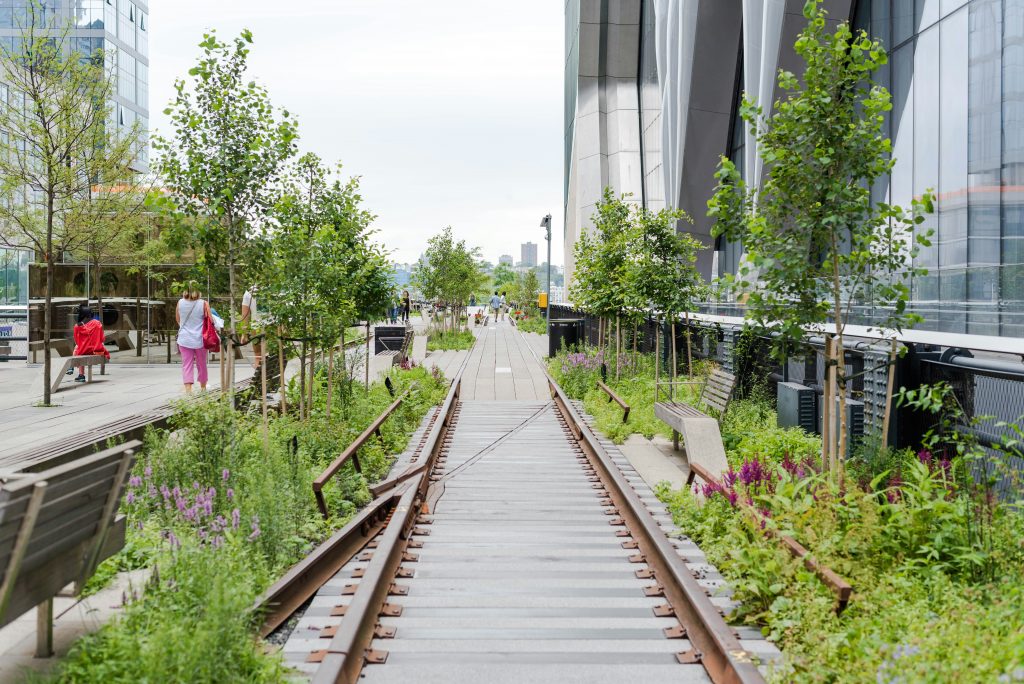
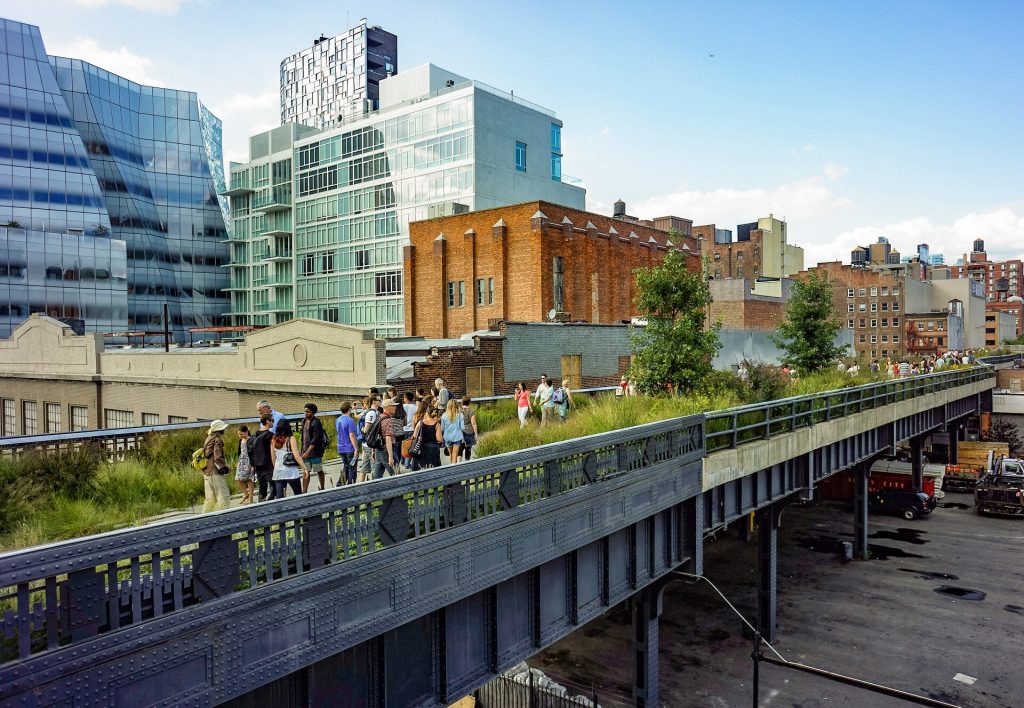
The High Line, New York, USA; Nikon Corporation; Unsplash
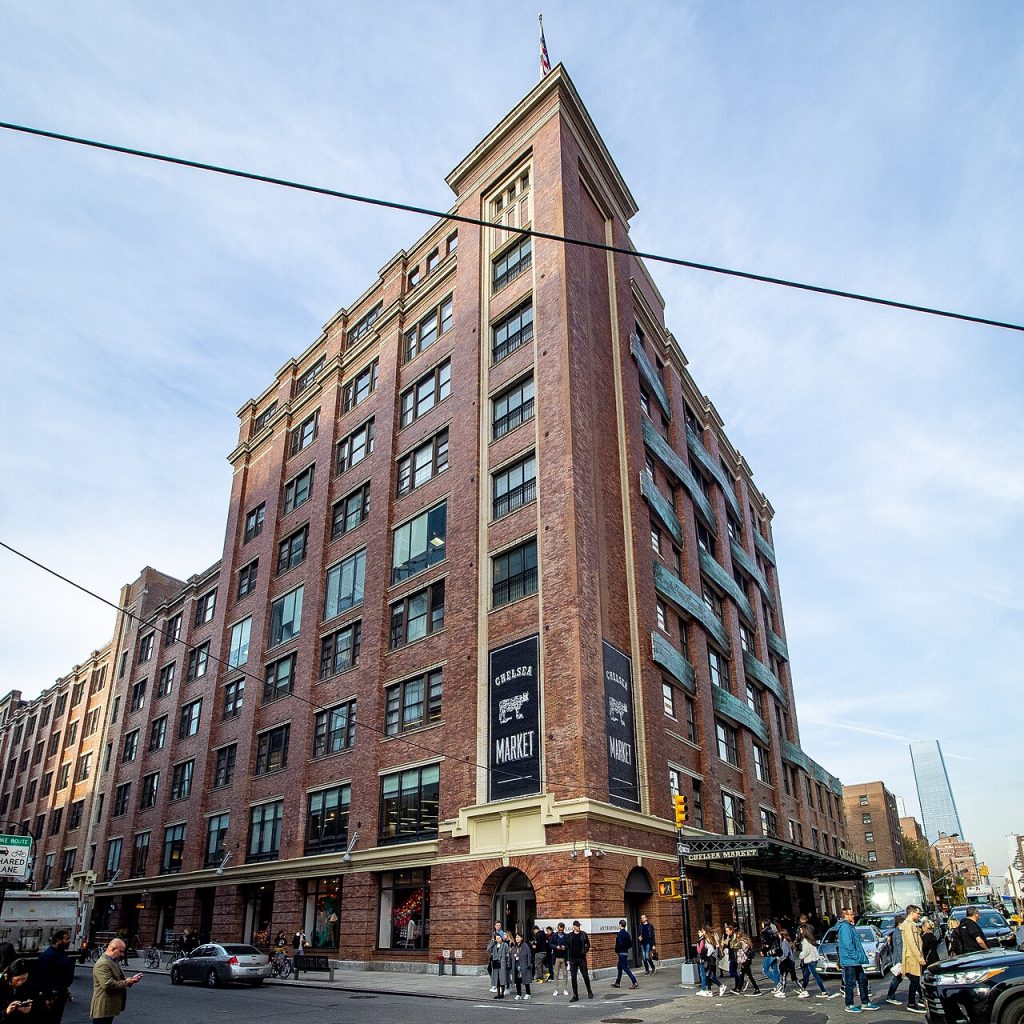
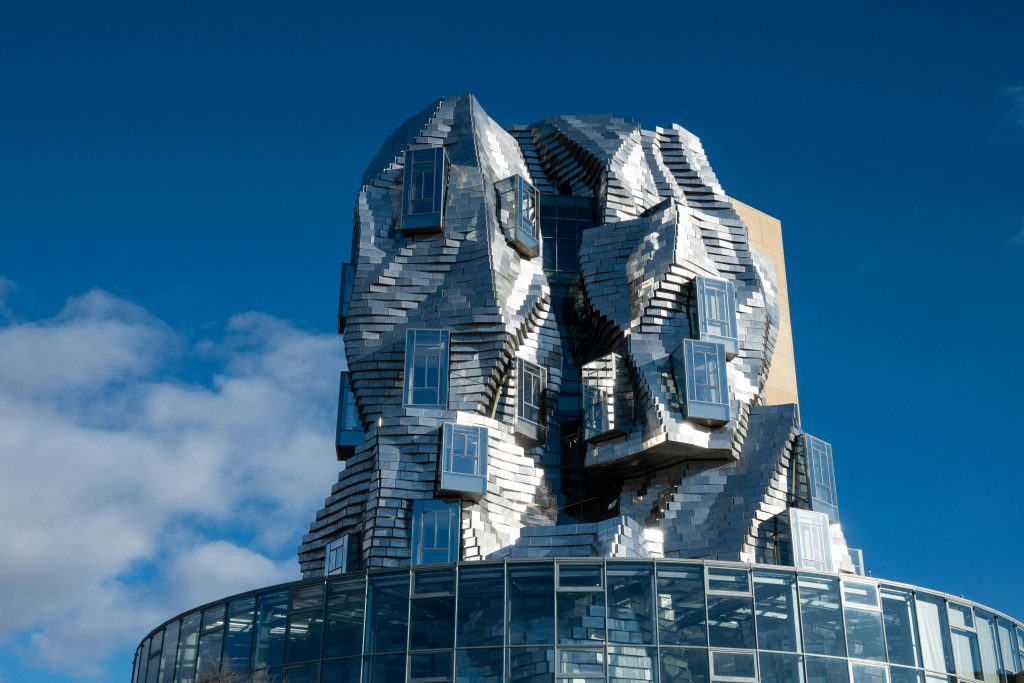
At scale, certain projects can fundamentally alter an area’s character and economy. In New York, the High Line and Chelsea Market have reshaped an entire neighbourhood, attracting new residents, tourists and businesses. In Paris, Station F has transformed a railway depot into an entrepreneurial campus, blending innovation, dining and public spaces. In Arles, LUMA Arles combines artistic creation, research and landscape design to reposition the city on the international cultural map.
These places draw visitors, generate employment and energise neighbouring businesses. Culture acts as an urban catalyst, capable of revitalising long-neglected areas whilst creating a positive, forward-looking narrative.
The High Line, New York, USA; Nikon Corporation; Unsplash
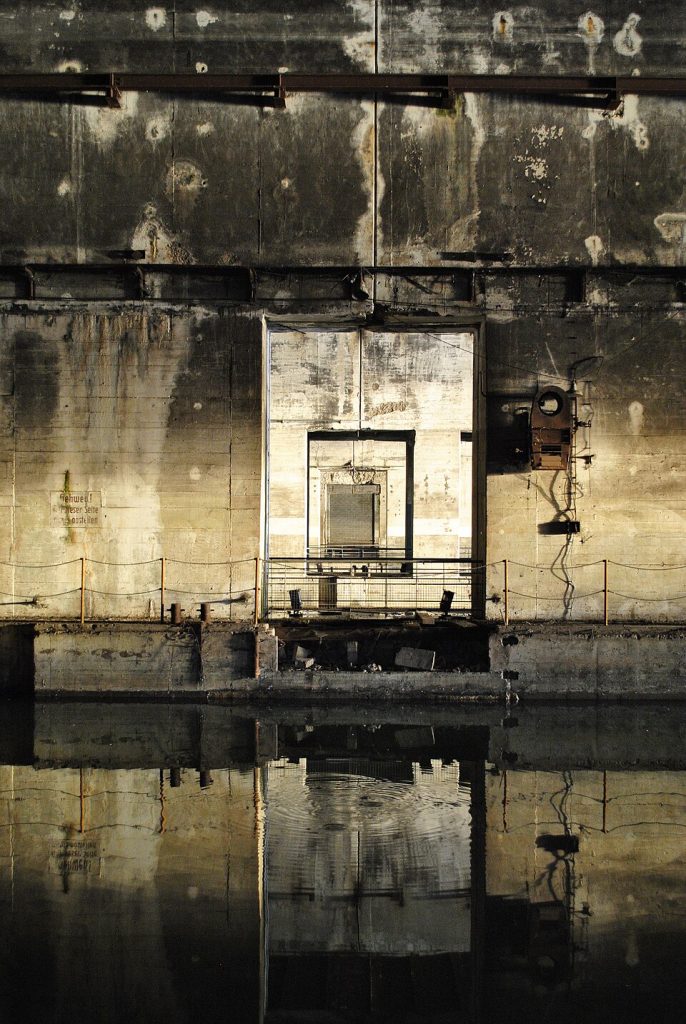
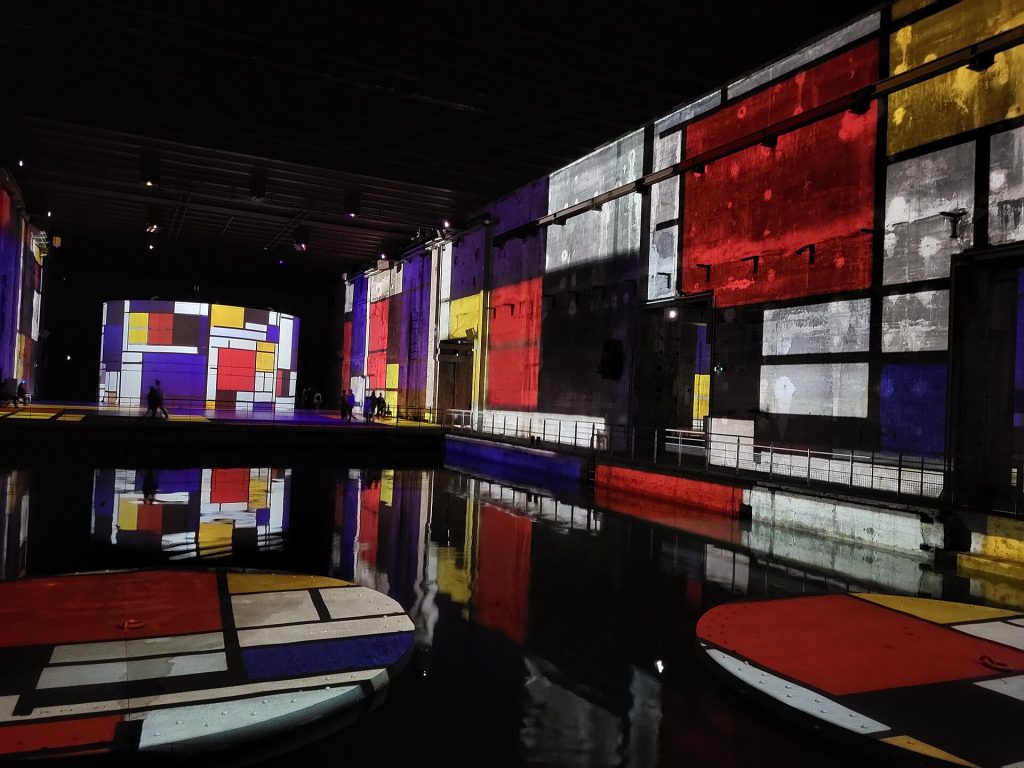
Base sous-marine de Bordeaux (intérieur) ; DJ Poldoc ; Wikimedia
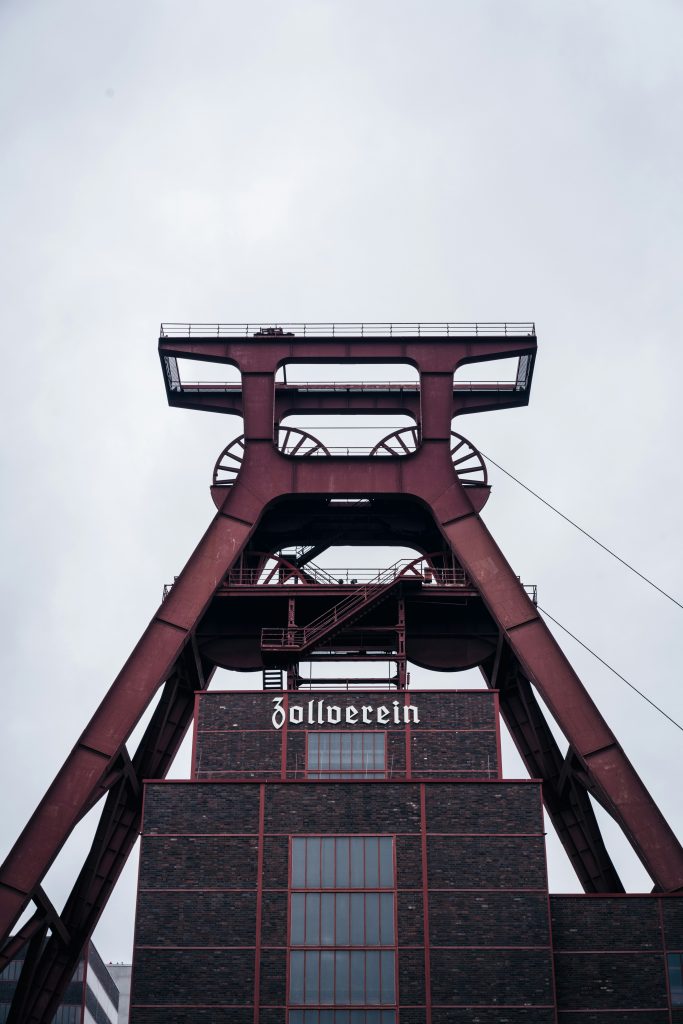
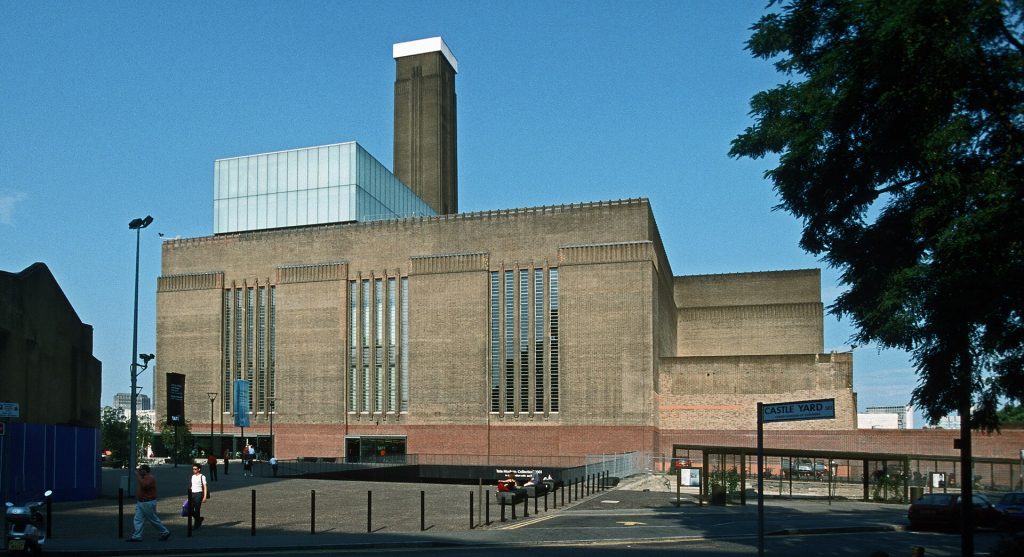
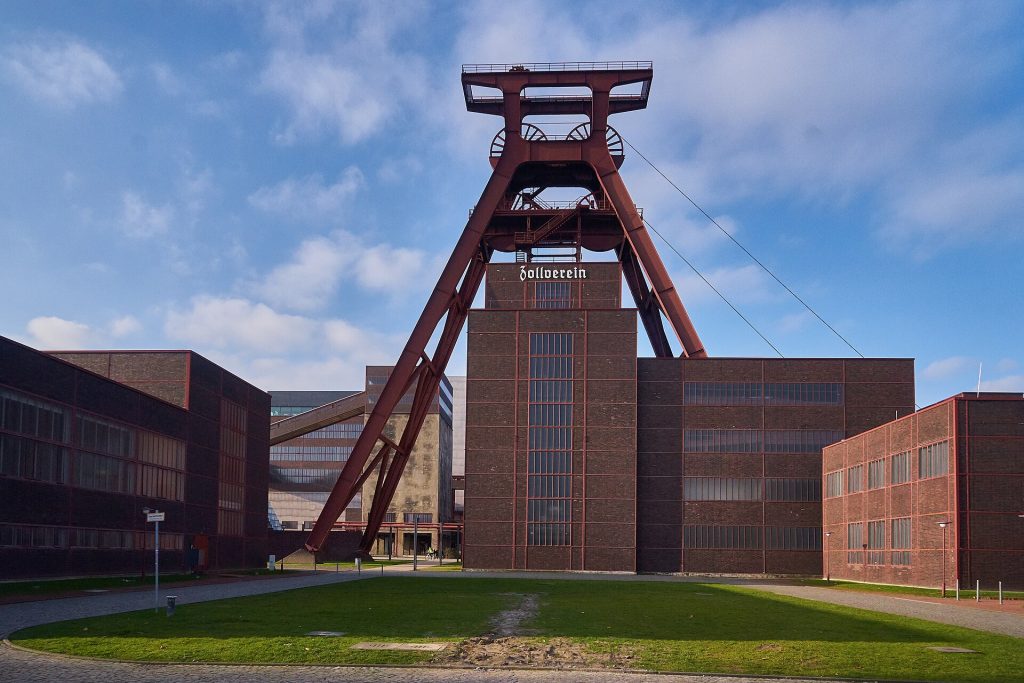
From London’s Tate Modern to Germany’s Zeche Zollverein, a global movement is redefining how we relate to industrial heritage. In Bordeaux, the Bassins des Lumières transforms a Second World War submarine base into a monumental digital art venue. In Valencia, the Bombas Gens Digital Arts Centre occupies an Art Deco hydraulic pump factory.
This international shift reflects a fundamental rethinking of heritage value. Rather than preserving buildings as static monuments, these projects embrace adaptive reuse, where history informs rather than constrains. The industrial past provides structure, character and narrative depth, whilst contemporary interventions bring relevance, accessibility and new meaning.
SONY, ILCE-7RM2 ; Unsplash
As cities worldwide confront the legacy of deindustrialisation, culture offers a proven model for regeneration. These conversions demonstrate that heritage needn’t be preserved in aspic—it can evolve, accommodate new uses, and remain economically and socially relevant.
The most successful projects share a common approach: they respect the past without being imprisoned by it. They preserve what gives these buildings character whilst adapting them for contemporary life. They create spaces that honour memory whilst embracing change.
This movement represents more than architectural conservation. It’s about reimagining urban space, democratising culture, and building communities around shared places. From Paris to New York, Lisbon to Valencia, these transformed industrial sites prove that our most valuable heritage is living, breathing and constantly evolving.
SONY, ILCE-7RM2 ; Unsplash
Large cultural centre in former funeral services converted into a place for creativity, dance, visual arts, shops and restaurants in Paris.
A cultural district created from a former tobacco factory, combining a skatepark, music venues, exhibitions, gardens and public spaces.
Former textile industrial complex turned creative space with shops, restaurants, street art and Ler Devagar bookshop.
Public walkway built on an old elevated railway line crossing Manhattan between Gansevoort Street and 34th Street along the Hudson River.
A gourmet food and shopping market located in the former Nabisco factory, combining a food hall and shops.
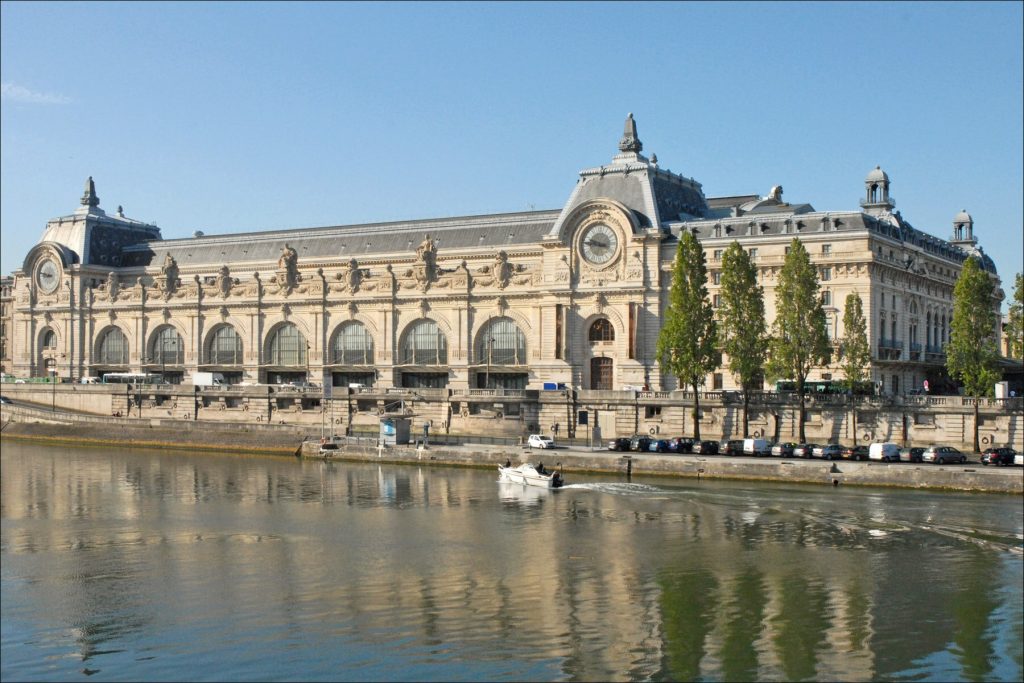
National Museum of 19th-century art housed in the former Orsay railway station, famous for its Impressionist collection.
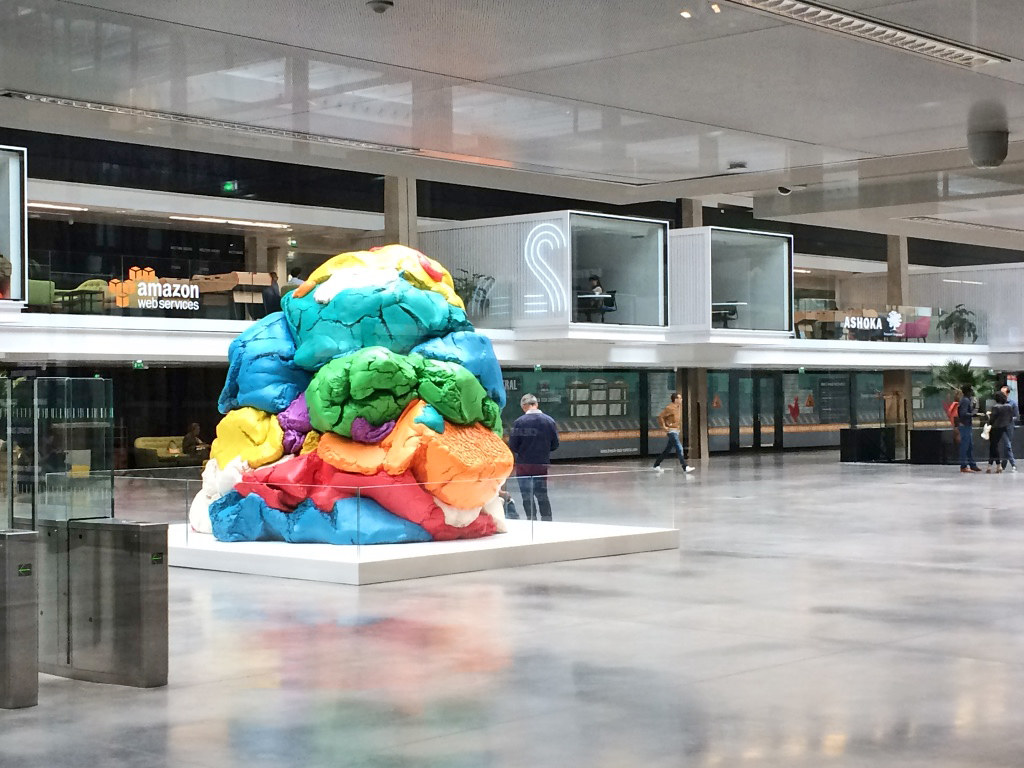
The world’s largest start-up campus, located in the former Halle Freyssinet, with workspaces and services.
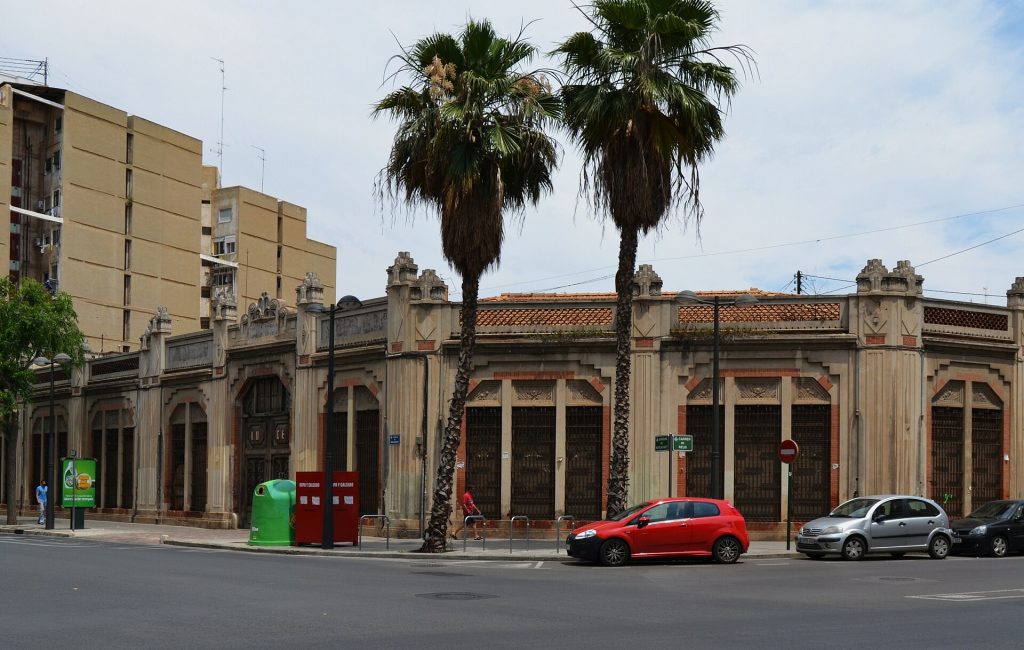
Contemporary art centre in an Art Deco hydraulic pump factory with a Mediterranean garden and immersive programmes.
Museum of modern and contemporary art in the former Bankside Power Station, known for its spectacular Turbine Hall.
UNESCO-listed mining complex in Essen, converted into cultural spaces including the Red Dot Design Museum.
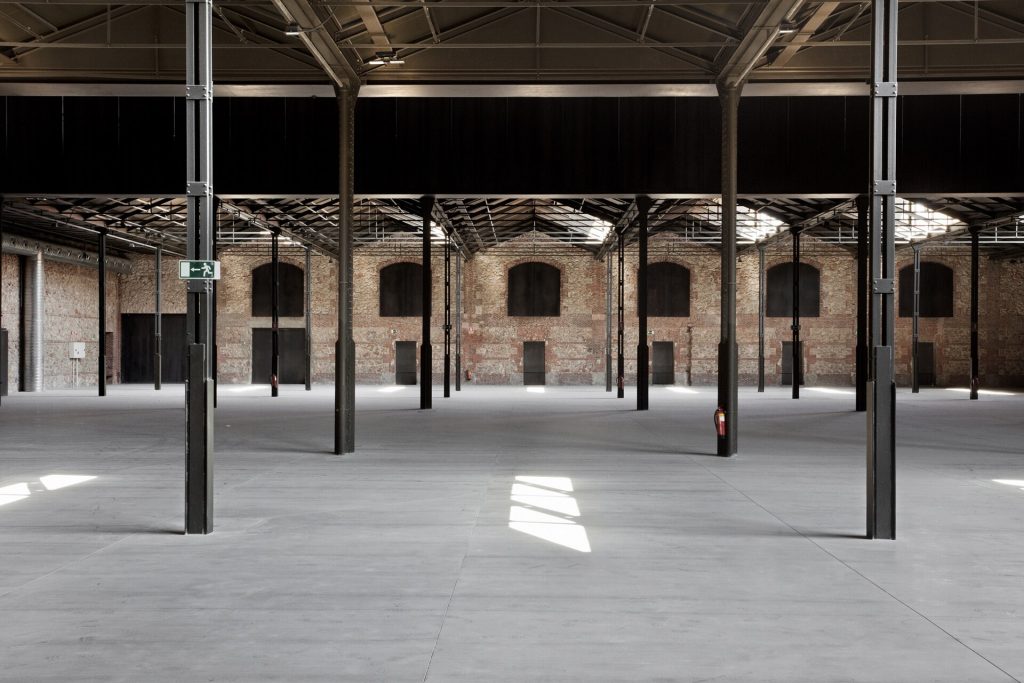
Former municipal slaughterhouse converted into a large cultural centre offering exhibitions, theatre, cinema and creative spaces.
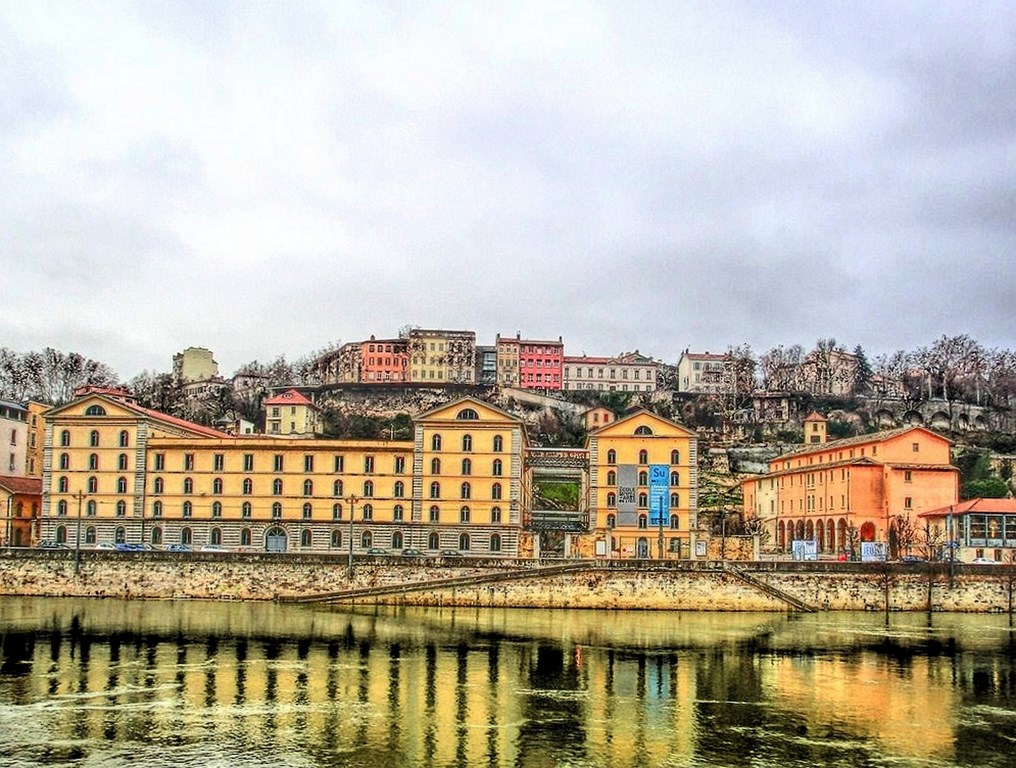
Artistic creation laboratory in Lyon, hosting live performances, residencies and workshops in a former convent.
An 11-hectare cultural campus combining old railway workshops with contemporary architecture, exhibitions and gardens.
Monumental digital art centre inside the Bordeaux submarine base with immersive projections.
February, 2026
Create with what already exists, think with history
From architecture to design, this edition explores how places, know-how and inherited materials become fields of current creation.
January, 2026
Luxury is reinventing itself.
No more flashing logos, place to a refined sobriety, personal immersion, artisanal excellence, sensitive sustainability.
December, 2025
heritage, contemporary practices and essential pleasures
Because celebration is more than just appearances:
it reflects how we live the world, pass on traditions and create lasting memories.
ISSUE #3
Upcycling and kintsugi transform contemporary objects, turning marks, repairs and materials into an aesthetic language.
ISSUE #3
Craftsmen and designers give old materials a new lease of life, combining contemporary design, heritage and reuse.
ISSUE #3
Bunkers, railway carriages and kiosks are being given a new lease of life through creativity, revealing how art can restore meaning to neglected places.
ISSUE #2
A transversal look at quiet luxury through places, objects and figures that express elegance.
ISSUE #1
A selection of brands, architecture, objects and getaways that embody the spirit of celebration.
ISSUE #3
Abandoned factories and railway stations are being transformed into open cultural venues, where industrial heritage and contemporary uses are reshaping the city.
ISSUE #3
The audacious metamorphosis of a Parisian palace
ISSUE #3
In the heart of the Marais district, a discreet location reveals how archives, architecture and research bring Picasso’s work to life.
ISSUE #2
A unique shopping experience in an emblematic store.
ISSUE #2
A culinary and architectural journey in the heart of the Seine
ISSUE #2
In the 9th arrondissement, an establishment that invites you to enjoy quiet luxury
ISSUE #1
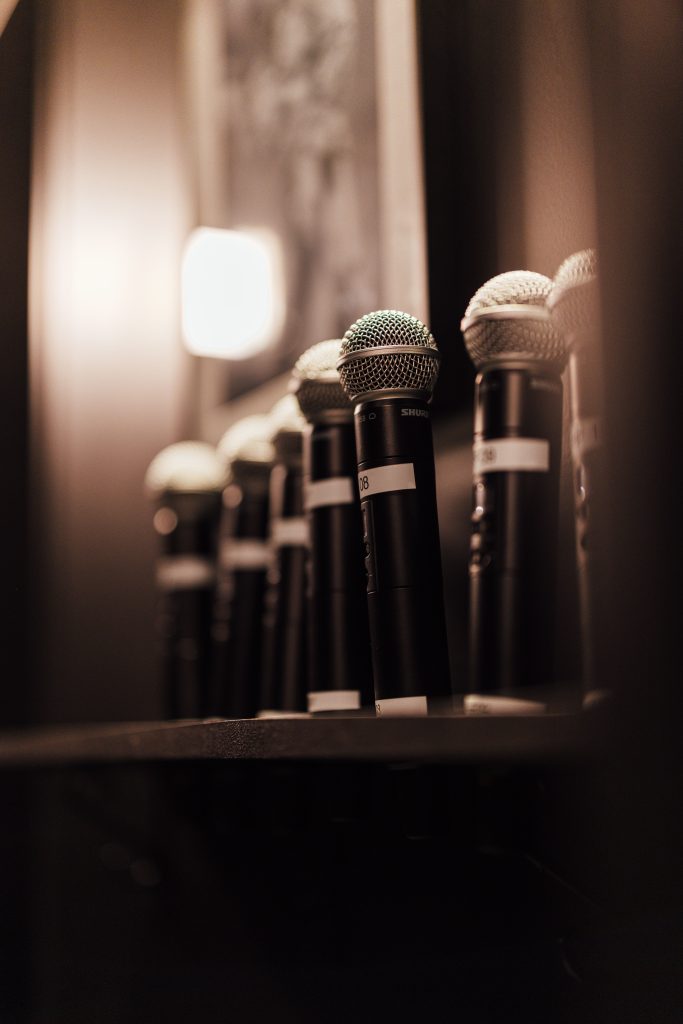
Chante! has just opened its doors. An invitation to vibrate!
ISSUE #3
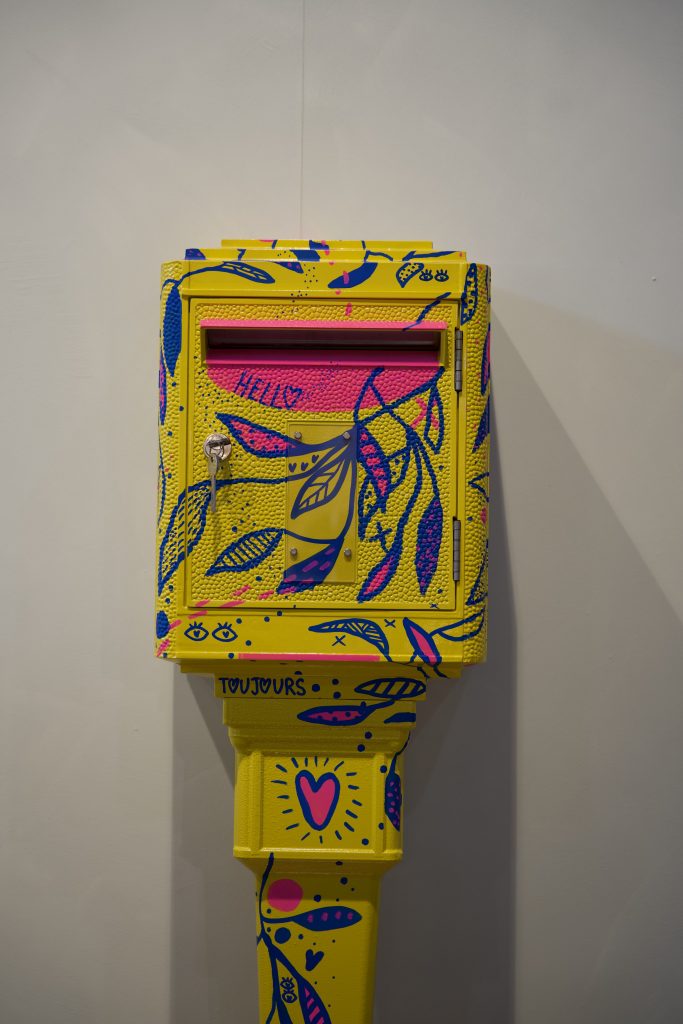
An icon of the French landscape, the yellow post box is changing status and entering the world of design.
ISSUE #3
The 2026 edition affirms a vision where craftsmanship, design and memory shape contemporary, international living today.
ISSUE #3
A hundred years after 1925, Art Deco is making a comeback in our cities and interiors with geometry, boldness and optimism.
ISSUE #3
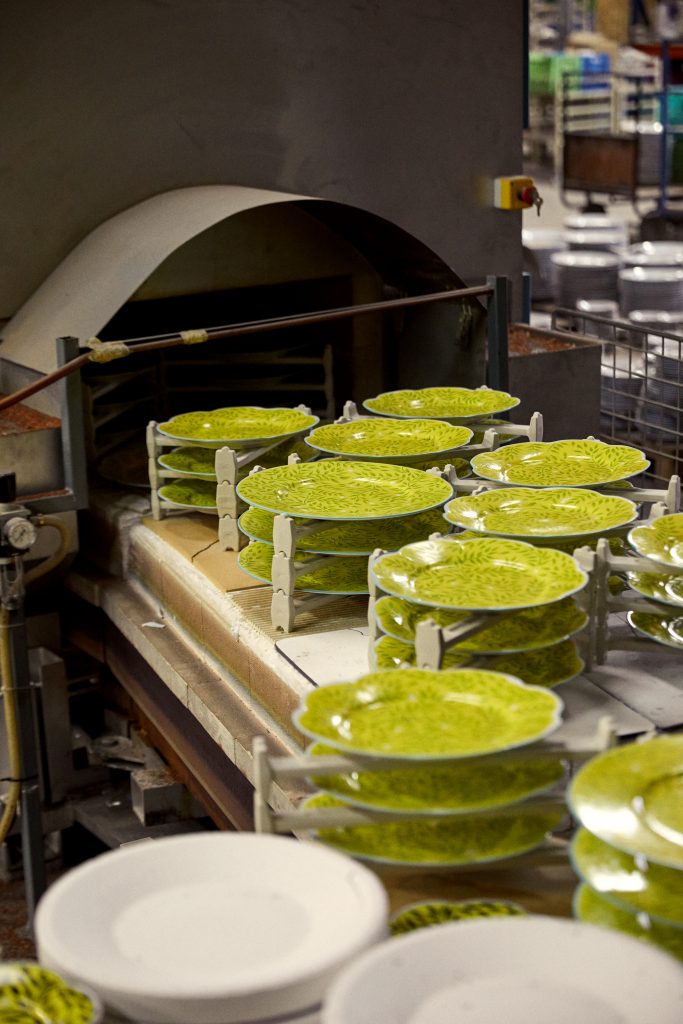
For over two hundred years, Royal Limoges has been combining porcelain, industrial expertise and contemporary design.
ISSUE #3
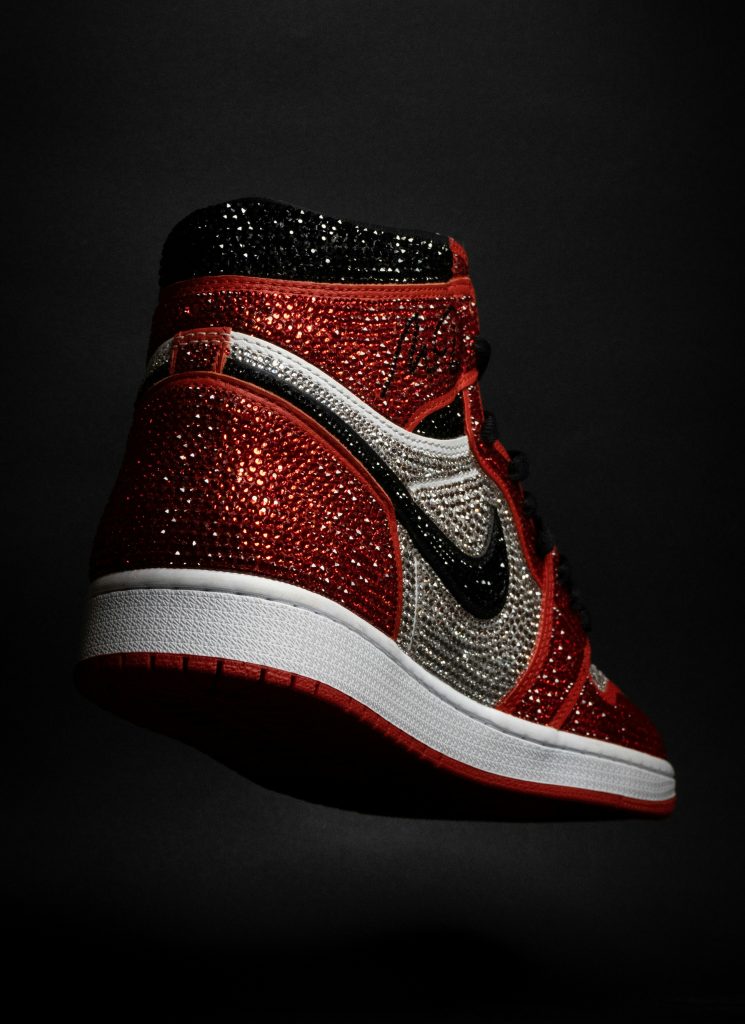
From sports fields to catwalks, trainers tell the story of a century of cultural, technical and stylistic changes.
ISSUE #2
Design, fashion, craftsmanship: creations where form and material respond with precision, far from any fashionable effect.
ISSUE #1
Handcrafted decorations, ultra-luxurious calendars and collectibles to fill you with joy before the season begins.
ISSUE #3
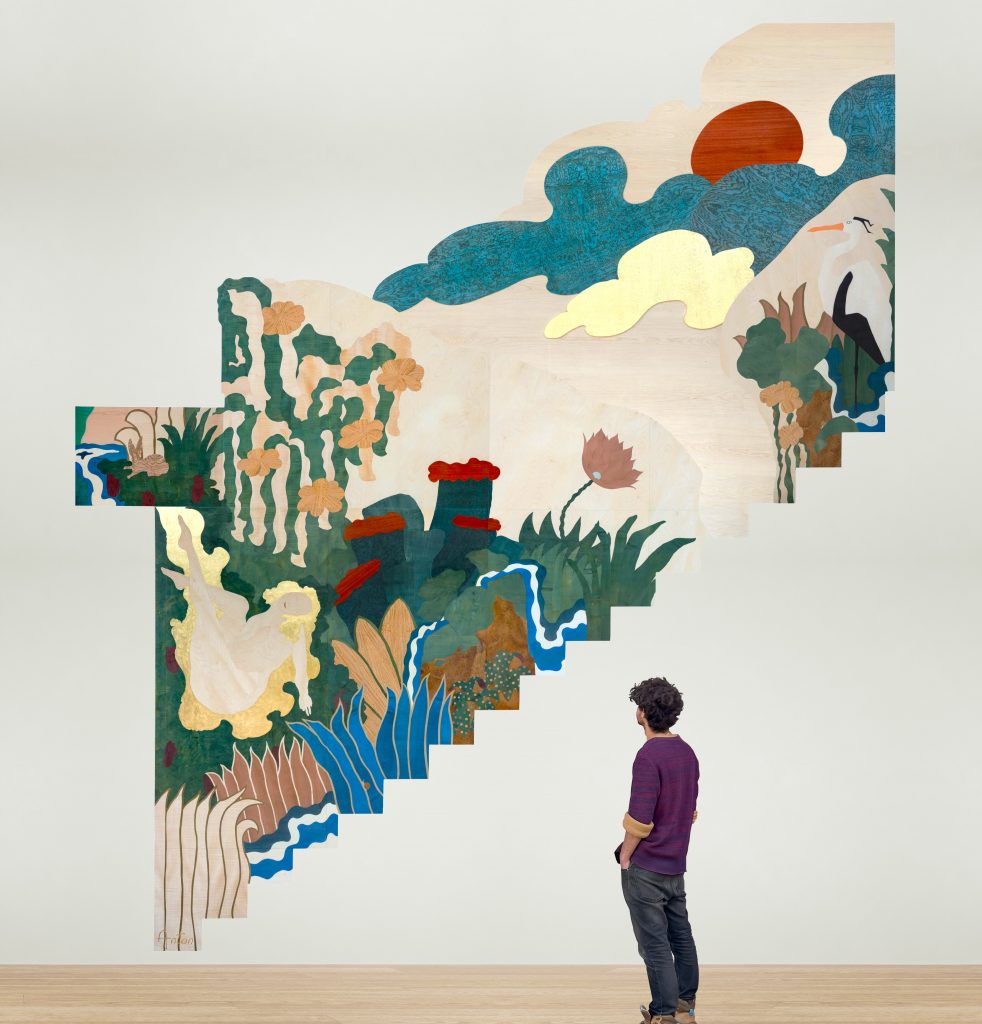
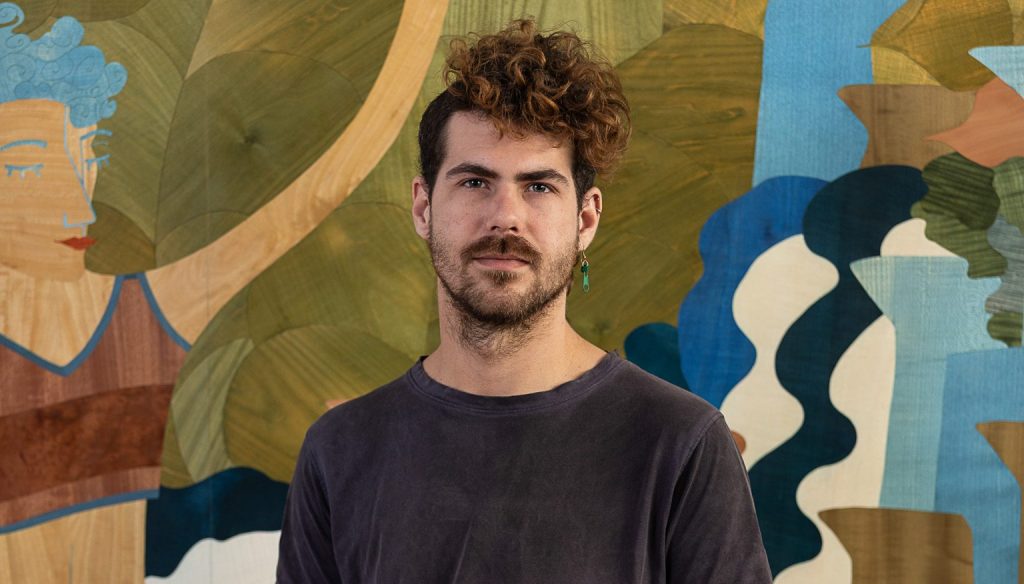
Between monumental marquetry and symbolic jungle, Anton Laborde transforms wood into a contemporary poetic narrative with a message.
ISSUE #3
At Maison & Objet, Thierry Laudren presents sculpted furniture where function, material and slowness shape a presence.
ISSUE #3
Jean Nouvel designs architecture that is attentive to context, where light, history and usage shape each project.
ISSUE #3
In Lyon, Sophie Morel renovates historic buildings, combining respect for the original structure with a contemporary style.
ISSUE #3
At the Centre d’Études Picasso, the architect has created an architectural design in which light, geometry and heritage interact with precision.
ISSUE #2
Interview with the founder of EDO (European Design Office)
ISSUE #2
Portrait of a visionary who transforms the art of hospitality into a total experience.
ISSUE #1
Personalities, artisans and creators who give the celebration its human depth.
ISSUE #3
From Bordeaux to the Bassin, art, vineyards and well-being combine to create an elegant getaway in the heart of the Gironde.
ISSUE #2
To a region of Italy steeped in history, where landscapes, culture and customs blend together in rare harmony.
ISSUE #1
Destinations and rituals that reinvent the festive season, from tropical sun to winter markets.
Inscrivez-vous pour avoir accès à l’ensemble du site WeAreKollectors.