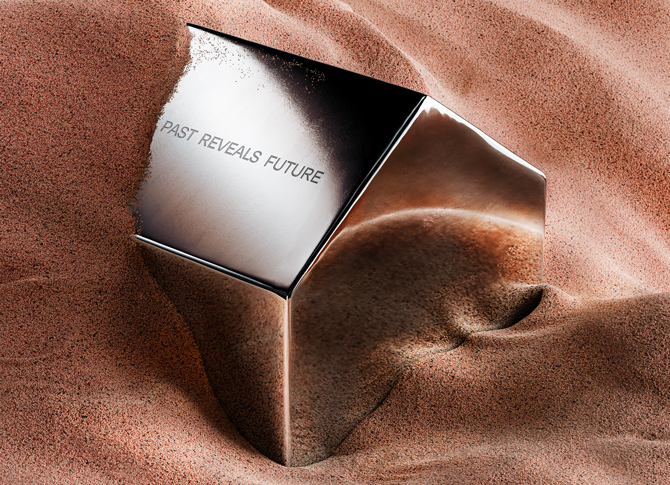
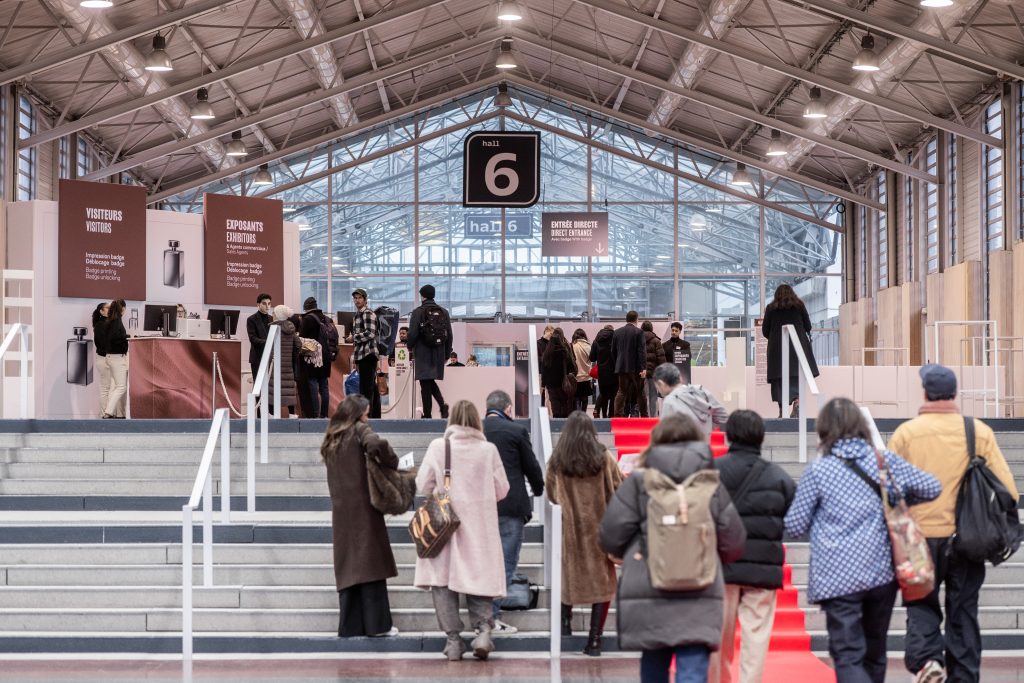
After five intensive days, the Maison&Objet trade fair closed its doors on 19 January 2026, marking what many consider a watershed moment. Under the banner ‘Past Reveals Future’, the event took a decisive turn, repositioning exceptional craftsmanship and contemporary design at its very core. The numbers tell part of the story—67,286 visitors from 148 countries, 2,294 exhibiting brands—but what truly resonated was the message: innovation and tradition needn’t be adversaries; rather, they’re natural companions. Through ambitious scenography, newly conceived themed villages and the homecoming of major French houses, this edition recaptured the ‘wow factor’ that built its reputation. Here was a fair where emotion preceded commerce, where every stand told stories of materials, skill and patience.
Salon Maison & Objet ; WeAreKollectors Magazine
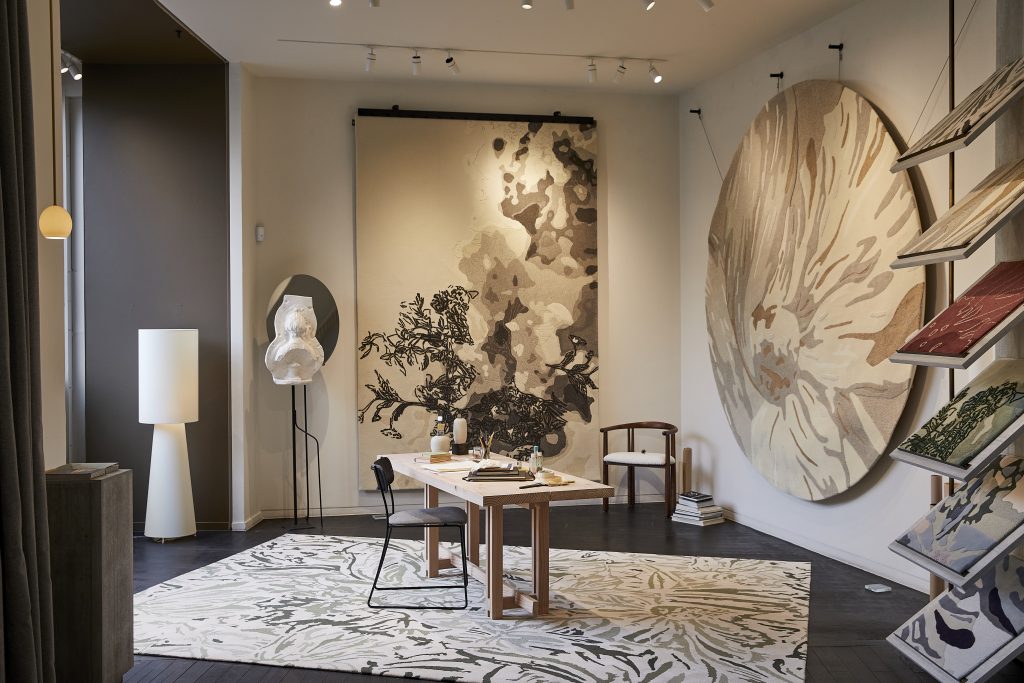
For this latest edition, Maison & Objet returned to its roots, placing the Fine Craft sector centre stage. The new Manufactures d’Excellence village, developed in partnership with the EPV (Entreprises du Patrimoine Vivant) label, gathered 20 exceptional houses under one roof. Bronzesmiths, ceramicists and marquetry artisans demonstrated that their time-honoured techniques aren’t museum pieces but vital forces driving the contract and luxury hospitality sectors. At the entrance to Hall 5A, coppersmith Élie Hirsch—supplier to Dior, Loewe and Schiaparelli—mesmerised visitors as he shaped metal before their eyes. This spotlight on craftsmanship affirms Philippe Delhomme’s vision, Chairman of the SAFI Executive Board: “Maison & Objet remains a place where emotion feeds meaning, and where meaning feeds business opportunities.”
Salon Maison & Objet ; WeAreKollectors Magazine
Maison & Objet
Maison & Objet
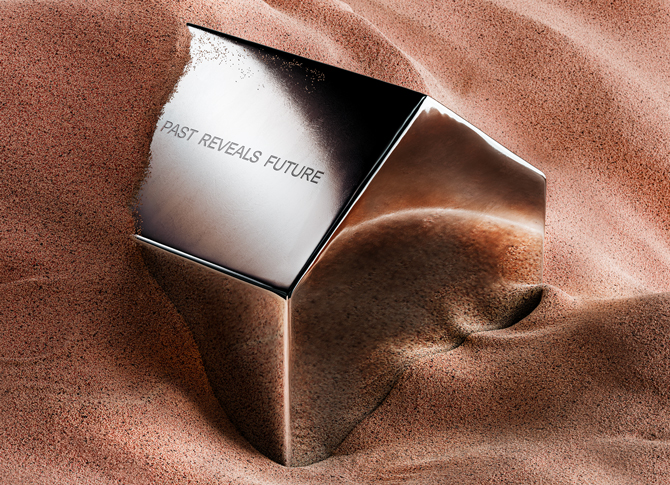
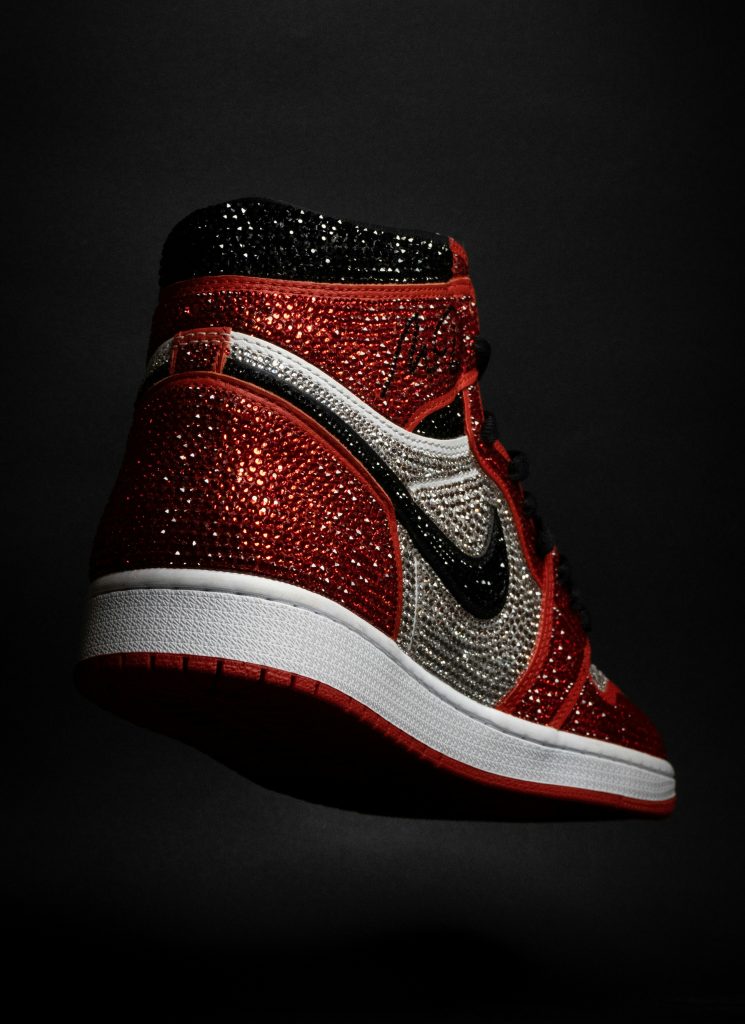
Designer of the Year 2026, Harry Nuriev, created a spectacular installation that perfectly embodied the ‘Past Reveals Future’ theme. With his ‘Transformism’ manifesto, the New York-based designer conceived a space of futuristic codes and silvery patina, reimagining objects from bygone eras. His work—melding recycled furniture with forward-thinking design—challenges our relationship with consumption and temporality. The Designer of the Year space generated precisely the buzz anticipated from the fair’s opening moments. This symbolic collaboration between an avant-garde designer and Maison & Objet’s historical DNA illustrates the event’s capacity to orchestrate dialogue between epochs. Nuriev proved that innovation can draw deeply from memory without succumbing to sterile nostalgia.
Maison & Objet
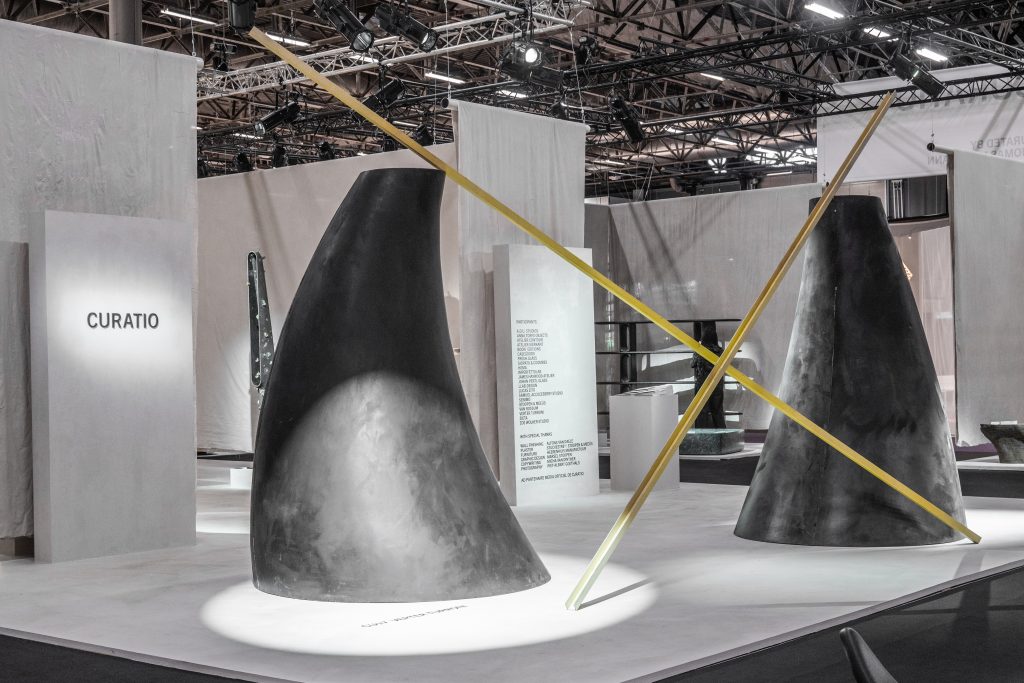
The 2026 edition featured numerous immersive installations guiding visitors through its six sectors. The ‘What’s New?’ spaces decoded hospitality (by Rudy Guénaire), decoration (by Elizabeth Leriche) and retail (by François Delclaux), offering tangible interpretations of the past-future nexus. The Curatio village, orchestrated by artistic director Thomas Haarmann, returned for its second edition, presenting 60 pieces of sensitive design within the Signature sector. Meanwhile, Elizabeth Leriche’s In Materia space celebrated our tactile relationship with materials: wood, fibre, glass, earth and stone. These scenographies transformed the visit into a sensory journey, each hall unfolding its own narrative. This aesthetic investment resonated with a discerning international audience seeking both inspiration and commercial opportunity.
Maison & Objet
Karsten Winegeart ; Unsplash
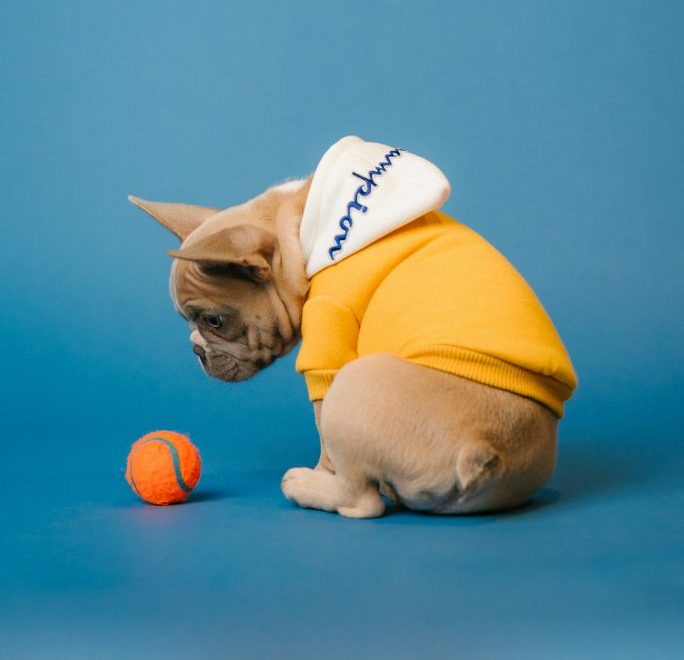
Perhaps the most surprising addition to this edition was Pet Square, a village dedicated to pet accessories within the Gift & Play sector. This carefully curated selection, featuring brands such as Pompon&Pets and Ugo2, offered designer pieces for our four-legged companions. From multifunctional furniture to decorative accessories, Pet Square captured a powerful retail trend: the humanisation of pet products. This initiative demonstrates Maison & Objet’s knack for identifying promising segments before they achieve mainstream status. In a global pet care market valued at several billion euros, the fair confirms its commercial acuity. Far from being a footnote, this new village reflects a societal shift in which pets occupy an increasingly central place in contemporary living.
Maison & Objet In the City
With Maison & Objet In The City, the fair burst beyond Villepinte’s walls to animate nearly 150 Parisian addresses. Showrooms, art galleries and concept stores opened their doors to trade visitors, creating an exceptional circuit through the capital. Highlights included the Invisible Collection exhibition at Féau Boiseries, Sandra Benhamou at the Dina Vierny gallery, and the private apartment of Gilles & Boissier. This urban extension allows visitors to discover collections in their natural context, far removed from the occasionally artificial atmosphere of exhibition stands. For international buyers, it also presents an opportunity to immerse themselves in French savoir-faire and forge connections in more intimate settings. Maison & Objet In The City confirms that the fair transcends mere commercial transaction—it’s a genuine cultural ecosystem.
Maison & Objet In the City
Maison & Objet
Maison & Objet
Beyond inspiration, Maison & Objet remains, at its heart, a commercial platform. Vincent Lhoste, SAFI’s new managing director, confirms this: “The quality of visitors, particularly international ones, is exceptional—committed buyers with concrete projects and swift decision-making.” The figures bear this out: 44% of visitors hail from abroad, with notable increases from Belgium (+10%) and particularly China (+30%). The MOM marketplace, active year-round, now extends the experience with over 20,000 products available for purchase. This digital continuity enables buyers to place orders without delay, building on conversations initiated at the fair. With €200 million in direct and indirect benefits for the Île-de-France region, the event cements its status as an indispensable business platform for the decoration and lifestyle sectors.

February, 2026
Create with what already exists, think with history
From architecture to design, this edition explores how places, know-how and inherited materials become fields of current creation.
January, 2026
Luxury is reinventing itself.
No more flashing logos, place to a refined sobriety, personal immersion, artisanal excellence, sensitive sustainability.
December, 2025
heritage, contemporary practices and essential pleasures
Because celebration is more than just appearances:
it reflects how we live the world, pass on traditions and create lasting memories.
ISSUE #3
Upcycling and kintsugi transform contemporary objects, turning marks, repairs and materials into an aesthetic language.
ISSUE #3
Craftsmen and designers give old materials a new lease of life, combining contemporary design, heritage and reuse.
ISSUE #3
Bunkers, railway carriages and kiosks are being given a new lease of life through creativity, revealing how art can restore meaning to neglected places.
ISSUE #2
A transversal look at quiet luxury through places, objects and figures that express elegance.
ISSUE #1
A selection of brands, architecture, objects and getaways that embody the spirit of celebration.
ISSUE #3
Abandoned factories and railway stations are being transformed into open cultural venues, where industrial heritage and contemporary uses are reshaping the city.
ISSUE #3
The audacious metamorphosis of a Parisian palace
ISSUE #3
In the heart of the Marais district, a discreet location reveals how archives, architecture and research bring Picasso’s work to life.
ISSUE #2
A unique shopping experience in an emblematic store.
ISSUE #2
A culinary and architectural journey in the heart of the Seine
ISSUE #2
In the 9th arrondissement, an establishment that invites you to enjoy quiet luxury
ISSUE #1
Chante! has just opened its doors. An invitation to vibrate!
ISSUE #3
An icon of the French landscape, the yellow post box is changing status and entering the world of design.
ISSUE #3
The 2026 edition affirms a vision where craftsmanship, design and memory shape contemporary, international living today.
ISSUE #3
A hundred years after 1925, Art Deco is making a comeback in our cities and interiors with geometry, boldness and optimism.
ISSUE #3
For over two hundred years, Royal Limoges has been combining porcelain, industrial expertise and contemporary design.
ISSUE #3
From sports fields to catwalks, trainers tell the story of a century of cultural, technical and stylistic changes.
ISSUE #2
Design, fashion, craftsmanship: creations where form and material respond with precision, far from any fashionable effect.
ISSUE #1
Handcrafted decorations, ultra-luxurious calendars and collectibles to fill you with joy before the season begins.
ISSUE #3
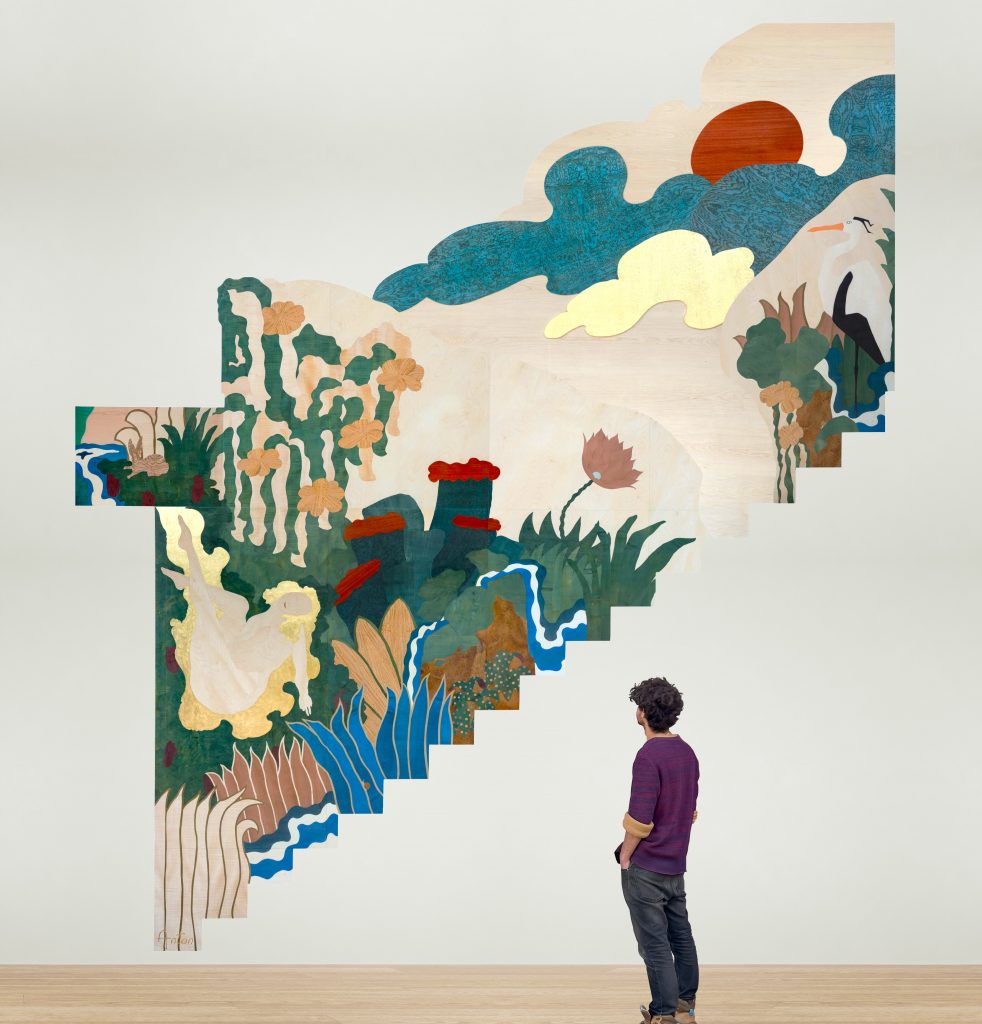
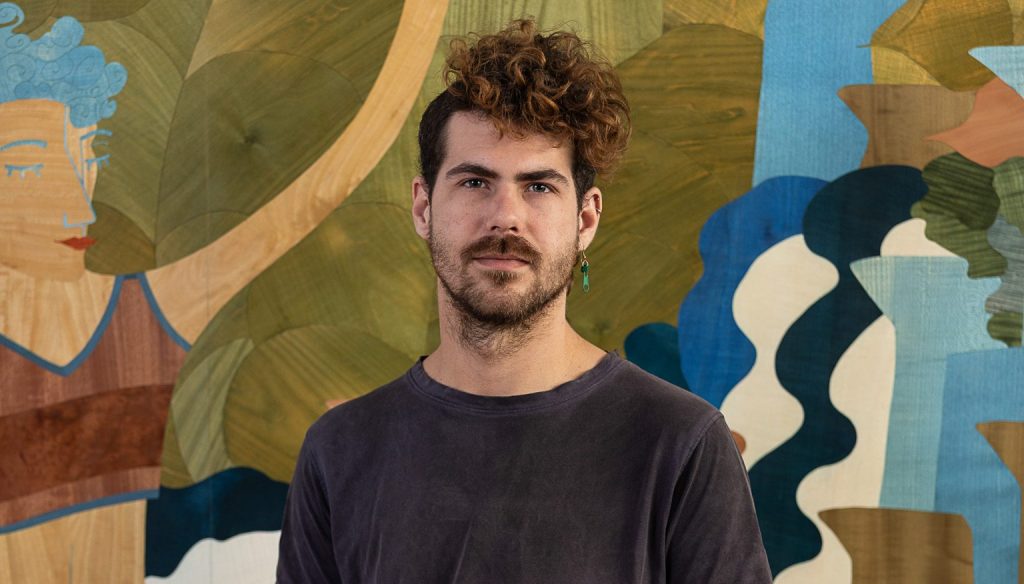
Between monumental marquetry and symbolic jungle, Anton Laborde transforms wood into a contemporary poetic narrative with a message.
ISSUE #3
At Maison & Objet, Thierry Laudren presents sculpted furniture where function, material and slowness shape a presence.
ISSUE #3
Jean Nouvel designs architecture that is attentive to context, where light, history and usage shape each project.
ISSUE #3
In Lyon, Sophie Morel renovates historic buildings, combining respect for the original structure with a contemporary style.
ISSUE #3
At the Centre d’Études Picasso, the architect has created an architectural design in which light, geometry and heritage interact with precision.
ISSUE #2
Interview with the founder of EDO (European Design Office)
ISSUE #2
Portrait of a visionary who transforms the art of hospitality into a total experience.
ISSUE #1
Personalities, artisans and creators who give the celebration its human depth.
ISSUE #3
From Bordeaux to the Bassin, art, vineyards and well-being combine to create an elegant getaway in the heart of the Gironde.
ISSUE #2
To a region of Italy steeped in history, where landscapes, culture and customs blend together in rare harmony.
ISSUE #1
Destinations and rituals that reinvent the festive season, from tropical sun to winter markets.
Inscrivez-vous pour avoir accès à l’ensemble du site WeAreKollectors.