Art to the rescue of wastelands and abandoned places
Bunkers, railway carriages and kiosks are being given a new lease of life through creativity.
Old materials, new creations
Artisans and designers transform old materials into contemporary creations, combining heritage, reuse and new formal expressions.
Revealing beauty
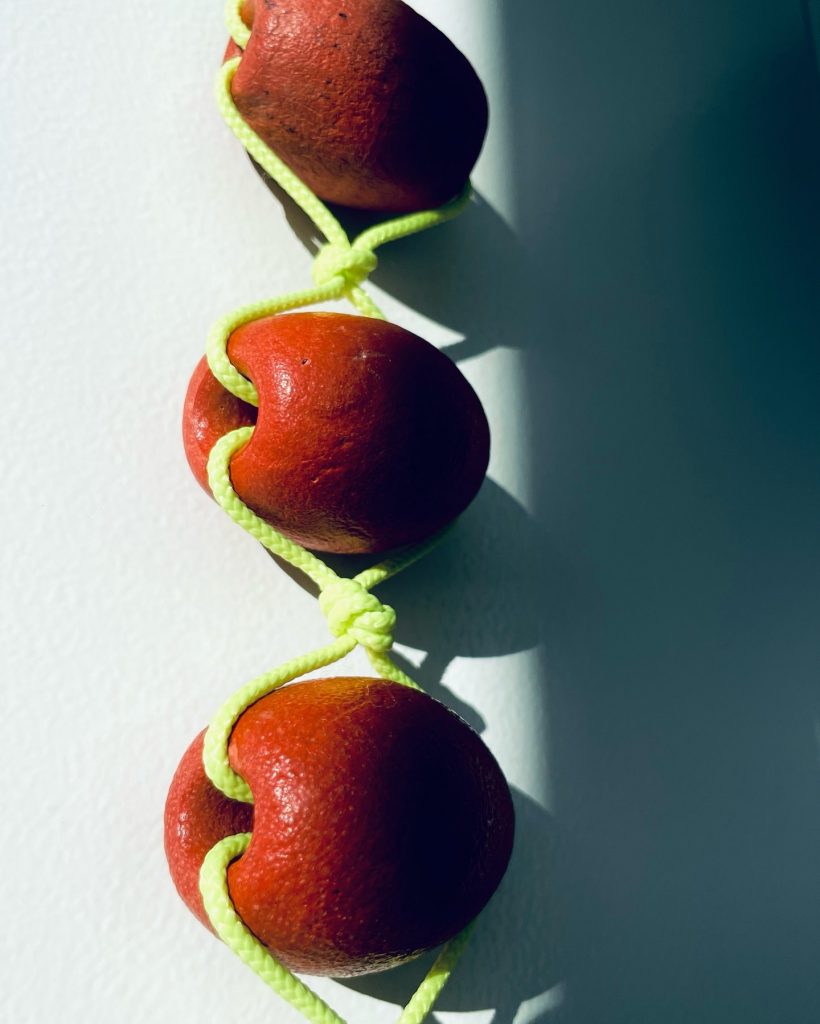
Upcycling and kintsugi transform everyday items, turning traces, repairs and materials into an aesthetic language.
Heritage crafts are experiencing a renaissance. Ceramicists, metalworkers, stonemasons, and fresco restorers are collaborating with designers, architects, and artists to breathe new life into discarded materials. Wood from demolished barns, marble offcuts, fragments of stained glass, surplus textiles—these reclaimed materials are being transformed into contemporary works. From luxury furniture to set design, fashion to interiors, reuse has become both an aesthetic choice and an ethical statement. This creative fusion is challenging traditional craft boundaries and expanding what’s possible in the field.

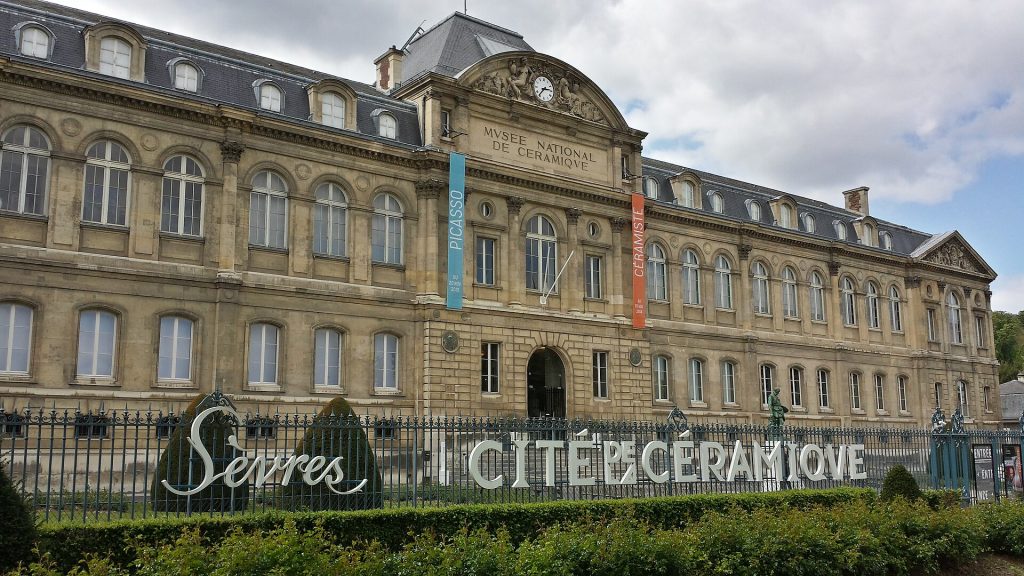
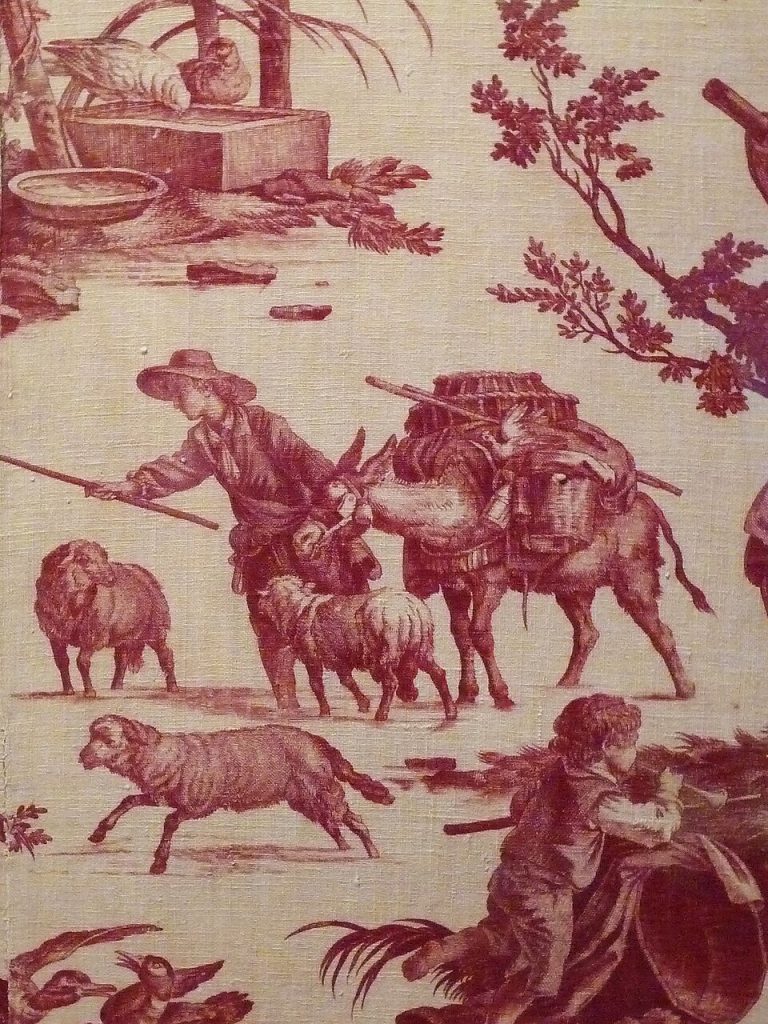
Musée National de Céramique à Sèvres ; LLM ; Wikimedia
The relationship between artisan and designer has fundamentally shifted. It’s now a genuine co-creation, where each brings their expertise to craft unique pieces. The designer proposes the function and contemporary aesthetic, while the artisan—whether metalworker or stonemason—shares deep knowledge of what the material can and cannot do. This partnership enables exploration of new forms while working within the material’s natural boundaries. Institutions like the Mobilier National and the Manufacture de Sèvres now invite contemporary artists to reimagine traditional practices. These spaces have become laboratories where centuries-old craft meets contemporary vision.
Musée National de Céramique à Sèvres ; LLM ; Wikimedia
Minku Kang ; Unsplash
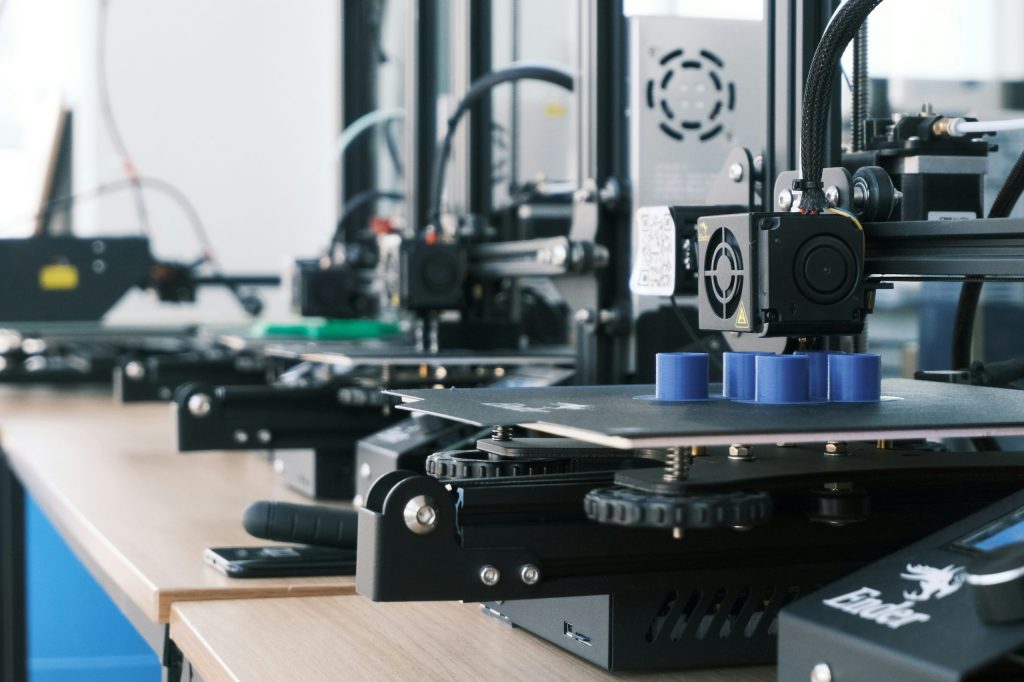
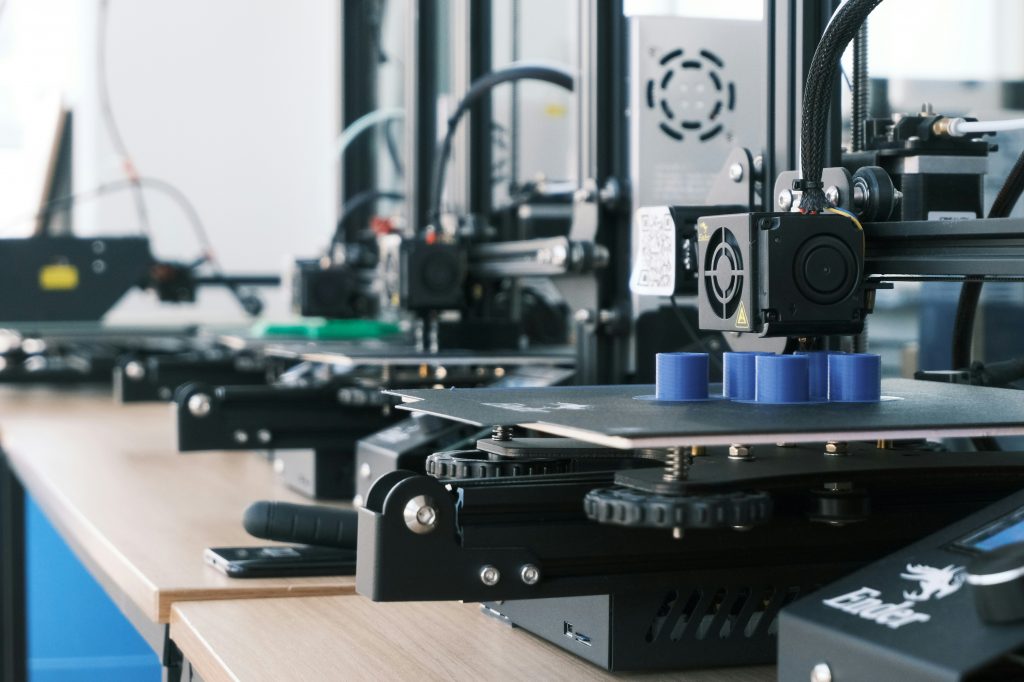
Digital tools are transforming craft practices while preserving their essence. Laser cutting and 3D printing enable artisans to achieve exceptional precision in complex restoration projects, particularly when creating ceramic molds. These technologies make it possible to reproduce lost or damaged architectural details. Yet the final work remains handcrafted. Human skill is still essential to give the material its character and authenticity. This blend of cutting-edge technology and traditional expertise unlocks creative possibilities that were once out of reach, expanding the horizons of both restoration and contemporary design.
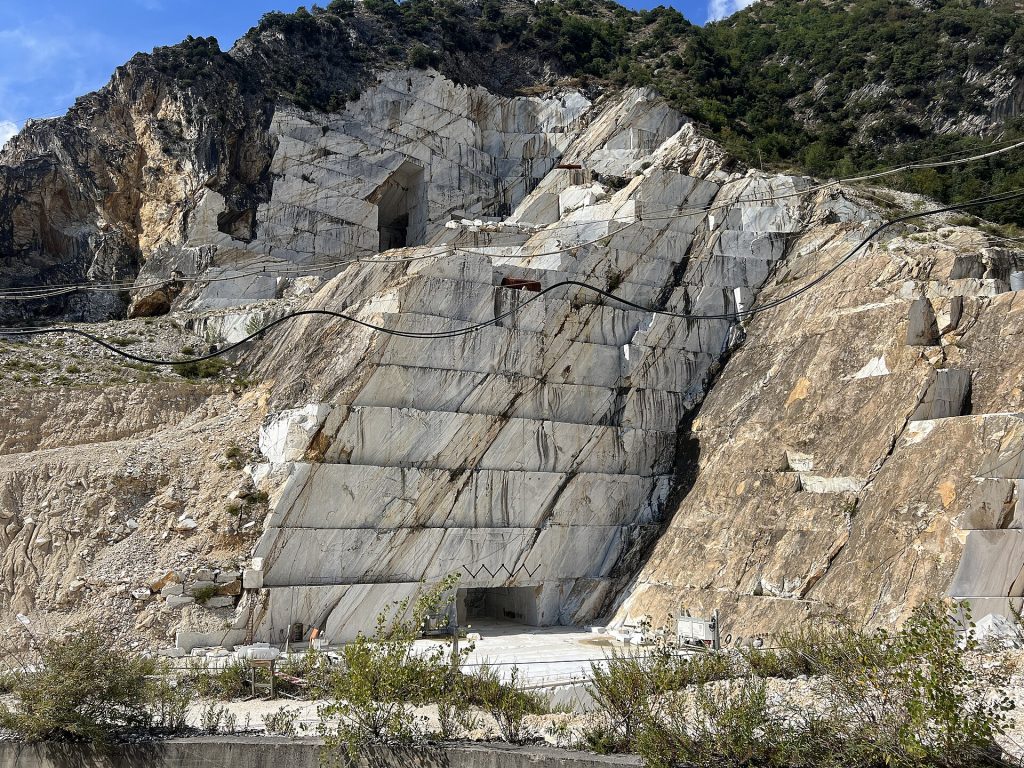
Carrière de Carrare ; Wikimedia
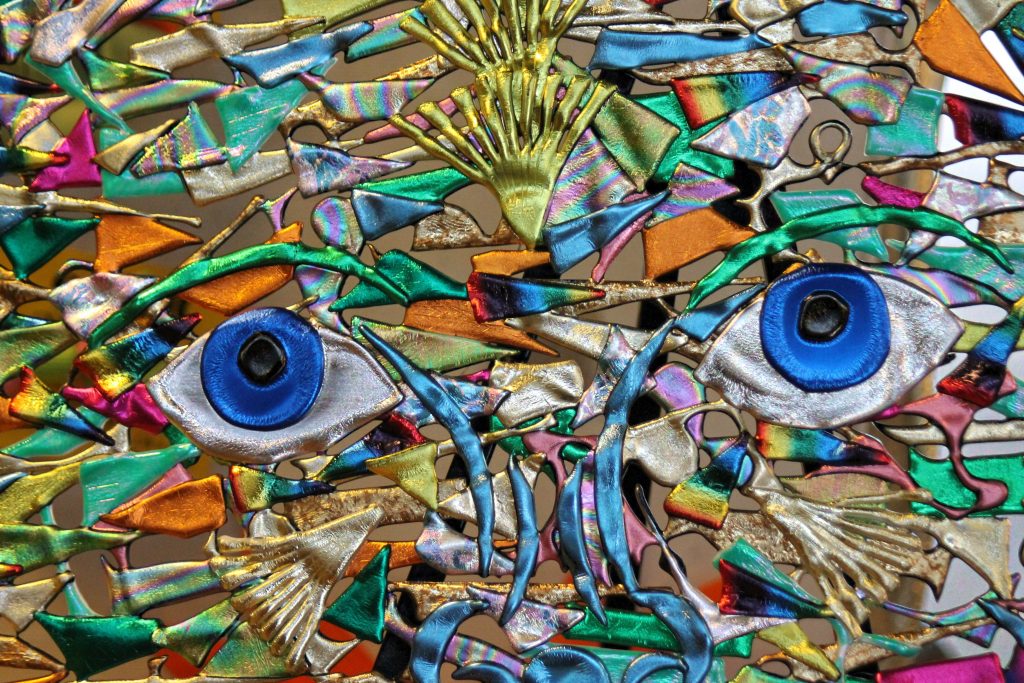
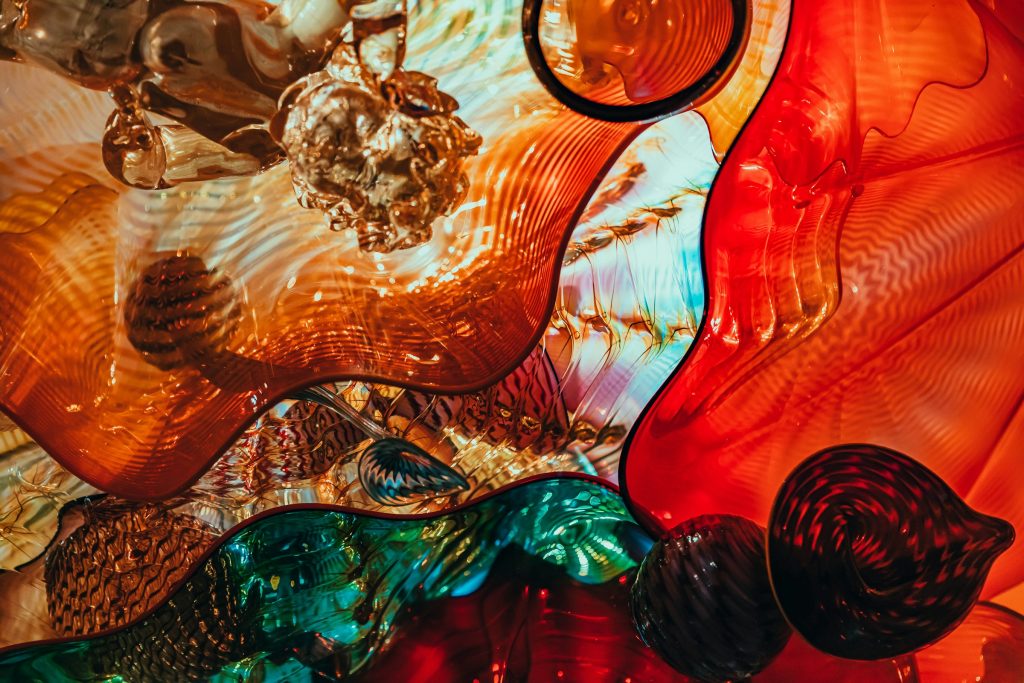
Repurposing old materials has evolved beyond economics or ecology—it’s become an aesthetic choice. Oak beams from demolished barns are crafted into luxury furniture. Marble offcuts from quarries in Carrara or the Tarn region are reinvented as contemporary inlay work. Master glassmakers incorporate cullet—fragments of antique stained glass—to create organic textures in modern light installations. Unused fabrics from haute couture houses and vintage hemp linen are resurfacing in set design and furnishings. Each material brings its own story, a patina of time that contemporary designers embrace rather than conceal.
Carrière de Carrare ; Wikimedia
Pehere
Pehere
This evolution in heritage crafts represents more than technical skill—it’s reshaping what luxury means. By working with salvaged materials, artisans and designers aren’t just making objects; they’re championing sustainability and local craftsmanship. This approach reconnects heritage with its true purpose: bridging past and future. A piece’s value now depends less on rare materials and more on the creativity behind its transformation and the story it carries forward.
February, 2026
Create with what already exists, think with history
From architecture to design, this edition explores how places, know-how and inherited materials become fields of current creation.
January, 2026
Luxury is reinventing itself.
No more flashing logos, place to a refined sobriety, personal immersion, artisanal excellence, sensitive sustainability.
December, 2025
heritage, contemporary practices and essential pleasures
Because celebration is more than just appearances:
it reflects how we live the world, pass on traditions and create lasting memories.
ISSUE #3
Upcycling and kintsugi transform contemporary objects, turning marks, repairs and materials into an aesthetic language.
ISSUE #3
Craftsmen and designers give old materials a new lease of life, combining contemporary design, heritage and reuse.
ISSUE #3
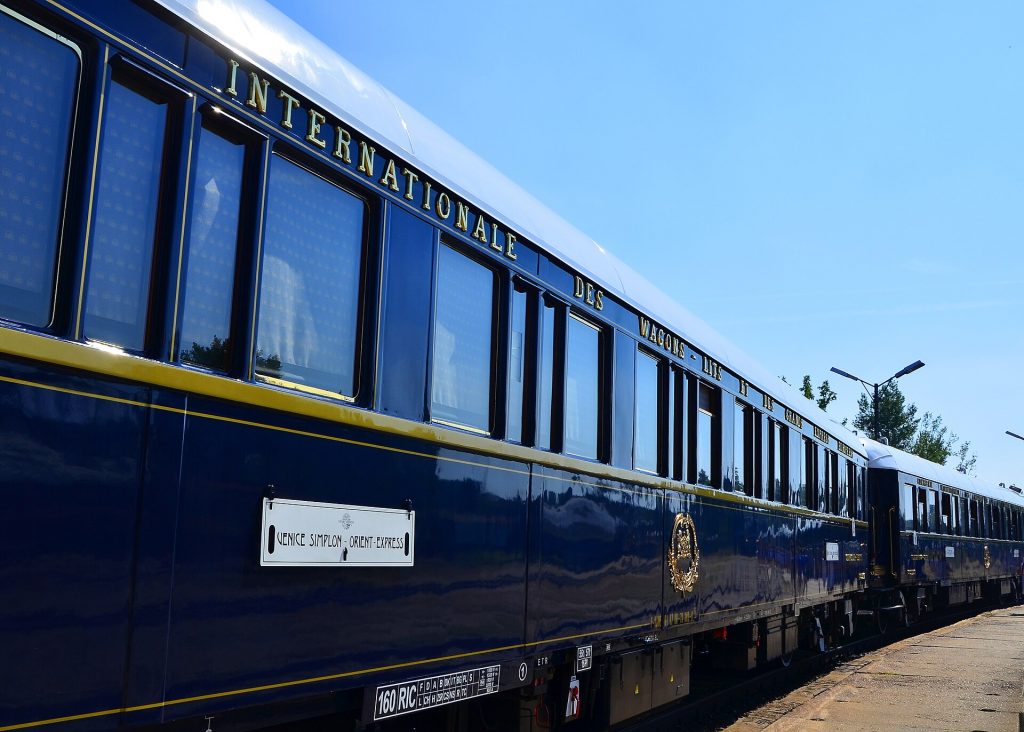
Bunkers, railway carriages and kiosks are being given a new lease of life through creativity, revealing how art can restore meaning to neglected places.
ISSUE #2
A transversal look at quiet luxury through places, objects and figures that express elegance.
ISSUE #1
A selection of brands, architecture, objects and getaways that embody the spirit of celebration.
ISSUE #3
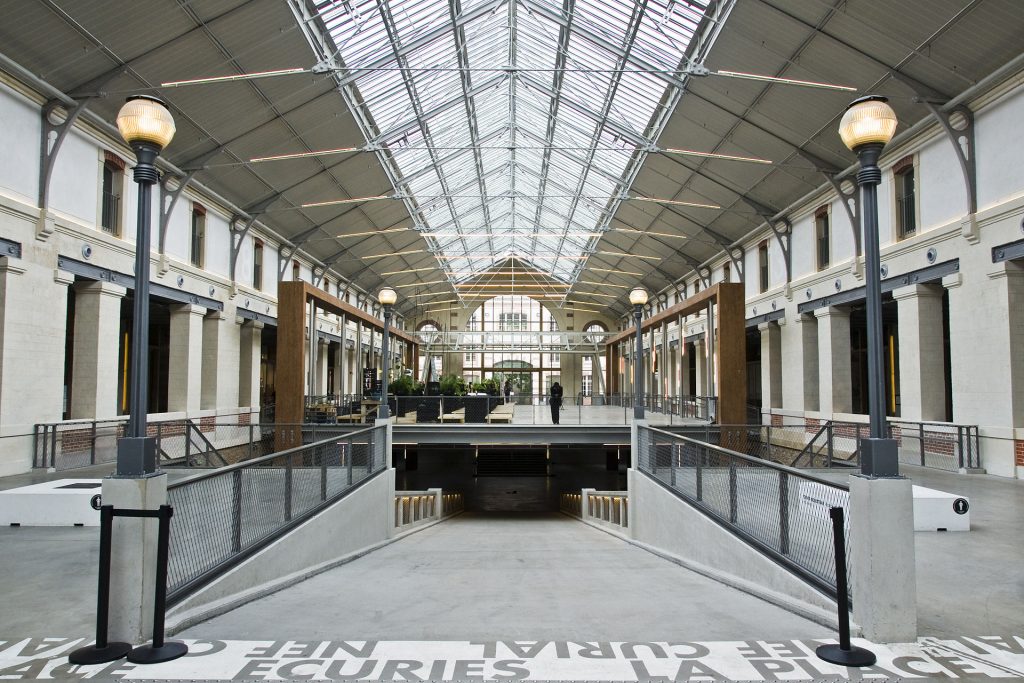
Abandoned factories and railway stations are being transformed into open cultural venues, where industrial heritage and contemporary uses are reshaping the city.
ISSUE #3
The audacious metamorphosis of a Parisian palace
ISSUE #3
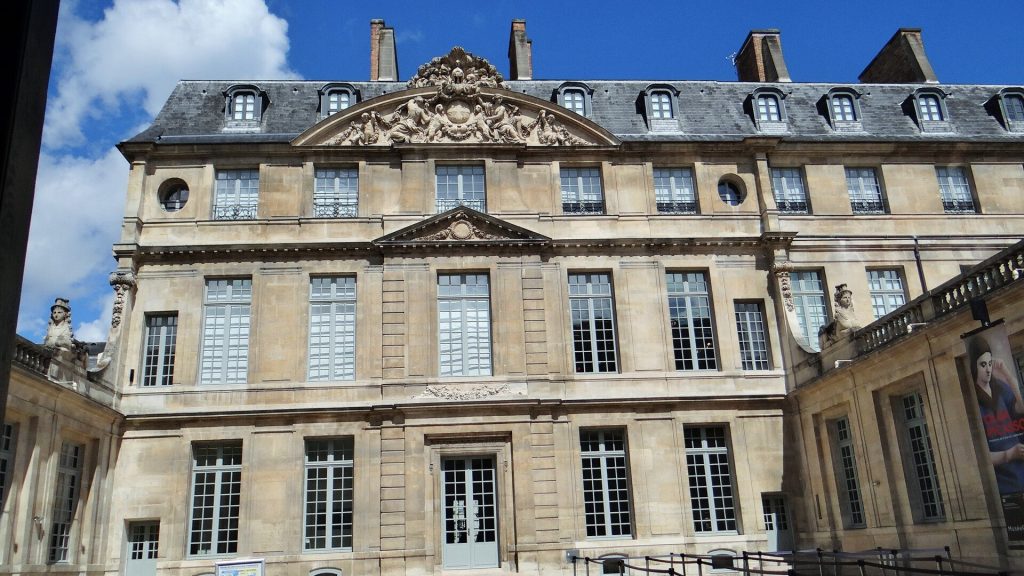
In the heart of the Marais district, a discreet location reveals how archives, architecture and research bring Picasso’s work to life.
ISSUE #2
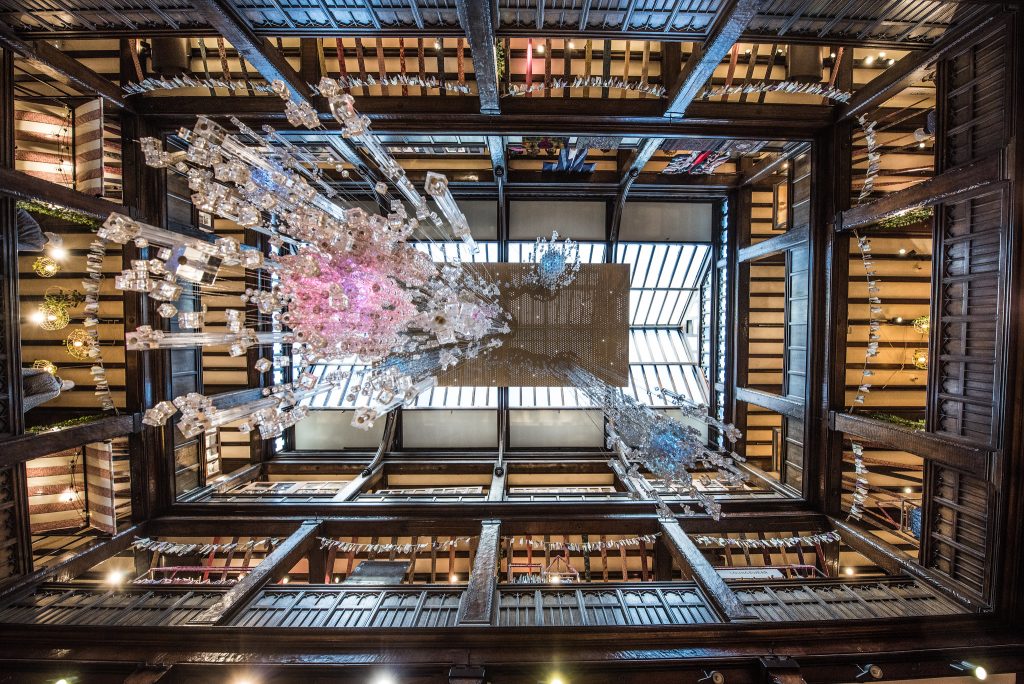
A unique shopping experience in an emblematic store.
ISSUE #2
A culinary and architectural journey in the heart of the Seine
ISSUE #2
In the 9th arrondissement, an establishment that invites you to enjoy quiet luxury
ISSUE #1
Chante! has just opened its doors. An invitation to vibrate!
ISSUE #3
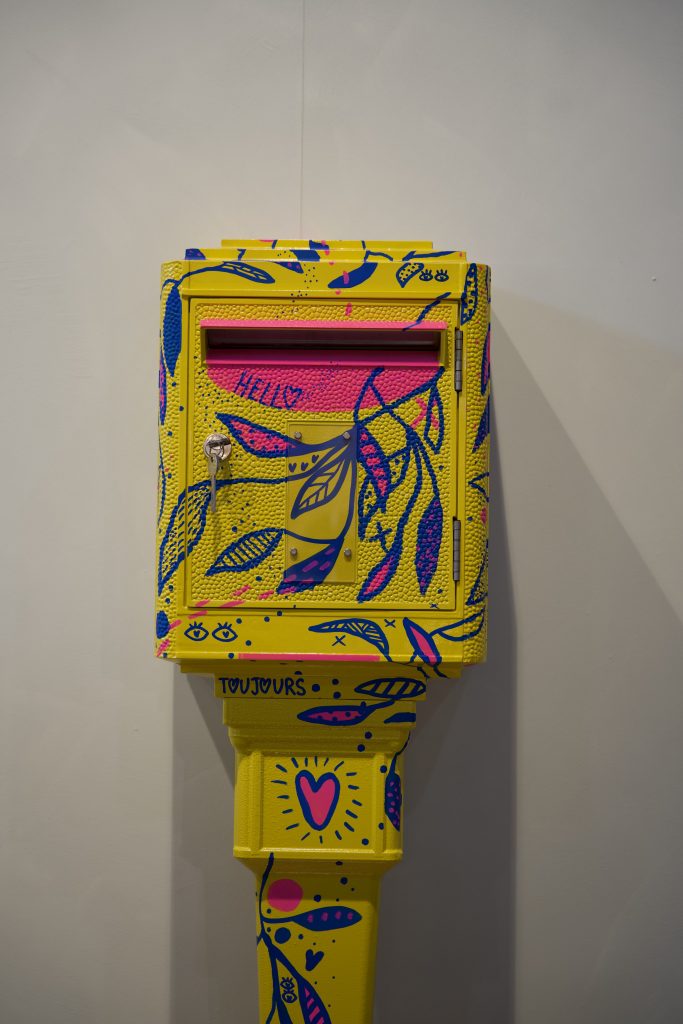
An icon of the French landscape, the yellow post box is changing status and entering the world of design.
ISSUE #3
The 2026 edition affirms a vision where craftsmanship, design and memory shape contemporary, international living today.
ISSUE #3
A hundred years after 1925, Art Deco is making a comeback in our cities and interiors with geometry, boldness and optimism.
ISSUE #3
For over two hundred years, Royal Limoges has been combining porcelain, industrial expertise and contemporary design.
ISSUE #3
From sports fields to catwalks, trainers tell the story of a century of cultural, technical and stylistic changes.
ISSUE #2
Design, fashion, craftsmanship: creations where form and material respond with precision, far from any fashionable effect.
ISSUE #1
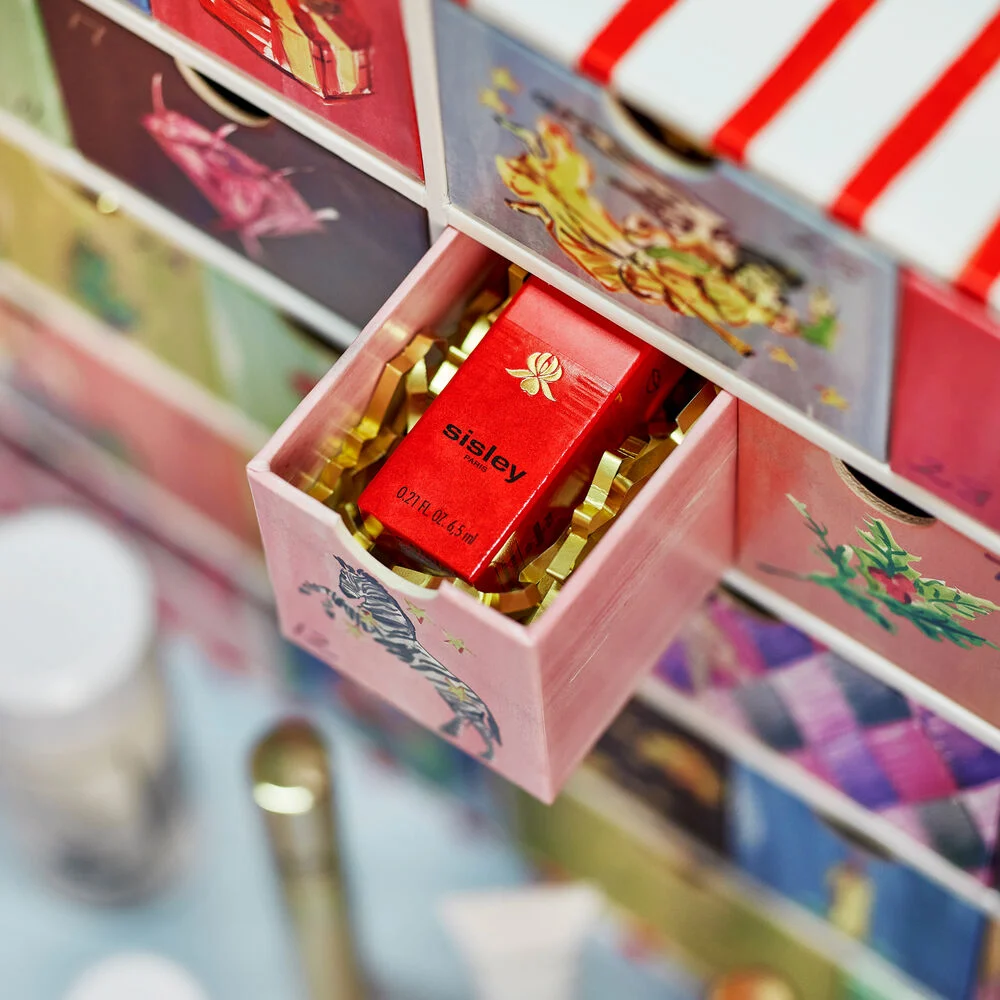
Handcrafted decorations, ultra-luxurious calendars and collectibles to fill you with joy before the season begins.
ISSUE #3
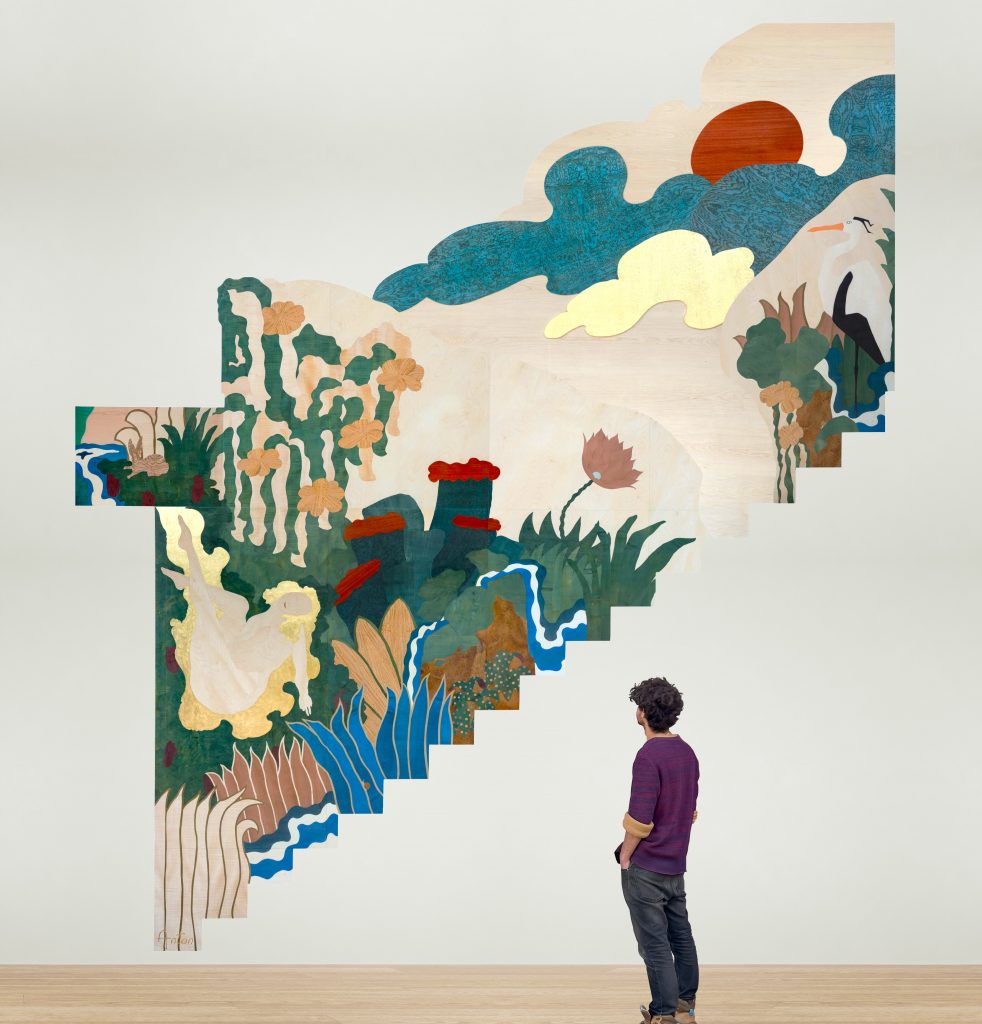
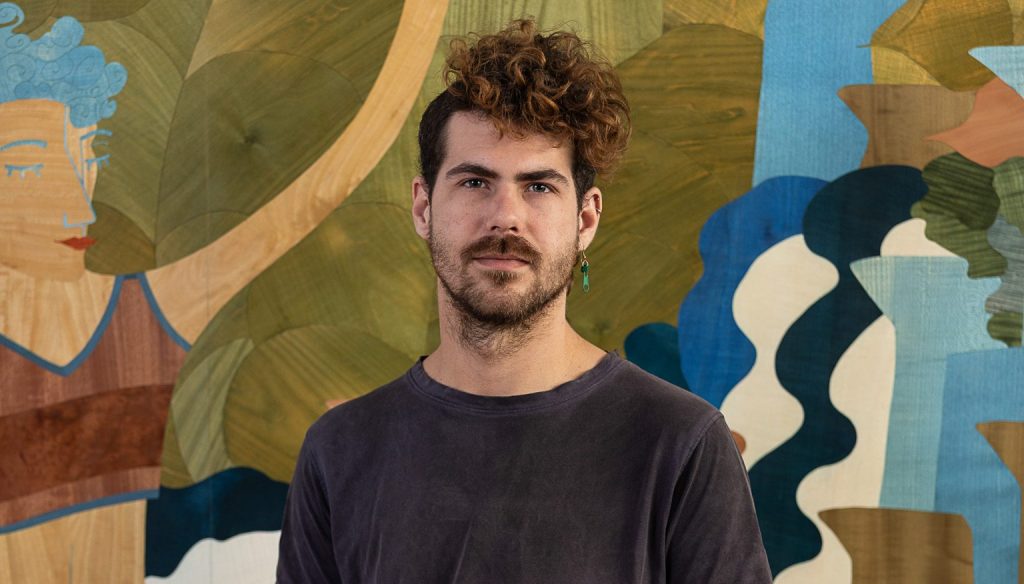
Between monumental marquetry and symbolic jungle, Anton Laborde transforms wood into a contemporary poetic narrative with a message.
ISSUE #3
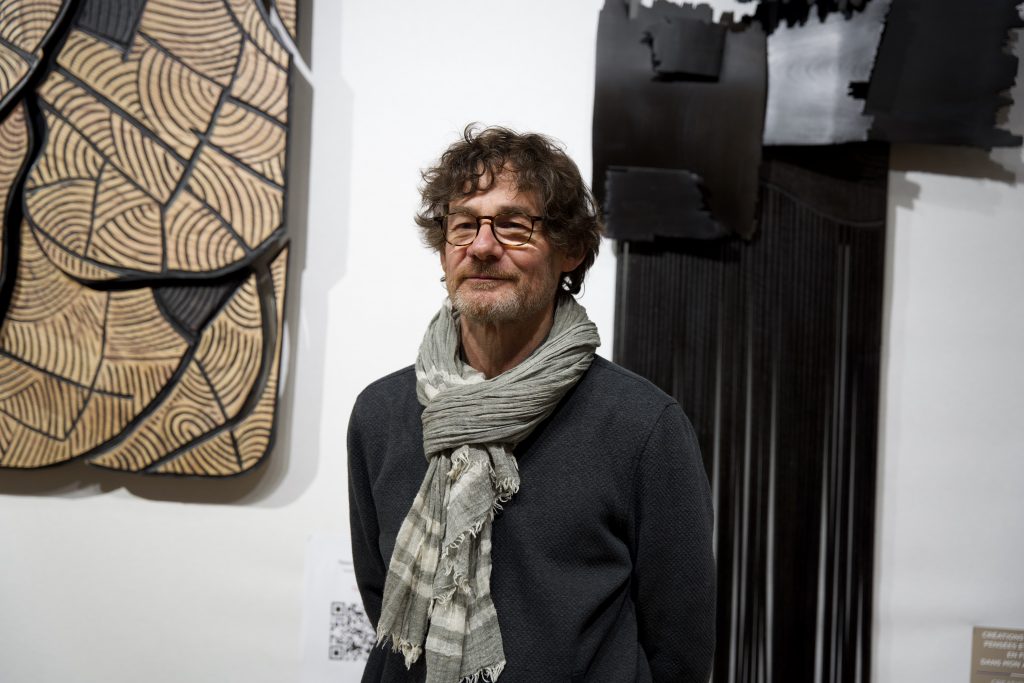
At Maison & Objet, Thierry Laudren presents sculpted furniture where function, material and slowness shape a presence.
ISSUE #3
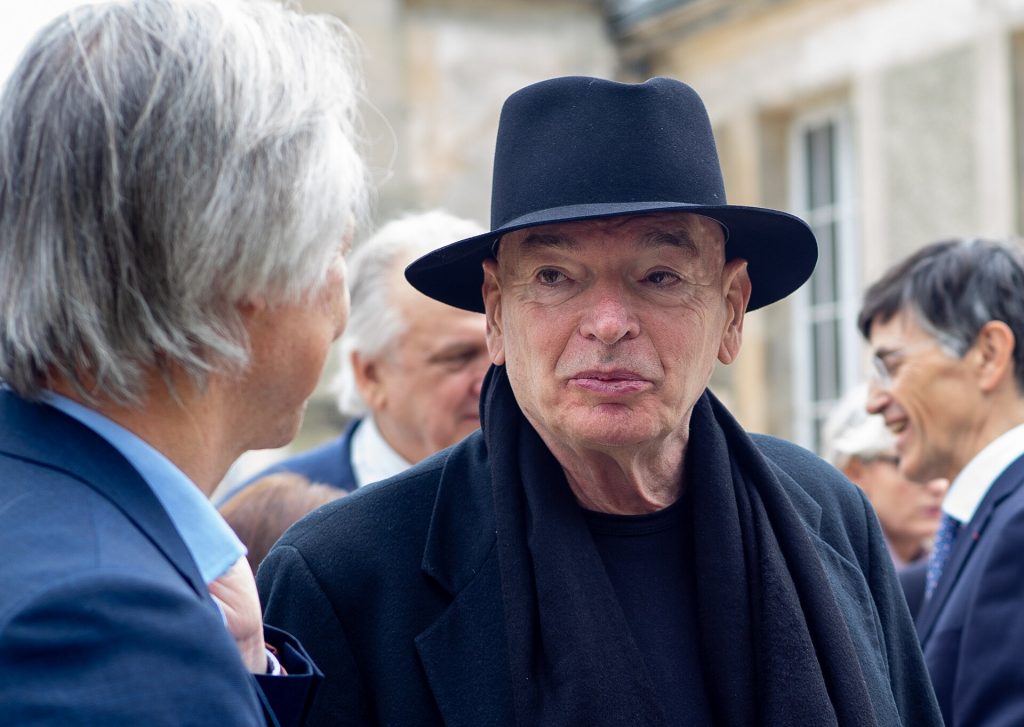
Jean Nouvel designs architecture that is attentive to context, where light, history and usage shape each project.
ISSUE #3
In Lyon, Sophie Morel renovates historic buildings, combining respect for the original structure with a contemporary style.
ISSUE #3
At the Centre d’Études Picasso, the architect has created an architectural design in which light, geometry and heritage interact with precision.
ISSUE #2
Interview with the founder of EDO (European Design Office)
ISSUE #2
Portrait of a visionary who transforms the art of hospitality into a total experience.
ISSUE #1
Personalities, artisans and creators who give the celebration its human depth.
ISSUE #3
From Bordeaux to the Bassin, art, vineyards and well-being combine to create an elegant getaway in the heart of the Gironde.
ISSUE #2
To a region of Italy steeped in history, where landscapes, culture and customs blend together in rare harmony.
ISSUE #1
Destinations and rituals that reinvent the festive season, from tropical sun to winter markets.
Inscrivez-vous pour avoir accès à l’ensemble du site WeAreKollectors.