Disused factories, wartime bunkers, abandoned railway carriages… Throughout France and Europe, former industrial and railway sites are being reborn through bold cultural projects. Far from being mere real estate operations, these metamorphoses constitute genuine symbolic resuscitations. From the raw concrete of submarine bases to the wrought-iron lacework of exhibition kiosks, artistic creation proves to be the unexpected ally of endangered heritage. Journey into the heart of three spectacular salvations.
La Maison du Collectionneur
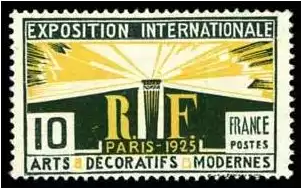
The story begins in 1900 amid the excitement of the Paris Universal Exhibition. Among the bold architectural designs that enchanted visitors were large iron and glass structures that embodied the modernity of the Belle Époque.
Although designed to be temporary, these structures were saved from being melted down when the town of Cauterets, a prestigious spa resort at the time, bought them to adorn its Esplanade des Œufs. A century later, this immense Eiffel-style marquee — a testament to Pyrenean splendour — has been restored.
Having suffered the ravages of the mountain climate, these metal structures have undergone meticulous restoration. As part of the spa’s heritage, these remnants of the Universal Exhibition demonstrate that, through the will of a community, an object destined to be forgotten can become a marker of local identity. The preservation of this heritage gives the mountain town an enduring Parisian elegance.

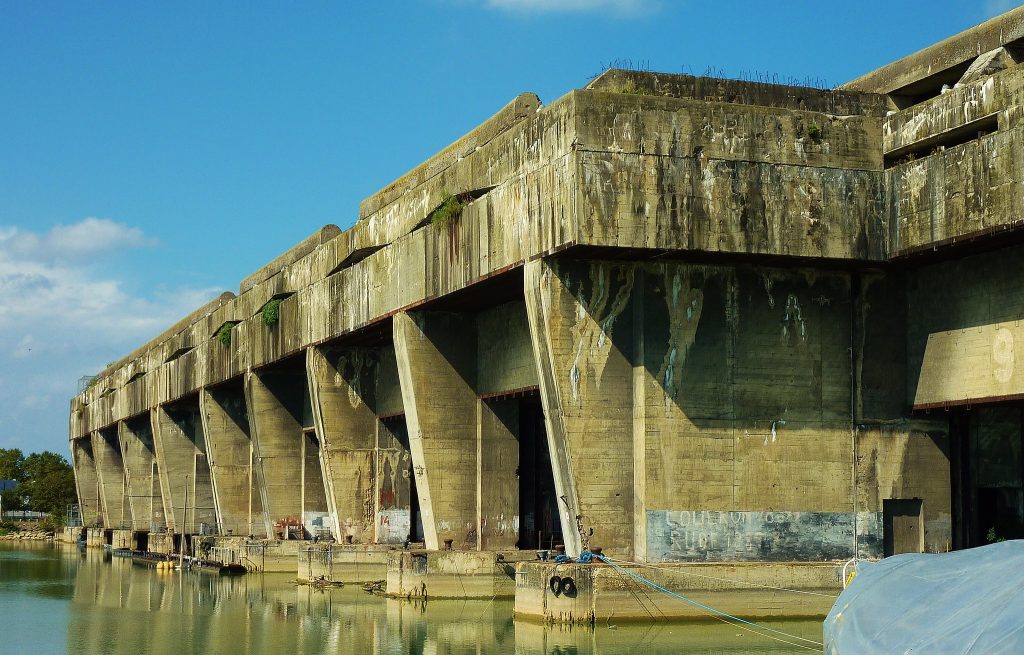
Ancienne base sous-marine allemande de Bordeaux ; Thierry Llansades ; Flickr
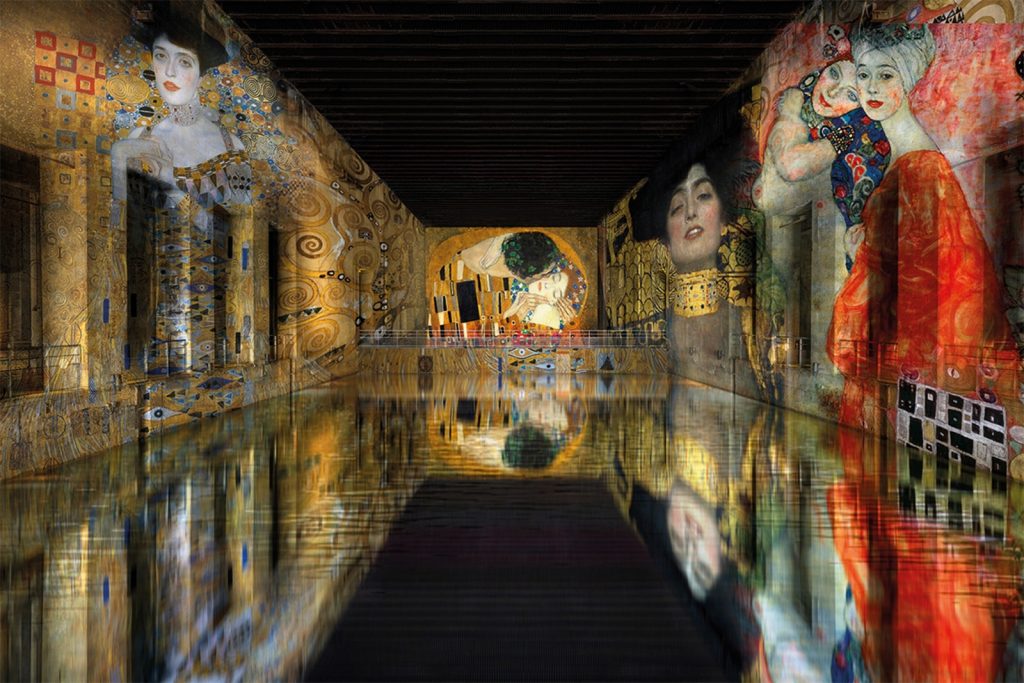
In Bordeaux, the challenge was far more colossal. Imagine 600,000 cubic meters of reinforced concrete: the submarine base built by the German occupiers during World War II. Indestructible, dark, damp, this massive block embodied for decades a cumbersome memory the city didn’t know how to inhabit. Then came audacity: transforming this bunker into the Bassins de Lumières, the world’s largest digital art center. The gamble: using the stagnant water of the basins as a projection surface for monumental works—Klimt, Monet, Van Gogh now reflected in these improbable mirrors. Digital art, immaterial and luminous, achieves the feat of transfiguring the heaviness of concrete without erasing history. The memorial wasteland becomes a place of contemplation, attracting hundreds of thousands of visitors each year. A metamorphosis proving that even the darkest urban scars can be reborn through creation.
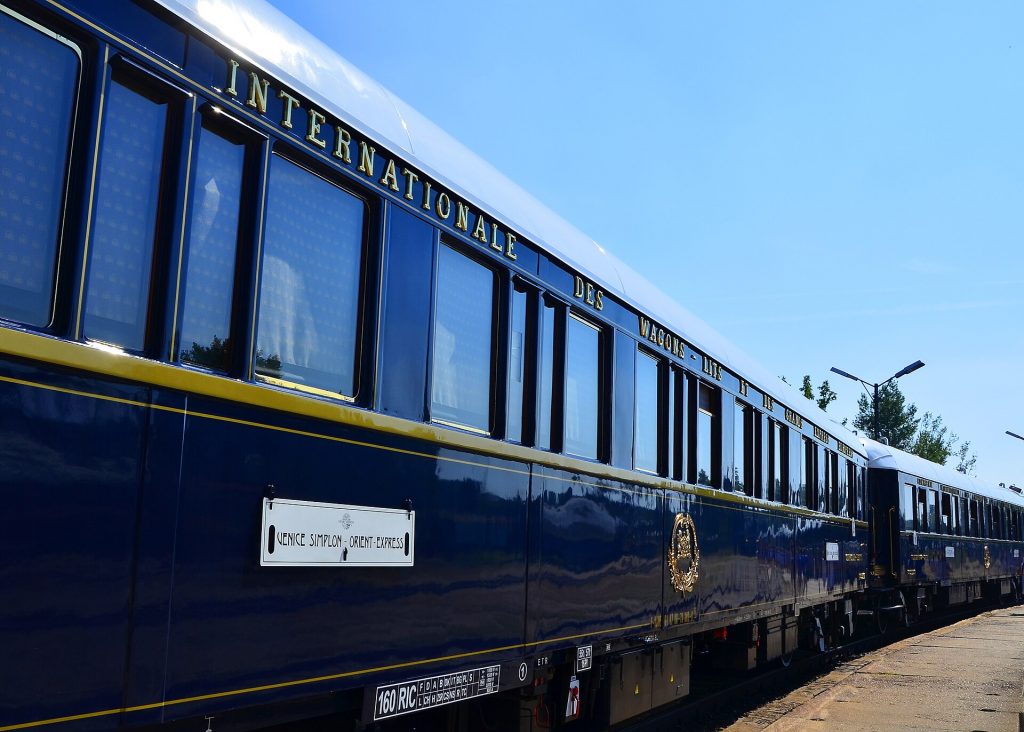
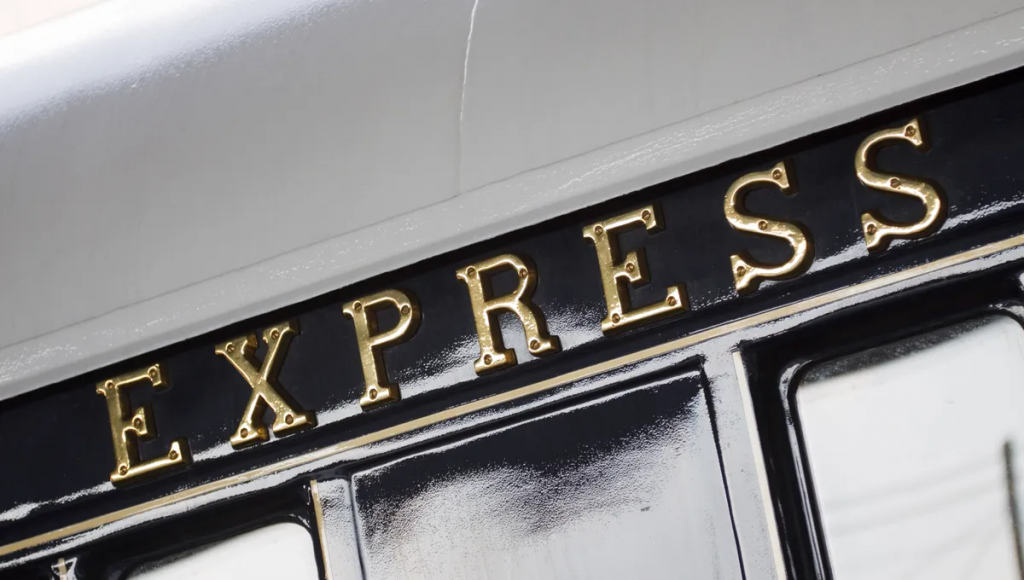
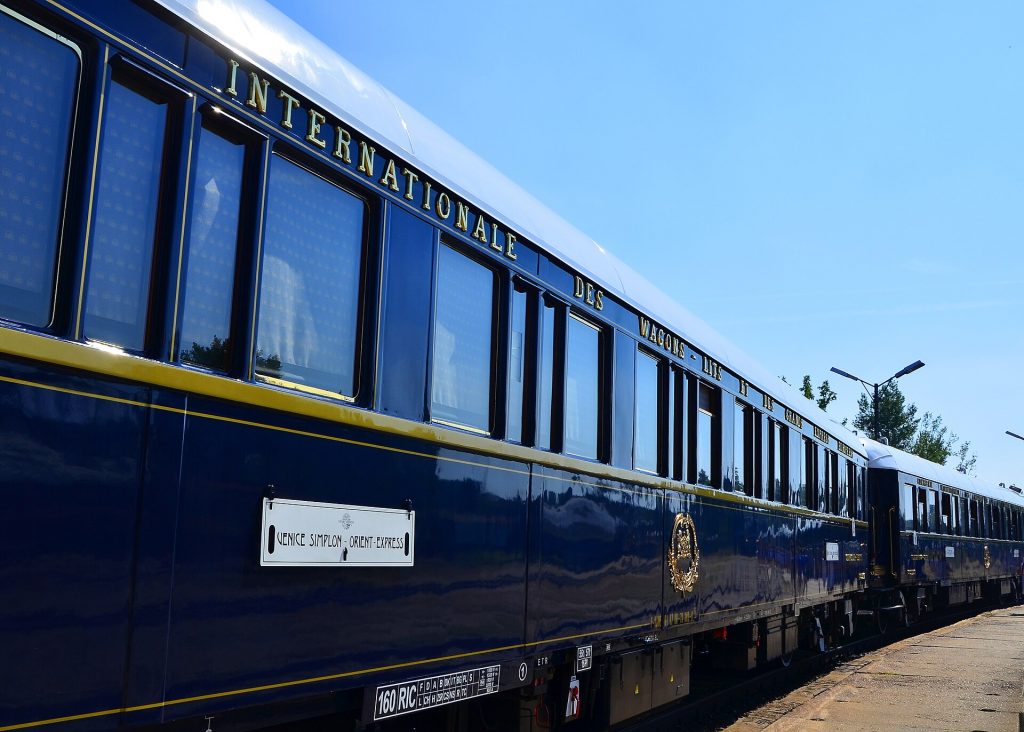
Some wastelands are not buildings, but object-places. In 2015, historian Arthur Mettetal stumbled upon a disturbing YouTube video: mythical carriages from the Orient Express, those of the Nostalgie-Istanbul-Orient-Express dating from the 1920s-1930s, abandoned on the border between Poland and Belarus. Invaded by vegetation, these Art Deco marvels were literally rotting on forgotten sidings. The Accor group then undertook their rescue and complete restoration. Marquetry furniture, original light fixtures, precious fabrics: everything was meticulously recreated respecting the codes of the era. These carriages, destined for decomposition, regained their splendor thanks to goldsmith-level work combining traditional craftsmanship and contemporary vision. Soon to be put back into circulation, they embody proof that mobile heritage deserves as much attention as monuments.
Whether steel, concrete, or precious wood, these witnesses of the past demonstrate that no wasteland is condemned to definitive oblivion. Cultural creation reveals itself as a formidable tool for urban and heritage resilience, capable of transforming eyesores into spaces of life and emotion. A lesson in hope for all places in decline.
Février, 2026
Créer avec l’existant, penser avec l’histoire
De l’architecture au design, cette édition explore comment lieux, savoir-faire et matières héritées deviennent terrains de création actuelle.
Janvier, 2026
Le luxe se réinvente.
Finis les logos clignotants, place à une sobriété raffinée, à l’immersion personnelle, à l’excellence artisanale, à la durabilité sensible.
Décembre, 2025
Héritages, gestes contemporains et plaisirs essentiels
Parce que la fête n’est jamais qu’apparence : elle reflète notre manière d’habiter le monde, de transmettre, de fabriquer des souvenirs durables.
ÉDITION #3
Upcycling et kintsugi transforment l’objet contemporain, faisant de la trace, de la réparation et de la matière un langage esthétique.
ÉDITION #3
Artisans et designers donnent une seconde vie aux matériaux anciens, entre création contemporaine, patrimoine et réemploi.
ÉDITION #3
Bunkers, wagons et kiosques renaissent grâce à la création, révélant comment l’art redonne sens aux lieux délaissés.
ÉDITION #2
Un regard transversal sur le quiet luxury à travers des lieux, des objets et des figures qui expriment l’élégance.
ÉDITION #1
Une sélection de marques, architectures, objets et escapades qui donnent corps au sens de la fête.
ÉDITION #3
Usines et gares délaissées deviennent lieux culturels ouverts, où mémoire industrielle et usages contemporains redessinent la ville.
ÉDITION #3
L’audacieuse métamorphose d’un palace parisien
ÉDITION #3
Au cœur du Marais, un lieu discret révèle comment archives, architecture et recherche font dialoguer l’œuvre de Picasso.
ÉDITION #2
Une expérience shopping unique dans un magasin emblématique.
ÉDITION #2
Voyage culinaire et architectural au cœur de la Seine
ÉDITION #2
Dans le 9e arrondissement, un établissement qui invite au quiet luxury
ÉDITION #1
Chante! vient d’ouvrir ses portes. Une invitation à vibrer !
ÉDITION #3
Icône du paysage français, la boîte jaune change de statut et s’invite dans l’univers du design.
ÉDITION #3
L’édition 2026 affirme une vision où artisanat, design et mémoire façonnent l’habitat contemporain, international actuel.
ÉDITION #3
Cent ans après 1925, l’Art déco revient dans nos villes et intérieurs avec géométrie, audace, optimisme.
ÉDITION #3
Depuis plus de deux cents ans, Royal Limoges conjugue porcelaine, savoir-faire industriel et création contemporaine.
ÉDITION #3
Des terrains de sport aux podiums, la sneaker raconte un siècle de mutations culturelles, techniques et stylistiques.
ÉDITION #2
Design, mode, artisanat : des créations où la forme et la matière se répondent avec justesse, loin de tout effet de mode.
ÉDITION #1
Décorations artisanales, calendriers ultra-luxe et pièces de collection pour s’enivrer de joie avant l’heure.
ÉDITION #3
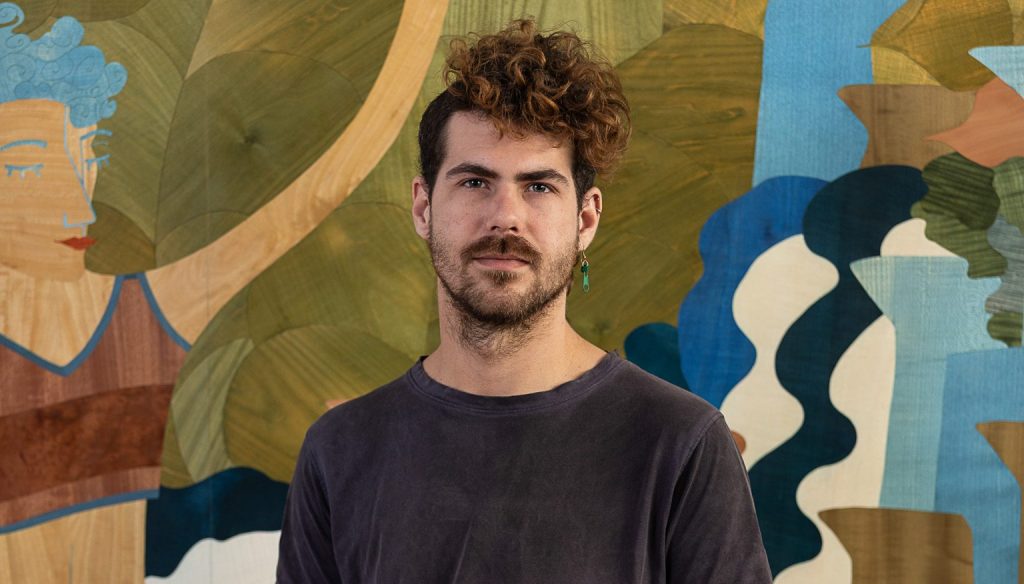
Entre marqueterie monumentale et jungle symbolique, Anton Laborde transforme le bois en récit contemporain poétique engagé.
ÉDITION #3
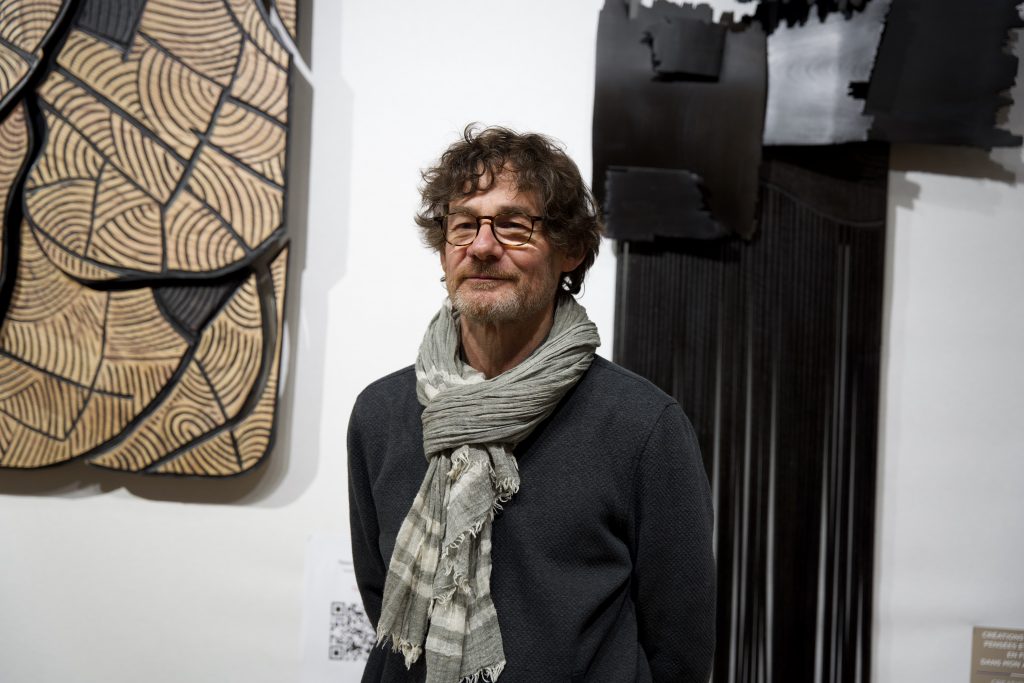
À Maison & Objet, Thierry Laudren présente des meubles sculptés où fonction, matière et lenteur façonnent une présence.
ÉDITION #3
Jean Nouvel conçoit une architecture attentive aux contextes, où lumière, histoire et usages façonnent chaque projet.
ÉDITION #3
À Lyon, Sophie Morel rénove des lieux historiques en alliant respect du bâti et écriture contemporaine.
ÉDITION #3
Au Centre d’Études Picasso, l’architecte compose une architecture où lumière, géométrie et héritage dialoguent avec précision.
ÉDITION #2
Entretien avec le fondateur d’EDO (European Design Office)
ÉDITION #2
Portrait d’un visionnaire qui transforme l’art de recevoir en expérience totale.
ÉDITION #1
Personnalités, artisans et créateurs qui donnent à la fête sa profondeur humaine.
ÉDITION #3
De Bordeaux au Bassin, art, vignobles et bien-être composent une échappée élégante au cœur de la Gironde.
ÉDITION #2
Vers une région de l’Italie habitée par le temps, où paysages, culture et usages s’accordent dans une continuité rare.
ÉDITION #1
Destinations et rituels qui réinventent la fête, du soleil tropical aux marchés d’hiver.