Given its strong vitality and rich history, the nickname ‘Sleeping Beauty’ seems outdated to describe Bordeaux.
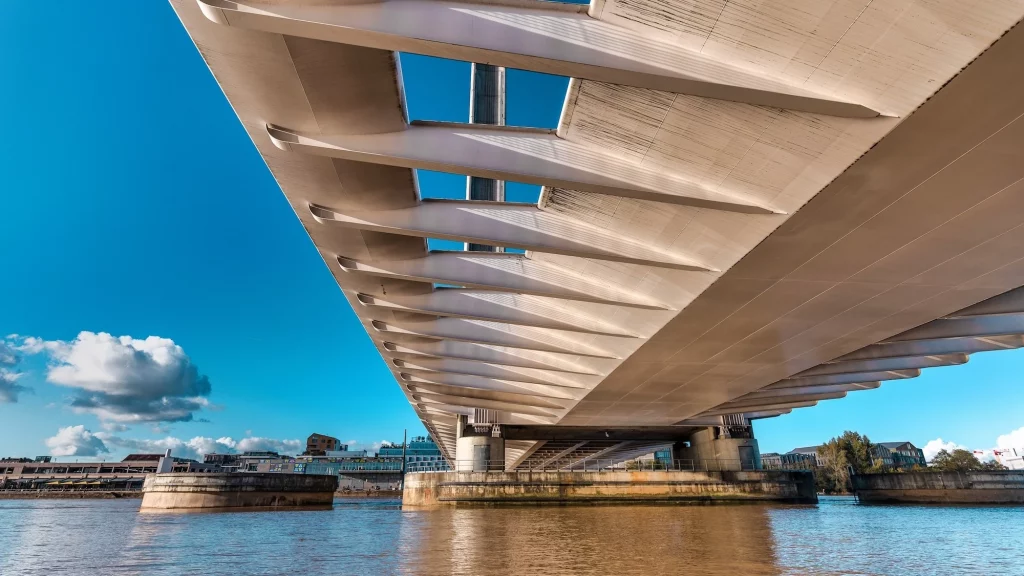
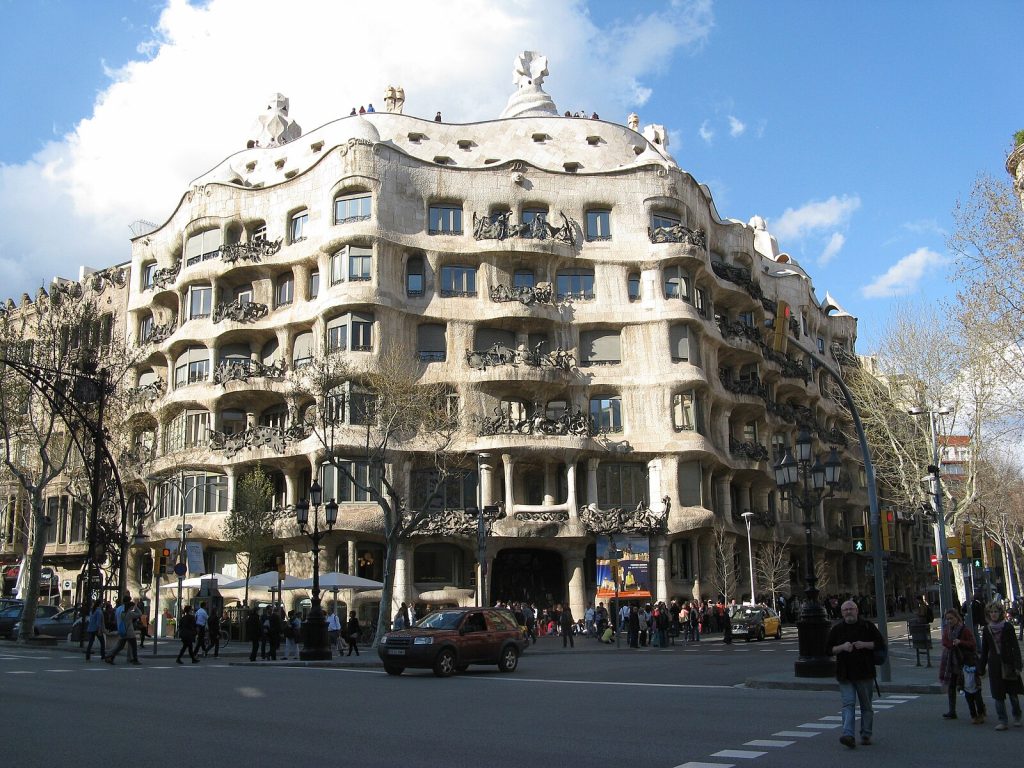
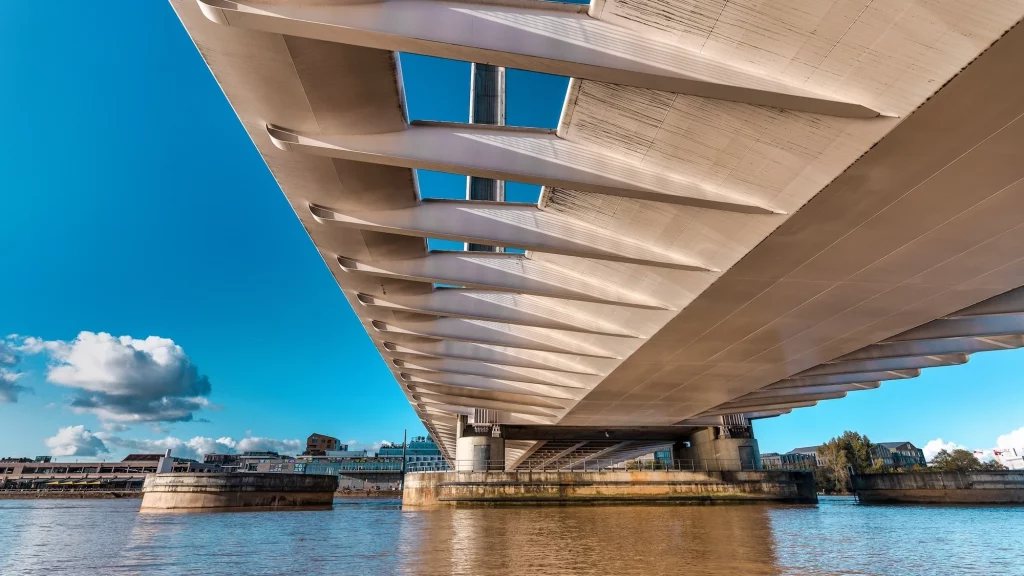
It was listed as a UNESCO World Heritage Site in 2007. Labelled a City of Art and History, the city boasts no fewer than 347 listed buildings — architectural gems from the 18th century. The city has also opened up to the river, and for the past two decades its quays have offered beautiful walks for those who want to wander alongside the river, from the Place de la Bourse’s water mirror to the Cité du Vin.
Beyond its heritage and the world-famous vineyards surrounding the city, Bordeaux and its region are constantly buzzing with creativity and appeal to travellers seeking an escape.
Venturing further south to the ocean reveals the gentle pleasures of this generous and inspiring region.
Now is the time to set sail and discover the unique charm of this corner of France.
Here is a selection of places to visit to stimulate your artistic eye:
ArtFlo is a unique ecosystem dedicated to the arts and crafts, and the former Béghin-Say sugar refineries in Bacalan were the ideal location for its establishment in 2023.
A welcoming third space, ArtFlo is a place for creation, innovation and sharing. It is dedicated to promoting and enhancing the status of craftsmanship in Bordeaux, and is a venue designed for the exchange and transmission of expertise.
Eighteen artisans have set up their workshops there. Ceramists, cabinetmakers, designers and stained-glass artists showcase their work and welcome locals and visitors alike.
Free visits, workshops and introductory sessions are offered upon registration.
As an added bonus, a new space has just opened in Eysines, entirely dedicated to artisans and artists.
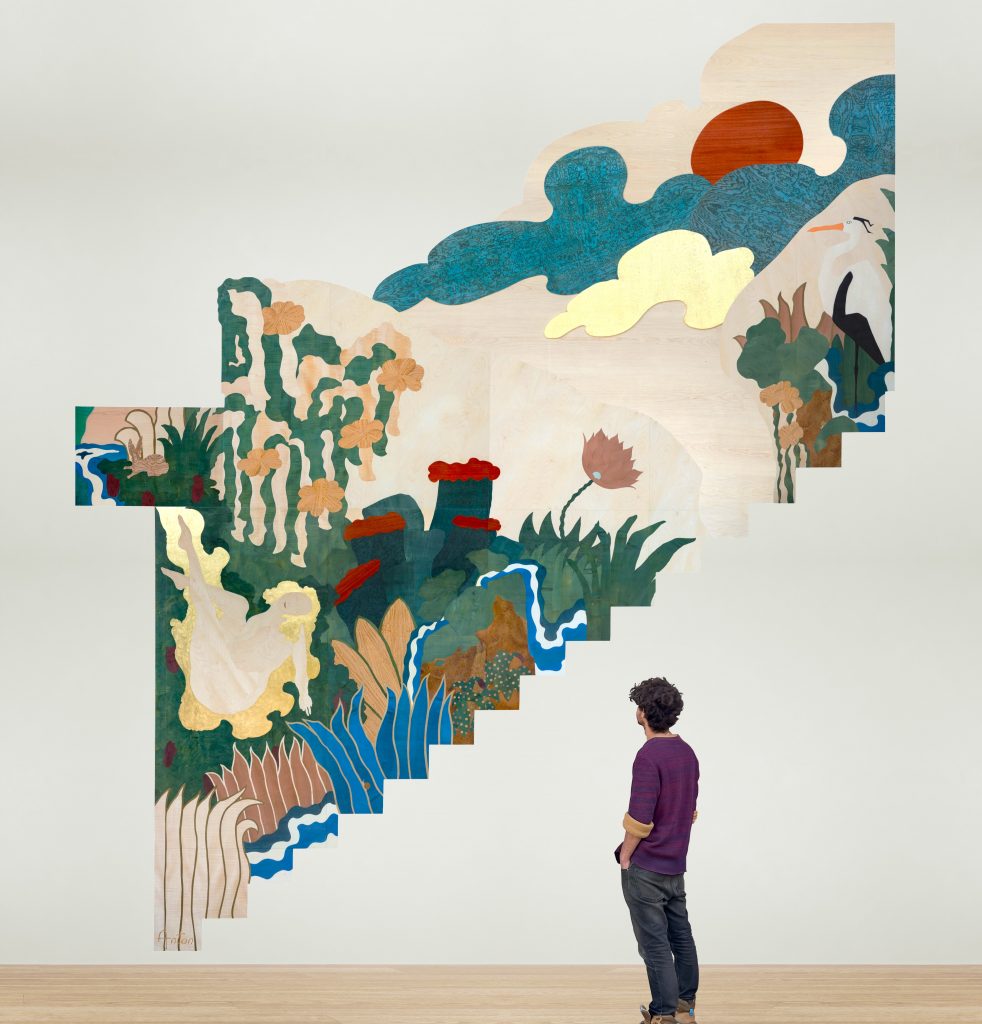
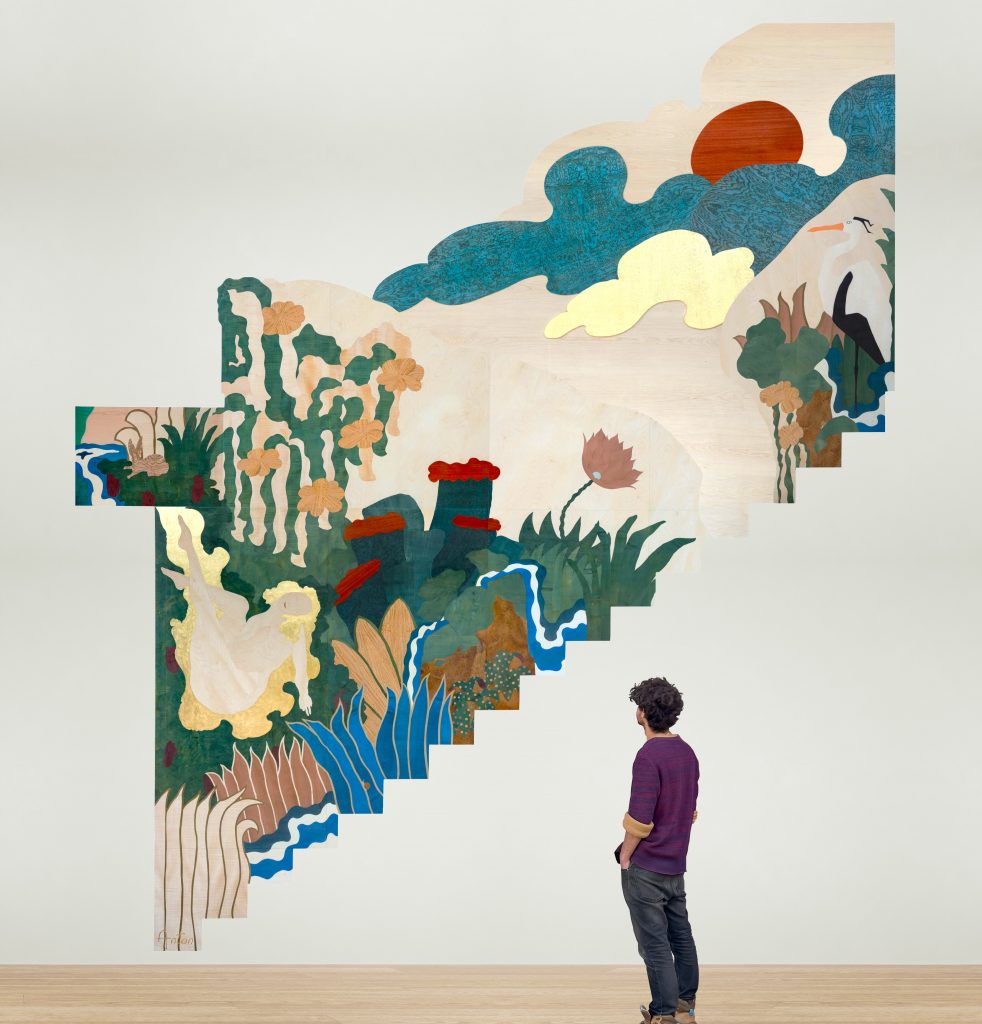
Vénus des Indes; Anton Laborde
Established in 2021, Galerie REVEL is a contemporary art gallery dedicated to presenting the work of visual artists who have traditionally been marginalised within Western artistic discourse. The gallery promotes an international selection and supports emerging and mid-career artists whose work resonates with contemporary concerns, initiating fruitful dialogues between the Global South and the West.
Of particular note is the exhibition by visual artist Anton Laborde.
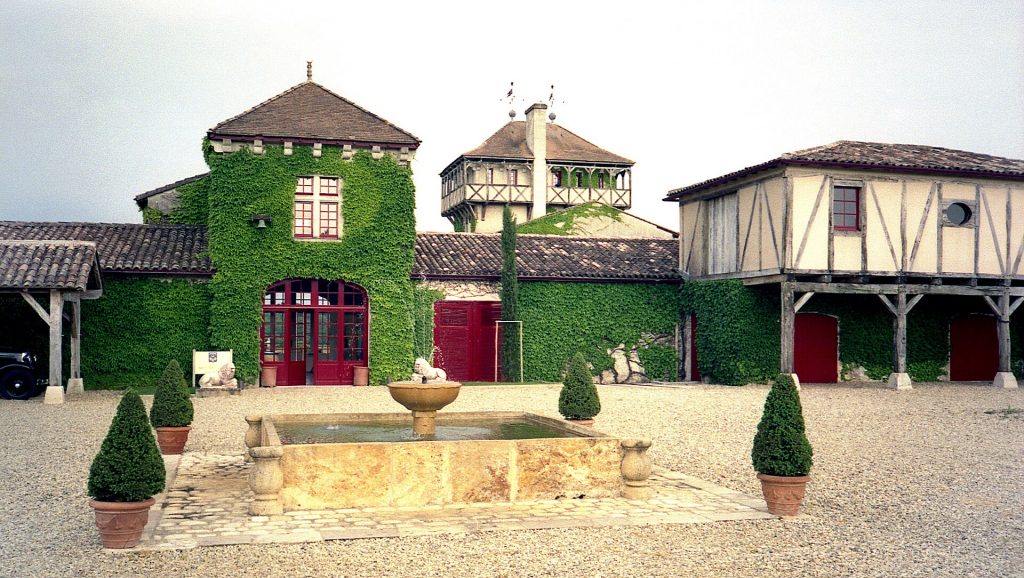
Château Smith-Haut-Lafitte; Benjamin Zingg; Wikimedia
Leave Bordeaux behind and immerse yourself in the heart of the Pessac-Léognan vineyard at Château Smith Haut Laffite in Martillac.
The estate’s history began nearly eight hundred years ago in the 14th century when Verrier du Bosq purchased a few acres of vineyards. In the mid-18th century, the estate was purchased by Scottish merchant Georges Smith, who gave it his name. The wines were classified as Grand Cru Exceptional in the mid-19th century.
In 1990, former ski champions turned entrepreneurs Florence and Daniel Cathiard bought the château with the aim of continuing this tradition of excellence.
Getty Images for Unsplash
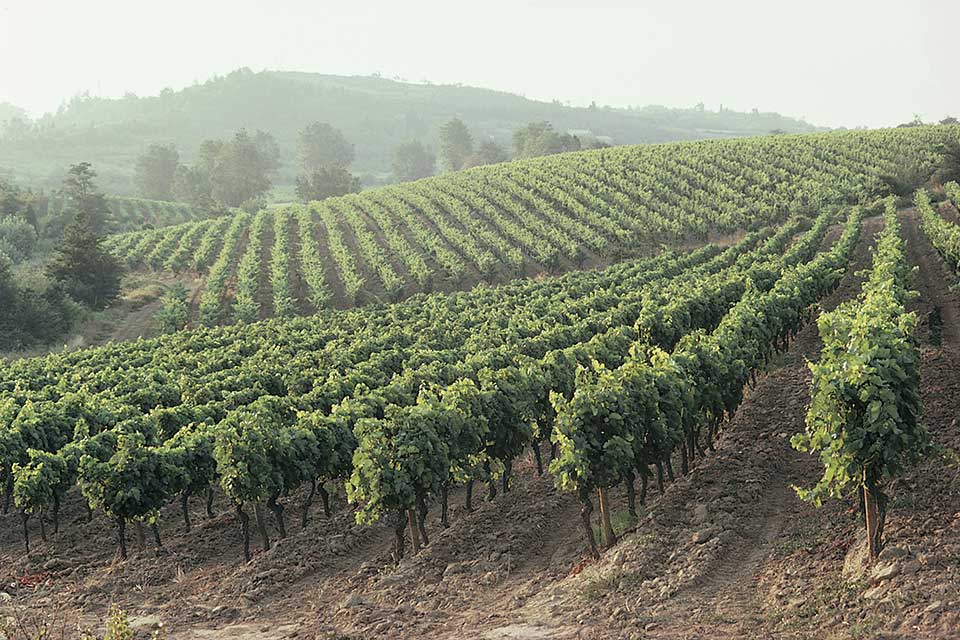
Château Smith Haut Lafitte produces six wines exclusively from its single vineyard, which is located in the Günziennes area of the Graves subregion of the Pessac-Léognan appellation.
Seven red and white grape varieties are grown in this lush green setting, and they are blended to create the estate’s wines. The estate has been practising biodynamic farming since 2019. The red wine vintages are aged in an underground cellar containing a thousand barrels. The ‘stealth’ cellar, which is subtly integrated into the surrounding vegetation, is dedicated to blending the second wines, Le Petit Haut Laffite and Les Hauts de Smith.
The château also stands out for its unique CO2 recycling facility, the only one of its kind in the world.
An added bonus is the Forest of the Senses, a ten-hectare open-air museum located amongst the vineyards that awakens curiosity and the senses. Punctuated with works by contemporary artists, this fun, free walk allows visitors to discover Château Smith Haut Lafitte’s working philosophy through its respect for the environment and biodiversity.
Open all year round. Summer activities.
Andrea Piacquadio; Pexels
Charles Baudelaire’s phrase, ‘Here, all is luxury, calm and pleasure’, could not be more fitting.
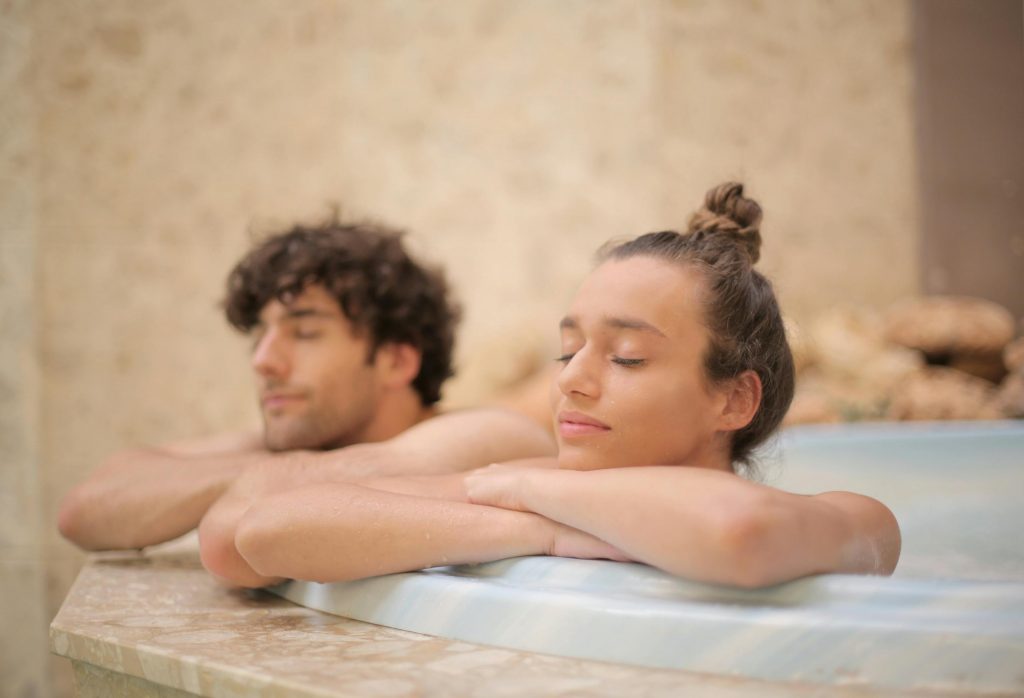
This five-star hotel and its iconic wine therapy spa are built on the site of a hot spring gushing forth from 500 metres underground. This place of absolute well-being has nothing but vineyards stretching as far as the eye can see.
The spa’s treatments combine the benefits of naturally warm spring water, which is rich in minerals and trace elements, with the latest scientific findings on the advantages of vines and grapes.
The palace, the only one of its kind in the Bordeaux region, is designed to look like a chic country hamlet and offers around sixty luxury rooms, including twenty-one contemporary suites. Two restaurants complete the offering, including the two-Michelin-starred gourmet restaurant La Grand’Vigne, which boasts a cellar of 16,000 bottles. These features explain why the establishment is the most prestigious in the region.
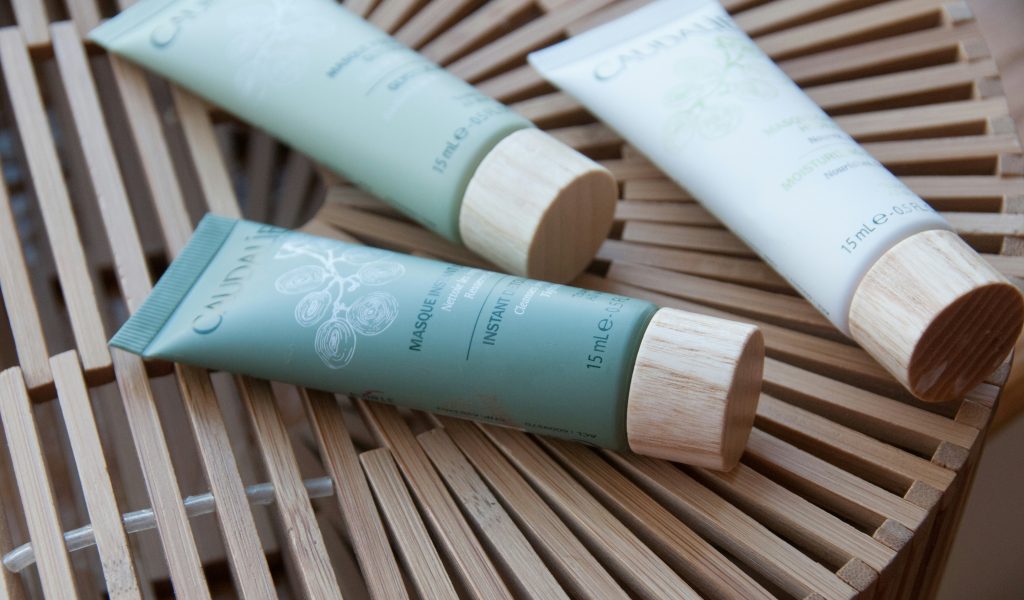
Caudalie; Chi; Unsplash
Added bonus : Founded in 1995 in the heart of the Château Smith Haut Lafitte vineyards, the famous brand was born from the collaboration between Mathilde and Bertrand Thomas. After discovering the exceptional antioxidant power of grape polyphenols and the anti-ageing properties of resveratrol, they developed unique, natural, eco-friendly formulas.
Rundvald; Wikimedia
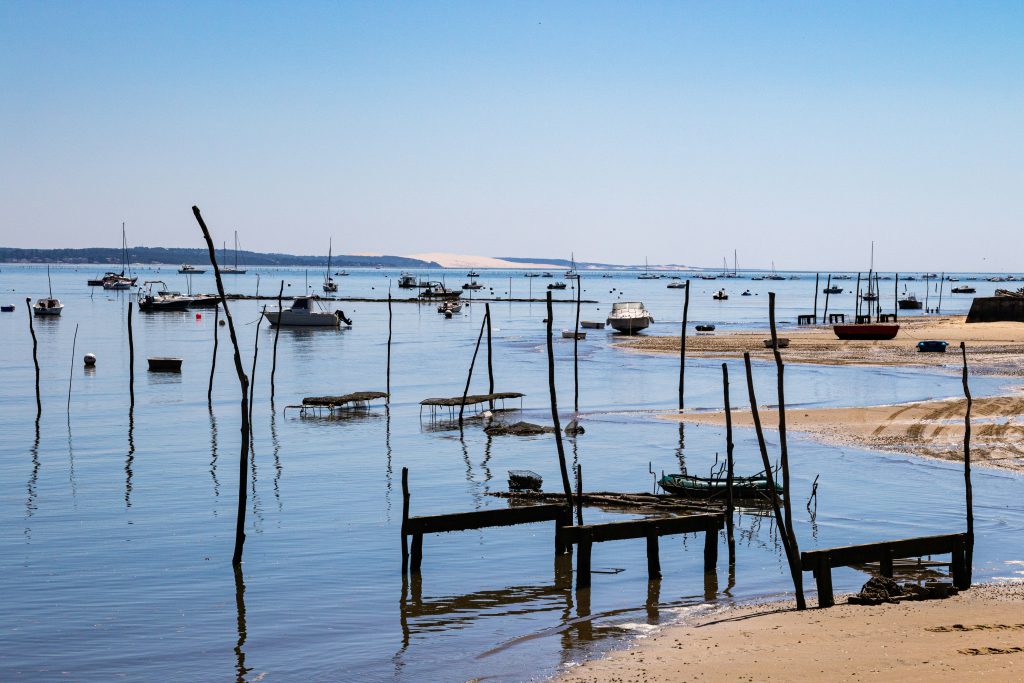
No trip to the Bordeaux region is complete without a visit to the Arcachon Basin – insiders never add ‘Arcachon’; the word ‘Basin’ is enough!
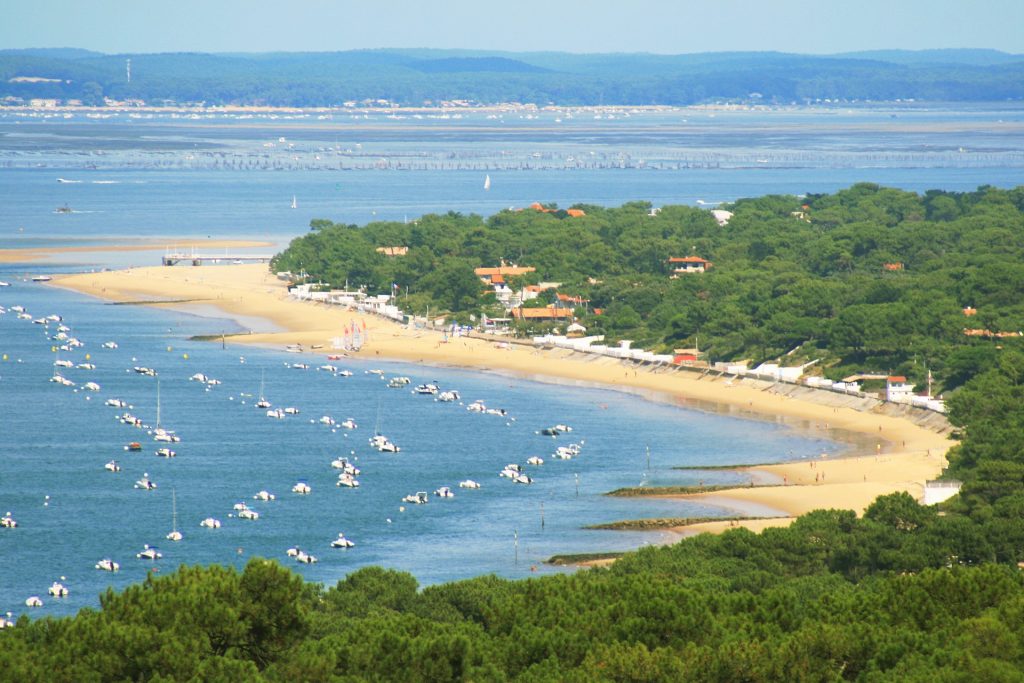
Located a stone’s throw from Bordeaux and the Landes region, the Arcachon Basin is a gem of French natural and cultural heritage. With oyster ports, sandy beaches, pine forests, water sports and exceptional gastronomy, there is a wide variety of experiences on offer.
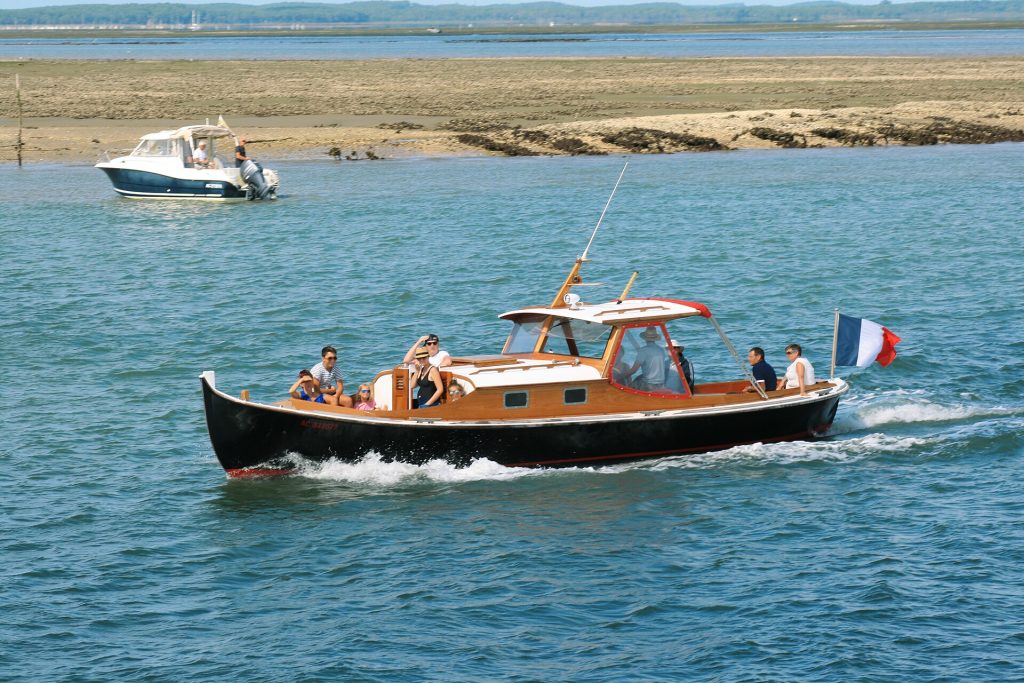
Make sure you take a trip on a pinasse, a traditional boat of the Bay.
Elegant and authentic, the pinasse is the area’s iconic boat, designed to blend in perfectly with its surroundings. Its flat bottom is ideal for shallow waters and allows it to be used even at low tide, while its high bow easily cuts through the waves.
The pinasse’s name itself tells a story, as it takes its name from the pine tree, the region’s most important species. The locals naturally drew on this local resource to build their boats.
Today, the pinasse has reinvented itself without losing any of its soul. Still used daily by oyster farmers, it has also become a pleasure boat. Gliding between Arcachon Bay and Cap Ferret, past oyster beds and villages, has become a popular experience: a timeless interlude where tradition, nature, and the good life converge on the water.
An added bonus is the opportunity to sample oysters in an oyster hut.
The Cabane de Cacanio, located in the oyster-farming village of L’Herbe near Lège-Cap-Ferret, is a magical place.
It has a few rough wooden tables set at the water’s edge, which ebb and flow with the tide, and a breathtaking view of the Bassin d’Arcachon. You can see the village of Andernos opposite: It’s the perfect place to enjoy oysters, seafood and shellfish with a glass of white wine. In the evening, little lanterns twinkle like stars on the water.

Tanja Cotoaga; Unsplash
Le rivage de Pyla-sur-Mer; Rundvald; Wikimedia
Cap Ferret on the opposite bank) overlooks this small inland sea.
Located at the entrance to the bay, Pyla-sur-Mer was founded in the 1920s when Daniel Meller, a landowner, exchanged 143 hectares of forest with the state for a few hundred hectares of dunes and land.
He then collaborated with Louis Gaume to create a town nestled amongst the pine trees, transforming Arcachon and Pyla into holiday resorts modelled on Biarritz.
Nearly four thousand sumptuous villas and luxurious hotels were swiftly constructed.
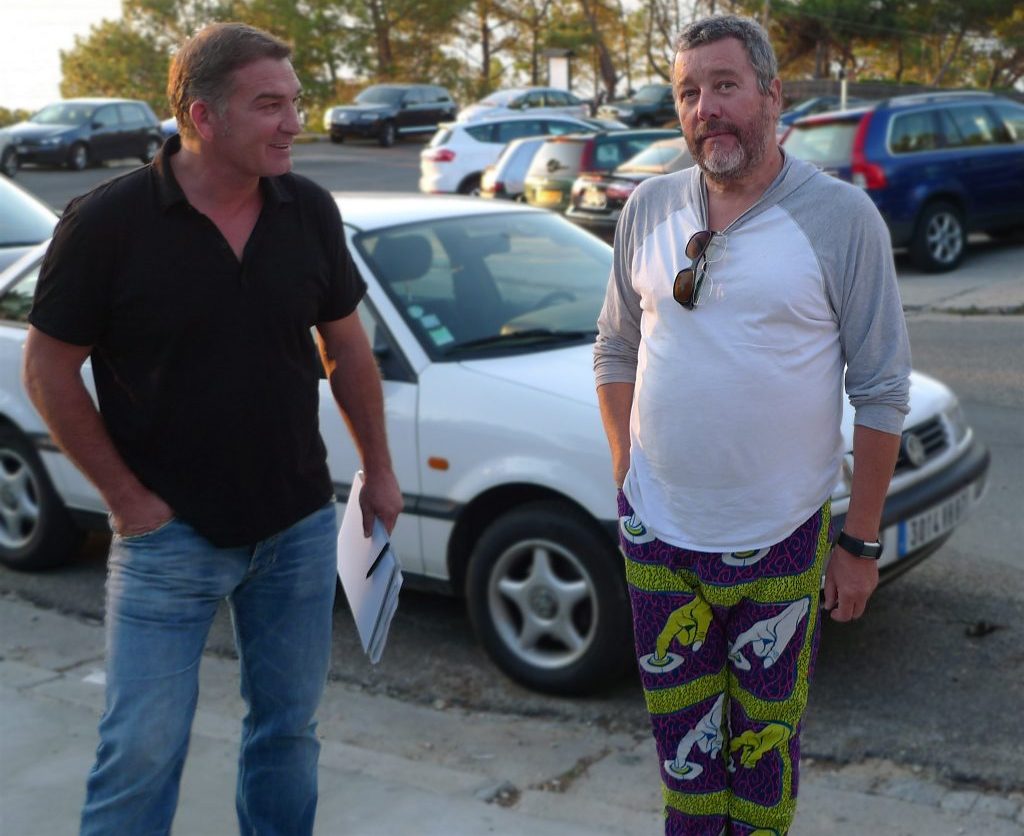
Philippe Starck avec William Téchoueyres, le propriétaire de La Co(o)rniche (Pyla-sur-Mer) ; Flickr
The Hôtel de la Corniche occupies a special place among these architectural gems of the Basque-Landes style. Backed by Europe’s highest dune, it boasts spectacular vistas of the passes and the Ban d’Arguin, a golden sandbar that leads the eye towards the ocean’s blue hues.
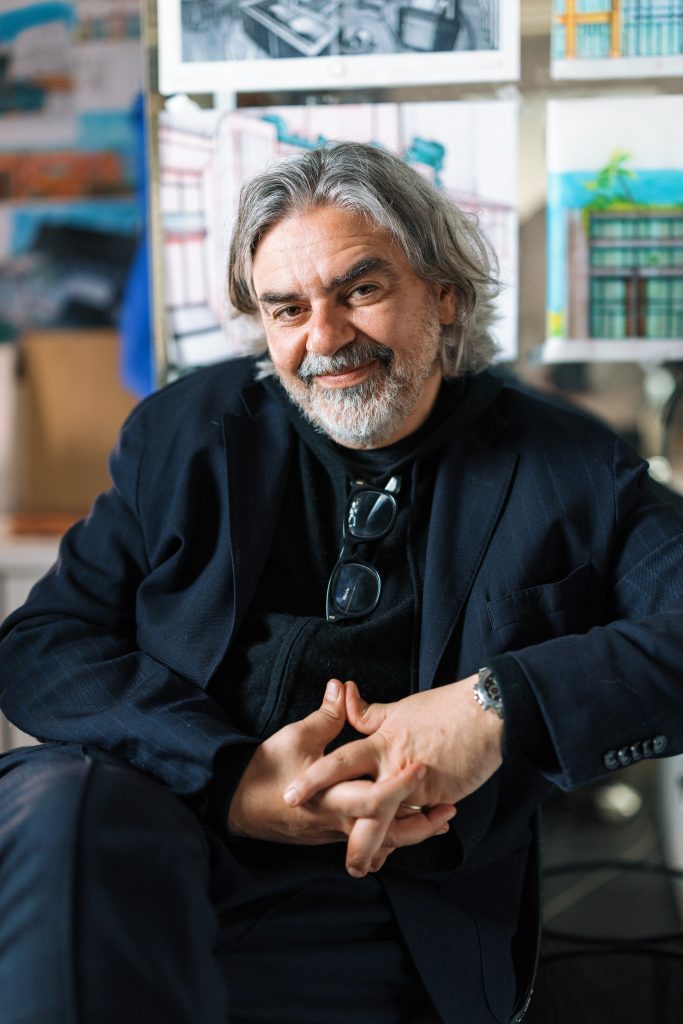
In 2010, the transformation of the hotel was entrusted to the Bordeaux-based architect Philippe Ducos and the designer Philippe Starck. A devotee of the Arcachon Basin, Starck imbued the hotel with a vision that was both sensitive and radical. The eleven rooms and suite offer a ‘true experience of pure light’, featuring fully glazed bathrooms with galvanised metal frames.
The renovation work was completed in 2021 under the leadership of William Téchoueyres, who oversaw the refurbishment of the Michelin 1* restaurant, La Co(o)rniche. The restaurant has been enlarged and now has an open-plan kitchen, with the space extending naturally onto a large wooden terrace and a grey concrete infinity pool reminiscent of traditional fish ponds.
Joel Mompontet; Unsplash
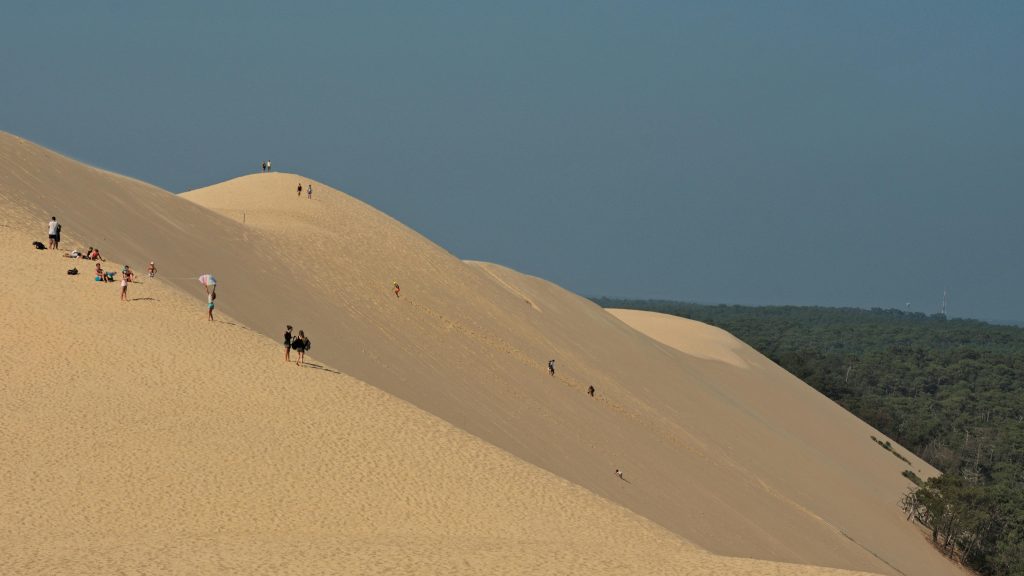
The bonus: climbing the Dune du Pilat
Made up of around sixty million cubic metres of sand, the Dune du Pilat is between 110 and 115 metres high, depending on the year. A staircase makes climbing it easier. The landscape, with the ocean, dunes and forest, is unforgettable and magnificent. It is best enjoyed at dusk, when the sunset sets the Banc d’Arguin, Cap Ferret and the ocean ablaze.
Février, 2026
Créer avec l’existant, penser avec l’histoire
De l’architecture au design, cette édition explore comment lieux, savoir-faire et matières héritées deviennent terrains de création actuelle.
Janvier, 2026
Le luxe se réinvente.
Finis les logos clignotants, place à une sobriété raffinée, à l’immersion personnelle, à l’excellence artisanale, à la durabilité sensible.
Décembre, 2025
Héritages, gestes contemporains et plaisirs essentiels
Parce que la fête n’est jamais qu’apparence : elle reflète notre manière d’habiter le monde, de transmettre, de fabriquer des souvenirs durables.
ÉDITION #3
Upcycling et kintsugi transforment l’objet contemporain, faisant de la trace, de la réparation et de la matière un langage esthétique.
ÉDITION #3
Artisans et designers donnent une seconde vie aux matériaux anciens, entre création contemporaine, patrimoine et réemploi.
ÉDITION #3
Bunkers, wagons et kiosques renaissent grâce à la création, révélant comment l’art redonne sens aux lieux délaissés.
ÉDITION #2
Un regard transversal sur le quiet luxury à travers des lieux, des objets et des figures qui expriment l’élégance.
ÉDITION #1
Une sélection de marques, architectures, objets et escapades qui donnent corps au sens de la fête.
ÉDITION #3
Usines et gares délaissées deviennent lieux culturels ouverts, où mémoire industrielle et usages contemporains redessinent la ville.
ÉDITION #3
L’audacieuse métamorphose d’un palace parisien
ÉDITION #3
Au cœur du Marais, un lieu discret révèle comment archives, architecture et recherche font dialoguer l’œuvre de Picasso.
ÉDITION #2
Une expérience shopping unique dans un magasin emblématique.
ÉDITION #2
Voyage culinaire et architectural au cœur de la Seine
ÉDITION #2
Dans le 9e arrondissement, un établissement qui invite au quiet luxury
ÉDITION #1
Chante! vient d’ouvrir ses portes. Une invitation à vibrer !
ÉDITION #3
Icône du paysage français, la boîte jaune change de statut et s’invite dans l’univers du design.
ÉDITION #3
L’édition 2026 affirme une vision où artisanat, design et mémoire façonnent l’habitat contemporain, international actuel.
ÉDITION #3
Cent ans après 1925, l’Art déco revient dans nos villes et intérieurs avec géométrie, audace, optimisme.
ÉDITION #3
Depuis plus de deux cents ans, Royal Limoges conjugue porcelaine, savoir-faire industriel et création contemporaine.
ÉDITION #3
Des terrains de sport aux podiums, la sneaker raconte un siècle de mutations culturelles, techniques et stylistiques.
ÉDITION #2
Design, mode, artisanat : des créations où la forme et la matière se répondent avec justesse, loin de tout effet de mode.
ÉDITION #1
Décorations artisanales, calendriers ultra-luxe et pièces de collection pour s’enivrer de joie avant l’heure.
ÉDITION #3
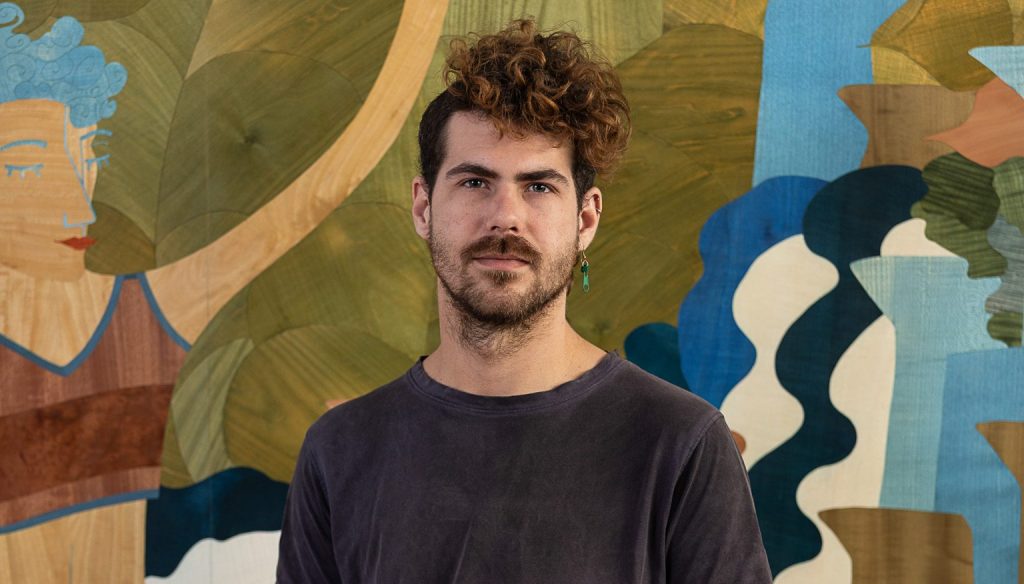
Entre marqueterie monumentale et jungle symbolique, Anton Laborde transforme le bois en récit contemporain poétique engagé.
ÉDITION #3
À Maison & Objet, Thierry Laudren présente des meubles sculptés où fonction, matière et lenteur façonnent une présence.
ÉDITION #3
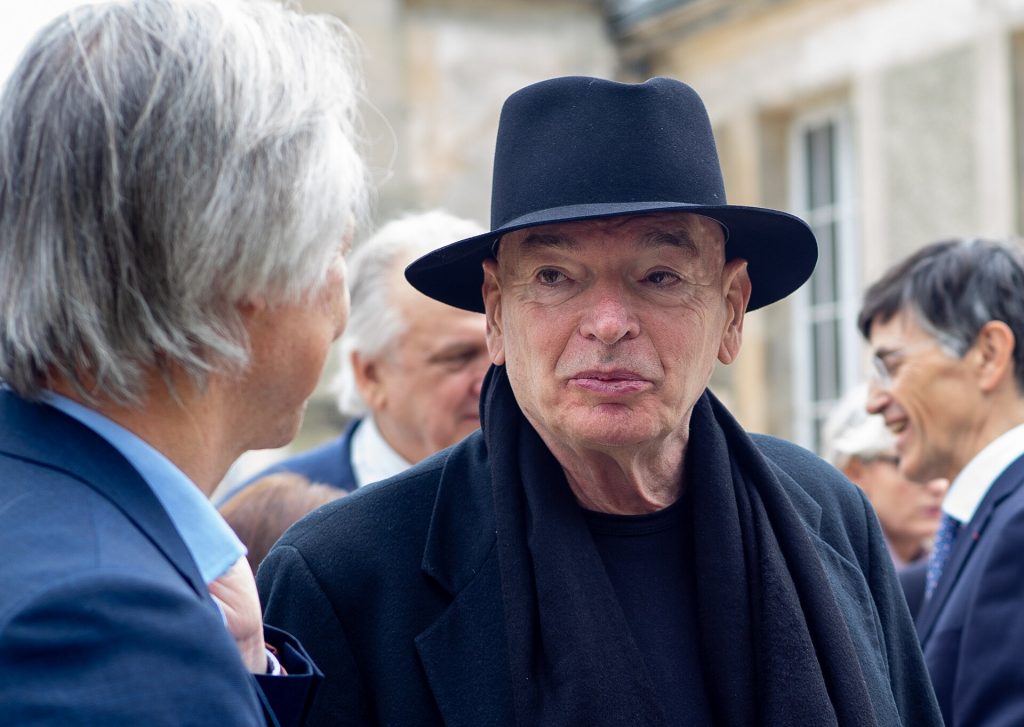
Jean Nouvel conçoit une architecture attentive aux contextes, où lumière, histoire et usages façonnent chaque projet.
ÉDITION #3
À Lyon, Sophie Morel rénove des lieux historiques en alliant respect du bâti et écriture contemporaine.
ÉDITION #3
Au Centre d’Études Picasso, l’architecte compose une architecture où lumière, géométrie et héritage dialoguent avec précision.
ÉDITION #2
Entretien avec le fondateur d’EDO (European Design Office)
ÉDITION #2
Portrait d’un visionnaire qui transforme l’art de recevoir en expérience totale.
ÉDITION #1
Personnalités, artisans et créateurs qui donnent à la fête sa profondeur humaine.
ÉDITION #3
De Bordeaux au Bassin, art, vignobles et bien-être composent une échappée élégante au cœur de la Gironde.
ÉDITION #2
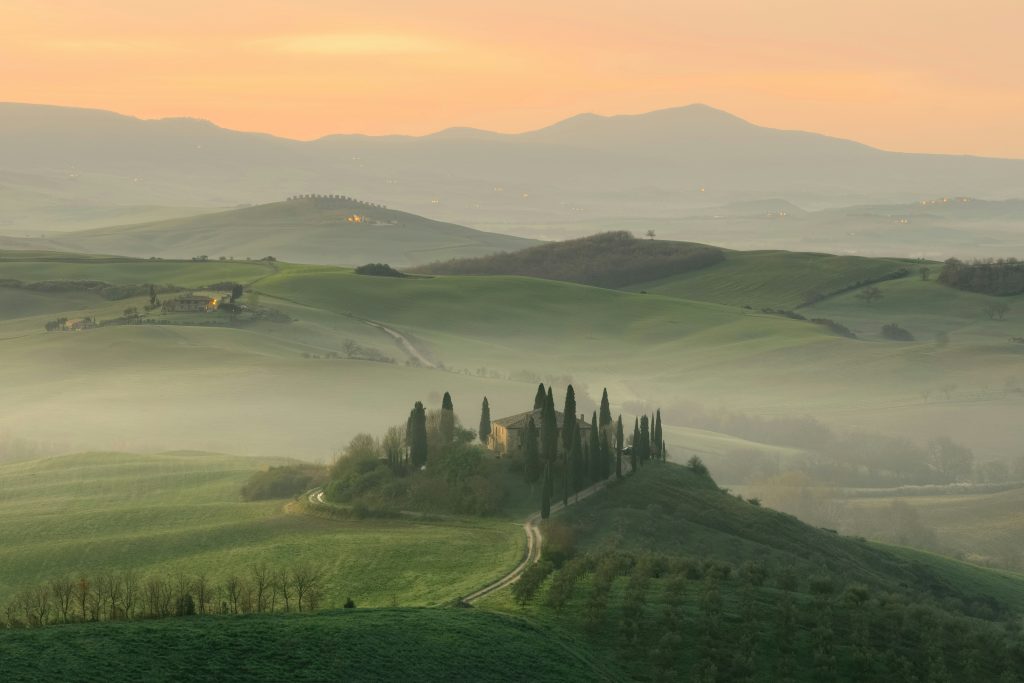
Vers une région de l’Italie habitée par le temps, où paysages, culture et usages s’accordent dans une continuité rare.
ÉDITION #1
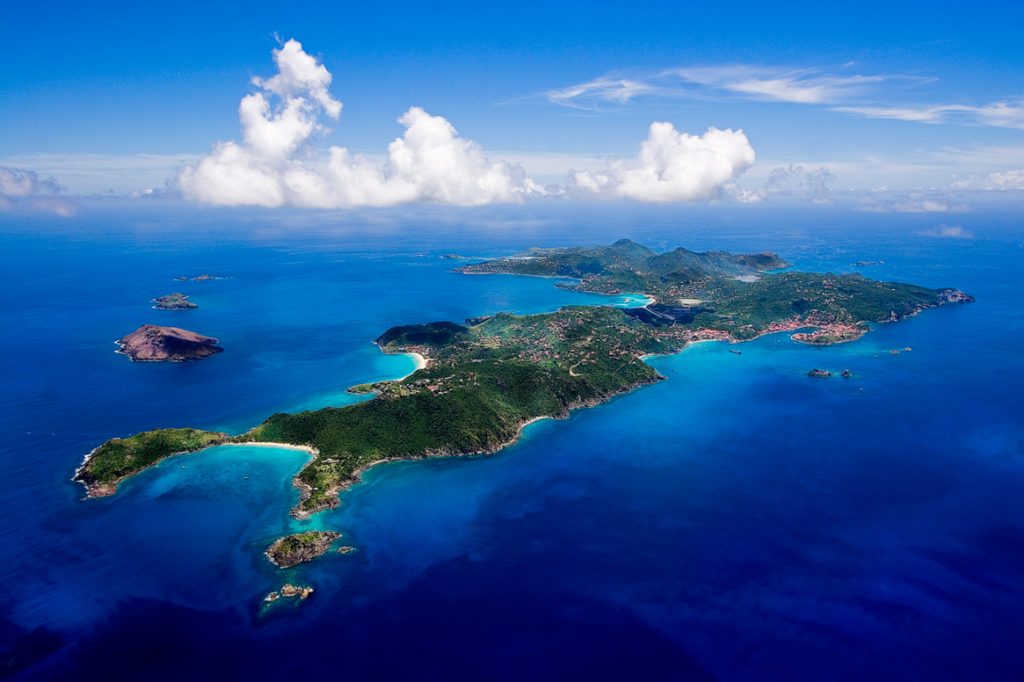
Destinations et rituels qui réinventent la fête, du soleil tropical aux marchés d’hiver.