ISSUE #3 - February 2026

Spaces & Architectures

Spaces

In this section :

Centre d’Études Picasso

Research, architecture, archives

In the heart of the Marais district, a hidden location showcases the ways in which research, architecture and archives are extending Picasso’s legacy.

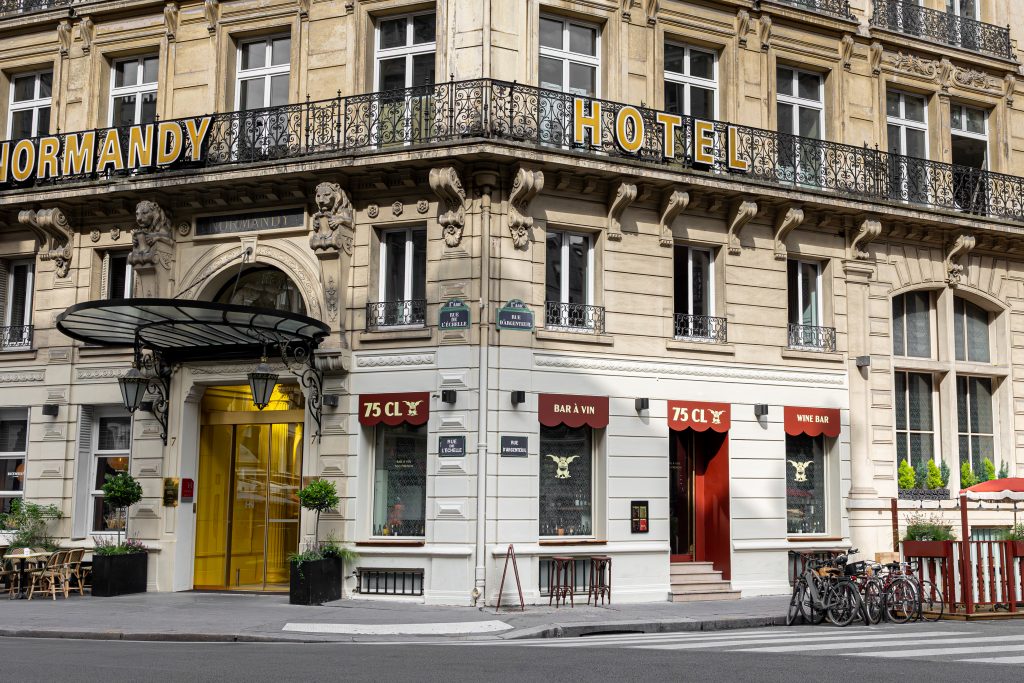
Hôtel Normandy Paris

The daring transformation of a parisian palace

Just metres from the Louvre and the Palais-Royal, a grand Parisian hotel has stood the test of time under the gaze of passers-by.

Reinvented buildings

When culture transforms the city

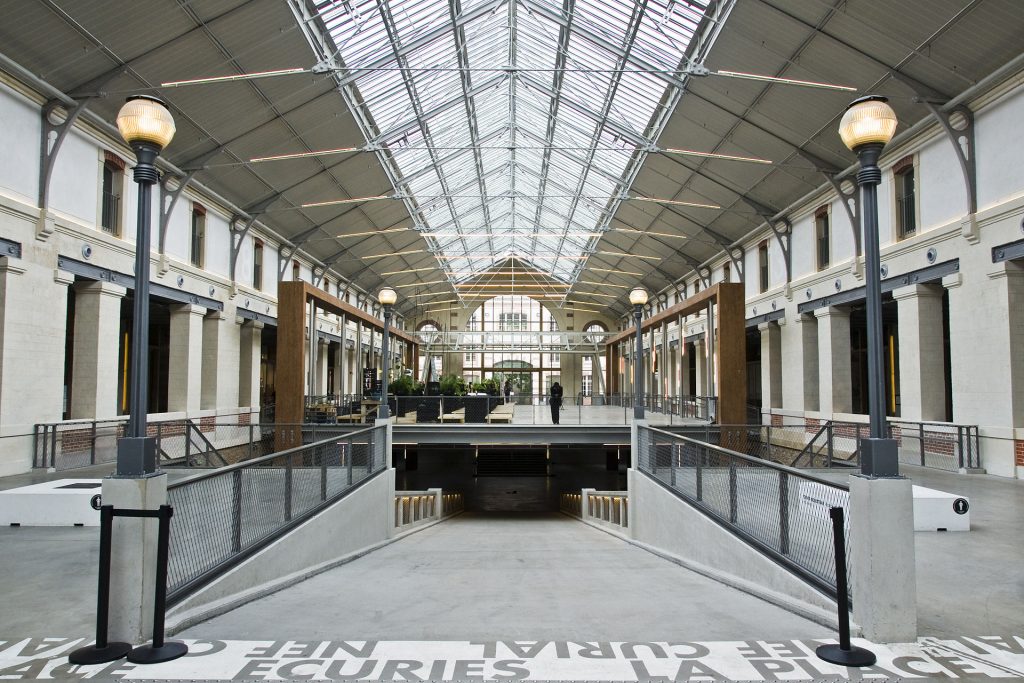
Abandoned factories and railway stations are being converted into cultural venues, blending industrial heritage with modern uses and transforming the urban landscape.

Behind the scenes at the
Centre d'Études Picasso in Paris

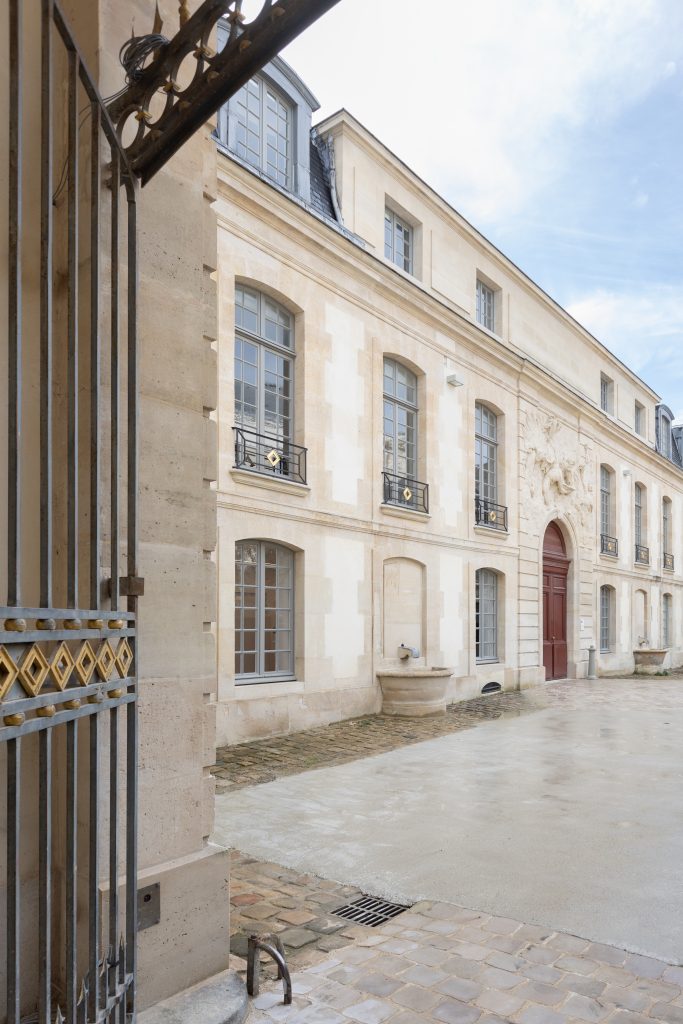
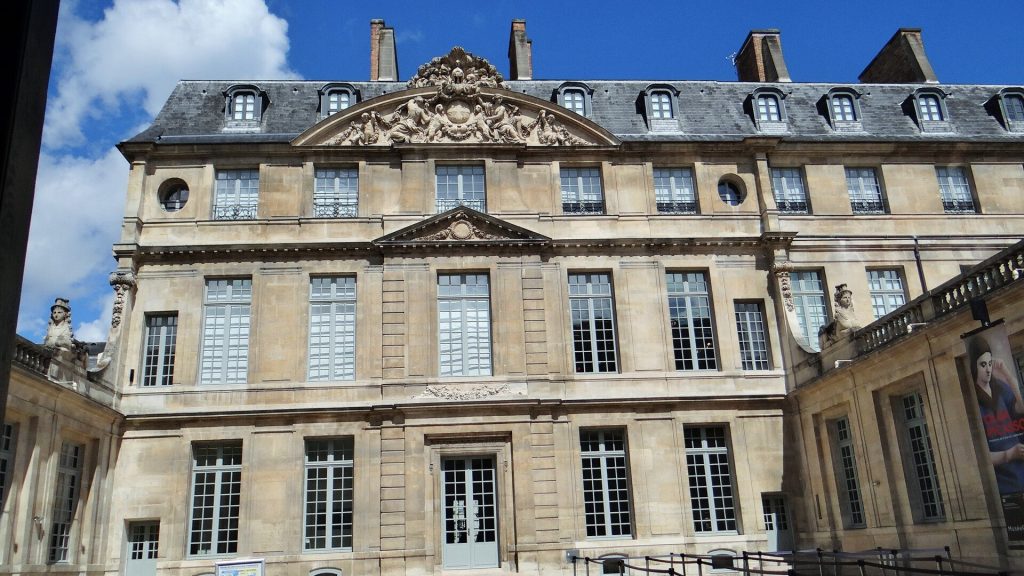
Just a short walk from the Musée national Picasso-Paris, a long-hidden space has finally opened its doors—not to the general public, but to the scholars who bring Picasso’s work to life through research. Housed in the former stables of the Hôtel de Rohan in the heart of the Marais, the Centre d’Études Picasso is far more than an archive. It’s an intellectual laboratory, a workspace of rare intensity where memory, architecture and critical enquiry come together. Designed as an international hub for researchers, the centre opened in 2025 and represents a new approach to heritage: rigorous, precise, and deeply considered.

A centre born of necessity: to gather, understand and share

Kollectors

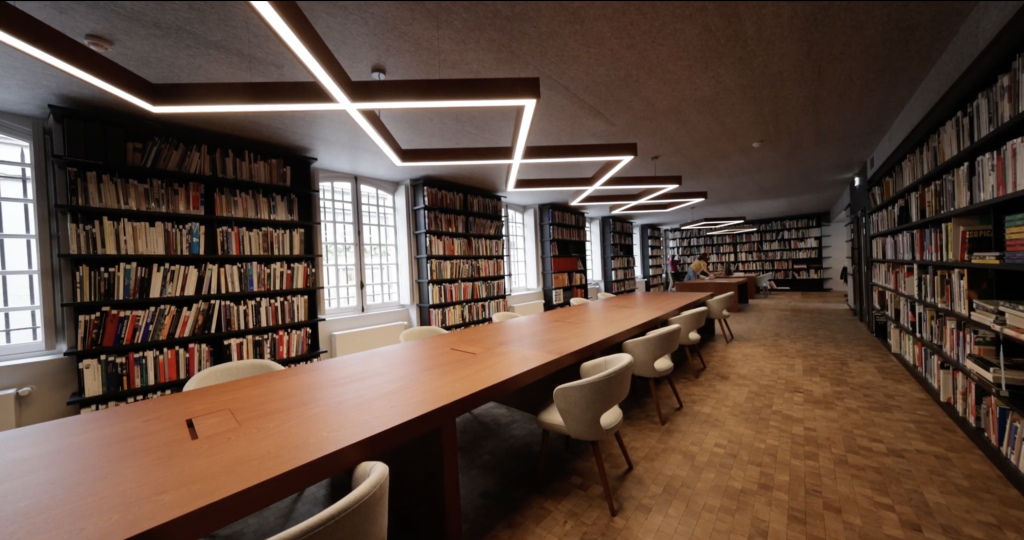
Over the decades, Pablo Picasso’s work has been accompanied by an extraordinary volume of archives. Letters, manuscripts, photographs, annotated books, administrative documents: more than 200,000 items, which are difficult to access. The creation of the Centre d’Études Picasso responds to a historical necessity: to provide these collections with a home that matches their scientific importance. Located at 1, rue des Quatre-Fils, within the National Archives complex, the centre now houses archives, documentation and a research library covering nearly 720 m².

But its ambition goes far beyond storage. The centre supports art historians, contributes to catalogues raisonnés and informs future exhibitions. It hosts seminars, study days and international meetings. It is the true ‘brain’ of the Musée national Picasso-Paris, designed to produce knowledge as much as to preserve it.

Kollectors

Kollectors

From 18th-century stables to a contemporary research centre

Kollectors

The architecture of the Centre d’Études Picasso already tells a story. That of the Hôtel de Rohan, a building dating from the early 18th century, whose outbuildings once housed horses and carriages. Here, there are no stately salons or baroque decorations, but a utilitarian, robust space, marked by paved floors, low ceilings and traces of the past.

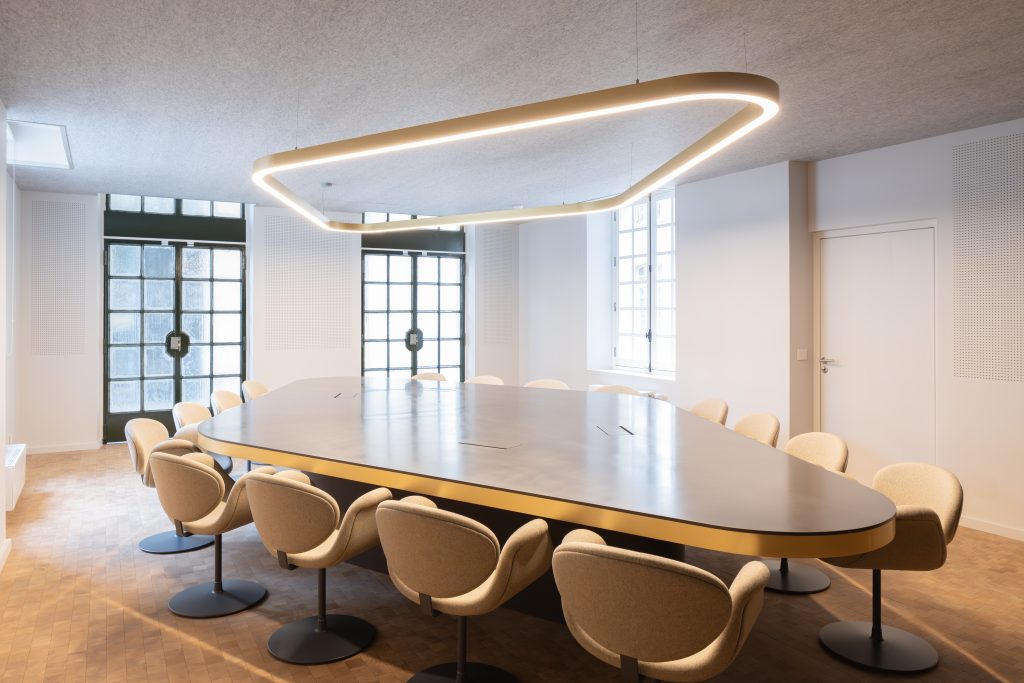
It was precisely this sobriety that appealed to architect Pascal Grasso. Far from smoothing over or masking what already existed, the project embraces the site in all its historical layers. The remains—water troughs, sculpted reliefs, ancient masonry—become silent landmarks. The transformation is achieved through precise touches: proportions, light, acoustics. The centre thus fits into a respectful continuity, dialoguing with the neighbouring Hôtel Salé, which houses the museum, without ever seeking to imitate it.

An architecture of light and meaning

Kollectors

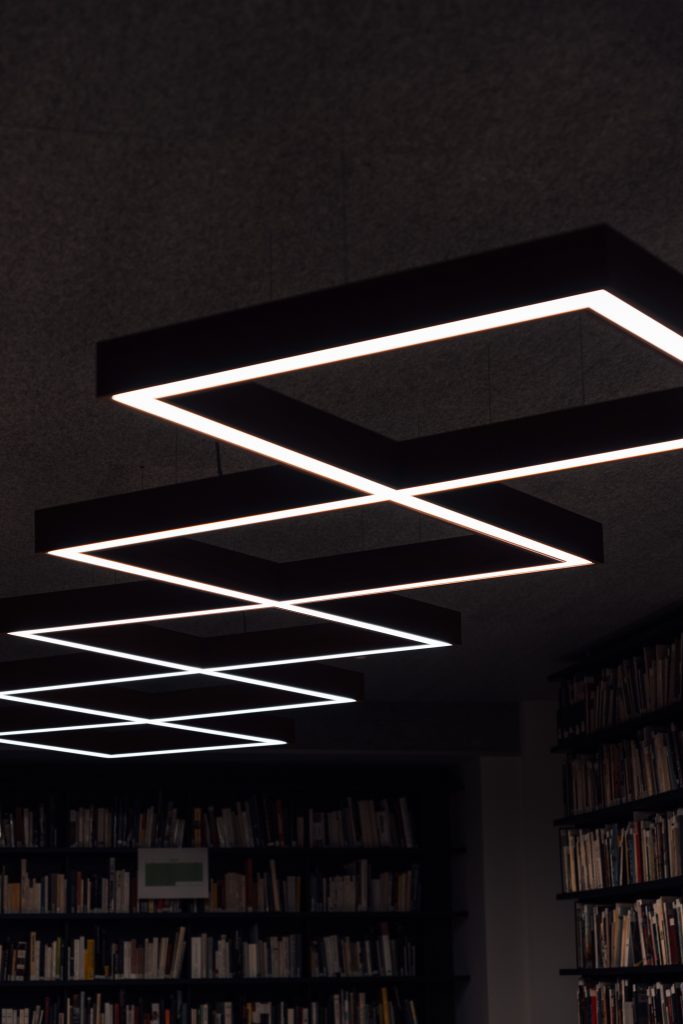
For Pascal Grasso, each project begins with a deep immersion in its context. Here, the analysis was historical, symbolic, almost archaeological. From this careful reading emerged an architecture in which light becomes the raw material. ‘The idea that an immaterial element becomes the main material of my architecture,’ he explains.

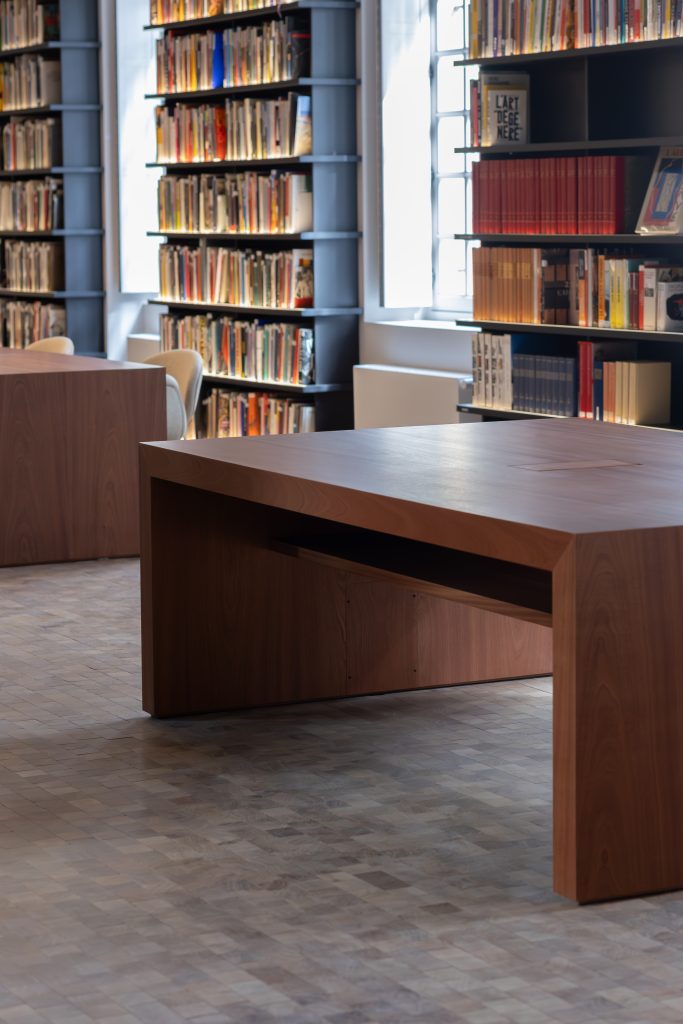
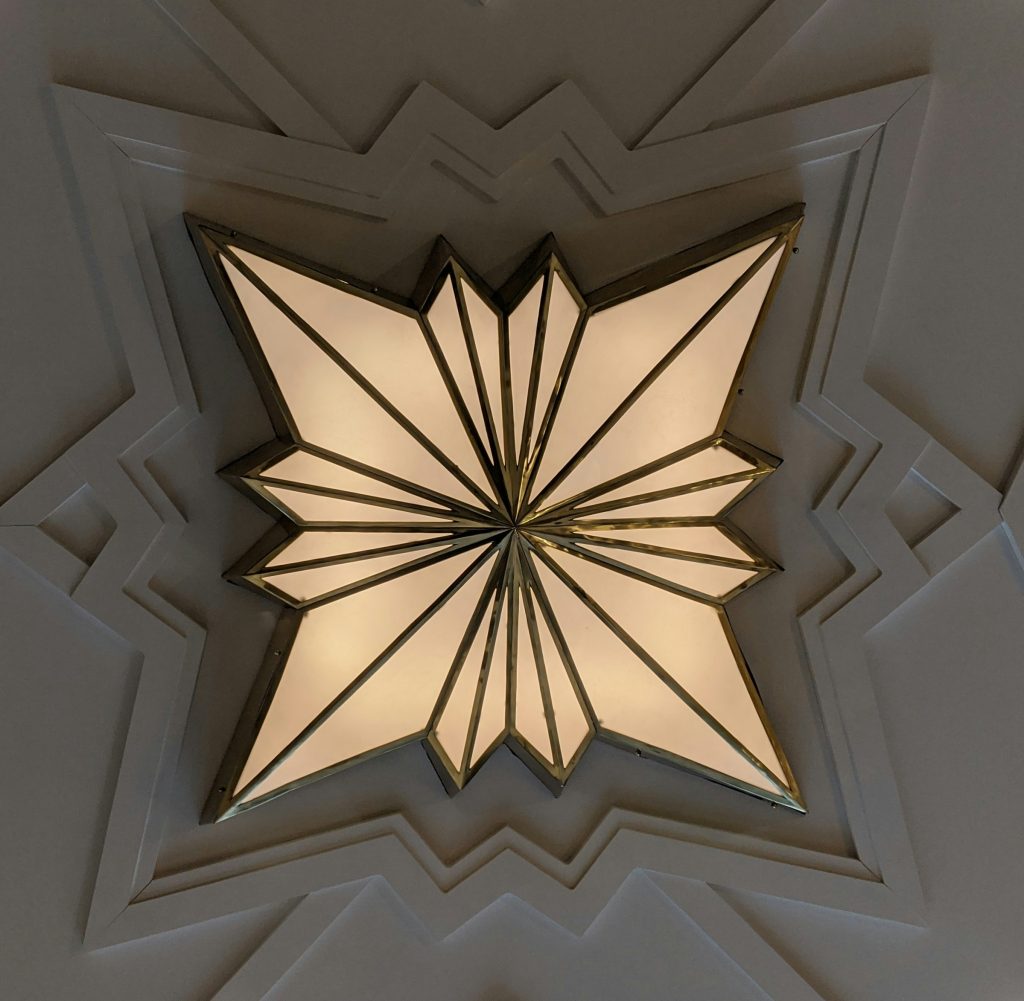
The light fixtures, designed specifically for the centre, are the most visible expression of this. Their diamond shape dialogues both with the heraldic crystals of the Hôtel de Rohan and with Picasso’s cubist universe, particularly the figure of Harlequin. Suspended above the large consultation tables, they create a precise, enveloping light that is conducive to concentration.

But this architecture is not limited to the visible. The carefully crafted acoustics contribute to the hushed atmosphere of the place. Nothing imposes itself, everything is balanced. ‘The key word in my work is balance,’ sums up the architect.

Kollectors

Kollectors

A documentary collection unlike any other in the world

Kollectors

What lies within the storage rooms and consultation rooms of the Centre d’Études Picasso is beyond imagination. The written archives — correspondence with Apollinaire, Cocteau, Matisse and Braque — offer direct access to the artist’s thoughts. The photographic collection, comprising nearly 18,000 digitised images, reveals Picasso at work, but also in his private life, sometimes behind the camera.

Adèle Zwilling emphasises the concrete and living dimension of these collections:

“The Centre has recovered a large part of the artist’s personal archives: correspondence, administrative documents, but also more unusual objects. All of this can be consulted on site. “

The research library holds more than 13,000 works on the life and work of Pablo Picasso, as well as reference works on modern art and related to the Picasso Museum’s exhibition programme. In addition to the artist’s archives, there is his personal library, consisting of books and magazines from Picasso’s studios, often annotated and sometimes signed. There are also some 800 posters, most of which were published during the artist’s lifetime. A vast digitisation project accompanies this opening: the entire photographic collection (mostly from Picasso’s personal archives) has already been digitised, and the documentary portal launched in 2024 is gradually opening up these resources to the international community.

A lively place, looking to the future

Kollectors

Contrary to the static image sometimes associated with archive centres, the Centre d’Études Picasso is a place in motion. Designed as a hub for exchange, it welcomes established researchers, doctoral students, curators and artists. Doctoral scholarships will reinforce this dynamic from 2025-2026.

During the European Heritage Days, the centre will open its doors to the public, offering a rare glimpse into this behind-the-scenes work. It is a reminder that research also feeds into transmission.

Through this project, the Musée national Picasso-Paris is affirming its vision: that of a living heritage, examined without taboos, including through a contemporary and critical reading of the work. To better understand the man behind the architecture of this unique place, you can continue your discovery with our portrait article dedicated to Pascal Grasso, which traces the career of an architect for whom each project is an encounter between the past, use and meaning.

Kollectors

Continue in this issue :

Do you like WeAreKollectors® ? Talk about it on social media !

February, 2026

Issue #3 : Heritage and creation

Create with what already exists, think with history

From architecture to design, this edition explores how places, know-how and inherited materials become fields of current creation.

January, 2026

Issue #2 : Quiet luxury

Luxury is reinventing itself.

No more flashing logos, place to a refined sobriety, personal immersion, artisanal excellence, sensitive sustainability.
December, 2025

Issue #1 - Sense and Festivity

heritage, contemporary practices and essential pleasures

Because celebration is more than just appearances:
it reflects how we live the world, pass on traditions and create lasting memories.

ISSUE #3

Revealing beauty

Upcycling and kintsugi transform contemporary objects, turning marks, repairs and materials into an aesthetic language.

ISSUE #3

New heritage artisans

Craftsmen and designers give old materials a new lease of life, combining contemporary design, heritage and reuse.

ISSUE #3

Art to the rescue of wastelands and abandoned places

Bunkers, railway carriages and kiosks are being given a new lease of life through creativity, revealing how art can restore meaning to neglected places.

ISSUE #2

The murmur of the beautiful

A transversal look at quiet luxury through places, objects and figures that express elegance.

ISSUE #1

Places, houses and vibrant subjects

A selection of brands, architecture, objects and getaways that embody the spirit of celebration.

ISSUE #3

Creativity to the rescue of buildings doomed to oblivion

Abandoned factories and railway stations are being transformed into open cultural venues, where industrial heritage and contemporary uses are reshaping the city.
ISSUE #3

Hôtel Normandy Le Chantier

The audacious metamorphosis of a Parisian palace

ISSUE #3

Behind the scenes at the Centre d'Études Picasso in Paris

In the heart of the Marais district, a discreet location reveals how archives, architecture and research bring Picasso’s work to life.

ISSUE #2

Liberty London

A unique shopping experience in an emblematic store.

ISSUE #2

Cheval Blanc Paris

A culinary and architectural journey in the heart of the Seine

ISSUE #2

Hôtel Maison Mère

In the 9th arrondissement, an establishment that invites you to enjoy quiet luxury

ISSUE #1

Chante!

Chante! has just opened its doors. An invitation to vibrate!

ISSUE #3

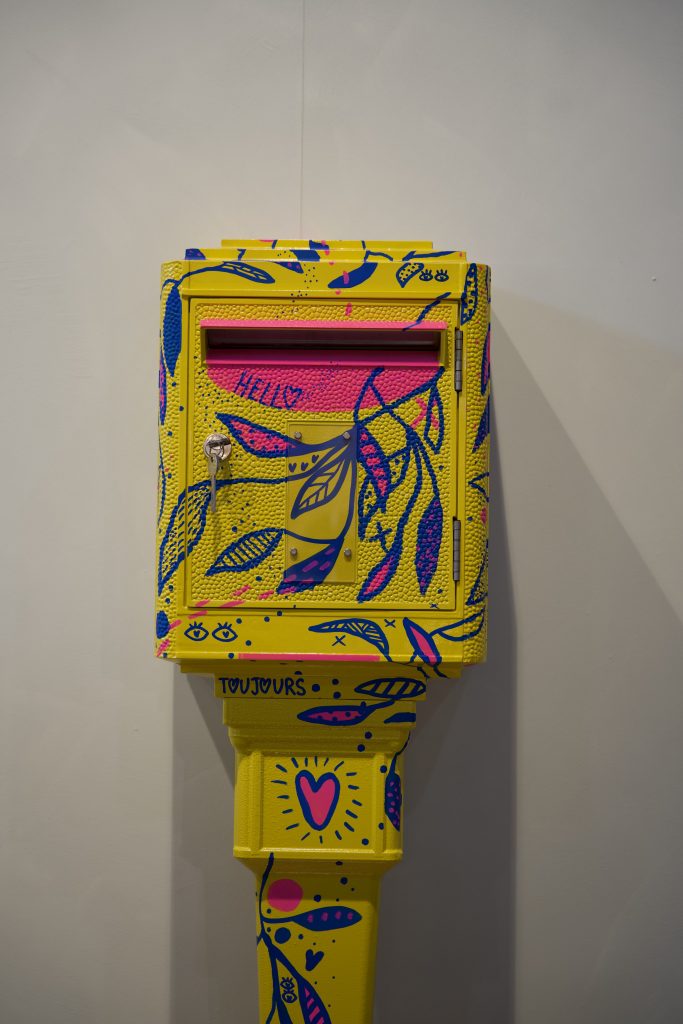
The French post box has become a design object

An icon of the French landscape, the yellow post box is changing status and entering the world of design.

ISSUE #3

A look back at Maison&Objet 2026: back to basics and the essentials

The 2026 edition affirms a vision where craftsmanship, design and memory shape contemporary, international living today.
ISSUE #3

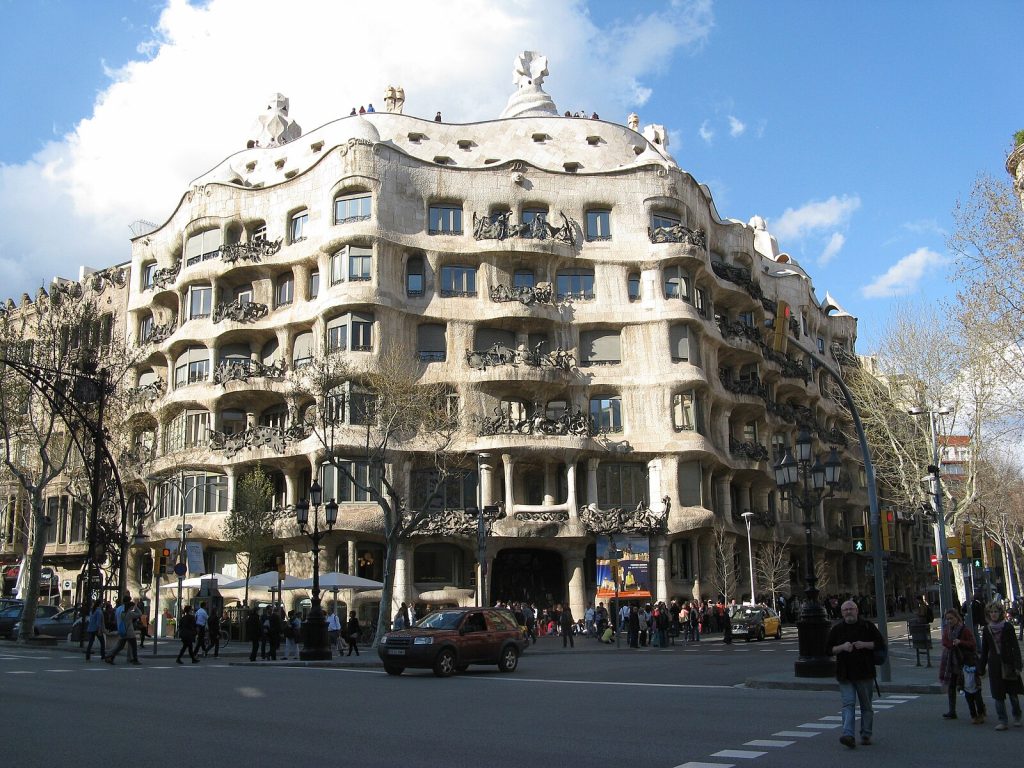
Art Deco: a century-old movement, more relevant than ever

A hundred years after 1925, Art Deco is making a comeback in our cities and interiors with geometry, boldness and optimism.
ISSUE #3

Royal Limoges, two centuries of history into the present

For over two hundred years, Royal Limoges has been combining porcelain, industrial expertise and contemporary design.

ISSUE #3

From the field to the street and the catwalk: trainers through the ages

From sports fields to catwalks, trainers tell the story of a century of cultural, technical and stylistic changes.

ISSUE #2

The wonderful adventure of luxury wallpaper

Design, fashion, craftsmanship: creations where form and material respond with precision, far from any fashionable effect.

ISSUE #1

Icons, details, rituals

Handcrafted decorations, ultra-luxurious calendars and collectibles to fill you with joy before the season begins.

ISSUE #3

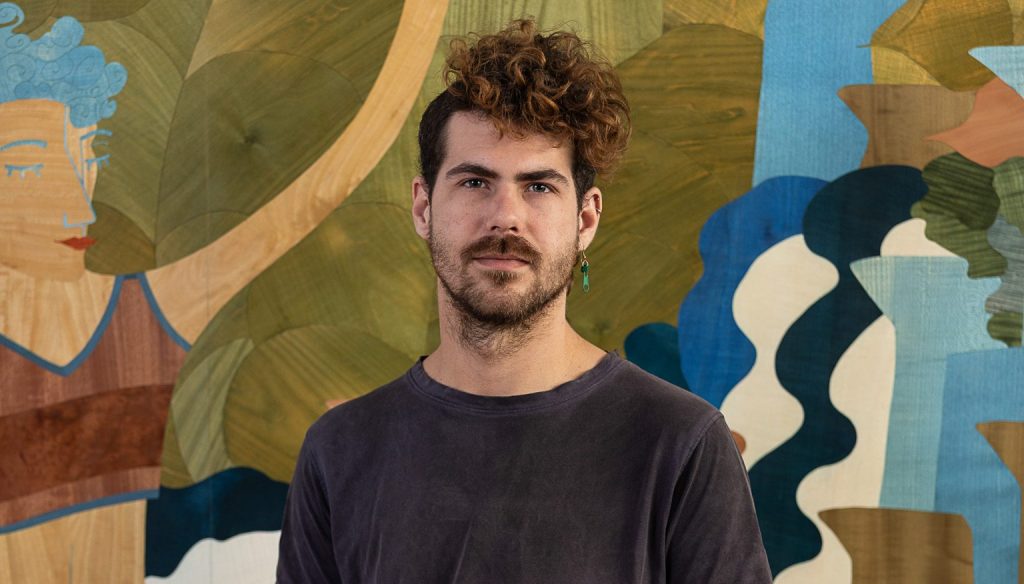
Anton Laborde

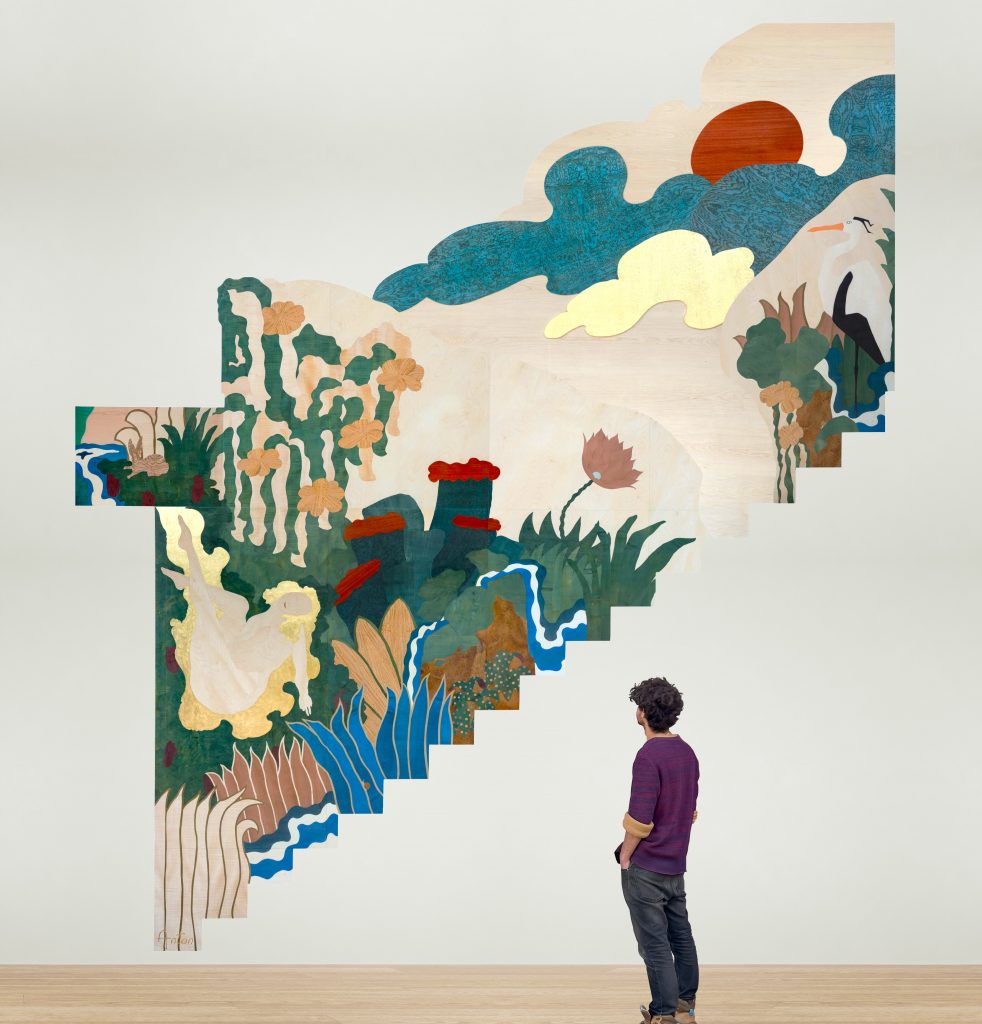
Between monumental marquetry and symbolic jungle, Anton Laborde transforms wood into a contemporary poetic narrative with a message.

ISSUE #3

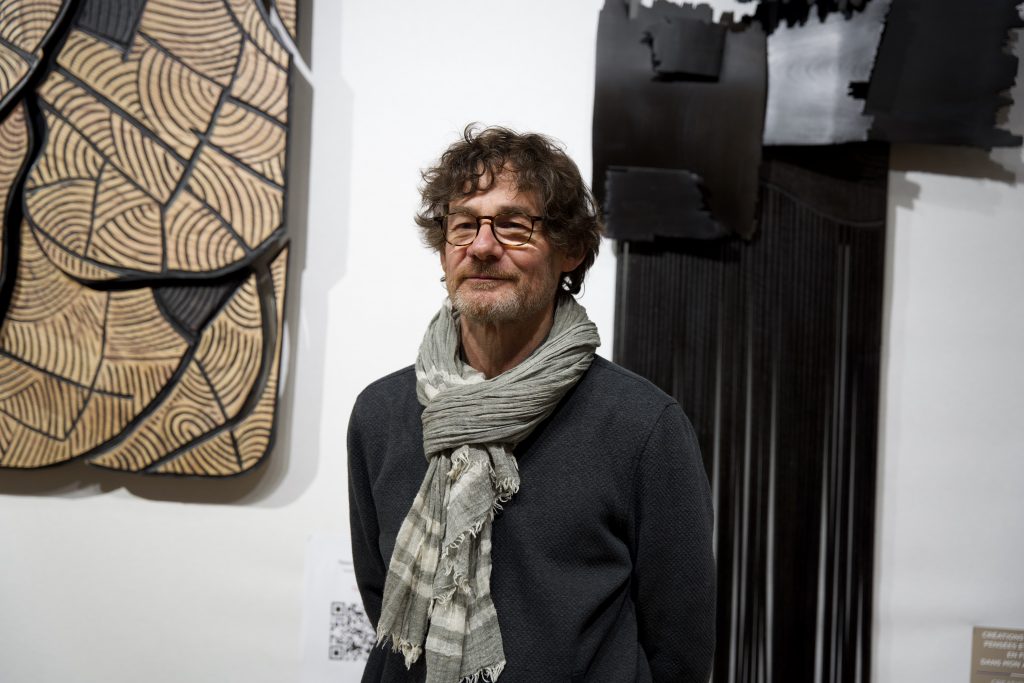
Thierry Laudren

At Maison & Objet, Thierry Laudren presents sculpted furniture where function, material and slowness shape a presence.

ISSUE #3

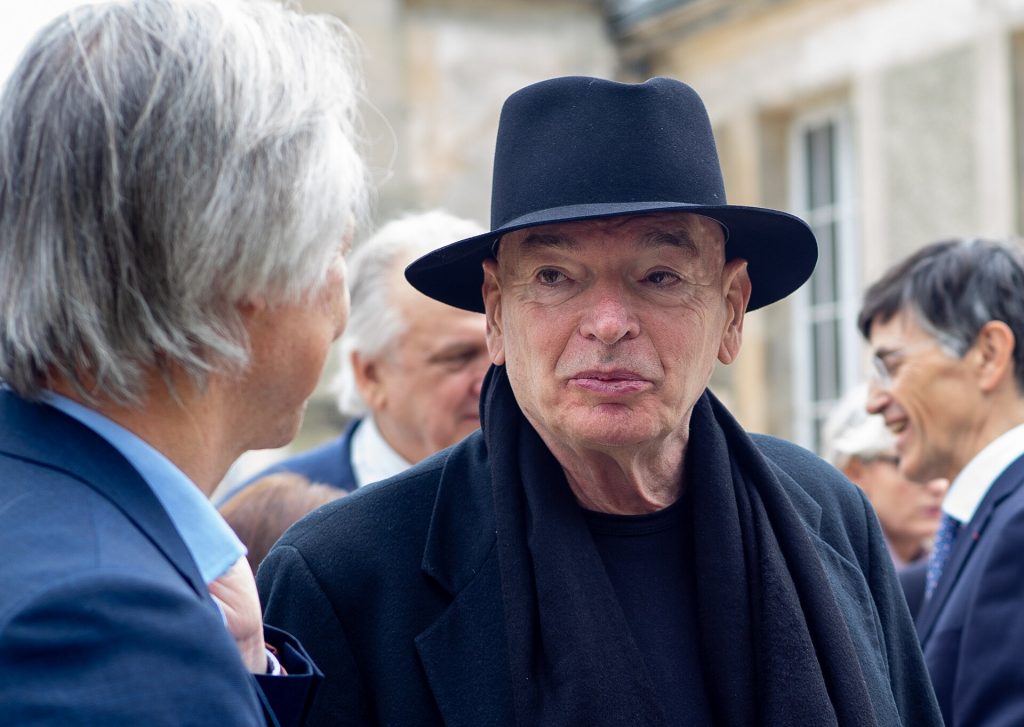
Jean Nouvel

Jean Nouvel designs architecture that is attentive to context, where light, history and usage shape each project.

ISSUE #3

Sophie Morel

In Lyon, Sophie Morel renovates historic buildings, combining respect for the original structure with a contemporary style.

ISSUE #3

Pascal Grasso

At the Centre d’Études Picasso, the architect has created an architectural design in which light, geometry and heritage interact with precision.

ISSUE #2

Alexandre Danan

Interview with the founder of EDO (European Design Office)

ISSUE #2

Aziz Temimi

Portrait of a visionary who transforms the art of hospitality into a total experience.

ISSUE #1

Faces, gestures, inspirations

Personalities, artisans and creators who give the celebration its human depth.

ISSUE #3

Side roads: an exceptional interlude in Bordeaux

From Bordeaux to the Bassin, art, vineyards and well-being combine to create an elegant getaway in the heart of the Gironde.

ISSUE #2

Tuscany getaway

To a region of Italy steeped in history, where landscapes, culture and customs blend together in rare harmony.

ISSUE #1

Horizons, seasons, traditions

Destinations and rituals that reinvent the festive season, from tropical sun to winter markets.

Dates, addresses, invitations

Exhibitions, events and cultural landmarks to fully experience the festive season.

Registration

Inscrivez-vous pour avoir accès à l’ensemble du site WeAreKollectors.

Inscription

Inscrivez-vous pour avoir accès à l’ensemble du site WeAreKollectors.