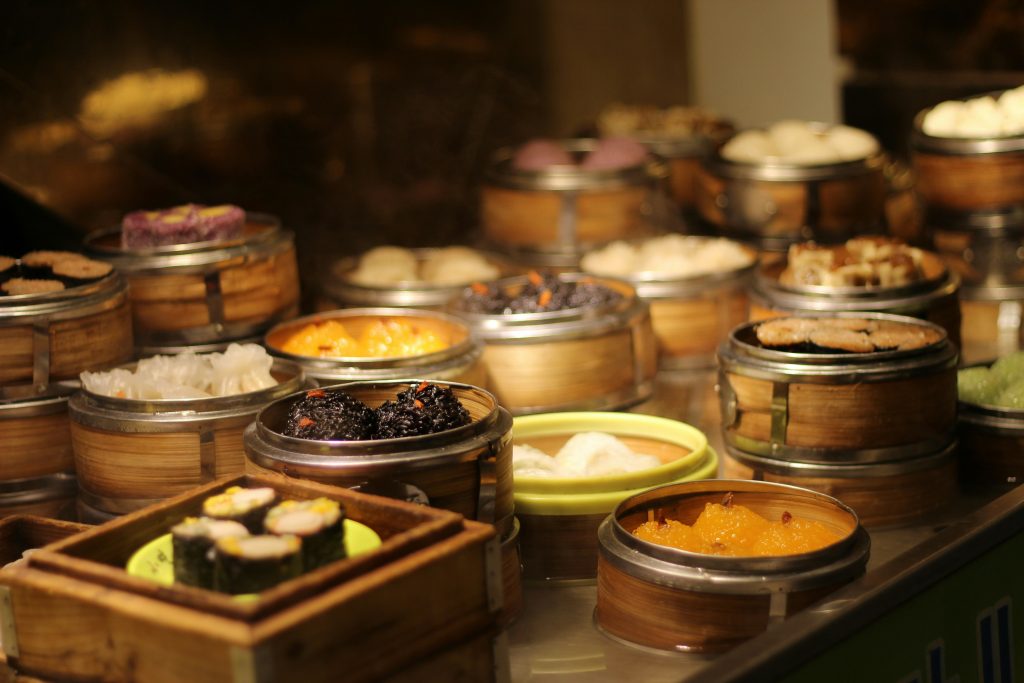
Some places on Earth offer an eating experience that is like reading an entire story. Not just a menu or a recipe. It is a tale woven from migrations, volcanoes, trade routes, wars and reconciliations. These places could be called lands of flavour. They are territories where the climate, terrain, collective memory and biodiversity have come together to create something unique on the plate. Not by chance, but by destiny.
Deb Dowd ; Unsplash
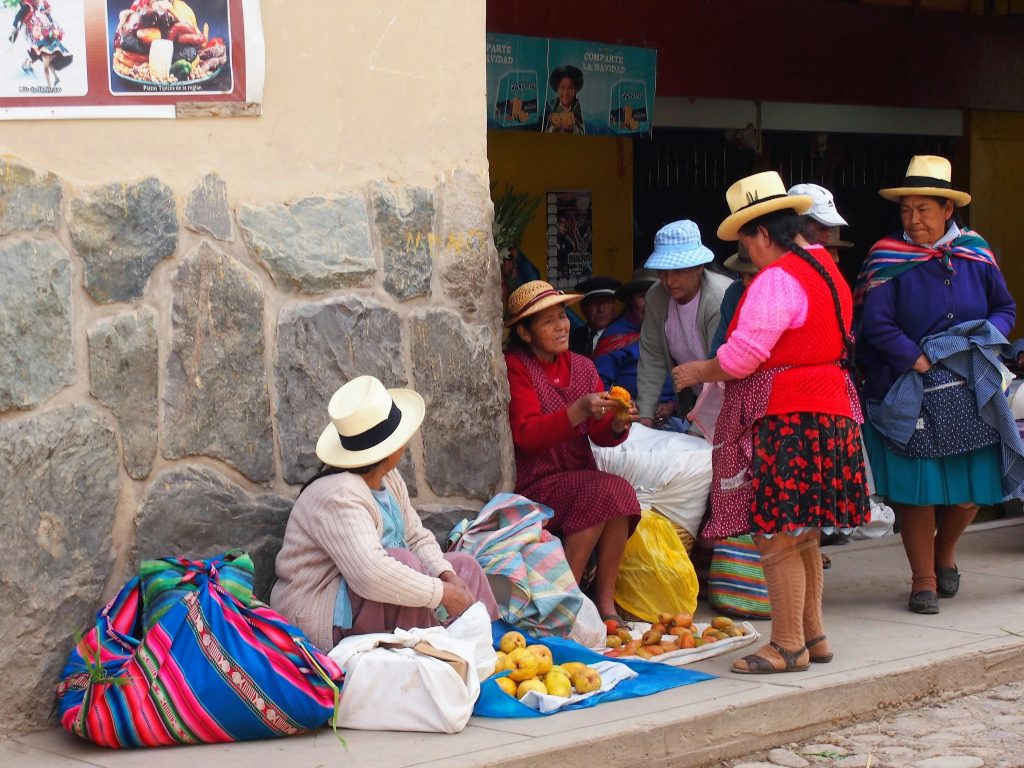
If world cuisine had a secret capital, many chefs would say it was Lima. Since 2012, Peru has consistently won the “World’s Leading Culinary Destination” title at the World Travel Awards. This isn’t just a marketing ploy, but the result of thousands of years of biodiversity.
The country is home to over three thousand varieties of potato, around fifty-five species of maize, and hundreds of different chillies. The Andes, the Amazon and the Pacific coast all coexist within the same territory, creating microclimates so varied that within a radius of just a few hundred kilometres, produce can be found that will never be seen in other countries. The papa amarilla, a Peruvian yellow potato, has such a creamy texture that it has been bred specifically over centuries to withstand frost at high altitudes. It is natural selection transformed into gastronomy.
Ceviche sums all this up perfectly: It is made with fish caught in the Pacific that very morning, marinated in lime juice (brought over by the Spanish conquistadors), spiced with local chillies, and served with Andean maize. It is a product of the sea, the mountains and colonial history all on one plate!
Then there’s lomo saltado. A stir-fry of beef, tomatoes and chips, flambéed in a wok and drizzled with soy sauce. It is a 100% Peruvian dish, invented by Chinese immigrants who arrived in the 19th century to build the railways. Known as the Chinos, these workers adapted their cooking techniques to local ingredients, giving rise to ‘chifa’ cuisine — a fusion that has existed for 150 years and which Peruvians now consider part of their heritage.

Kobby Mendez ; Unsplash
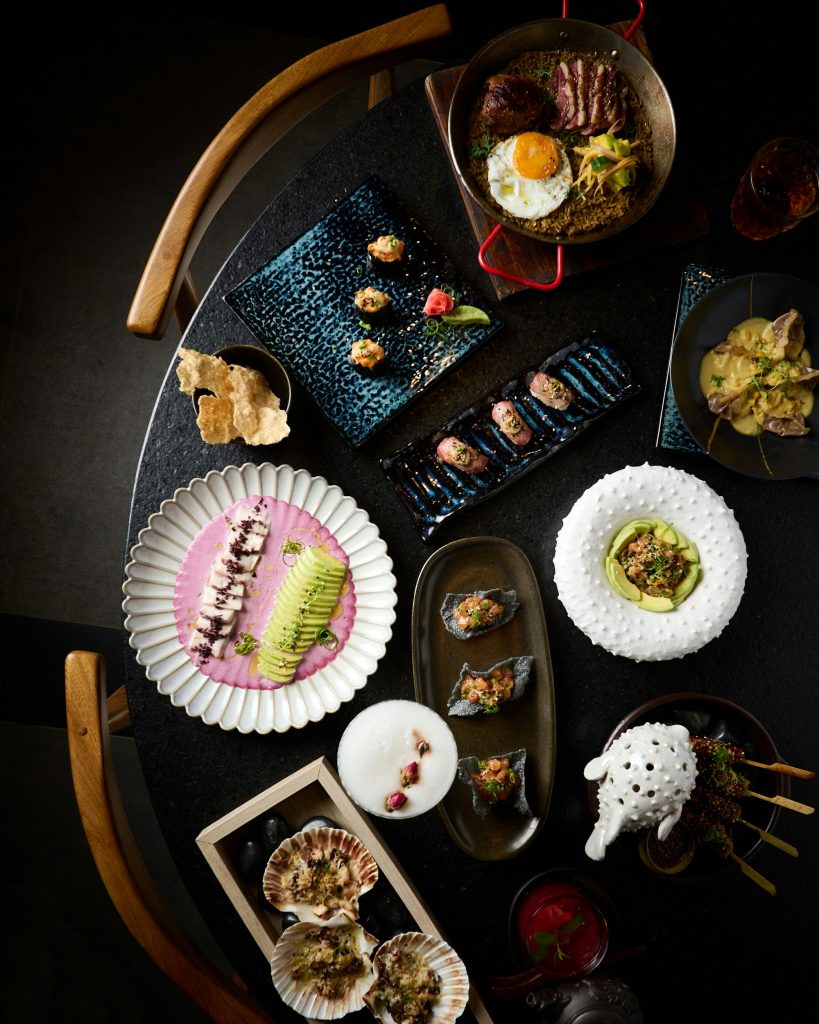
Similarly, there is Nikkei cuisine. Born out of Japanese immigration to Peru from 1899 onwards, it is arguably one of the most sophisticated fusions in existence. Japanese fishermen discovered the fish of the South Pacific, local chillies, and Peruvian citrus fruits. They applied their precise cutting techniques to these unfamiliar ingredients. The result is similar to ceviche, but with the precision of sashimi. It resembles tiradito, but with umami flavours that could not have been produced by Peruvian tradition alone.
Today, Nikkei cuisine can be found in Tokyo’s fine dining restaurants, on the menus of luxury cruise ships and in trendy eateries in Paris and New York. It took over a century to travel here, but it’s certainly on the move!
Alexandra Tran ; Unsplash
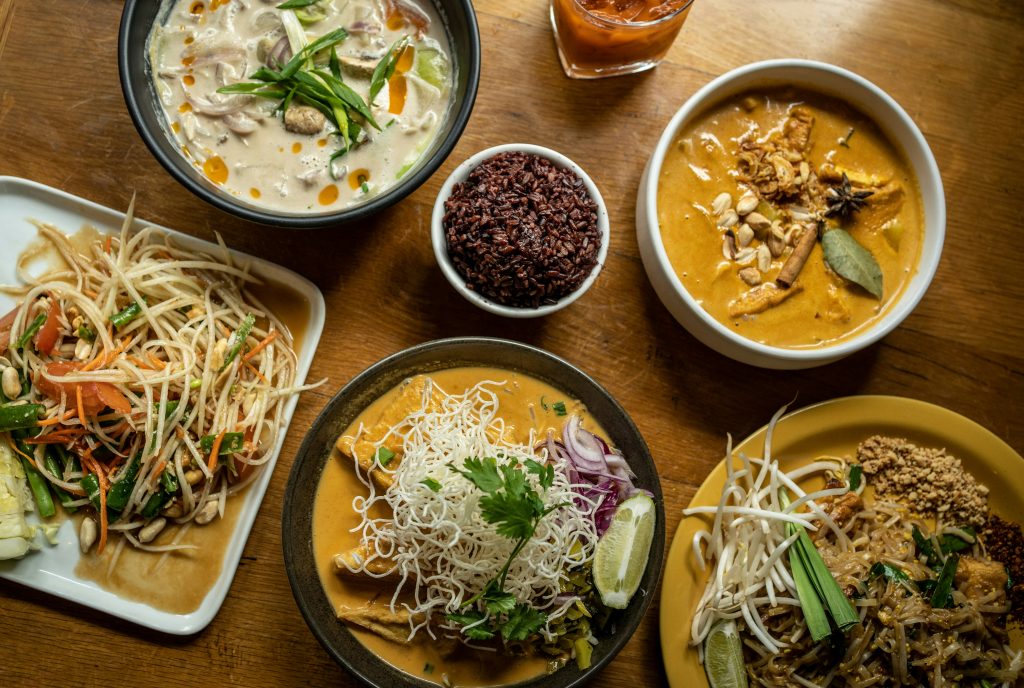
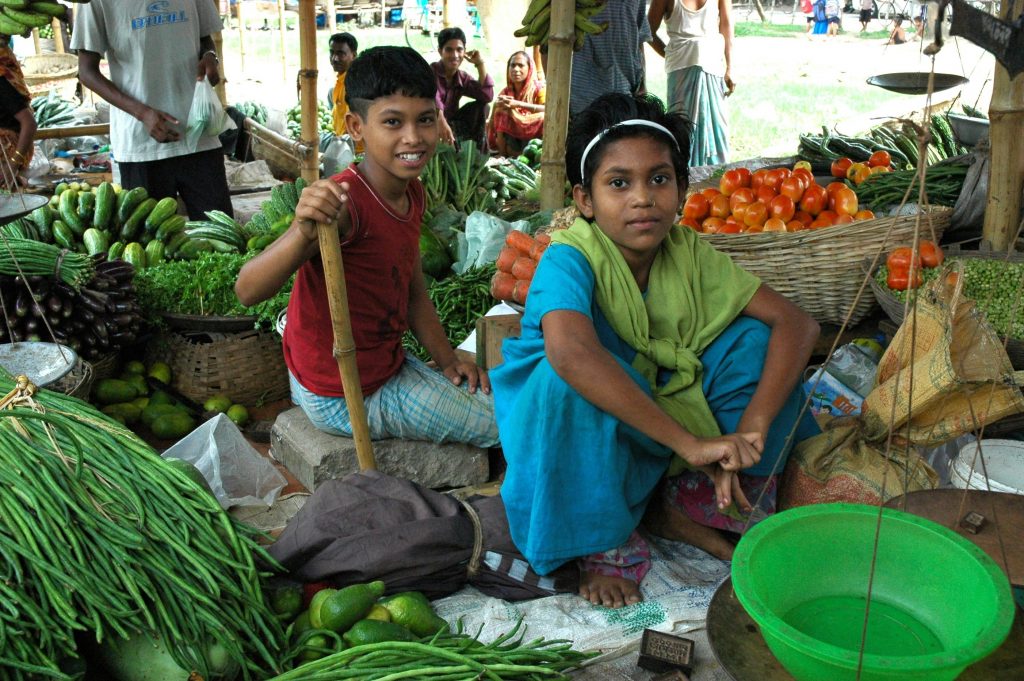
This phenomenon extends far beyond Peru. Look at Bangkok, for example, and you will see that street food is as much a way of life as it is a means of survival. Thai night markets are not just tourist attractions. Every dish plays on all four taste profiles: sweet, salty, sour and spicy. Thai cooks learn to strike this balance from childhood, and it is one that Michelin-starred chefs from around the world now come to study first-hand. Thailand is one of the countries in South-East Asia with the most Michelin-starred restaurants, yet half of its cuisine is eaten on the street, standing up, for less than a euro!
Morocco, however, sings a different tune. Its flavours tell a story of history. The tagine, for example, brings together centuries of Berber, Arab, Andalusian and French influences in a single dish. Honey and almond pastries preserve the memory of the caravanners who crossed the Sahara. The medinas of Marrakech and Fez are living museums and laboratories where street food and haute cuisine coexist without competing with one another.
In contrast, the Nordic countries have transformed scarcity into an asset. Scandinavian cuisine, long dismissed, has become a global benchmark in just twenty years. The New Nordic movement, which emerged in Copenhagen in the early 2000s, is based on the idea that fermentation, wild herbs, smoked fish and root vegetables can be just as sophisticated as palace cuisine. Austere nature as a gastronomic manifesto. Copenhagen’s restaurant Noma has been voted the world’s best on several occasions and serves dishes containing ants, pine needles and raw North Sea prawns.
Wonderlane ; Unsplash
What ties all this together is the growing popularity of culinary tourism. Not the kind where you simply eat local food because it’s recommended in a guidebook. Rather, it is the deeper version involving stays on farms, visits to farmers’ markets and cooking classes in Peru, where you discover that the papa huayro grows at an altitude of four thousand metres and that preserving it in Andean ice is called chuño — a technique dating back two thousand years. Travelling to eat becomes a way of encountering entire farming communities and minorities, for whom cuisine is often their only visible heritage, as well as learning about struggles for biodiversity.
The next culinary frontiers are set to emerge from West Africa, the Balkans, and the Georgian Caucasus. These regions have vast culinary resources and little-documented traditions, and their young chefs are beginning to articulate – and present – the dishes their grandmothers used to cook. Georgia, for instance, has produced wine for eight thousand years using earthenware jars known as qvevri. This is one of the world’s oldest winemaking traditions and has recently been rediscovered by natural wine enthusiasts worldwide.
A land of flavours is never defined solely by its scenery. It acts, it speaks, and it passes on its heritage. All you need to do is sit down, take a moment, and really listen to what’s on your plate.
Février, 2026
Créer avec l’existant, penser avec l’histoire
De l’architecture au design, cette édition explore comment lieux, savoir-faire et matières héritées deviennent terrains de création actuelle.
Janvier, 2026
Le luxe se réinvente.
Finis les logos clignotants, place à une sobriété raffinée, à l’immersion personnelle, à l’excellence artisanale, à la durabilité sensible.
Décembre, 2025
Héritages, gestes contemporains et plaisirs essentiels
Parce que la fête n’est jamais qu’apparence : elle reflète notre manière d’habiter le monde, de transmettre, de fabriquer des souvenirs durables.
ÉDITION #3
Upcycling et kintsugi transforment l’objet contemporain, faisant de la trace, de la réparation et de la matière un langage esthétique.
ÉDITION #3
Artisans et designers donnent une seconde vie aux matériaux anciens, entre création contemporaine, patrimoine et réemploi.
ÉDITION #3
Bunkers, wagons et kiosques renaissent grâce à la création, révélant comment l’art redonne sens aux lieux délaissés.
ÉDITION #2
Un regard transversal sur le quiet luxury à travers des lieux, des objets et des figures qui expriment l’élégance.
ÉDITION #1
Une sélection de marques, architectures, objets et escapades qui donnent corps au sens de la fête.
ÉDITION #3
Usines et gares délaissées deviennent lieux culturels ouverts, où mémoire industrielle et usages contemporains redessinent la ville.
ÉDITION #3
L’audacieuse métamorphose d’un palace parisien
ÉDITION #3
Au cœur du Marais, un lieu discret révèle comment archives, architecture et recherche font dialoguer l’œuvre de Picasso.
ÉDITION #2
Une expérience shopping unique dans un magasin emblématique.
ÉDITION #2
Voyage culinaire et architectural au cœur de la Seine
ÉDITION #2
Dans le 9e arrondissement, un établissement qui invite au quiet luxury
ÉDITION #1
Chante! vient d’ouvrir ses portes. Une invitation à vibrer !
ÉDITION #3
Icône du paysage français, la boîte jaune change de statut et s’invite dans l’univers du design.
ÉDITION #3
L’édition 2026 affirme une vision où artisanat, design et mémoire façonnent l’habitat contemporain, international actuel.
ÉDITION #3
Cent ans après 1925, l’Art déco revient dans nos villes et intérieurs avec géométrie, audace, optimisme.
ÉDITION #3
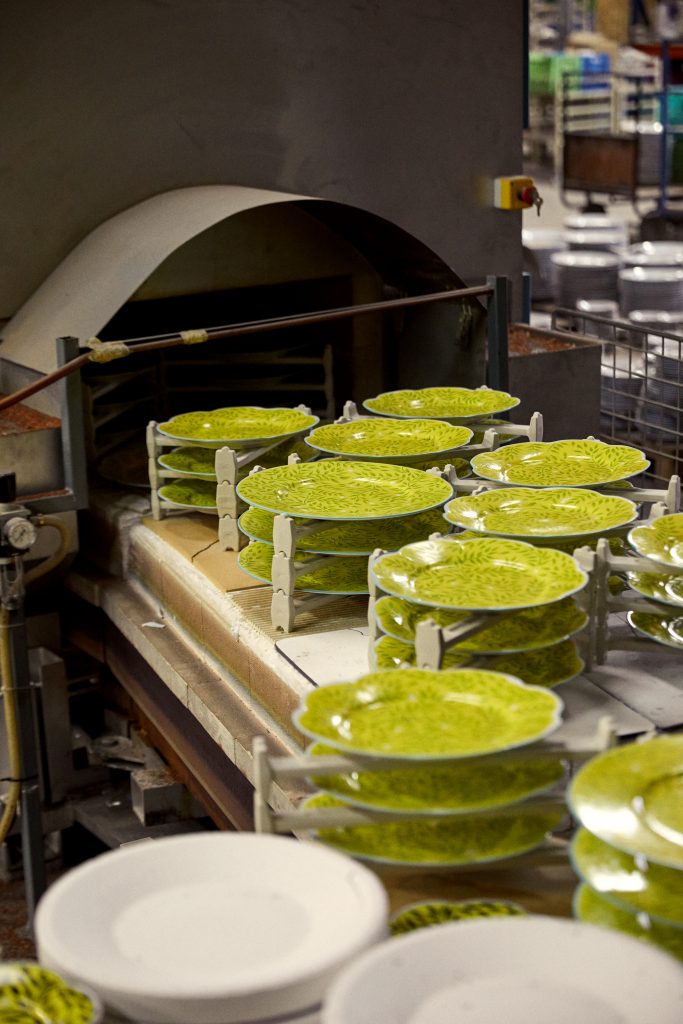
Depuis plus de deux cents ans, Royal Limoges conjugue porcelaine, savoir-faire industriel et création contemporaine.
ÉDITION #3
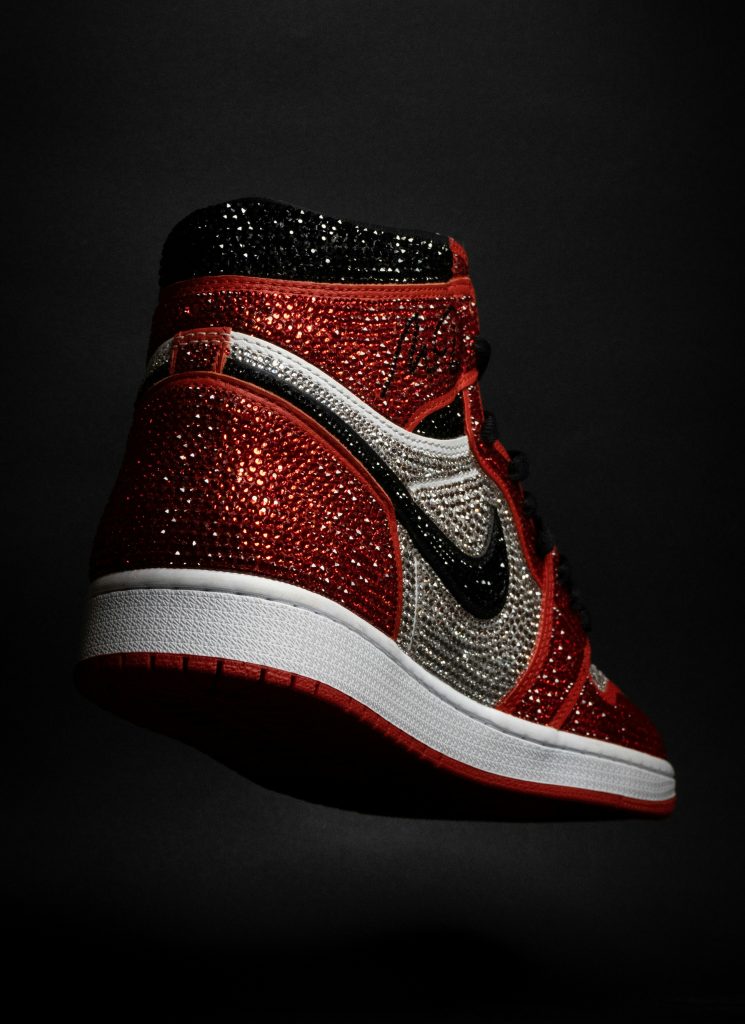
Des terrains de sport aux podiums, la sneaker raconte un siècle de mutations culturelles, techniques et stylistiques.
ÉDITION #2
Design, mode, artisanat : des créations où la forme et la matière se répondent avec justesse, loin de tout effet de mode.
ÉDITION #1
Décorations artisanales, calendriers ultra-luxe et pièces de collection pour s’enivrer de joie avant l’heure.
ÉDITION #3
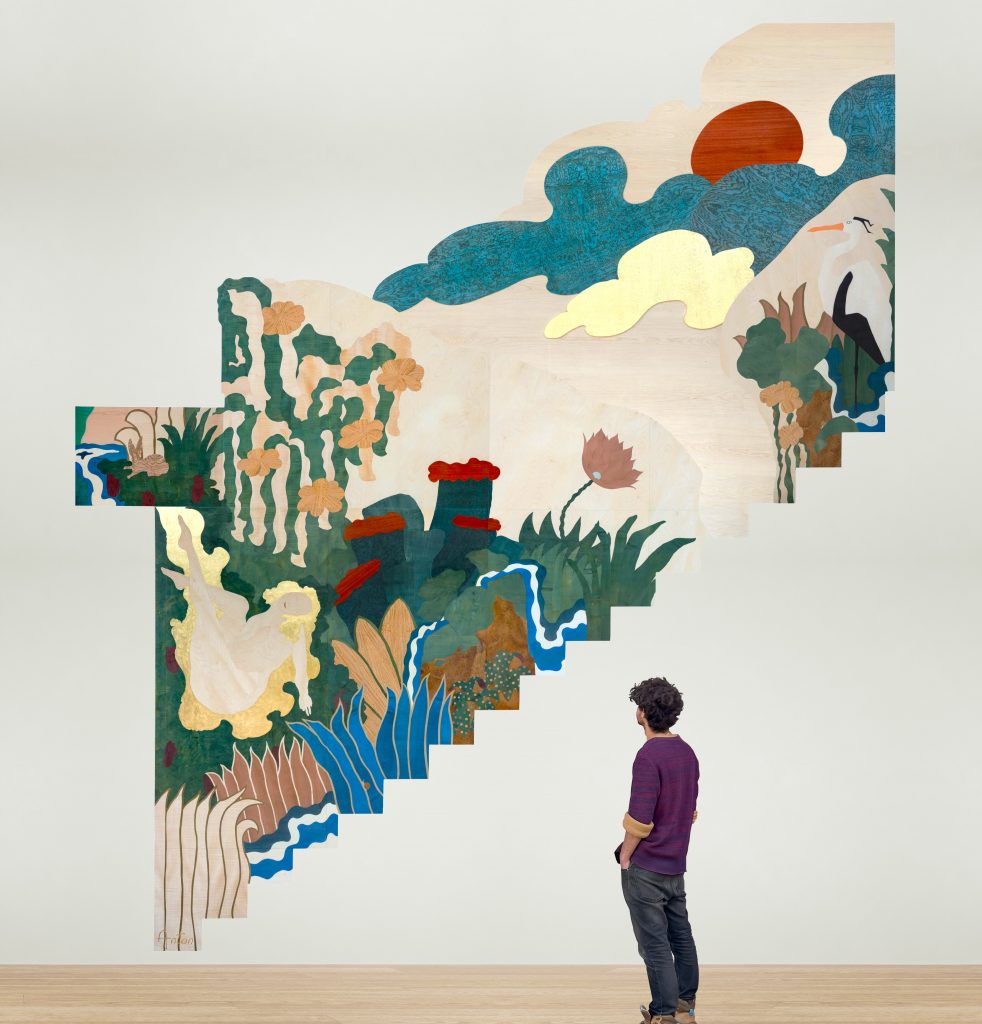
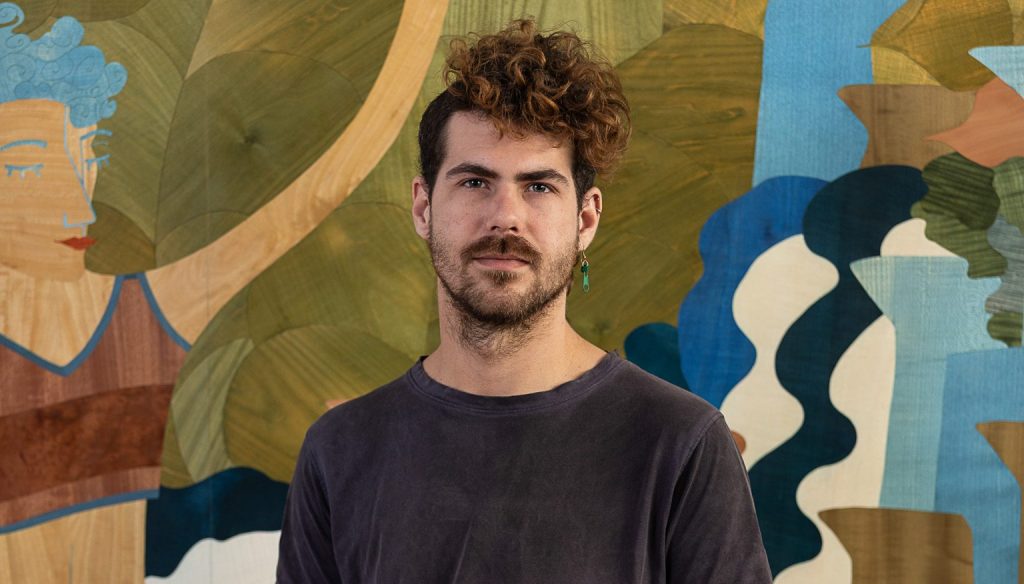
Entre marqueterie monumentale et jungle symbolique, Anton Laborde transforme le bois en récit contemporain poétique engagé.
ÉDITION #3
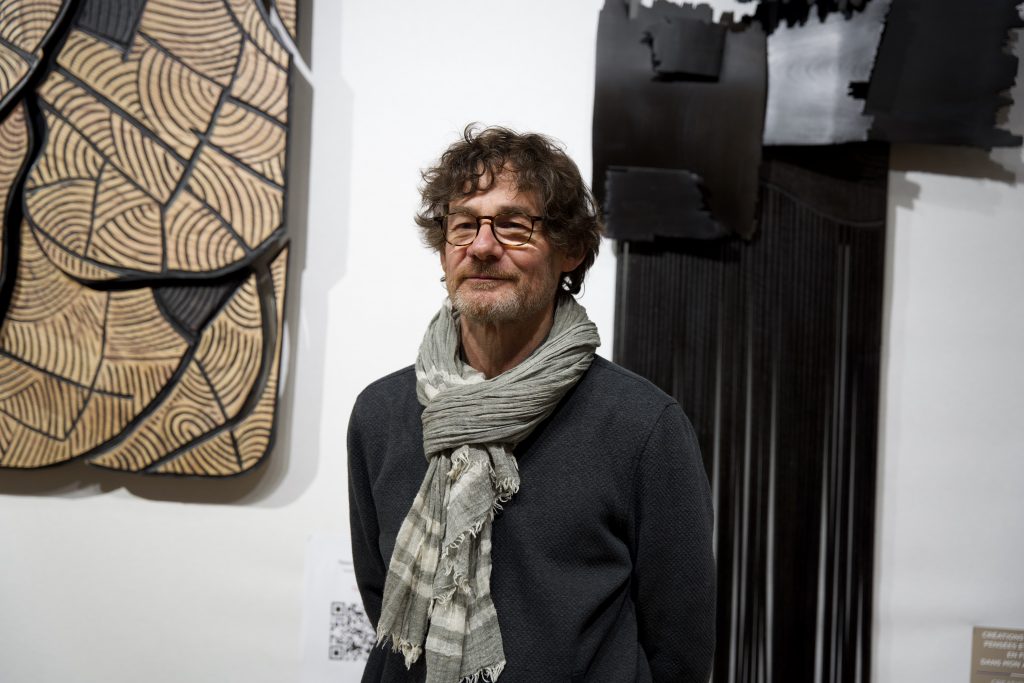
À Maison & Objet, Thierry Laudren présente des meubles sculptés où fonction, matière et lenteur façonnent une présence.
ÉDITION #3
Jean Nouvel conçoit une architecture attentive aux contextes, où lumière, histoire et usages façonnent chaque projet.
ÉDITION #3
À Lyon, Sophie Morel rénove des lieux historiques en alliant respect du bâti et écriture contemporaine.
ÉDITION #3
Au Centre d’Études Picasso, l’architecte compose une architecture où lumière, géométrie et héritage dialoguent avec précision.
ÉDITION #2
Entretien avec le fondateur d’EDO (European Design Office)
ÉDITION #2
Portrait d’un visionnaire qui transforme l’art de recevoir en expérience totale.
ÉDITION #1
Personnalités, artisans et créateurs qui donnent à la fête sa profondeur humaine.
ÉDITION #3
De Bordeaux au Bassin, art, vignobles et bien-être composent une échappée élégante au cœur de la Gironde.
ÉDITION #2
Vers une région de l’Italie habitée par le temps, où paysages, culture et usages s’accordent dans une continuité rare.
ÉDITION #1
Destinations et rituels qui réinventent la fête, du soleil tropical aux marchés d’hiver.