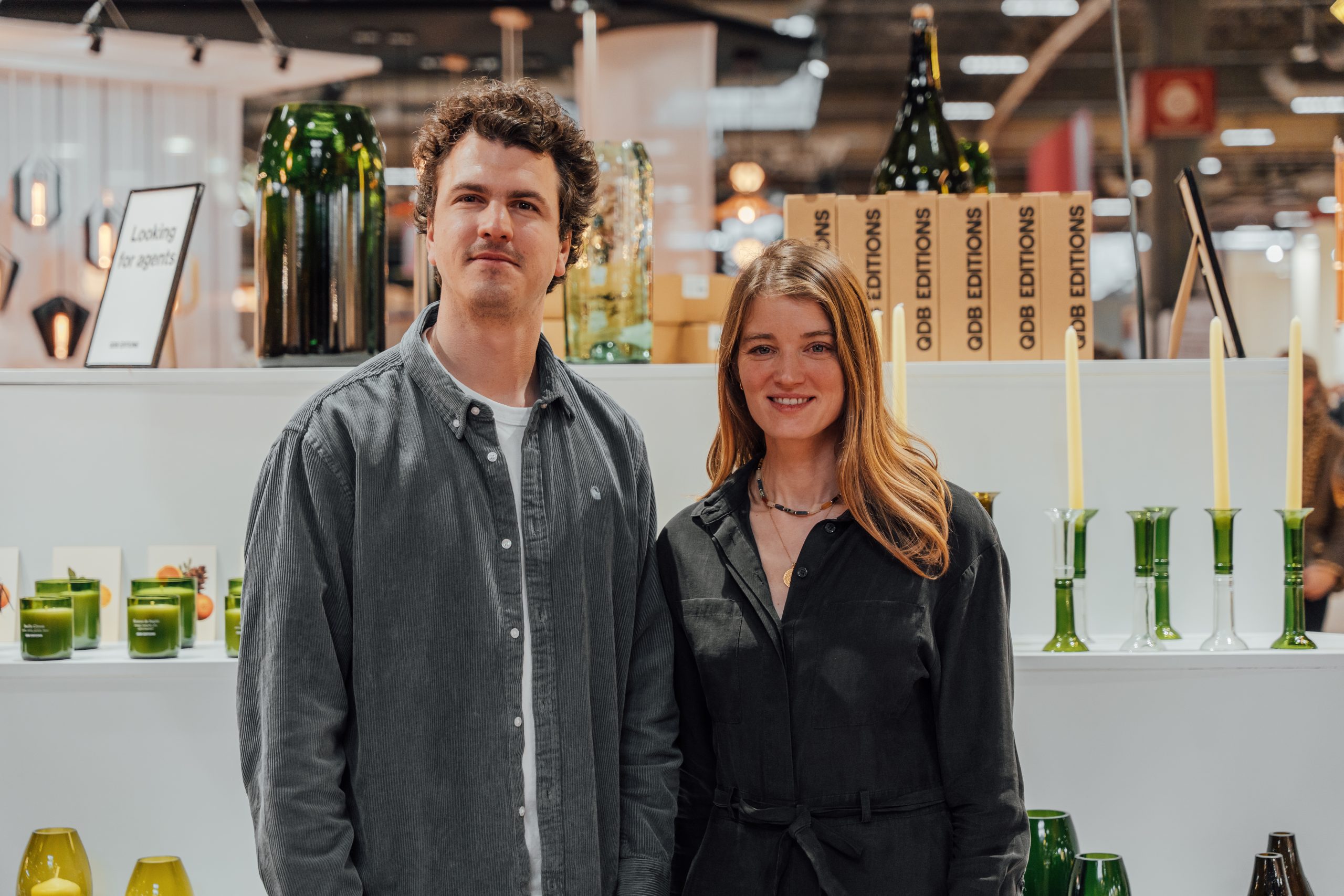
In 2016, two young entrepreneurs travelled the length and breadth of the French coast with a lorry full of glass cut from empty bottles. Today, their company is called QDB Éditions and collaborates with renowned designers, architects, and perfumers. Throughout this journey, the material has remained the same: glass. Telling the story of Q de Bouteille becoming QDB Éditions means tracing the evolution of a simple idea into a contemporary design house.
WeAreKollectors Magazine
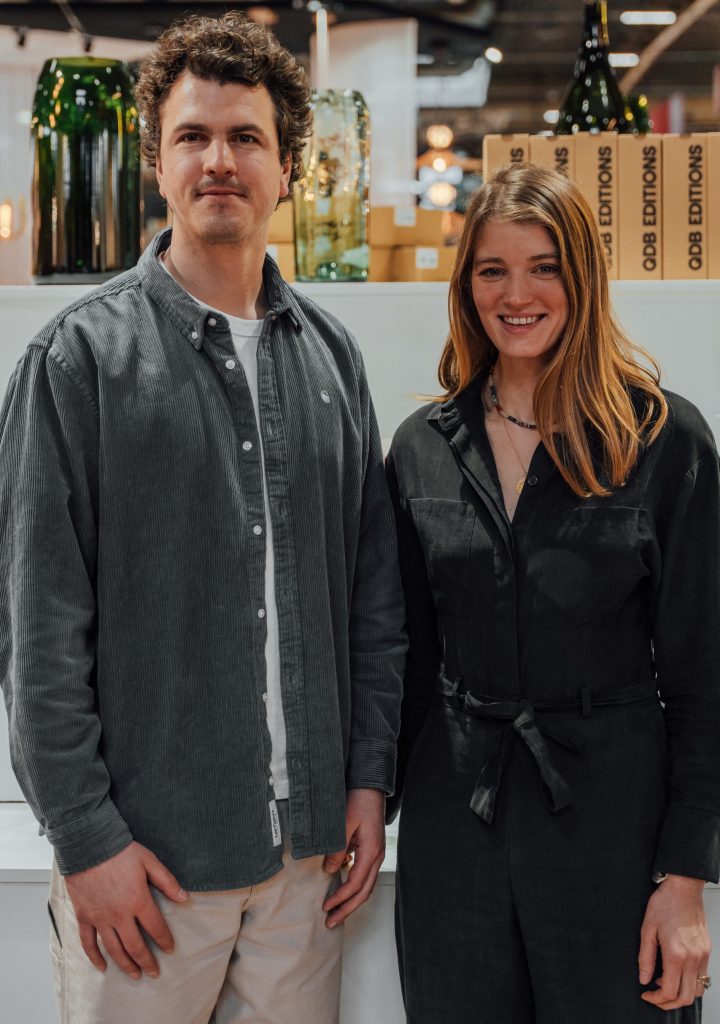
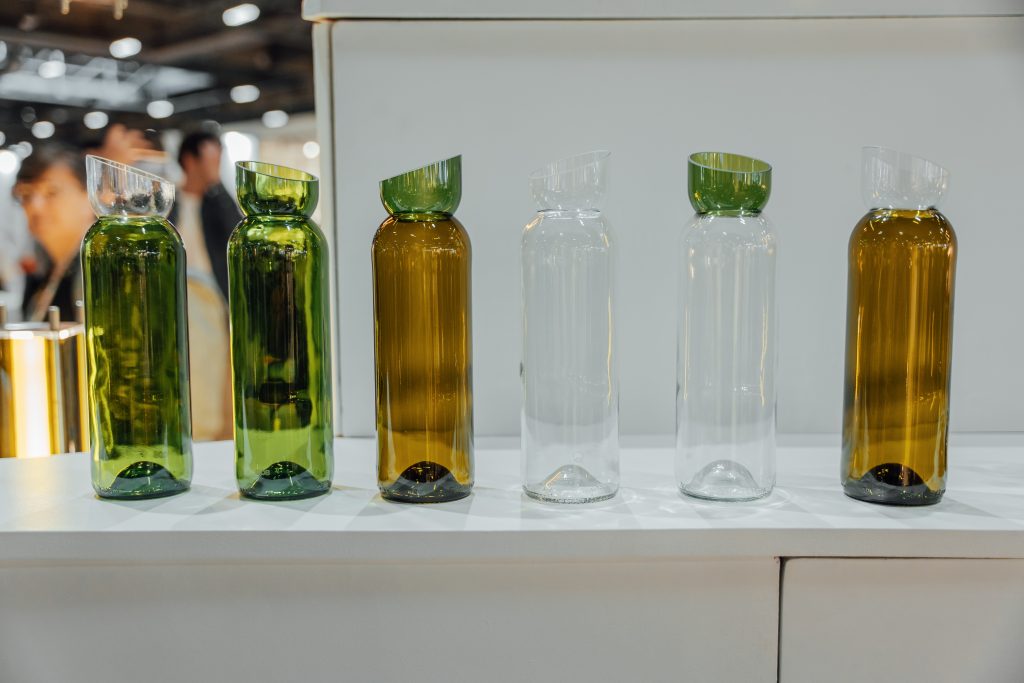
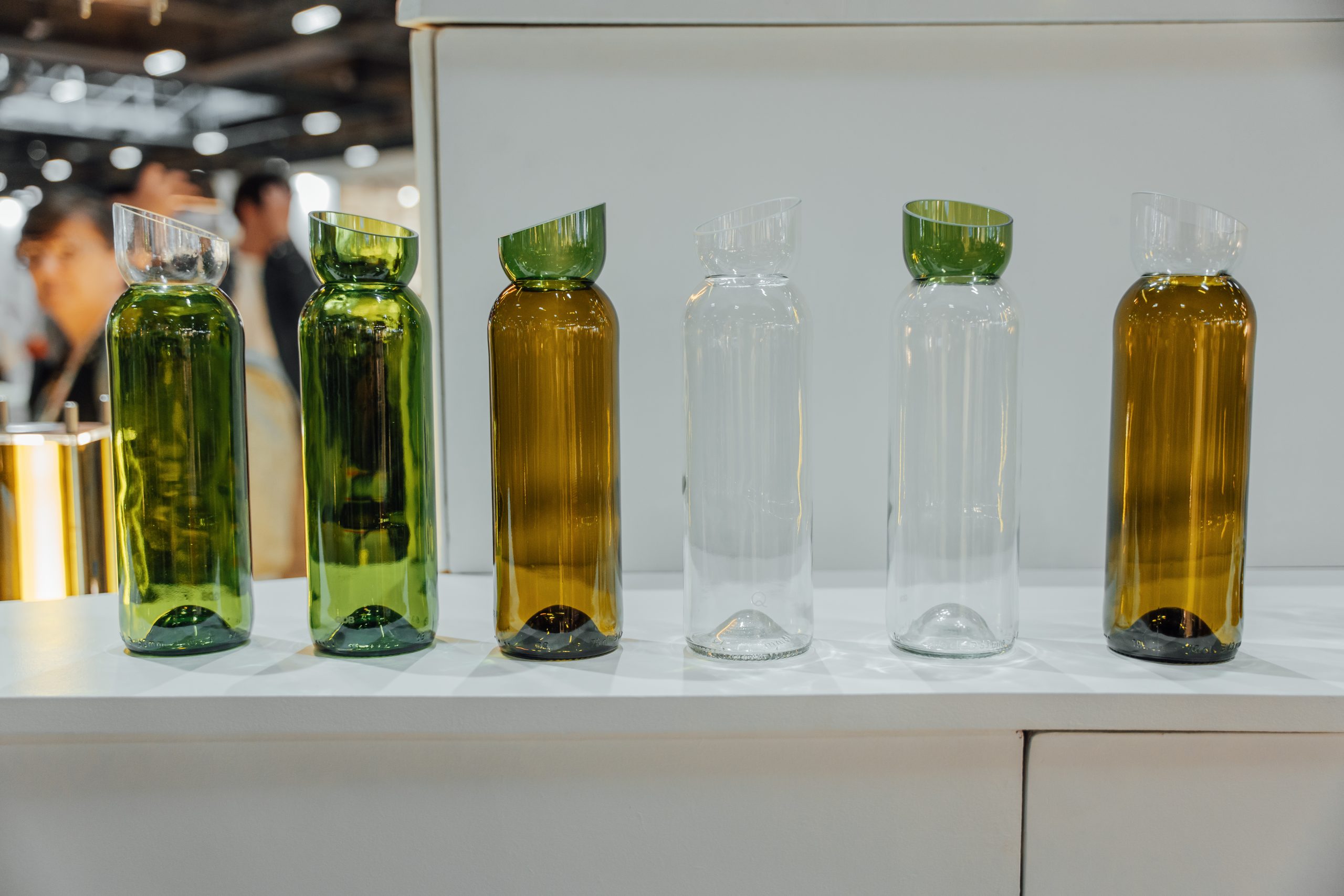
The story of Q de Bouteille began with an idea that seemed almost obvious. “We started with a very simple concept: take a glass bottle and cut it in half to repurpose the object,” says Gauthier. This concept had already been implemented elsewhere, but no one had developed it into a comprehensive range of tableware and decorative items.
At the age of 23, Gauthier and Victoire set off with two friends on a summer tour along the French coast. In their truck, they had only a few items: glasses and vases. By the end of the summer, they had sold a thousand glasses and filled their order book. “We came back with an empty truck and realised that the product had potential,” Gauthier recalls. Upcycling was beginning to resonate with a generation searching for meaning and sustainability.
WeAreKollectors Magazine
The early days were spent building relationships with restaurateurs. Very quickly, Michelin-starred restaurants in northern France began using the cut-glass items. The bottle, a witness to a meal, returns to the table in a new guise. The object’s status changes.
“We were fortunate to have our products on some very beautiful tables,” explains Victoire. Being present in these establishments lends credibility to the young brand. Participating in Maison&Objet for the first time quickly opened the doors to around fifty retailers.
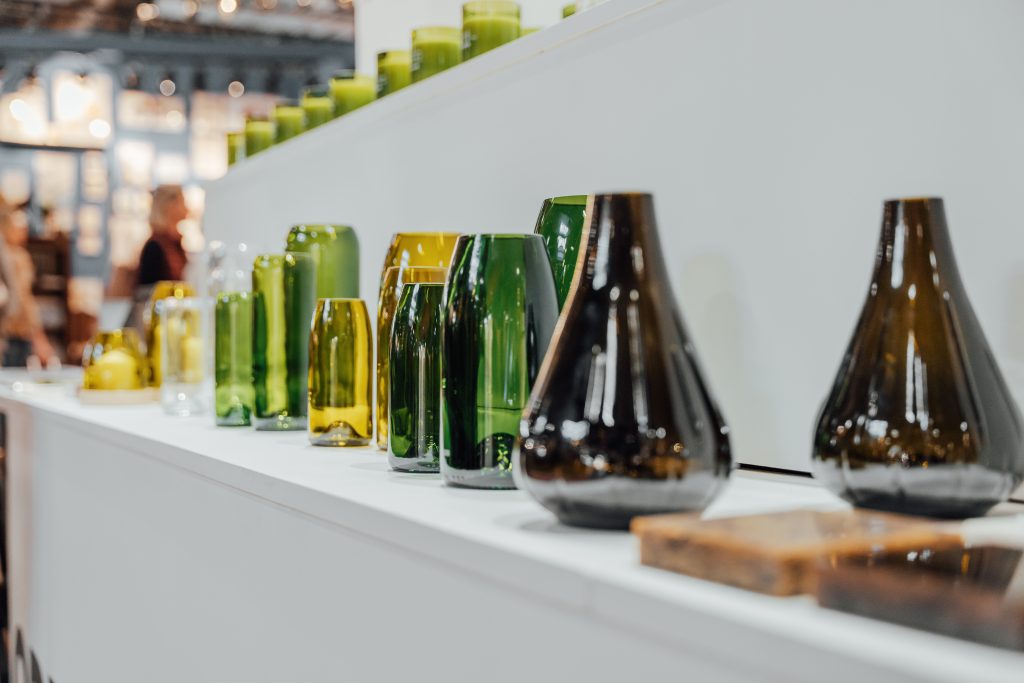
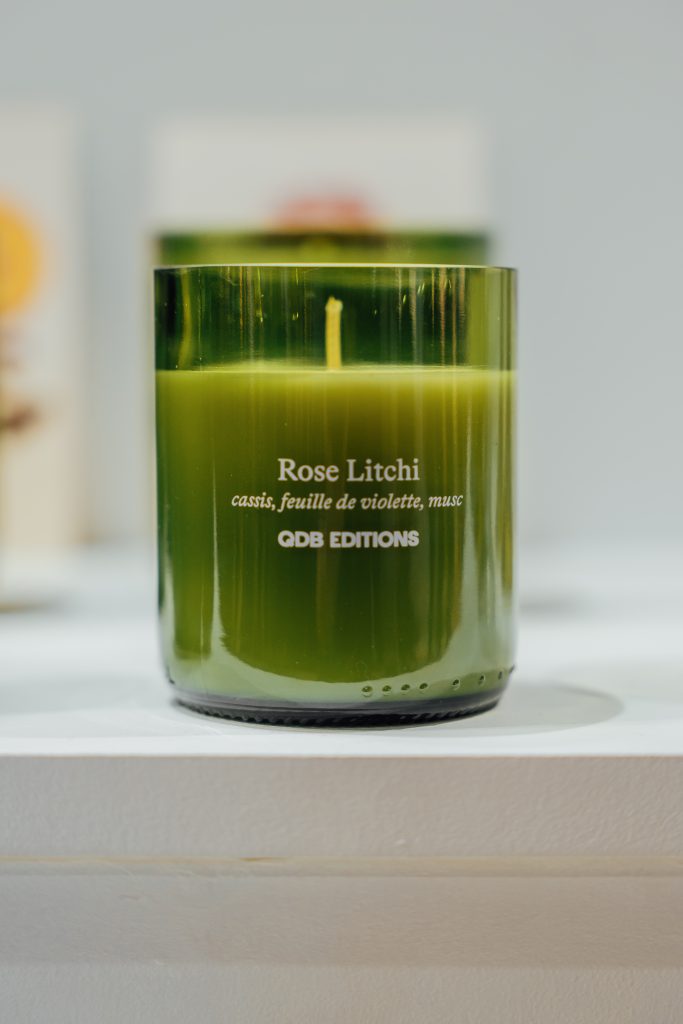
The catalogue gradually expanded. Glasses were joined by vases, and then scented candles. ‘Today, we design, manufacture and market tableware and decorative items. We have over a hundred products,” says Victoire. The company is growing in size while remaining consistent in its choice of materials.
WeAreKollectors Magazine
In Cucq, in the Pas-de-Calais region, the workshop became the company’s centre of gravity. The work remained manual, without large-scale automation. Each piece retains nuances linked to the original bottle’s colour and curve.
Initially, the cutting process involved a basic thermal shock: a wire soaked in alcohol was set alight around the glass. Over time, the process evolved, the equipment was perfected and standards increased. Manufacturing was internalised from the outset, enabling control over every stage.
“Providing the materials and our expertise to continue creating desirable and durable objects” sums up Gauthier. The workshop became a laboratory where glass interacted with other materials, such as stainless steel, marble and opaline, while remaining central to the process.
WeAreKollectors Magazine
As the company developed, a philosophy emerged. For the founders, each bottle carries the memory of a shared moment: a lively debate; laughter; seduction. This vision gave rise to collections with evocative names: Danser (Dance), Débattre (Debate), Rire (Laugh) and Buller (Relax).
“A bottle bears witness to moments in life,” says Victoire. Cut glass retains this symbolic significance. On a table, it tells a subtle story.
The brand is also expanding its range of products. Using collage and adaptation techniques, the workshop transforms champagne, perfume and cosmetic bottles. “We adapt our expertise to their containers, which enables us to upcycle all types of glass on a larger scale,” explains Gauthier. The material circulates from one industry to another, from gastronomy to perfumery..

WeAreKollectors Magazine
For its tenth anniversary in 2026, Q de bouteille becomes QDB Éditions. The name change marks a strategic evolution. The company no longer defines itself solely by bottle recycling, but by an editorial approach open to creators.
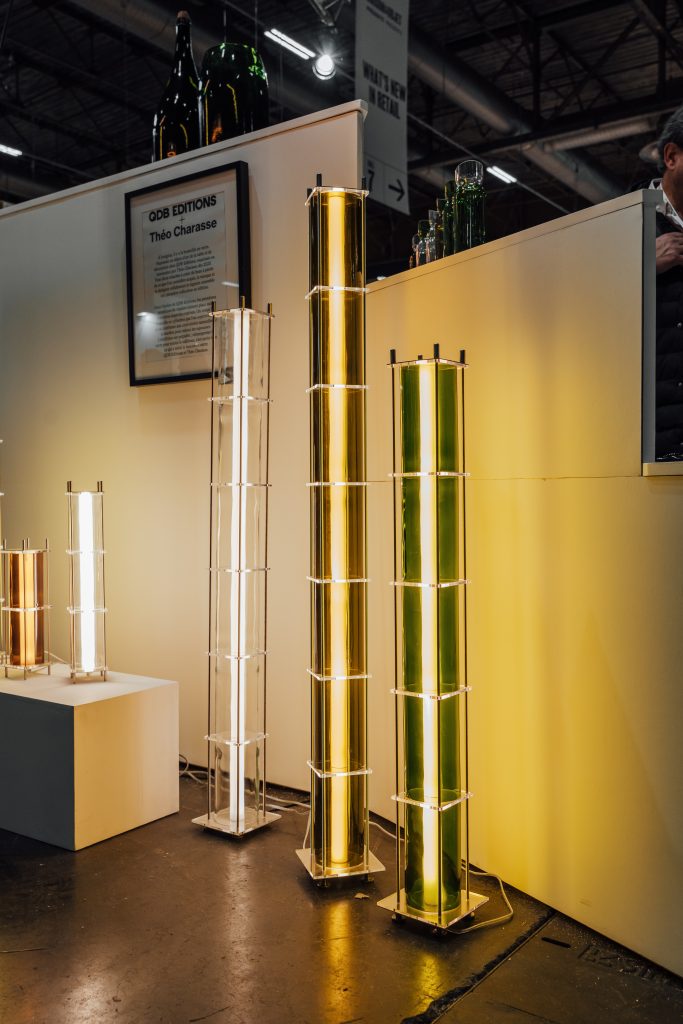
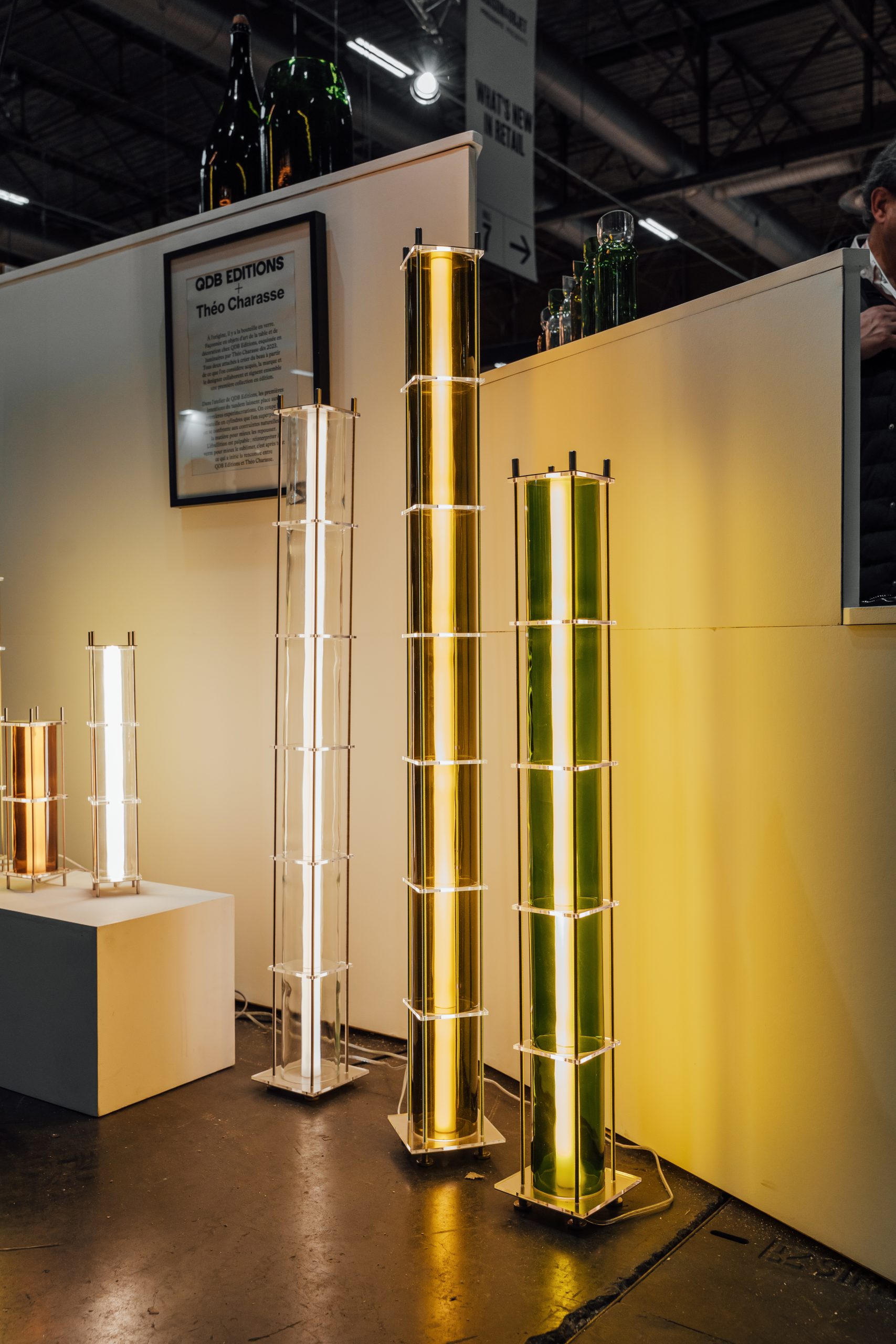
The collection includes twelve items, such as table lamps, floor lamps and pendant lights.
“This is the first time we’ve designed a designer’s work,” says Victoire. Glass leaves the table and takes over the space. QDB Éditions is thus affirming its ambition to engage in dialogue with architects and interior designers while retaining its artisanal roots.
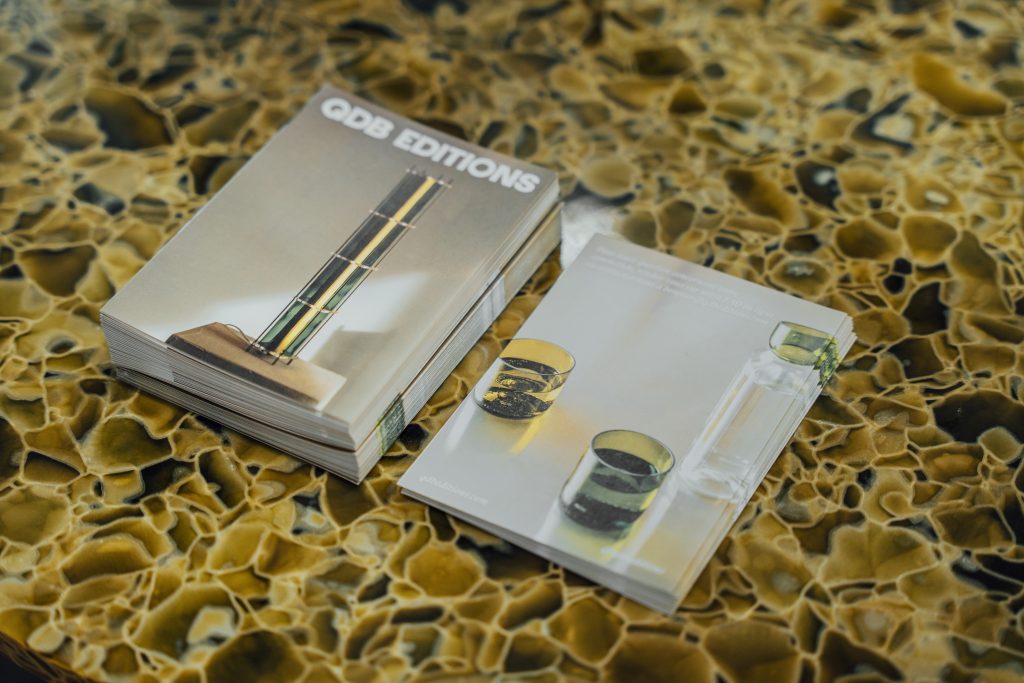
Research into production waste continues. These fragments have given rise to a new material: glass marble, which can be used for tabletops, washbasin tops, and cladding. The first samples reveal the interplay of transparency linked to the colours of the bottles: green, cinnamon, dead leaf and colourless.
“We’re fully immersed in this glass marble project. The idea is to create beautiful pieces for architects, interiors and artistic projects,” says Victoire. Gauthier also mentions the desire to make the company more international.
Ten years after launching, QDB Éditions employs around fifteen people and has over 180 products in its range. A simple gesture has given rise to a company that has surpassed its initial concept. Glass, a fragile material, has become the guiding thread of this bold French company.
Victoire et Gauthier présentent QDB Éditions et le concept qui a lancé la marque : couper des bouteilles en verre pour créer des objets durables pour la table et la maison.
Les fondateurs reviennent sur leurs débuts : un camion, la côte française et mille premiers verres vendus en un été.
Aujourd’hui, QDB Éditions propose plus de 100 références et se développe avec de nouvelles créations, notamment des luminaires design.
Les chutes de verre deviennent un nouveau matériau pour l’architecture et le mobilier, avec l’ambition de projets internationaux.
Février, 2026
Créer avec l’existant, penser avec l’histoire
De l’architecture au design, cette édition explore comment lieux, savoir-faire et matières héritées deviennent terrains de création actuelle.
Janvier, 2026
Le luxe se réinvente.
Finis les logos clignotants, place à une sobriété raffinée, à l’immersion personnelle, à l’excellence artisanale, à la durabilité sensible.
Décembre, 2025
Héritages, gestes contemporains et plaisirs essentiels
Parce que la fête n’est jamais qu’apparence : elle reflète notre manière d’habiter le monde, de transmettre, de fabriquer des souvenirs durables.
ÉDITION #3
Upcycling et kintsugi transforment l’objet contemporain, faisant de la trace, de la réparation et de la matière un langage esthétique.
ÉDITION #3
Artisans et designers donnent une seconde vie aux matériaux anciens, entre création contemporaine, patrimoine et réemploi.
ÉDITION #3
Bunkers, wagons et kiosques renaissent grâce à la création, révélant comment l’art redonne sens aux lieux délaissés.
ÉDITION #2
Un regard transversal sur le quiet luxury à travers des lieux, des objets et des figures qui expriment l’élégance.
ÉDITION #1
Une sélection de marques, architectures, objets et escapades qui donnent corps au sens de la fête.
ÉDITION #3
Usines et gares délaissées deviennent lieux culturels ouverts, où mémoire industrielle et usages contemporains redessinent la ville.
ÉDITION #3
L’audacieuse métamorphose d’un palace parisien
ÉDITION #3
Au cœur du Marais, un lieu discret révèle comment archives, architecture et recherche font dialoguer l’œuvre de Picasso.
ÉDITION #2
Une expérience shopping unique dans un magasin emblématique.
ÉDITION #2
Voyage culinaire et architectural au cœur de la Seine
ÉDITION #2
Dans le 9e arrondissement, un établissement qui invite au quiet luxury
ÉDITION #1
Chante! vient d’ouvrir ses portes. Une invitation à vibrer !
ÉDITION #3
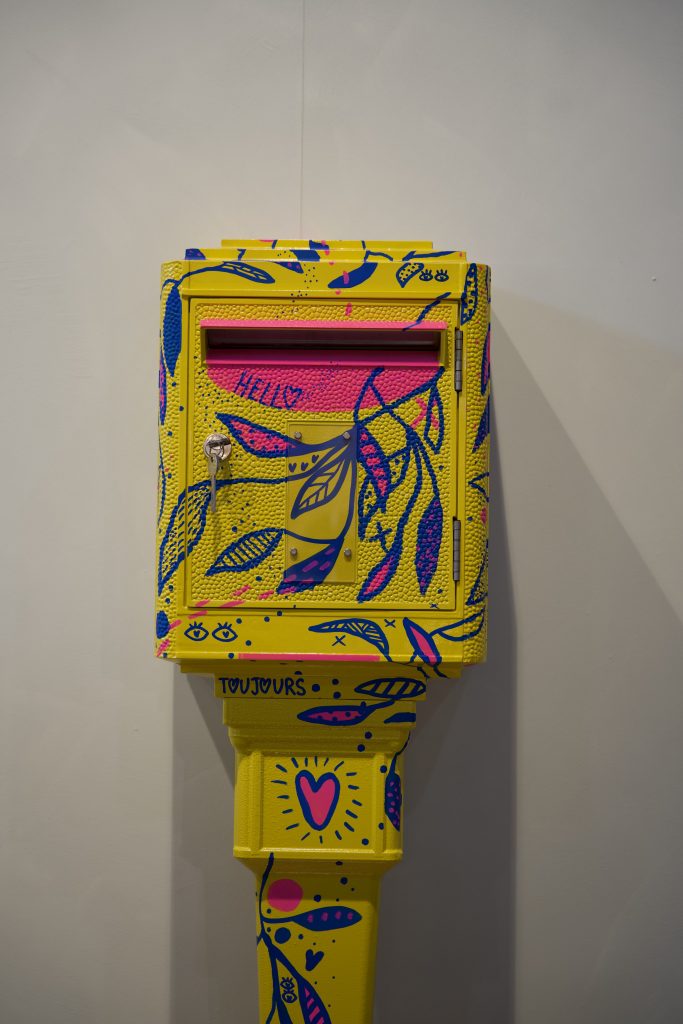
Icône du paysage français, la boîte jaune change de statut et s’invite dans l’univers du design.
ÉDITION #3
L’édition 2026 affirme une vision où artisanat, design et mémoire façonnent l’habitat contemporain, international actuel.
ÉDITION #3
Cent ans après 1925, l’Art déco revient dans nos villes et intérieurs avec géométrie, audace, optimisme.
ÉDITION #3
Depuis plus de deux cents ans, Royal Limoges conjugue porcelaine, savoir-faire industriel et création contemporaine.
ÉDITION #3
Des terrains de sport aux podiums, la sneaker raconte un siècle de mutations culturelles, techniques et stylistiques.
ÉDITION #2
Design, mode, artisanat : des créations où la forme et la matière se répondent avec justesse, loin de tout effet de mode.
ÉDITION #1
Décorations artisanales, calendriers ultra-luxe et pièces de collection pour s’enivrer de joie avant l’heure.
ÉDITION #3
Entre marqueterie monumentale et jungle symbolique, Anton Laborde transforme le bois en récit contemporain poétique engagé.
ÉDITION #3
À Maison & Objet, Thierry Laudren présente des meubles sculptés où fonction, matière et lenteur façonnent une présence.
ÉDITION #3
Jean Nouvel conçoit une architecture attentive aux contextes, où lumière, histoire et usages façonnent chaque projet.
ÉDITION #3
À Lyon, Sophie Morel rénove des lieux historiques en alliant respect du bâti et écriture contemporaine.
ÉDITION #3
Au Centre d’Études Picasso, l’architecte compose une architecture où lumière, géométrie et héritage dialoguent avec précision.
ÉDITION #2
Entretien avec le fondateur d’EDO (European Design Office)
ÉDITION #2
Portrait d’un visionnaire qui transforme l’art de recevoir en expérience totale.
ÉDITION #1
Personnalités, artisans et créateurs qui donnent à la fête sa profondeur humaine.
ÉDITION #3
De Bordeaux au Bassin, art, vignobles et bien-être composent une échappée élégante au cœur de la Gironde.
ÉDITION #2
Vers une région de l’Italie habitée par le temps, où paysages, culture et usages s’accordent dans une continuité rare.
ÉDITION #1
Destinations et rituels qui réinventent la fête, du soleil tropical aux marchés d’hiver.