Once confined to a supporting role, vegetables are now establishing themselves as one of the most captivating areas of contemporary gastronomy. A new generation of chefs is revealing the gustatory and aesthetic potential of vegetables, herbs, mushrooms, spices, edible flowers and legumes with a creativity that goes far beyond simple ‘meat-free’ cuisine.
From Alain Passard to Yotam Ottolenghi, and from Paris to Lima, these chefs are united by a shared passion: celebrating vegetables, revealing their true value and giving them the place they deserve on our plates and in our imaginations.
They all share the conviction that vegetables are not a substitute, but a noble raw material capable of inspiring the greatest emotions.

Alain Passard
At his restaurant, the renowned Parisian institution L’Arpège, Alain Passard has written one of the most memorable chapters in the history of modern cuisine. Once renowned for his mastery of meat, he initiated a gentle revolution more than twenty years ago by placing vegetables at the heart of his work.
Drawing inspiration from the produce of his vegetable gardens, he creates menus that celebrate roots, flowers and herbs, playing with textures, colours and temperatures to create subtle combinations. This approach is not just an aesthetic choice; it is the result of an intimate dialogue with the seasons, patient cultivation and a keen sense of precision. At Alain Passard’s restaurant, haute cuisine becomes an art form that is sensitive and almost musical, where vegetables lead the dance.
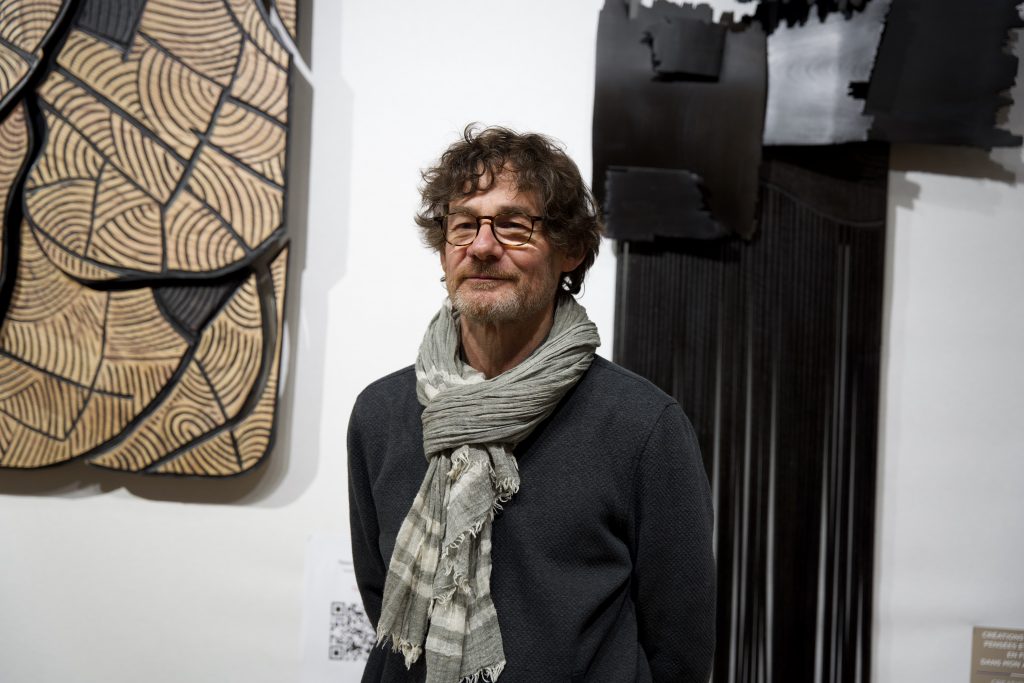
Claire Vallée made history in 2021 when her restaurant ONA (Origine Non Animale) in Arès, on the Arcachon basin, became the first vegan establishment in the world to earn a Michelin star.
A self-taught chef with a passion for her work, she has turned a daring gamble into a true culinary manifesto. Although there are no animal products here, all the requirements of haute cuisine are met: seasonality, technical skill and bold flavours.
Although ONA closed in 2022 for logistical reasons, its legacy remains powerful. Claire Vallée has proven that plant-based cuisine can embody excellence, inspiring a new generation of chefs and food lovers.
Maison Marcon
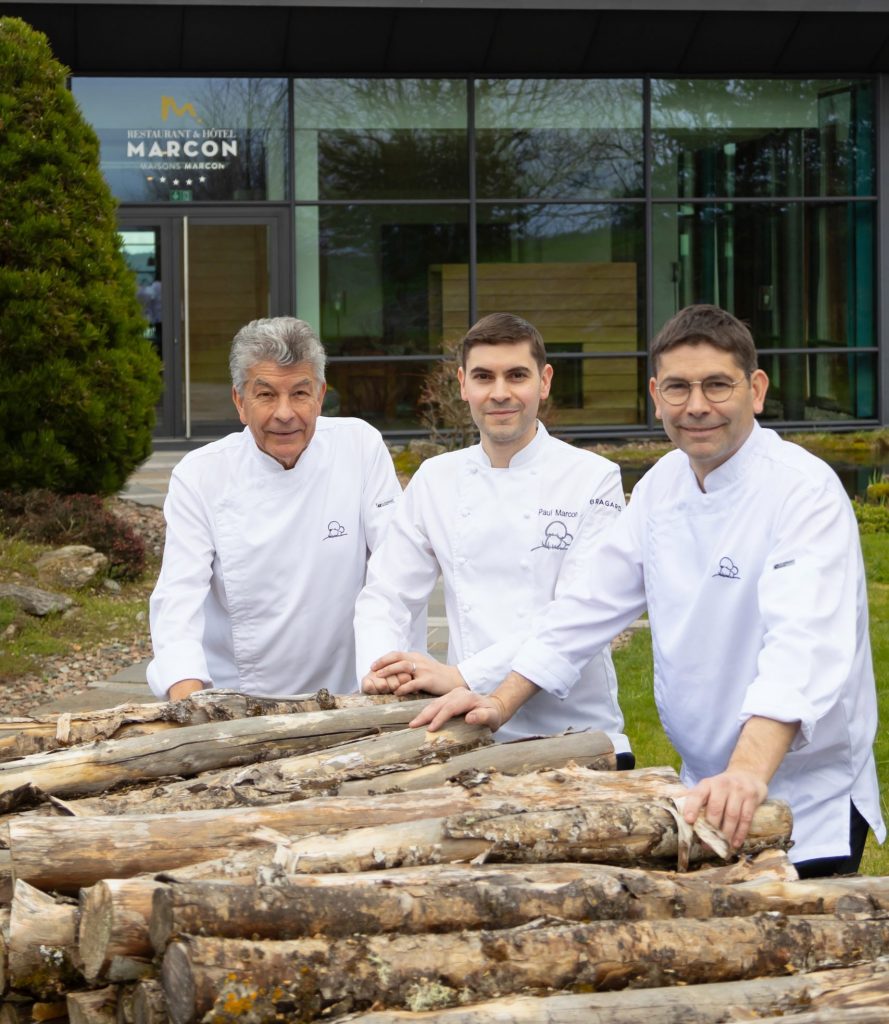
The Marcon family has always celebrated nature and the mountains in Saint-Bonnet-le-Froid. While not strictly vegan, they have a deep connection to their local area and showcase the abundance of wild plants, local cereals and mushrooms that form the culinary identity of the region.
At the three Michelin-starred Restaurant Marcon, the menus evolve with the harvests and seasonal produce available. Green Puy lentils, chestnuts, chanterelle mushrooms and wild herbs speak of the area’s identity. Guided by a mission to pass on knowledge of plants and remind us of their essential role in contemporary culinary imagination, Régis Marcon deploys a sincere and sensitive cuisine.
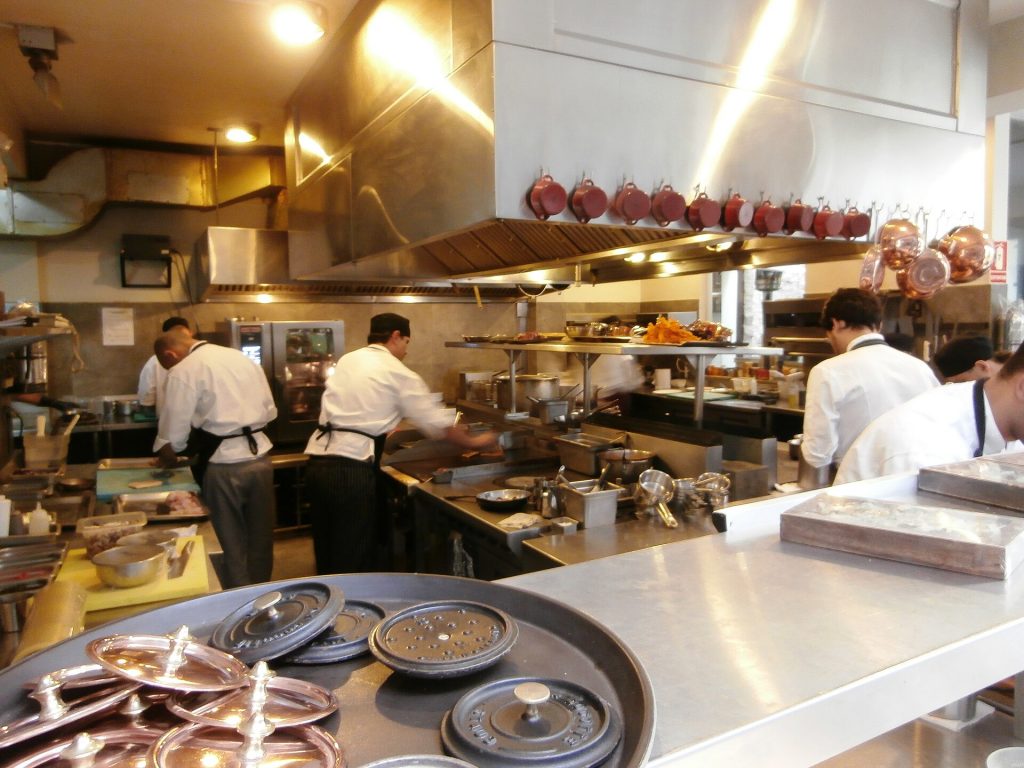
Todd Quackenbush ; Unsplash
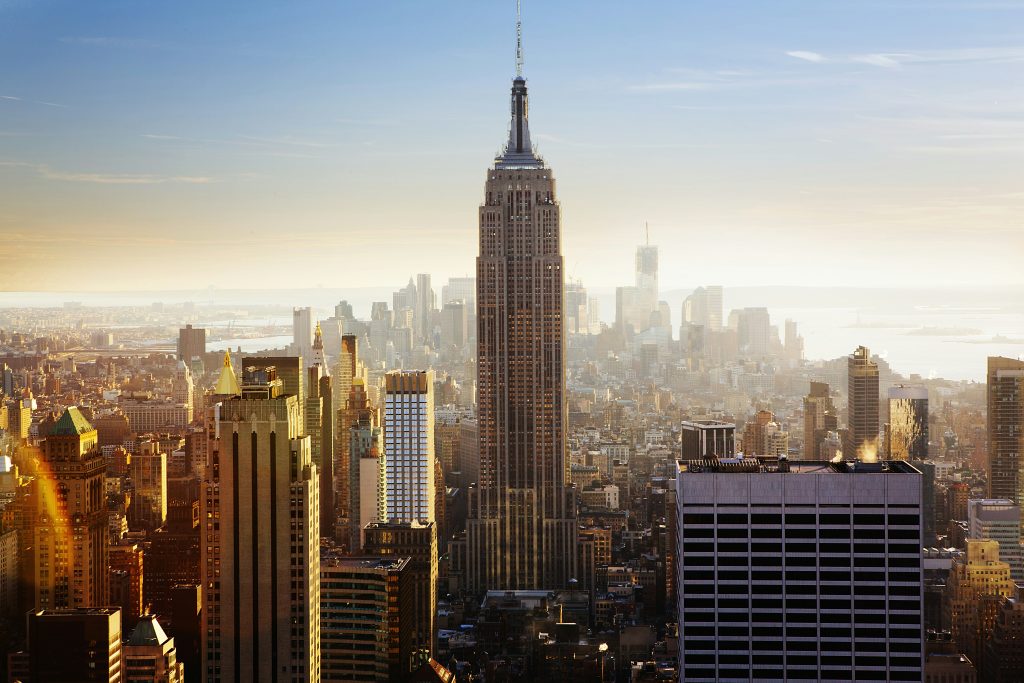
At the iconic Eleven Madison Park in New York, Daniel Humm orchestrated one of the most daring turning points in haute cuisine in 2021 by transforming a world-renowned three-star restaurant into an entirely plant-based establishment.
This visionary decision is not just a militant gesture; it questions the role of cuisine in the context of environmental, ethical and health issues. Daniel Humm is pushing the boundaries of plant-based creativity, reimagining structures, textures, and aromatic intensities.
This radical move has had a profound impact on the international gastronomic scene.
Winedirector ; Wikimedia
At their restaurant Central in Lima, Virgilio Martínez and Pía León have created a unique culinary experience that takes diners on a journey through the altitudes of Peru.
Each dish is an exploration of ingredients such as Andean plants, high-altitude herbs, Amazonian vegetables and ancient tubers. Central is a taste map of Peruvian biodiversity.
While not exclusively plant-based, their cuisine gives the plant kingdom a central, almost spiritual, place. Here, the plate becomes a landscape, an ecosystem and a poetic narrative of the country.
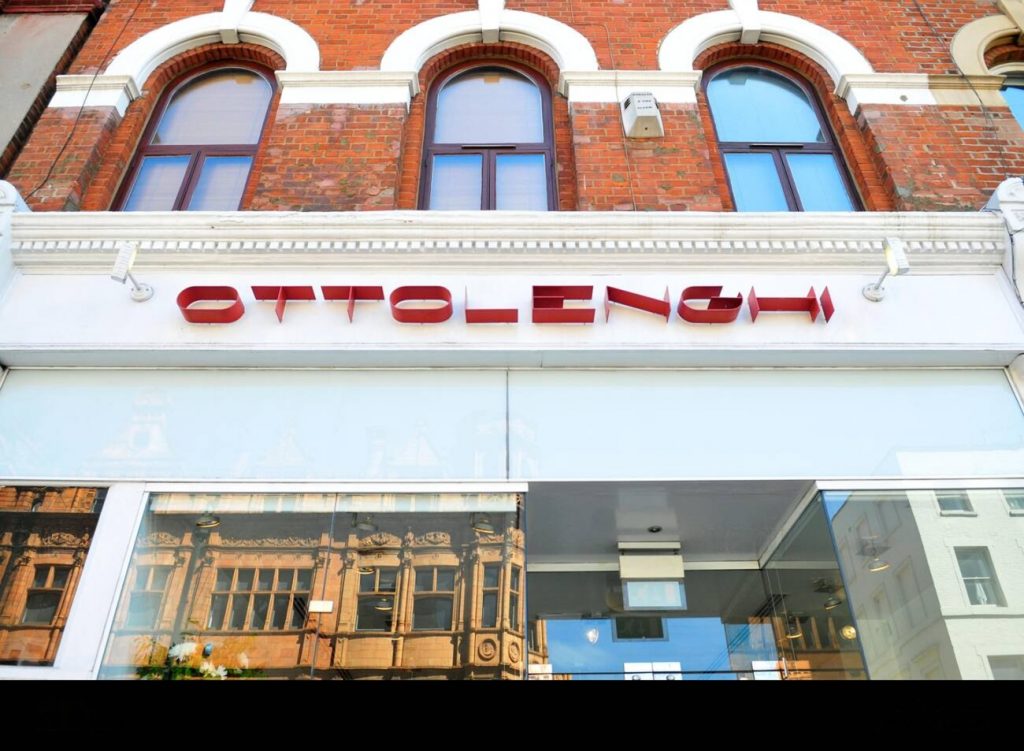
Ottolenghi, Upper Street, Islington, London, England, UK; Cath Harries; Alamy
Yotam Ottolenghi, a London-based chef, has made cooking with vegetables more accessible without compromising on influence. Through his restaurants and books, including the essential Plenty, he has introduced millions of readers to a joyful, colourful and generous Mediterranean-inspired cuisine.
To him, vegetables are neither a substitute nor a constraint; they are an infinite source of creativity and a universal culinary language accessible to all.
B. Better
Opened in the Marais district of Paris in 2021, B.Better is a 100% plant-based restaurant founded by Erika and Lucas.
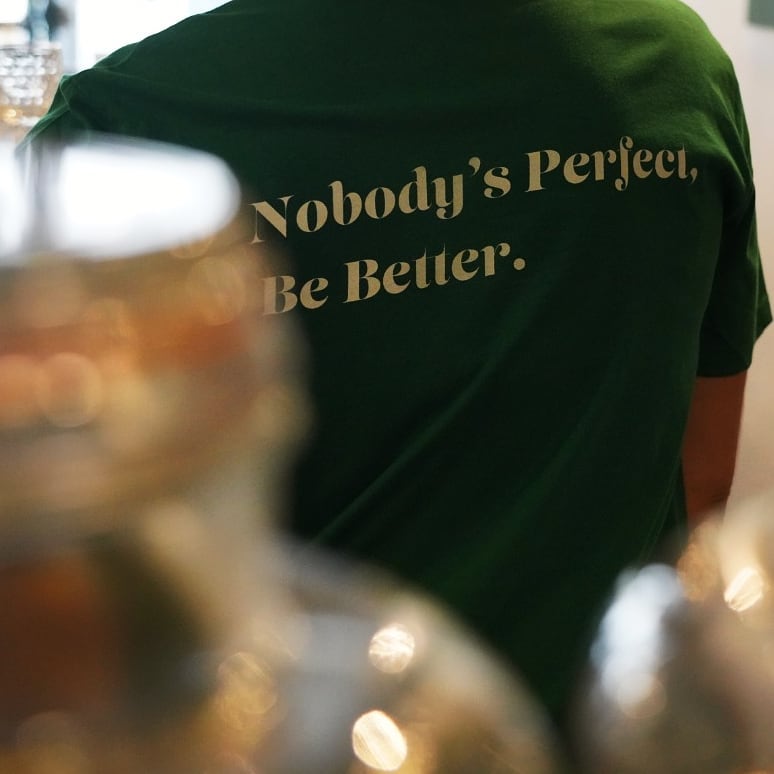
Their mantra, ‘Nobody’s perfect, be better’, inspires their dedicated and gourmet cuisine.
They specialise in cooking vegetables and plant-based proteins on a Kamado (a Japanese barbecue) to create intense, smoky flavours. The dishes follow the seasons, the vegetables are locally sourced and the coffee is artisan-roasted nearby. You can also enjoy a range of craft beers and vegan wines.
Février, 2026
Créer avec l’existant, penser avec l’histoire
De l’architecture au design, cette édition explore comment lieux, savoir-faire et matières héritées deviennent terrains de création actuelle.
Janvier, 2026
Le luxe se réinvente.
Finis les logos clignotants, place à une sobriété raffinée, à l’immersion personnelle, à l’excellence artisanale, à la durabilité sensible.
Décembre, 2025
Héritages, gestes contemporains et plaisirs essentiels
Parce que la fête n’est jamais qu’apparence : elle reflète notre manière d’habiter le monde, de transmettre, de fabriquer des souvenirs durables.
ÉDITION #3
Upcycling et kintsugi transforment l’objet contemporain, faisant de la trace, de la réparation et de la matière un langage esthétique.
ÉDITION #3
Artisans et designers donnent une seconde vie aux matériaux anciens, entre création contemporaine, patrimoine et réemploi.
ÉDITION #3
Bunkers, wagons et kiosques renaissent grâce à la création, révélant comment l’art redonne sens aux lieux délaissés.
ÉDITION #2
Un regard transversal sur le quiet luxury à travers des lieux, des objets et des figures qui expriment l’élégance.
ÉDITION #1
Une sélection de marques, architectures, objets et escapades qui donnent corps au sens de la fête.
ÉDITION #3
Usines et gares délaissées deviennent lieux culturels ouverts, où mémoire industrielle et usages contemporains redessinent la ville.
ÉDITION #3
L’audacieuse métamorphose d’un palace parisien
ÉDITION #3
Au cœur du Marais, un lieu discret révèle comment archives, architecture et recherche font dialoguer l’œuvre de Picasso.
ÉDITION #2
Une expérience shopping unique dans un magasin emblématique.
ÉDITION #2
Voyage culinaire et architectural au cœur de la Seine
ÉDITION #2
Dans le 9e arrondissement, un établissement qui invite au quiet luxury
ÉDITION #1
Chante! vient d’ouvrir ses portes. Une invitation à vibrer !
ÉDITION #3
Icône du paysage français, la boîte jaune change de statut et s’invite dans l’univers du design.
ÉDITION #3
L’édition 2026 affirme une vision où artisanat, design et mémoire façonnent l’habitat contemporain, international actuel.
ÉDITION #3
Cent ans après 1925, l’Art déco revient dans nos villes et intérieurs avec géométrie, audace, optimisme.
ÉDITION #3
Depuis plus de deux cents ans, Royal Limoges conjugue porcelaine, savoir-faire industriel et création contemporaine.
ÉDITION #3
Des terrains de sport aux podiums, la sneaker raconte un siècle de mutations culturelles, techniques et stylistiques.
ÉDITION #2
Design, mode, artisanat : des créations où la forme et la matière se répondent avec justesse, loin de tout effet de mode.
ÉDITION #1
Décorations artisanales, calendriers ultra-luxe et pièces de collection pour s’enivrer de joie avant l’heure.
ÉDITION #3
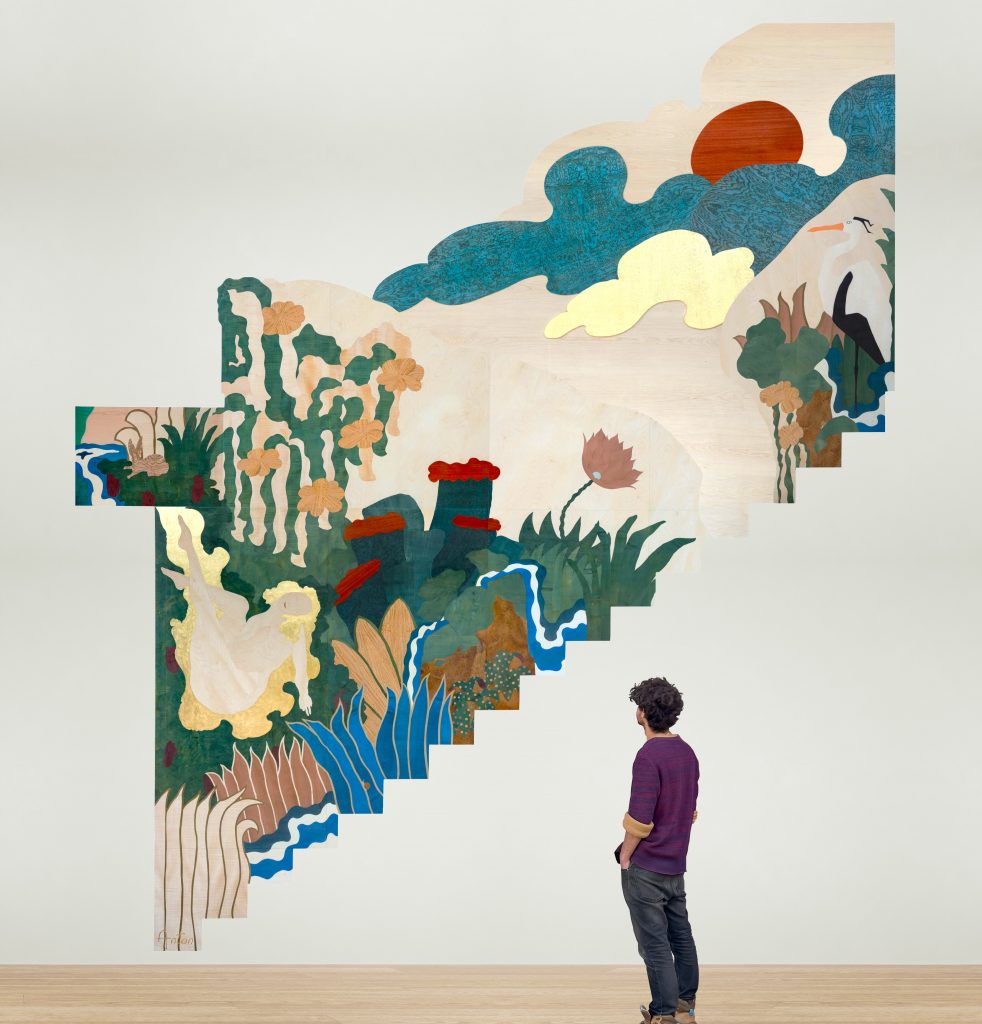
Entre marqueterie monumentale et jungle symbolique, Anton Laborde transforme le bois en récit contemporain poétique engagé.
ÉDITION #3
À Maison & Objet, Thierry Laudren présente des meubles sculptés où fonction, matière et lenteur façonnent une présence.
ÉDITION #3
Jean Nouvel conçoit une architecture attentive aux contextes, où lumière, histoire et usages façonnent chaque projet.
ÉDITION #3
À Lyon, Sophie Morel rénove des lieux historiques en alliant respect du bâti et écriture contemporaine.
ÉDITION #3
Au Centre d’Études Picasso, l’architecte compose une architecture où lumière, géométrie et héritage dialoguent avec précision.
ÉDITION #2
Entretien avec le fondateur d’EDO (European Design Office)
ÉDITION #2
Portrait d’un visionnaire qui transforme l’art de recevoir en expérience totale.
ÉDITION #1
Personnalités, artisans et créateurs qui donnent à la fête sa profondeur humaine.
ÉDITION #3
De Bordeaux au Bassin, art, vignobles et bien-être composent une échappée élégante au cœur de la Gironde.
ÉDITION #2
Vers une région de l’Italie habitée par le temps, où paysages, culture et usages s’accordent dans une continuité rare.
ÉDITION #1
Destinations et rituels qui réinventent la fête, du soleil tropical aux marchés d’hiver.