The art of Parisian hospitality
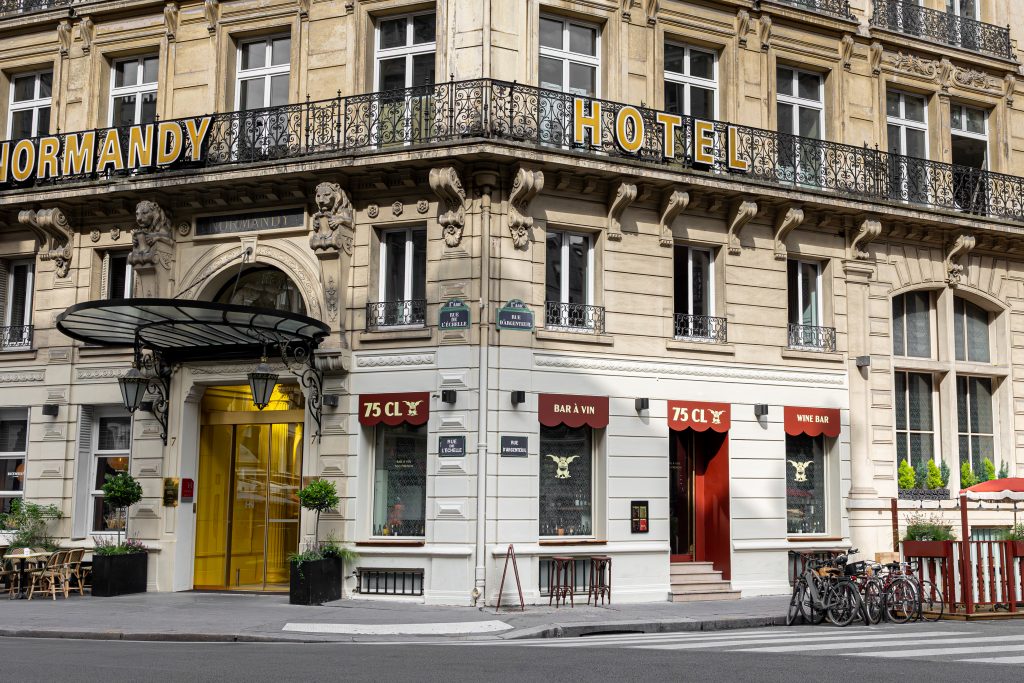
In a peaceful street of the 9th district, far from the tourist bustle…
A culinary and architectural journey at the heart of the Seine
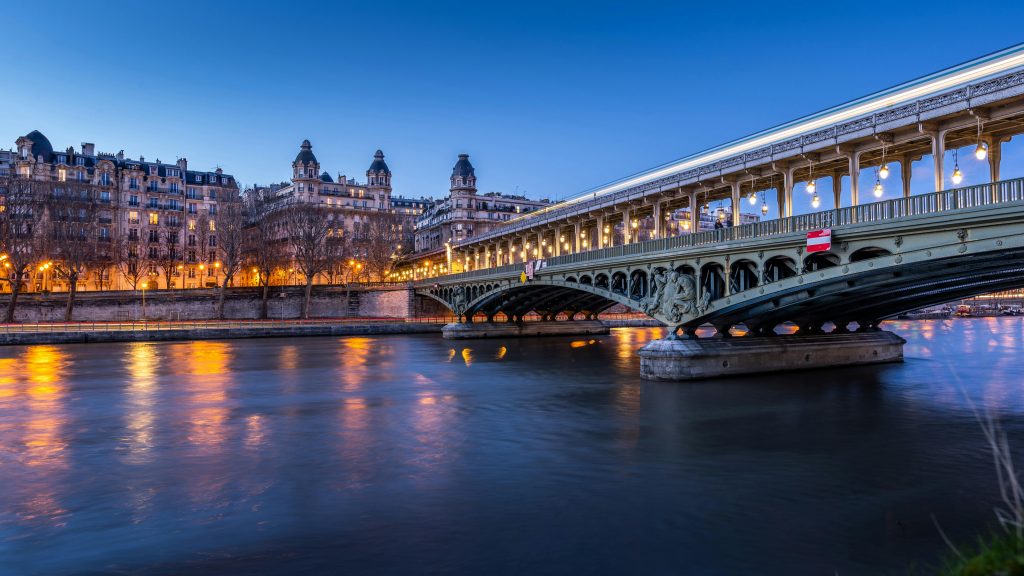
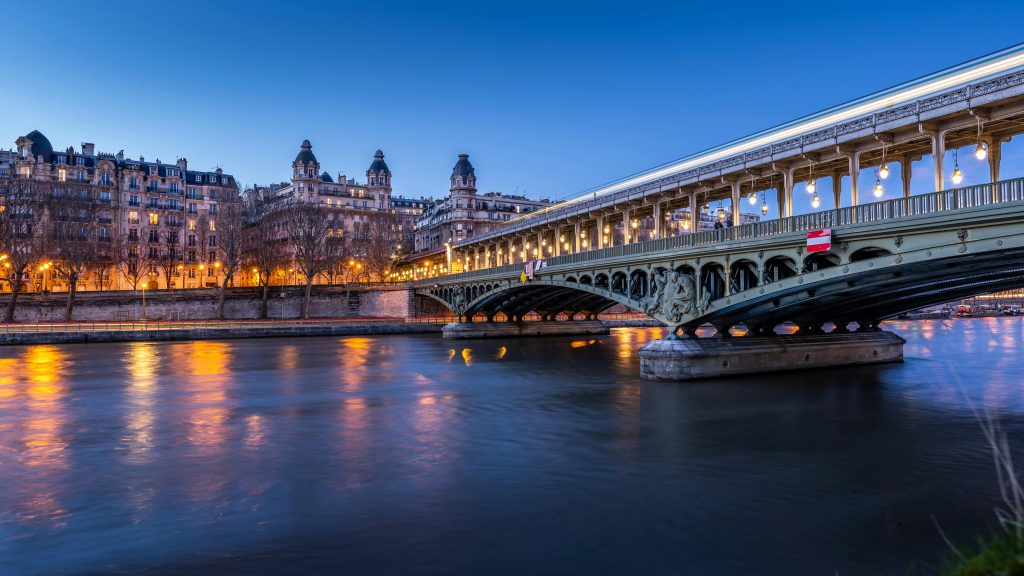
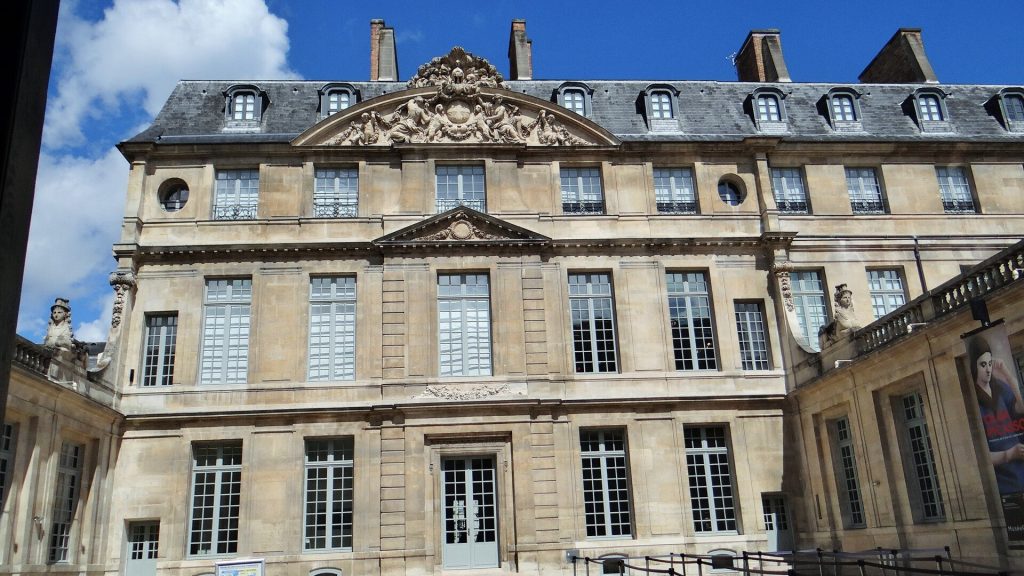
At 8 quai du Louvre, the Seine flows quietly past. The Pont Neuf, spanning its banks in a centuries-old architectural gesture…
Iconic shopping in a Tudor setting
In London, Liberty London offers a singular shopping experience, where Tudor architecture, textile heritage and meticulous curation converge.
Iconic shopping in a Tudor setting
Alena Kravchenko, iStockPhoto
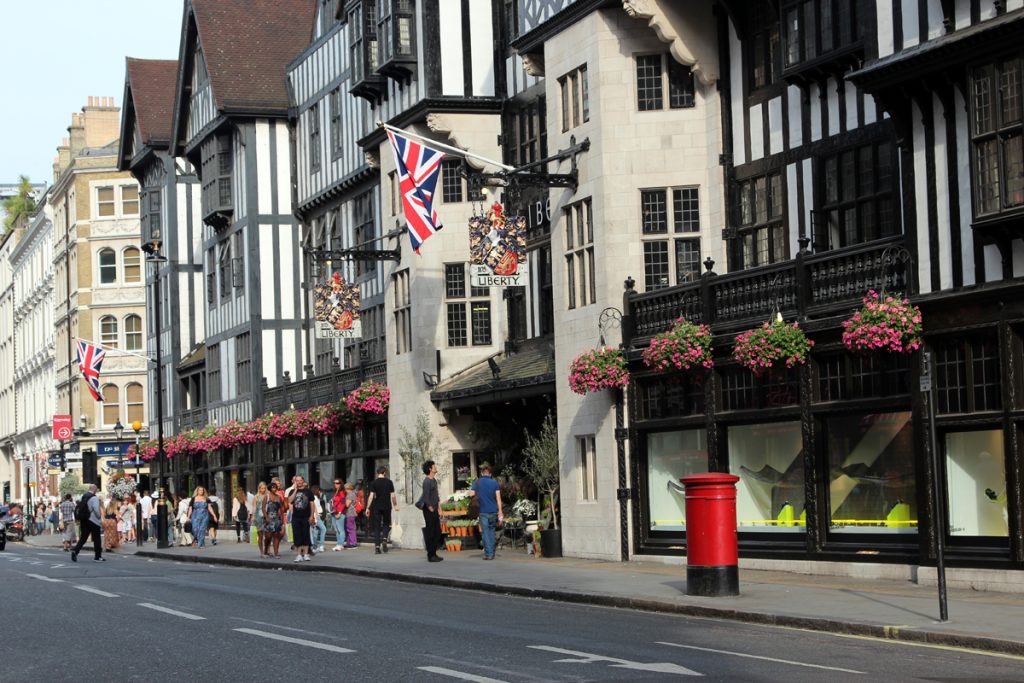
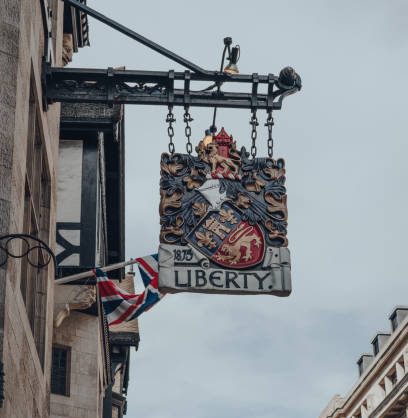
Liberty London first reveals itself through its striking Tudor façade on Great Marlborough Street, inaugurated in 1924. Designed by Edwin T. Hall and his son, the building was constructed using timber reclaimed from two former warships, HMS Impregnable and HMS Hindustan. Arthur Lasenby Liberty envisioned the building as a ship permanently moored in the city.
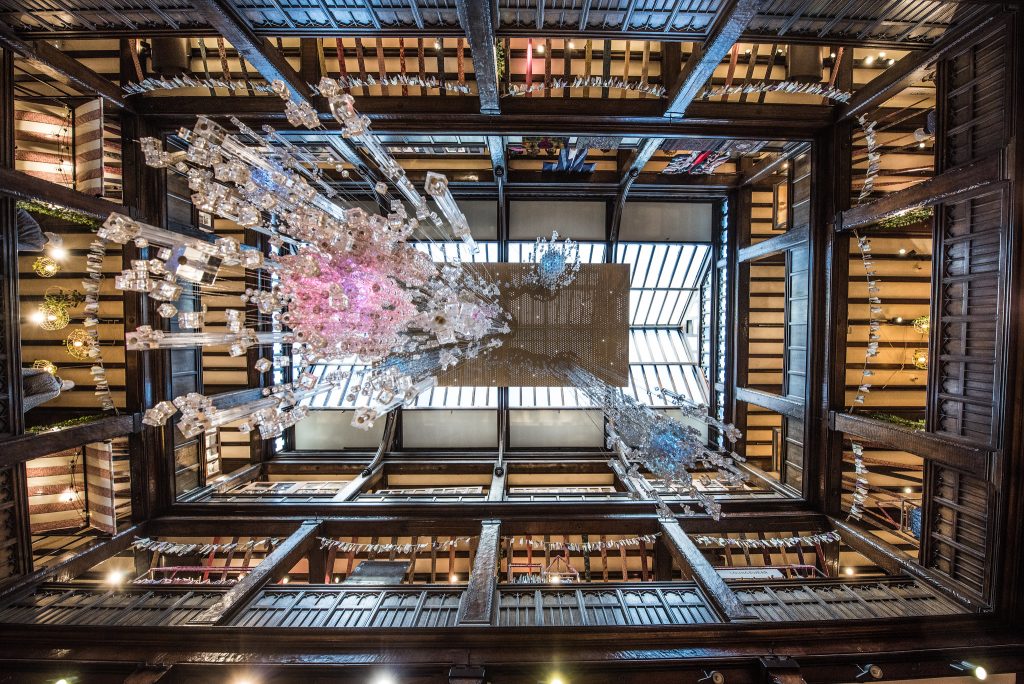
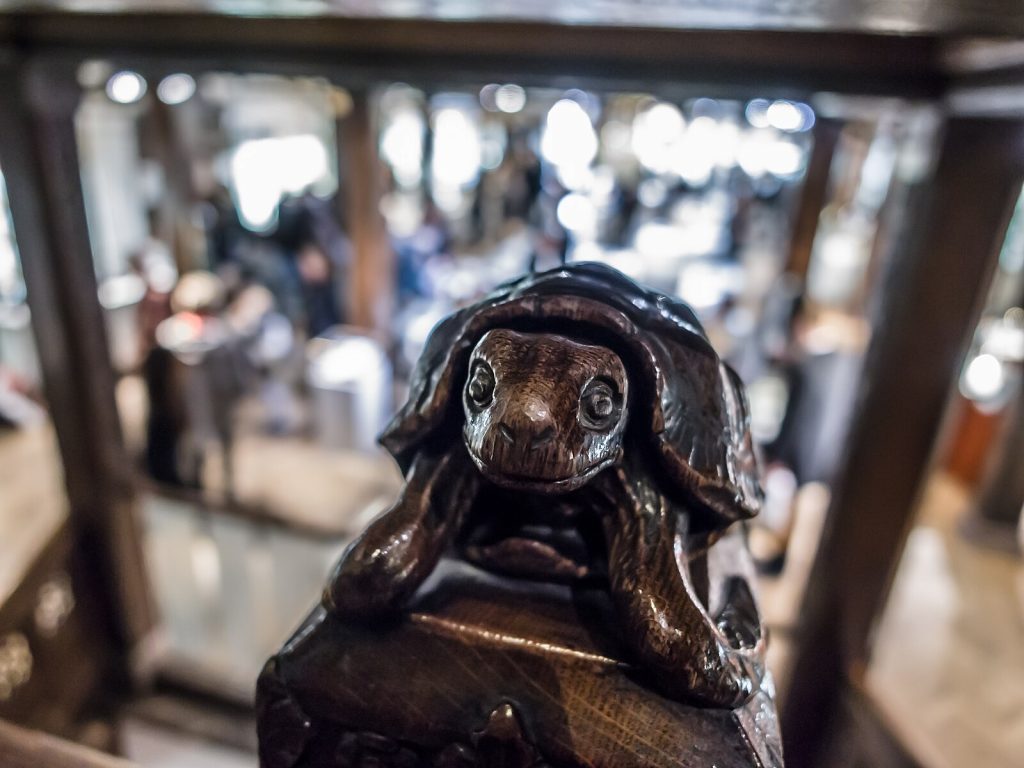
Inside, the atmosphere recalls that of an English townhouse. Atriums, monumental fireplaces, carved wood panelling and parquet floors create a domestic, almost intimate setting. Light filters down through a central glass roof, beneath which hangs one of the longest chandeliers in Europe. Staircases creak softly, galleries unfold one after another, sculpted animals emerge discreetly from corners, and portraits of Henry VIII’s wives punctuate the journey. Every detail contributes to a warm, welcoming environment, designed to slow the pace and encourage unhurried exploration.
Alena Kravchenko, iStockPhoto
jethrohealy, Flickr
jethrohealy, Flickr
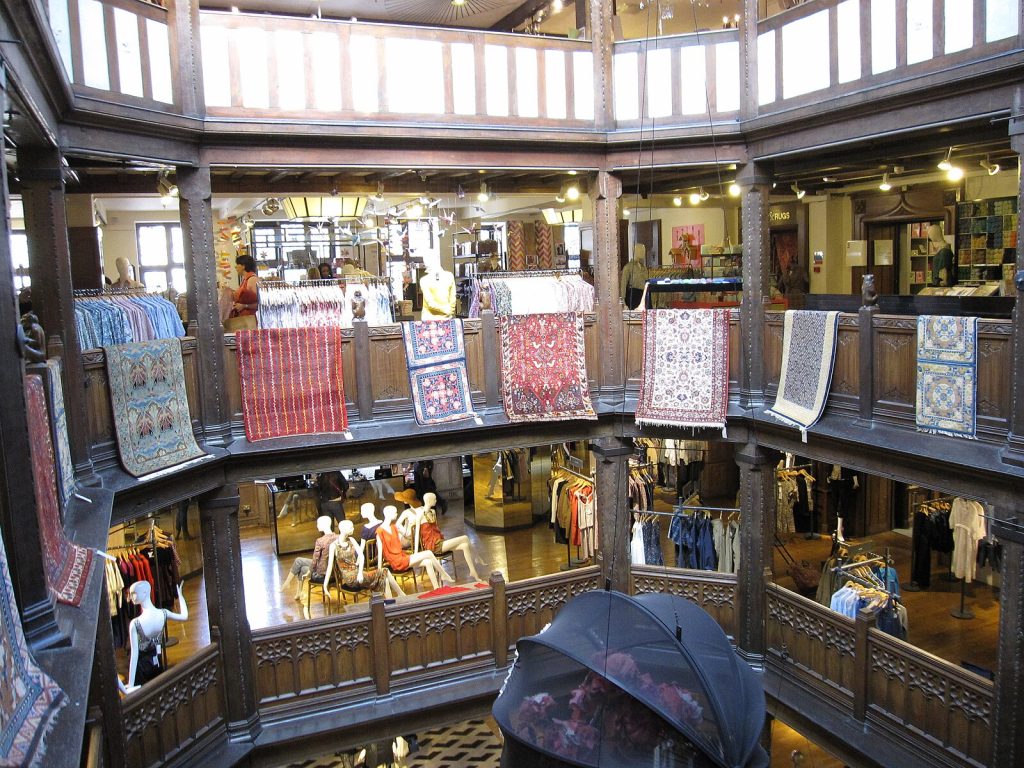
Liberty London is organised across six interconnected levels, linked by staircases and internal walkways. The architecture favours human-scale proportions, alternating between generous rooms and more intimate galleries. Visitors move effortlessly between women’s, men’s and children’s fashion, accessories, jewellery, home décor, tableware and seasonal collections.
The selection blends international fashion houses — including Gucci, Prada and Chloé — with Liberty’s own creations. The store’s iconic floral prints appear on scarves, garments, decorative objects and fabrics sold by the metre. Each floor has its own atmosphere, enhanced by wood, carpets and carefully calibrated lighting. The layout encourages wandering rather than efficiency, inviting visitors to observe textures, materials and objects chosen for their craftsmanship and aesthetic value.
Gryffindor ; Wikimedia
The beauty hall draws visitors with its finely curated selection of fragrances, skincare and cosmetics. Established brands sit alongside niche perfumers, with counters dedicated to personalised services, notably those by make-up artist Lisa Eldridge.
Further up, the haberdashery and fabric department remains one of Liberty’s most iconic spaces. Here, the famous Liberty prints — descendants of the hand-printed Mysore silks of the 1880s — are displayed in full richness. These fabrics, now signature pieces, attract designers, decorators and enthusiasts of bespoke projects alike.
The Vintage Designer section completes the offering, presenting carefully restored pieces: Chanel bags, wedding dresses and rare garments sought after by collectors. Each department tells a chapter of Liberty’s story, from its Arts & Crafts roots and Eastern influences to contemporary design.
Gryffindor ; Wikimedia
Alena Kravchenko ; iStockPhoto
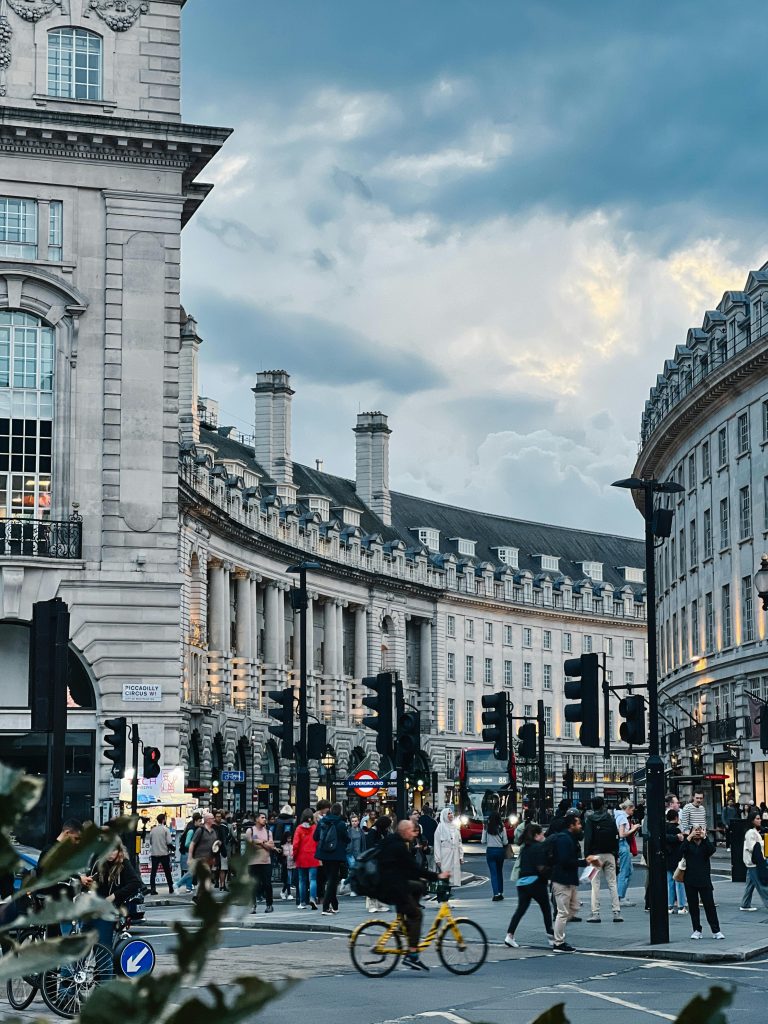
Liberty London continues a story that began in 1875. Arthur Lasenby Liberty, initially an apprentice draper and later manager of an oriental department on Regent Street, opened his own shop with a family loan of two thousand pounds. His intuition focused on objects from Japan, China, India and Persia, at a time shaped by Japonism, the Aesthetic Movement and Arts & Crafts.
Oscar Wilde once described Liberty as a refuge for artistic shoppers. That founding ambition remains intact today. Each floor reflects a careful balance between heritage, creativity and discovery. Liberty London is both a place of passage and a destination for collectors, where shopping becomes a cultural stroll through the heart of the city.
Helloiamtugce ; Pexels
The Liberty experience began with the opening of East India House on Regent Street in 1875. With just three employees and a modest loan, Arthur Liberty created a space dedicated to Asian objects: silks, shawls, ornaments and decorative pieces imported from Japan, India, China and Persia.
The shop quickly attracted visitors intrigued by unfamiliar forms, materials and aesthetics. Liberty also staged ambitious displays, including an Indian craftsmen’s village presented in 1885, transforming the store into a site of cultural encounter. Commerce here was never purely transactional. Arthur Liberty sought to invent new forms rather than replicate existing ones, shaping an experience based on surprise, exploration and dialogue between cultures.
Helloiamtugce ; Pexels
123rf.com
123rf.com
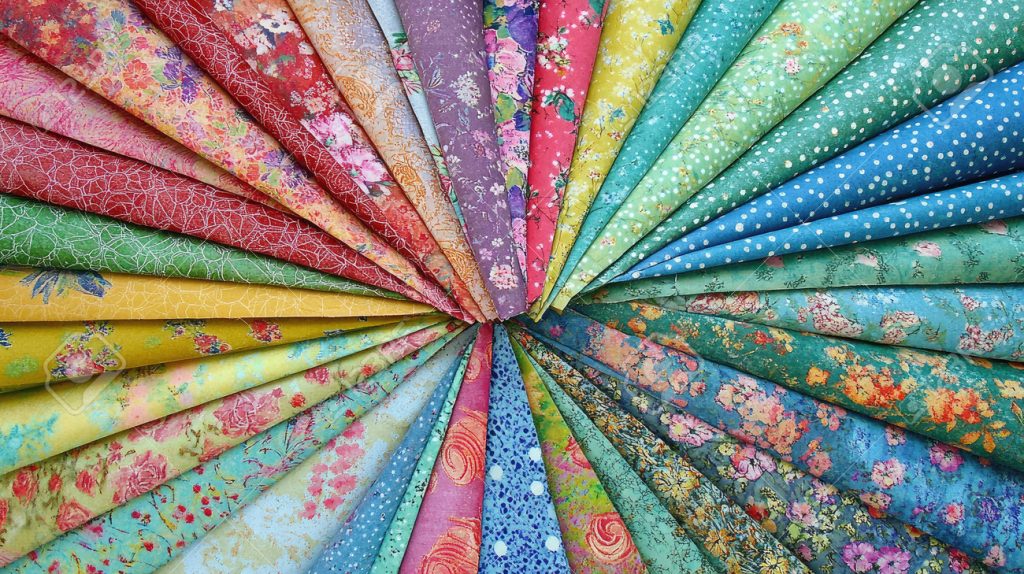
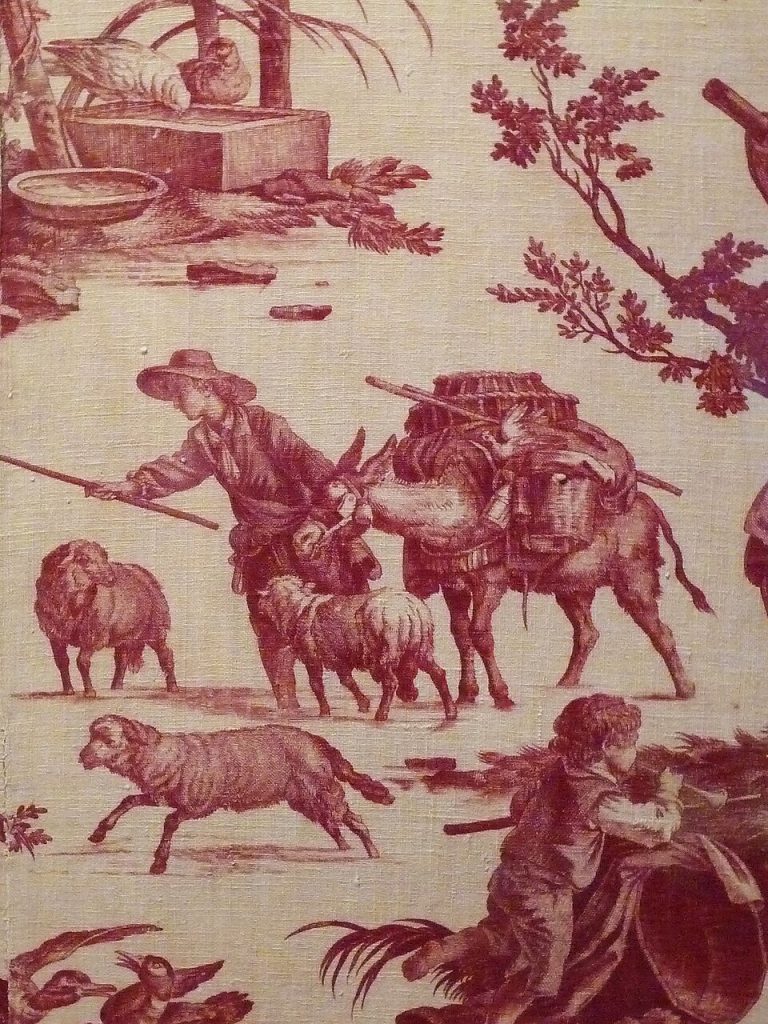
Liberty fabrics occupy a central place in the store’s identity. From the 1880s onward, the house developed its own patterns, originally hand-printed on Mysore silk. Floral and graphic, these designs quickly became recognisable and have endured across generations.
Today, they appear throughout the store — on fabrics sold by the metre, fashion accessories, clothing, decorative items and select collectibles. This recurring presence creates visual continuity across spaces. Seasonal variations, designer collaborations and diverse applications renew the tradition. For many visitors, choosing a Liberty fabric is a way of taking home a tangible fragment of the store’s graphic heritage, rooted in the Aesthetic Movement and Art Nouveau.
James Petts ; Wikimedia
Liberty London’s experience is also built on attention to architectural storytelling. Carved woodwork, monumental fireplaces, parquet floors and domestic-scale galleries shape a distinctive atmosphere. Along the way, visitors discover wooden animals hidden in stairwells, commemorative plaques recalling the Second World War, and portraits of Henry VIII’s wives.
At the top of the building, a gilded copper weather vane depicts the Mayflower, a reminder of the maritime symbolism so dear to Arthur Liberty. The narrative is discreet, woven into the architecture itself. Liberty is designed to be read as much as visited, with each floor offering a new interpretation of this layered staging — reinforcing the feeling of exploring a historic house rather than a conventional department store.
James Petts ; Wikimedia
Today, Liberty London remains a place to visit, revisit and linger. Many guests come simply to wander through the floors, browse the collections and absorb the atmosphere, with or without a specific purchase in mind.
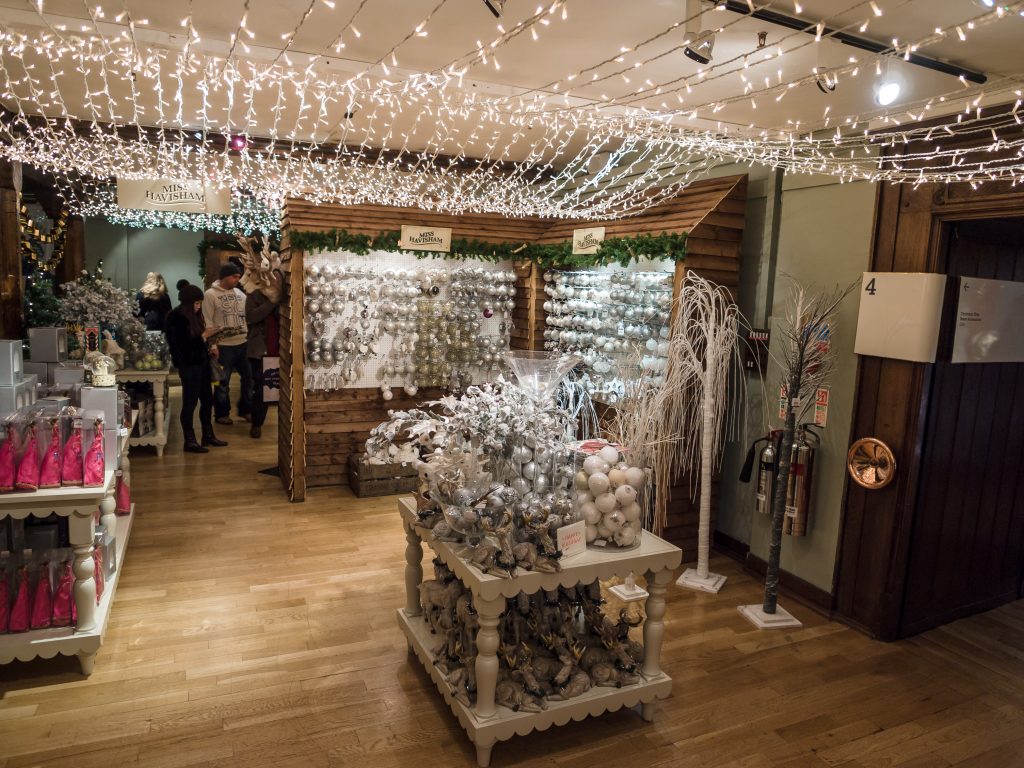
Seasonal spaces, such as the celebrated Christmas shop on the fourth floor, contribute to an annual ritual, with decorations, ornaments and traditional objects. The slow rhythm encouraged by staircases and successive galleries fosters careful observation and appreciation. Fashion, beauty, decoration, textiles and collectibles coexist in a coherent whole.
This approach remains faithful to Arthur Liberty’s original vision, in which commerce was understood as a form of artistic expression. Liberty London endures as a place where shopping becomes a cultural walk — embedded in London’s urban fabric and in the memory of those who pass through it.
contact@wearekollectors.com
5 rue du Helder 75009 PARIS
Site by FORGITWEB
January, 2026
Luxury is reinventing itself.
No more flashing logos, place to a refined sobriety, personal immersion, artisanal excellence, sensitive sustainability.
December, 2025
heritage, contemporary practices and essential pleasures
Because celebration is more than just appearances:
it reflects how we live the world, pass on traditions and create lasting memories.
ISSUE #2
Design, fashion, craftsmanship: creations where form and material respond with precision, far from any fashionable effect.

ISSUE #1
Handcrafted decorations, ultra-luxurious calendars and collectibles to fill you with joy before the season begins.
ISSUE #2
The architect of light and shadow
Interview with the founder of EDO (European Design Office)
ISSUE #2
The alchemist of discreet hospitality
Portrait of a visionary who transforms the art of hospitality into a total experience.
ISSUE #1
Antonio Gaudi and Paul Tissier
Personalities, artisans and creators who give the celebration its human depth.
Inscrivez-vous pour avoir accès à l’ensemble du site WeAreKollectors.