Secret itineraries and places in Tuscany
Engjell Gjepali, Unsplash
Tuscany never reveals itself all at once. It asks for a certain kind of attention — an openness to detail, to nuance, and to rhythm. Located in central Italy and spanning nearly 23,000 square kilometres, the region is home to three and a half million inhabitants and an exceptional concentration of landscapes, cities, crafts and cultural references. Florence, its capital, remains a major artistic and intellectual centre, while the rest of the territory unfolds as a mosaic of hills, valleys, plains and more rugged relief.
What sets Tuscany apart is less the sheer number of its monuments than the visible continuity between history, customs and landscape. Stone, roads, crops and villages all speak of an ancient relationship between people and place. Nothing feels ornamental. Everything appears shaped by repeated use, refinement and transmission.
Engjell Gjepali, Unsplash
Unsplash
A legible territory, never uniform
Unsplash
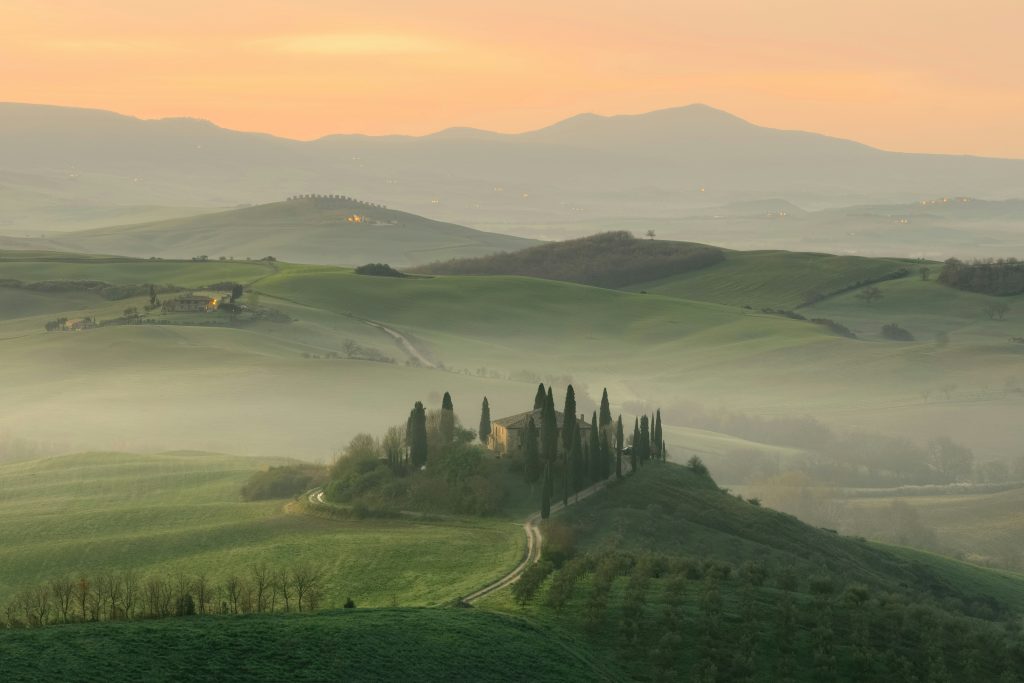
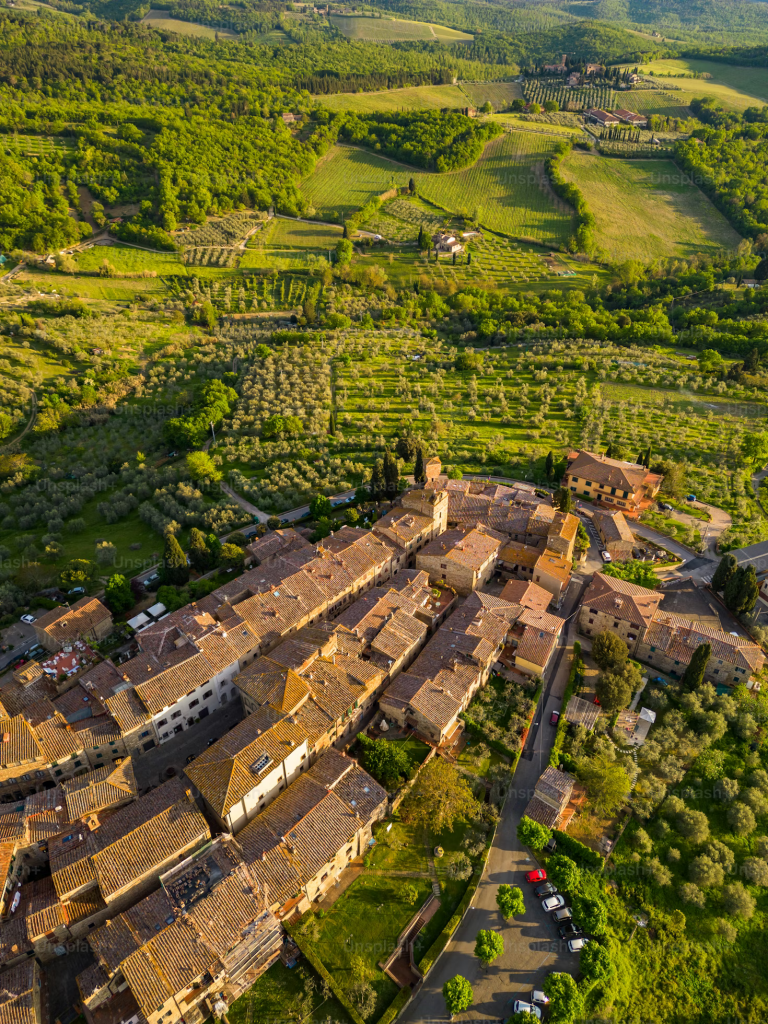
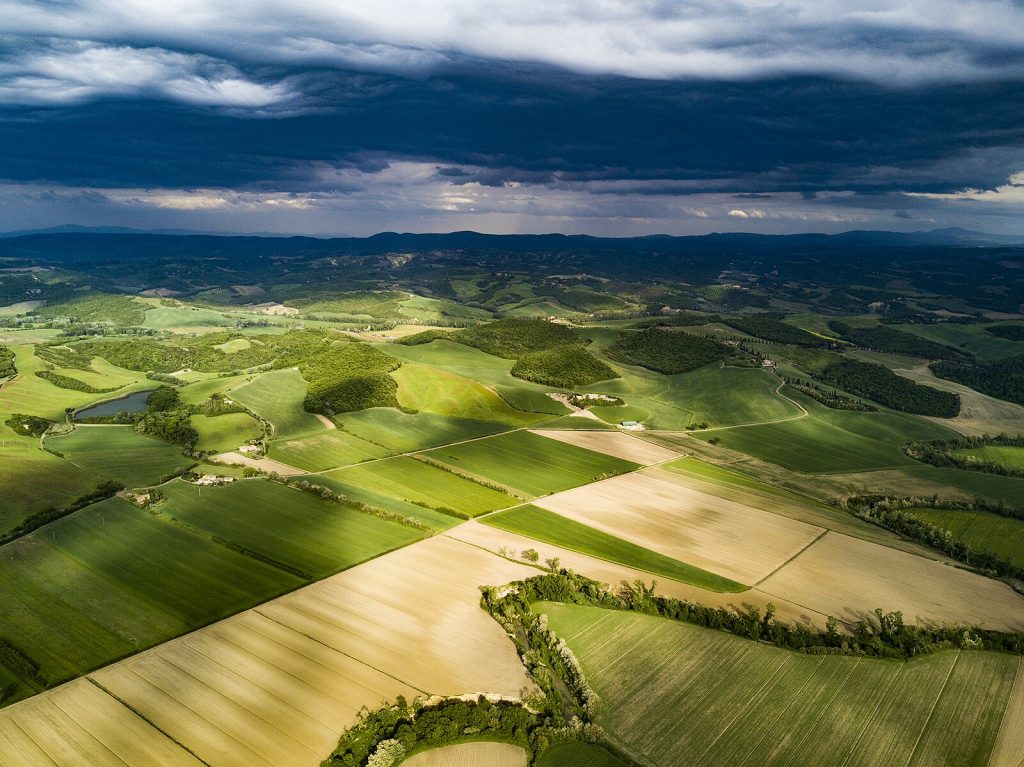
Tuscany can be read in layers. The hills of Chianti form a structured agricultural landscape, defined by vineyards and olive groves. Further south, the Val d’Orcia offers a near-graphic composition: broad undulations, cypress-lined roads, Renaissance villages balanced with almost mathematical precision. The Maremma, facing the Tyrrhenian Sea, blends rural plains, thermal springs and discreet coastal towns. To the north, the Apennines close the horizon with denser forests and mountain villages.
The Mediterranean climate sustains this diversity. Spring brings soft light and vivid greens. Autumn reveals a more subdued palette, shaped by grape and olive harvests. These seasons allow for a gentler relationship with the land: fewer crowds, easier travel, visible agricultural life.
A foundational, living culture
Kristijan Arsov, Unsplash
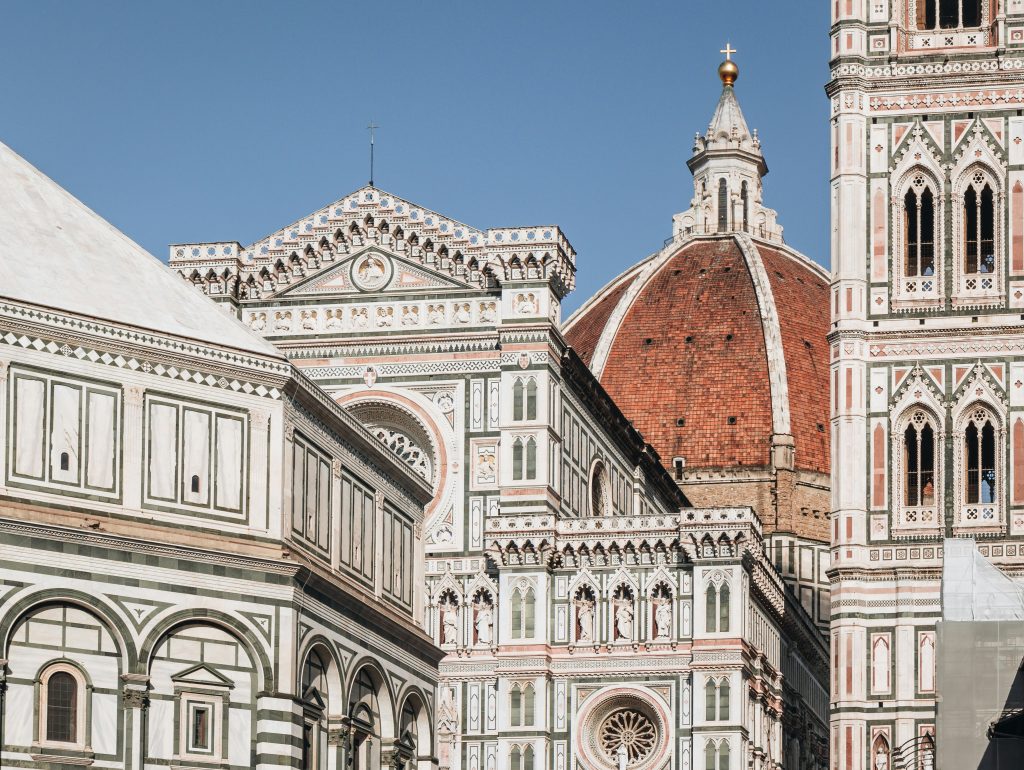
Tuscany occupies a structuring place in European cultural history. The modern Italian language draws heavily from Dante, Petrarch and Machiavelli. The Renaissance emerged here before transforming Western art, architecture and thought. Florence remains its most visible expression, with its museums, palaces, libraries and workshops.
Yet this cultural depth extends well beyond institutions. It is evident in urban layouts, the importance of public space, and the persistence of local traditions. Siena offers a striking example. The Piazza del Campo functions as a civic heart, while the Palio — held twice a year — continues to shape neighbourhood identities, rivalries and collective memory.
UNESCO recognition of eight Tuscan sites reflects this diversity: the historic centres of Florence, Siena and San Gimignano; the Piazza dei Miracoli in Pisa; Pienza and the Val d’Orcia as expressions of a humanist vision of landscape; and the Medici villas, which illustrate the long-standing dialogue between power, architecture and countryside.
Kristijan Arsov, Unsplash
Federico Di Dio photography, Unsplash
Off the beaten track
Federico Di Dio photography, Unsplash
Beyond Florence, Siena and Chianti, Tuscany reveals itself through quieter places, chosen for their scale, atmosphere and closeness to the landscape.
Vinci, at the foot of the Montalbano hills, combines a preserved medieval centre with museums dedicated to Leonardo da Vinci. Surrounding roads pass through olive groves and vineyards, dotted with estates open for tasting.
Collodi, between Lucca and Montecatini Terme, rises vertically along the hillside. Its steep lanes, Villa Garzoni and its Baroque gardens, and the Pinocchio park create a singular ensemble where literature, landscape and architecture intersect.
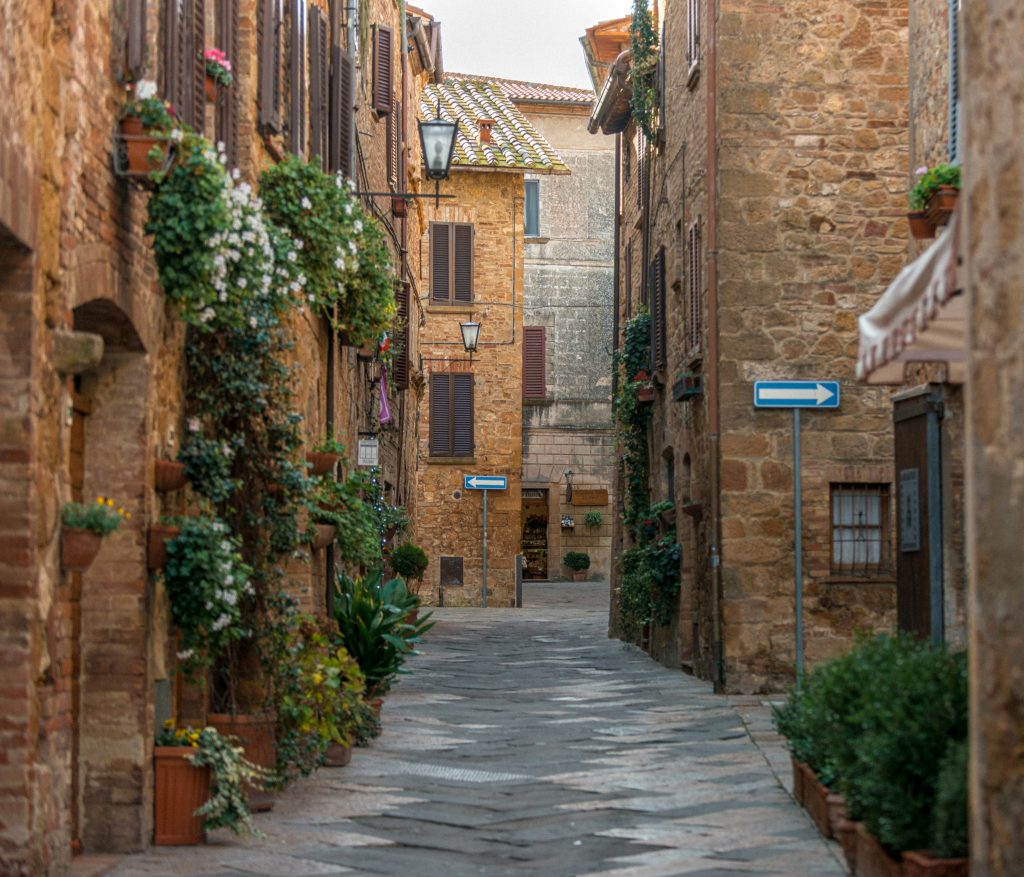
Montefioralle, overlooking Greve in Chianti, is limited to a handful of circular streets enclosed by ancient walls. Its small scale encourages attention to detail: flowered balconies, weathered facades, open views across vineyards.
Colle di Val d’Elsa offers a quieter alternative to San Gimignano. Its upper town retains a dense medieval fabric and expansive views, while its crystal-making tradition survives through workshops and specialist shops.
Water, thermal landscapes and mineral Tuscany
Santino Montelone, Unsplash
Water defines entire areas of the region. Bagni San Filippo, south of Pienza, offers natural thermal pools hidden in woodland. White limestone formations sculpted by mineral-rich water create a striking landscape, reached by forest paths.
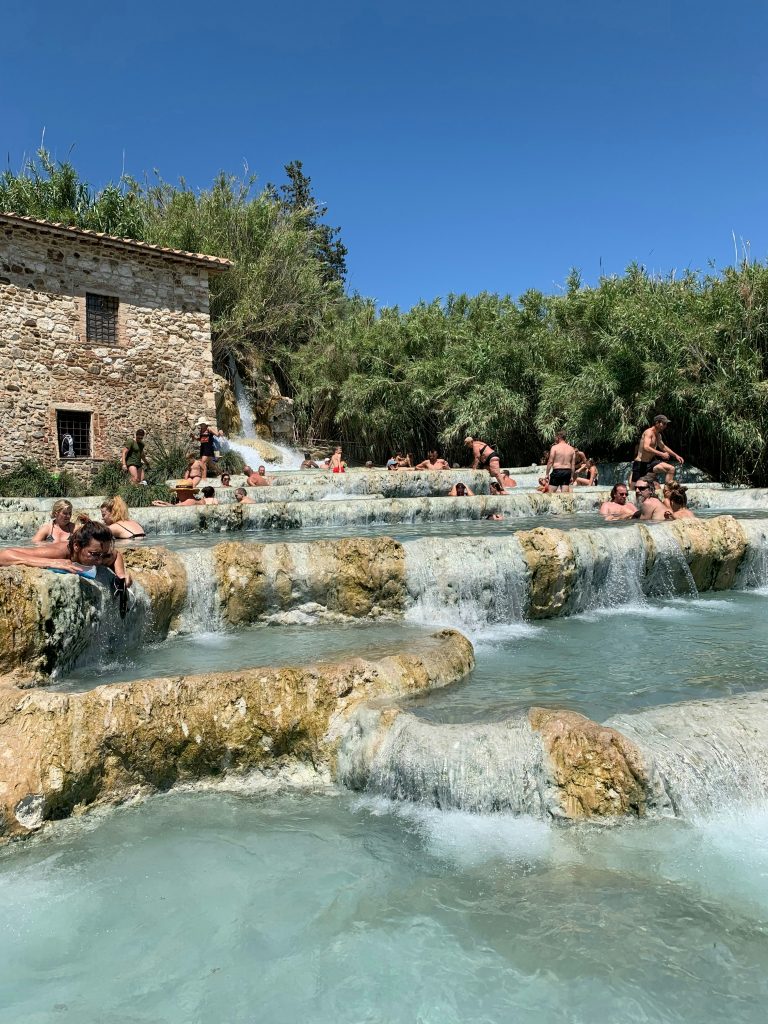
Further south, Saturnia feeds terraced waterfalls in the heart of the Maremma countryside. Time of day and season dramatically alter the experience, with quieter hours revealing a direct dialogue between land and water.
Bagno Vignoni presents a unique layout: a large thermal basin occupying the village’s main square – a rare example of urban space shaped entirely around water.
Santino Montelone, Unsplash
Cristina Gottardi, Unsplash
Maritime Tuscany, mountain Tuscany
Cristina Gottardi, Unsplash
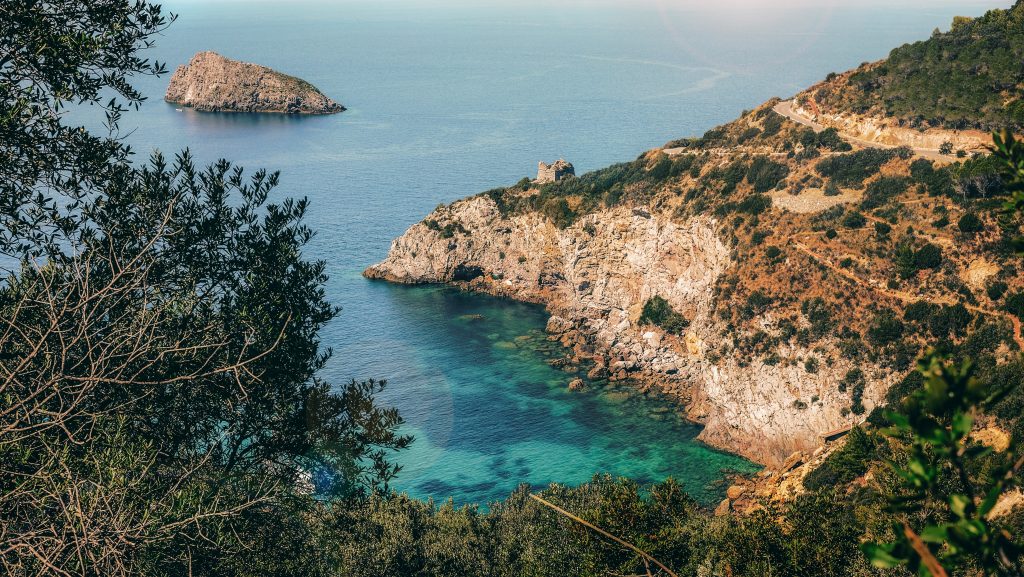
Tuscany’s coastline is often overlooked. Porto Ercole, on the Monte Argentario promontory, retains the elegance of a discreet fishing port. Spanish-era fortifications, rocky coves and a restrained seafront define a coast far removed from mass tourism.
At the opposite end of the region, Garfagnana reveals a wooded, mountainous Tuscany. Villages such as Barga and Castelnuovo di Garfagnana sit among chestnut forests, rivers and medieval bridges — ideal for walking, cool evenings and direct contact with nature.
A land of wine and simple cuisine
Karandaev, Freepik
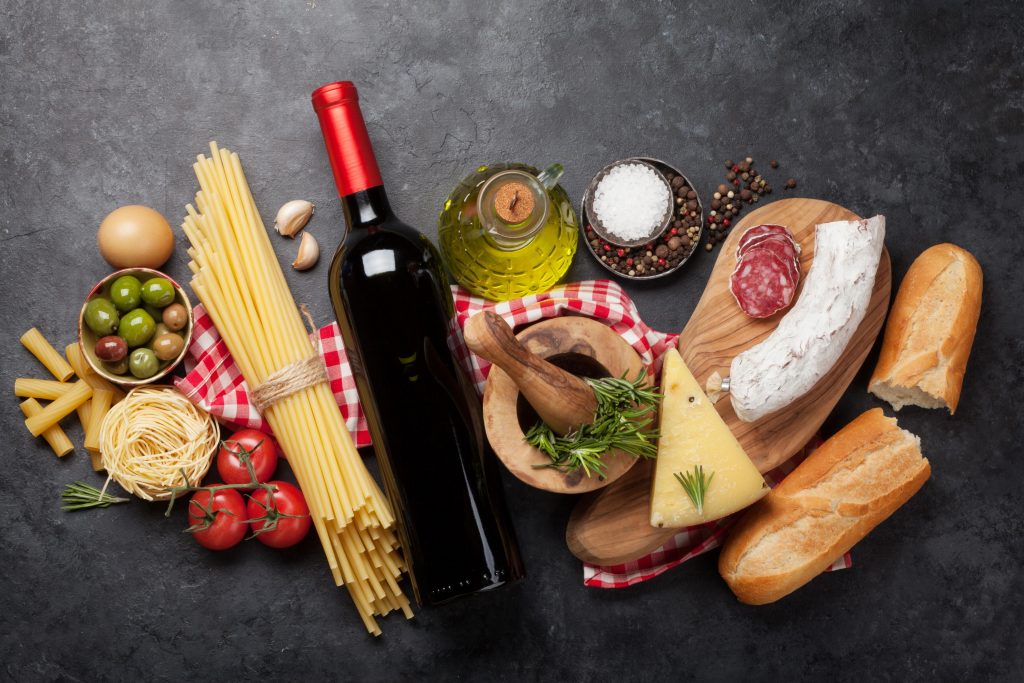
Tuscany holds a central place in Italian wine culture. Chianti spans several distinct zones. Brunello di Montalcino, produced exclusively from Sangiovese, enjoys global recognition. Vino Nobile di Montepulciano and Vernaccia di San Gimignano add further expression.
Wine tastings often take place on estates themselves, paired with exploration of vineyards and farming practices. Olive oil accompanies every meal. Markets, trattorias and rural kitchens favour seasonal produce and restrained cooking, where ingredient quality takes precedence.
Karandaev, Freepik
Living in Tuscany …even briefly
Accommodation in Tuscany often extends the relationship with place. Restored farm estates, historic residences and former villages offer settings designed for longer stays.
Around Montalcino, wine estates combine hospitality and production. Near Casole d’Elsa or Volterra, properties favour space, gardens and estate-sourced cuisine. In Chianti, restored villages allow immersion in vineyard-shaped landscapes.
These places prioritise light, natural materials and attentive hospitality — conceived as an extension of their surroundings.
COMO Castello Del Nero
Chianti’s best-kept secret
Adbar; Wikimedia / Pxhere
Between Florence and Siena, time appears to stand still. Where cypress trees stand guard over three hundred hectares of rolling, golden hills, COMO Castello Del Nero reigns in quiet discretion. A 12th-century castle that sidesteps folklore to embody the very essence of quiet luxury in Tuscany.
The arrival immediately sets the tone. There is no decorative excess here — the architecture speaks for itself. Eighteenth-century frescoes enter into dialogue with the refined, contemporary sensibility of Italian architect Paola Navone. The castle’s fifty rooms and suites share the same understated elegance: patinated terracotta floors, ancient wooden beams, marble and mosaic bathrooms. Pure refinement. Through the windows, Chianti unfolds like a living watercolour, vineyards and olive groves composing the Tuscan landscape that inspired generations of Renaissance painters.
The COMO Shambhala Retreat spans more than a thousand square metres, where Asian wellness philosophies align seamlessly with the unhurried Tuscan rhythm. A vitality pool, ice fountain and scented hammam invite genuine deceleration. Outdoors, a 25-metre heated pool (open in summer) is set between sculpted lawns and formal Italian gardens, suspended between sky and hillside.
Dining is equally rooted in place. La Torre, housed in the former stables, holds a Michelin star. Chef Giovanni Luca Di Pirro celebrates local produce through a contemporary lens: vegetables from the estate’s organic garden, olive oil pressed from its own groves, Chianti wines that tell the story of the land more eloquently than any guidebook. Below, the 12th-century vaulted cellar shelters a wine collection capable of impressing even the most seasoned connoisseurs. For a more relaxed moment, La Taverna and Le Pavillon offer the same level of quality in an informal setting.
At Castello Del Nero, luxury never raises its voice. It reveals itself quietly, in salons adorned with frescoes restored under the supervision of the Soprintendenza, Italy’s guardian of artistic heritage; in strolls through the Italian gardens; in learning the secrets of winemaking; or in the simple pleasure of a glass of Brunello di Montalcino savoured against a golden Tuscan sunset.
Just thirty minutes from Florence and forty from Siena, this member of The Leading Hotels of the World proves that it is possible to be at the heart of everything, while feeling beautifully removed from it all.
- COMO Castello Del Nero
- Str. Spicciano, 7, 50028 Barberino Tavarnelle FI, Italie
- https://www.comohotels.com/italy/como-castello-del-nero
Adbar; Wikimedia / Pxhere
The Club House, Castelnuovo Berardenga SI, Italie
The Club House
Tuscany in its quietest form
The Club House, Castelnuovo Berardenga SI, Italie
Just fifteen rooms. The Club House fits in the palm of your hand. This adults-only five-star retreat opened in 2022 in the heart of Chianti, twenty minutes from Siena. Beyond its walls, the hills roll endlessly, punctuated by cypress trees and centuries-old olive groves.
Each room distills the spirit of Tuscany, elevated by exceptional bed linen and generously proportioned bathrooms flooded with natural light. Some feature freestanding bathtubs set beneath skylights, lie back and watch the sky drift by. A bottle of estate-produced Chianti Classico awaits in your room, already uncorked.
Outside, the infinity pool spills towards the valley. The water shimmers, vineyards align in perfect rows, and Brolio Castle appears on the horizon. Two immaculate tennis courts, a golf driving range framed by olive trees, and a dedicated yoga studio complete the setting. Here, movement feels instinctive, you breathe, stretch, exist.
The Wellness Sanctuary lives up to its promise. An indoor pool, hydrotherapy basins that massage back and shoulders, a Finnish sauna, and a low-heat tepidarium infused with salt mist create a gentle, restorative circuit. Water flows, relieves, soothes.
Dining follows the same philosophy. Osteria Il Tuscanico serves generous, deeply rooted Tuscan cuisine: peposo, beef slowly braised in red wine and black pepper, grilled Chianina tagliata, and bistecca alla fiorentina. Comforting, honest dishes. At Il Visibilio, Michelin-starred chef Daniele Canella presents a blind tasting menu, a sequence of finely calibrated micro-dishes playing with texture, temperature and surprise.
People come here to breathe. To sleep beneath oak beams, wander among the vines, and sip wine while gazing across the valley. The Club House offers something increasingly rare: time, space, and silence.
- The Club House
- SP 9 di Pievasciata, 32, 53019 Castelnuovo Berardenga SI, Italie
- https://www.fontanellestate.com/en/hotel-the-club-house-en
Hotel Le Fontanelle
Medieval stone and endless vineyards
The Club House, Castelnuovo Berardenga SI, Italie
Perched on a hilltop in the heart of Chianti, Hotel Le Fontanelle occupies a former 13th-century estate, its pale stone façades punctuated by burgundy shutters. All around, vineyards roll out to the horizon. Just twenty minutes from Siena, yet seemingly far removed from everything, the hotel feels suspended in time.
Its name comes from the ancient stone fountains once used to collect spring water – still standing today, perfectly preserved. Inside, Tuscany reveals itself in its most refined expression: exposed oak beams, terracotta floors, crisp linen on the beds. Nothing is excessive; everything feels quietly considered.
The true magic lies in the landscape. From the Belvedere terrace, the vineyards of the Vallepicciola estate ripple across the hills like a sea of green and gold, shifting with the seasons. At La Colonna restaurant, chef Francesco Ferrettini revisits Italian classics with elegance and restraint: risotto scented with Tuscan saffron, tagliatelle alla Bolognese, pasta crowned with seasonal truffles. The menu evolves with the harvest. Meals unfold behind panoramic windows, with the Chianti hills serving as a living backdrop.
Outside, the swimming pool overlooks it all, clear water, wide skies, cypress trees standing like sentinels. Below, the spa extends the experience: heated pool, hammam, sauna, jacuzzi and treatment rooms invite deep relaxation. Bicycles are available for exploring the surrounding vineyards, while a pétanque court sets the scene for leisurely afternoons.
With just thirty-six rooms, spread between the main building and its outbuildings, the atmosphere remains intimate. Guests are few, encounters discreet, a luxury in itself.
Tucked away among the hills, Le Fontanelle is the kind of place you instinctively want to keep to yourself.
- Hotel Le Fontanelle
- SP 408 km 14.7 Località, 53019 Pianella SI, talie
- https://www.fontanellestate.com/en/hotel-le-fontanelle-en
Hotel Le Fontanelle
Sandro Mattei; Wikimedia
Choosing your pace
Sandro Mattei; Wikimedia
Spring, from April to early June, reveals Tuscany at its freshest. Autumn, from mid-September to late October, follows agricultural cycles and offers warmer colours and quieter roads.
Summer draws visitors to the coast and higher altitudes. Winter unveils a slower Tuscany shaped by local life, with attention to seasonal closures.
Tuscany invites a lasting relationship. Its landscapes, towns and customs form a coherent whole shaped by continuity rather than spectacle. Memories take the form of light on a hillside, a shared meal, a silent walk between villages.
This is a region discovered through patience and attention, a Tuscany that rewards those who know how to look.
Continue in this issue :


Do you like WeAreKollectors® ? Talk about it on social media !
Site by FORGITWEB