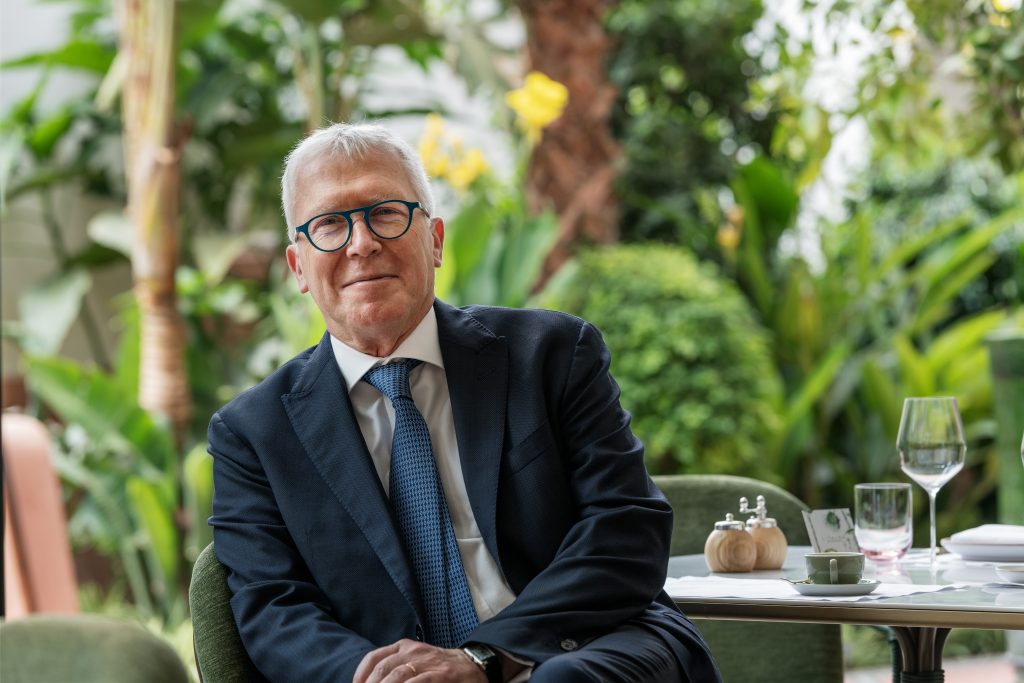
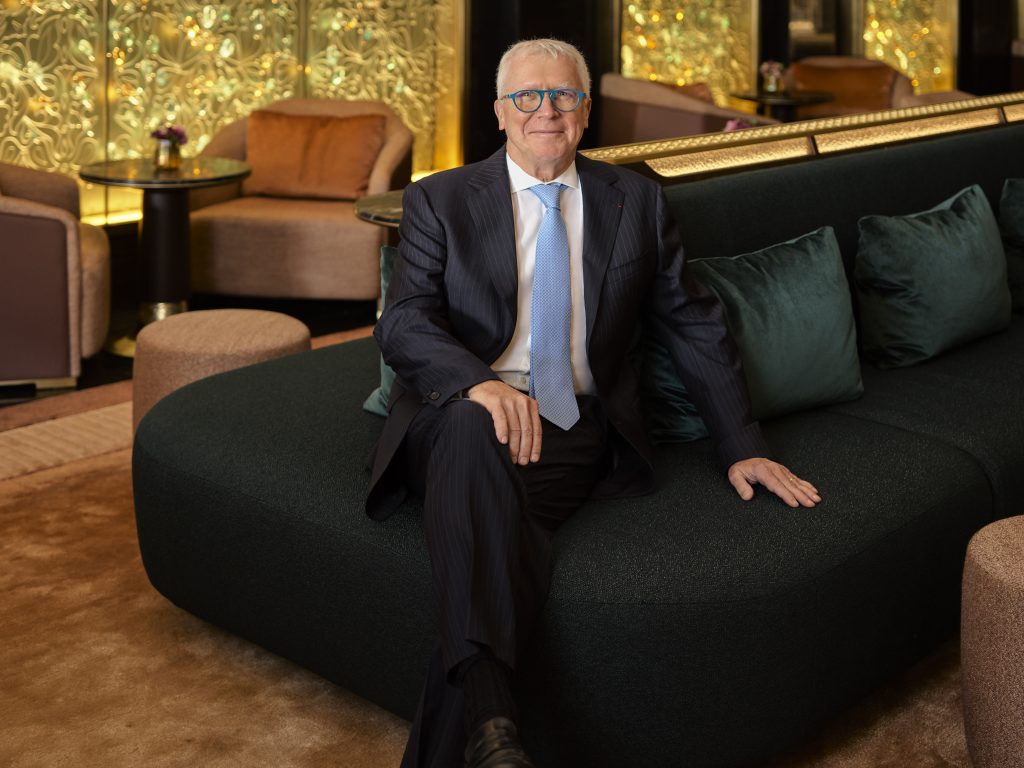
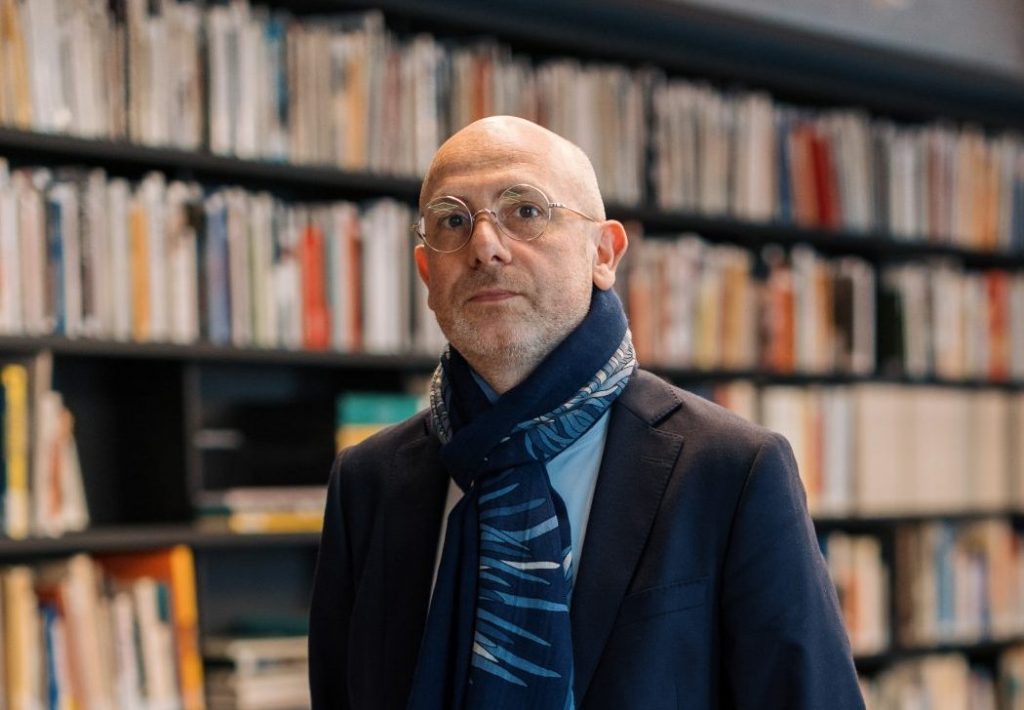
Pierre Jochem, General Manager of the luxury La Mamounia hotel in Marrakech, talks about his vision of luxury, where time, authenticity and discreet attention take precedence over ostentation. By combining Moroccan heritage with a quest for subtle modernity and a keen sense of tradition, he reveals the driving forces behind an establishment that is constantly reinventing itself while never losing sight of its roots.
La Mamounia; Pierre Jochem
His childhood in Bitche, Lorraine, was a world away from the luxury hotels he now manages. Spending his youth with his parents in Africa and going on many family holidays quickly gave him a taste for travel. After training in the hotel industry in Strasbourg, he embarked on a journey that would see him gradually climb the ladder of international luxury. His first stop was London, where he joined the world’s first Park Hyatt. He then moved to New York, where he honed his skills at the Four Seasons. Eager to broaden his horizons further, he travelled to India to work at the Imperial New Delhi and spent many years in Asia, including at Raffles Singapore, where he served as both General Manager and Vice-President of the seven Raffles hotels in the region simultaneously. Throughout his career, he has learnt that “high standards are a daily requirement and that every detail counts”.
Reflecting on his career path, Pierre Jochem does not speak of a rise to the top or strategy. He prefers the idea of a journey that has evolved naturally around luxury hospitality and a passion for service.
In his view, nothing could have truly prepared him for La Mamounia. “Arriving here wasn’t just a step in my career; it was an encounter,” he says. An encounter with an establishment whose soul, history, and emotional resonance transcend the mere notion of a hotel. ‘Taking the helm,’ he confides, ‘is less about exercising power than shouldering a responsibility: being the guardian of a place that existed long before us and will continue to exist long after.’
Drawing on cosmopolitan influences and talents such as Pierre Hermé, Simone Zanoni and Jean-Georges Vongerichten, he is bringing a modern vision to life where gastronomy and interior design subtly interweave cultures.

Pierre Jochem
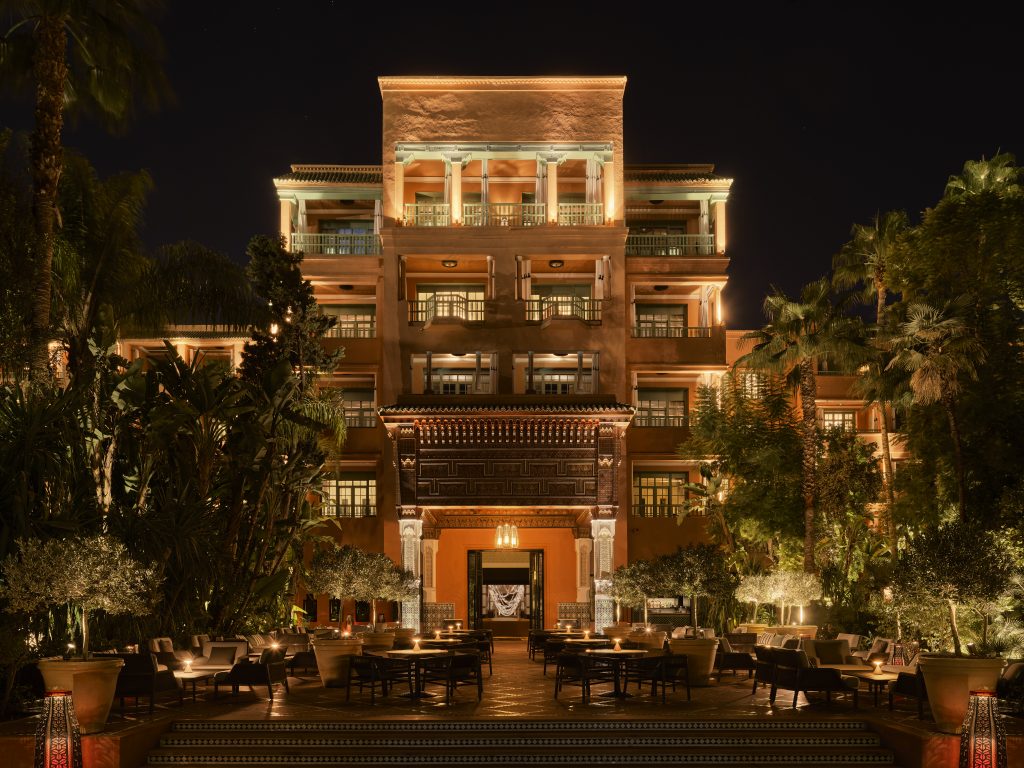
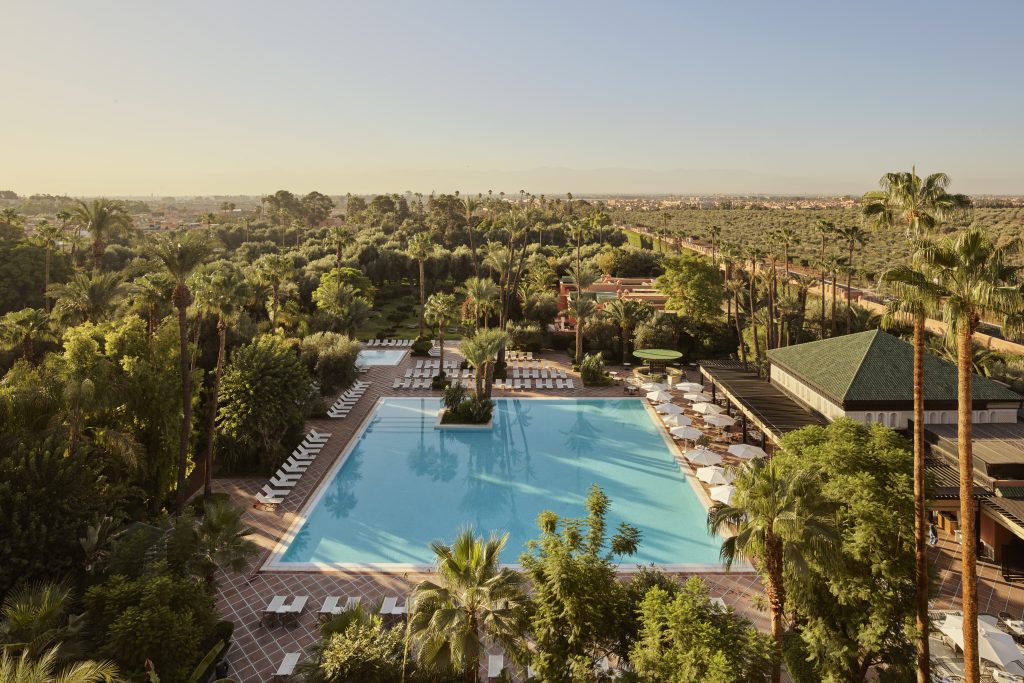
Throughout his career, he has had many experiences that have shaped his vision of the profession and of luxury. But one experience, more personal than the rest, recurs like a mantra: ‘True luxury isn’t necessarily about aesthetics or perfection; luxury is about time’: the time to pause, to breathe, to experience a place rather than simply pass through it. ‘Our guests live in a state of constant acceleration. When they arrive at La Mamounia, they are looking for a space to slow down,’ he explains. The eight hectares of gardens, enveloping architecture, light of Marrakech, mild climate and cuisine conceived as a sensory journey all come together to offer this sought-after deceleration.
“La Mamounia,” he says, “is a respite from the world’s pace”.
La Mamounia ; Pierre Jochem
When asked about the values that guide him in his daily role as a leader, Pierre Jochem answers without hesitation that the most important value is humility.
“We run a great establishment, but we remain at its service.” In a place where every gesture counts and every expert carries a piece of history, a top-down approach has its limits. Next comes consistency: the ability to align words with actions.
Pierre Jochem
A luxury hotel relies largely on teamwork. So it’s only natural to wonder how one can inspire teams to uphold the same high standards.
Pierre Jochem’s answer is almost didactic: inspiring a team means offering them a story to live by, first and foremost. “At La Mamounia, we are not just running a hotel; we are carrying on a legacy,” he asserts. In this context, high standards are not imposed; they become self-evident. Once everyone understands that they are contributing to something greater than themselves, their actions become more refined and their attention more acute.
He also emphasises the importance of training. ‘We invest heavily in training, including internationally, to enable our teams to discover, find inspiration and give their all.’ He talks about passing on knowledge, but also about openness, and nurturing curiosity to foster excellence.
Pierre Jochem also cites rigour, elegance of movement and the ability to anticipate as the fundamentals of the profession, but above all else he values what he calls emotional intelligence: the ability to empathise with others and adjust one’s behaviour in real time. “Our clients travel a great deal. They know the world and expect an experience, not just a service,” he points out. In a luxury hotel, “technique provides the foundation, but people make the difference”.
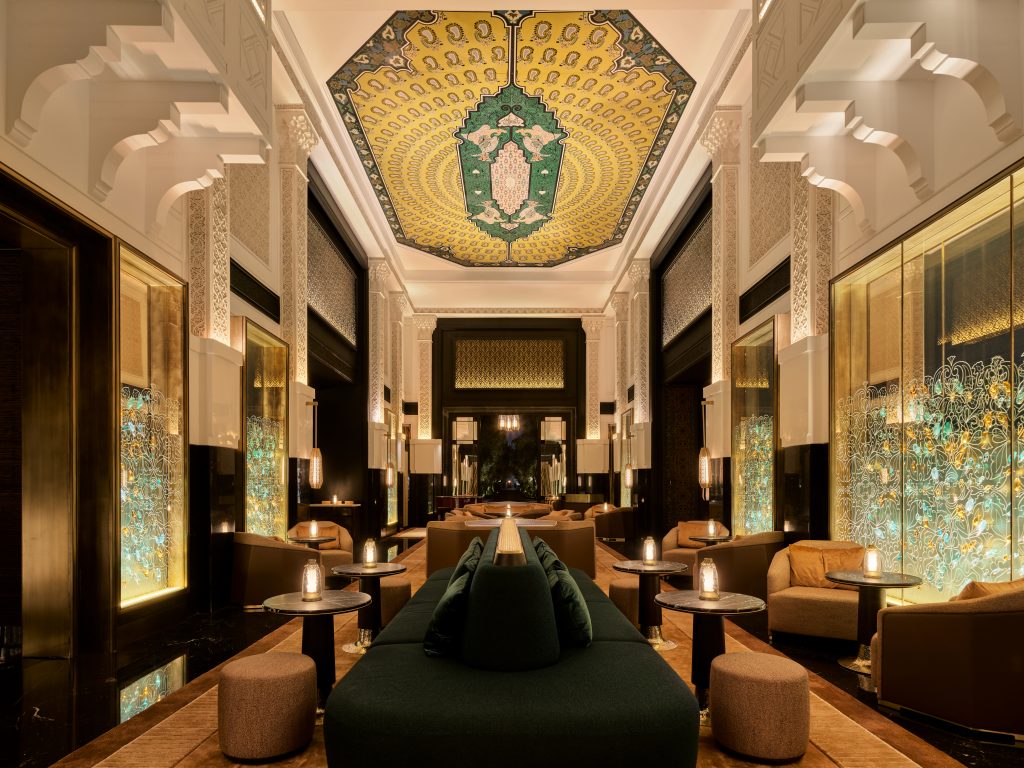
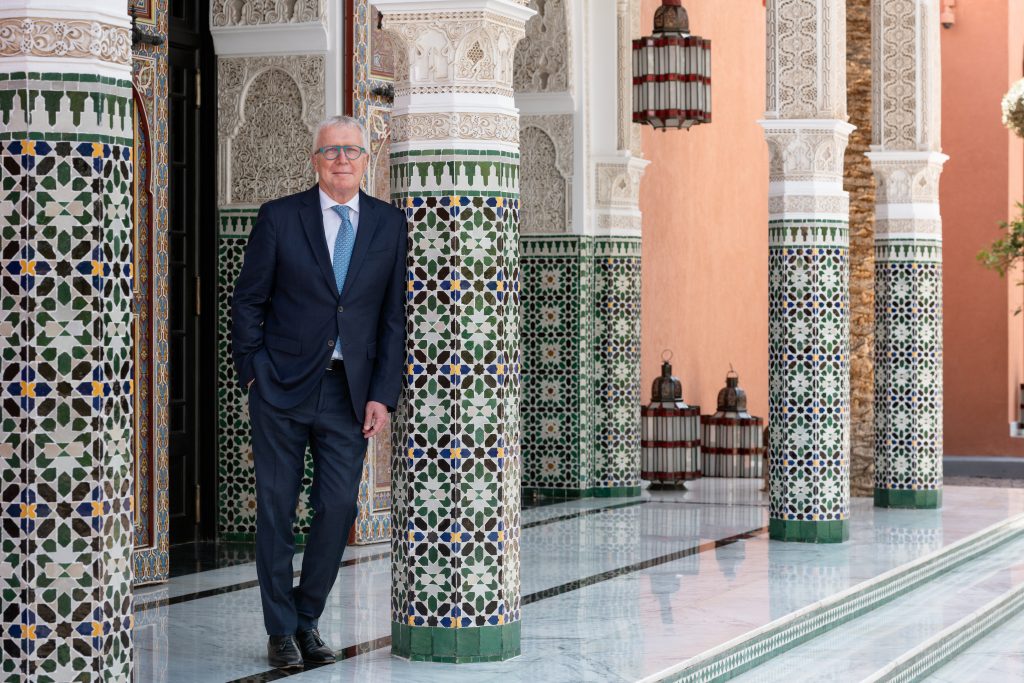
“Luxury has become more discreet and intimate,” says Pierre Jochem. It is less spectacular and more embodied. Guests now seek authenticity, sensory experiences and the true essence of a place. “They want to feel something,” he says, and the palace offers just that, with an atmosphere in which every element — the golden morning light, the murmur of the fountains and the coolness of the zellige tiles — tells a sensory, unique and intrinsically Moroccan story. “When guests close their eyes, they should recognise La Mamounia”. From the softness of the fabrics to the shadows cast by the mashrabiya screens, every element contributes to this refined, enveloping experience.
La Mamounia ; Pierre Jochem
In such an iconic and historic place, it can be challenging to balance history with the need to innovate in order to fulfil guests’ desires and demands. Pierre Jochem’s answer is clear: “It all stems from the hotel’s DNA. Every decision must start there”. Innovation is only worthwhile if it remains true to the spirit of the place.
He speaks of a ‘subtle modernity’, which blends into the décor — never intrusive and always serving the experience. Renovations and modernisations are conceived in harmony with the heritage: Moroccan craftsmanship, zellige tiles, sculpted plasterwork and the ancestral skills that shape La Mamounia’s identity are all incorporated. Here, innovation does not erase tradition; it extends it.
For such an establishment, the challenge is simple to articulate but difficult to sustain: to remain a global benchmark while preserving its uniqueness. ‘In a context where luxury hotels compete through innovation, staying the course requires clarity and consistency. The opportunity, however, is immense. Marrakech attracts an increasingly discerning, cultured and curious international clientele with an appreciation for art, gastronomy and history.” La Mamounia, with its strong identity and open attitude to the world, has everything to appeal to these travellers in search of authenticity and excellence,” says Pierre Jochem.
In a country heavily impacted by global warming and environmental challenges, sustainable development has become an essential requirement for the luxury hospitality sector. Pierre Jochem discusses the major trends transforming this economic sector. He immediately makes it clear that sustainable development cannot be limited to mere rhetoric. It must be embodied in everyday life. At La Mamounia, several concrete measures are in place:
“We continue this work because preserving the excellence of the hotel also means preserving its environment”. Environmental responsibility is becoming a hallmark of luxury.
Pierre Jochem smiles when asked this question: ‘What motivates a general manager every morning? Quite simply, the life of the hotel”, he says. ‘Feeling the energy of the teams and the dynamism of a place that is inhabited and alive.’ Above all, there is that moment that repeats itself every day: ‘Knowing that someone is going to discover La Mamounia for the first time and be enchanted by it’.
This simple yet magnificent idea undoubtedly sums up his vision of the hotel: it is never static. It is reborn every day in the eyes of those who experience it for the first time.
‘Even though my wife is a great cook, if I were to cook, it would be fish.’
‘Golf.’
‘Aznavour, Brel, Reggiani, Maxime Leforestier, Michel Sardou…’
“Love.”
Février, 2026
Créer avec l’existant, penser avec l’histoire
De l’architecture au design, cette édition explore comment lieux, savoir-faire et matières héritées deviennent terrains de création actuelle.
Janvier, 2026
Le luxe se réinvente.
Finis les logos clignotants, place à une sobriété raffinée, à l’immersion personnelle, à l’excellence artisanale, à la durabilité sensible.
Décembre, 2025
Héritages, gestes contemporains et plaisirs essentiels
Parce que la fête n’est jamais qu’apparence : elle reflète notre manière d’habiter le monde, de transmettre, de fabriquer des souvenirs durables.
ÉDITION #3
Upcycling et kintsugi transforment l’objet contemporain, faisant de la trace, de la réparation et de la matière un langage esthétique.
ÉDITION #3
Artisans et designers donnent une seconde vie aux matériaux anciens, entre création contemporaine, patrimoine et réemploi.
ÉDITION #3
Bunkers, wagons et kiosques renaissent grâce à la création, révélant comment l’art redonne sens aux lieux délaissés.
ÉDITION #2
Un regard transversal sur le quiet luxury à travers des lieux, des objets et des figures qui expriment l’élégance.
ÉDITION #1
Une sélection de marques, architectures, objets et escapades qui donnent corps au sens de la fête.
ÉDITION #3
Usines et gares délaissées deviennent lieux culturels ouverts, où mémoire industrielle et usages contemporains redessinent la ville.
ÉDITION #3
L’audacieuse métamorphose d’un palace parisien
ÉDITION #3
Au cœur du Marais, un lieu discret révèle comment archives, architecture et recherche font dialoguer l’œuvre de Picasso.
ÉDITION #2
Une expérience shopping unique dans un magasin emblématique.
ÉDITION #2
Voyage culinaire et architectural au cœur de la Seine
ÉDITION #2
Dans le 9e arrondissement, un établissement qui invite au quiet luxury
ÉDITION #1
Chante! vient d’ouvrir ses portes. Une invitation à vibrer !
ÉDITION #3
Icône du paysage français, la boîte jaune change de statut et s’invite dans l’univers du design.
ÉDITION #3
L’édition 2026 affirme une vision où artisanat, design et mémoire façonnent l’habitat contemporain, international actuel.
ÉDITION #3
Cent ans après 1925, l’Art déco revient dans nos villes et intérieurs avec géométrie, audace, optimisme.
ÉDITION #3
Depuis plus de deux cents ans, Royal Limoges conjugue porcelaine, savoir-faire industriel et création contemporaine.
ÉDITION #3
Des terrains de sport aux podiums, la sneaker raconte un siècle de mutations culturelles, techniques et stylistiques.
ÉDITION #2
Design, mode, artisanat : des créations où la forme et la matière se répondent avec justesse, loin de tout effet de mode.
ÉDITION #1
Décorations artisanales, calendriers ultra-luxe et pièces de collection pour s’enivrer de joie avant l’heure.
ÉDITION #3
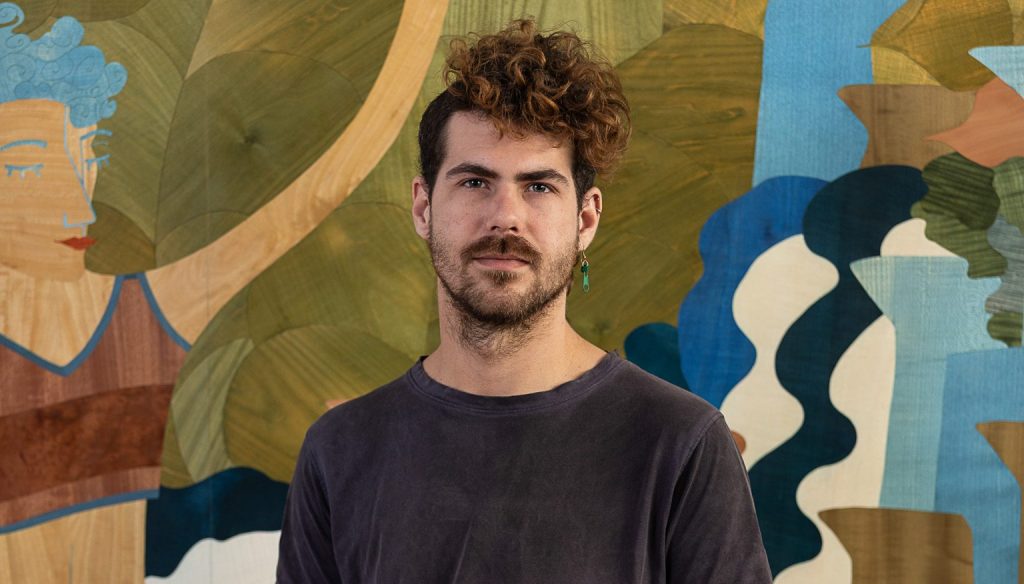
Entre marqueterie monumentale et jungle symbolique, Anton Laborde transforme le bois en récit contemporain poétique engagé.
ÉDITION #3
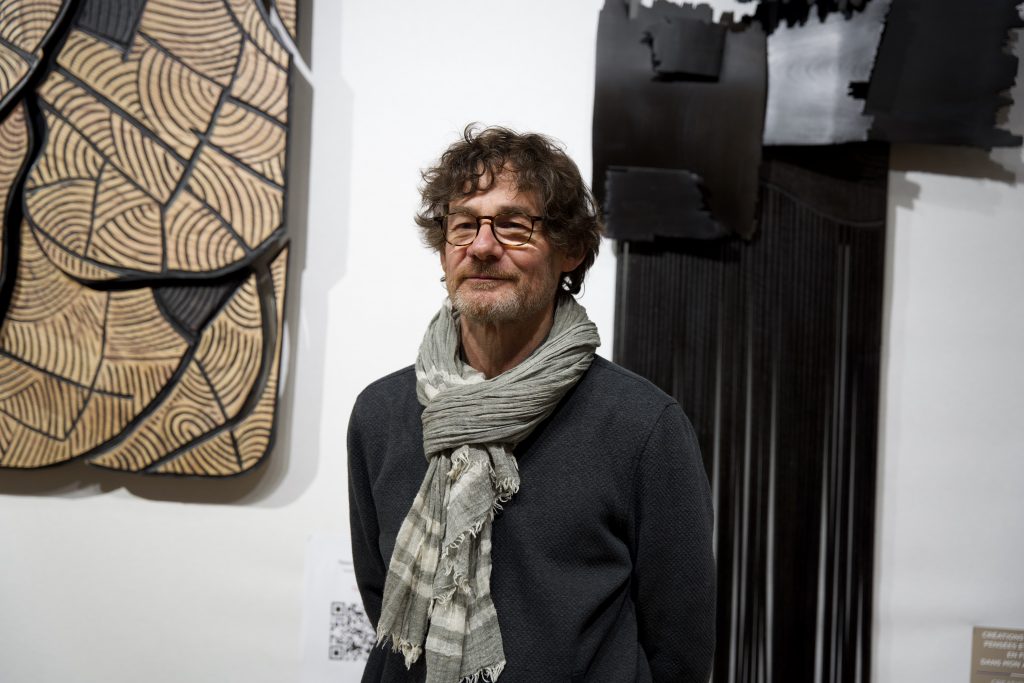
À Maison & Objet, Thierry Laudren présente des meubles sculptés où fonction, matière et lenteur façonnent une présence.
ÉDITION #3
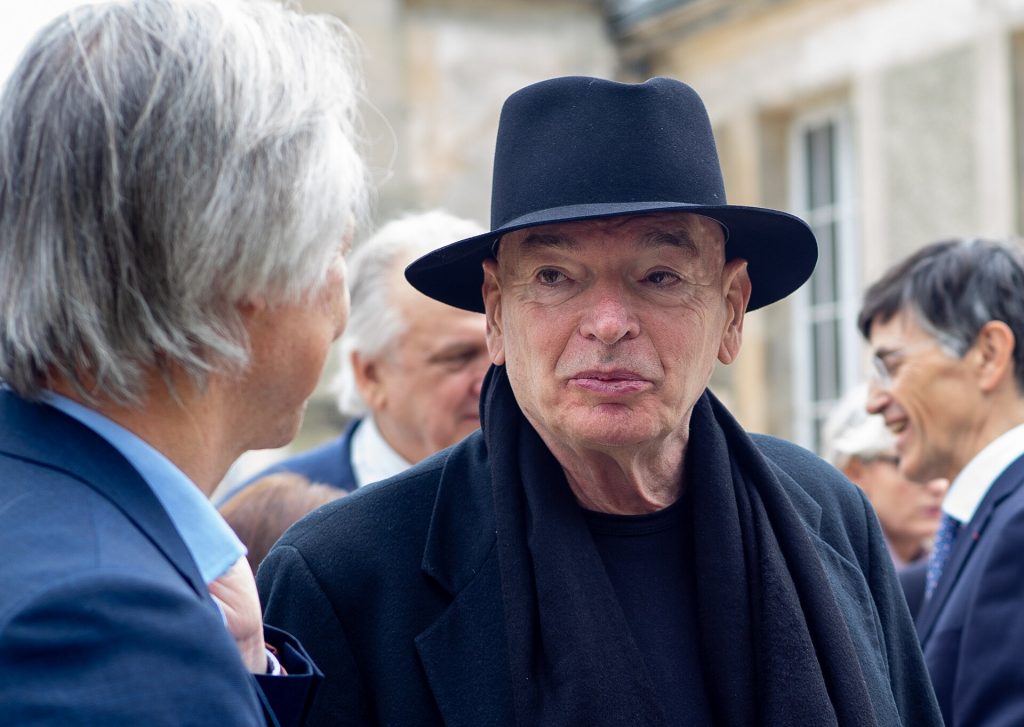
Jean Nouvel conçoit une architecture attentive aux contextes, où lumière, histoire et usages façonnent chaque projet.
ÉDITION #3
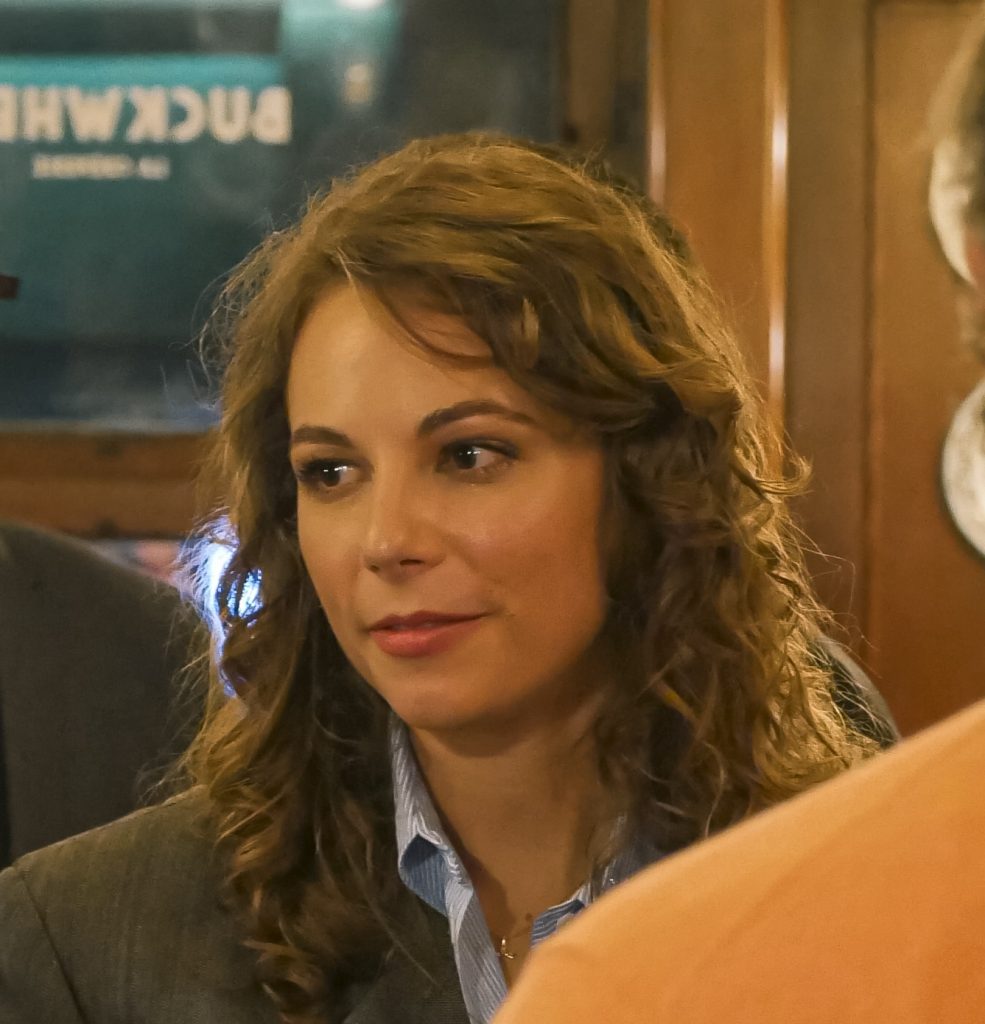
À Lyon, Sophie Morel rénove des lieux historiques en alliant respect du bâti et écriture contemporaine.
ÉDITION #3
Au Centre d’Études Picasso, l’architecte compose une architecture où lumière, géométrie et héritage dialoguent avec précision.
ÉDITION #2
Entretien avec le fondateur d’EDO (European Design Office)
ÉDITION #2
Portrait d’un visionnaire qui transforme l’art de recevoir en expérience totale.
ÉDITION #1
Personnalités, artisans et créateurs qui donnent à la fête sa profondeur humaine.
ÉDITION #3
De Bordeaux au Bassin, art, vignobles et bien-être composent une échappée élégante au cœur de la Gironde.
ÉDITION #2
Vers une région de l’Italie habitée par le temps, où paysages, culture et usages s’accordent dans une continuité rare.
ÉDITION #1
Destinations et rituels qui réinventent la fête, du soleil tropical aux marchés d’hiver.